Lola B98/10 Ford 6.0L V8 ‘Roush’
Brand
Produced from
Portal
Model line
Predecessor
Sucessor
About this submodel
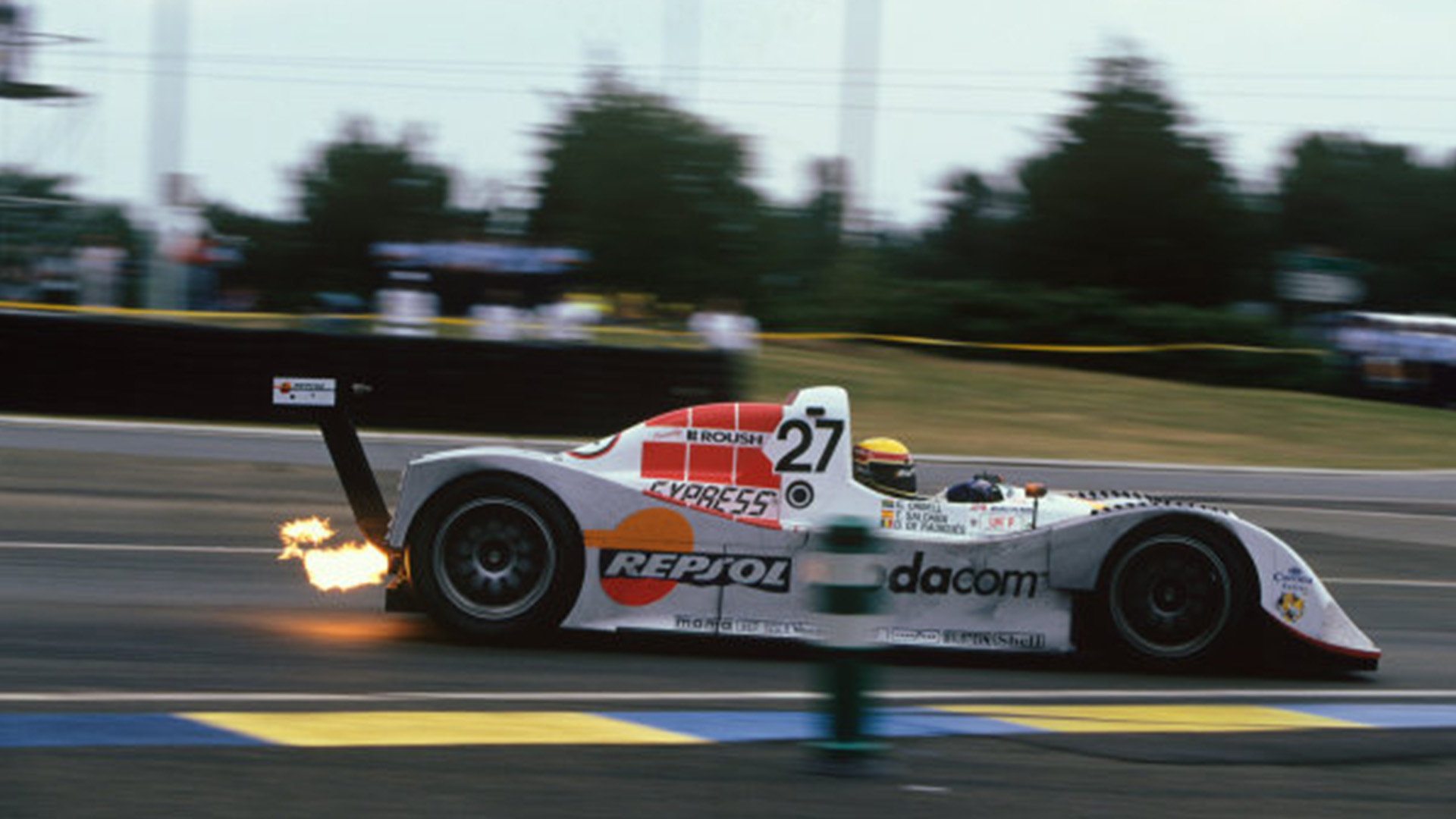
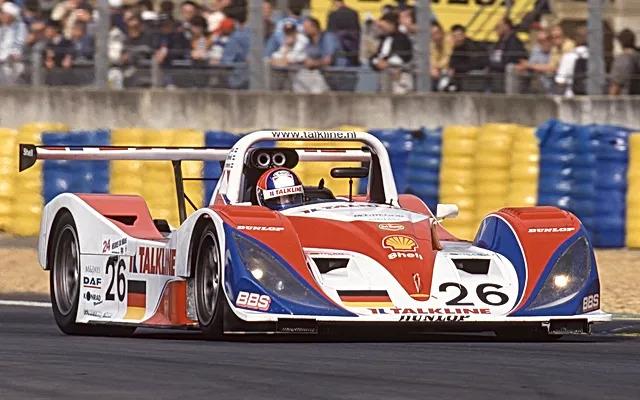
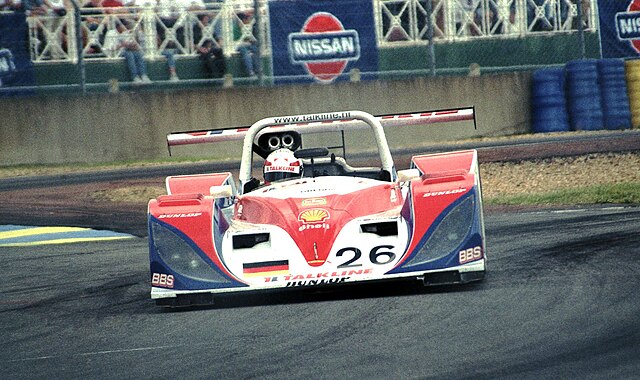
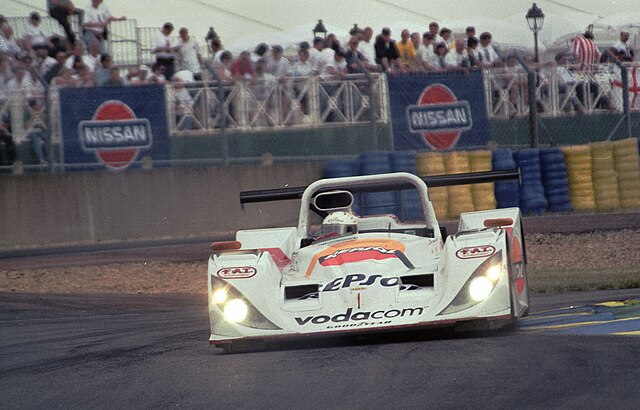
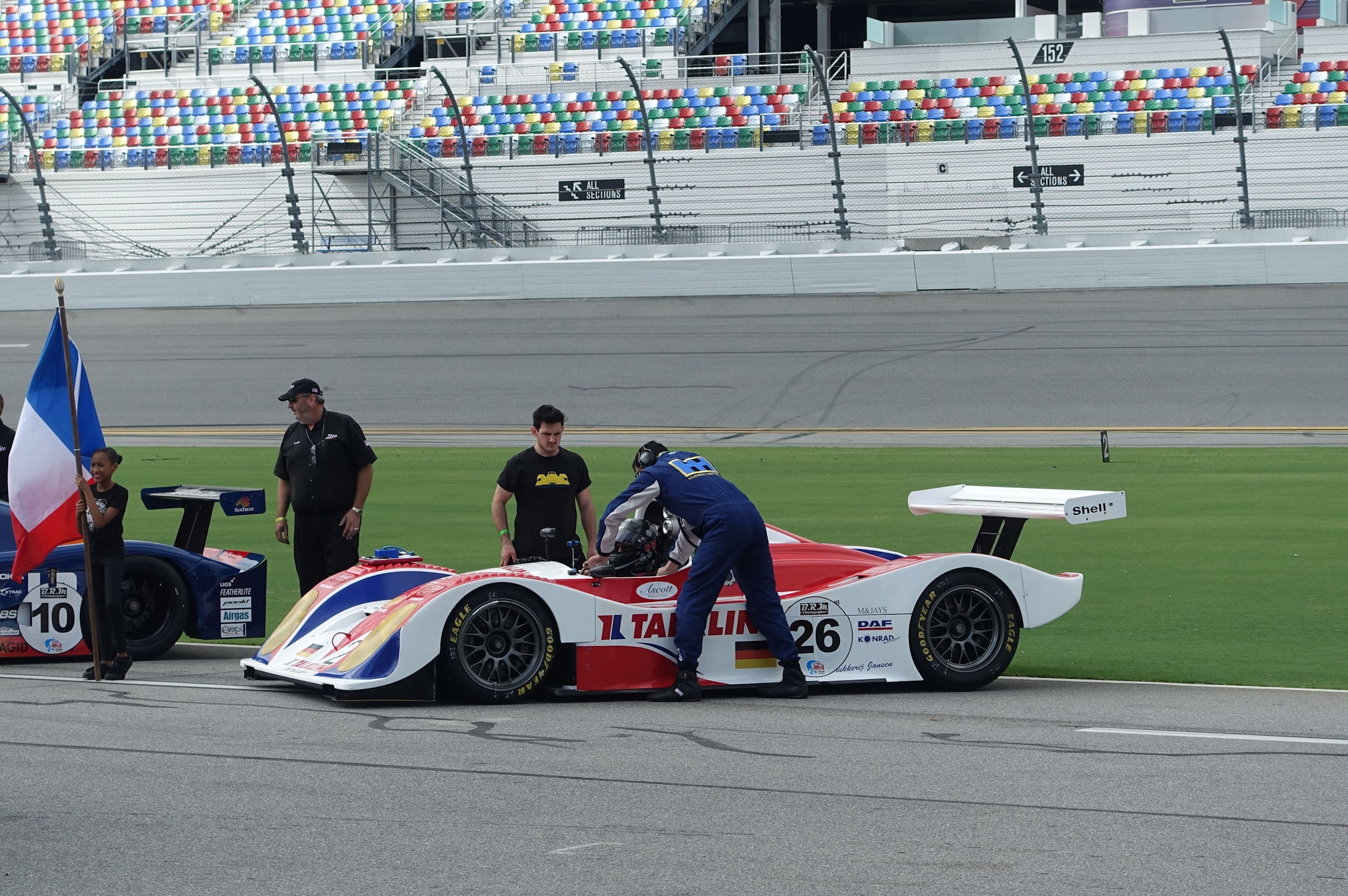
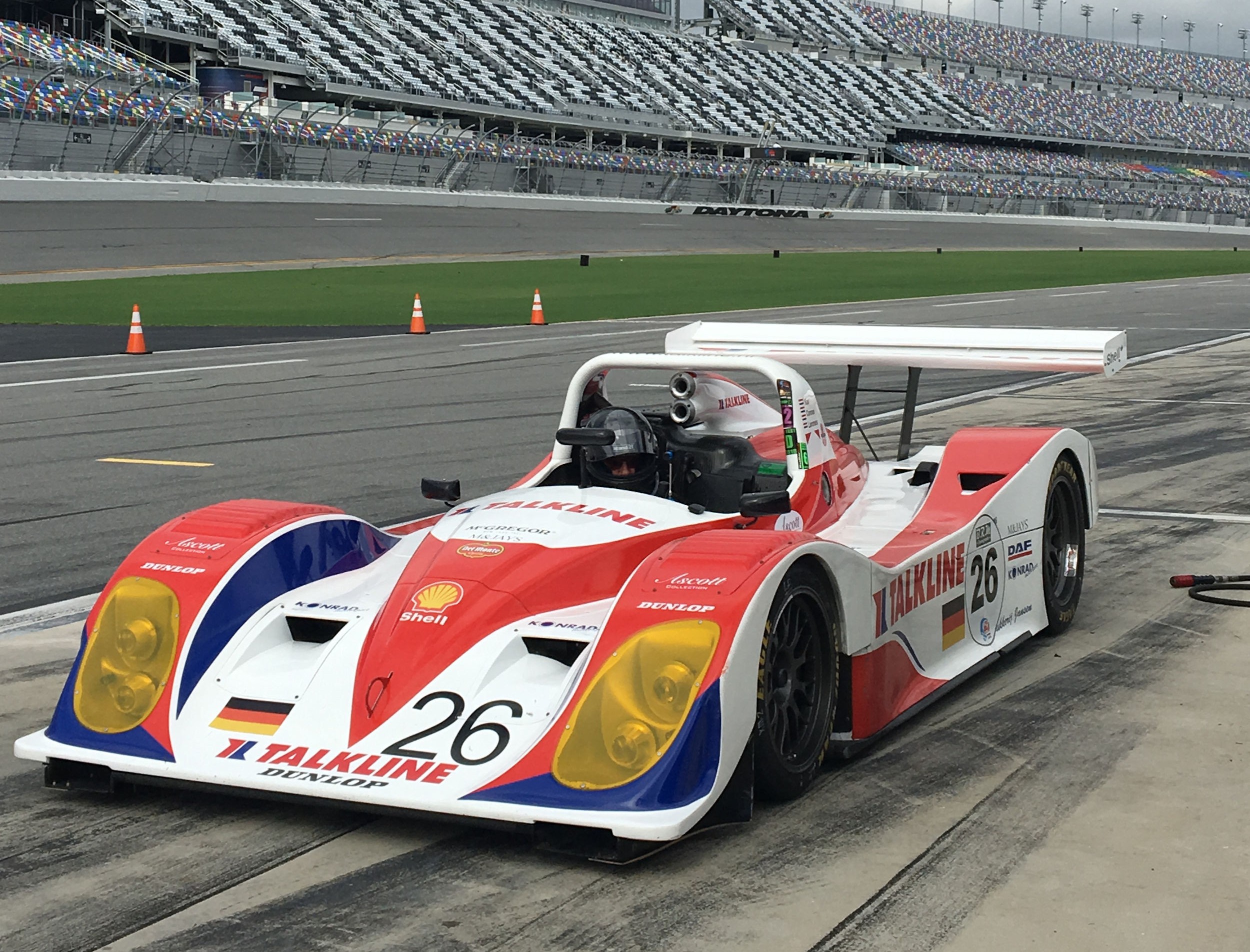
In the late 1990s, the landscape of American sports car racing was defined by a philosophical clash between the high-revving, multi-valve sophistication of Europe and the earth-shaking, pushrod torque of the United States. While the Ferrari 333 SPs screamed their V12 arias at 11,000 rpm, a different kind of monster was lurking in the paddock of the newly formed American Le Mans Series (ALMS) and the United States Road Racing Championship (USRRC). This was the Lola B98/10 Ford 6.0L ‘Roush’, a machine that represented the perfect trans-Atlantic marriage: a cutting-edge British carbon-fibre chassis mated to a brutish, iron-block American heart. Commissioned primarily by the legendary Dyson Racing team, this specific submodel was a direct response to the aging Riley & Scott Mk III. Rob Dyson, a man who understood that races were won in the corners but dominated by torque out of them, bet the farm that Lola’s new aerodynamic platform, when shoved down the track by Jack Roush’s finest V8, would create a package capable of toppling the factory-backed giants from BMW and Panoz.
From a technical standpoint, the marriage of the B98/10 chassis and the Ford-Roush engine was an exercise in contradictions that somehow worked harmoniously. The B98/10 tub, designed by Peter Spence, was a thoroughly modern, Formula 1-standard carbon composite monocoque. It featured advanced aerodynamics with a shovel-nose front splitter and cavernous Venturi tunnels that generated immense downforce. Into this lightweight, jewel-like cradle, Dyson Racing dropped a sledgehammer. The engine was a 6.0-litre (roughly 366 cubic inch) Ford V8 prepared by Roush Technologies. Unlike the overhead-cam Judd V10s used by European teams, this was a pushrod, two-valve-per-cylinder unit rooted in NASCAR technology. It was simpler, cheaper, and ostensibly archaic. However, it was also surprisingly light due to careful metallurgy, had a lower center of gravity than the overhead-cam rivals, and produced a mountainous 600+ bhp and over 500 lb-ft of torque.
The genius of this packaging lay in driveability. While the Ferrari drivers had to row their gearboxes frantically to stay in the power band, the Dyson drivers—Butch Leitzinger, James Weaver, and Elliott Forbes-Robinson—could simply lean on the throttle in any gear and let the torque haul the car out of corners. The transmission was a Hewland six-speed sequential, which often struggled to cope with the sheer violence of the V8’s power delivery, making gearbox preservation a critical skill. The suspension was double wishbone with pushrod-actuated springs, tuned by James Weaver to be compliant enough for the bumpy American tracks like Sebring and Mid-Ohio, yet stiff enough to maintain the aerodynamic platform.
The impact of the Roush-powered B98/10 on the 1999 racing season was profound. In the USRRC, the car was the dominant force. Dyson Racing used the reliable grunt of the Ford engine to secure the Drivers’ Championship for Elliott Forbes-Robinson and the Teams’ Championship for Dyson, effectively closing out the brief history of that series with a British-American victory. In the ALMS, the car faced stiffer competition from the factory BMW V12 LMR and the Panoz LMP-1 Roadster-S. Yet, the Lola-Ford frequently split the factories, using its superior mechanical grip and corner-exit speed to harass the more advanced machinery. It became a fan favorite not just for its speed, but for its sound; while the BMWs hummed and the Ferraris shrieked, the Lola-Ford arrived with a deep, percussive thunder that vibrated in the chest cavities of spectators, a sonic signature of pure American horsepower.
The car’s history is also noted for its role in the transition of privateer racing. Before this car, a tube-frame chassis was considered sufficient for US racing; after it, carbon fiber became mandatory for survival. The Dyson team’s success proved that a well-run privateer outfit could integrate a domestic engine into a foreign chassis and beat factory teams, a template that would later be followed by others in the LMP2 class. One curious aspect of the car was its longevity; long after the factory teams moved on to turbos and hybrids, the simple, robust nature of the Roush V8 meant these cars continued to be campaigned by privateers in historic series, where they remain competitive today due to their ease of maintenance compared to the complex Judd or Judd-GV4 variants.
Brand
Produced from
Portal
Model line
Predecessor
Sucessor
Brand
Produced from
Portal
Model line
Model generation
Predecessor
Sucessor
About this submodel
In the late 1990s, the landscape of American sports car racing was defined by a philosophical clash between the high-revving, multi-valve sophistication of Europe and the earth-shaking, pushrod torque of the United States. While the Ferrari 333 SPs screamed their V12 arias at 11,000 rpm, a different kind of monster was lurking in the paddock of the newly formed American Le Mans Series (ALMS) and the United States Road Racing Championship (USRRC). This was the Lola B98/10 Ford 6.0L ‘Roush’, a machine that represented the perfect trans-Atlantic marriage: a cutting-edge British carbon-fibre chassis mated to a brutish, iron-block American heart. Commissioned primarily by the legendary Dyson Racing team, this specific submodel was a direct response to the aging Riley & Scott Mk III. Rob Dyson, a man who understood that races were won in the corners but dominated by torque out of them, bet the farm that Lola’s new aerodynamic platform, when shoved down the track by Jack Roush’s finest V8, would create a package capable of toppling the factory-backed giants from BMW and Panoz.
From a technical standpoint, the marriage of the B98/10 chassis and the Ford-Roush engine was an exercise in contradictions that somehow worked harmoniously. The B98/10 tub, designed by Peter Spence, was a thoroughly modern, Formula 1-standard carbon composite monocoque. It featured advanced aerodynamics with a shovel-nose front splitter and cavernous Venturi tunnels that generated immense downforce. Into this lightweight, jewel-like cradle, Dyson Racing dropped a sledgehammer. The engine was a 6.0-litre (roughly 366 cubic inch) Ford V8 prepared by Roush Technologies. Unlike the overhead-cam Judd V10s used by European teams, this was a pushrod, two-valve-per-cylinder unit rooted in NASCAR technology. It was simpler, cheaper, and ostensibly archaic. However, it was also surprisingly light due to careful metallurgy, had a lower center of gravity than the overhead-cam rivals, and produced a mountainous 600+ bhp and over 500 lb-ft of torque.
The genius of this packaging lay in driveability. While the Ferrari drivers had to row their gearboxes frantically to stay in the power band, the Dyson drivers—Butch Leitzinger, James Weaver, and Elliott Forbes-Robinson—could simply lean on the throttle in any gear and let the torque haul the car out of corners. The transmission was a Hewland six-speed sequential, which often struggled to cope with the sheer violence of the V8’s power delivery, making gearbox preservation a critical skill. The suspension was double wishbone with pushrod-actuated springs, tuned by James Weaver to be compliant enough for the bumpy American tracks like Sebring and Mid-Ohio, yet stiff enough to maintain the aerodynamic platform.
The impact of the Roush-powered B98/10 on the 1999 racing season was profound. In the USRRC, the car was the dominant force. Dyson Racing used the reliable grunt of the Ford engine to secure the Drivers’ Championship for Elliott Forbes-Robinson and the Teams’ Championship for Dyson, effectively closing out the brief history of that series with a British-American victory. In the ALMS, the car faced stiffer competition from the factory BMW V12 LMR and the Panoz LMP-1 Roadster-S. Yet, the Lola-Ford frequently split the factories, using its superior mechanical grip and corner-exit speed to harass the more advanced machinery. It became a fan favorite not just for its speed, but for its sound; while the BMWs hummed and the Ferraris shrieked, the Lola-Ford arrived with a deep, percussive thunder that vibrated in the chest cavities of spectators, a sonic signature of pure American horsepower.
The car’s history is also noted for its role in the transition of privateer racing. Before this car, a tube-frame chassis was considered sufficient for US racing; after it, carbon fiber became mandatory for survival. The Dyson team’s success proved that a well-run privateer outfit could integrate a domestic engine into a foreign chassis and beat factory teams, a template that would later be followed by others in the LMP2 class. One curious aspect of the car was its longevity; long after the factory teams moved on to turbos and hybrids, the simple, robust nature of the Roush V8 meant these cars continued to be campaigned by privateers in historic series, where they remain competitive today due to their ease of maintenance compared to the complex Judd or Judd-GV4 variants.
Tech Specs
Discover the technical specifications
Tech Specs
Discover the technical specifications
Engine
01
03
Internal combustion engine
Configuration
Ford / Roush-Yates, V8 - 90º
Location
Mid, longitudinally mounted
Construction
Aluminium block and heads
Displacement (cc)
5,997 cc
Displacement (cu in)
366.0 cu in
Compression
12.0:1
Bore x Stroke
101.6 mm x 92.5 mm
Valvetrain
2 valves per cylinder, OHV (Pushrod)
Fuel feed
Electronic Fuel Injection (Zytek or Bosch management)
Lubrication
Dry sump
Aspiration
Naturally aspirated
Output
Power (hp)
~650 hp
Power (kW)
~485 kW
Max power at
7,000 RPM
Torque (Nm)
~780 Nm
Torque (ft lbs)
~575 ft lbs
Max torque at
5,500 RPM
Drivetrain
02
03
Chassis
Type
Monocoque
Material
Carbon fibre composite
Body
Material
Carbon fibre and Kevlar composite
Transmission
Gearbox
Hewland TLS, 6-speed sequential
Drive
Rear Wheel Drive (Limited Slip Differential)
Suspension
Front
Independent, double wishbones, pushrod-actuated coil springs over dampers, adjustable anti-roll bar
Rear
Independent, double wishbones, pushrod-actuated coil springs over dampers, adjustable anti-roll bar
Steering
Type
Rack and pinion, power assisted
Brakes
Front
Ventilated carbon-carbon discs Ø355 mm, 6-piston calipers (Brembo or AP Racing)
Rear
Ventilated carbon-carbon discs Ø355 mm, 6-piston calipers (Brembo or AP Racing)
Wheels
Front
13.5" x 18" (BBS or OZ Racing Magnesium)
Rear
14.5" x 18" (BBS or OZ Racing Magnesium)
Tires
Front
335/660 R18
Rear
365/710 R18
Dimensions and performance
03
03
Dimensions
Lenght (mm)
4,640 mm
Lenght (in)
182.7 in
Width (mm)
1,990 mm
Width (in)
78.3 in
Height (mm)
1,020 mm
Height (in)
40.2 in
Wheelbase (mm)
2,795 mm
Wheelbase (in)
110.0 in
Weight (kg)
900 kg
Weight (lbs)
1,984 lbs
Performance
Power to weight
~0.72 hp/kg
Top speed (km/h)
~335 km/h
Top speed (mph)
~208 mph
0-100 km/h (0-60 mph)
~2.9 s
Submodels
Other variants of this model
Submodels