Ford Fiesta R5
Brand
Produced from
Portal
Vehicle category
Model line
Model generation
Predecessor
Sucessor
About this submodel
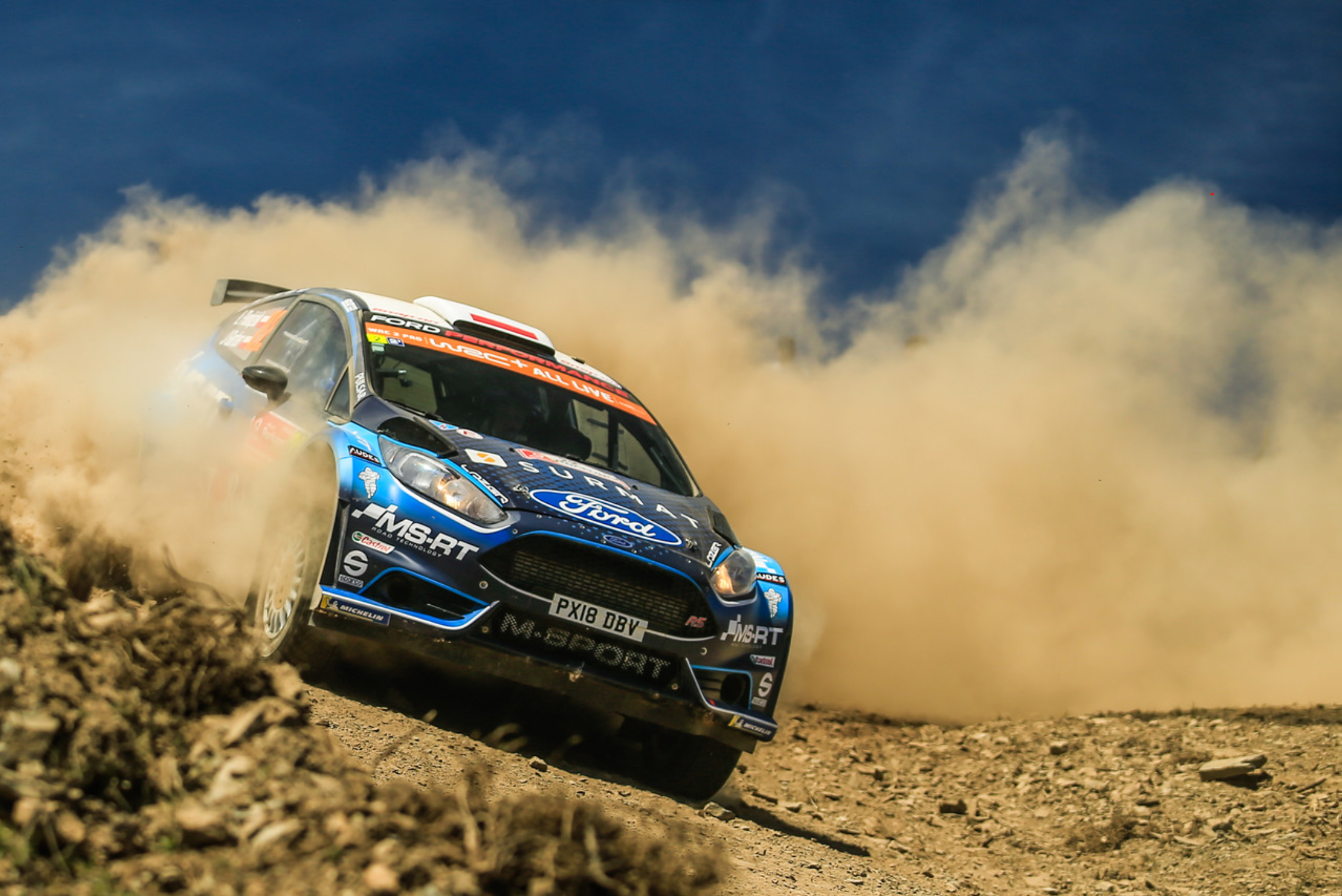
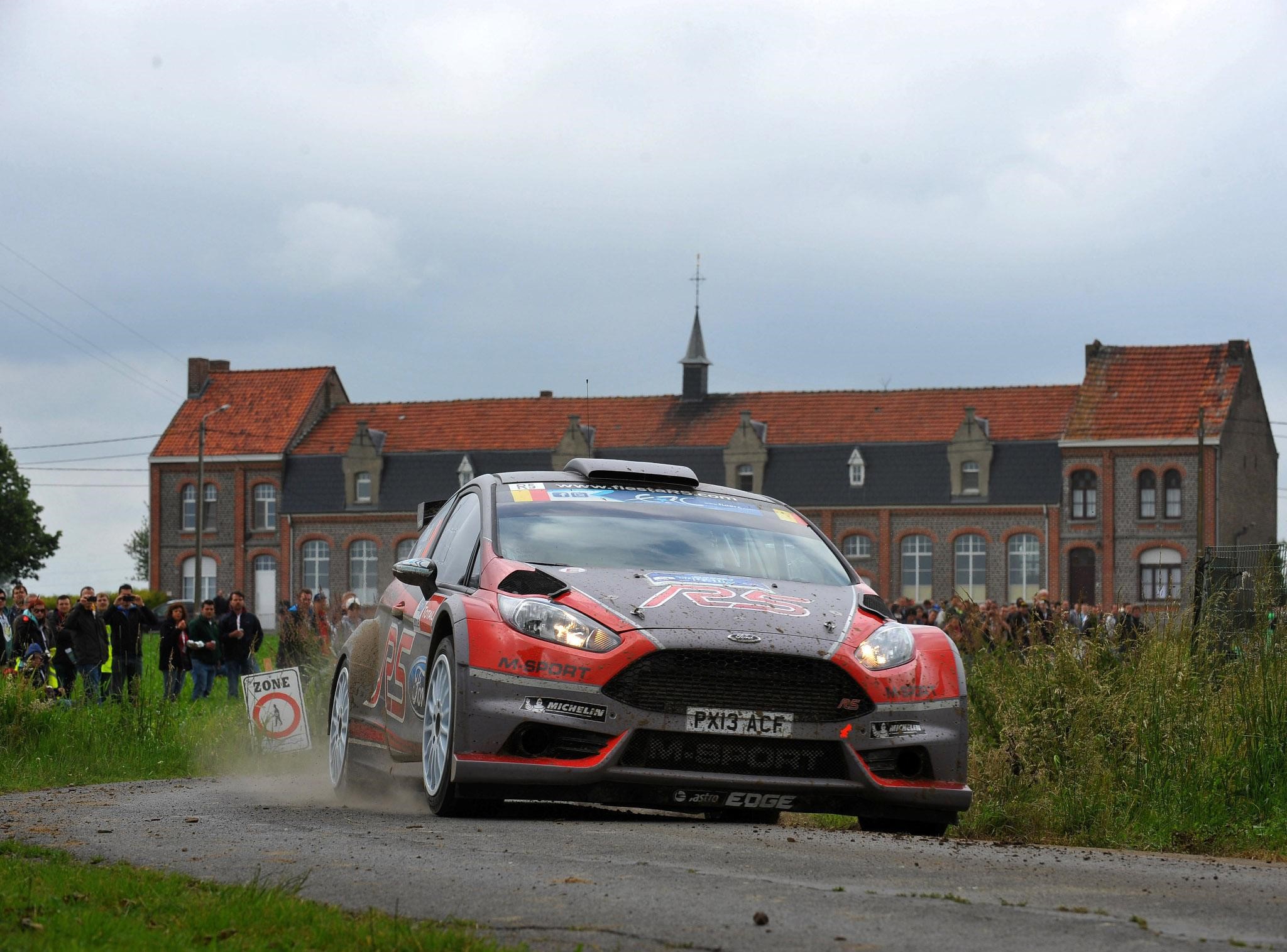
The year 2013 stands as a watershed moment in the recent history of rallying, marking the point where the sport pivoted from the expensive, high-revving excess of the Super 2000 era to a more sustainable, turbo-torque reality. At the forefront of this revolution was M-Sport, the Cumbrian outfit led by Malcolm Wilson. While Volkswagen was dominating the headline WRC category with the Polo R, M-Sport quietly unveiled the vehicle that would arguably become the most significant rally car of the decade: the 2013 Ford Fiesta R5. Designed to meet the FIA’s brand-new R5 regulations, this car was intended to bridge the chasm between production-based Group N machinery and the astronomically expensive World Rally Cars. It was the first of its kind to be homologated, beating Peugeot and Citroën to the punch, and in doing so, it didn’t just join the market; it created it. The Fiesta R5 was the spiritual successor to the screaming, naturally aspirated Fiesta S2000, but where the S2000 was a frantic, frenetic machine, the R5 was a torque-rich, cost-capped weapon designed for the privateer who wanted WRC looks and pace without the WRC price tag.
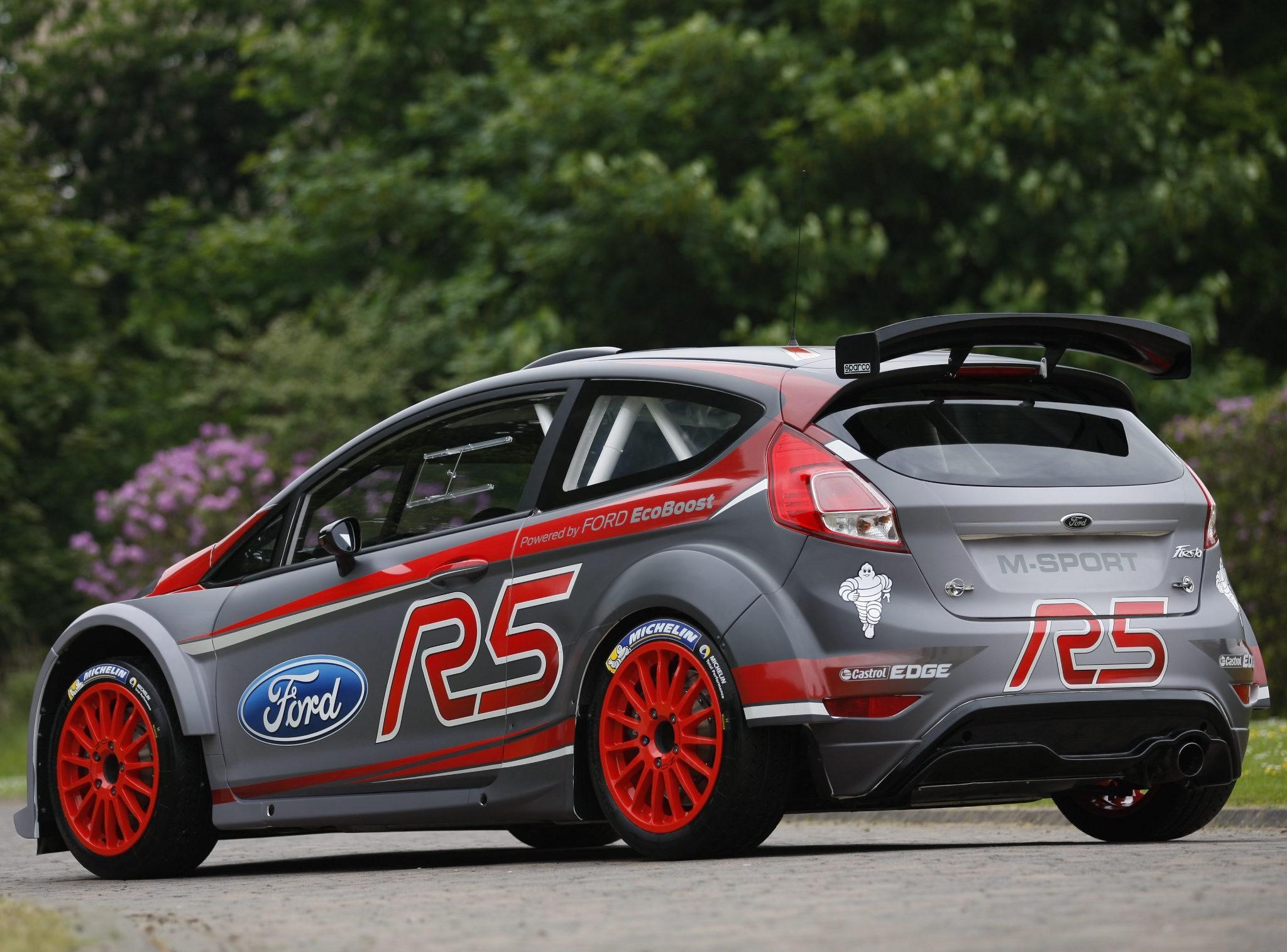
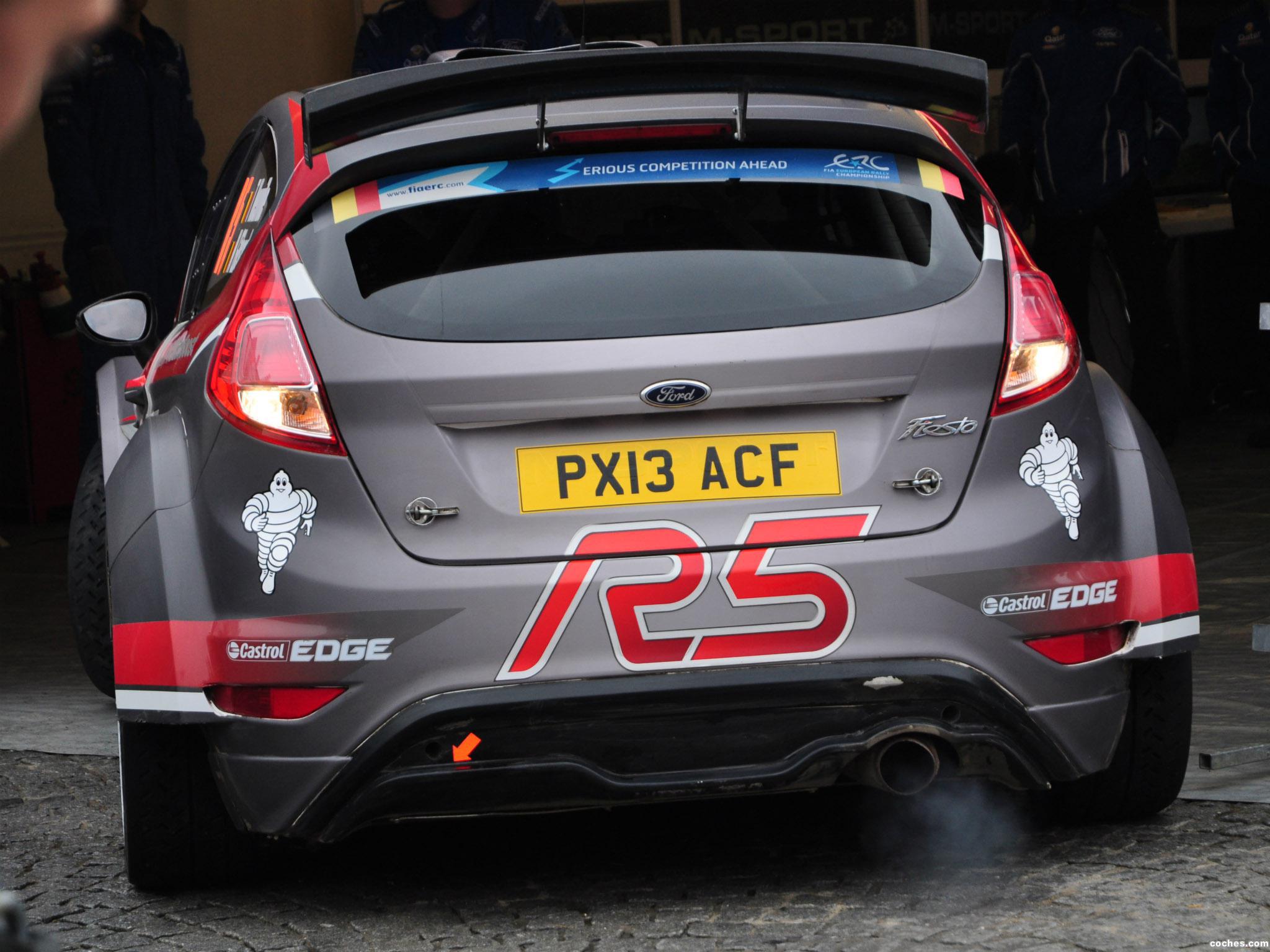
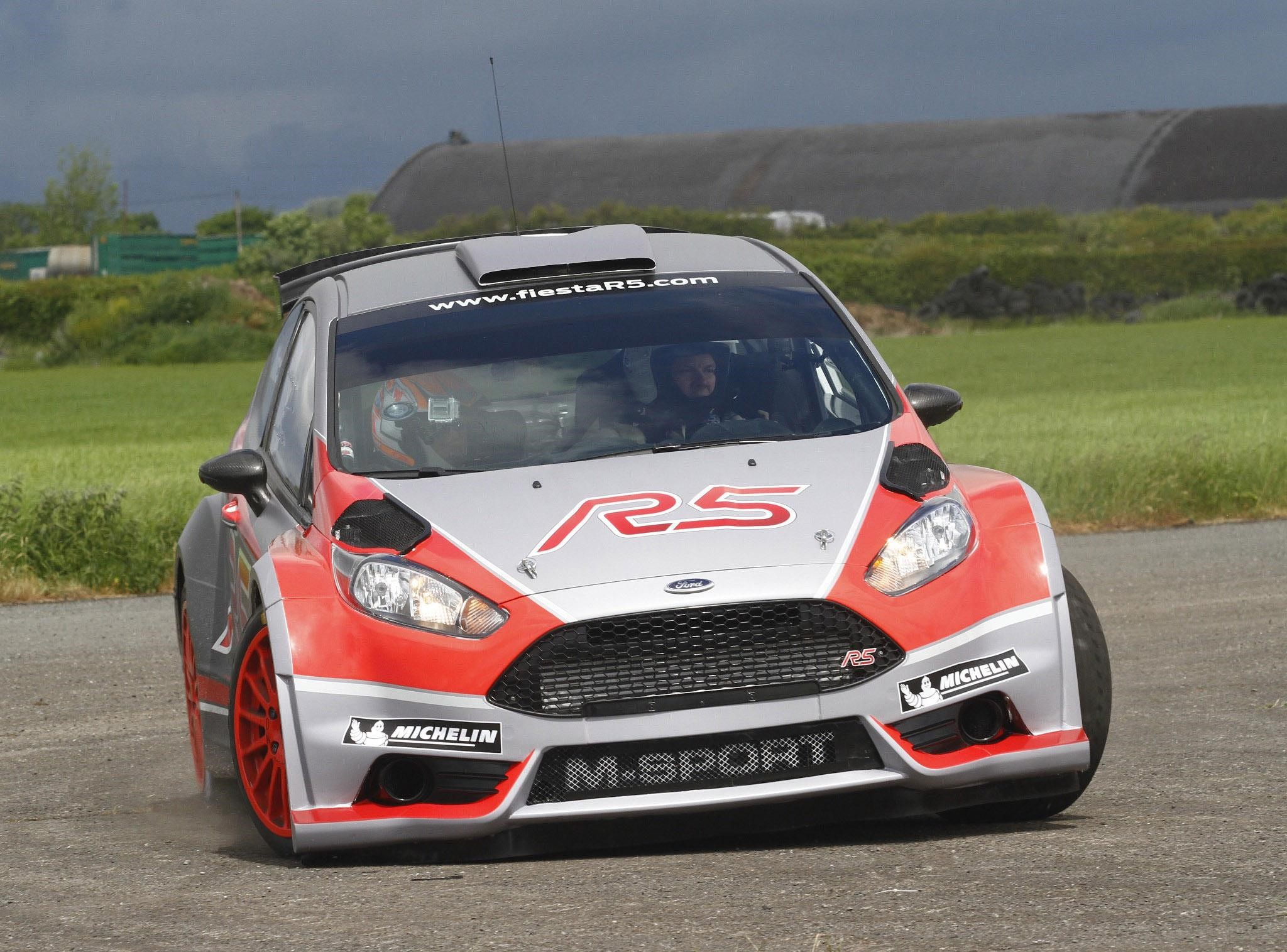
From a technical perspective, the Fiesta R5 was a masterclass in engineering within constraints. The FIA’s R5 rules imposed a strict price cap on the complete car and its components to ensure affordability. Consequently, M-Sport’s engineers, led by Chris Williams, had to be clever. The heart of the car was a 1.6-litre, direct-injection turbocharged four-cylinder engine. Unlike the bespoke racing units of the WRC cars, this was based on the standard Ford EcoBoost block, heavily modified to produce 290 bhp and, crucially, a massive wave of torque restricted by a 32mm air intake restrictor. This engine was mated to a Sadev five-speed sequential gearbox—one gear fewer than the WRC spec—and a permanent four-wheel-drive system with mechanical front and rear differentials (active center differentials were banned for cost reasons). The suspension utilized MacPherson struts at all four corners with Reiger dampers, a robust setup designed to handle everything from the bedrock of the Acropolis to the ice of Monte Carlo. Visually, the R5 was 90% unique compared to the road car, featuring an aggressive wide-body kit, a prominent roof scoop, and a rear wing that, while smaller than the WRC variant, still generated significant downforce. It looked the part, sharing the aggressive “Kinetic Design” face of the facelifted Fiesta ST, but it was built like a tank, prioritizing durability and ease of maintenance over the exotic, fragile lightness of the World Rally Cars.
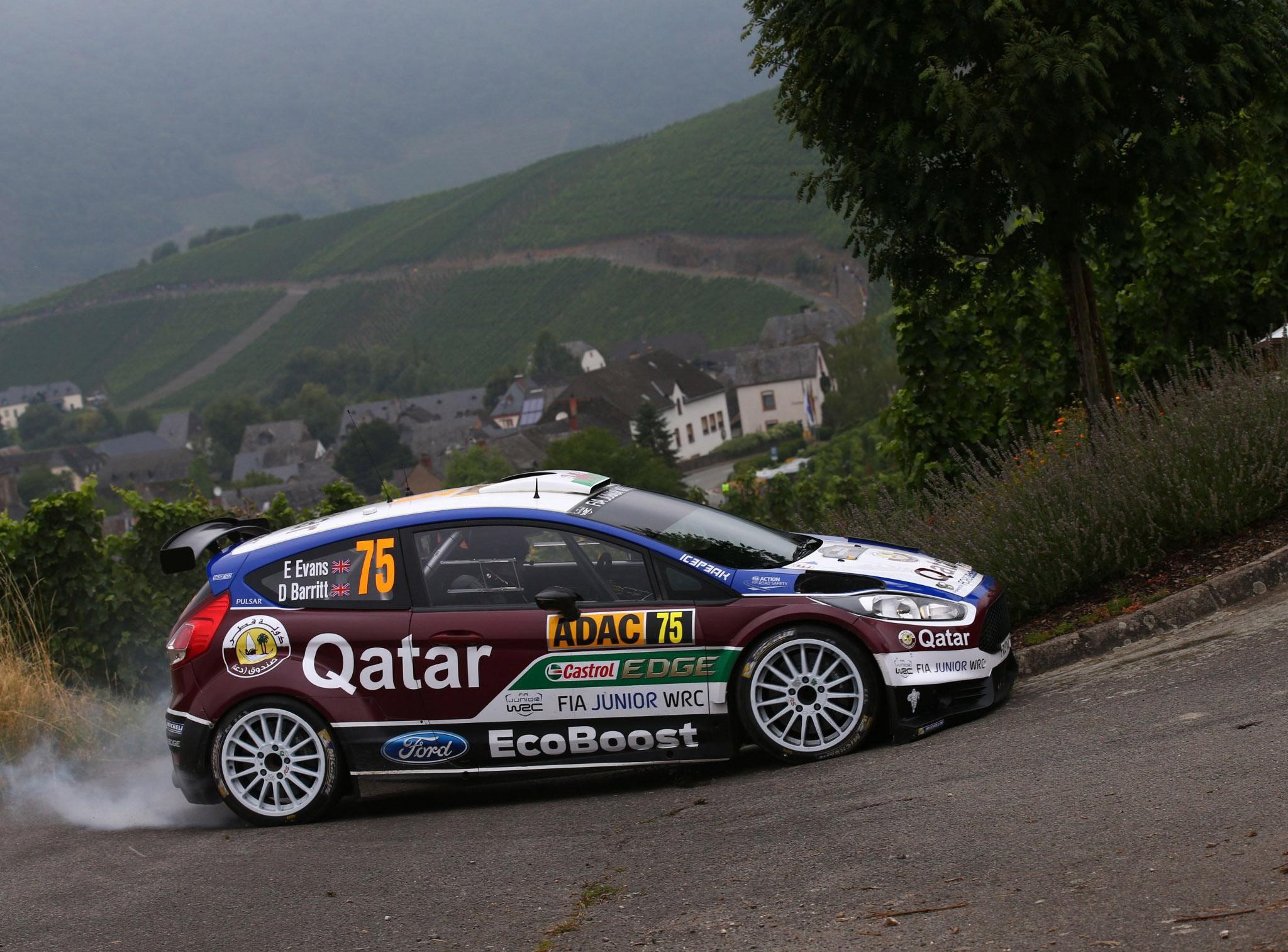
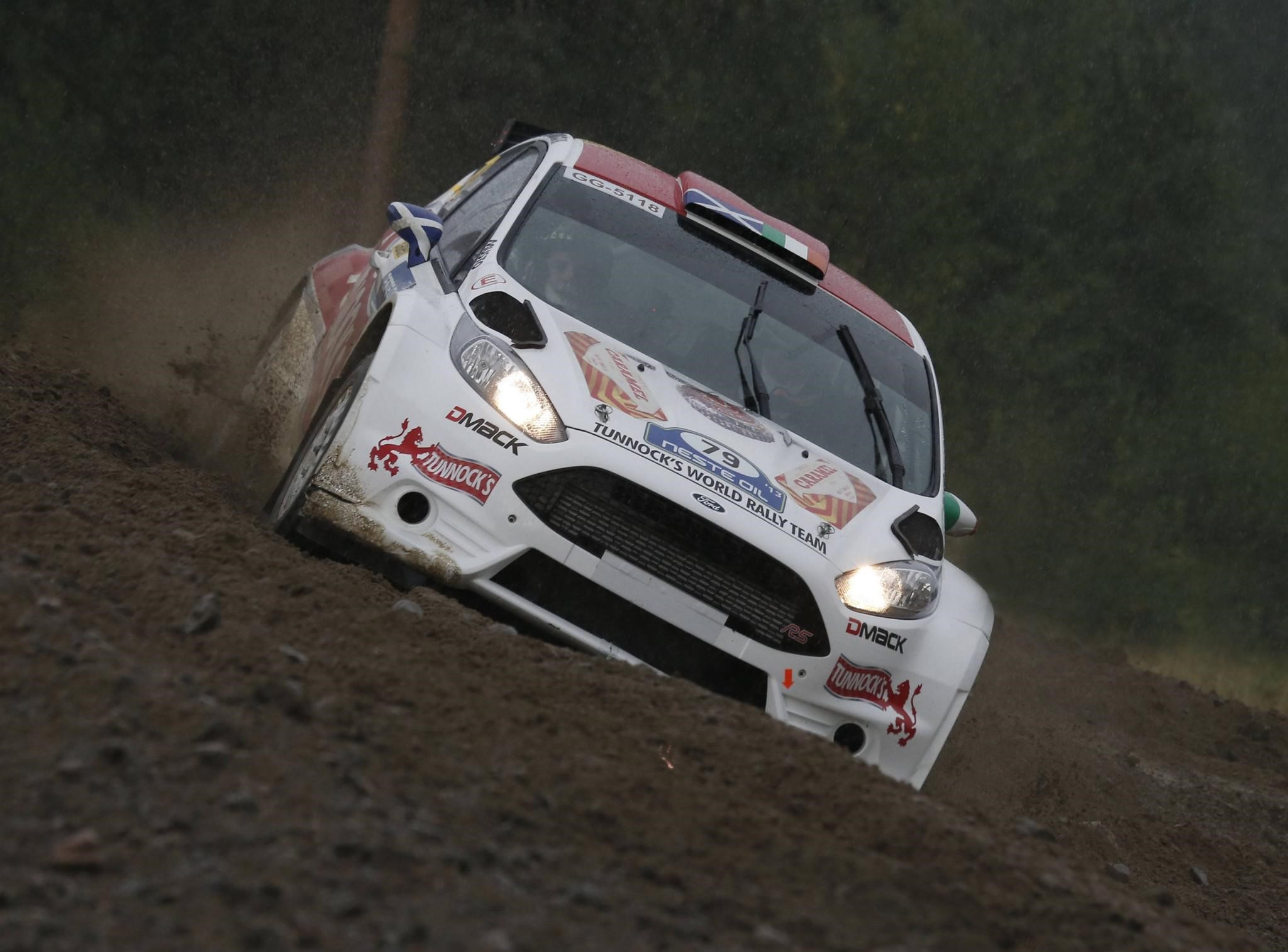
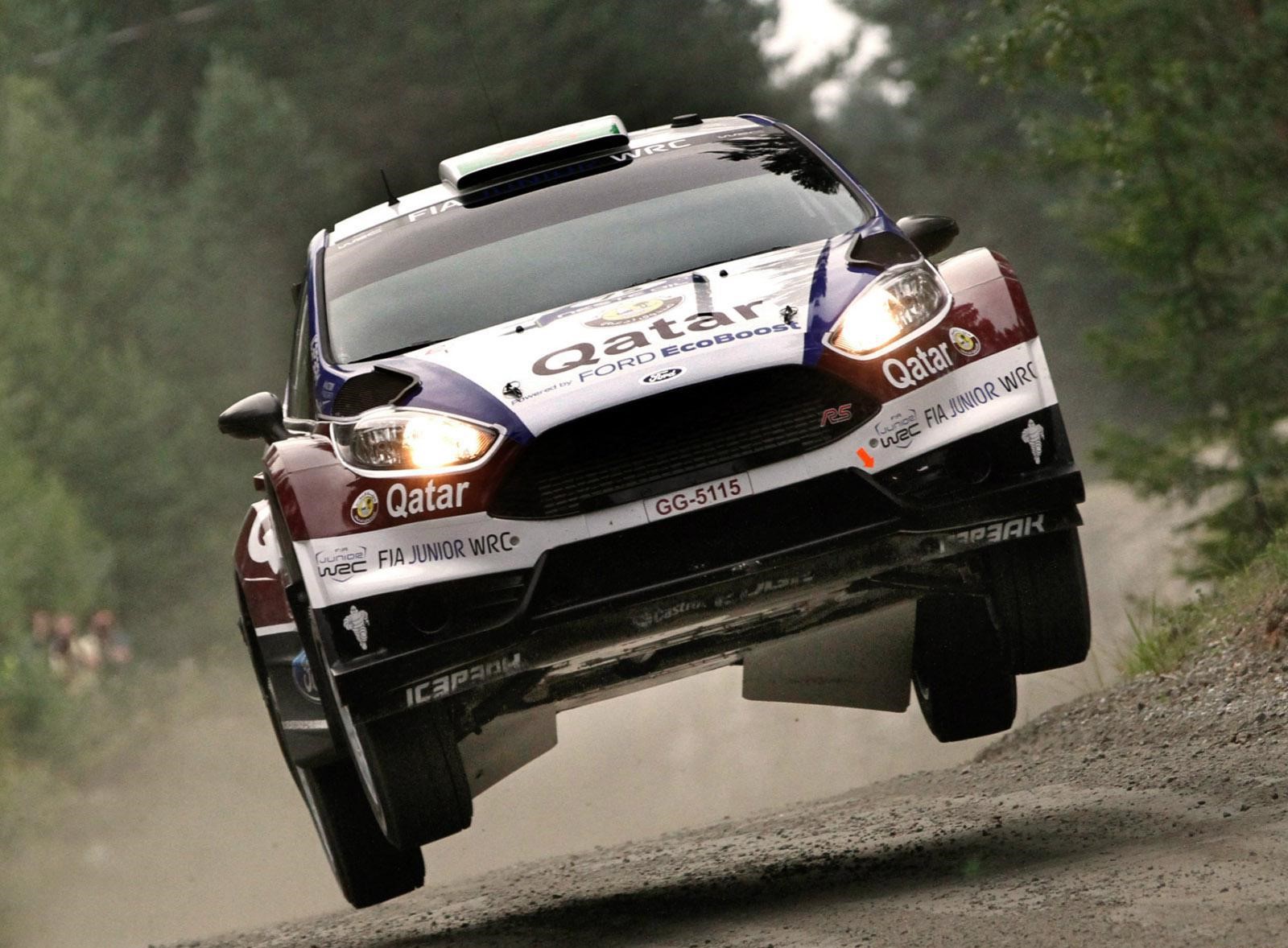
The impact of the Fiesta R5 was immediate and profound. It made its competitive debut at the 2013 Rally Finland, the fastest and most unforgiving event on the calendar. Driven by Jari Ketomaa, the car didn’t just survive; it dominated the WRC-2 category, leading for most of the event and proving instantly that the R5 formula was faster than the S2000 cars it replaced. This debut victory opened the floodgates. M-Sport was inundated with orders from around the globe. The Fiesta R5 became the ubiquitous rally car of the mid-2010s, populating the entry lists of the European Rally Championship (ERC), the WRC-2, and countless national championships from Britain to the Middle East. It was the car that democratized top-tier rally performance. Drivers like Kajetan Kajetanowicz used the Fiesta R5 to secure a historic hat-trick of European Rally Championship titles (2015-2017), proving the car’s versatility across tarmac and gravel. It was also the proving ground for the next generation of WRC stars; Elfyn Evans, Ott Tänak, and Kalle Rovanperä all cut their teeth wrestling the R5 through the forests.
Commercially, the Fiesta R5 was M-Sport’s most successful project ever. By the time the Mk2 version replaced it in 2019, nearly 300 chassis had been sold. This volume of sales effectively funded M-Sport’s factory WRC activities, allowing a private team to continue fighting manufacturers like Toyota and Hyundai. The car’s reliability was legendary; it was built to be thrashed by gentleman drivers and future world champions alike. While the Skoda Fabia R5 eventually arrived to challenge its dominance with superior budget and development pace, the Fiesta R5 remained the benchmark for driveability and user-friendliness.
The legacy of the 2013 Ford Fiesta R5 is that of the industry standard. It defined the R5 (now Rally2) category, which has since become the most competitive and healthy tier of global rallying. It proved that a turbo-four-wheel-drive formula could be affordable and spectacular. It was the “Escort Mk2” for the modern age—a car that was everywhere, won everything, and was loved by everyone who drove it. It sits in the pantheon not as the fastest car M-Sport ever built, but as the most important, a machine that saved the privateer rally scene and kept the sport alive at the grassroots level.
Brand
Produced from
Portal
Vehicle category
Model line
Model generation
Predecessor
Sucessor
Brand
Produced from
Portal
Vehicle category
Model line
Model generation
Predecessor
Sucessor
About this submodel
The year 2013 stands as a watershed moment in the recent history of rallying, marking the point where the sport pivoted from the expensive, high-revving excess of the Super 2000 era to a more sustainable, turbo-torque reality. At the forefront of this revolution was M-Sport, the Cumbrian outfit led by Malcolm Wilson. While Volkswagen was dominating the headline WRC category with the Polo R, M-Sport quietly unveiled the vehicle that would arguably become the most significant rally car of the decade: the 2013 Ford Fiesta R5. Designed to meet the FIA’s brand-new R5 regulations, this car was intended to bridge the chasm between production-based Group N machinery and the astronomically expensive World Rally Cars. It was the first of its kind to be homologated, beating Peugeot and Citroën to the punch, and in doing so, it didn’t just join the market; it created it. The Fiesta R5 was the spiritual successor to the screaming, naturally aspirated Fiesta S2000, but where the S2000 was a frantic, frenetic machine, the R5 was a torque-rich, cost-capped weapon designed for the privateer who wanted WRC looks and pace without the WRC price tag.
From a technical perspective, the Fiesta R5 was a masterclass in engineering within constraints. The FIA’s R5 rules imposed a strict price cap on the complete car and its components to ensure affordability. Consequently, M-Sport’s engineers, led by Chris Williams, had to be clever. The heart of the car was a 1.6-litre, direct-injection turbocharged four-cylinder engine. Unlike the bespoke racing units of the WRC cars, this was based on the standard Ford EcoBoost block, heavily modified to produce 290 bhp and, crucially, a massive wave of torque restricted by a 32mm air intake restrictor. This engine was mated to a Sadev five-speed sequential gearbox—one gear fewer than the WRC spec—and a permanent four-wheel-drive system with mechanical front and rear differentials (active center differentials were banned for cost reasons). The suspension utilized MacPherson struts at all four corners with Reiger dampers, a robust setup designed to handle everything from the bedrock of the Acropolis to the ice of Monte Carlo. Visually, the R5 was 90% unique compared to the road car, featuring an aggressive wide-body kit, a prominent roof scoop, and a rear wing that, while smaller than the WRC variant, still generated significant downforce. It looked the part, sharing the aggressive “Kinetic Design” face of the facelifted Fiesta ST, but it was built like a tank, prioritizing durability and ease of maintenance over the exotic, fragile lightness of the World Rally Cars.
The impact of the Fiesta R5 was immediate and profound. It made its competitive debut at the 2013 Rally Finland, the fastest and most unforgiving event on the calendar. Driven by Jari Ketomaa, the car didn’t just survive; it dominated the WRC-2 category, leading for most of the event and proving instantly that the R5 formula was faster than the S2000 cars it replaced. This debut victory opened the floodgates. M-Sport was inundated with orders from around the globe. The Fiesta R5 became the ubiquitous rally car of the mid-2010s, populating the entry lists of the European Rally Championship (ERC), the WRC-2, and countless national championships from Britain to the Middle East. It was the car that democratized top-tier rally performance. Drivers like Kajetan Kajetanowicz used the Fiesta R5 to secure a historic hat-trick of European Rally Championship titles (2015-2017), proving the car’s versatility across tarmac and gravel. It was also the proving ground for the next generation of WRC stars; Elfyn Evans, Ott Tänak, and Kalle Rovanperä all cut their teeth wrestling the R5 through the forests.
Commercially, the Fiesta R5 was M-Sport’s most successful project ever. By the time the Mk2 version replaced it in 2019, nearly 300 chassis had been sold. This volume of sales effectively funded M-Sport’s factory WRC activities, allowing a private team to continue fighting manufacturers like Toyota and Hyundai. The car’s reliability was legendary; it was built to be thrashed by gentleman drivers and future world champions alike. While the Skoda Fabia R5 eventually arrived to challenge its dominance with superior budget and development pace, the Fiesta R5 remained the benchmark for driveability and user-friendliness.
The legacy of the 2013 Ford Fiesta R5 is that of the industry standard. It defined the R5 (now Rally2) category, which has since become the most competitive and healthy tier of global rallying. It proved that a turbo-four-wheel-drive formula could be affordable and spectacular. It was the “Escort Mk2” for the modern age—a car that was everywhere, won everything, and was loved by everyone who drove it. It sits in the pantheon not as the fastest car M-Sport ever built, but as the most important, a machine that saved the privateer rally scene and kept the sport alive at the grassroots level.
Tech Specs
Discover the technical specifications
Tech Specs
Discover the technical specifications
Engine
01
03
Internal combustion engine
Configuration
Ford EcoBoost (M-Sport developed), Inline-4
Location
Front, transversely mounted
Construction
Aluminium block and head
Displacement (cc)
1,597 cc
Displacement (cu in)
97.4 cu in
Compression
11.5:1
Bore x Stroke
83.0 mm x 73.9 mm
Valvetrain
4 valves per cylinder, DOHC
Fuel feed
Direct Fuel Injection (Life Racing management)
Lubrication
Dry sump
Aspiration
Turbocharged
Output
Power (hp)
280 hp
Power (kW)
209 kW
Max power at
6,000 RPM
Torque (Nm)
400 Nm
Torque (ft lbs)
295 ft lbs
Max torque at
4,500 RPM
Drivetrain
02
03
Chassis
Type
Monocoque with FIA-spec roll cage
Material
Steel
Body
Material
Steel with composite bumpers and fenders
Transmission
Gearbox
Sadev, 5-speed sequential
Drive
All Wheel Drive (Mechanical front and rear differentials)
Suspension
Front
Independent, MacPherson struts, Reiger 3-way adjustable dampers, anti-roll bar
Rear
Independent, MacPherson struts, Reiger 3-way adjustable dampers, anti-roll bar (Interchangeable with front)
Steering
Type
Rack and pinion, hydraulic power assisted
Brakes
Front
Ventilated discs Ø300 mm (Gravel) or Ø355 mm (Tarmac), 4-piston calipers
Rear
Ventilated discs Ø300 mm (Gravel) or Ø355 mm (Tarmac), 4-piston calipers
Wheels
Front
7" x 15" (Gravel) or 8" x 18" (Tarmac)
Rear
7" x 15" (Gravel) or 8" x 18" (Tarmac)
Tires
Front
Michelin/Pirelli Rally Slicks (Tarmac) or Gravel Tires
Rear
Michelin/Pirelli Rally Slicks (Tarmac) or Gravel Tires
Dimensions and performance
03
03
Dimensions
Lenght (mm)
3,968 mm
Lenght (in)
156.2 in
Width (mm)
1,820 mm
Width (in)
71.7 in
Height (mm)
1,350 mm
Height (in)
53.1 in
Wheelbase (mm)
2,480 mm
Wheelbase (in)
97.6 in
Weight (kg)
1,230 kg
Weight (lbs)
2,711 lbs
Performance
Power to weight
0.26 hp/kg
Top speed (km/h)
200 km/h
Top speed (mph)
124 mph
0-100 km/h (0-60 mph)
~3.8 s
Submodels
Other variants of this model
Submodels