
Mercedes-Benz W154 (M154)
Brand
Produced from
Portal
Vehicle category
Model line
Predecessor
Successor
Submodel Overview
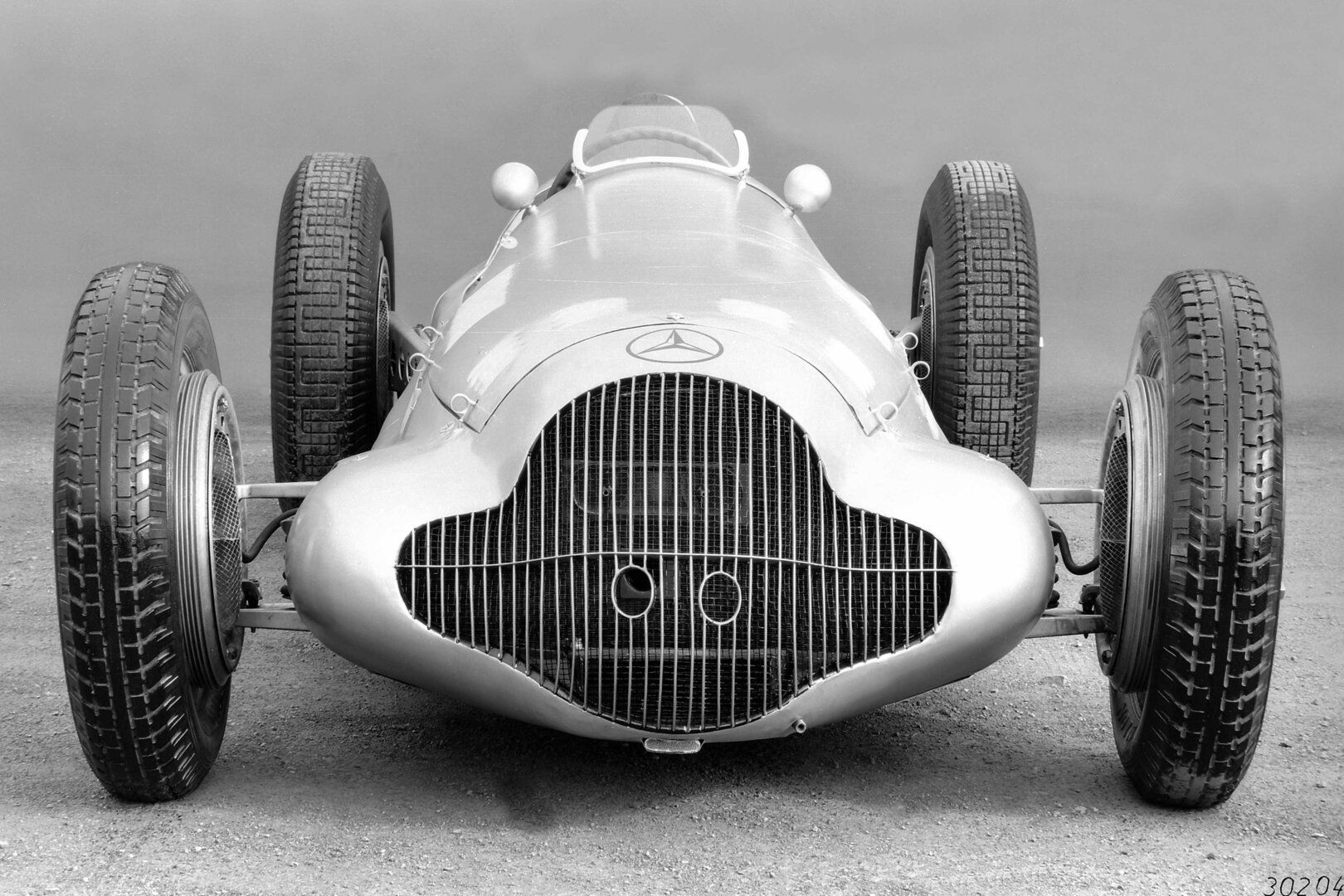
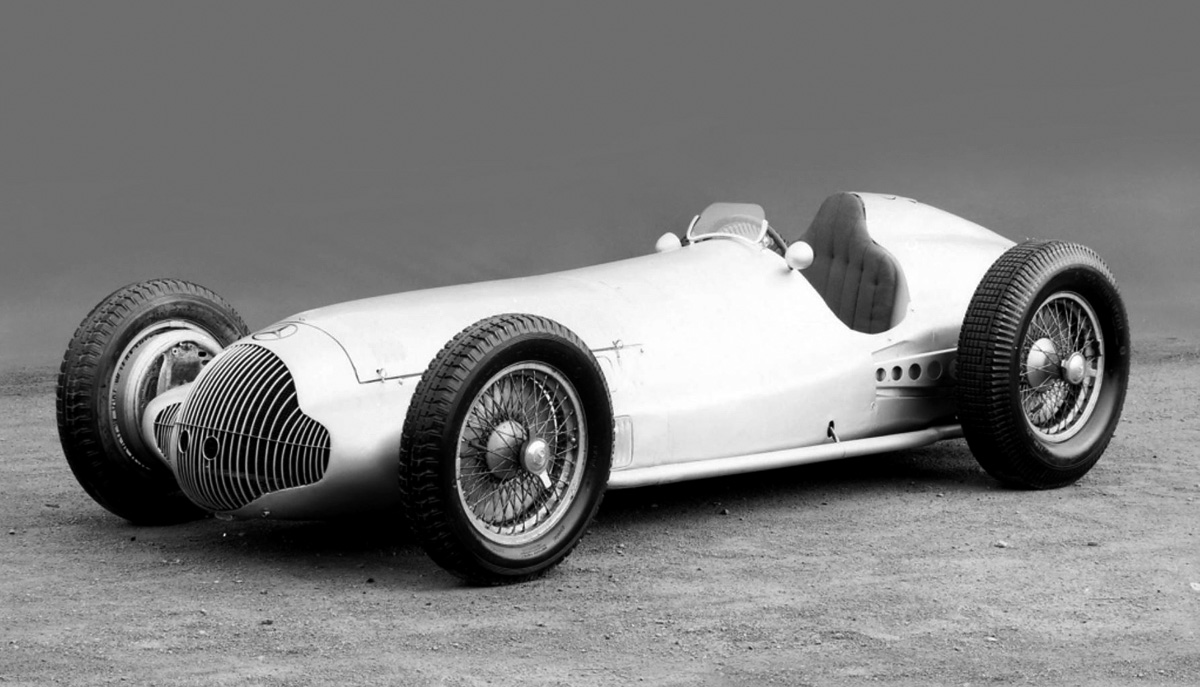
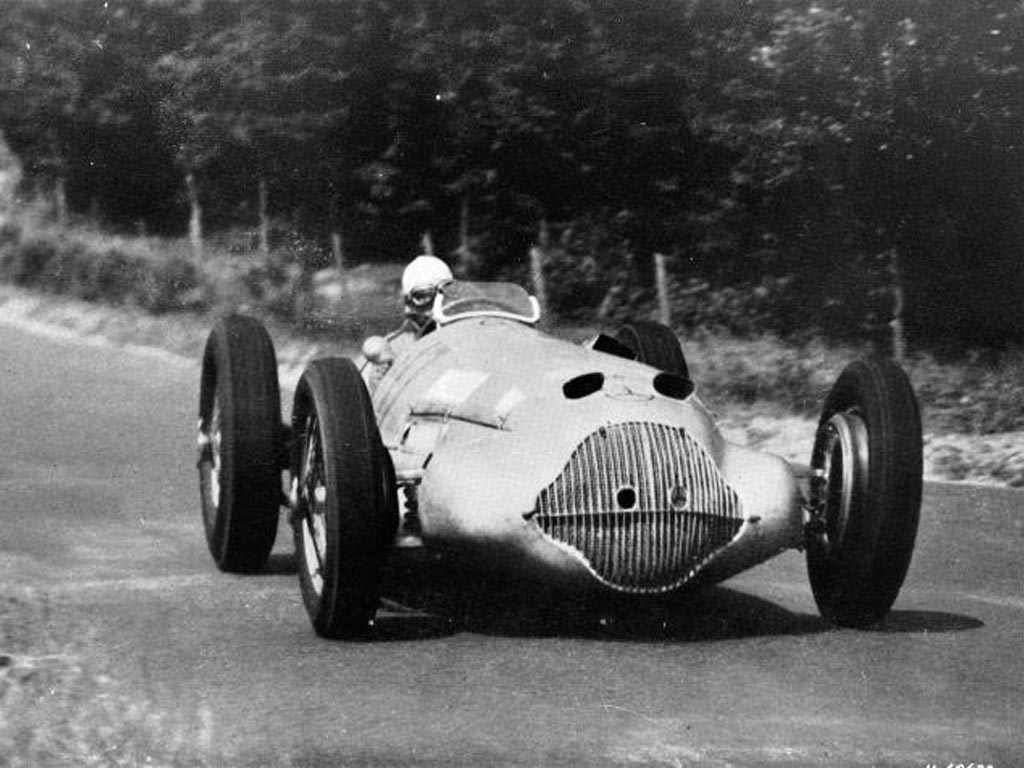
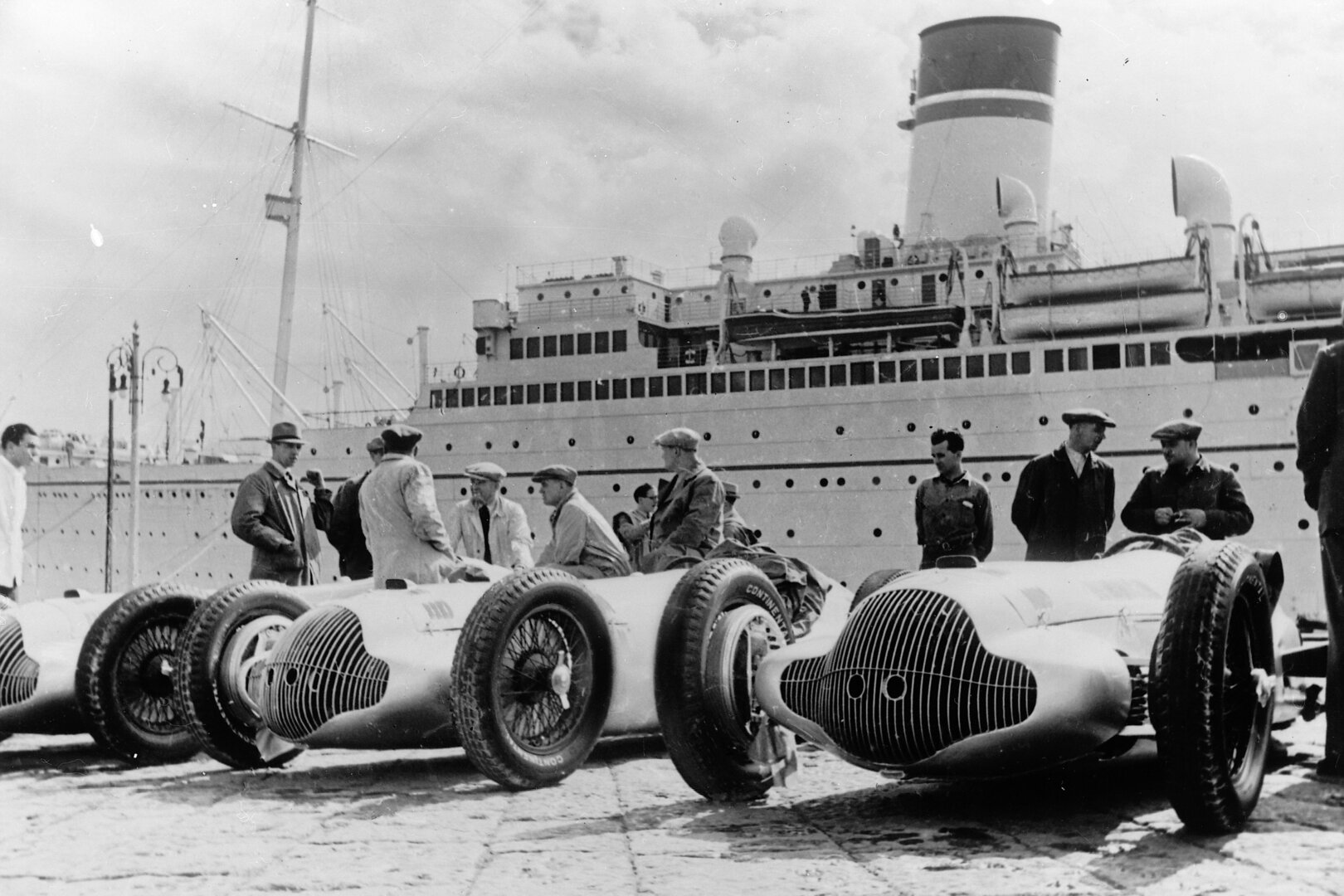
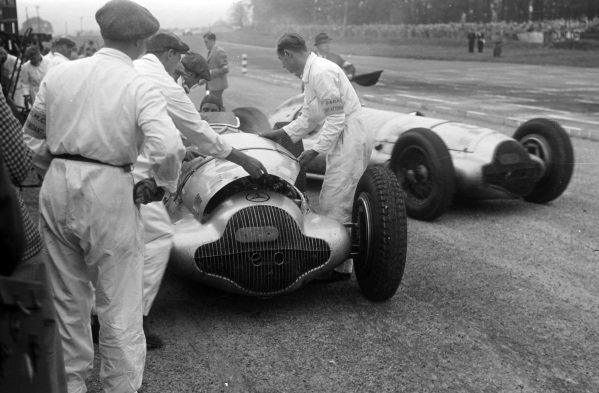
The earth-shattering bellow of 600 horsepower was silenced not by a checkered flag, but by bureaucratic decree, yet from the silence arose a scream. The unrestricted 750kg formula died with 1937, taking with it the monstrous, straight-eight W125. In January 1938, Grand Prix racing’s landscape was redrawn by a maximum 3.0-litre capacity for supercharged engines, and Stuttgart’s answer was not a retreat, but a terrifyingly refined offensive. Into this void stepped the Mercedes-Benz W154, a car that didn’t just meet the new regulations but weaponised them. While its predecessor had been a brutal hammer, the W154 was a surgical scalpel, engineered under Rudolf Uhlenhaut’s obsessive direction to crush the emerging Auto Union Type D and render the elegant Italian machinery from Alfa Romeo and Maserati archaic before they even turned a wheel.
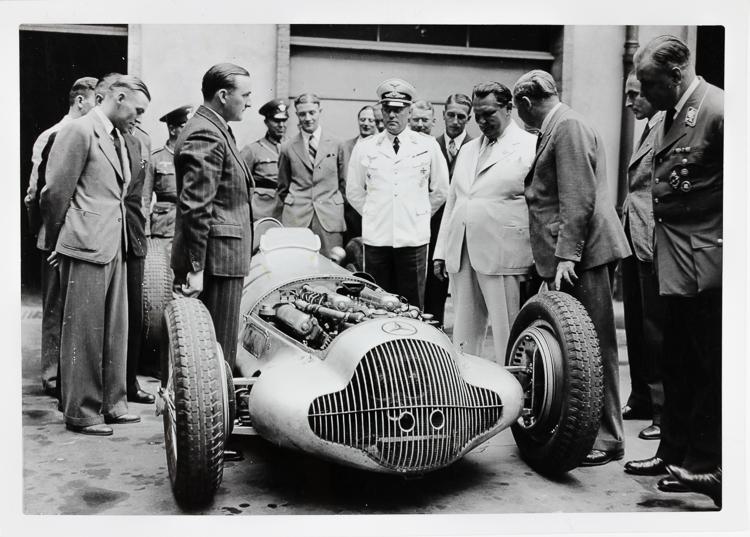
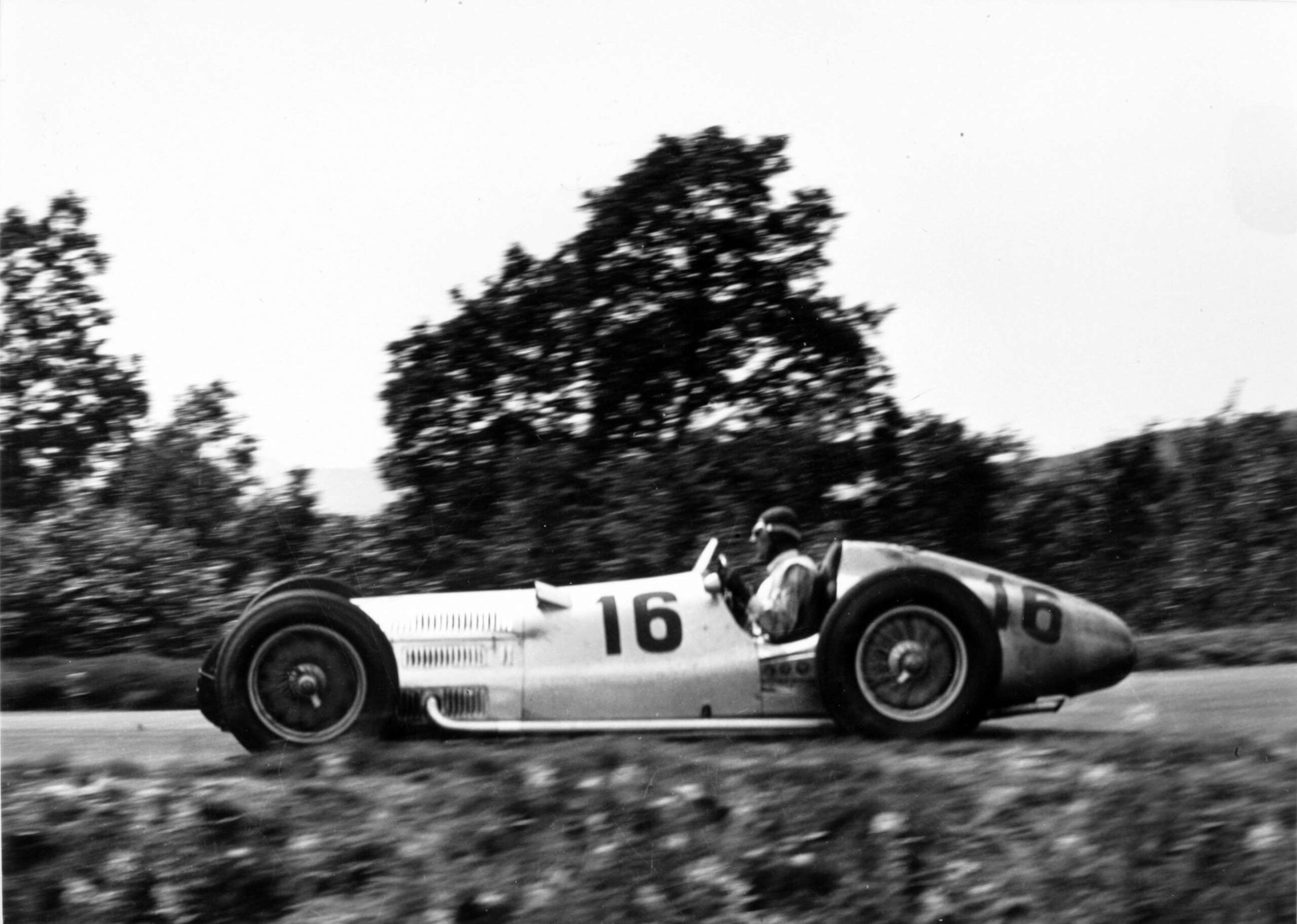
This car’s silhouette was dictated by a singular desire: lower the centroid, conquer the air. Uhlenhaut angled the glorious M154 V12 engine slightly in the oval-tube frame, allowing the propshaft to bypass the driver’s seat, dropping Tazio Nuvolari’s future workspace inches lower than Auto Union’s radical mid-engined philosophy achieved. Beneath the louvred aluminium bonnet lay a metallurgical masterpiece: a 3.0-litre (181 cu in) 60-degree V12 with twin overhead camshafts per bank and four valves per cylinder. Fed by twin Roots superchargers, this howling sentinel of efficiency produced a searing 468 hp at 7,800 rpm. It shrieked like a banshee towards its redline, a sound far more piercing and urgent than the old eight’s thunder, delivered via a robust five-speed manual transaxle. To arrest this ~830 kg (1830 lbs) rocket, huge hydraulically actuated drum brakes were nestled within massive finned aluminium hubs, though they struggled constantly against kinetic energy capable of reaching 310 km/h (193 mph) on narrow, cross-ply tyres.
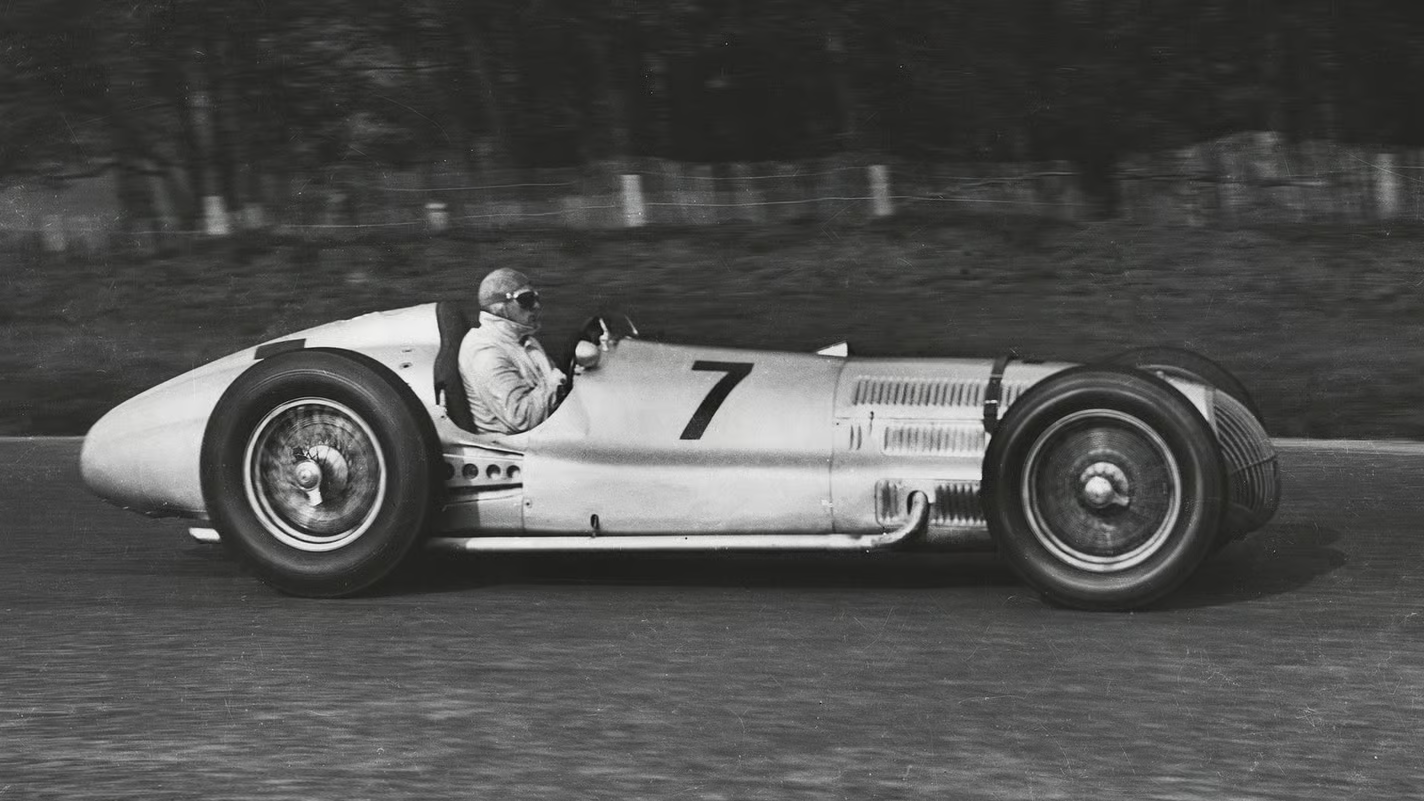
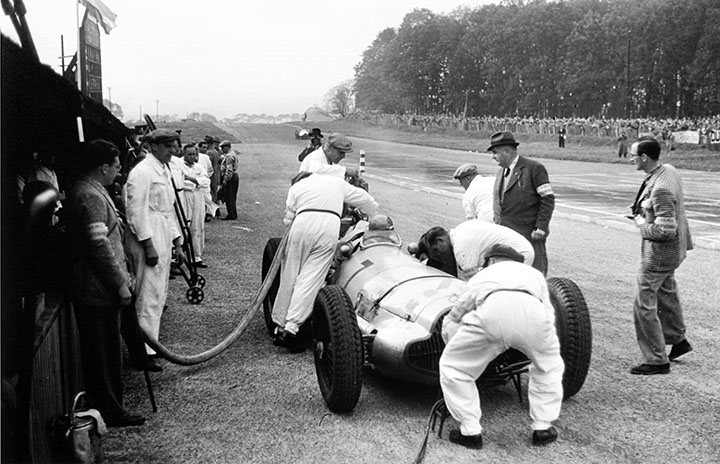
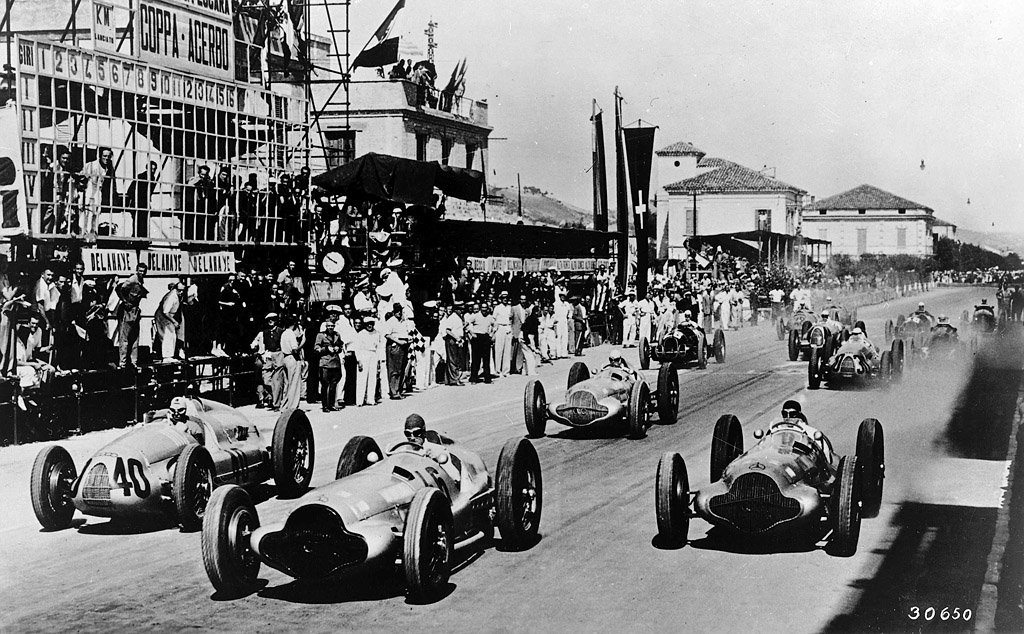
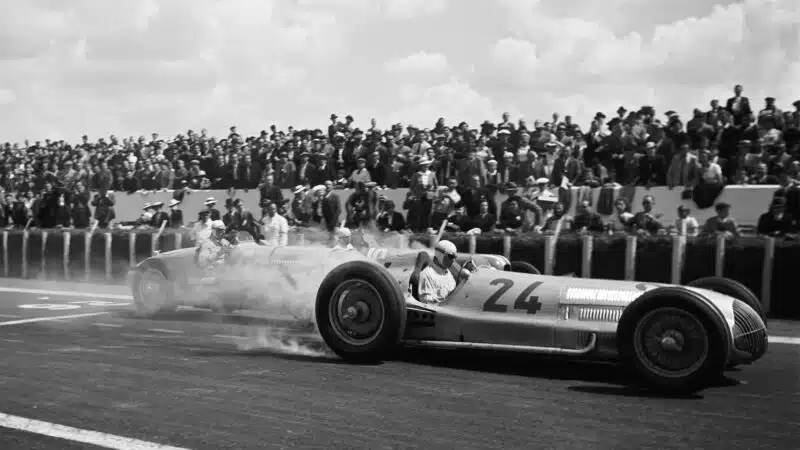
The 1938 season was a exhibition of clinical engineering might. While Auto Union grappled with the grief of Rosemeyer’s death and the complexities of their new chassis, the W154 arrived fully formed. Rudolf Caracciola, the metronomic rain master, wielded the logic of 468 supercharged horses with devastating effect. It was not a season of raw battles, but of superior strategy and unyielding velocity. Caracciola won the Swiss Grand Prix; von Brauchitsch conquered France at Reims; Lang was victorious at Tripoli and Spa. Mercedes-Benz locked out the European Championship podium, with Caracciola securing his final title. It was at the German Grand Prix at the Nürburgring where the W154 truly flexed its muscles. Despite a tactical error that handed victory to Auto Union’s Seaman in a dramatic turn of events, the W154s set blistering pace throughout, proving Uhlenhaut’s chassis—utilising front coil springs and a rear De Dion axle with torsion bars—handled the “Green Hell” with a compliance its brutal predecessor never possessed. It was a sensory assault: the acrid stench of specialised fuel mixtures, the heat radiating from the transmission tunnel, and that relentless, high-pitched mechanical scream that defined the peak of the Silver Arrows’ power.
The legacy of the W154 is one of perfected complexity. It represented the moment logic and meticulous preparation overcame the brute force philosophy that had previously dominated Grand Prix engineering. It frozen in time as the purest expression of pre-war technical sophistication, establishing the front-engined, multi-cam, multi-blower V12 format as the definitive architecture before global conflict extinguished the grid. By 1939, it had already evolved; Uhlenhaut upgraded the chassis and the engine to the M163 variant, introducing two-stage supercharging and pushing output beyond 476 hp. Yet, the 1938 single-supercharged car remains the historical benchmark: the howling, sophisticated machine that ensured Mercedes-Benz did not just win races, but owned the entire narrative of pre-war motorsport. It was Uhlenhaut’s finest, most cohesive logic, a masterpiece that weaponised engineering to achieve Grand Prix sovereignty.
Brand
Produced from
Portal
Vehicle category
Model line
Predecessor
Sucessor
Brand
Produced from
Portal
Vehicle category
Model line
Model generation
Predecessor
Sucessor
Submodel Overview
The earth-shattering bellow of 600 horsepower was silenced not by a checkered flag, but by bureaucratic decree, yet from the silence arose a scream. The unrestricted 750kg formula died with 1937, taking with it the monstrous, straight-eight W125. In January 1938, Grand Prix racing’s landscape was redrawn by a maximum 3.0-litre capacity for supercharged engines, and Stuttgart’s answer was not a retreat, but a terrifyingly refined offensive. Into this void stepped the Mercedes-Benz W154, a car that didn’t just meet the new regulations but weaponised them. While its predecessor had been a brutal hammer, the W154 was a surgical scalpel, engineered under Rudolf Uhlenhaut’s obsessive direction to crush the emerging Auto Union Type D and render the elegant Italian machinery from Alfa Romeo and Maserati archaic before they even turned a wheel.
This car’s silhouette was dictated by a singular desire: lower the centroid, conquer the air. Uhlenhaut angled the glorious M154 V12 engine slightly in the oval-tube frame, allowing the propshaft to bypass the driver’s seat, dropping Tazio Nuvolari’s future workspace inches lower than Auto Union’s radical mid-engined philosophy achieved. Beneath the louvred aluminium bonnet lay a metallurgical masterpiece: a 3.0-litre (181 cu in) 60-degree V12 with twin overhead camshafts per bank and four valves per cylinder. Fed by twin Roots superchargers, this howling sentinel of efficiency produced a searing 468 hp at 7,800 rpm. It shrieked like a banshee towards its redline, a sound far more piercing and urgent than the old eight’s thunder, delivered via a robust five-speed manual transaxle. To arrest this ~830 kg (1830 lbs) rocket, huge hydraulically actuated drum brakes were nestled within massive finned aluminium hubs, though they struggled constantly against kinetic energy capable of reaching 310 km/h (193 mph) on narrow, cross-ply tyres.
The 1938 season was a exhibition of clinical engineering might. While Auto Union grappled with the grief of Rosemeyer’s death and the complexities of their new chassis, the W154 arrived fully formed. Rudolf Caracciola, the metronomic rain master, wielded the logic of 468 supercharged horses with devastating effect. It was not a season of raw battles, but of superior strategy and unyielding velocity. Caracciola won the Swiss Grand Prix; von Brauchitsch conquered France at Reims; Lang was victorious at Tripoli and Spa. Mercedes-Benz locked out the European Championship podium, with Caracciola securing his final title. It was at the German Grand Prix at the Nürburgring where the W154 truly flexed its muscles. Despite a tactical error that handed victory to Auto Union’s Seaman in a dramatic turn of events, the W154s set blistering pace throughout, proving Uhlenhaut’s chassis—utilising front coil springs and a rear De Dion axle with torsion bars—handled the “Green Hell” with a compliance its brutal predecessor never possessed. It was a sensory assault: the acrid stench of specialised fuel mixtures, the heat radiating from the transmission tunnel, and that relentless, high-pitched mechanical scream that defined the peak of the Silver Arrows’ power.
The legacy of the W154 is one of perfected complexity. It represented the moment logic and meticulous preparation overcame the brute force philosophy that had previously dominated Grand Prix engineering. It frozen in time as the purest expression of pre-war technical sophistication, establishing the front-engined, multi-cam, multi-blower V12 format as the definitive architecture before global conflict extinguished the grid. By 1939, it had already evolved; Uhlenhaut upgraded the chassis and the engine to the M163 variant, introducing two-stage supercharging and pushing output beyond 476 hp. Yet, the 1938 single-supercharged car remains the historical benchmark: the howling, sophisticated machine that ensured Mercedes-Benz did not just win races, but owned the entire narrative of pre-war motorsport. It was Uhlenhaut’s finest, most cohesive logic, a masterpiece that weaponised engineering to achieve Grand Prix sovereignty.
Tech Specs
Technical Specifications
Tech Specs
Technical Specifications
Engine
01
03
Internal combustion engine
Configuration
Mercedes-Benz M154, V12 - 60º
Location
Front, longitudinally mounted
Construction
Forged-steel block and head
Displacement (cc)
2,962 cc
Displacement (cu in)
180.7 cu in
Compression
7.5:1
Bore x Stroke
67.0 mm x 70.0 mm
Valvetrain
4 valves per cylinder, DOHC
Fuel feed
2 x Mercedes carburettors
Lubrication
Dry sump
Aspiration
Supercharged (Roots-type supercharger)
Output
Power (hp)
468 hp
Power (kW)
349 kW
Max power at
7,800 RPM
Torque (Nm)
490 Nm
Torque (ft lbs)
361 ft lbs
Max torque at
5,000 RPM
Drivetrain
02
03
Chassis
Type
Oval tube frame
Material
Nickel-chrome molybdenum steel
Body
Material
Aluminium
Transmission
Gearbox
5-speed manual
Drive
Rear Wheel Drive
Suspension
Front
Independent, double wishbones, coil springs, hydraulic shock absorbers
Rear
De Dion axle, longitudinal torsion bars, hydraulic shock absorbers
Steering
Type
Worm and nut, unassisted
Brakes
Front
Hydraulic drum brakes
Rear
Hydraulic drum brakes
Wheels
Front
19" (Wire spoke wheels)
Rear
19" (Wire spoke wheels)
Tires
Front
5.25-19
Rear
7.00-19
Dimensions and performance
03
03
Dimensions
Length (mm)
4,600 mm
Length (in)
181.1 in
Width (mm)
1,850 mm
Width (in)
72.8 in
Height (mm)
1,250 mm
Height (in)
49.2 in
Wheelbase (mm)
2,720 mm
Wheelbase (in)
107.1 in
Weight (kg)
~850 kg
Weight (lbs)
~1,874 lbs
Performance
Power to weight
~0.48 hp/kg
Top speed (km/h)
309 km/h
Top speed (mph)
192 mph
0-100 km/h (0-60 mph)
-