Mercedes-Benz W154
Brand
Produced from
Vehicle category
Portal
Model line
Model generation
Predecessor
Sucessor
Model Overview
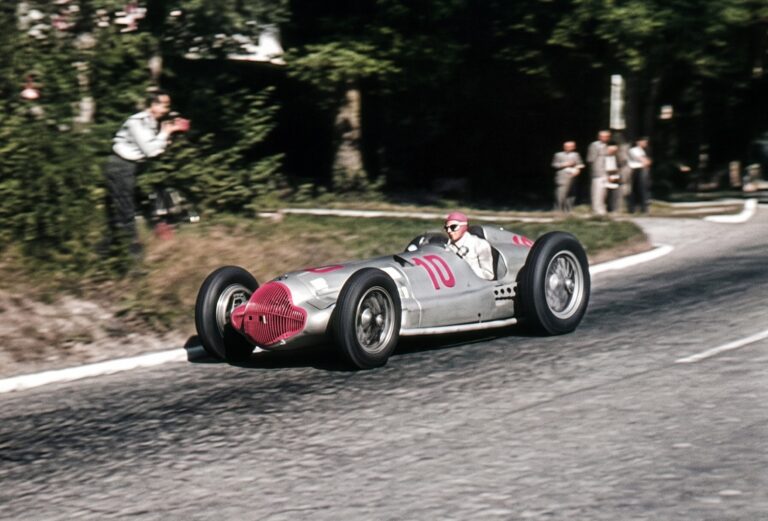
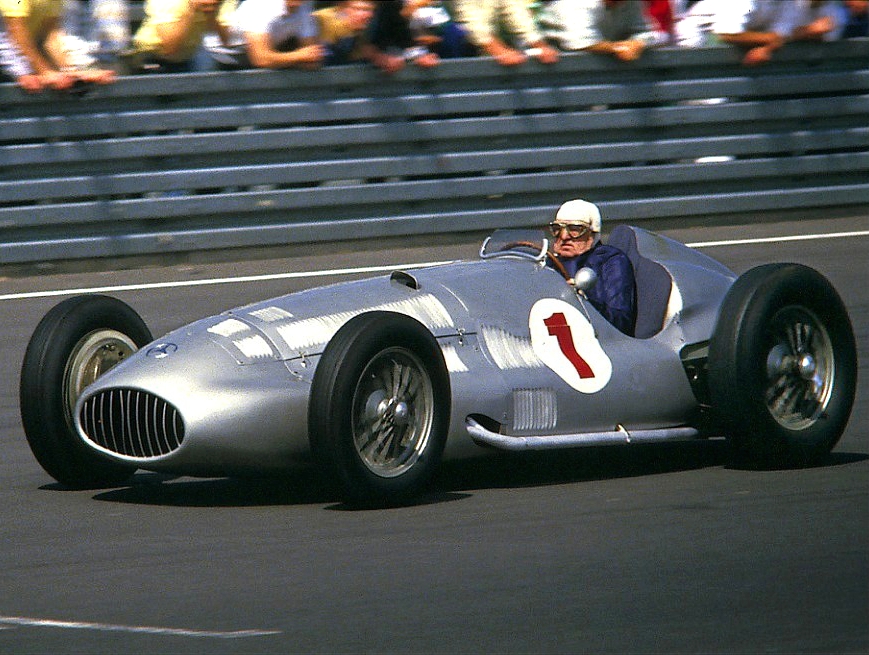
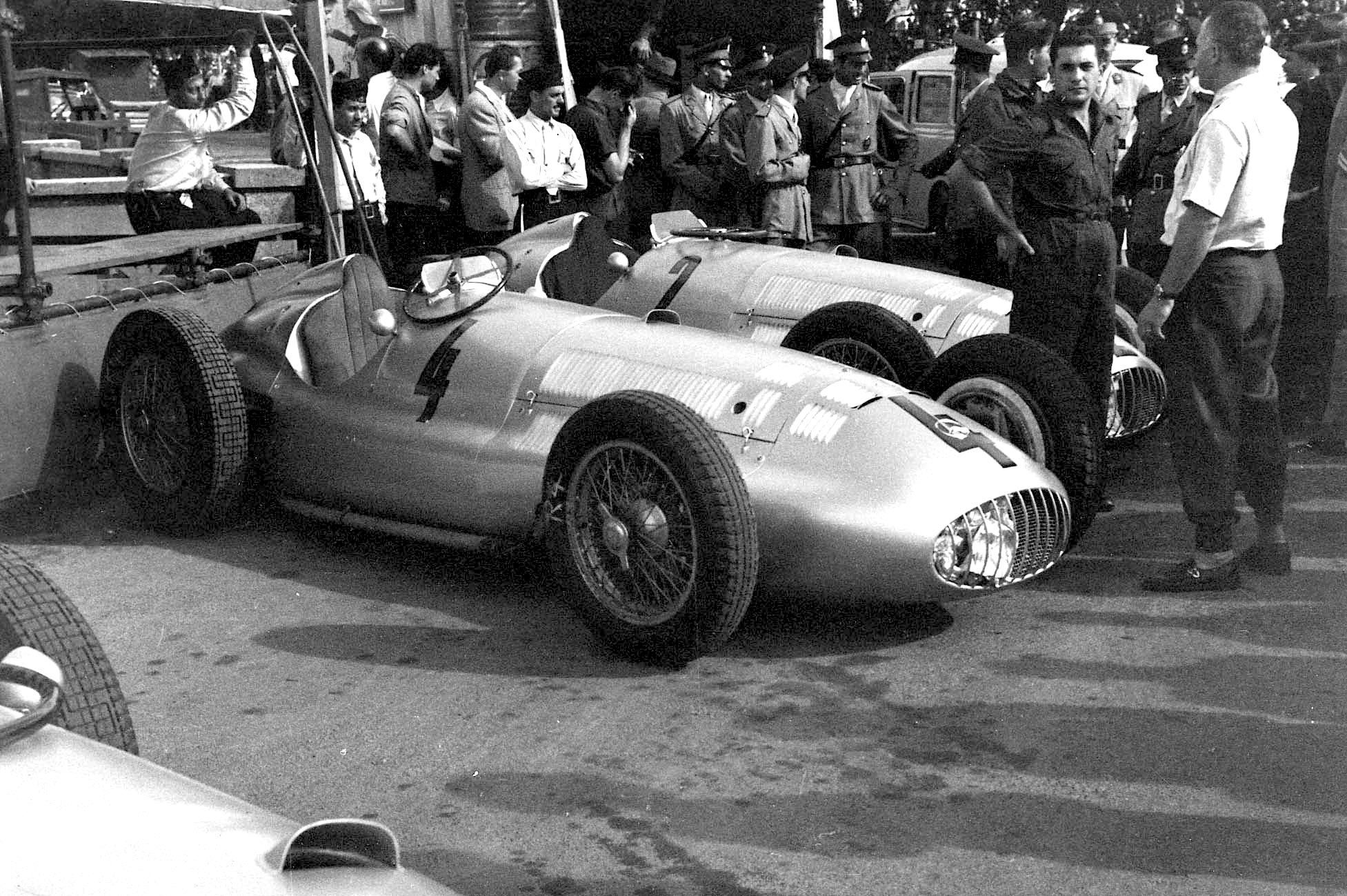
The air at Reims in July 1938 was thick with the scent of high-octane methyl alcohol fuel and the deafening, high-pitched scream of V12 engines force-fed by twin Roots-type superchargers. This was the opening round of the new 3.0-litre Grand Prix formula, and the Mercedes-Benz W154 sat on the grid, its unpainted aluminium skin shimmering in the white-hot French sun. It was not merely a new car; it was a statement of intent from Stuttgart, an engineering leviathan designed to ensure that the Third Reich’s dominance of motorsport remained absolute. The preceding W125 had been a monstrous, 600-horsepower brute, the apex of the 750kg formula. But for 1938, the governing AIACR had slashed engine capacity, demanding 3.0-litre supercharged units or 4.5-litre naturally aspirated ones. From the drawing board of legendary engineer Rudolf Uhlenhaut arose the W154, a machine of surgical precision built to humiliate the Auto Union Type D and the outgunned, ageing Italian machinery from Alfa Romeo and Maserati.
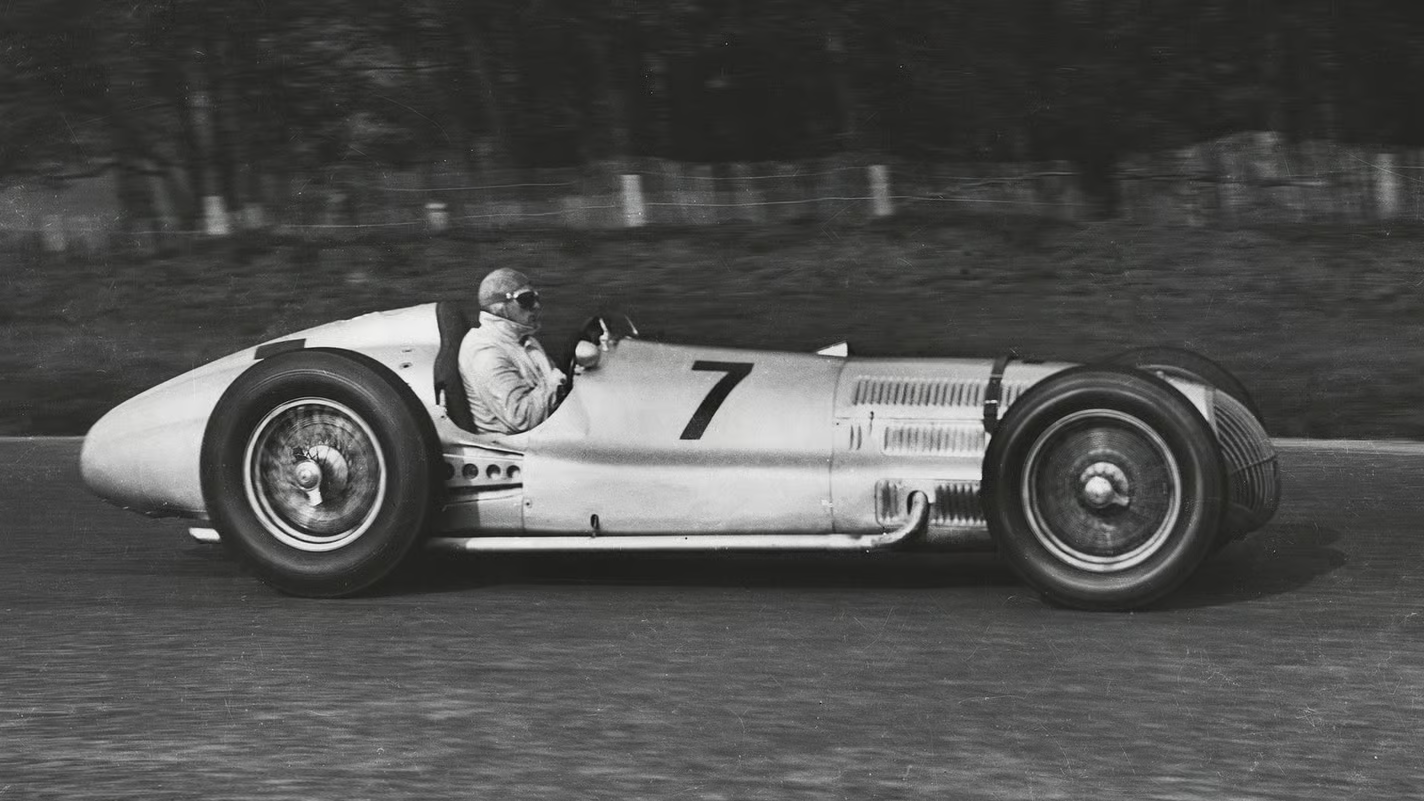
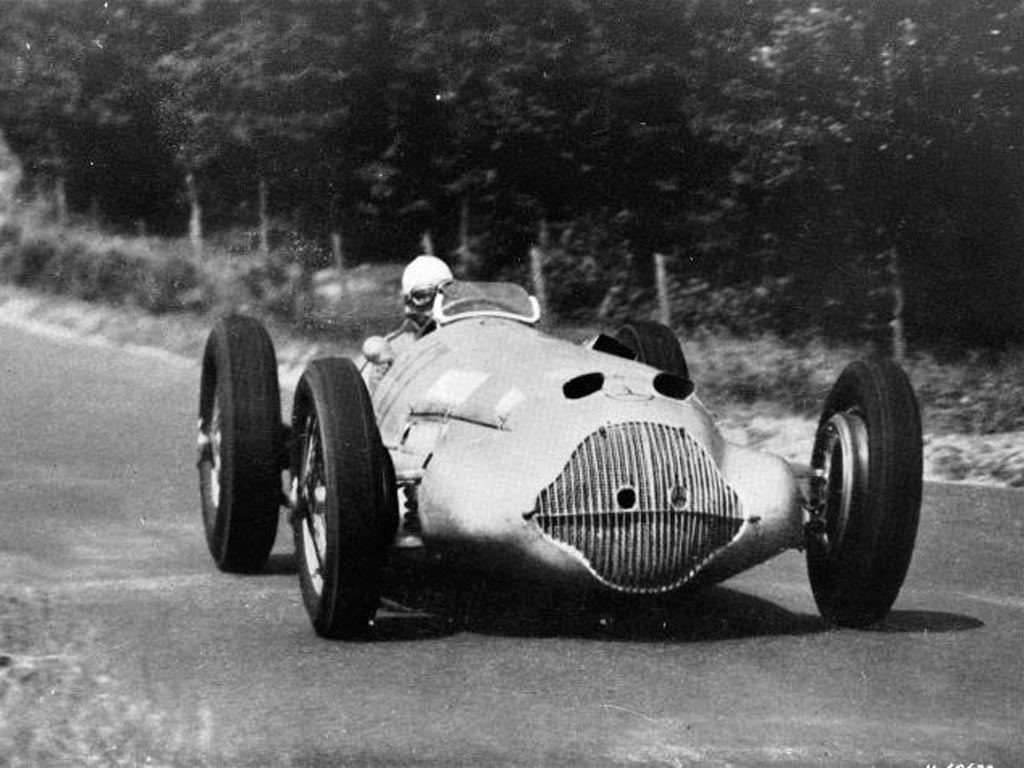
Uhlenhaut’s technical solution was a masterpiece of mechanical packaging. To keep the car’s profile exceptionally low and aerodynamic, he angled the magnificent 60-degree V12 engine in the chassis, allowing the prop shaft to run alongside the driver rather than beneath him. The spaceframe itself was a web of nickel-chrome-molybdenum oval tubing, suspended upfront by coil springs and wishbones, while the rear utilised a De Dion axle with torsion bars—a massive leap forward over the unpredictable swing axles of previous generations. This combination gave the W154 a level of chassis compliance and handling balance unknown to its predecessors. It was a sophisticated beast, not just a raw power plant. The original ‘M154’ V12, utilized in the 1938 model, was a twin-supercharged jewel developing an immediate 468 hp.
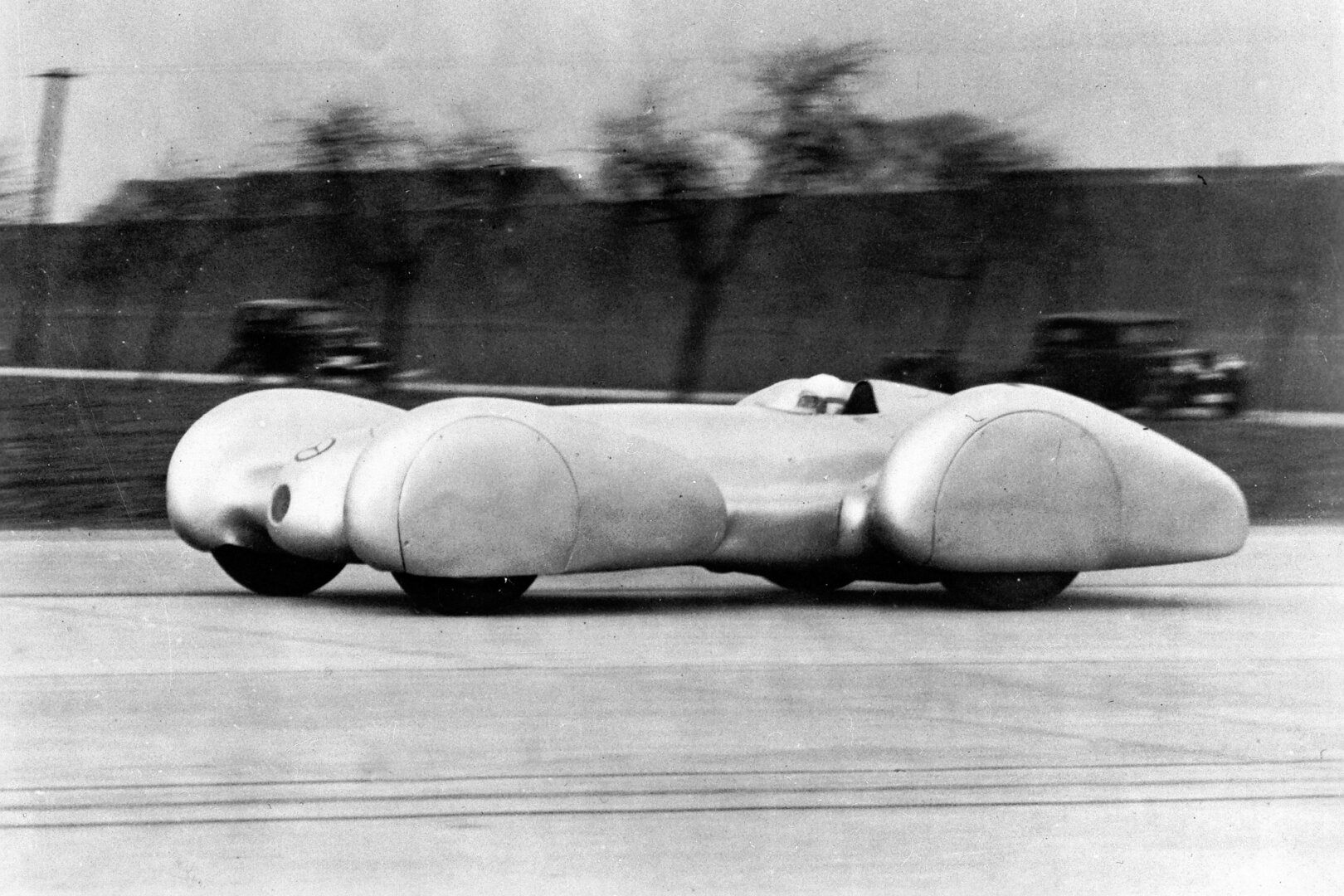
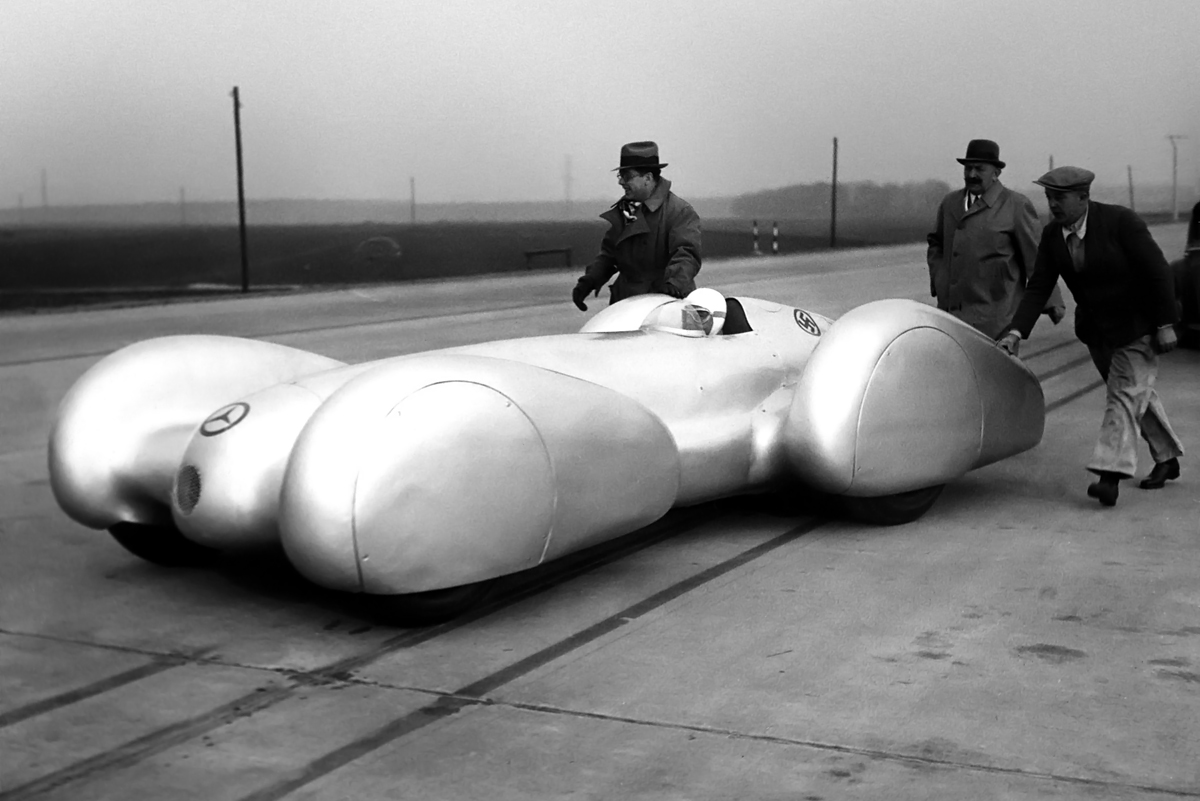
For the 1939 season, this was evolved into the fearsome ‘M163’, which introduced a groundbreaking two-stage supercharging system—compressing the air in one blower before feeding it into a second larger one—pushing output to a white-hot 476 hp. Stopping this 1000 kg (2204 lbs) projectile relied on massive, hydraulically actuated aluminium drum brakes with intricate cooling fins, which fought a constant, fading battle against the immense kinetic energy. The spartan cockpit provided zero luxury; the driver sat low, wrestling a large cord-bound steering wheel whilst bathed in engine heat and exhaust fumes, peering over a tiny windscreen at front tyres which struggled desperately to transmit nearly 500 horsepower to the narrow roads. Specialised variants also emerged, notably the breathtaking 1938 Rekordwagen, derived from the Grand Prix car and featuring a stunning ‘Enclosed-Wheel Monoposto’ fully streamlined body, aimed at securing land speed benchmarks in standard trim.
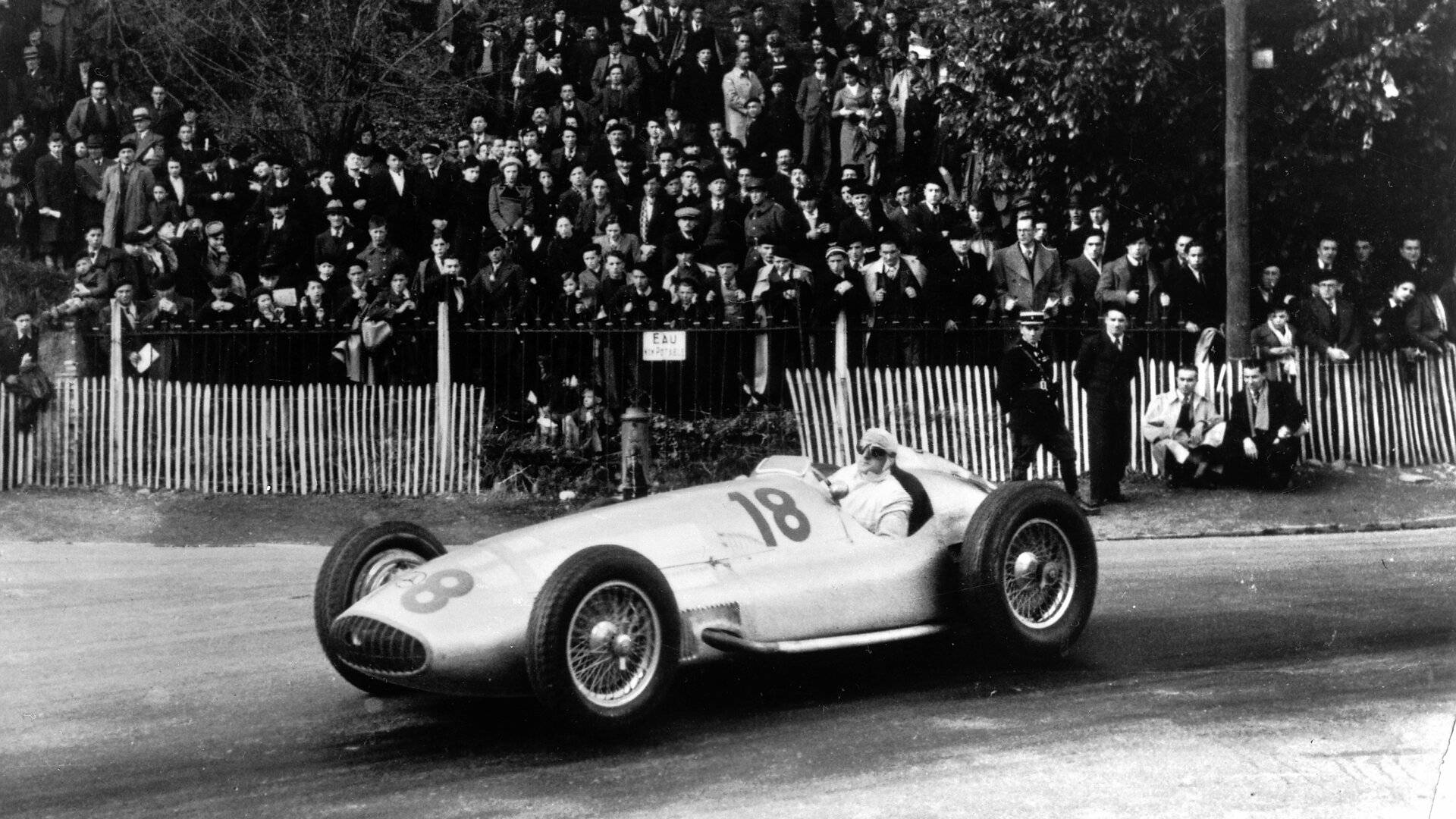
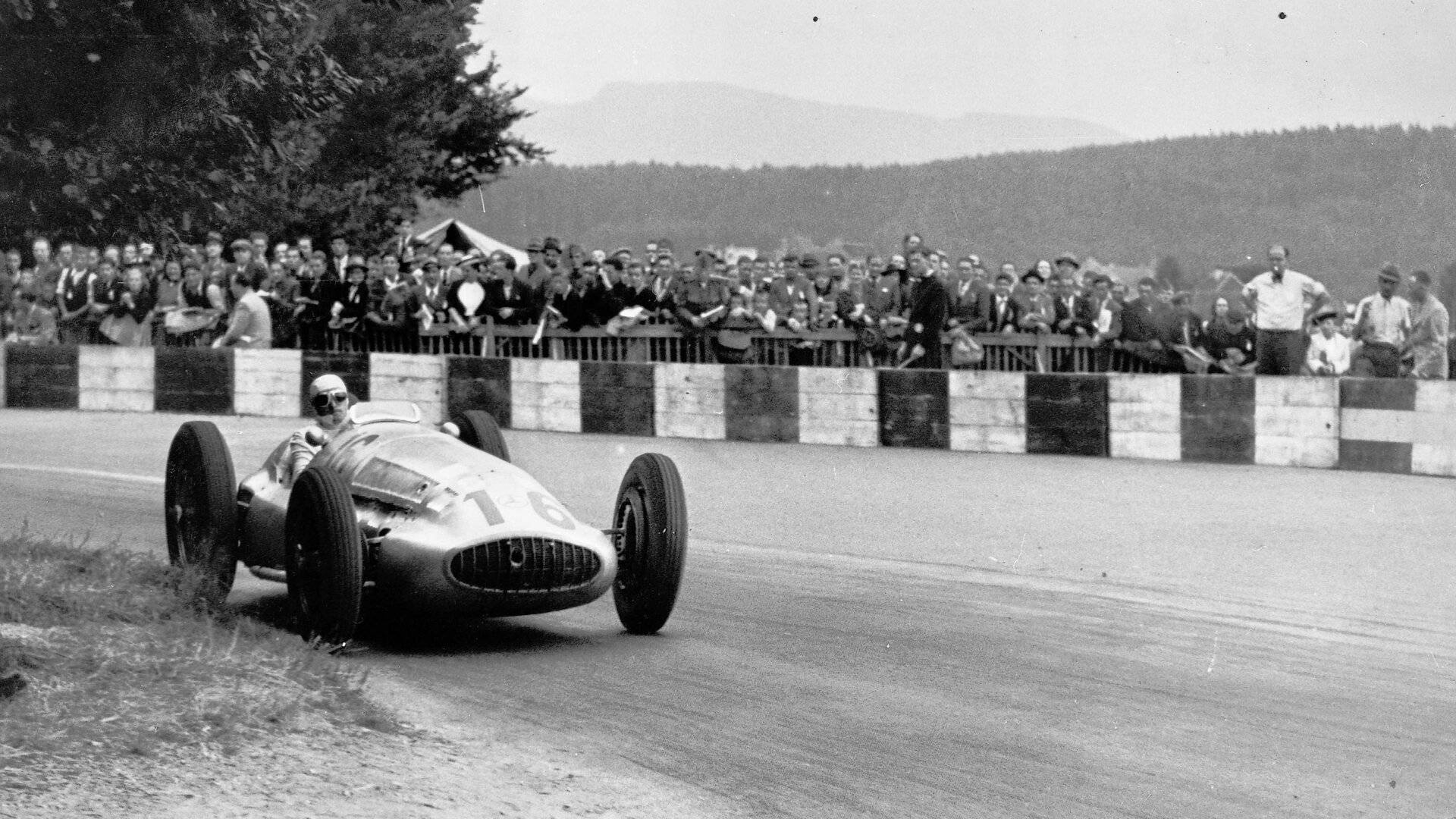
The racing career of the W154 was a relentless whitewash. In its debut 1938 season, Rudolf Caracciola, the metronomic German maestro, piloted the car with clinical efficiency to claim his third European Championship. Lang won at Tripoli and Spa; von Brauchitsch won the French Grand Prix at Reims. It was a year defined by the high-pitched shriek of V12s echoing through public road circuits and tight, technical street courses like the Nürburgring and AVUS. By 1939, the car was practically unbeatable, winning five out of the six major Grands Prix before the onset of conflict. Lang, the former mechanic turned aggressive works driver, utilized the improved M163 variant to capture a stunning string of victories, though the outbreak of the Second World War meant that championship honours for that year were never officially awarded.
But the W154’s history took a surreal turn following the armistice. In a twist of fate, one original chassis made its way across the Atlantic. For the 1947 Indianapolis 500, this ultimate symbol of pre-war European technical dominance, re-badged and campaigned by the Don Lee team, attempted to qualify for the legendary ‘Brickyard’. Modified with a custom bonnet and revised fuel systems for the demands of the 1000 km (621 miles) classic, it proved a temperamental fit, struggling with the massive torque on the slick brick surface and ultimately failing to qualify. Returning in 1948, it showed flashes of staggering speed during practice sessions but was again unable to overcome the unique mechanical challenges posed by American oval racing. It was a culture shock; the complex, high-revving road-circuit champion found itself hopelessly out of context in the rugged environment of Indiana, a magnificent, aged thoroughbred trying to compete in a rodeo.
The Mercedes-Benz W154 stands today as the absolute pinnacle of pre-war Grand Prix achievement. It represented the final, ultimate refinement of the front-engined racing car before the war erased the slate. By the time racing resumed, the template had shifted; the 1.5-litre supercharged Alfa Romeo 158/159 and eventually mid-engined Coopers would redefine the paradigm. Yet, the W154 holds a sovereign place in automotive history. It was the chariot of Caracciola, Lang, and von Brauchitsch, a screaming, methanol-burning V12 masterpiece that weaponised engineering ambition. It was the apex of pre-war motorsport, a final, loud, and proud mechanical act of defiance before the lights went out across Europe.
Portal
Model line
Brand
Produced from
Vehicle category
Model Overview
The air at Reims in July 1938 was thick with the scent of high-octane methyl alcohol fuel and the deafening, high-pitched scream of V12 engines force-fed by twin Roots-type superchargers. This was the opening round of the new 3.0-litre Grand Prix formula, and the Mercedes-Benz W154 sat on the grid, its unpainted aluminium skin shimmering in the white-hot French sun. It was not merely a new car; it was a statement of intent from Stuttgart, an engineering leviathan designed to ensure that the Third Reich’s dominance of motorsport remained absolute. The preceding W125 had been a monstrous, 600-horsepower brute, the apex of the 750kg formula. But for 1938, the governing AIACR had slashed engine capacity, demanding 3.0-litre supercharged units or 4.5-litre naturally aspirated ones. From the drawing board of legendary engineer Rudolf Uhlenhaut arose the W154, a machine of surgical precision built to humiliate the Auto Union Type D and the outgunned, ageing Italian machinery from Alfa Romeo and Maserati.
Uhlenhaut’s technical solution was a masterpiece of mechanical packaging. To keep the car’s profile exceptionally low and aerodynamic, he angled the magnificent 60-degree V12 engine in the chassis, allowing the prop shaft to run alongside the driver rather than beneath him. The spaceframe itself was a web of nickel-chrome-molybdenum oval tubing, suspended upfront by coil springs and wishbones, while the rear utilised a De Dion axle with torsion bars—a massive leap forward over the unpredictable swing axles of previous generations. This combination gave the W154 a level of chassis compliance and handling balance unknown to its predecessors. It was a sophisticated beast, not just a raw power plant. The original ‘M154’ V12, utilized in the 1938 model, was a twin-supercharged jewel developing an immediate 468 hp.
For the 1939 season, this was evolved into the fearsome ‘M163’, which introduced a groundbreaking two-stage supercharging system—compressing the air in one blower before feeding it into a second larger one—pushing output to a white-hot 476 hp. Stopping this 1000 kg (2204 lbs) projectile relied on massive, hydraulically actuated aluminium drum brakes with intricate cooling fins, which fought a constant, fading battle against the immense kinetic energy. The spartan cockpit provided zero luxury; the driver sat low, wrestling a large cord-bound steering wheel whilst bathed in engine heat and exhaust fumes, peering over a tiny windscreen at front tyres which struggled desperately to transmit nearly 500 horsepower to the narrow roads. Specialised variants also emerged, notably the breathtaking 1938 Rekordwagen, derived from the Grand Prix car and featuring a stunning ‘Enclosed-Wheel Monoposto’ fully streamlined body, aimed at securing land speed benchmarks in standard trim.
The racing career of the W154 was a relentless whitewash. In its debut 1938 season, Rudolf Caracciola, the metronomic German maestro, piloted the car with clinical efficiency to claim his third European Championship. Lang won at Tripoli and Spa; von Brauchitsch won the French Grand Prix at Reims. It was a year defined by the high-pitched shriek of V12s echoing through public road circuits and tight, technical street courses like the Nürburgring and AVUS. By 1939, the car was practically unbeatable, winning five out of the six major Grands Prix before the onset of conflict. Lang, the former mechanic turned aggressive works driver, utilized the improved M163 variant to capture a stunning string of victories, though the outbreak of the Second World War meant that championship honours for that year were never officially awarded.
But the W154’s history took a surreal turn following the armistice. In a twist of fate, one original chassis made its way across the Atlantic. For the 1947 Indianapolis 500, this ultimate symbol of pre-war European technical dominance, re-badged and campaigned by the Don Lee team, attempted to qualify for the legendary ‘Brickyard’. Modified with a custom bonnet and revised fuel systems for the demands of the 1000 km (621 miles) classic, it proved a temperamental fit, struggling with the massive torque on the slick brick surface and ultimately failing to qualify. Returning in 1948, it showed flashes of staggering speed during practice sessions but was again unable to overcome the unique mechanical challenges posed by American oval racing. It was a culture shock; the complex, high-revving road-circuit champion found itself hopelessly out of context in the rugged environment of Indiana, a magnificent, aged thoroughbred trying to compete in a rodeo.
The Mercedes-Benz W154 stands today as the absolute pinnacle of pre-war Grand Prix achievement. It represented the final, ultimate refinement of the front-engined racing car before the war erased the slate. By the time racing resumed, the template had shifted; the 1.5-litre supercharged Alfa Romeo 158/159 and eventually mid-engined Coopers would redefine the paradigm. Yet, the W154 holds a sovereign place in automotive history. It was the chariot of Caracciola, Lang, and von Brauchitsch, a screaming, methanol-burning V12 masterpiece that weaponised engineering ambition. It was the apex of pre-war motorsport, a final, loud, and proud mechanical act of defiance before the lights went out across Europe.
Submodels