
Porsche 911 Carrera 3.0
Brand
Produced from
Portal
Vehicle category
Model line
Model generation
Predecessor
Successor
Submodel Overview
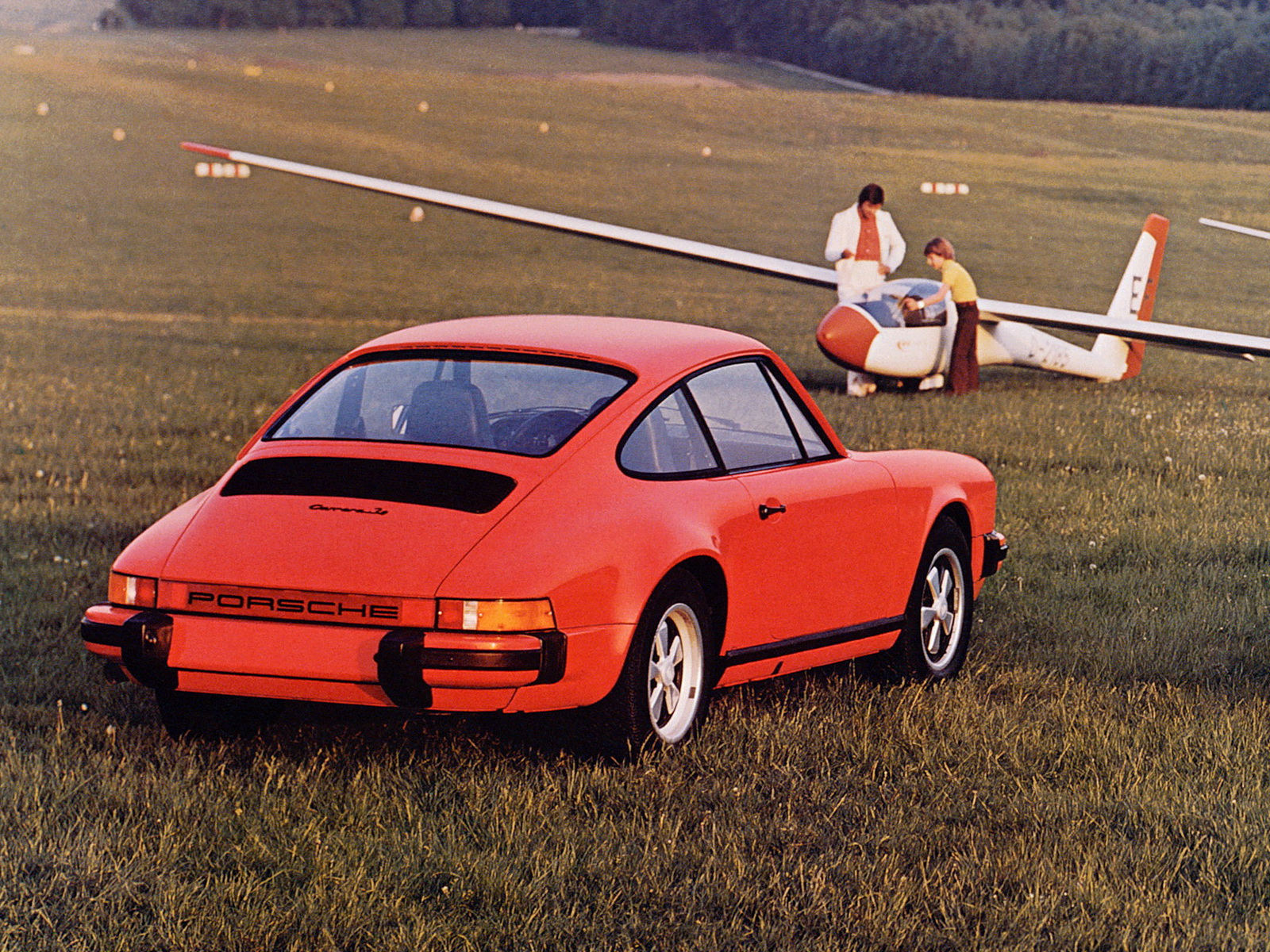
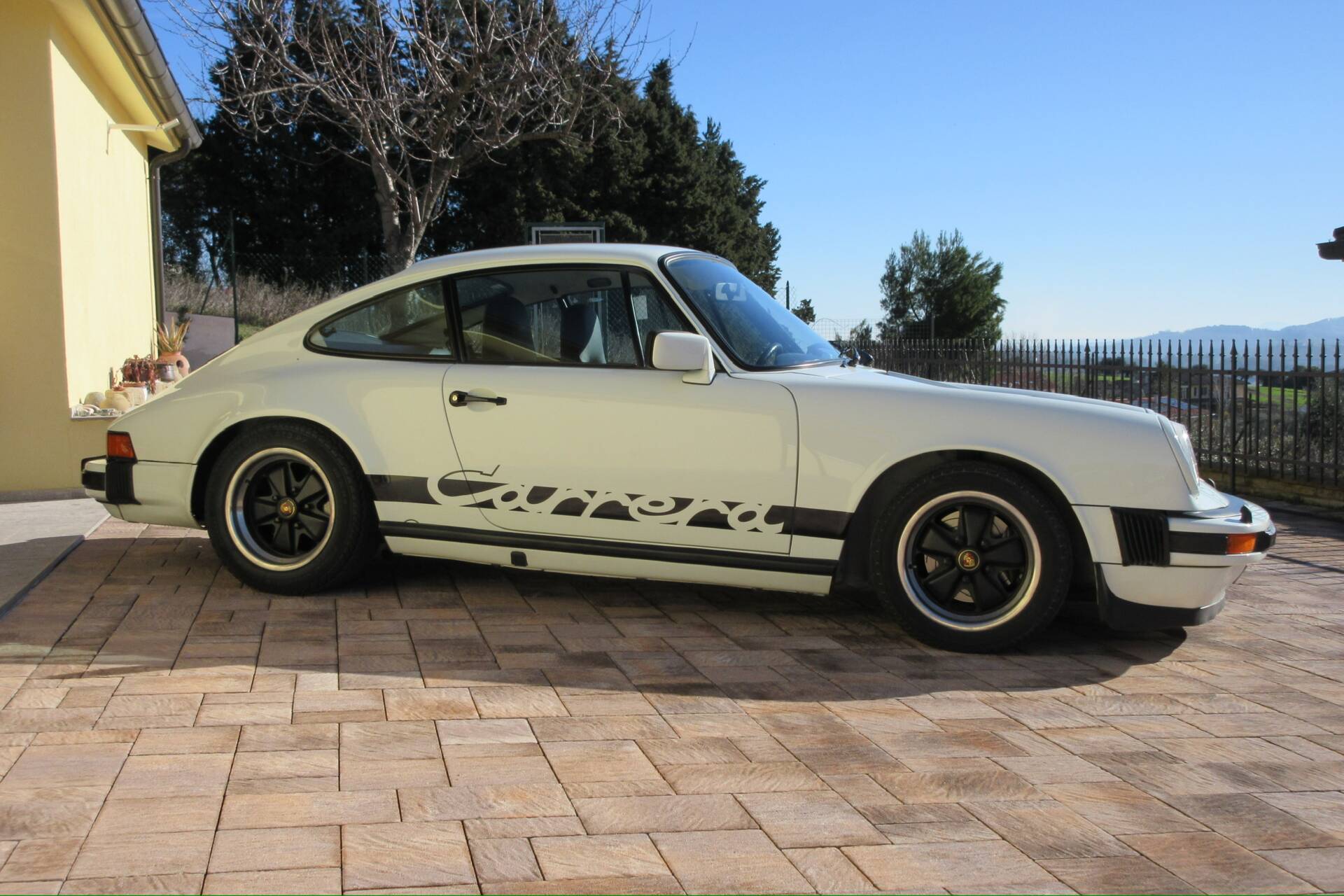
In the mid-1970s, the engineering corridors of Zuffenhausen were a battleground of thermal limits and evolving emissions regulations. The beloved Porsche 911 had successfully transitioned into the impact-bumpered G-Series era, but its beating heart—the 2.7-liter, magnesium-cased flat-six—was crying out for mercy. Stifled by draconian environmental mandates and plagued by the infamous pulled head studs resulting from immense heat buildup, the 2.7 had reached the absolute end of its developmental rope. Porsche needed a savior, a robust naturally aspirated flagship for the European market that could stand tall against the emerging crop of mid-engined exotics like the sublime Ferrari 308 GTB, the wedge-shaped Lotus Esprit S1, and the V6-powered Maserati Merak. While the world was entirely captivated by the explosive, wide-hipped 930 Turbo introduced a year prior, Porsche quietly deployed a naturally aspirated sibling that would serve as a vital, if fleeting, mechanical bridge. Introduced exclusively for the 1976 and 1977 model years, the Porsche 911 Carrera 3.0 is the definitive connoisseur’s choice—a spectacularly rare, Euro-centric unicorn that cured the 911’s ailments and laid the indestructible foundation for the next decade of air-cooled dominance.
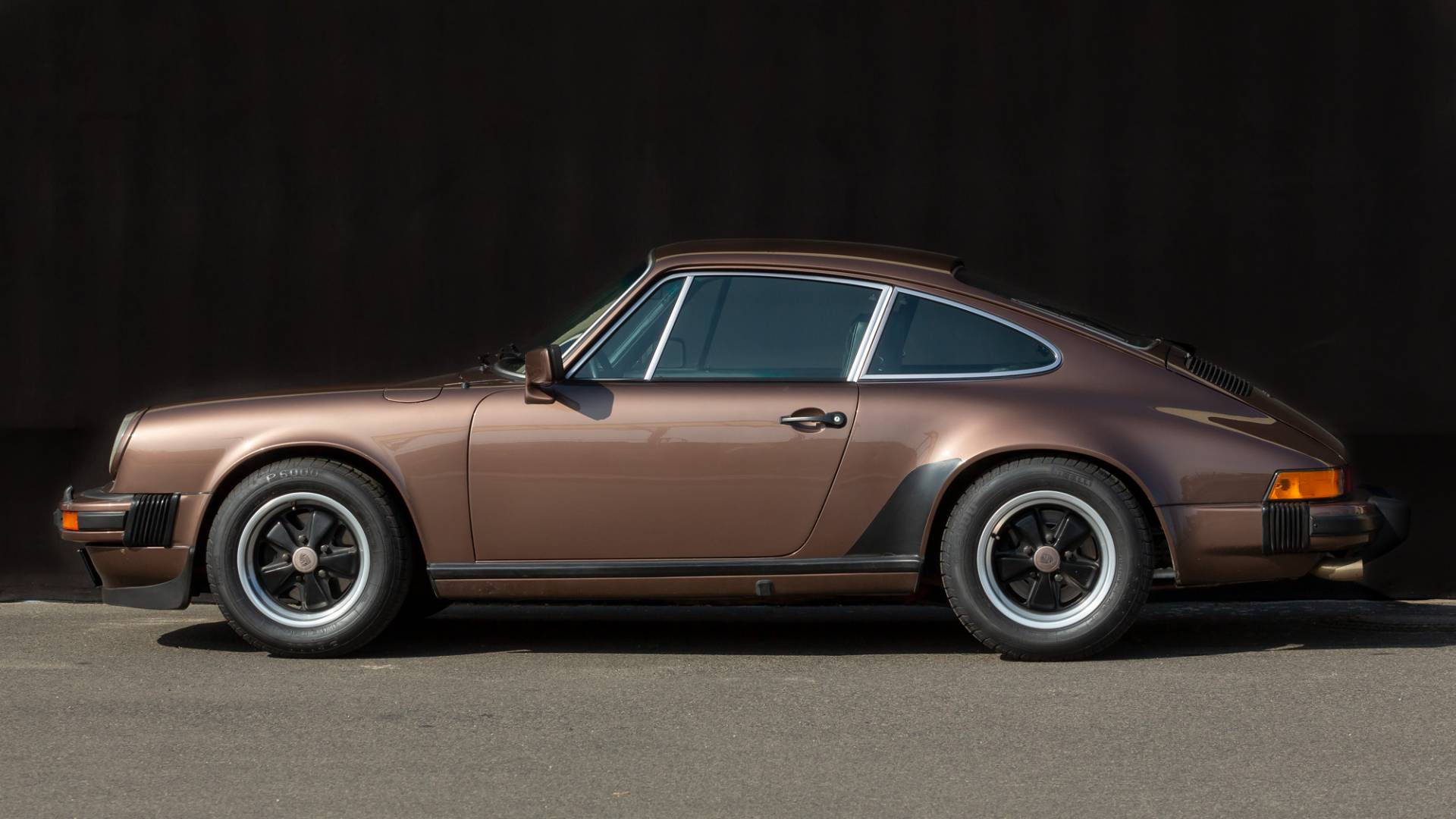
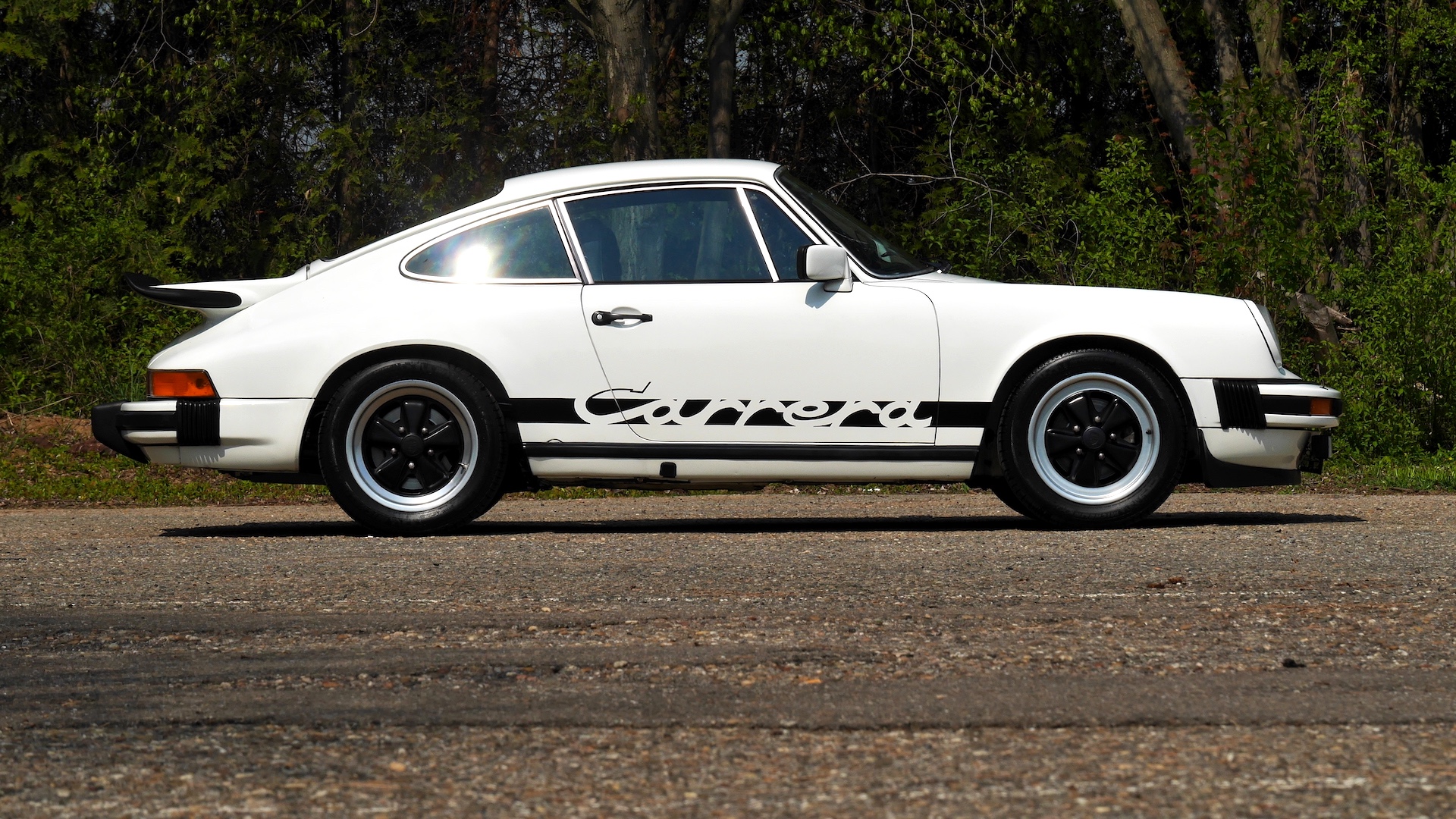
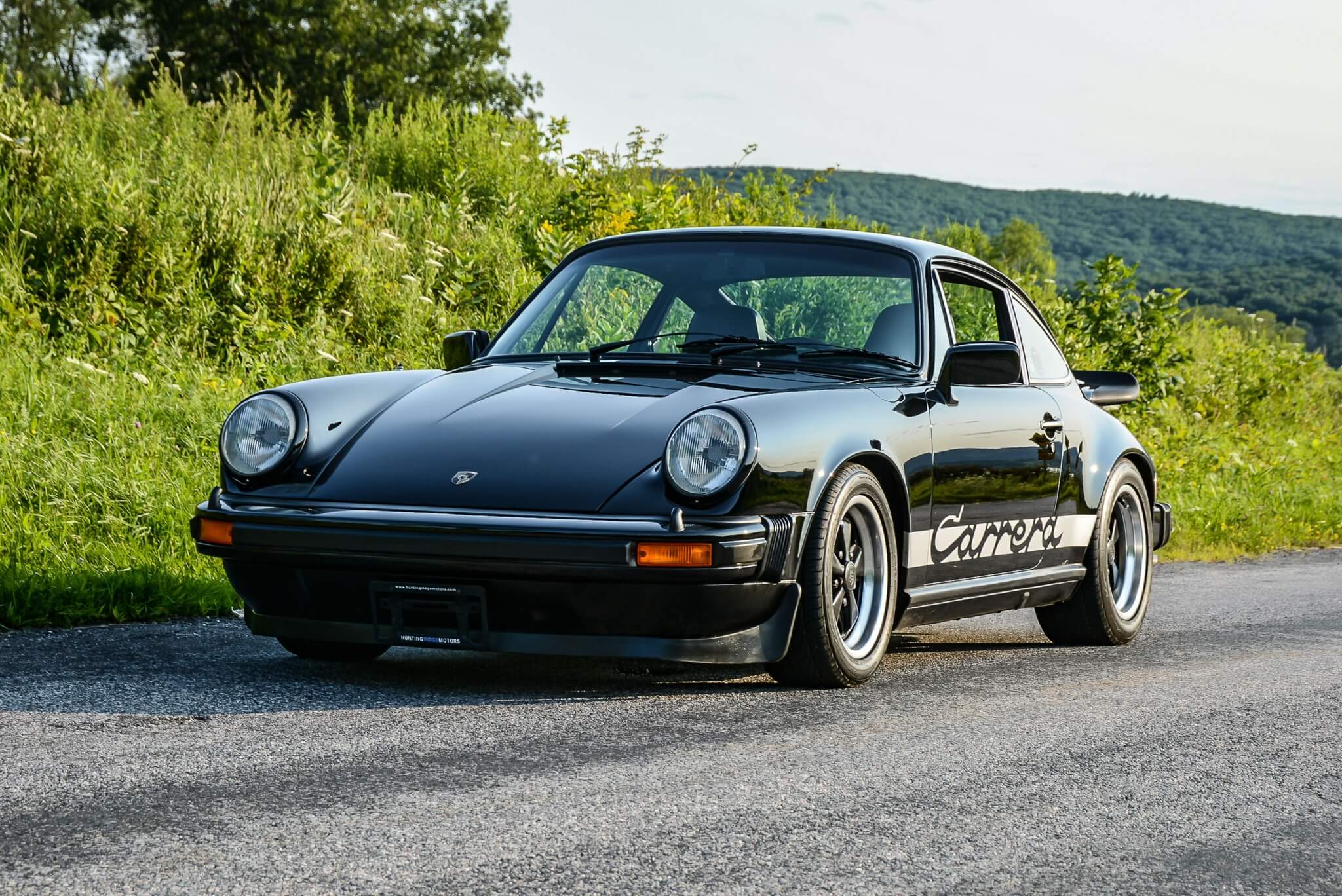
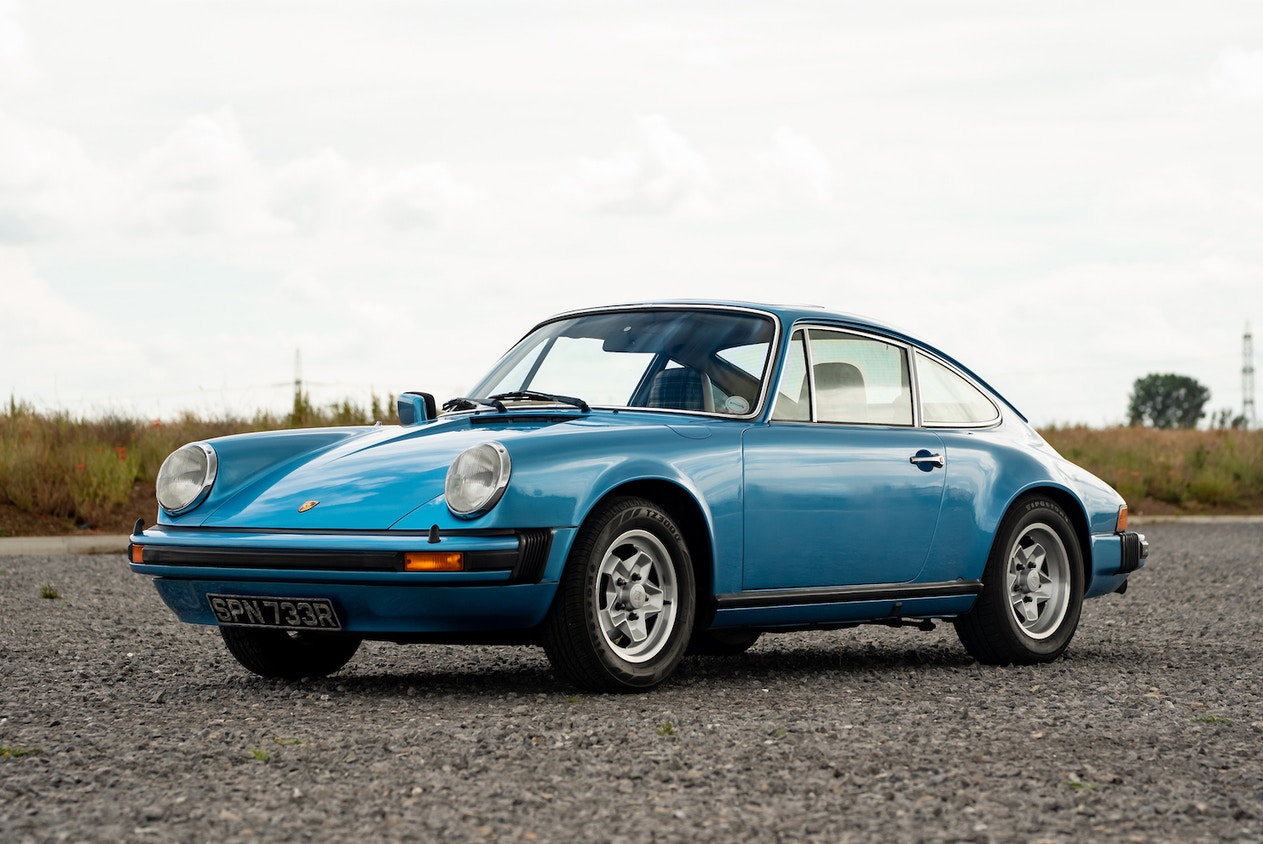
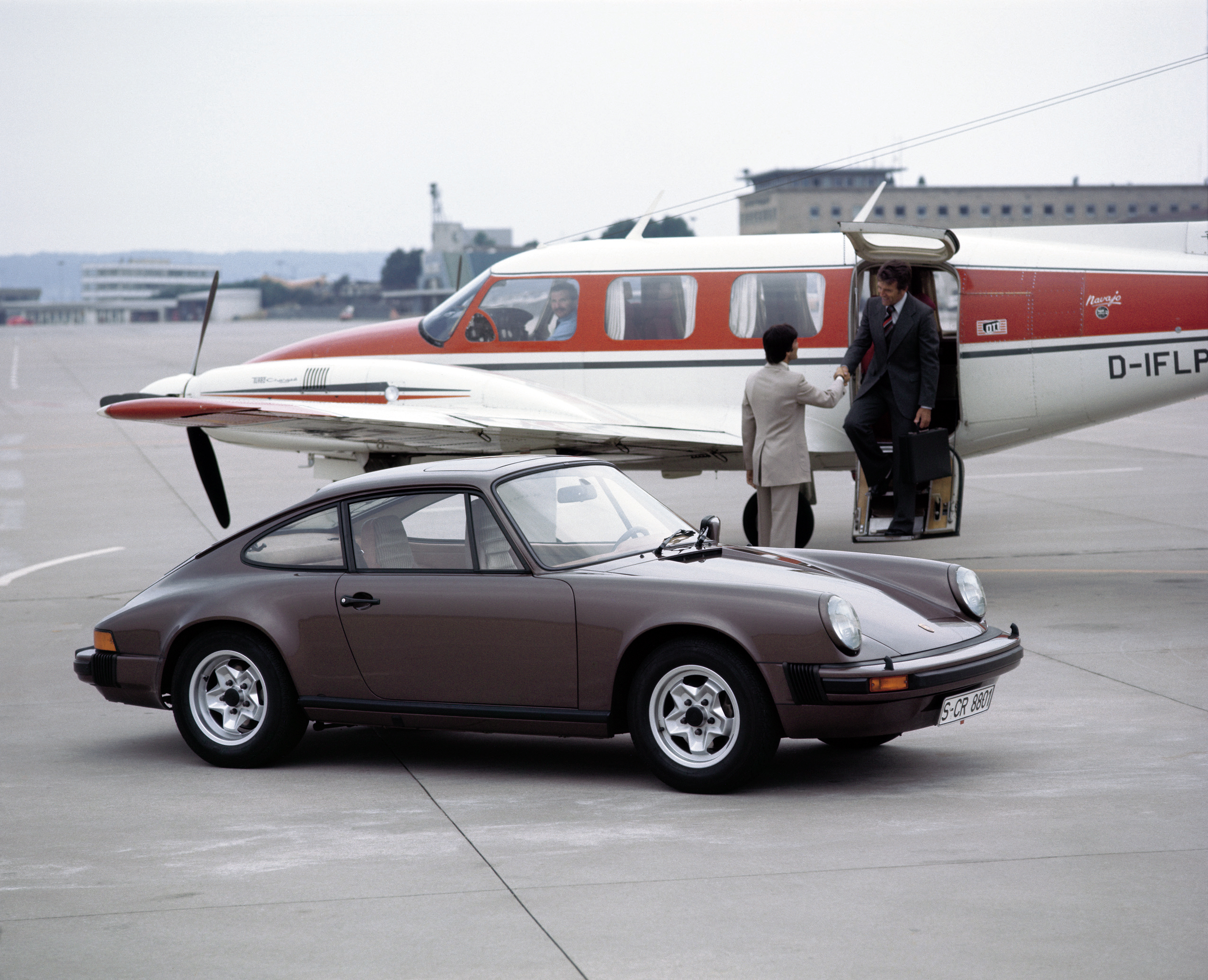
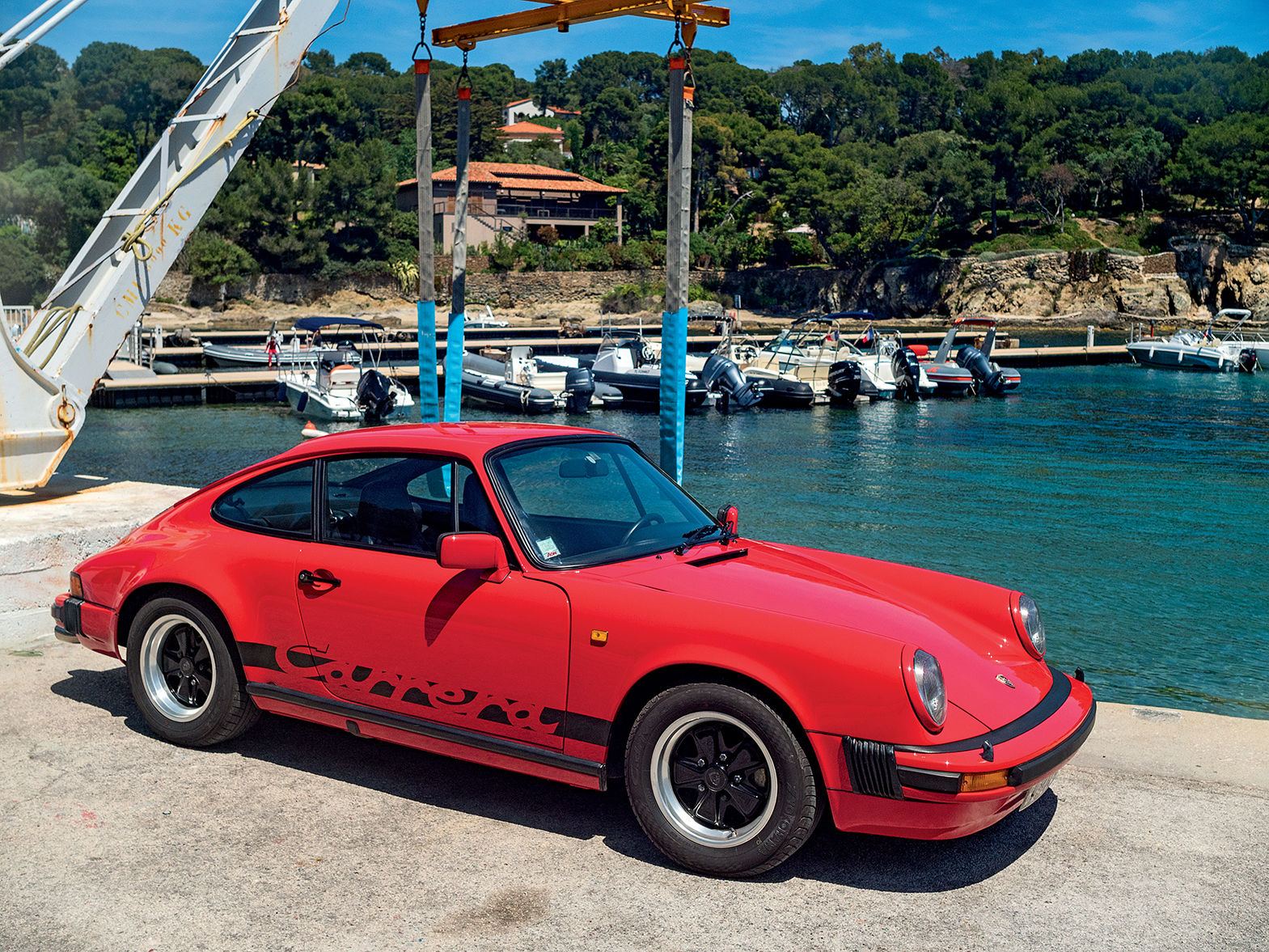
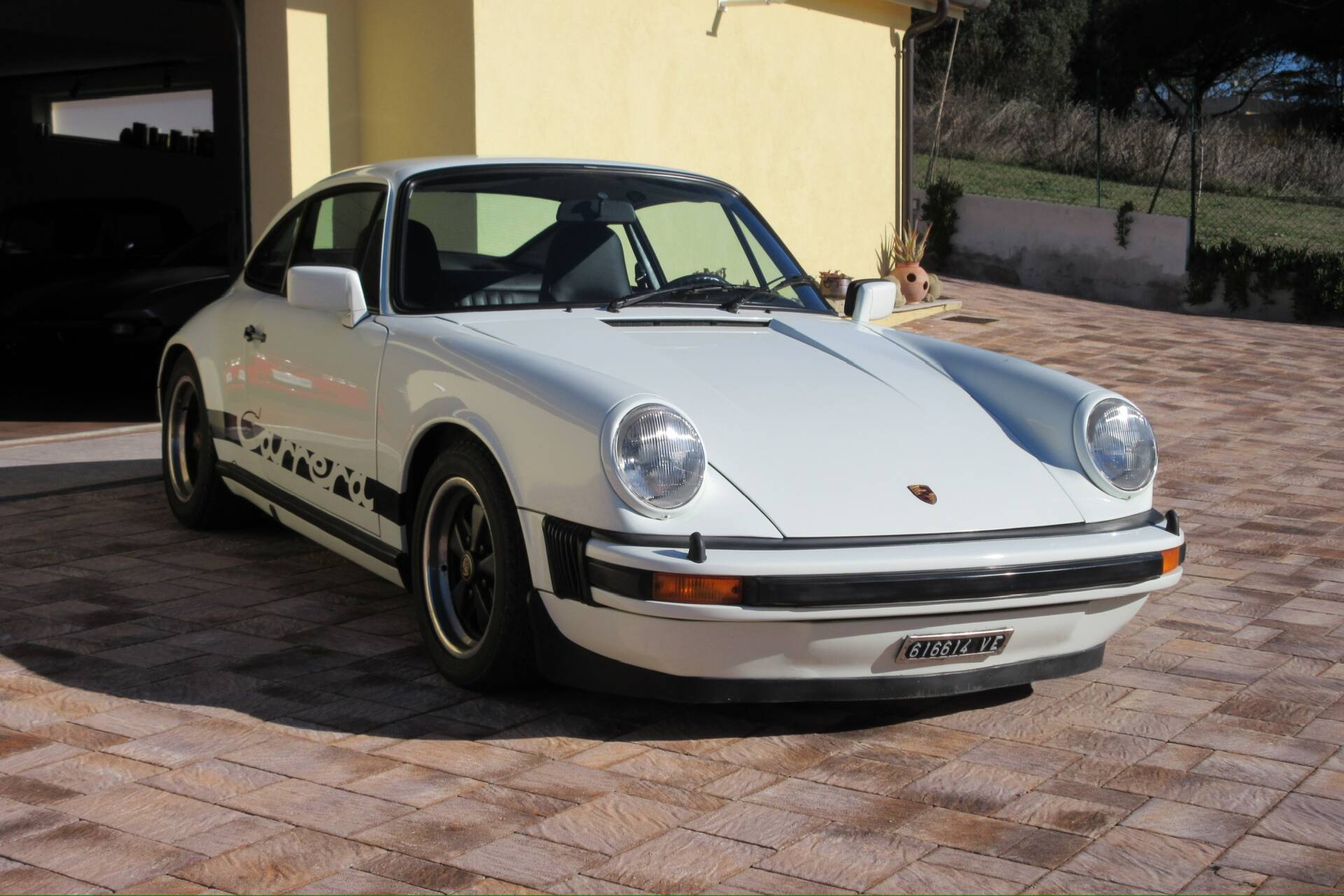
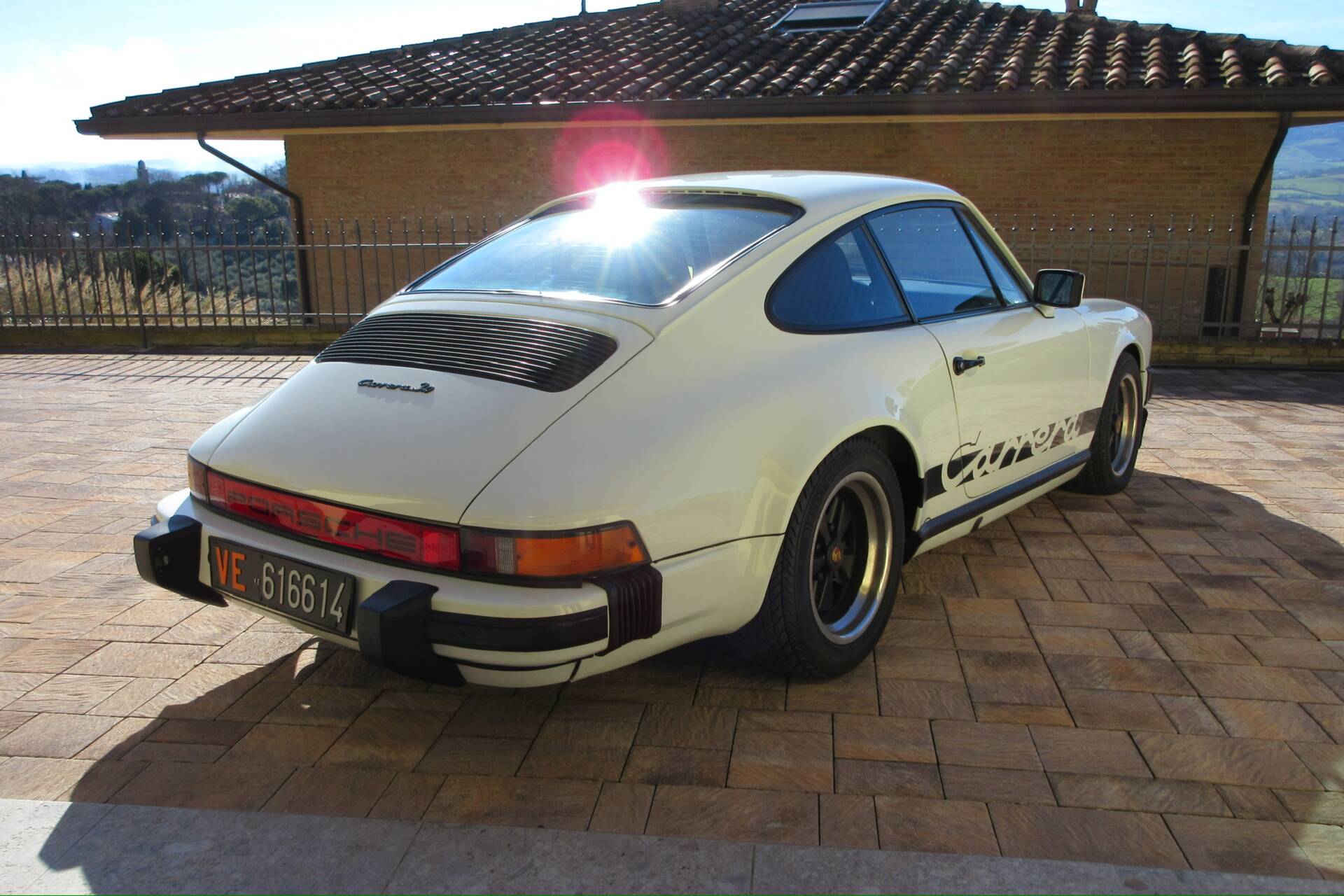
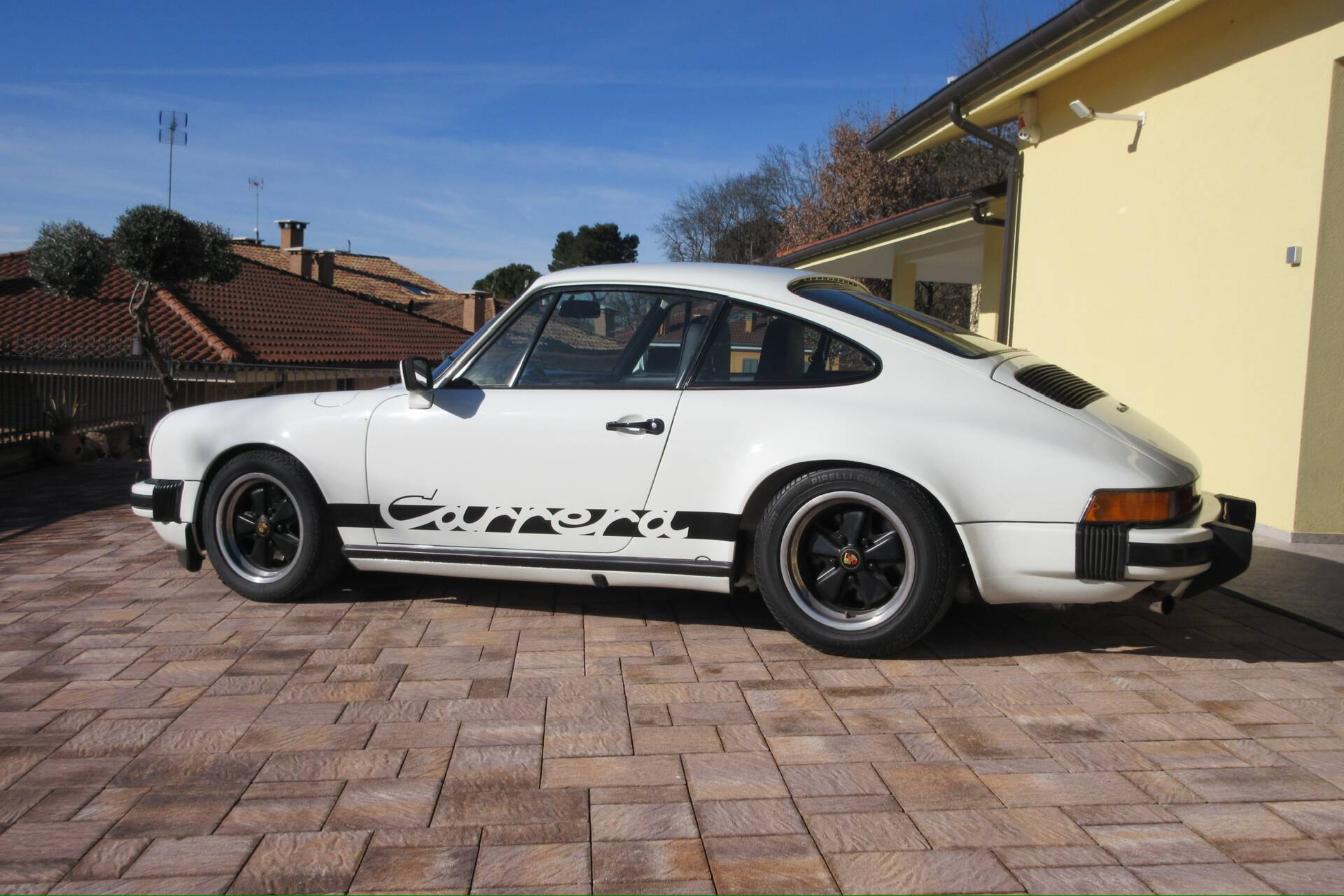
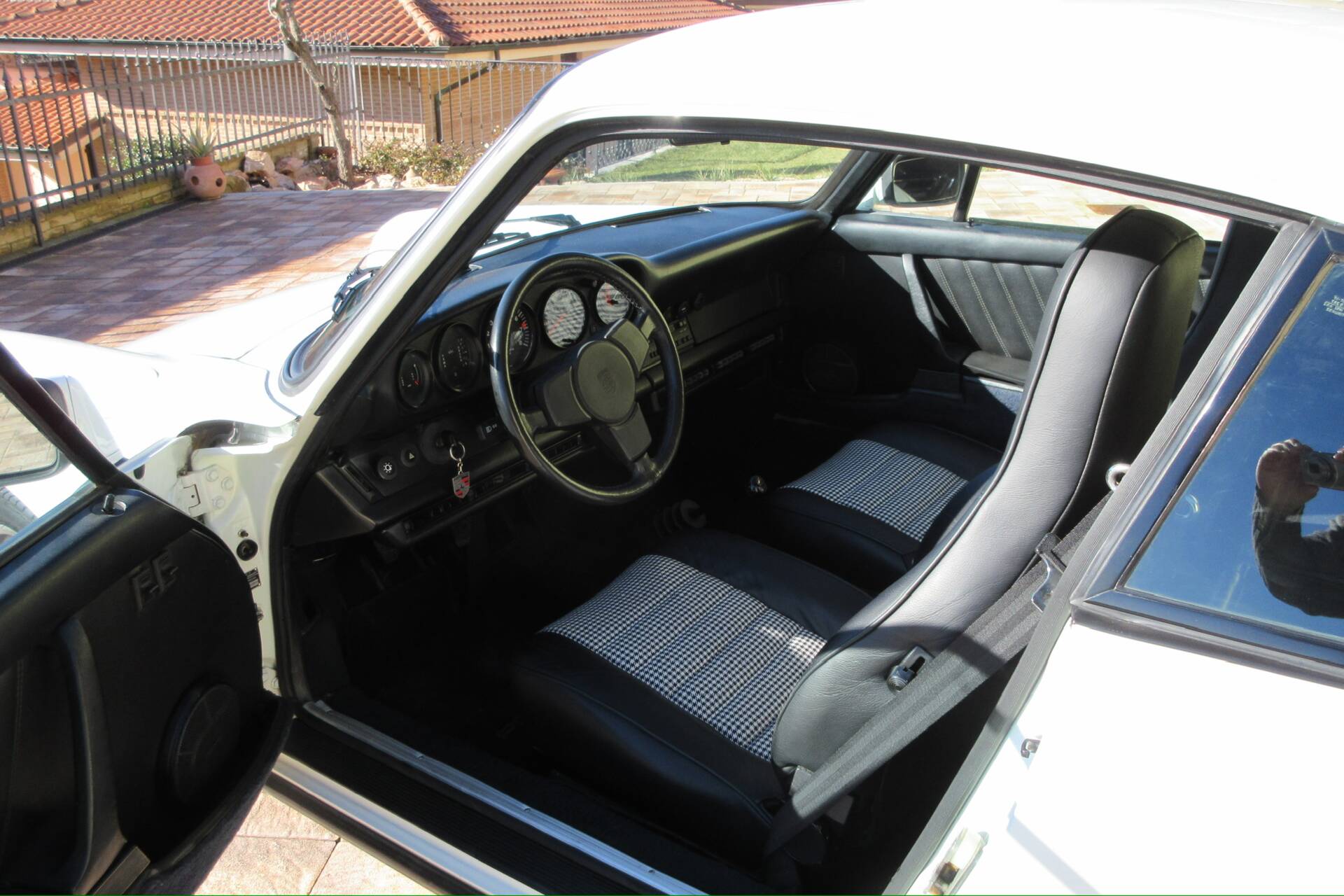
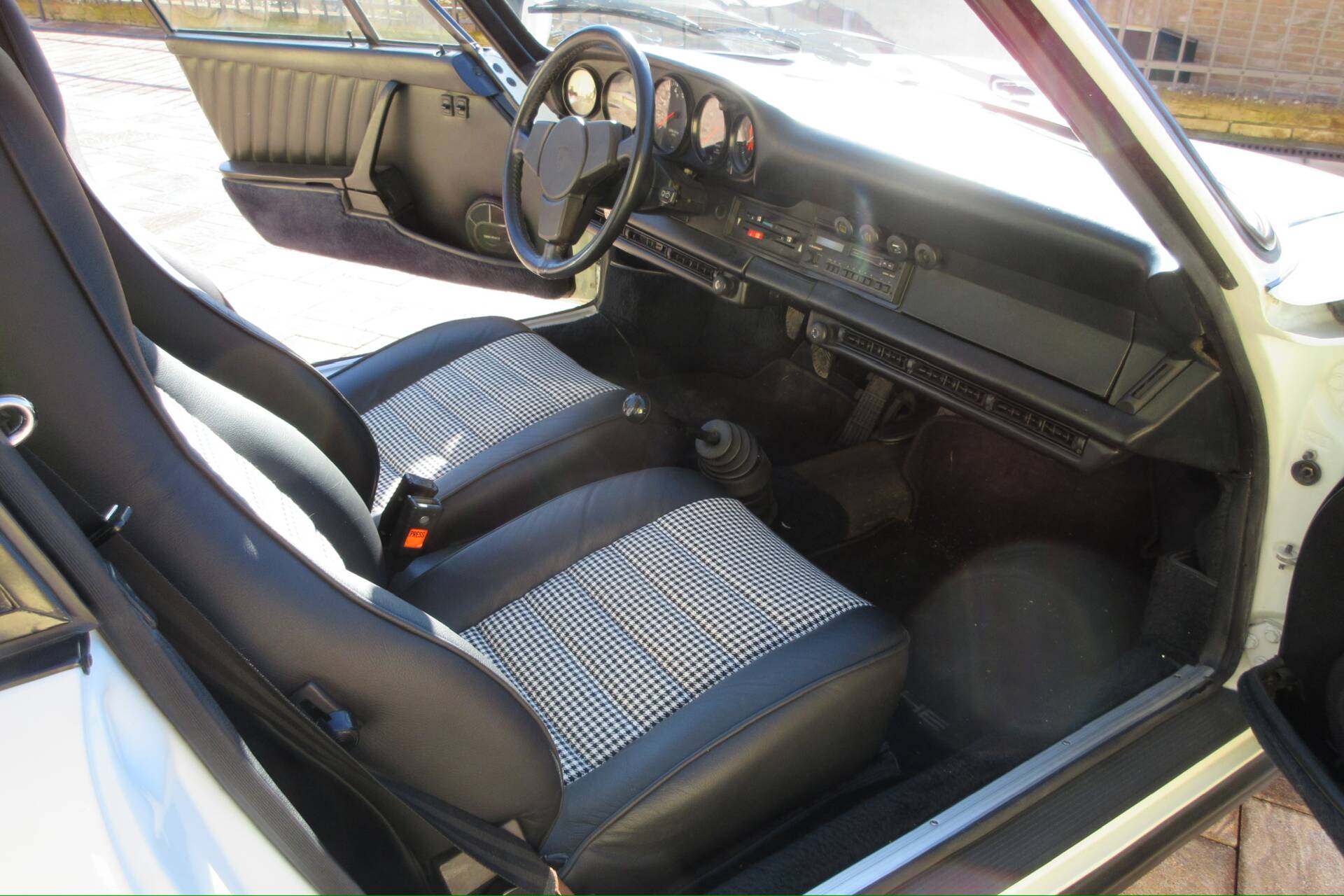
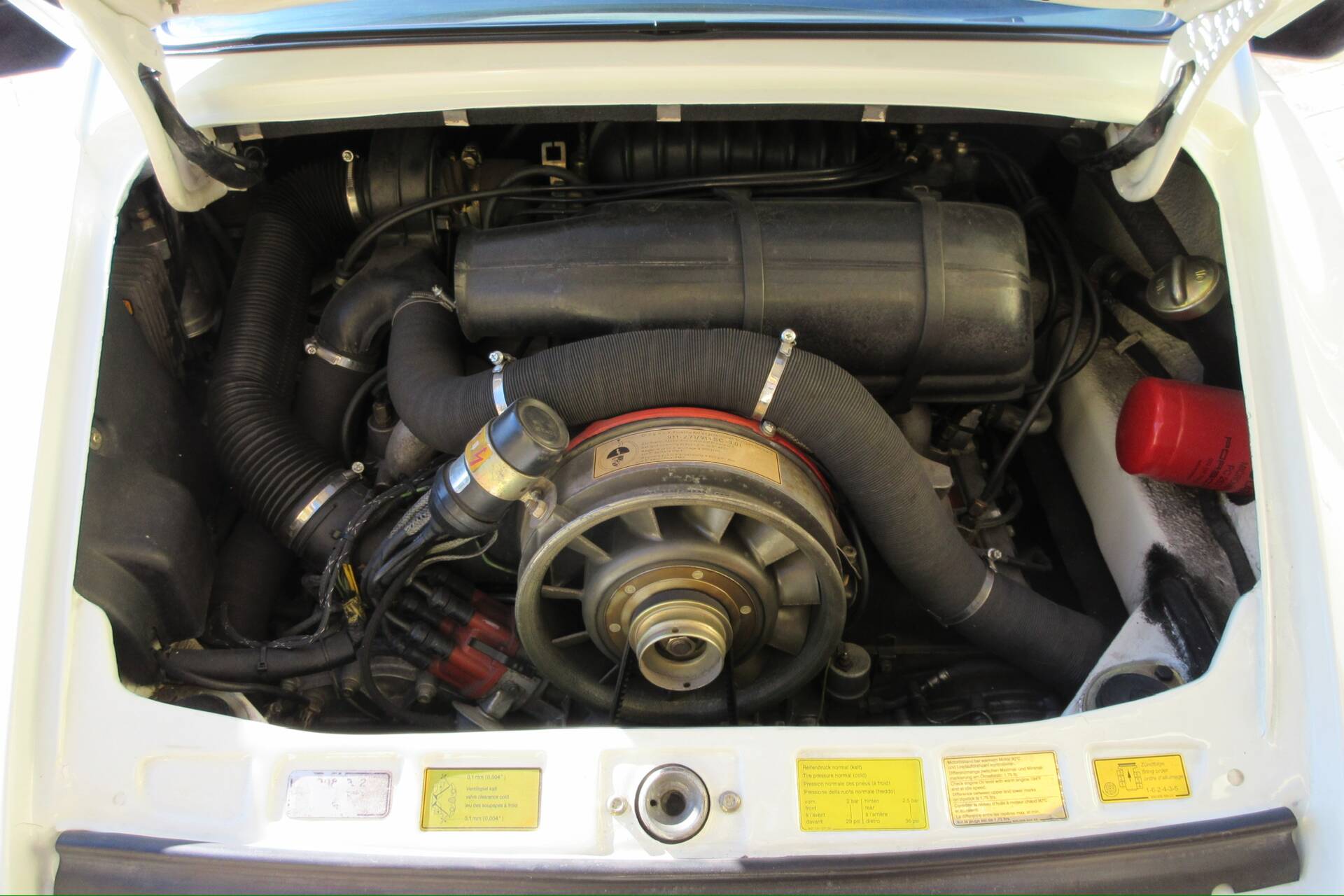
To understand the sheer brilliance of the 1976 Carrera 3.0, one must look directly past its flared rear arches and lift the engine lid. Porsche’s engineers took a deeply pragmatic approach to solving the 2.7’s fragility: they entirely discarded the magnesium crankcase. Instead, they borrowed the heavy-duty, die-cast aluminum engine block directly from the ferocious 930 Turbo. By omitting the KKK turbocharger and utilizing a 95mm bore with a short 70.4mm stroke, they created the Type 930/02 engine. Displacing 2,994cc and breathing through the incredibly reliable Bosch K-Jetronic Continuous Injection System (CIS), this new flat-six produced a beautifully tractable 200 brake horsepower at 6,000 rpm. While it lacked the frantic, high-revving peakiness of the early mechanical fuel-injected (MFI) 2.7 Carreras, the 3.0-liter delivered a massive, fat wave of mid-range torque. It was an engine that allowed the driver to effortlessly surge out of Alpine hairpins without frantically dancing on the clutch. This power was channeled through the venerable Type 915 five-speed manual transaxle, a gearbox that demanded deliberate, mechanical shifts. Visually, the Carrera 3.0 struck a perfect aesthetic balance. It inherited the widened rear wings of the 2.7 Carrera to house staggered, five-spoke Fuchs alloy wheels, giving it a purposeful, muscular stance that avoided the exaggerated excess of the full Turbo bodywork. Buyers could specify the iconic polyurethane-lipped “whale tail” rear spoiler and a matching rubber chin spoiler to reduce high-speed lift on the Autobahn. Inside the cabin, the evolution continued with highly supportive, high-backed “tombstone” sport seats, while retaining the sacred, driver-focused five-dial dashboard that had defined the 911 since 1963.
The historical footprint of the Carrera 3.0 is a fascinating tale of forced exclusivity. Because its K-Jetronic engine could not easily meet the strangling emissions standards of the United States, Porsche made the fateful decision to completely withhold the model from the American market, offering them only the neutered 911 S. Consequently, the Carrera 3.0 saw a fiercely limited production run; only around 3,687 examples were built across the coupe and Targa body styles during its two-year lifespan. For decades, it existed in a strange purgatory, overshadowed by the mythological status of the 1973 Carrera RS 2.7 and eclipsed by the sheer ubiquity of the 911 SC that replaced it. Yet, in the hands of dedicated European privateers, the Carrera 3.0 proved to be a devastatingly effective Group 3 track and rally weapon. Its aluminum block was virtually indestructible, capable of enduring grueling 24-hour endurance marathons without suffering the thermal failures that plagued its magnesium predecessors. It became the backbone of domestic European GT racing and international rallying, quietly gathering class victories while the factory 935s stole the overall headlines. Today, those who truly understand the air-cooled lineage revere the Carrera 3.0 because its engine revs noticeably freer and feels more urgent than the heavier, lower-compression 911 SC that followed, offering a visceral, mechanical purity that represents the absolute sweet spot of the mid-70s G-Series.
The legacy of the 1976 Porsche 911 Carrera 3.0 is that of a vital, transitional savior. It was the crucial missing link. By proving that the aluminum-cased 3.0-liter engine was a bulletproof, reliable powerhouse, it directly salvaged the reputation of the naturally aspirated 911. When Porsche finally sought to create a single, unified global 911 for 1978, they detuned the Carrera 3.0’s engine slightly to 180 horsepower, added a bit more weight, and badged it the 911 SC (Super Carrera)—a car that would sell in the tens of thousands and single-handedly prevent executives from cancelling the 911 program altogether. Without the Carrera 3.0 testing the waters, the SC might never have existed. Today, finding a genuine, matching-numbers 1976 Carrera 3.0 is an exceptionally rare event.
Brand
Produced from
Portal
Vehicle category
Model line
Model generation
Predecessor
Sucessor
Brand
Produced from
Portal
Vehicle category
Model line
Model generation
Predecessor
Sucessor
Submodel Overview
In the mid-1970s, the engineering corridors of Zuffenhausen were a battleground of thermal limits and evolving emissions regulations. The beloved Porsche 911 had successfully transitioned into the impact-bumpered G-Series era, but its beating heart—the 2.7-liter, magnesium-cased flat-six—was crying out for mercy. Stifled by draconian environmental mandates and plagued by the infamous pulled head studs resulting from immense heat buildup, the 2.7 had reached the absolute end of its developmental rope. Porsche needed a savior, a robust naturally aspirated flagship for the European market that could stand tall against the emerging crop of mid-engined exotics like the sublime Ferrari 308 GTB, the wedge-shaped Lotus Esprit S1, and the V6-powered Maserati Merak. While the world was entirely captivated by the explosive, wide-hipped 930 Turbo introduced a year prior, Porsche quietly deployed a naturally aspirated sibling that would serve as a vital, if fleeting, mechanical bridge. Introduced exclusively for the 1976 and 1977 model years, the Porsche 911 Carrera 3.0 is the definitive connoisseur’s choice—a spectacularly rare, Euro-centric unicorn that cured the 911’s ailments and laid the indestructible foundation for the next decade of air-cooled dominance.
To understand the sheer brilliance of the 1976 Carrera 3.0, one must look directly past its flared rear arches and lift the engine lid. Porsche’s engineers took a deeply pragmatic approach to solving the 2.7’s fragility: they entirely discarded the magnesium crankcase. Instead, they borrowed the heavy-duty, die-cast aluminum engine block directly from the ferocious 930 Turbo. By omitting the KKK turbocharger and utilizing a 95mm bore with a short 70.4mm stroke, they created the Type 930/02 engine. Displacing 2,994cc and breathing through the incredibly reliable Bosch K-Jetronic Continuous Injection System (CIS), this new flat-six produced a beautifully tractable 200 brake horsepower at 6,000 rpm. While it lacked the frantic, high-revving peakiness of the early mechanical fuel-injected (MFI) 2.7 Carreras, the 3.0-liter delivered a massive, fat wave of mid-range torque. It was an engine that allowed the driver to effortlessly surge out of Alpine hairpins without frantically dancing on the clutch. This power was channeled through the venerable Type 915 five-speed manual transaxle, a gearbox that demanded deliberate, mechanical shifts. Visually, the Carrera 3.0 struck a perfect aesthetic balance. It inherited the widened rear wings of the 2.7 Carrera to house staggered, five-spoke Fuchs alloy wheels, giving it a purposeful, muscular stance that avoided the exaggerated excess of the full Turbo bodywork. Buyers could specify the iconic polyurethane-lipped “whale tail” rear spoiler and a matching rubber chin spoiler to reduce high-speed lift on the Autobahn. Inside the cabin, the evolution continued with highly supportive, high-backed “tombstone” sport seats, while retaining the sacred, driver-focused five-dial dashboard that had defined the 911 since 1963.
The historical footprint of the Carrera 3.0 is a fascinating tale of forced exclusivity. Because its K-Jetronic engine could not easily meet the strangling emissions standards of the United States, Porsche made the fateful decision to completely withhold the model from the American market, offering them only the neutered 911 S. Consequently, the Carrera 3.0 saw a fiercely limited production run; only around 3,687 examples were built across the coupe and Targa body styles during its two-year lifespan. For decades, it existed in a strange purgatory, overshadowed by the mythological status of the 1973 Carrera RS 2.7 and eclipsed by the sheer ubiquity of the 911 SC that replaced it. Yet, in the hands of dedicated European privateers, the Carrera 3.0 proved to be a devastatingly effective Group 3 track and rally weapon. Its aluminum block was virtually indestructible, capable of enduring grueling 24-hour endurance marathons without suffering the thermal failures that plagued its magnesium predecessors. It became the backbone of domestic European GT racing and international rallying, quietly gathering class victories while the factory 935s stole the overall headlines. Today, those who truly understand the air-cooled lineage revere the Carrera 3.0 because its engine revs noticeably freer and feels more urgent than the heavier, lower-compression 911 SC that followed, offering a visceral, mechanical purity that represents the absolute sweet spot of the mid-70s G-Series.
The legacy of the 1976 Porsche 911 Carrera 3.0 is that of a vital, transitional savior. It was the crucial missing link. By proving that the aluminum-cased 3.0-liter engine was a bulletproof, reliable powerhouse, it directly salvaged the reputation of the naturally aspirated 911. When Porsche finally sought to create a single, unified global 911 for 1978, they detuned the Carrera 3.0’s engine slightly to 180 horsepower, added a bit more weight, and badged it the 911 SC (Super Carrera)—a car that would sell in the tens of thousands and single-handedly prevent executives from cancelling the 911 program altogether. Without the Carrera 3.0 testing the waters, the SC might never have existed. Today, finding a genuine, matching-numbers 1976 Carrera 3.0 is an exceptionally rare event.
Tech Specs
Technical Specifications
Tech Specs
Technical Specifications
Engine
01
03
Internal combustion engine
Configuration
Porsche Type 930/02, Flat-6 (Boxer) - Air-cooled
Location
Rear, longitudinally mounted
Construction
Aluminium alloy block and heads
Displacement (cc)
2,994 cc
Displacement (cu in)
182.7 cu in
Compression
8.5:1
Bore x Stroke
95.0 mm x 70.4 mm
Valvetrain
2 valves per cylinder, SOHC
Fuel feed
Bosch K-Jetronic fuel injection (CIS)
Lubrication
Dry sump
Aspiration
Naturally aspirated
Output
Power (hp)
200 hp
Power (kW)
147 kW
Max power at
6,000 RPM
Torque (Nm)
255 Nm
Torque (ft lbs)
188 ft lbs
Max torque at
4,200 RPM
Drivetrain
02
03
Chassis
Type
Monocoque unibody
Material
Galvanized steel
Body
Material
Galvanized steel
Transmission
Gearbox
4-speed manual (Type 915), 5-speed manual (Type 915), or 3-speed Sportomatic (Type 925 semi-automatic)
Drive
Rear Wheel Drive
Suspension
Front
Independent, McPherson struts, longitudinal torsion bars, telescopic dampers, anti-roll bar
Rear
Independent, semi-trailing arms, transverse torsion bars, telescopic dampers, anti-roll bar
Steering
Type
Rack and pinion, unassisted
Brakes
Front
Ventilated steel discs Ø282 mm, ATE calipers
Rear
Ventilated steel discs Ø290 mm, ATE calipers
Wheels
Front
6" x 15" (Fuchs forged alloy)
Rear
7" x 15" (Fuchs forged alloy)
Tires
Front
185/70 VR15
Rear
215/60 VR15
Dimensions and performance
03
03
Dimensions
Length (mm)
4,291 mm
Length (in)
168.9 in
Width (mm)
1,652 mm
Width (in)
65.0 in
Height (mm)
1,320 mm
Height (in)
52.0 in
Wheelbase (mm)
2,271 mm
Wheelbase (in)
89.4 in
Weight (kg)
1,120 kg
Weight (lbs)
2,469 lbs
Performance
Power to weight
0.18 hp/kg
Top speed (km/h)
232 km/h
Top speed (mph)
144 mph
0-100 km/h (0-60 mph)
6.1 s