
Porsche 911 Carrera RSR 2.8
Brand
Produced from
Portal
Vehicle category
Model line
Model generation
Predecessor
Successor
Submodel Overview
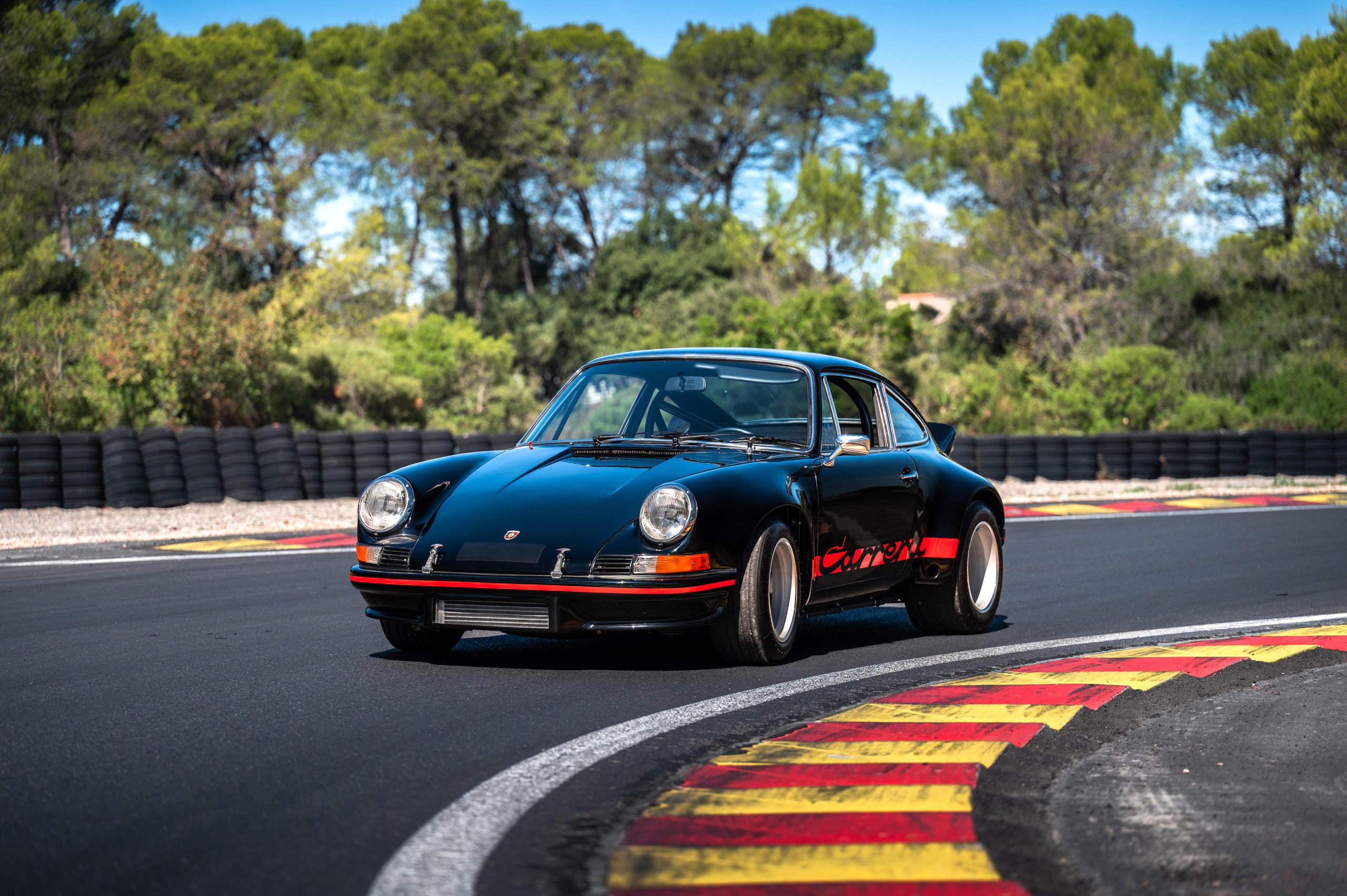
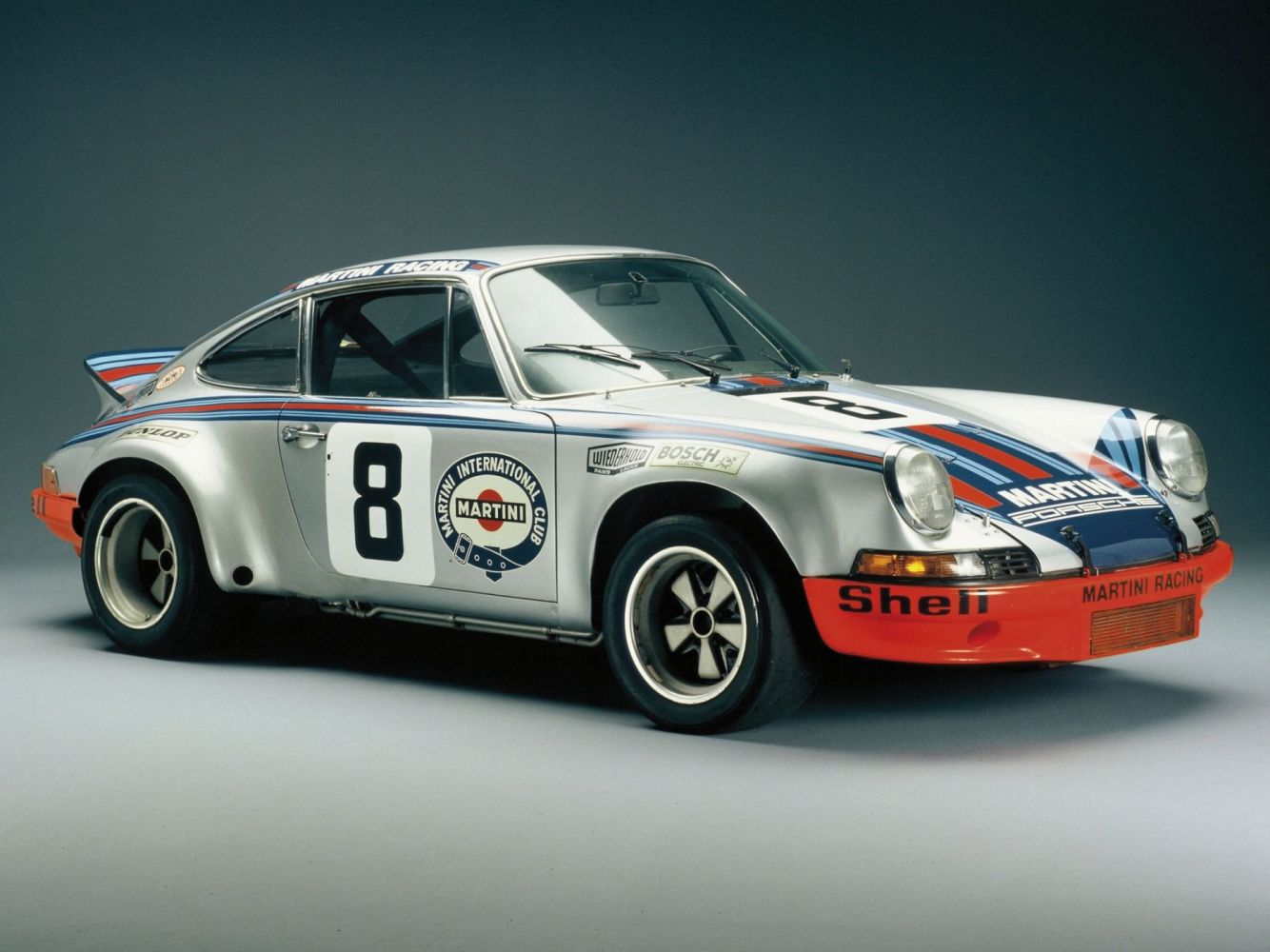
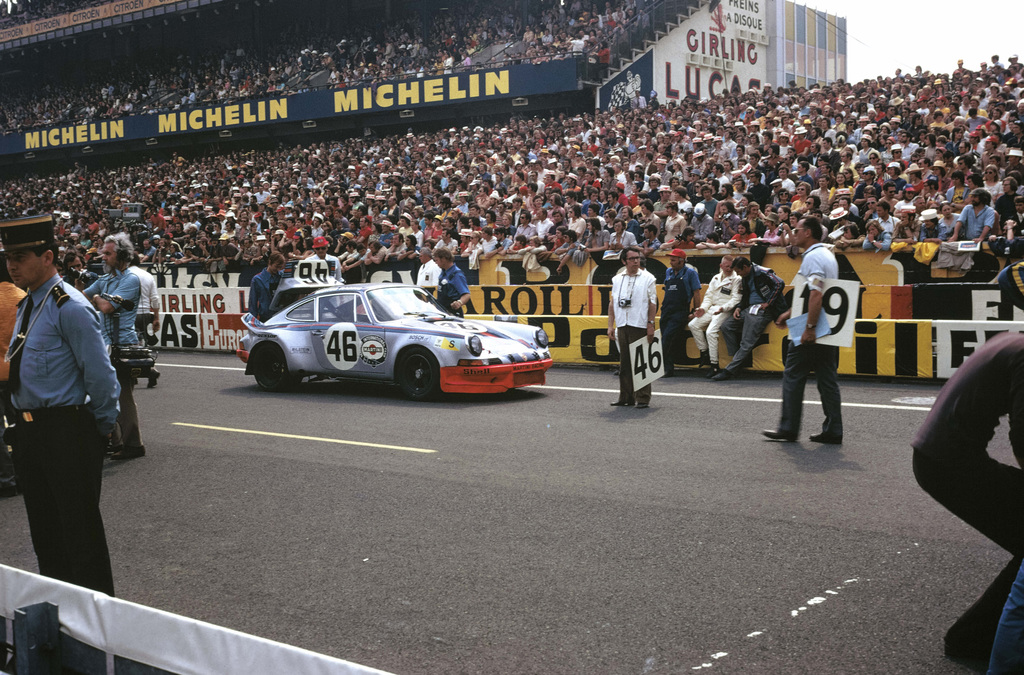
As the curtain fell on the unlimited-capacity Group 5 era and the fearsome 917 prototype was legislated out of the World Sportscar Championship, Porsche found itself in need of a new battleground to assert its motorsport supremacy. For the 1973 season, Zuffenhausen pivoted its relentless engineering focus toward the production-based FIA Group 4 Special GT category. To compete, they first had to homologate a minimum of 500 road cars, resulting in the legendary 911 Carrera RS 2.7. But while the RS 2.7 became a cultural icon of the street, it was merely the bureaucratic key that unlocked Porsche’s true, uncompromising track weapon: the 1973 Porsche 911 Carrera RSR 2.8. Built strictly for the world’s most capable factory drivers and elite privateers, the RSR 2.8 was a stripped-out, wide-arched, 300-horsepower brute that didn’t just target its direct Group 4 rivals—like the muscular De Tomaso Pantera and the heavy, V12-powered Ferrari 365 GTB/4 Daytona Competizione—it frequently embarrassed dedicated, open-cockpit prototypes in the overall standings. It was the car that permanently cemented the “Rennsport Rennen” (RSR) moniker as the ultimate seal of teutonic GT dominance.
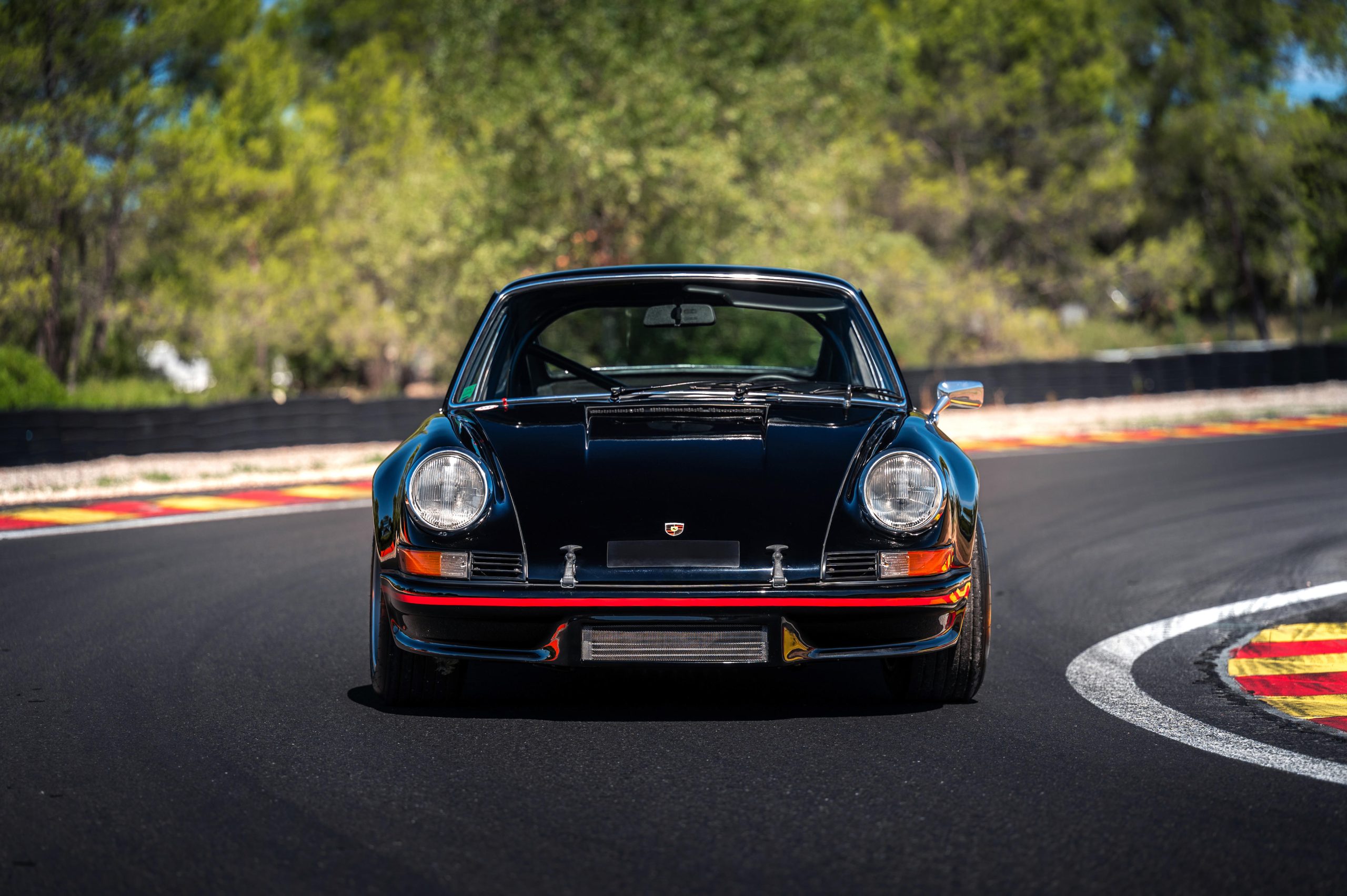
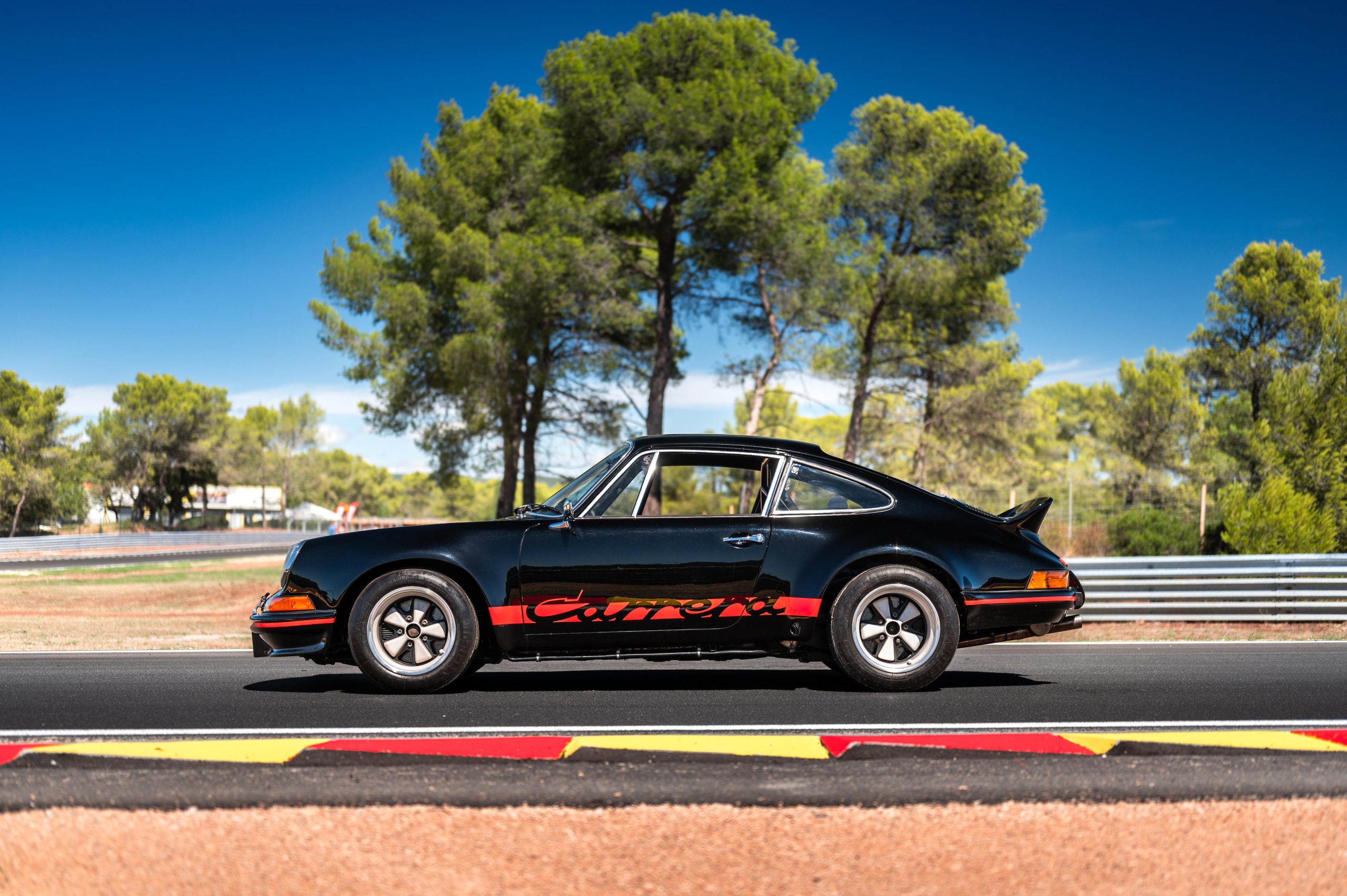
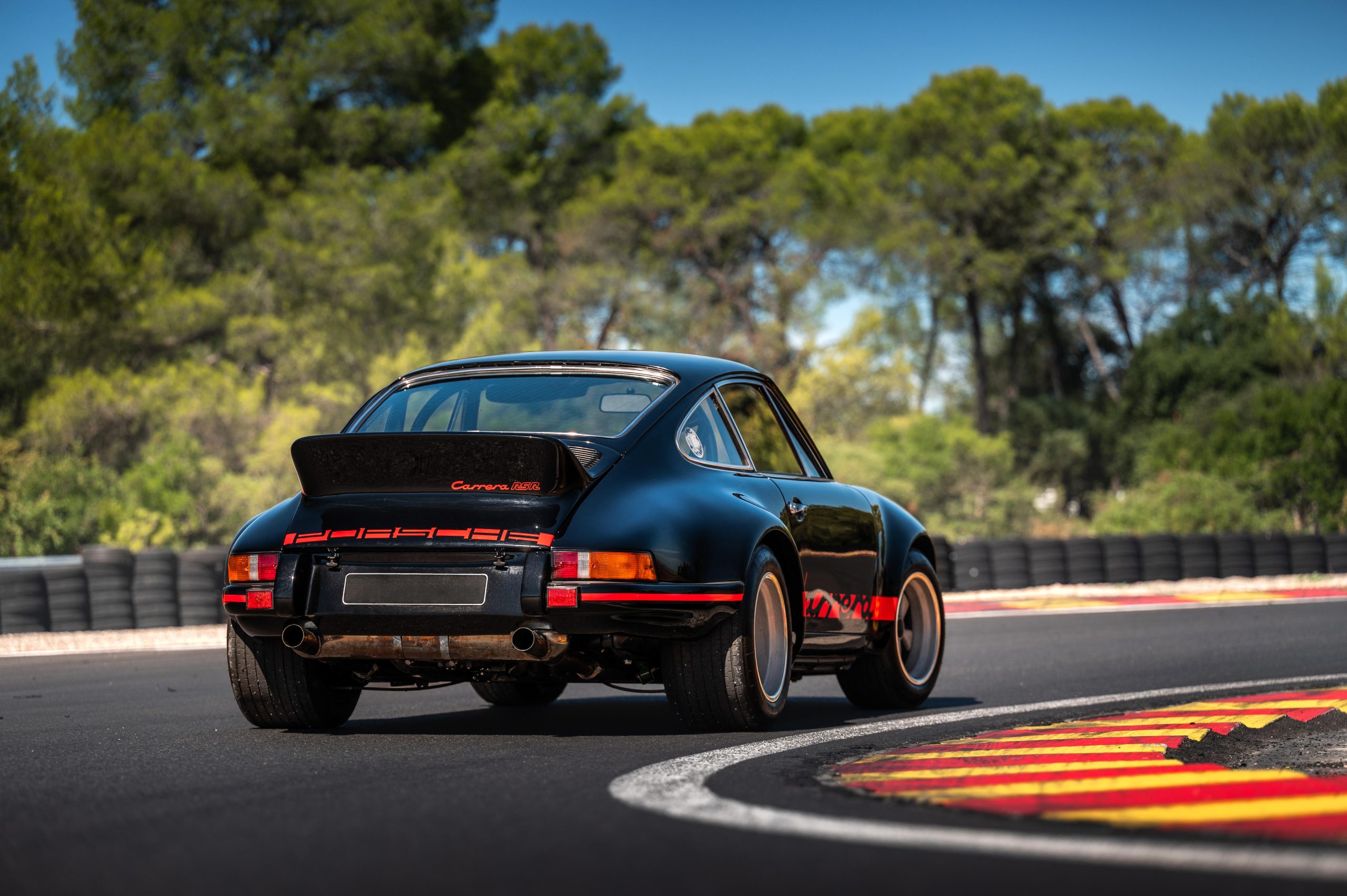
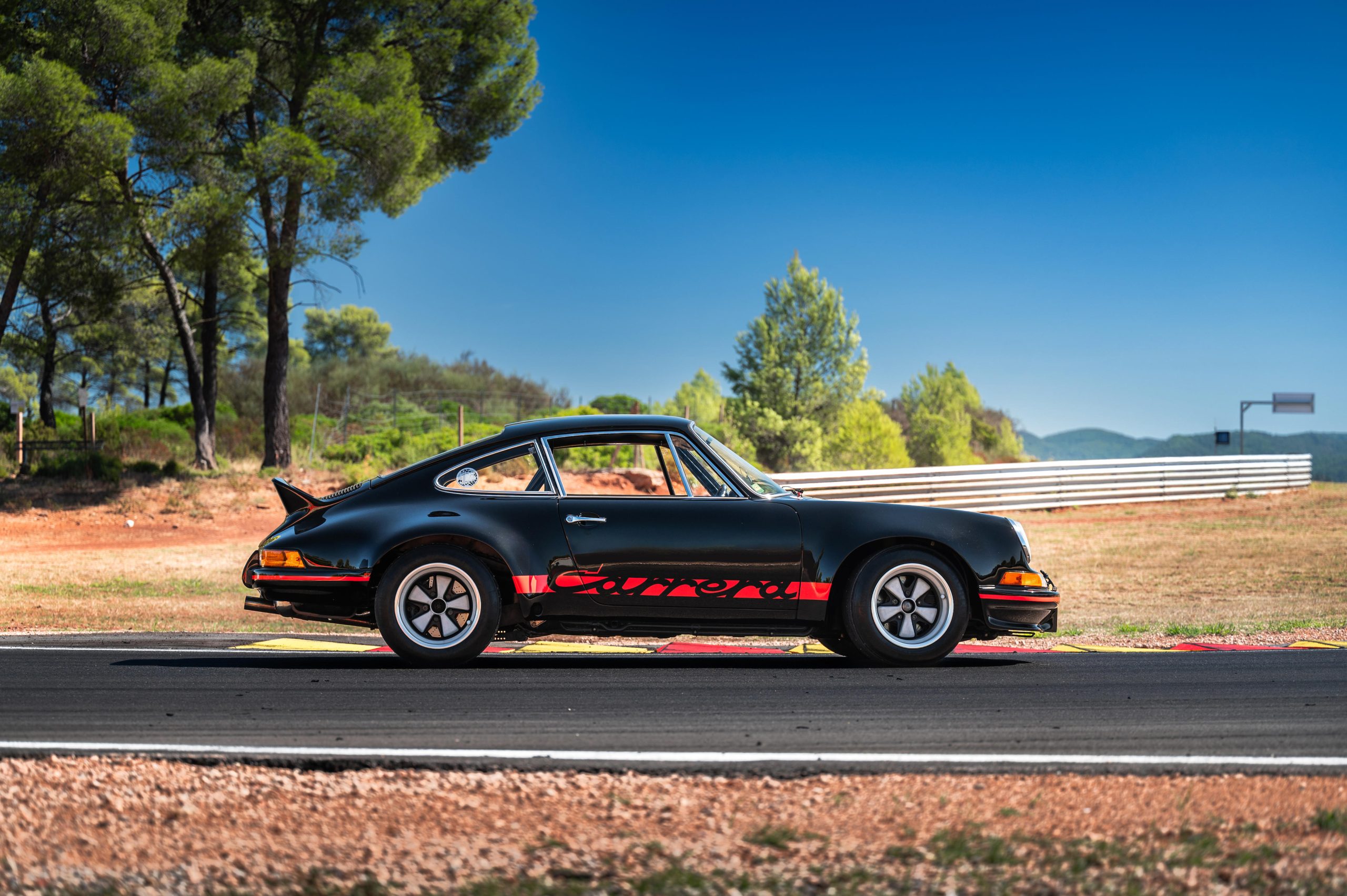
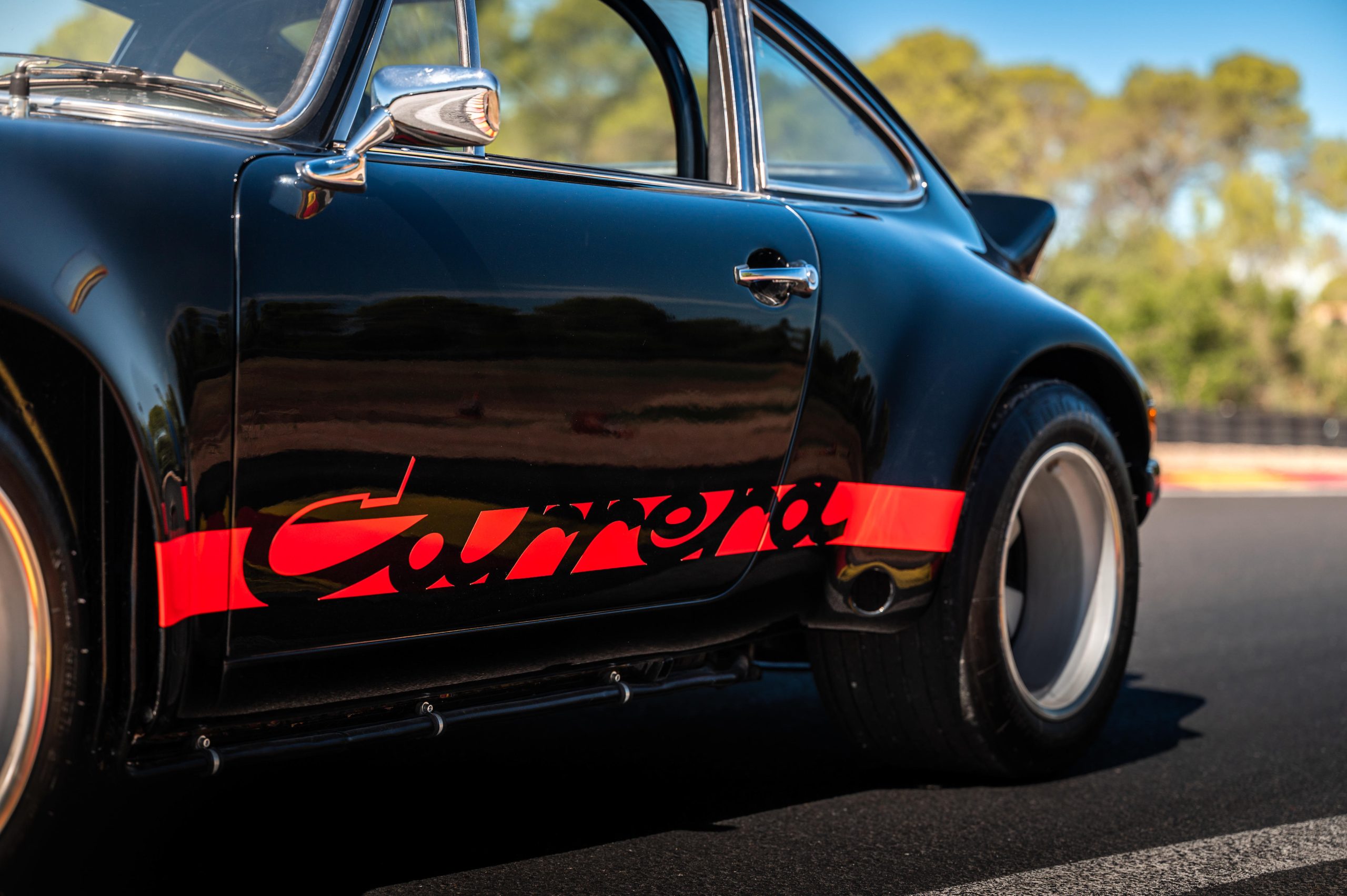
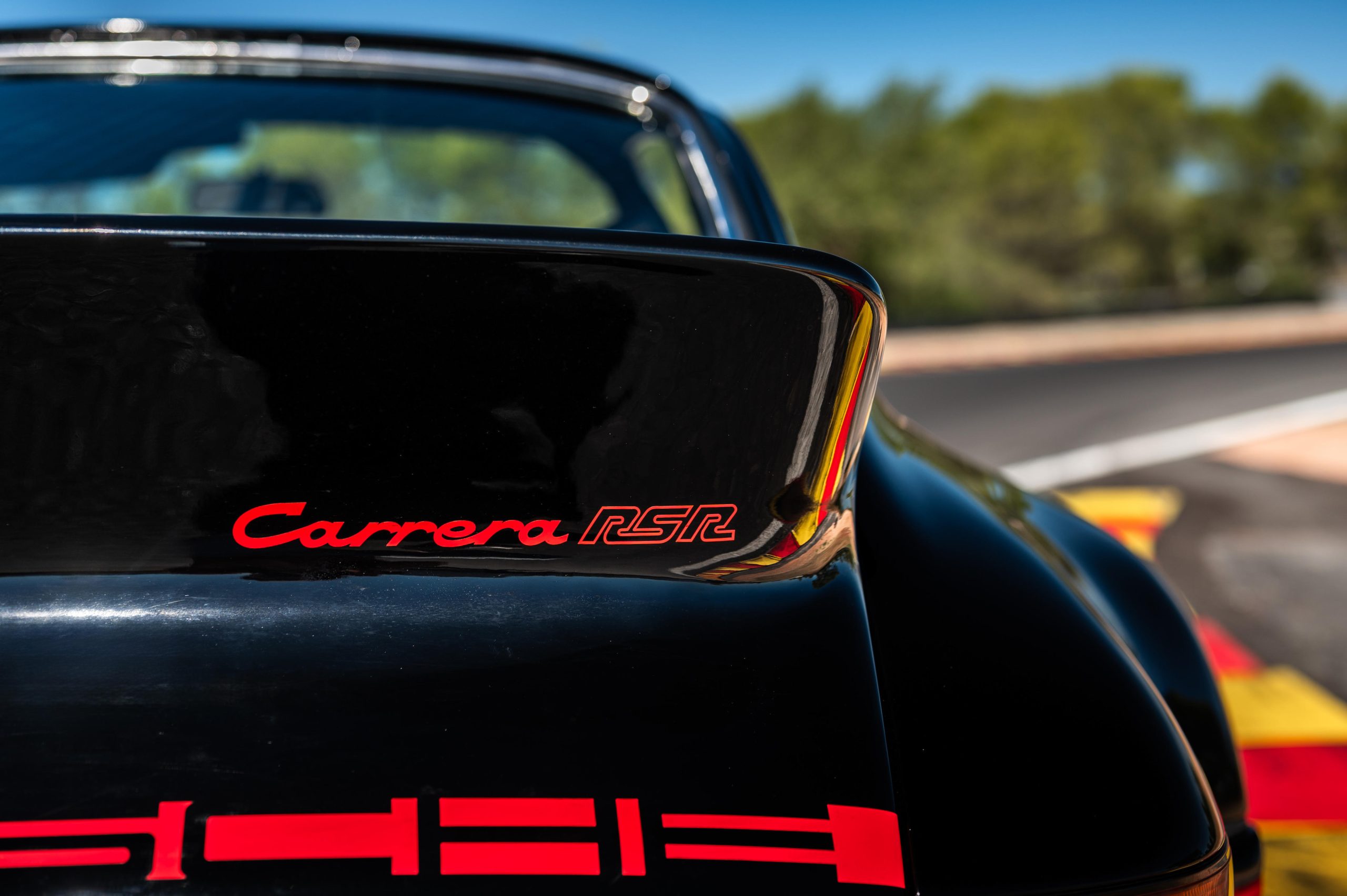
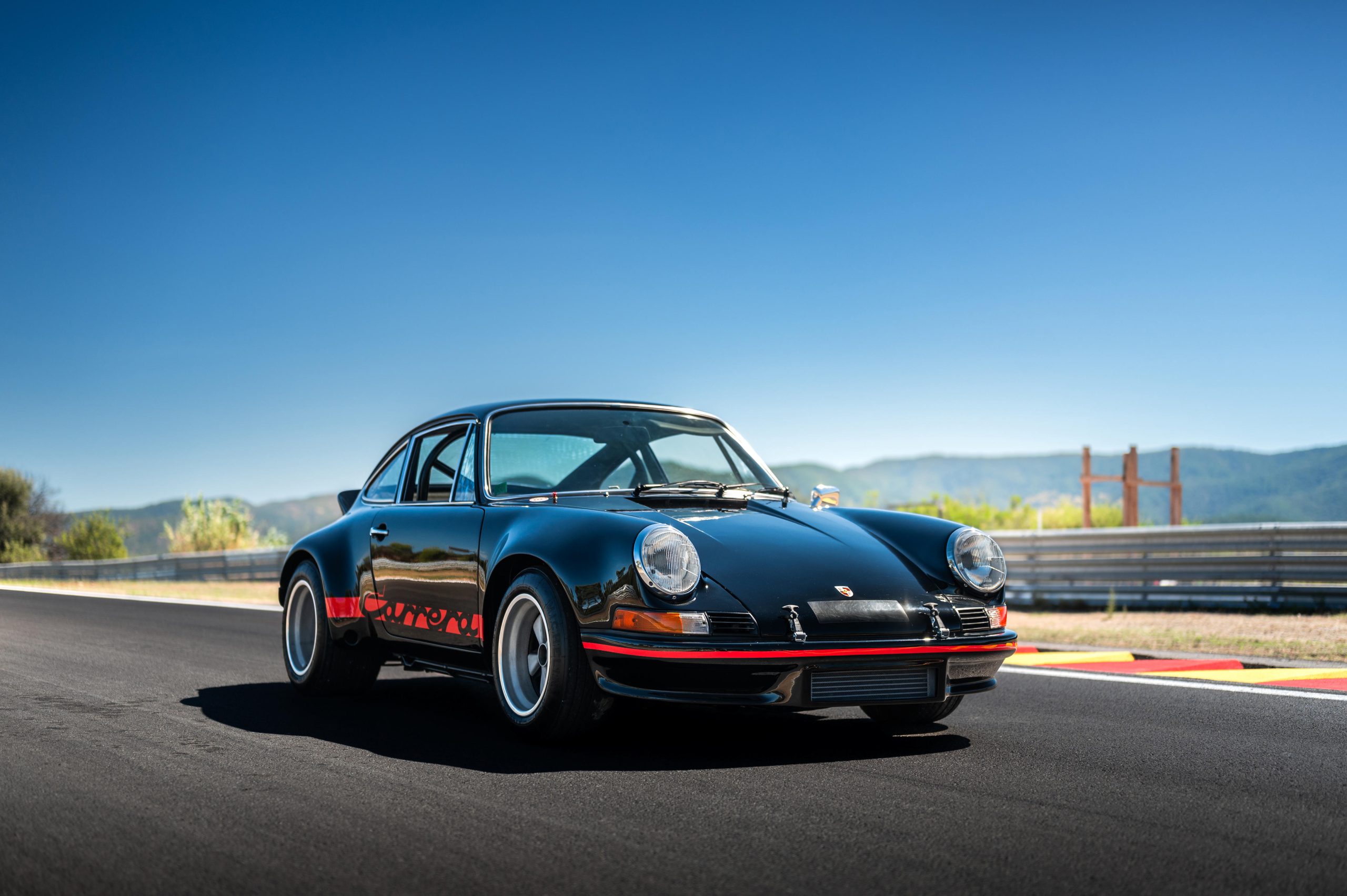
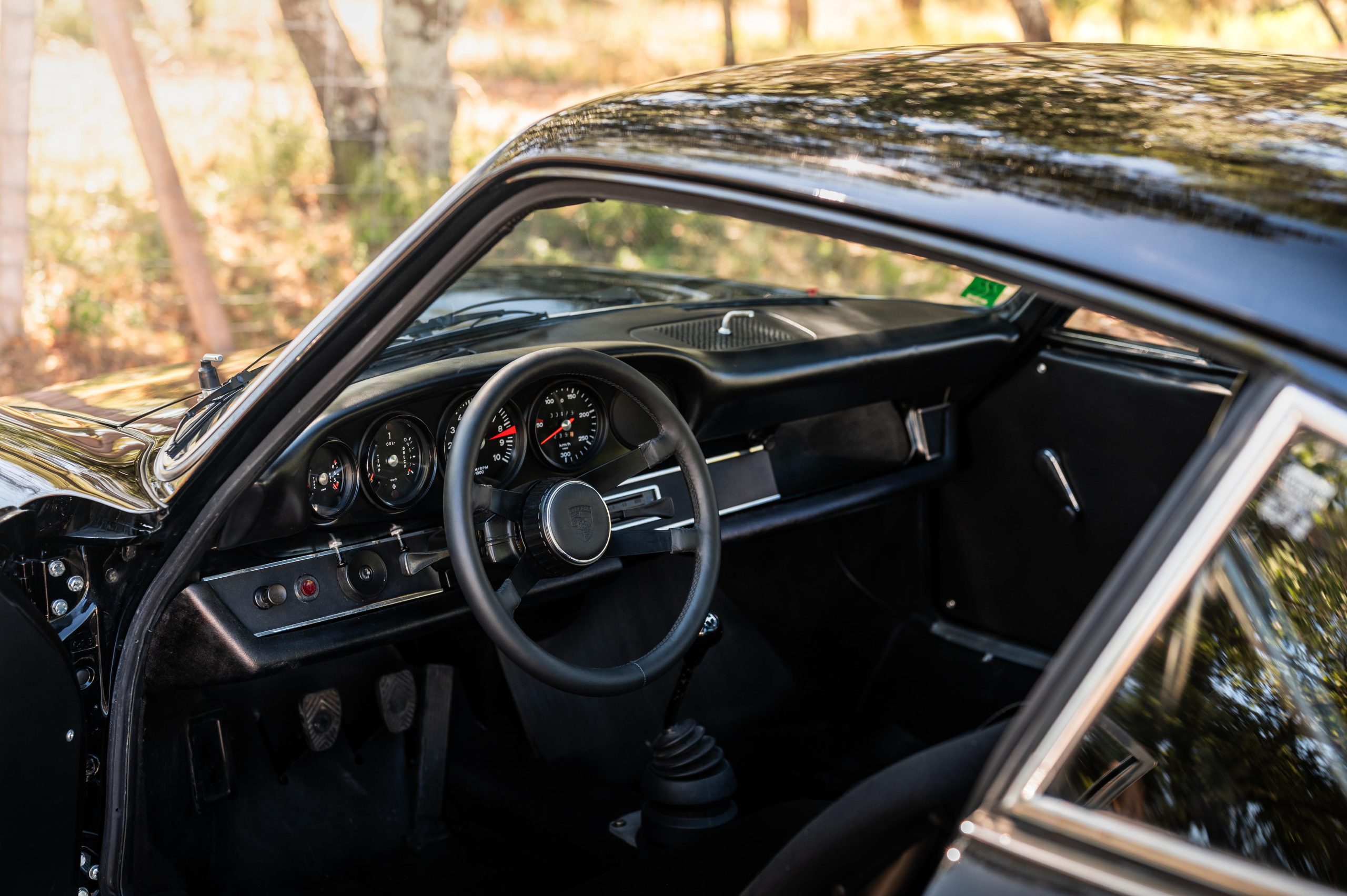
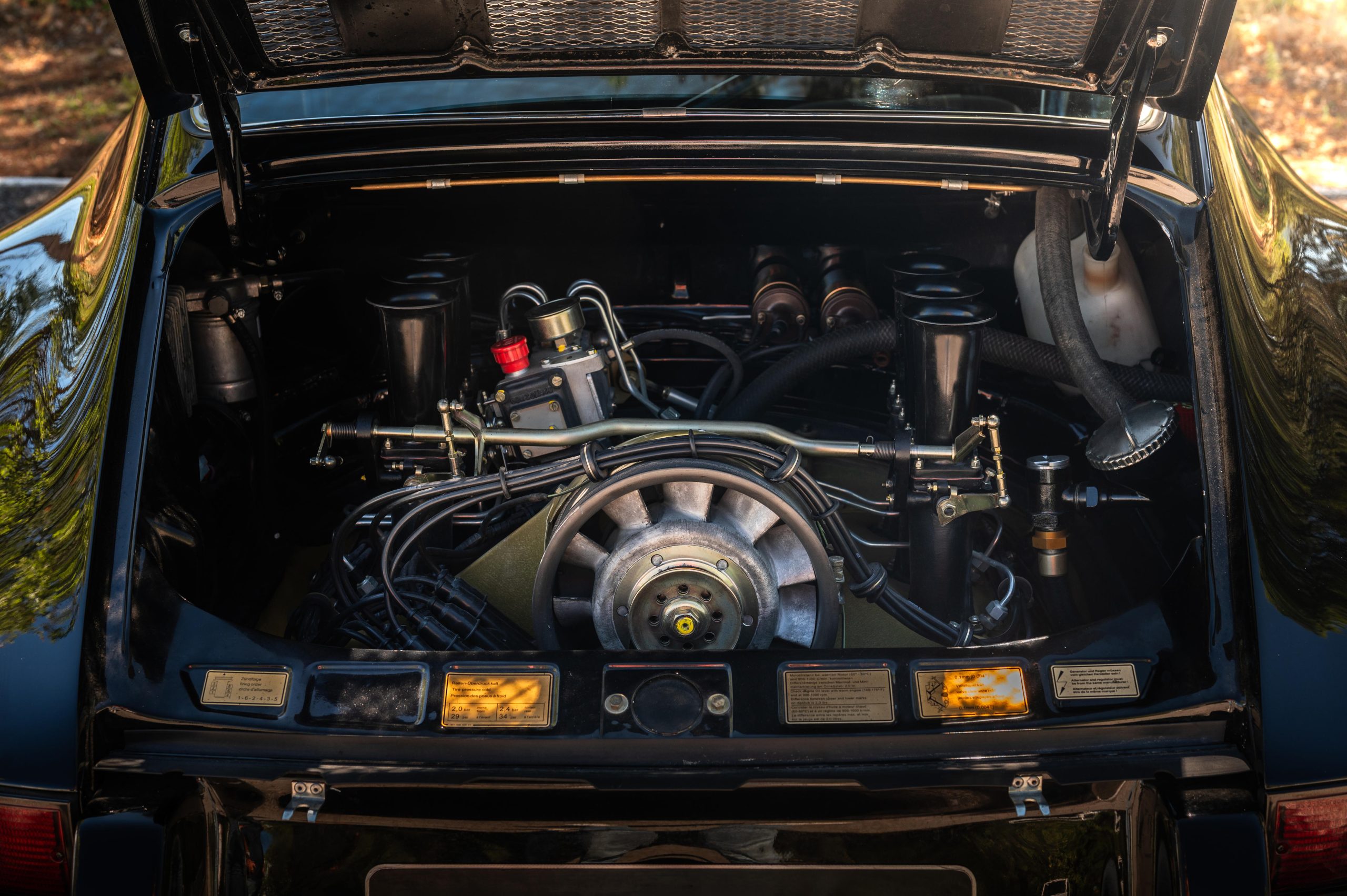
To behold the Carrera RSR 2.8 is to look upon a masterpiece of aggressive, purposeful motorsport packaging. Where the road-going RS 2.7 was elegantly flared, the RSR 2.8 was dramatically swollen. Massive, bulbous fiberglass wheel arches were grafted onto the steel tub to house cavernous 15-inch Fuchs forged alloy wheels—measuring a staggering 9 inches wide at the front and 11 inches at the rear. To manage aerodynamic lift and plant the rear engine into the tarmac, the car featured the newly invented, wind-tunnel-tested “Bürzel” or ducktail spoiler, complemented by a deep fiberglass front air dam that housed a massive central oil cooler. Beneath the lightweight engine lid sat the absolute mechanical jewel of the program: the Type 911/72 flat-six. By increasing the bore of the 2.7-liter block to 92mm, displacement rose to 2,806cc. This air-cooled masterpiece featured an astronomical 10.5:1 compression ratio, aggressively profiled camshafts, enlarged valves, and a highly complex Bosch mechanical fuel injection system. Utilizing a twin-plug ignition setup derived from Porsche’s prototype program, the 2.8-liter engine shrieked to an 8,000 rpm redline, reliably producing 300 brake horsepower. To haul this 900-kilogram missile down from speed, Porsche engineers ruthlessly raided their own parts bin, fitting the RSR with the massively powerful, cross-drilled and ventilated disc brakes lifted directly from the Le Mans-winning 917 prototype. The suspension was aggressively re-engineered with stiffer torsion bars, Bilstein dampers, and adjustable anti-roll bars, transforming the tricky, rear-heavy 911 into a razor-sharp track instrument. Inside, the cabin was a hostile, deafening echo chamber devoid of any comfort, featuring a structural roll cage, a single lightweight racing bucket seat, and the iconic 10,000-rpm tachometer holding dead center in the dashboard.
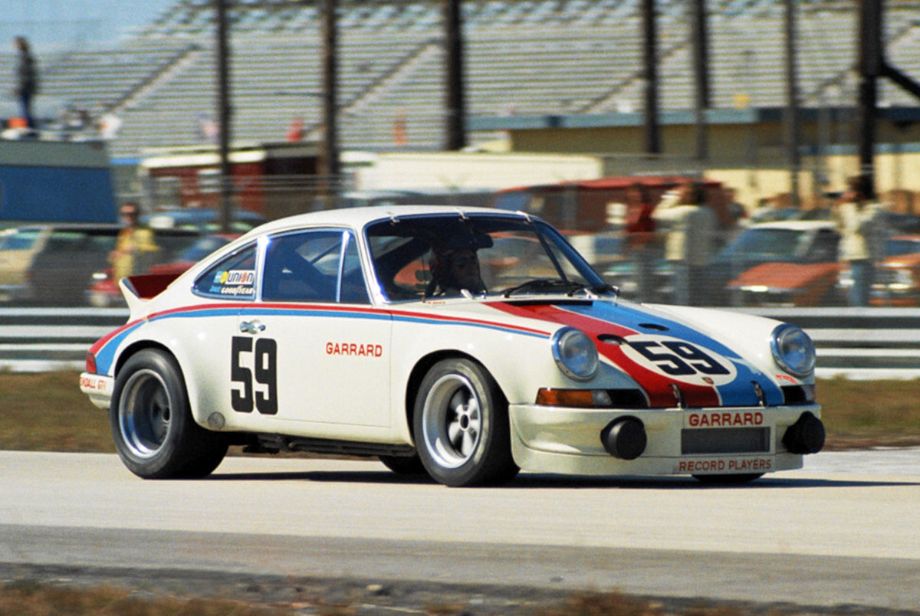
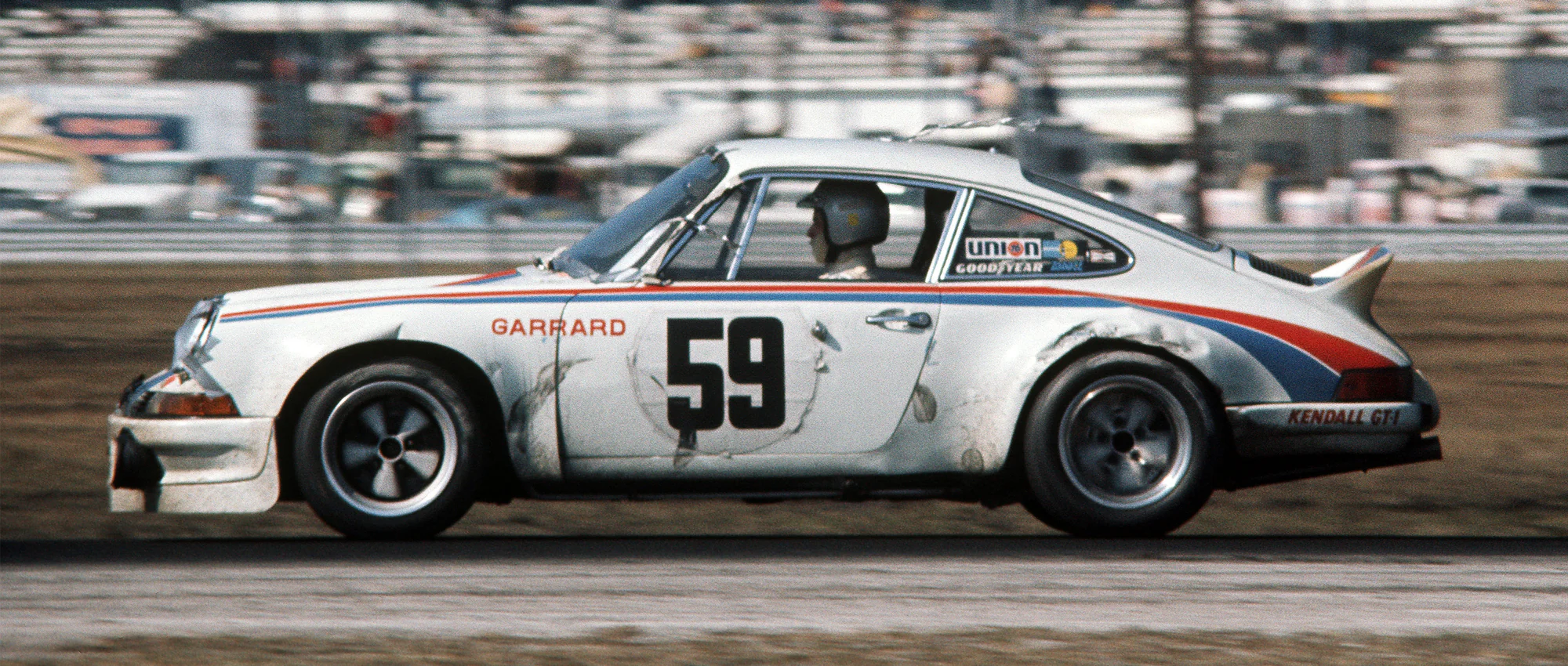
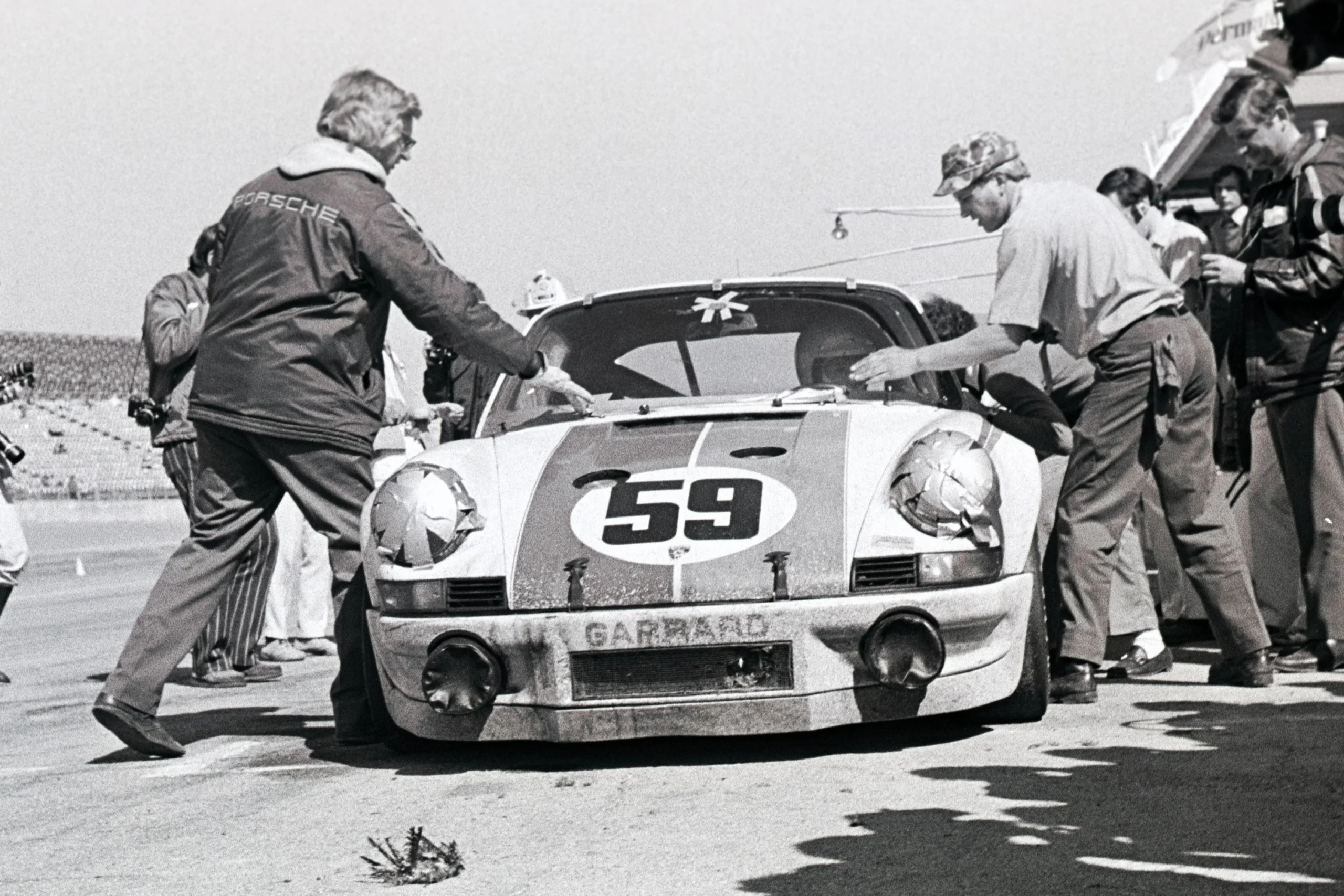
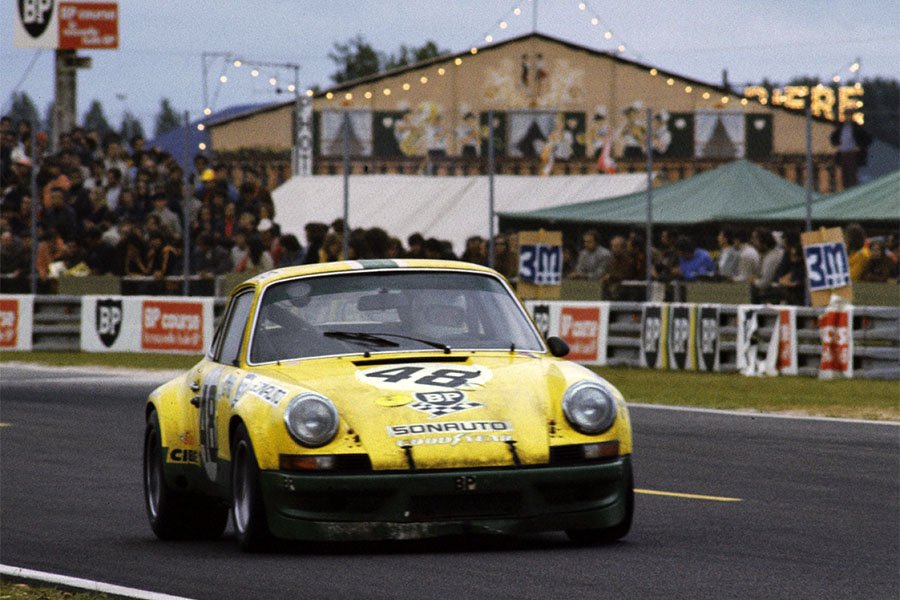
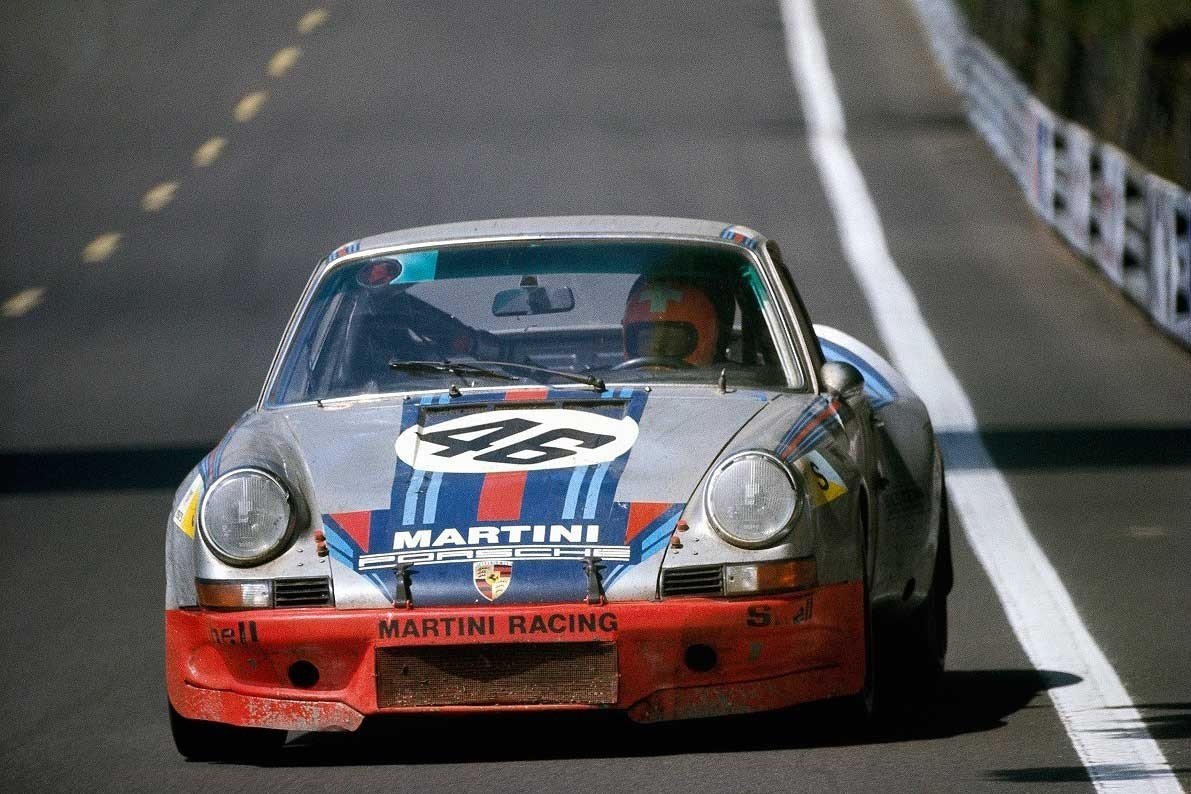
The competitive impact of the RSR 2.8 was immediate, devastating, and entirely mythological. It debuted at the grueling 1973 24 Hours of Daytona, draped in the iconic white, red, and blue livery of Brumos Racing. Piloted by the legendary American duo of Peter Gregg and Hurley Haywood, the Group 4 911 didn’t just win its class; it outlasted and out-paced the fragile, bespoke 3.0-liter prototypes from Matra and Mirage to secure an astonishing overall victory. This unprecedented giant-killing feat sent shockwaves through the global motorsport community, but Porsche was not finished. A few months later, at the terrifyingly dangerous Targa Florio in Sicily, a factory-entered Martini Racing RSR 2.8—piloted by Herbert Müller and Gijs van Lennep—danced across the treacherous, twisting mountain roads to secure yet another overall victory against outright prototype machinery. Across the globe, the RSR 2.8 proved to be an invincible force. It utterly dominated the European GT Championship with Clemens Schickentanz, claimed the IMSA GT Championship in North America, and secured GT class victories at Sebring and Le Mans. It was the quintessential customer race car; wealthy privateers could literally purchase an RSR 2.8, drive it to the circuit, and legitimately fight for the outright podium.
The legacy of the 1973 Porsche 911 Carrera RSR 2.8 is sovereign and unassailable. It was the car that validated the 911 platform as an uncompromised, world-beating endurance racer, proving that meticulous development, supreme reliability, and sheer mechanical grip could triumph over bespoke, fragile prototype engineering. With only 55 original examples produced by the factory, it is today one of the rarest, most revered, and most intensely valuable classic Porsches in existence. The RSR 2.8 served as the brutal, evolutionary bridge between the delicate 911s of the late 1960s and the massively winged, 3.0-liter RSRs and turbocharged 934s that would define the late 1970s. It remains the ultimate, naturally aspirated expression of the classic long-hood 911 silhouette—a screaming, wide-hipped street-brawler that humiliated the establishment and etched the RSR badge into the bedrock of motorsport history.
Brand
Produced from
Portal
Vehicle category
Model line
Model generation
Predecessor
Sucessor
Brand
Produced from
Portal
Vehicle category
Model line
Model generation
Predecessor
Sucessor
Submodel Overview
As the curtain fell on the unlimited-capacity Group 5 era and the fearsome 917 prototype was legislated out of the World Sportscar Championship, Porsche found itself in need of a new battleground to assert its motorsport supremacy. For the 1973 season, Zuffenhausen pivoted its relentless engineering focus toward the production-based FIA Group 4 Special GT category. To compete, they first had to homologate a minimum of 500 road cars, resulting in the legendary 911 Carrera RS 2.7. But while the RS 2.7 became a cultural icon of the street, it was merely the bureaucratic key that unlocked Porsche’s true, uncompromising track weapon: the 1973 Porsche 911 Carrera RSR 2.8. Built strictly for the world’s most capable factory drivers and elite privateers, the RSR 2.8 was a stripped-out, wide-arched, 300-horsepower brute that didn’t just target its direct Group 4 rivals—like the muscular De Tomaso Pantera and the heavy, V12-powered Ferrari 365 GTB/4 Daytona Competizione—it frequently embarrassed dedicated, open-cockpit prototypes in the overall standings. It was the car that permanently cemented the “Rennsport Rennen” (RSR) moniker as the ultimate seal of teutonic GT dominance.
To behold the Carrera RSR 2.8 is to look upon a masterpiece of aggressive, purposeful motorsport packaging. Where the road-going RS 2.7 was elegantly flared, the RSR 2.8 was dramatically swollen. Massive, bulbous fiberglass wheel arches were grafted onto the steel tub to house cavernous 15-inch Fuchs forged alloy wheels—measuring a staggering 9 inches wide at the front and 11 inches at the rear. To manage aerodynamic lift and plant the rear engine into the tarmac, the car featured the newly invented, wind-tunnel-tested “Bürzel” or ducktail spoiler, complemented by a deep fiberglass front air dam that housed a massive central oil cooler. Beneath the lightweight engine lid sat the absolute mechanical jewel of the program: the Type 911/72 flat-six. By increasing the bore of the 2.7-liter block to 92mm, displacement rose to 2,806cc. This air-cooled masterpiece featured an astronomical 10.5:1 compression ratio, aggressively profiled camshafts, enlarged valves, and a highly complex Bosch mechanical fuel injection system. Utilizing a twin-plug ignition setup derived from Porsche’s prototype program, the 2.8-liter engine shrieked to an 8,000 rpm redline, reliably producing 300 brake horsepower. To haul this 900-kilogram missile down from speed, Porsche engineers ruthlessly raided their own parts bin, fitting the RSR with the massively powerful, cross-drilled and ventilated disc brakes lifted directly from the Le Mans-winning 917 prototype. The suspension was aggressively re-engineered with stiffer torsion bars, Bilstein dampers, and adjustable anti-roll bars, transforming the tricky, rear-heavy 911 into a razor-sharp track instrument. Inside, the cabin was a hostile, deafening echo chamber devoid of any comfort, featuring a structural roll cage, a single lightweight racing bucket seat, and the iconic 10,000-rpm tachometer holding dead center in the dashboard.
The competitive impact of the RSR 2.8 was immediate, devastating, and entirely mythological. It debuted at the grueling 1973 24 Hours of Daytona, draped in the iconic white, red, and blue livery of Brumos Racing. Piloted by the legendary American duo of Peter Gregg and Hurley Haywood, the Group 4 911 didn’t just win its class; it outlasted and out-paced the fragile, bespoke 3.0-liter prototypes from Matra and Mirage to secure an astonishing overall victory. This unprecedented giant-killing feat sent shockwaves through the global motorsport community, but Porsche was not finished. A few months later, at the terrifyingly dangerous Targa Florio in Sicily, a factory-entered Martini Racing RSR 2.8—piloted by Herbert Müller and Gijs van Lennep—danced across the treacherous, twisting mountain roads to secure yet another overall victory against outright prototype machinery. Across the globe, the RSR 2.8 proved to be an invincible force. It utterly dominated the European GT Championship with Clemens Schickentanz, claimed the IMSA GT Championship in North America, and secured GT class victories at Sebring and Le Mans. It was the quintessential customer race car; wealthy privateers could literally purchase an RSR 2.8, drive it to the circuit, and legitimately fight for the outright podium.
The legacy of the 1973 Porsche 911 Carrera RSR 2.8 is sovereign and unassailable. It was the car that validated the 911 platform as an uncompromised, world-beating endurance racer, proving that meticulous development, supreme reliability, and sheer mechanical grip could triumph over bespoke, fragile prototype engineering. With only 55 original examples produced by the factory, it is today one of the rarest, most revered, and most intensely valuable classic Porsches in existence. The RSR 2.8 served as the brutal, evolutionary bridge between the delicate 911s of the late 1960s and the massively winged, 3.0-liter RSRs and turbocharged 934s that would define the late 1970s. It remains the ultimate, naturally aspirated expression of the classic long-hood 911 silhouette—a screaming, wide-hipped street-brawler that humiliated the establishment and etched the RSR badge into the bedrock of motorsport history.
Tech Specs
Technical Specifications
Tech Specs
Technical Specifications
Engine
01
03
Internal combustion engine
Configuration
Porsche Type 911/72, Flat-6 (Boxer) - Air-cooled
Location
Rear, longitudinally mounted
Construction
Magnesium alloy block, Aluminium heads, Nikasil cylinders
Displacement (cc)
2,806 cc
Displacement (cu in)
171.2 cu in
Compression
10.5:1
Bore x Stroke
92.0 mm x 70.4 mm
Valvetrain
2 valves per cylinder, SOHC
Fuel feed
Bosch mechanical fuel injection (MFI) with slide-valve throttles
Lubrication
Dry sump
Aspiration
Naturally aspirated
Output
Power (hp)
300 hp
Power (kW)
224 kW
Max power at
8,000 RPM
Torque (Nm)
294 Nm
Torque (ft lbs)
217 ft lbs
Max torque at
6,500 RPM
Drivetrain
02
03
Chassis
Type
Monocoque unibody
Material
Lightweight steel
Body
Material
Steel with Fibreglass (GRP) bumpers, widened fenders, and engine lid ("Ducktail")
Transmission
Gearbox
Porsche Type 915, 5-speed manual (with external oil cooler)
Drive
Rear Wheel Drive (Limited Slip Differential)
Suspension
Front
Independent, McPherson struts, longitudinal torsion bars, telescopic dampers, adjustable anti-roll bar
Rear
Independent, semi-trailing arms, transverse torsion bars, telescopic dampers, adjustable anti-roll bar
Steering
Type
ZF rack and pinion, unassisted
Brakes
Front
Ventilated and cross-drilled steel discs (Porsche 917 derived), 4-piston finned aluminium calipers
Rear
Ventilated and cross-drilled steel discs (Porsche 917 derived), 4-piston finned aluminium calipers
Wheels
Front
9" x 15" (Fuchs forged alloy)
Rear
11" x 15" (Fuchs forged alloy)
Tires
Front
230/600-15
Rear
260/600-15
Dimensions and performance
03
03
Dimensions
Length (mm)
4,163 mm
Length (in)
163.9 in
Width (mm)
1,710 mm
Width (in)
67.3 in
Height (mm)
1,280 mm
Height (in)
50.4 in
Wheelbase (mm)
2,271 mm
Wheelbase (in)
89.4 in
Weight (kg)
~900 kg
Weight (lbs)
~1,984 lbs
Performance
Power to weight
0.33 hp/kg
Top speed (km/h)
~280 km/h
Top speed (mph)
~174 mph
0-100 km/h (0-60 mph)
~4.0 s