
Porsche 911 S 2.2
Brand
Produced from
Portal
Vehicle category
Model line
Model generation
Predecessor
Successor
Submodel Overview
As the tumultuous 1960s drew to a close, the engineering department in Zuffenhausen found itself locked in an escalating arms race. The original 2.0-liter Porsche 911 had proven the fundamental, giant-killing brilliance of Hans Mezger’s flat-six architecture, and the crucial 1968 wheelbase extension had finally tamed the chassis’s famously treacherous snap-oversteer. However, the automotive landscape was shifting with terrifying speed. Across the Alps, Maranello had unleashed the sublime, mid-engined Dino 246 GT, while the muscular Jaguar E-Type Series 2 continued to command the high-speed boulevards of Europe. The 911 needed to breathe deeper and hit harder to maintain its supremacy. Porsche’s emphatic response, rolling off the assembly lines in late 1969 for the 1970 model year (internally designated as the C-Series), was the 911 S 2.2 Coupe. It was not merely an incremental displacement bump; it was a screaming, highly strung declaration of intent that cemented the “Super” moniker as the ultimate, uncompromised weapon for the discerning gentleman racer and the uncompromising driving purist.
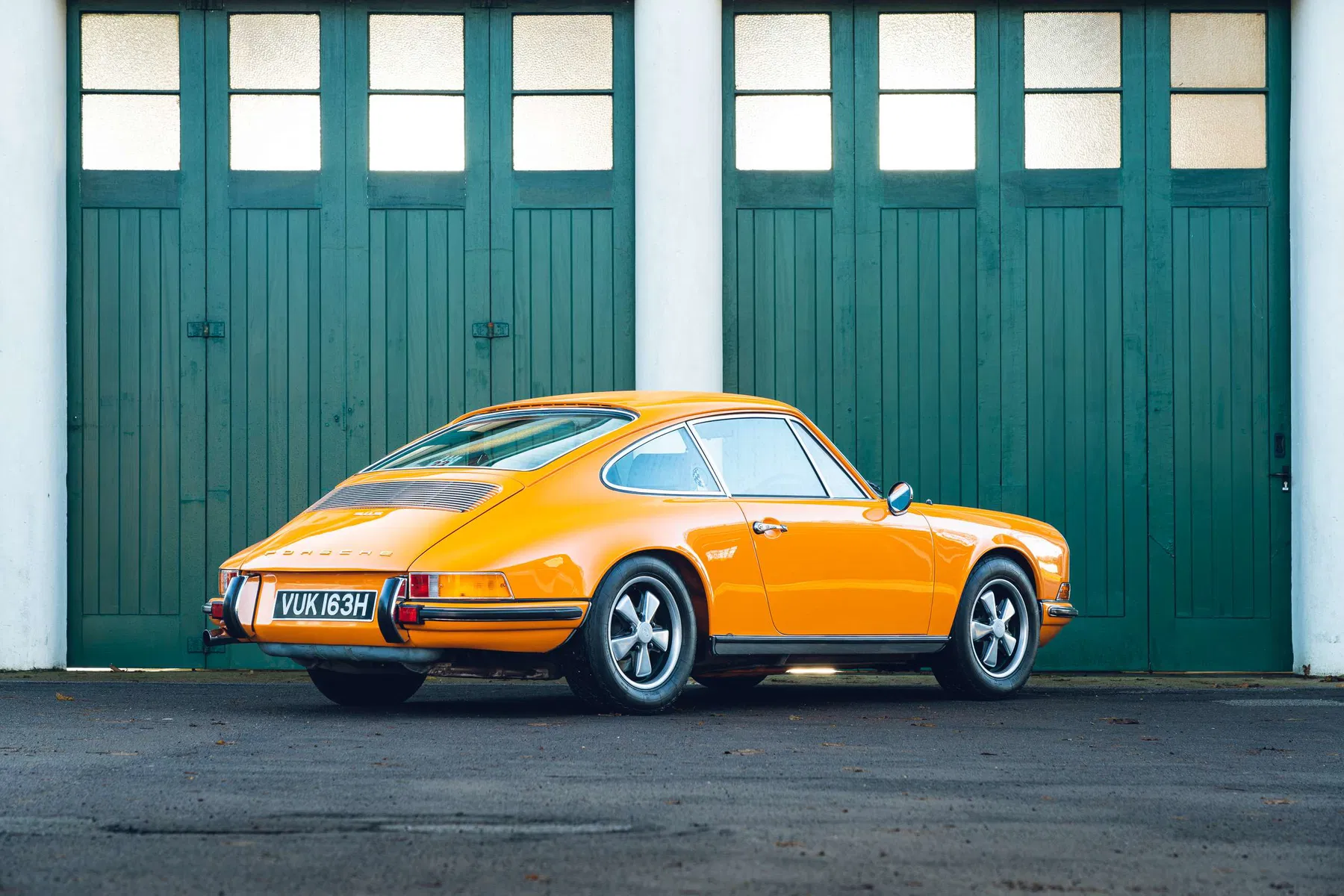
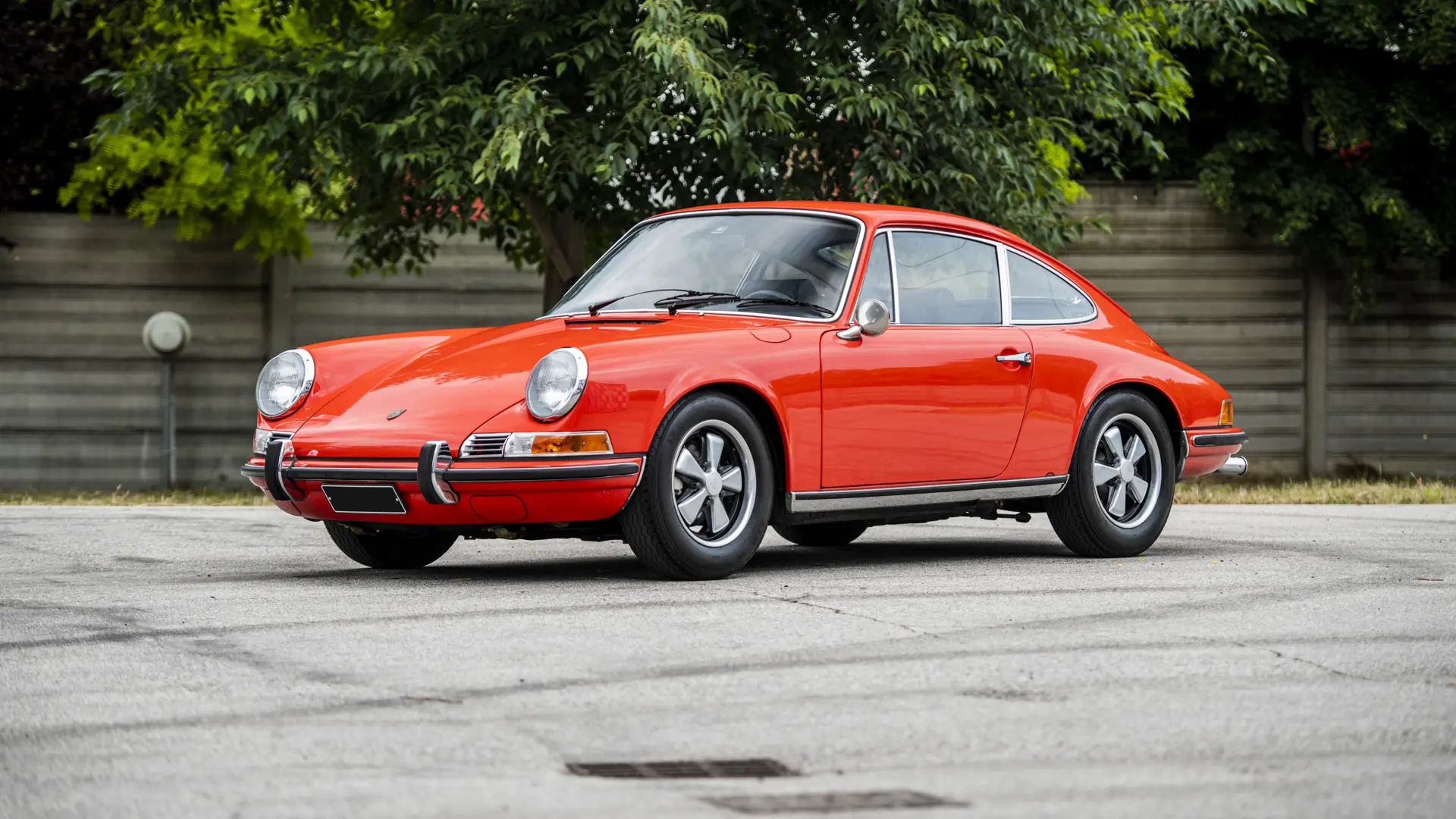
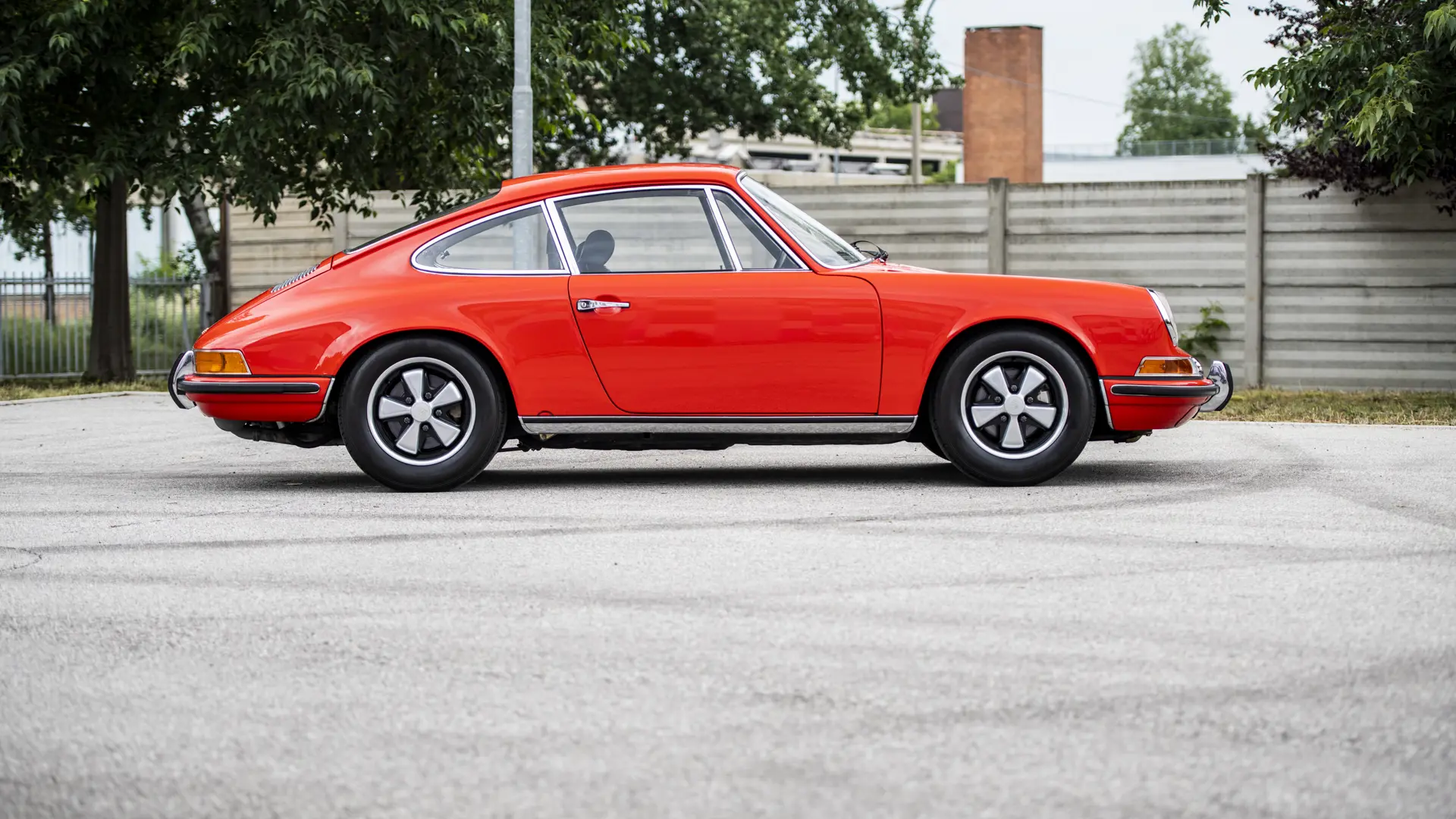
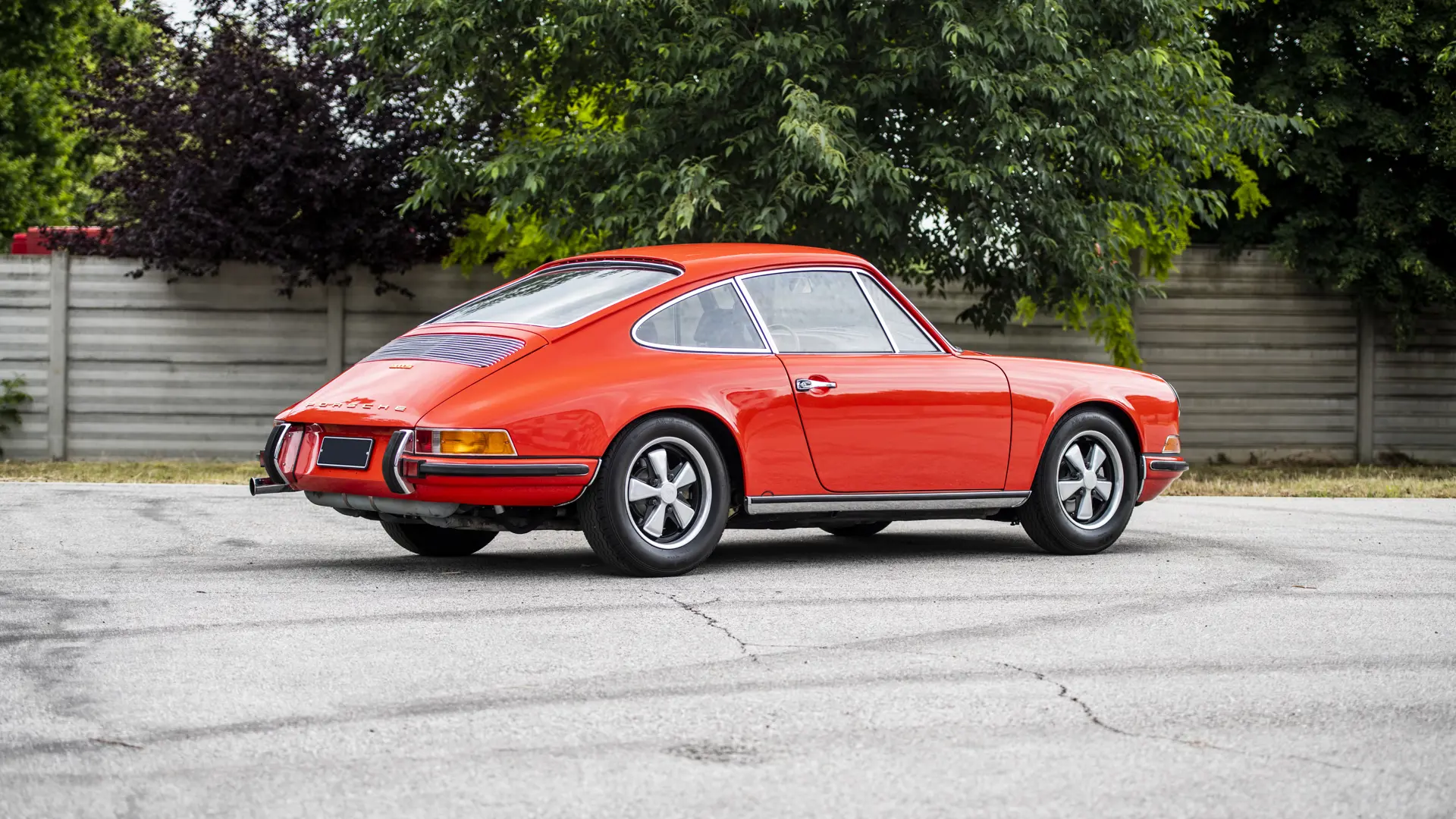
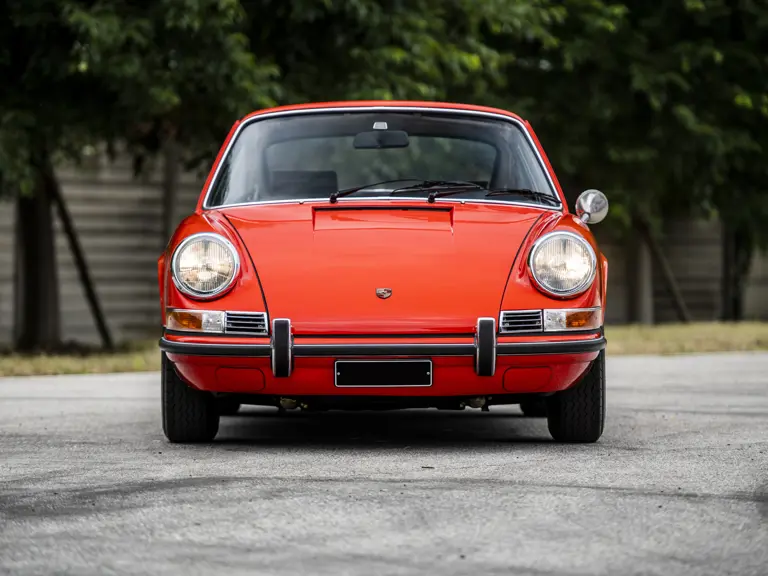
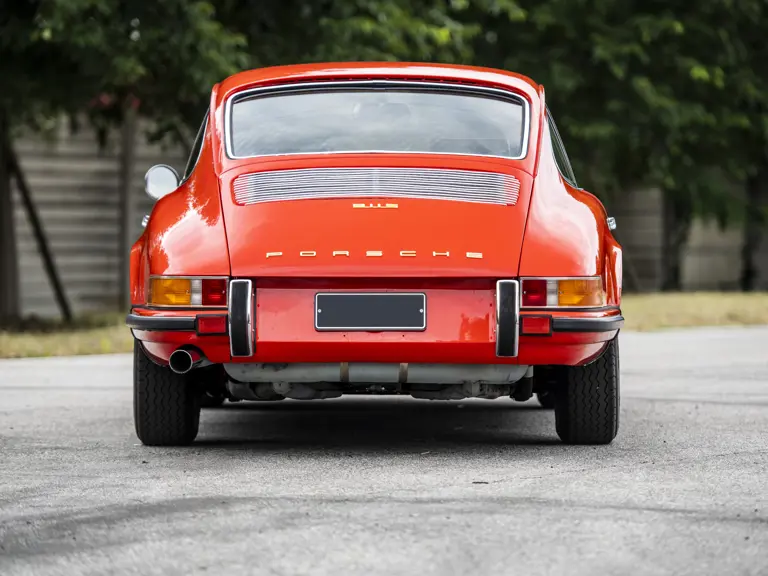
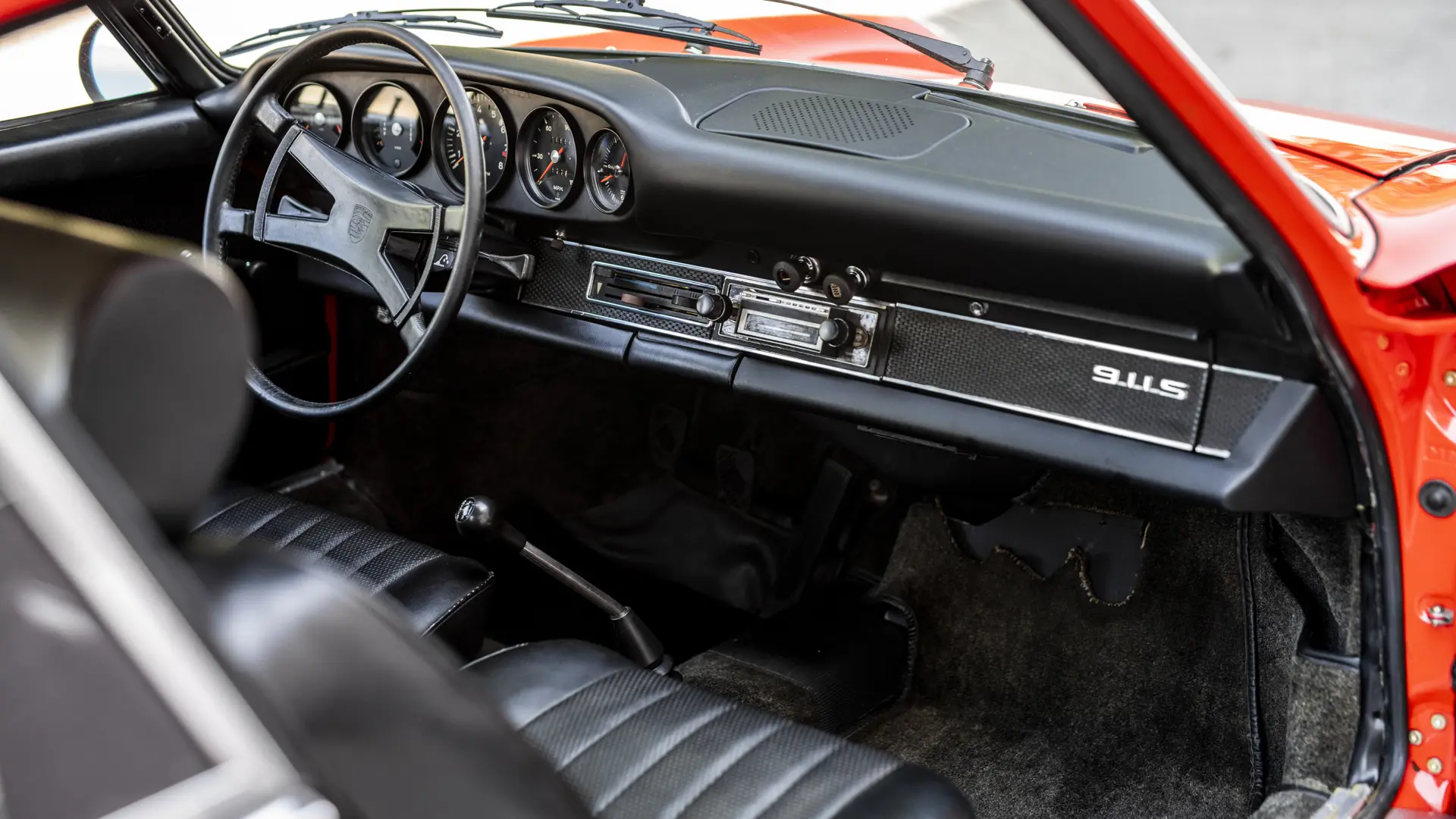
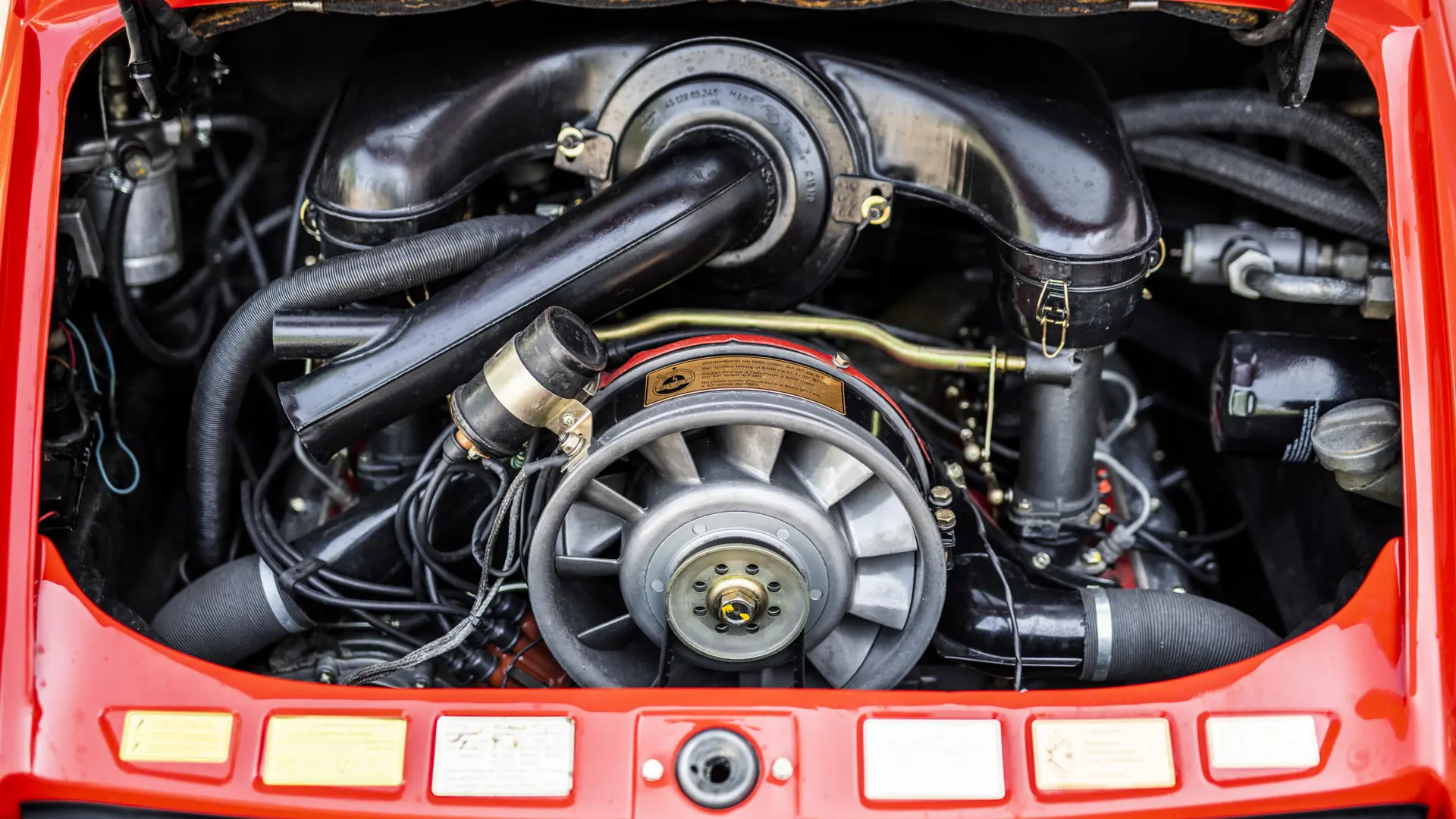
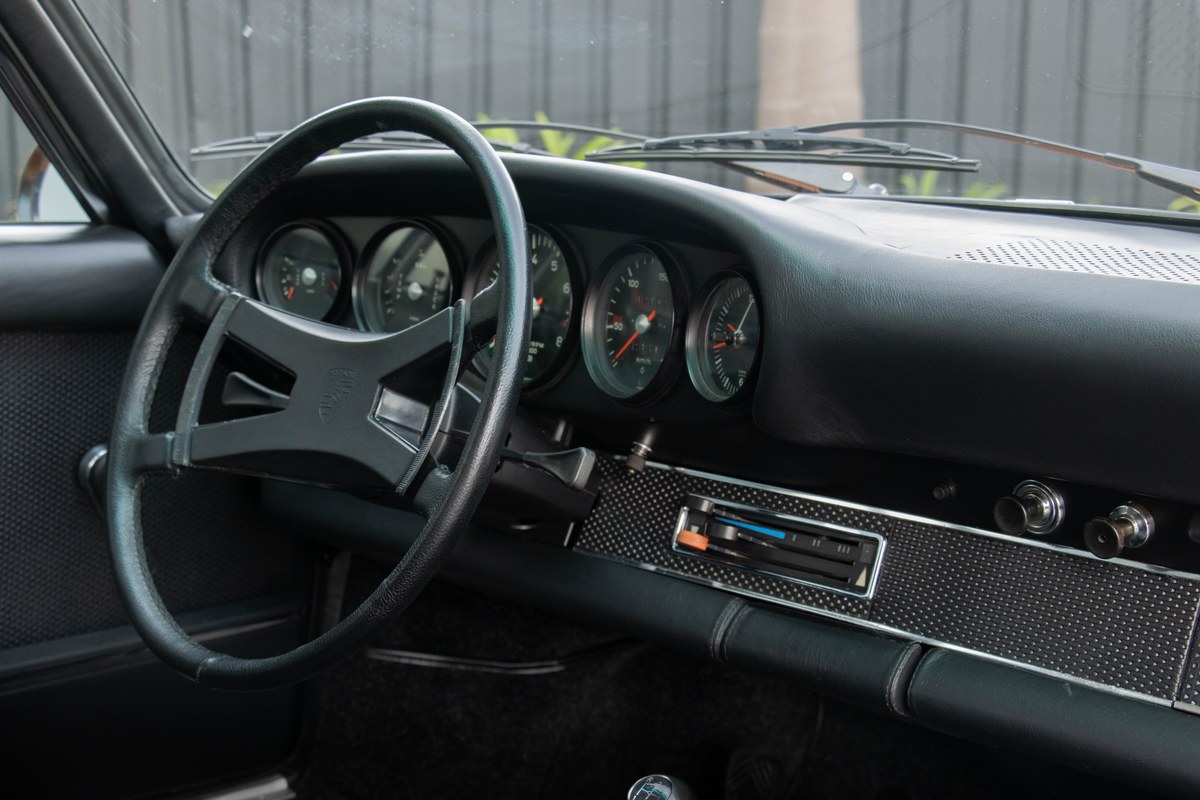
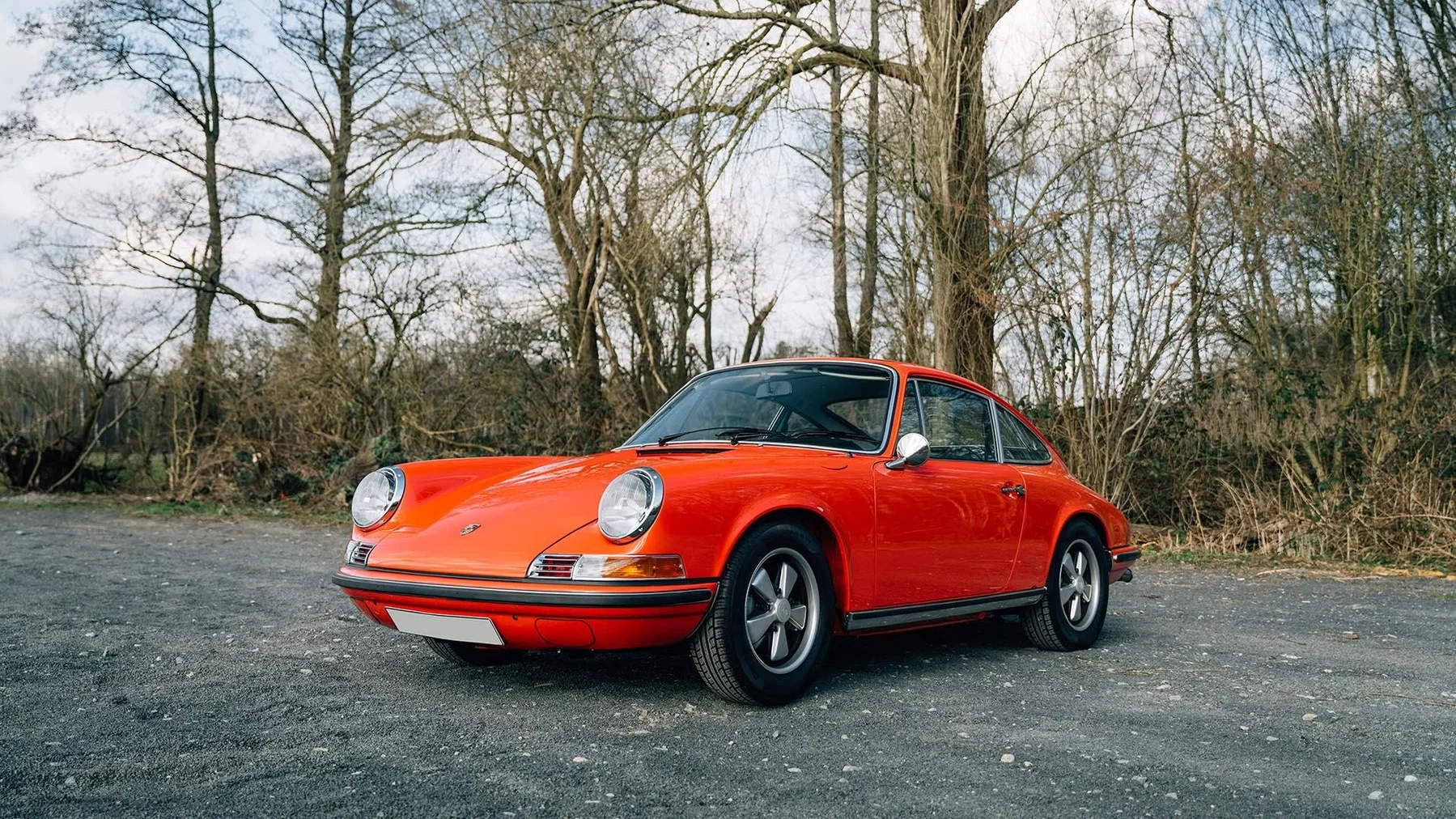
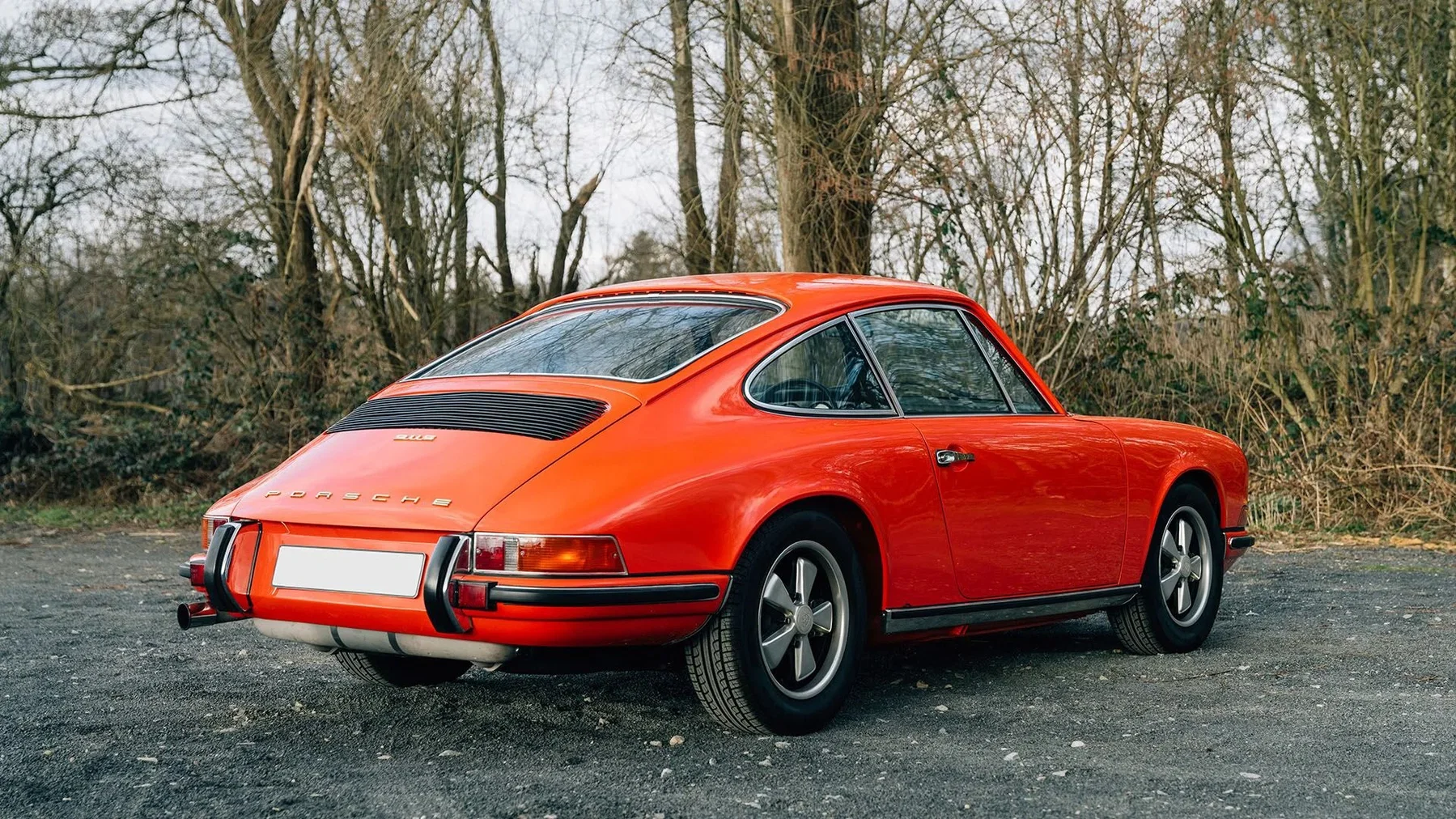
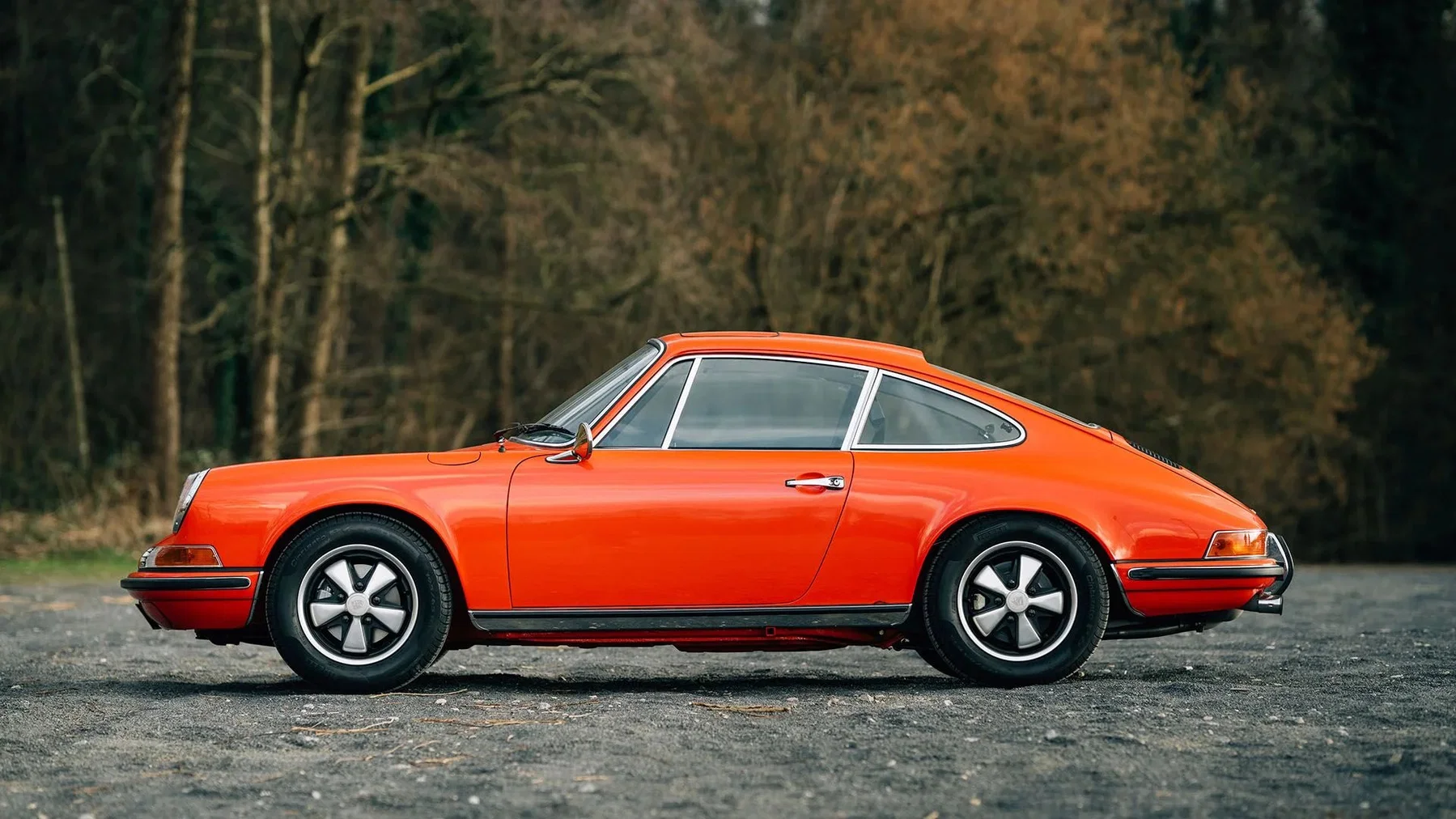
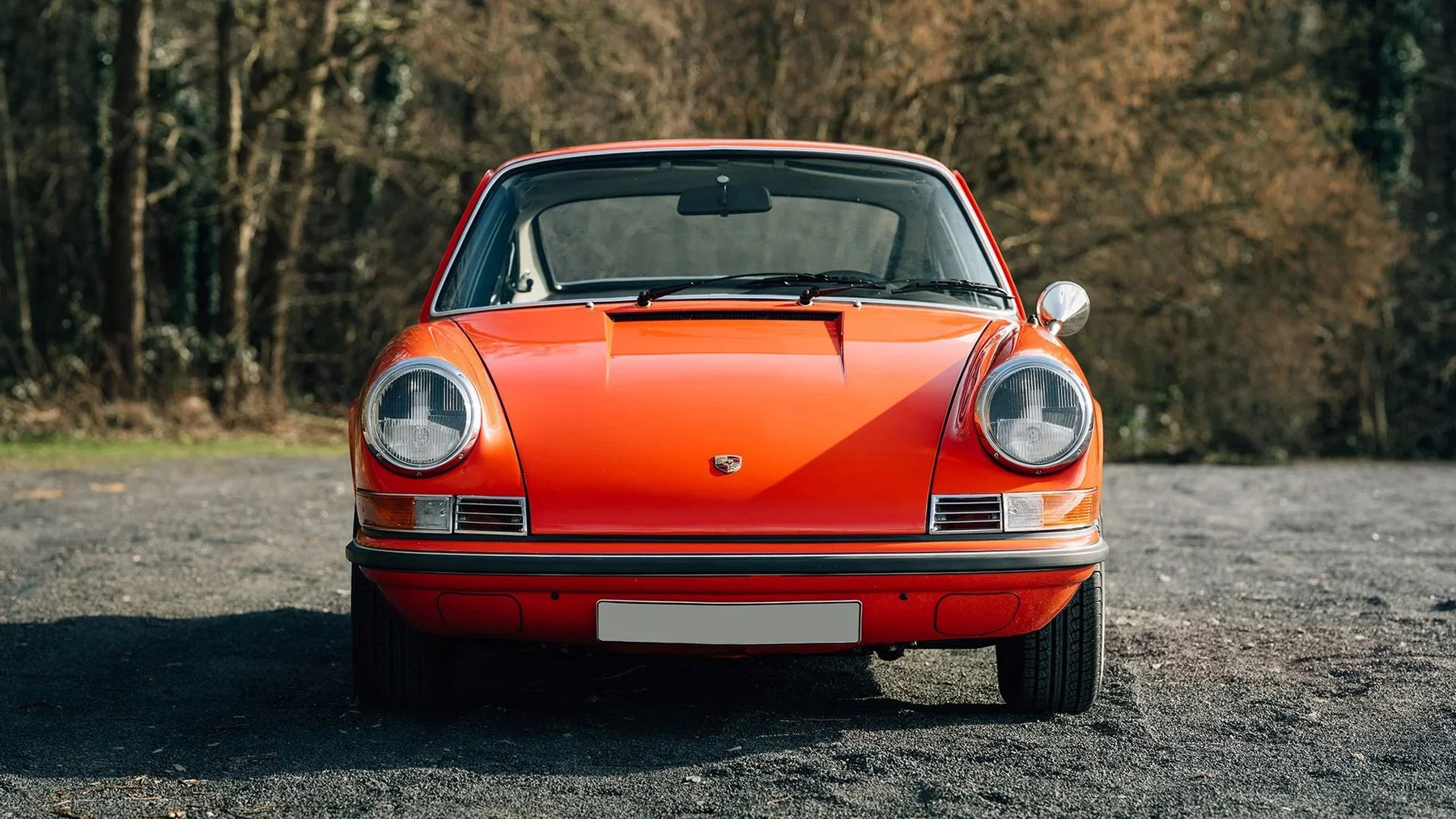
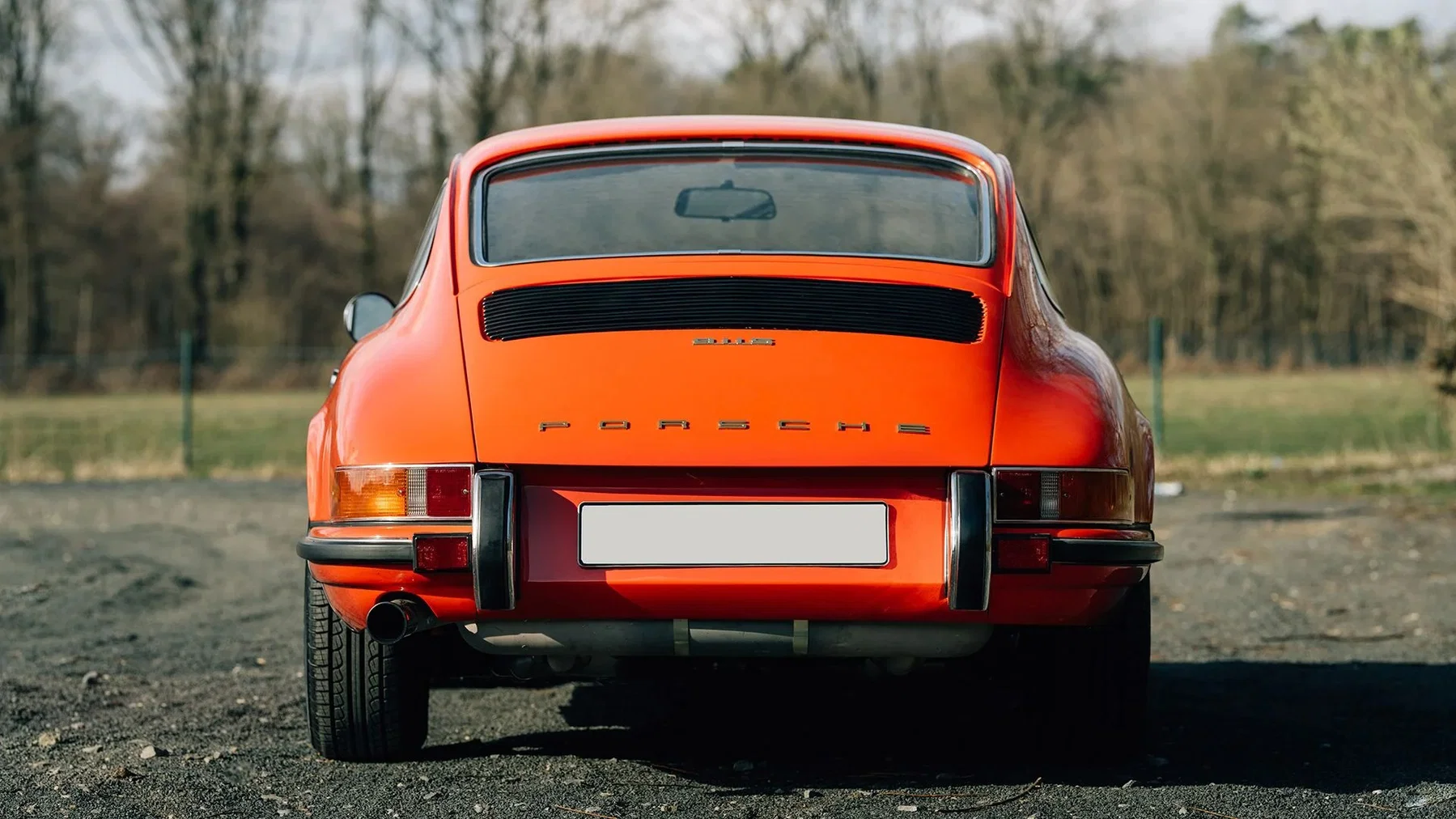
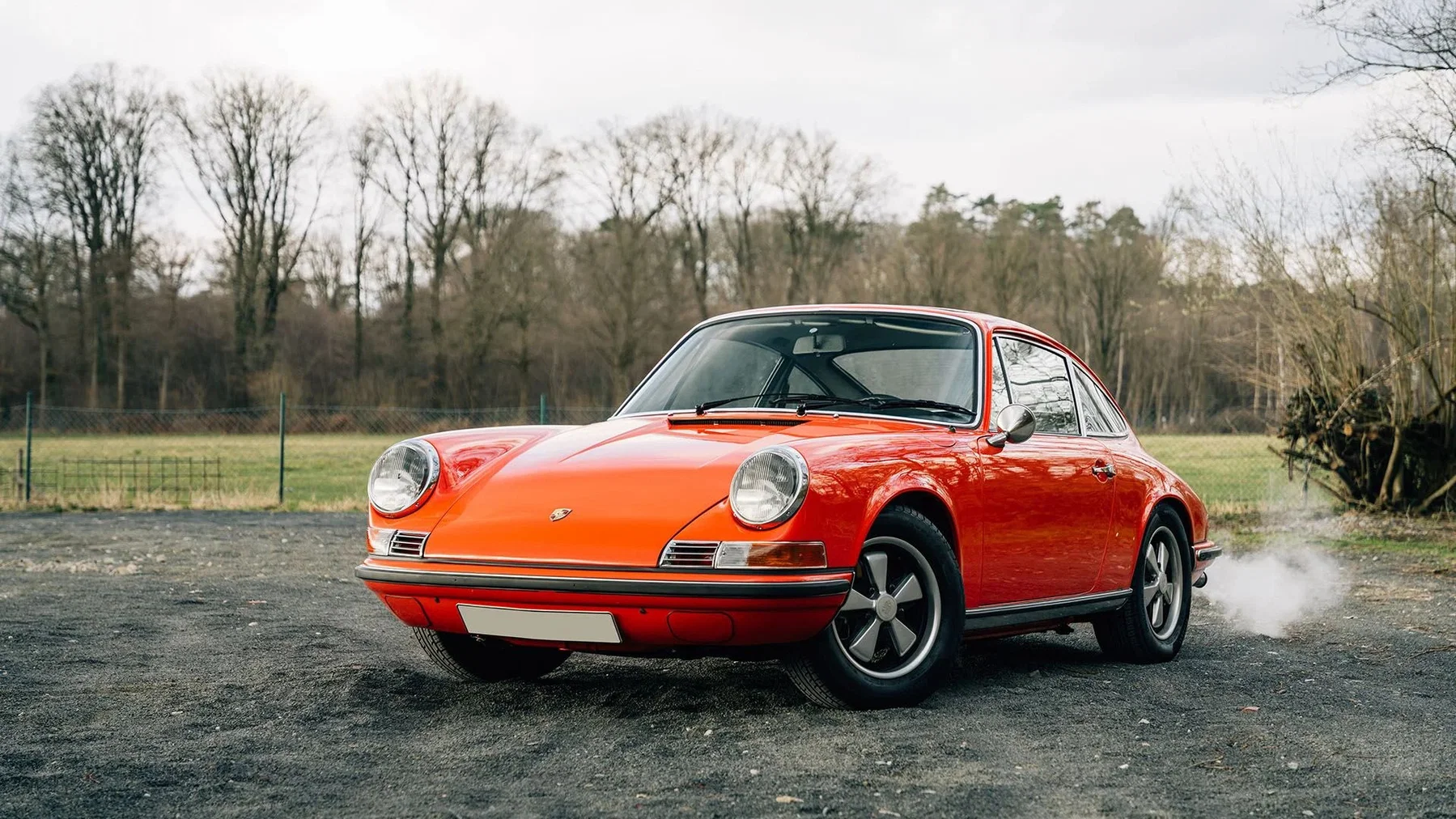
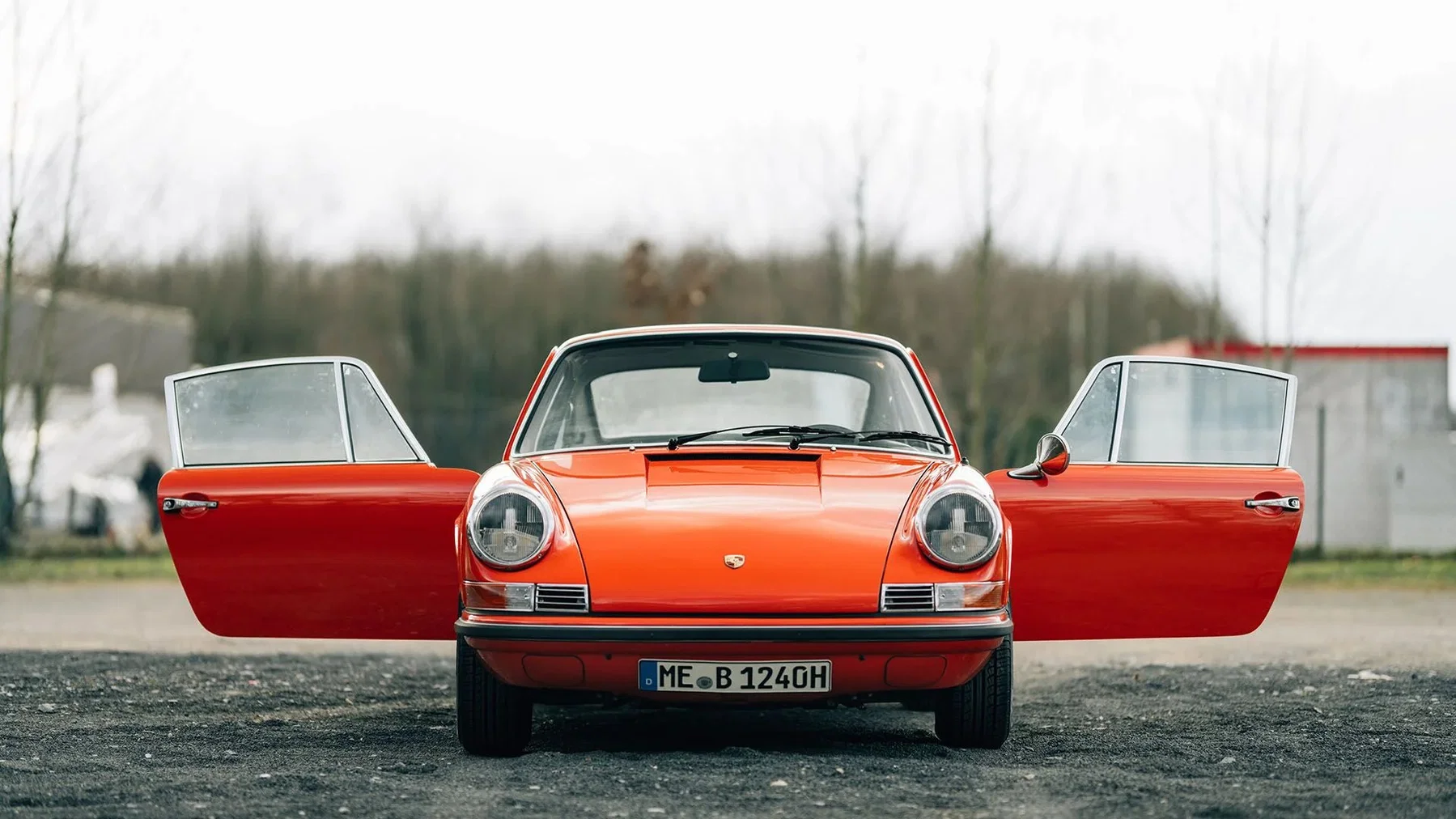
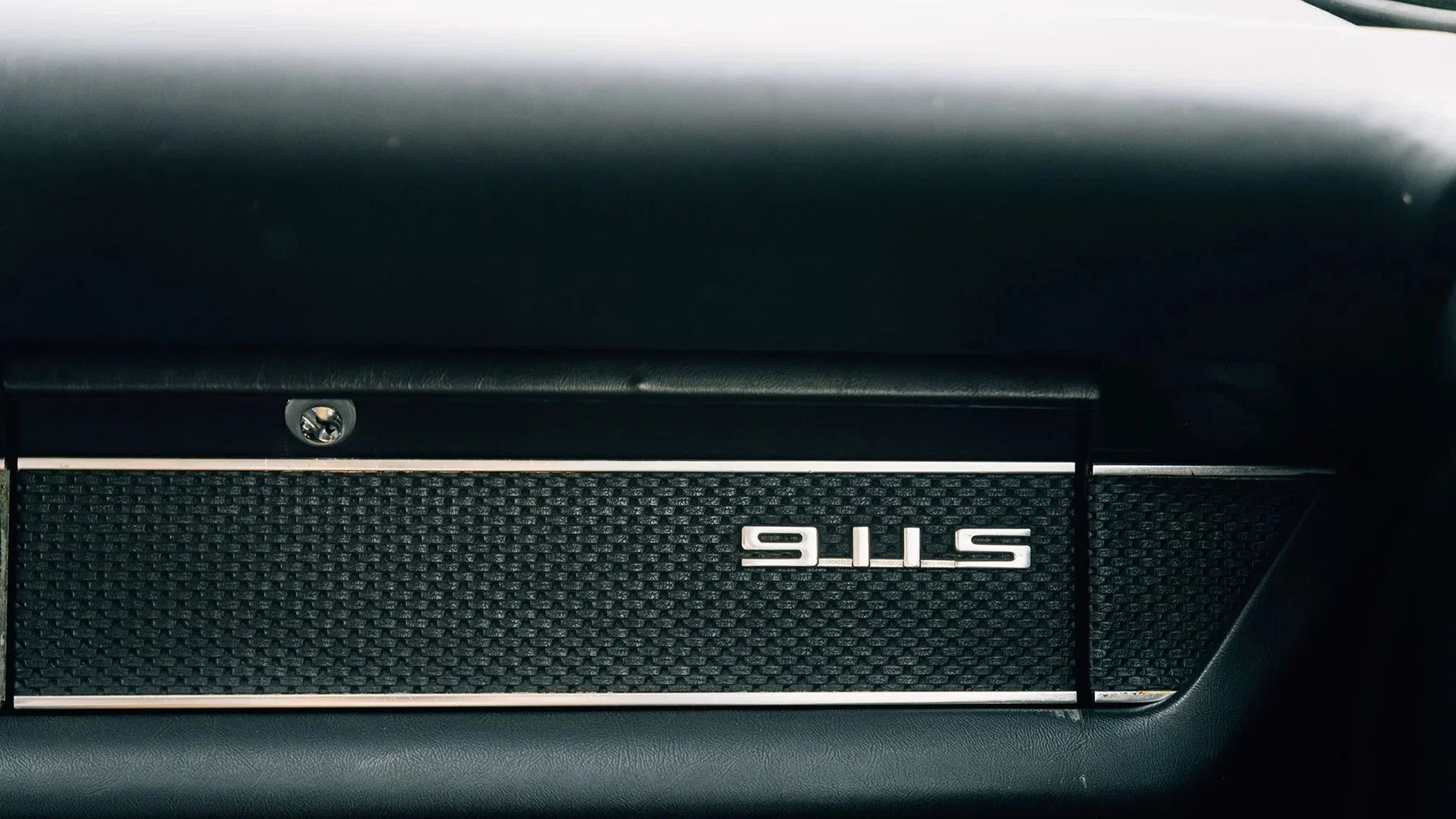
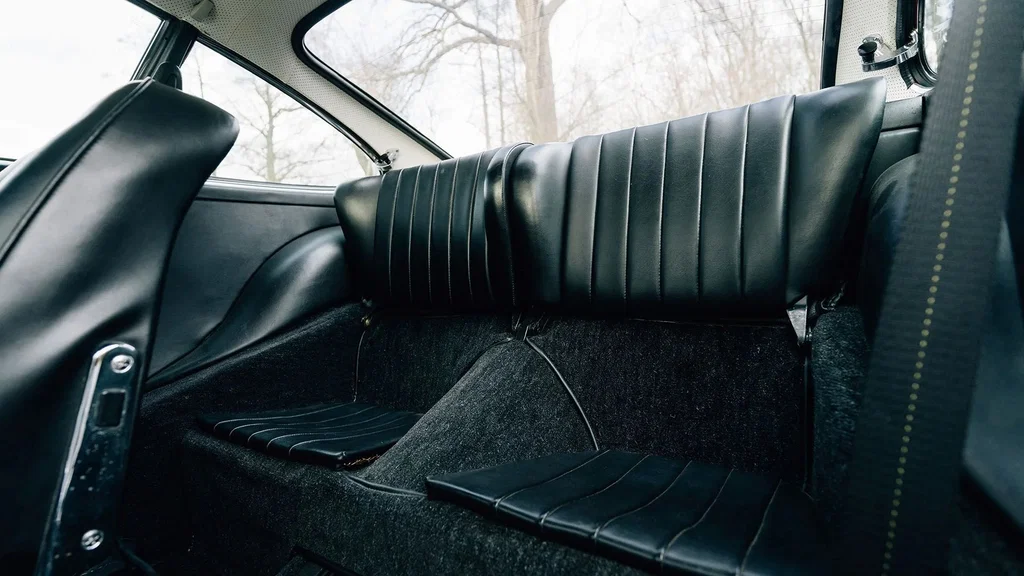
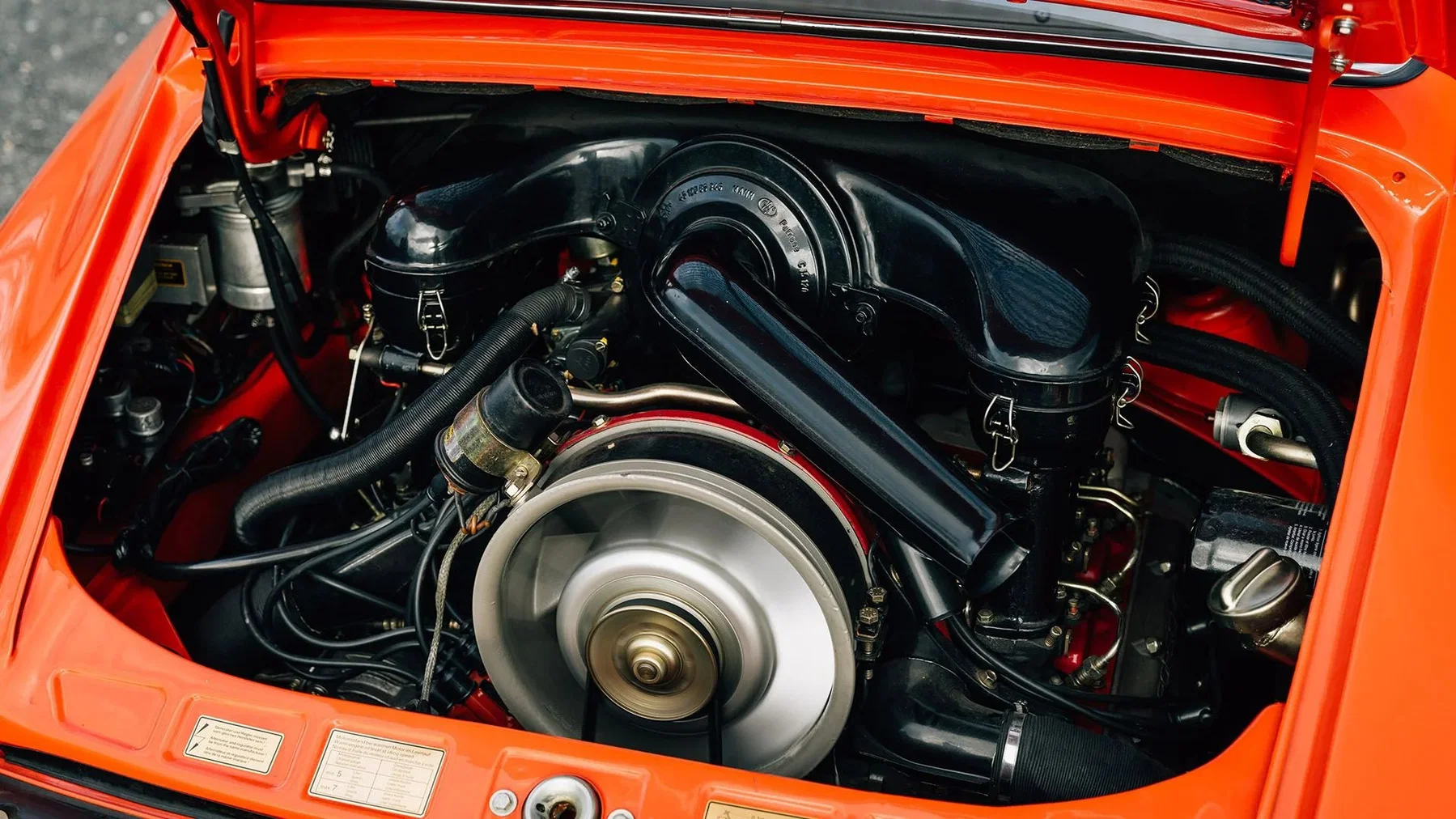
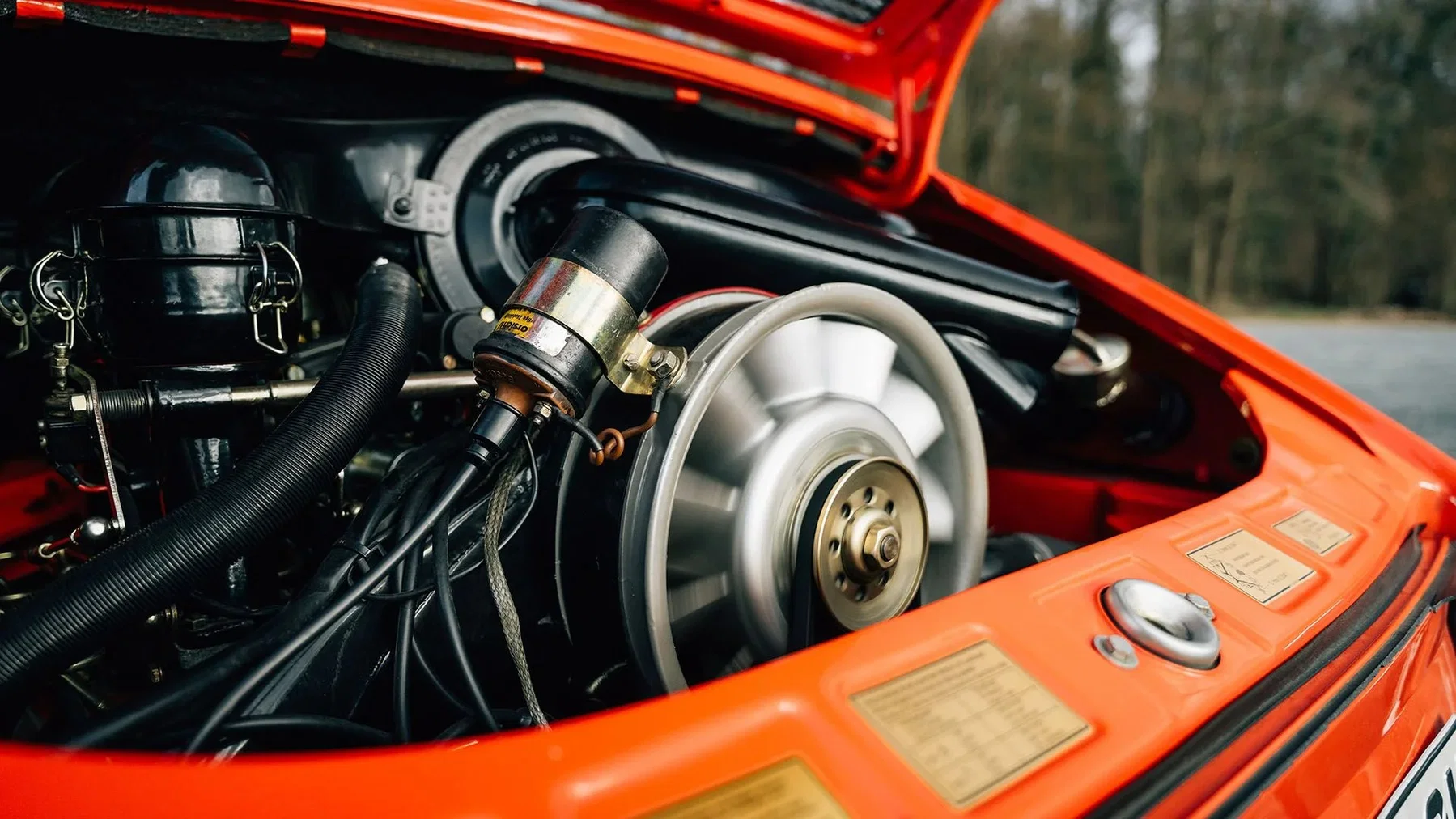
To examine the 911 S 2.2 Coupe is to witness Porsche’s air-cooled philosophy entering its athletic prime. Aesthetically, it retained the delicate, unadorned purity of the early F-Series design, beautifully devoid of the massive wings and impact bumpers that would define later decades. Yet, its stance was undeniably more aggressive, sitting squat on wider, iconic 15-inch Fuchs forged alloy wheels. The true sorcery, however, resided beneath the aluminum rear engine lid. By increasing the cylinder bore from 80mm to 84mm while retaining the 66mm stroke, displacement grew to 2,195cc. Breathing fiercely through a sophisticated, precise Bosch mechanical fuel injection (MFI) system, this over-square masterpiece produced a frantic 180 brake horsepower. Unlike the torquey, more relaxed 2.4-liter engine that would succeed it a few years later, the 2.2-liter was a notoriously peaky, highly demanding instrument. To extract its potential, the engine demanded to be kept boiling; maximum power arrived at a dizzying 6,500 rpm, and the tachometer needle eagerly swept toward a glorious 7,300-rpm redline. Mated to the venerable Type 901 five-speed transaxle with its racing-style “dog-leg” first gear, driving the 2.2 S was a visceral, two-handed physical commitment that rewarded absolute precision. To counteract the increased power, Porsche engineers utilized an exotic magnesium crankcase to save weight, keeping the car at a featherweight 1,020 kilograms. Stopping power was equally formidable, employing ventilated disc brakes at all four corners with lightweight aluminum calipers. Inside, the cabin remained a temple of driver-focused ergonomics, dominated by the sacred five-dial binnacle, thin-rimmed leather steering wheel, and deeply bolstered sport seats that held the driver firmly during high-G cornering.
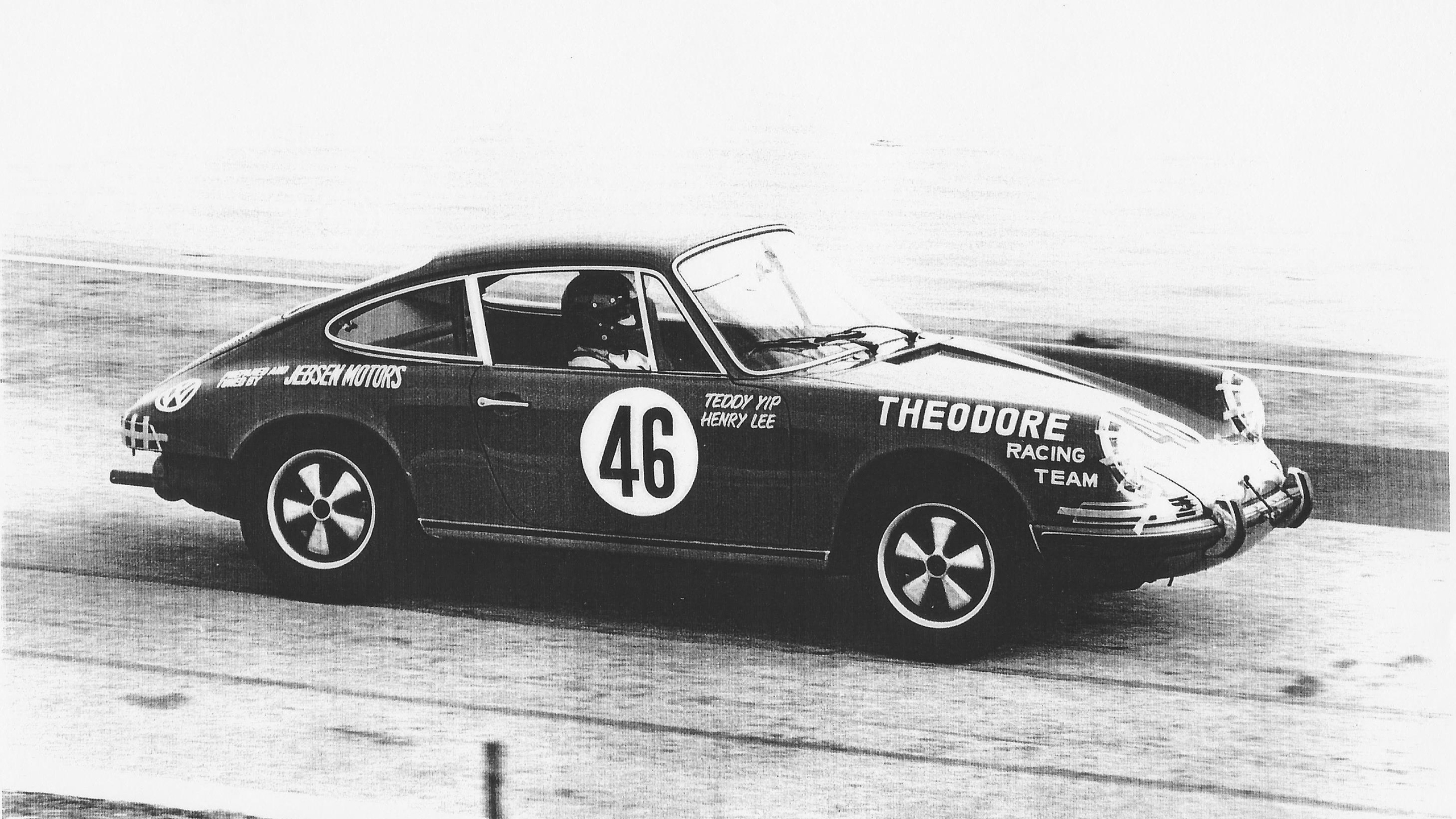
The 911 S 2.2 immediately became the darling of the European motoring elite and the weapon of choice for privateer racers. Its screaming flat-six and planted long-wheelbase chassis made it an absolute terror on twisting mountain passes and high-speed Autobahns alike. But its cultural immortality was sealed not just on the tarmac of the Nürburgring or the snowy hairpins of the Monte Carlo Rally, but on the silver screen. It was a Slate Grey 1970-specification 911 S 2.2 Coupe that Steve McQueen personally selected as his transport during the filming of his cinematic epic, Le Mans. The opening sequence—three minutes of pure, unadulterated flat-six mechanical symphony as McQueen carves through the French countryside—cemented this specific iteration of the 911 as the effortless, ultimate embodiment of automotive cool. For privateers, the 2.2 S was effectively a turn-key competition car. Fitted with optional shorter gear ratios, a limited-slip differential, and stiffer anti-roll bars, it frequently punched far above its weight class, harassing much larger prototypes in endurance racing and utterly dominating the Group 3 GT classes across Europe and the Americas.
The legacy of the 1969 Porsche 911 S 2.2 Coupe is defined by its uncompromising, high-revving character. It sits squarely in the ultimate sweet spot of the classic early 911 timeline—benefiting from the high-speed stability of the long-wheelbase chassis, yet retaining the frantic, highly strung, race-bred nature of the early, small-displacement engines. When it was eventually replaced by the torquier, lower-compression 2.4-liter models in 1972, many purists felt a certain manic magic had been smoothed over. Today, the 2.2 S is revered by Porsche aficionados as arguably the most thrilling and pure naturally aspirated early 911 to drive on a winding road. It remains an absolute blue-chip masterpiece, a screaming, mechanical time capsule that perfectly bridges the delicate 2.0-liter pioneers and the brutally effective Carrera RS 2.7 that would soon follow.
Brand
Produced from
Portal
Vehicle category
Model line
Model generation
Predecessor
Sucessor
Brand
Produced from
Portal
Vehicle category
Model line
Model generation
Predecessor
Sucessor
Submodel Overview
As the tumultuous 1960s drew to a close, the engineering department in Zuffenhausen found itself locked in an escalating arms race. The original 2.0-liter Porsche 911 had proven the fundamental, giant-killing brilliance of Hans Mezger’s flat-six architecture, and the crucial 1968 wheelbase extension had finally tamed the chassis’s famously treacherous snap-oversteer. However, the automotive landscape was shifting with terrifying speed. Across the Alps, Maranello had unleashed the sublime, mid-engined Dino 246 GT, while the muscular Jaguar E-Type Series 2 continued to command the high-speed boulevards of Europe. The 911 needed to breathe deeper and hit harder to maintain its supremacy. Porsche’s emphatic response, rolling off the assembly lines in late 1969 for the 1970 model year (internally designated as the C-Series), was the 911 S 2.2 Coupe. It was not merely an incremental displacement bump; it was a screaming, highly strung declaration of intent that cemented the “Super” moniker as the ultimate, uncompromised weapon for the discerning gentleman racer and the uncompromising driving purist.
To examine the 911 S 2.2 Coupe is to witness Porsche’s air-cooled philosophy entering its athletic prime. Aesthetically, it retained the delicate, unadorned purity of the early F-Series design, beautifully devoid of the massive wings and impact bumpers that would define later decades. Yet, its stance was undeniably more aggressive, sitting squat on wider, iconic 15-inch Fuchs forged alloy wheels. The true sorcery, however, resided beneath the aluminum rear engine lid. By increasing the cylinder bore from 80mm to 84mm while retaining the 66mm stroke, displacement grew to 2,195cc. Breathing fiercely through a sophisticated, precise Bosch mechanical fuel injection (MFI) system, this over-square masterpiece produced a frantic 180 brake horsepower. Unlike the torquey, more relaxed 2.4-liter engine that would succeed it a few years later, the 2.2-liter was a notoriously peaky, highly demanding instrument. To extract its potential, the engine demanded to be kept boiling; maximum power arrived at a dizzying 6,500 rpm, and the tachometer needle eagerly swept toward a glorious 7,300-rpm redline. Mated to the venerable Type 901 five-speed transaxle with its racing-style “dog-leg” first gear, driving the 2.2 S was a visceral, two-handed physical commitment that rewarded absolute precision. To counteract the increased power, Porsche engineers utilized an exotic magnesium crankcase to save weight, keeping the car at a featherweight 1,020 kilograms. Stopping power was equally formidable, employing ventilated disc brakes at all four corners with lightweight aluminum calipers. Inside, the cabin remained a temple of driver-focused ergonomics, dominated by the sacred five-dial binnacle, thin-rimmed leather steering wheel, and deeply bolstered sport seats that held the driver firmly during high-G cornering.
The 911 S 2.2 immediately became the darling of the European motoring elite and the weapon of choice for privateer racers. Its screaming flat-six and planted long-wheelbase chassis made it an absolute terror on twisting mountain passes and high-speed Autobahns alike. But its cultural immortality was sealed not just on the tarmac of the Nürburgring or the snowy hairpins of the Monte Carlo Rally, but on the silver screen. It was a Slate Grey 1970-specification 911 S 2.2 Coupe that Steve McQueen personally selected as his transport during the filming of his cinematic epic, Le Mans. The opening sequence—three minutes of pure, unadulterated flat-six mechanical symphony as McQueen carves through the French countryside—cemented this specific iteration of the 911 as the effortless, ultimate embodiment of automotive cool. For privateers, the 2.2 S was effectively a turn-key competition car. Fitted with optional shorter gear ratios, a limited-slip differential, and stiffer anti-roll bars, it frequently punched far above its weight class, harassing much larger prototypes in endurance racing and utterly dominating the Group 3 GT classes across Europe and the Americas.
The legacy of the 1969 Porsche 911 S 2.2 Coupe is defined by its uncompromising, high-revving character. It sits squarely in the ultimate sweet spot of the classic early 911 timeline—benefiting from the high-speed stability of the long-wheelbase chassis, yet retaining the frantic, highly strung, race-bred nature of the early, small-displacement engines. When it was eventually replaced by the torquier, lower-compression 2.4-liter models in 1972, many purists felt a certain manic magic had been smoothed over. Today, the 2.2 S is revered by Porsche aficionados as arguably the most thrilling and pure naturally aspirated early 911 to drive on a winding road. It remains an absolute blue-chip masterpiece, a screaming, mechanical time capsule that perfectly bridges the delicate 2.0-liter pioneers and the brutally effective Carrera RS 2.7 that would soon follow.
Tech Specs
Technical Specifications
Tech Specs
Technical Specifications
Engine
01
03
Internal combustion engine
Configuration
Porsche Type 911/02, Flat-6 (Boxer) - Air-cooled
Location
Rear, longitudinally mounted
Construction
Magnesium alloy block and Aluminium heads
Displacement (cc)
2,195 cc
Displacement (cu in)
133.9 cu in
Compression
9.8:1
Bore x Stroke
84.0 mm x 66.0 mm
Valvetrain
2 valves per cylinder, SOHC
Fuel feed
Bosch mechanical fuel injection (MFI)
Lubrication
Dry sump
Aspiration
Naturally aspirated
Output
Power (hp)
180 hp
Power (kW)
132 kW
Max power at
6,800 RPM
Torque (Nm)
199 Nm
Torque (ft lbs)
147 ft lbs
Max torque at
5,200 RPM
Drivetrain
02
03
Chassis
Type
Monocoque unibody
Material
Steel
Body
Material
Steel with Aluminium engine lid
Transmission
Gearbox
5-speed manual (Type 901/911, "dog-leg" first gear)
Drive
Rear Wheel Drive
Suspension
Front
Independent, McPherson struts, longitudinal torsion bars, telescopic dampers, anti-roll bar
Rear
Independent, semi-trailing arms, transverse torsion bars, telescopic dampers, anti-roll bar
Steering
Type
ZF rack and pinion, unassisted
Brakes
Front
Ventilated steel discs Ø282 mm, ATE aluminium calipers
Rear
Ventilated steel discs Ø290 mm, ATE calipers
Wheels
Front
6" x 15" (Fuchs forged alloy)
Rear
6" x 15" (Fuchs forged alloy)
Tires
Front
185/70 VR15
Rear
185/70 VR15
Dimensions and performance
03
03
Dimensions
Length (mm)
4,163 mm
Length (in)
163.9 in
Width (mm)
1,610 mm
Width (in)
63.4 in
Height (mm)
1,320 mm
Height (in)
52.0 in
Wheelbase (mm)
2,268 mm
Wheelbase (in)
89.3 in
Weight (kg)
1,020 kg
Weight (lbs)
2,249 lbs
Performance
Power to weight
0.18 hp/kg
Top speed (km/h)
230 km/h
Top speed (mph)
143 mph
0-100 km/h (0-60 mph)
7.0 s