
Porsche 911 S/T 2.3
Brand
Produced from
Portal
Vehicle category
Model line
Model generation
Predecessor
Successor
Submodel Overview
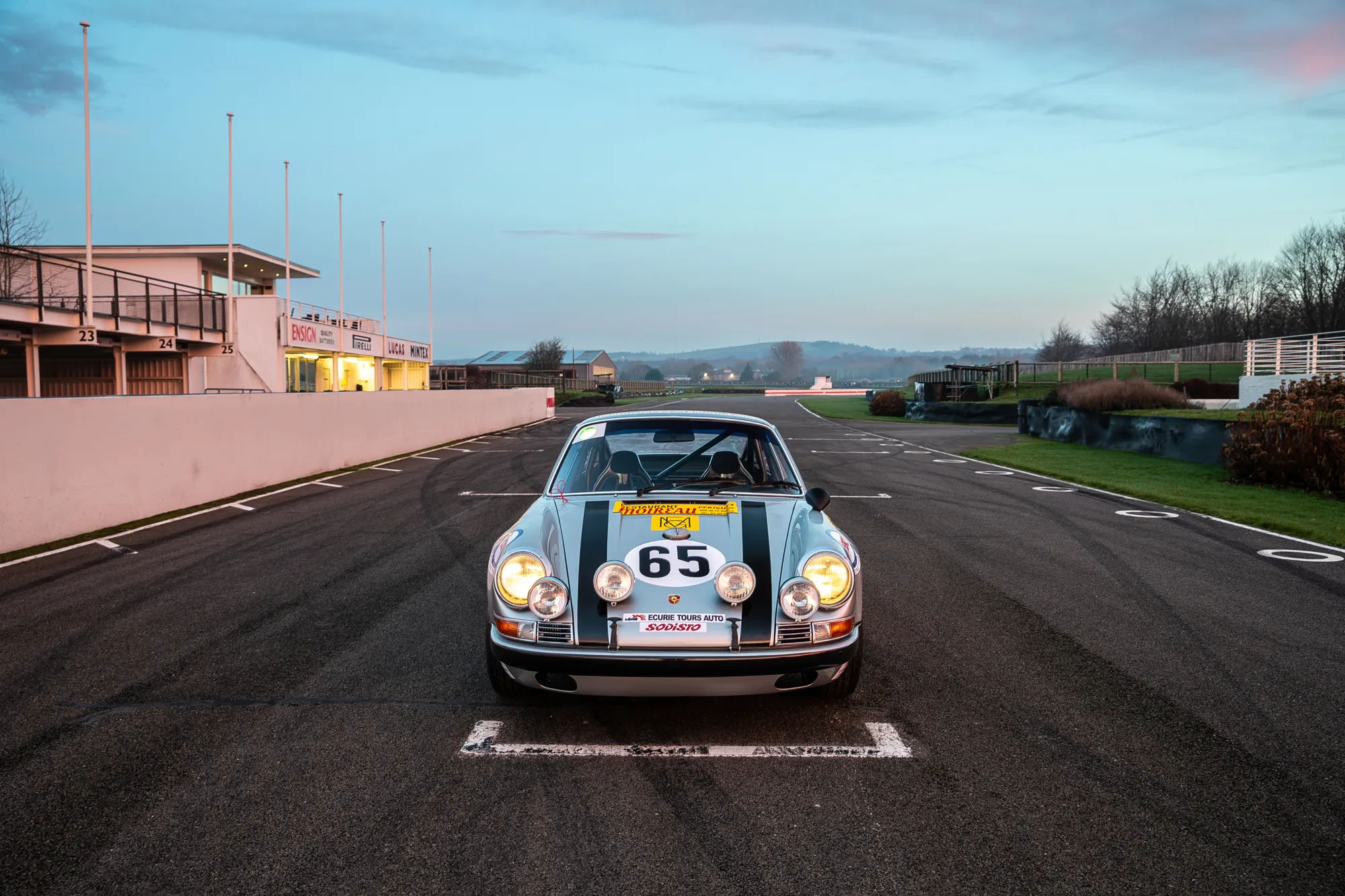
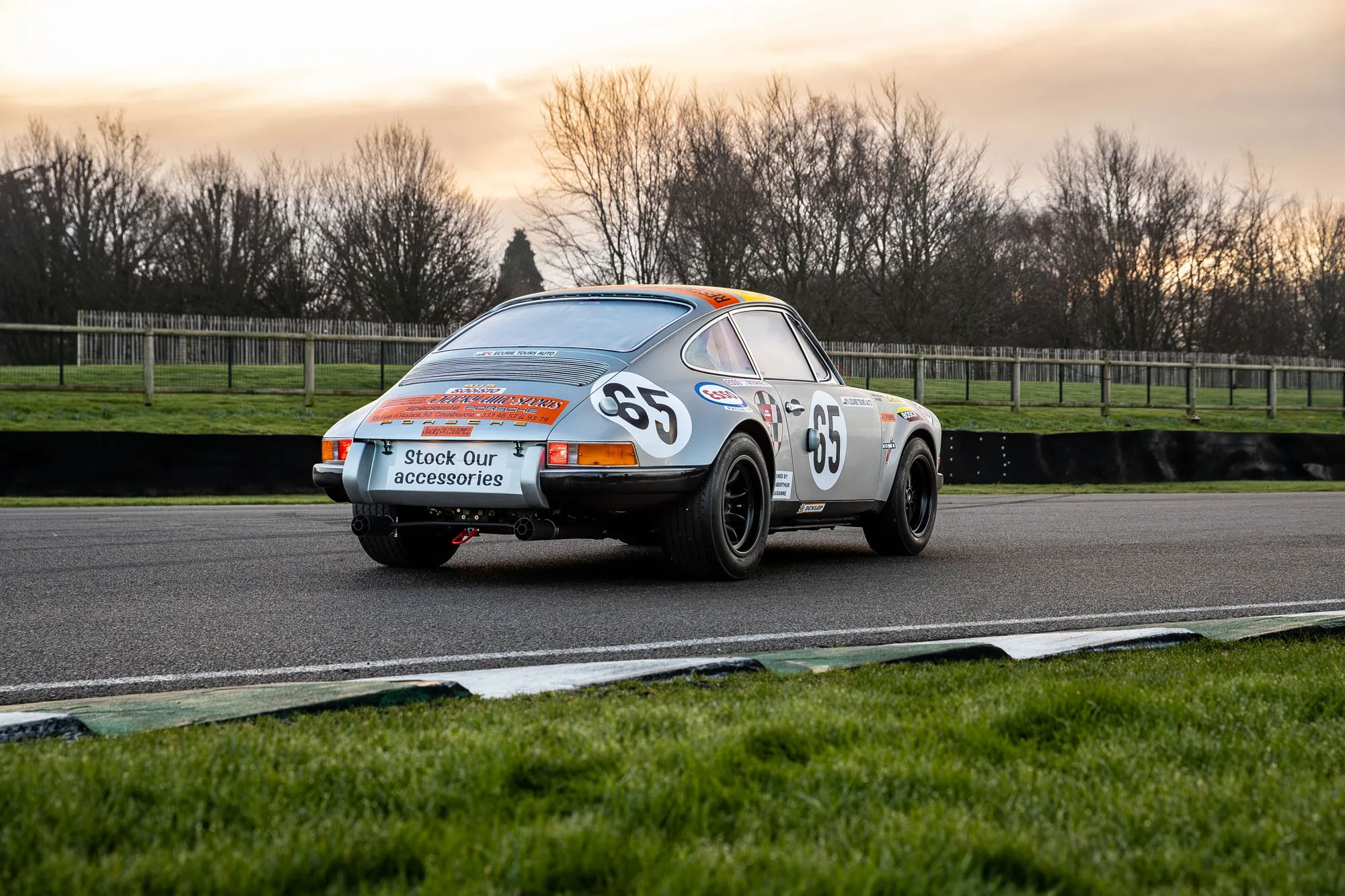
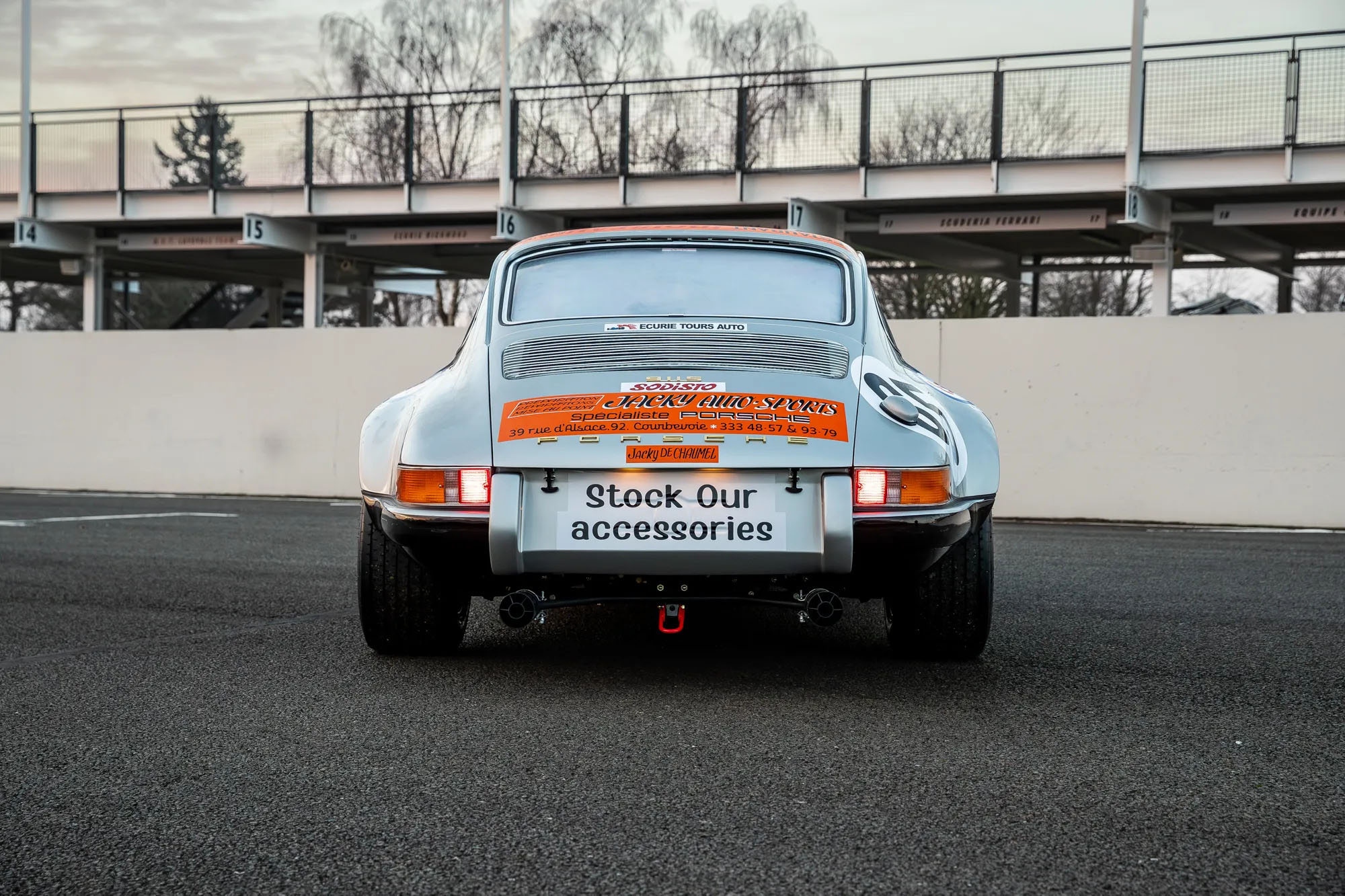
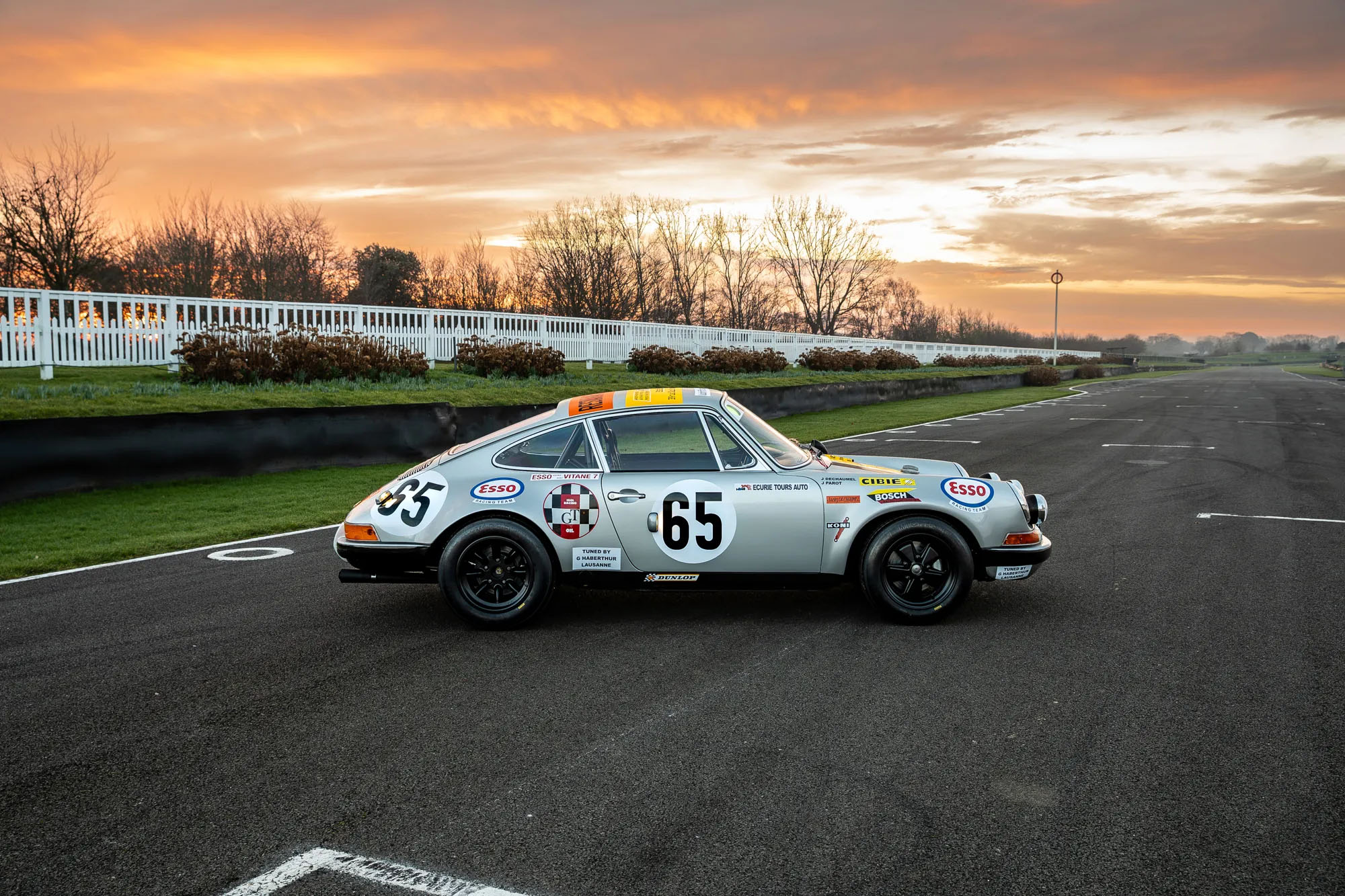
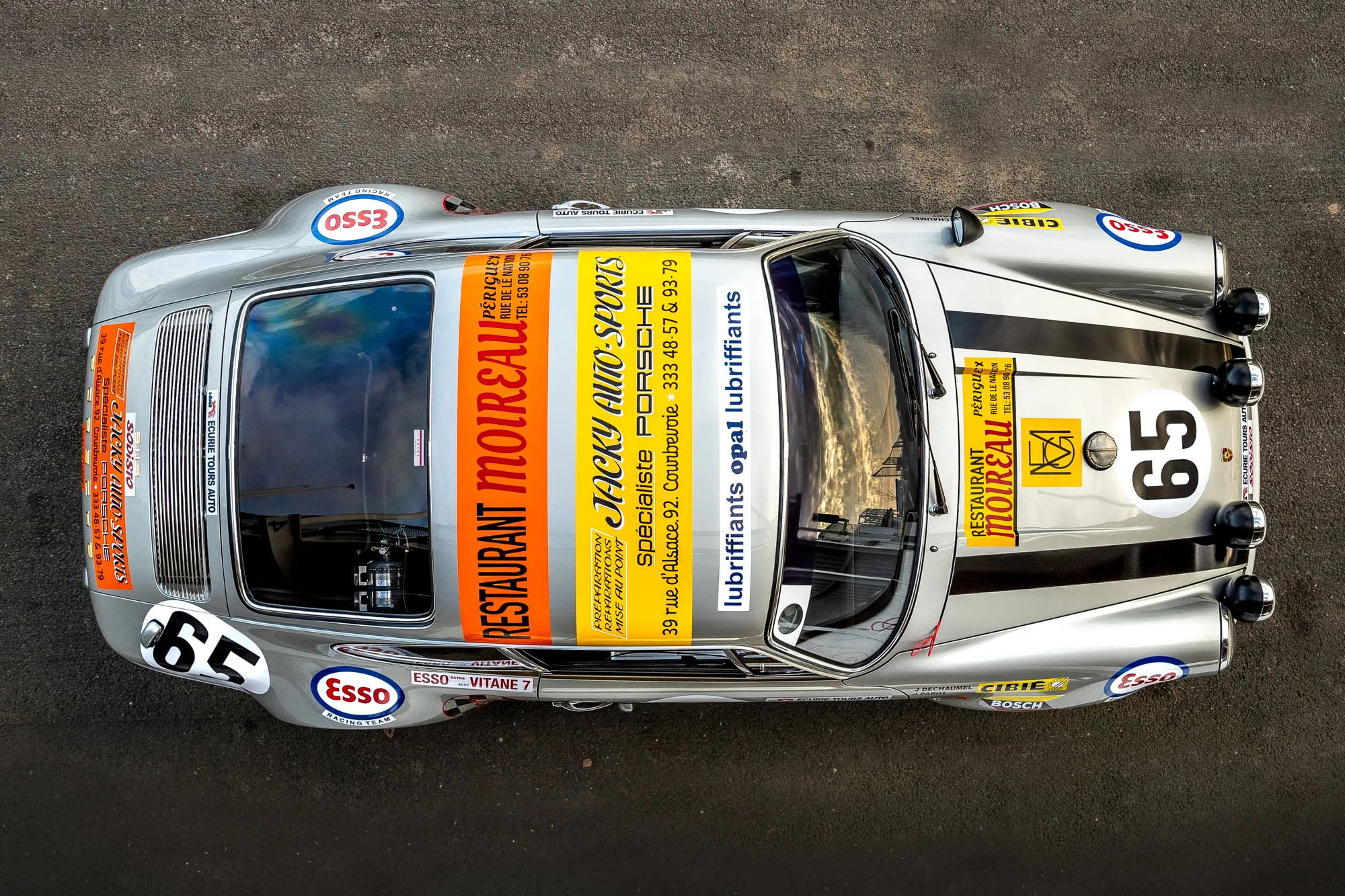
In the intoxicating, high-octane dawn of the 1970s, the motorsport department at Zuffenhausen found itself at a critical crossroads. The delicate, featherweight 911 R of 1967 had proven the concept of a stripped-out racing 911, but it was produced in such minuscule numbers that it could not satisfy the broader demands of international homologation. Meanwhile, on the asphalt of the European Touring Car Championship and the treacherous snowbanks of the international rally circuit, the standard narrow-body 911 S was beginning to struggle. The competition had intensified dramatically; Alpine was deploying the ferociously agile A110 1600S, Alfa Romeo had unleashed the muscular, wide-arched 1750 GTAm, and Ford’s Escort Twin Cam was proving to be a relentless giant-killer. To maintain total supremacy in the FIA’s Group 3 and Group 4 categories, Porsche needed a weapon that possessed a broader footprint, a larger lung capacity, and a ruthless, uncompromising focus. The solution was not a glossy new model launched with grand motor show fanfare, but rather a secretive, highly customizable internal ordering package known to racers as the “Sport-Technische” option, or simply, the S/T. The 1970 Porsche 911 S/T 2.3 was the resulting masterpiece—a brutal, flared-arch street brawler that served as the definitive missing link between the pure, unadorned cars of the 1960s and the aerodynamic, winged Carrera RS and RSR monsters that would follow.
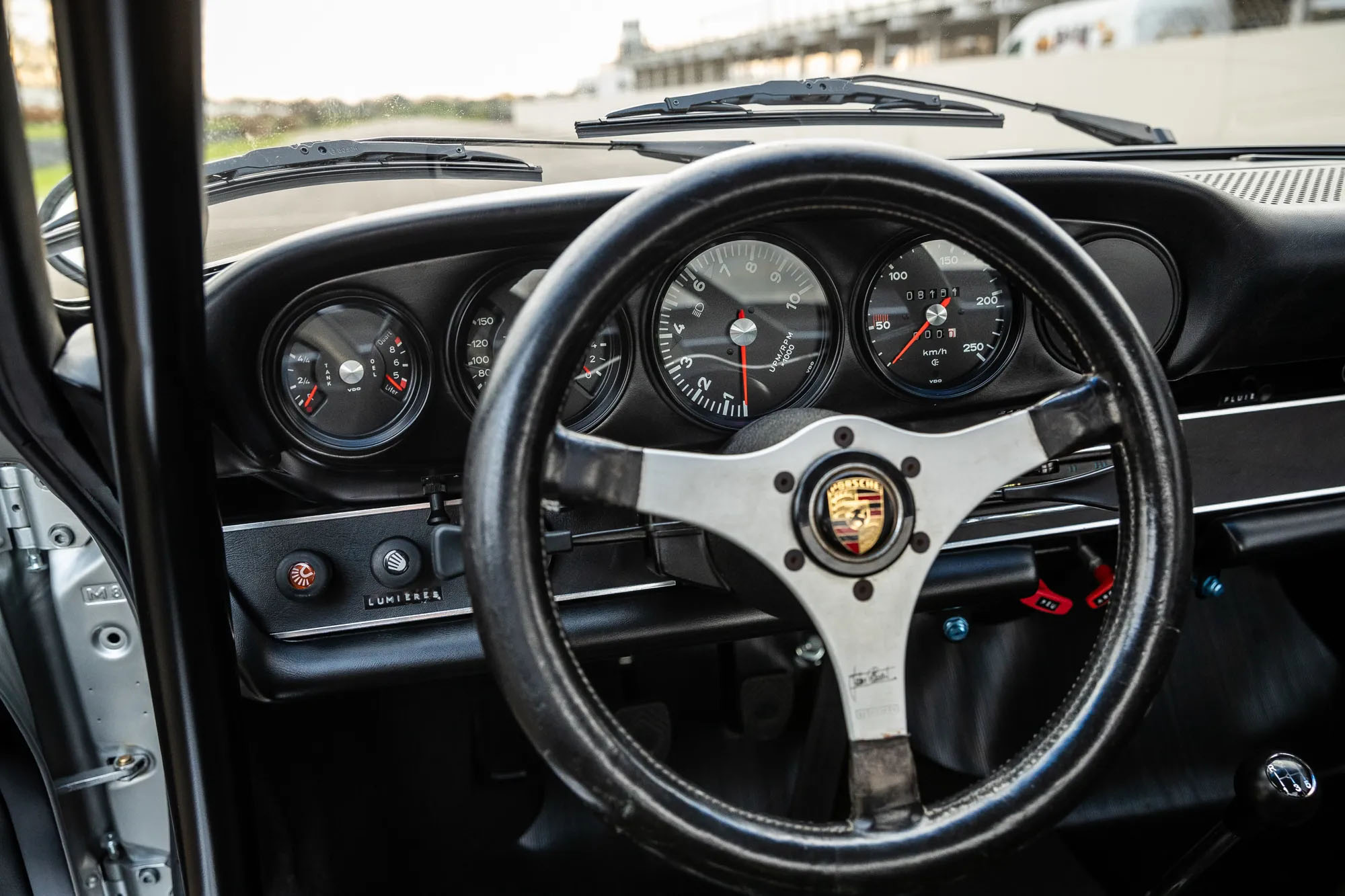
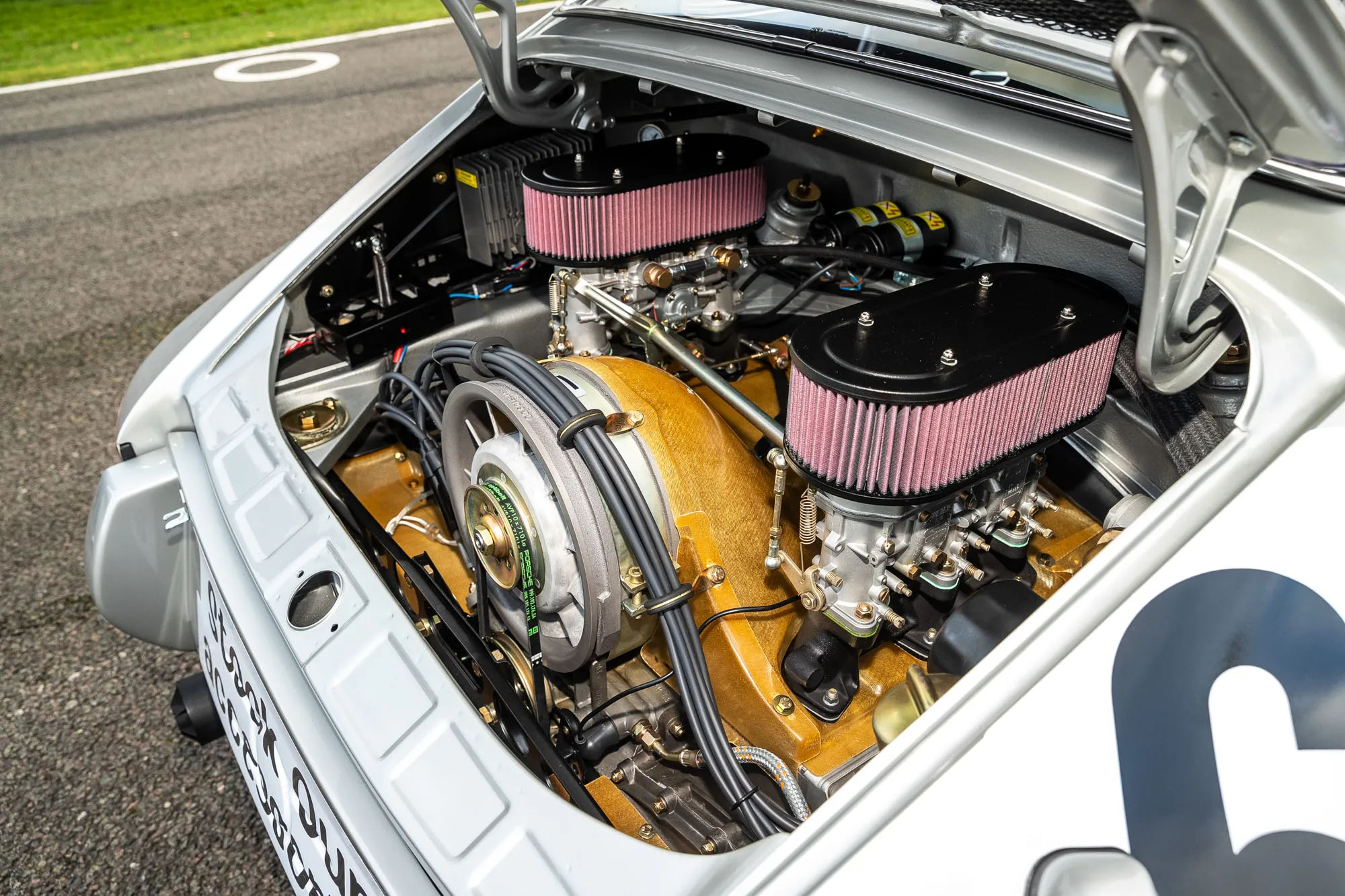
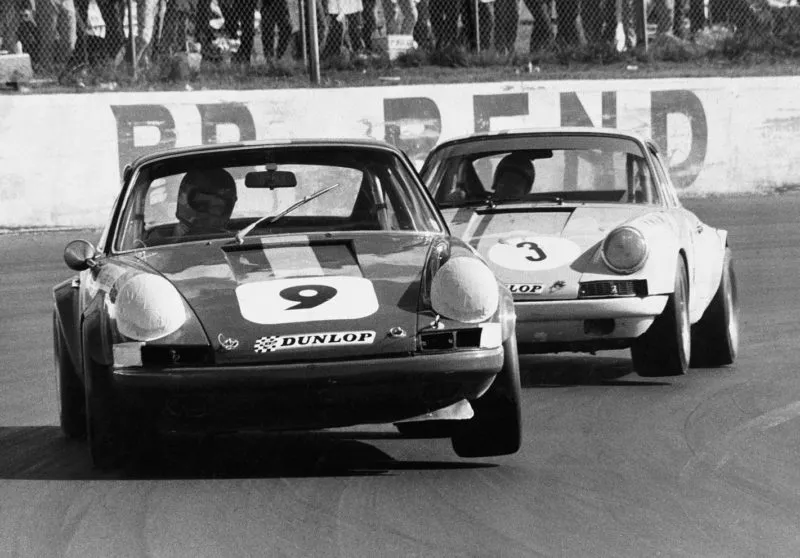
To visually examine the 911 S/T 2.3 is to witness the exact moment the Porsche 911 lost its innocence and began pumping iron. The most striking departure from the standard 911 S was the aggressive widening of the bodywork. To harness the immense lateral loads generated by modern racing rubber, Porsche grafted beautifully swollen, flared arches onto the steel unibody, allowing the car to accommodate massive 8-inch wide wheels at the front and 9-inch wide wheels at the rear. Interestingly, because Fuchs did not yet manufacture forged alloy wheels wide enough for the rear, many S/Ts ran a staggered setup: iconic five-spoke Fuchs on the front axle and chunky, magnesium Minilite wheels on the rear. Beneath the fiberglass engine lid sat the absolute mechanical jewel of this submodel: the 2.3-liter flat-six. By taking the standard 2.2-liter block and increasing the bore to 84mm, engineers achieved a displacement of 2,247cc (universally referred to as the 2.3). This air-cooled marvel was fitted with aggressive high-lift camshafts, oversized valves, and a dizzyingly complex Bosch mechanical fuel injection system—though some privateers preferred the easily tunable Weber 46 IDA downdraft carburetors. The ultimate trick, however, was the adoption of a twin-plug ignition system, derived directly from the 906 prototype, ensuring an even, explosive burn of the high-octane fuel. The result was a screaming, metallic howl and a reliable output of 230 to 240 brake horsepower at a frantic 7,200 rpm. To counteract this newfound power, Porsche embarked on a fanatic weight-loss program. Customers could specify thinner-gauge steel for the roof and floorpans, Plexiglas for the side and rear windows, and fiberglass for the front hood and bumpers. The interior was violently stripped of all luxury, fitted only with basic felt carpeting, a purposeful roll hoop, and deep Scheel or Recaro racing buckets, dropping the total weight to a scarcely believable 840 kilograms.
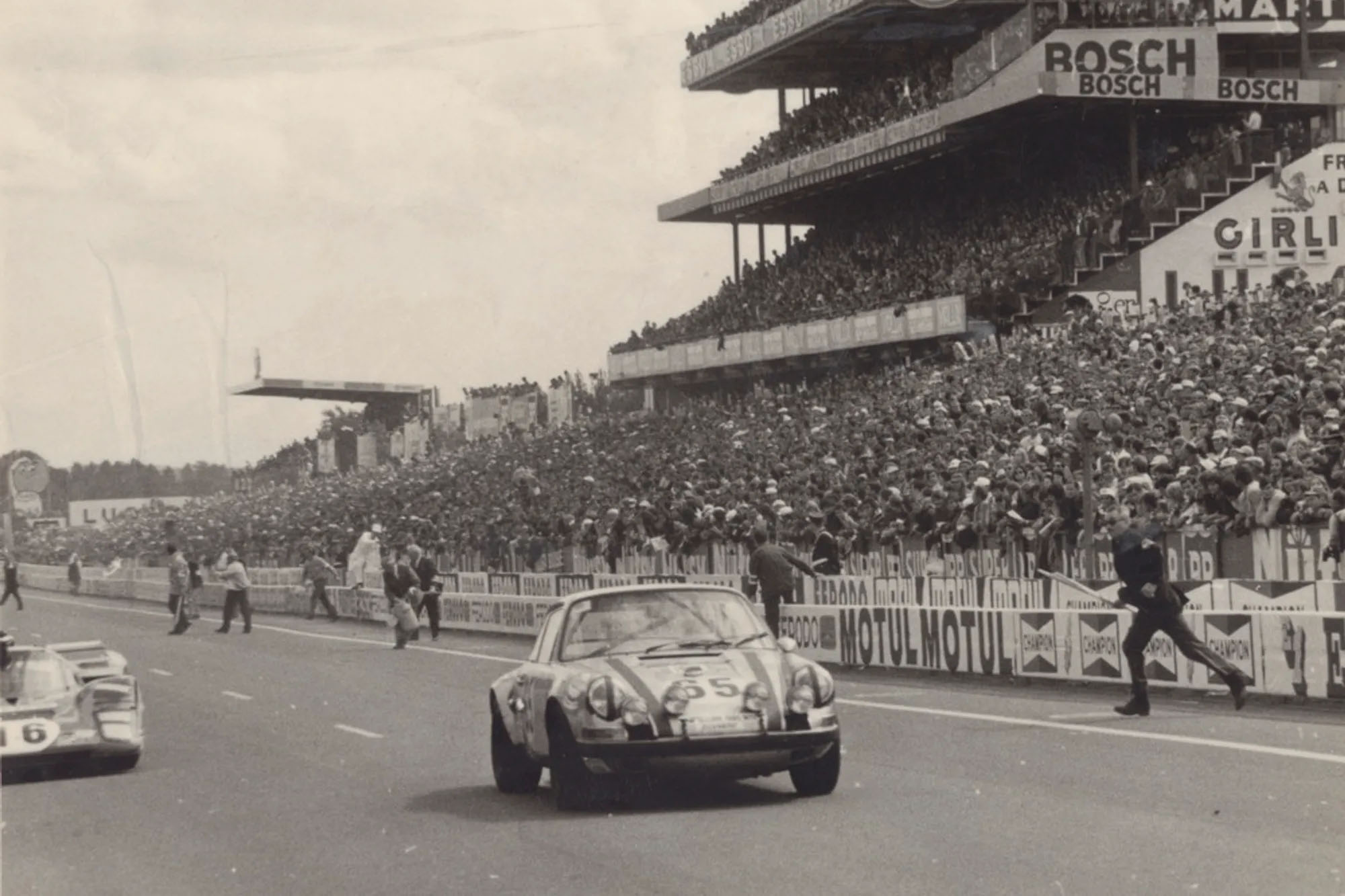
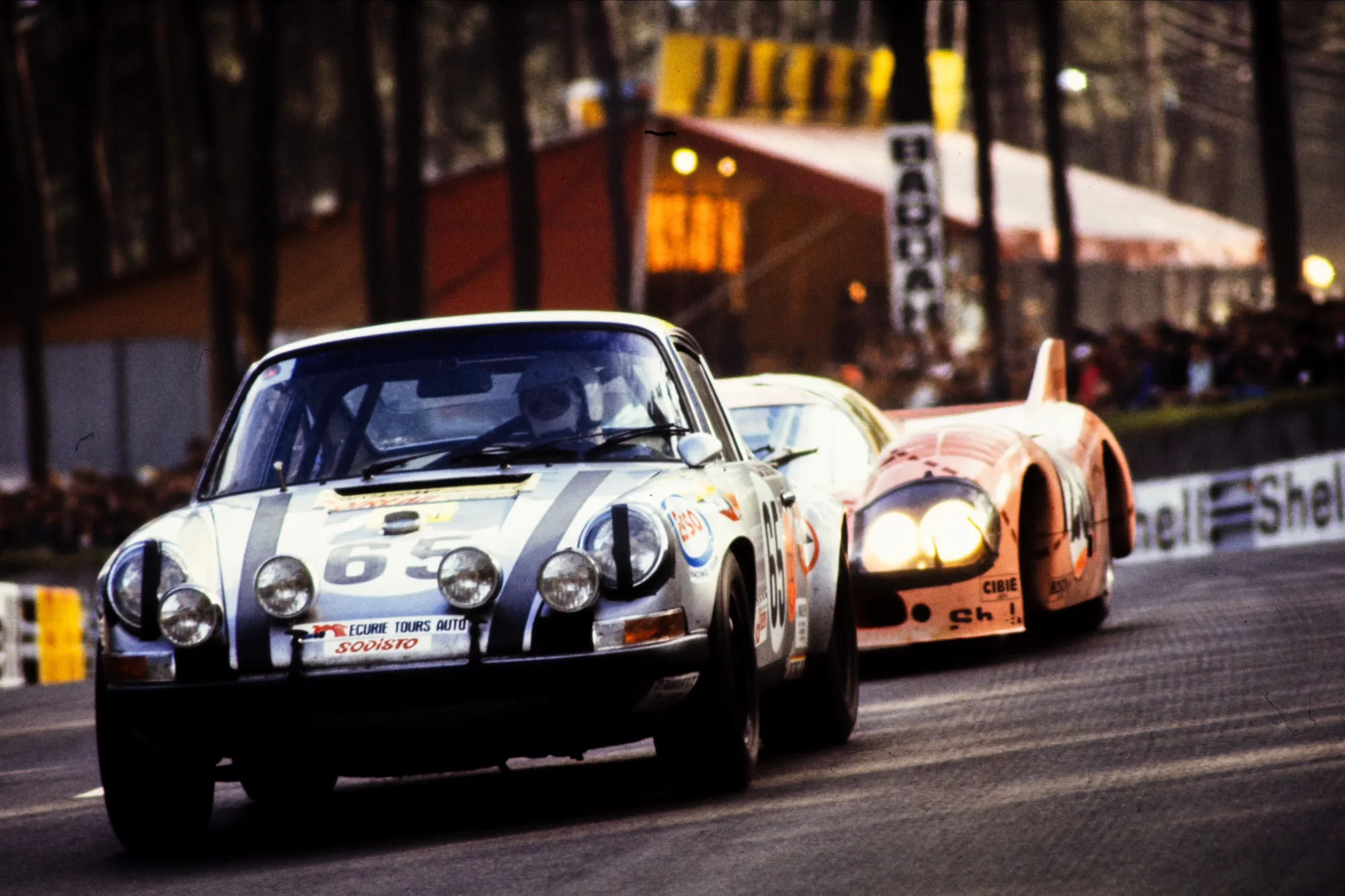
The competitive history of the 911 S/T 2.3 is an epic saga of trans-continental domination, painted in the vibrant, psychedelic liveries of the early 1970s. Because the S/T was effectively a bespoke race car built to order, it was campaigned heavily by both the factory works team and well-heeled privateers, proving to be an exceptionally versatile instrument of speed. Its absolute crowning achievement occurred at the incredibly grueling 1970 Tour de France Automobile. Piloted by the masterful Gérard Larrousse and co-driven by Maurice Gélin, a spectacularly liveried yellow and red psychedelic 911 S/T 2.3 utterly decimated the field. Across thousands of kilometers of punishing public roads, hill climbs, and circuit races, the torquey, wide-tracked Porsche humiliated the dedicated prototypes from Matra and the thundering V12 Ferrari Daytonas, securing an overall victory that cemented the S/T’s legend. On the World Sportscar Championship circuits, the S/T was equally devastating. It was a common sight at the 24 Hours of Le Mans, the Targa Florio, and the Nürburgring 1000km, frequently winning the GT classes and regularly embarrassing much larger, bespoke prototype machinery through sheer mechanical grip and unburstable reliability. On the rally stages, legendary wheelmen like Björn Waldegård utilized the S/T’s rear-engine traction to dance the widened car across the snow and ice of the Monte Carlo Rally, proving that the wide-body 911 was just as effective sideways as it was gripping a circuit apex.
The legacy of the 1970 Porsche 911 S/T 2.3 is of sovereign importance to the Zuffenhausen mythology. It was the crucial, evolutionary stepping stone. The S/T pioneered the wide-body aesthetic and the over-bored, twin-plug engine architecture that would directly birth the immortal 1973 Carrera RS 2.7 and the world-conquering 2.8 RSR. Without the secretive, homologation-skirting experiments of the S/T program, the winged aero-cars of the mid-1970s simply would not exist. Because they were built in such minuscule numbers—estimated at roughly a few dozen genuine examples across the 2.3, 2.4, and 2.5-liter iterations—and because they were ruthlessly abused on the world’s race tracks, an authentic 1970 911 S/T 2.3 is today one of the rarest, most highly coveted, and most violently expensive Porsches in existence. It represents the ultimate expression of the “hot-rod” 911 ethos: a street-legal, lightweight, flared-arch monster that perfectly captures the raw, unfiltered danger and romance of early 1970s motorsport.
Brand
Produced from
Portal
Vehicle category
Model line
Model generation
Predecessor
Sucessor
Brand
Produced from
Portal
Vehicle category
Model line
Model generation
Predecessor
Sucessor
Submodel Overview
In the intoxicating, high-octane dawn of the 1970s, the motorsport department at Zuffenhausen found itself at a critical crossroads. The delicate, featherweight 911 R of 1967 had proven the concept of a stripped-out racing 911, but it was produced in such minuscule numbers that it could not satisfy the broader demands of international homologation. Meanwhile, on the asphalt of the European Touring Car Championship and the treacherous snowbanks of the international rally circuit, the standard narrow-body 911 S was beginning to struggle. The competition had intensified dramatically; Alpine was deploying the ferociously agile A110 1600S, Alfa Romeo had unleashed the muscular, wide-arched 1750 GTAm, and Ford’s Escort Twin Cam was proving to be a relentless giant-killer. To maintain total supremacy in the FIA’s Group 3 and Group 4 categories, Porsche needed a weapon that possessed a broader footprint, a larger lung capacity, and a ruthless, uncompromising focus. The solution was not a glossy new model launched with grand motor show fanfare, but rather a secretive, highly customizable internal ordering package known to racers as the “Sport-Technische” option, or simply, the S/T. The 1970 Porsche 911 S/T 2.3 was the resulting masterpiece—a brutal, flared-arch street brawler that served as the definitive missing link between the pure, unadorned cars of the 1960s and the aerodynamic, winged Carrera RS and RSR monsters that would follow.
To visually examine the 911 S/T 2.3 is to witness the exact moment the Porsche 911 lost its innocence and began pumping iron. The most striking departure from the standard 911 S was the aggressive widening of the bodywork. To harness the immense lateral loads generated by modern racing rubber, Porsche grafted beautifully swollen, flared arches onto the steel unibody, allowing the car to accommodate massive 8-inch wide wheels at the front and 9-inch wide wheels at the rear. Interestingly, because Fuchs did not yet manufacture forged alloy wheels wide enough for the rear, many S/Ts ran a staggered setup: iconic five-spoke Fuchs on the front axle and chunky, magnesium Minilite wheels on the rear. Beneath the fiberglass engine lid sat the absolute mechanical jewel of this submodel: the 2.3-liter flat-six. By taking the standard 2.2-liter block and increasing the bore to 84mm, engineers achieved a displacement of 2,247cc (universally referred to as the 2.3). This air-cooled marvel was fitted with aggressive high-lift camshafts, oversized valves, and a dizzyingly complex Bosch mechanical fuel injection system—though some privateers preferred the easily tunable Weber 46 IDA downdraft carburetors. The ultimate trick, however, was the adoption of a twin-plug ignition system, derived directly from the 906 prototype, ensuring an even, explosive burn of the high-octane fuel. The result was a screaming, metallic howl and a reliable output of 230 to 240 brake horsepower at a frantic 7,200 rpm. To counteract this newfound power, Porsche embarked on a fanatic weight-loss program. Customers could specify thinner-gauge steel for the roof and floorpans, Plexiglas for the side and rear windows, and fiberglass for the front hood and bumpers. The interior was violently stripped of all luxury, fitted only with basic felt carpeting, a purposeful roll hoop, and deep Scheel or Recaro racing buckets, dropping the total weight to a scarcely believable 840 kilograms.
The competitive history of the 911 S/T 2.3 is an epic saga of trans-continental domination, painted in the vibrant, psychedelic liveries of the early 1970s. Because the S/T was effectively a bespoke race car built to order, it was campaigned heavily by both the factory works team and well-heeled privateers, proving to be an exceptionally versatile instrument of speed. Its absolute crowning achievement occurred at the incredibly grueling 1970 Tour de France Automobile. Piloted by the masterful Gérard Larrousse and co-driven by Maurice Gélin, a spectacularly liveried yellow and red psychedelic 911 S/T 2.3 utterly decimated the field. Across thousands of kilometers of punishing public roads, hill climbs, and circuit races, the torquey, wide-tracked Porsche humiliated the dedicated prototypes from Matra and the thundering V12 Ferrari Daytonas, securing an overall victory that cemented the S/T’s legend. On the World Sportscar Championship circuits, the S/T was equally devastating. It was a common sight at the 24 Hours of Le Mans, the Targa Florio, and the Nürburgring 1000km, frequently winning the GT classes and regularly embarrassing much larger, bespoke prototype machinery through sheer mechanical grip and unburstable reliability. On the rally stages, legendary wheelmen like Björn Waldegård utilized the S/T’s rear-engine traction to dance the widened car across the snow and ice of the Monte Carlo Rally, proving that the wide-body 911 was just as effective sideways as it was gripping a circuit apex.
The legacy of the 1970 Porsche 911 S/T 2.3 is of sovereign importance to the Zuffenhausen mythology. It was the crucial, evolutionary stepping stone. The S/T pioneered the wide-body aesthetic and the over-bored, twin-plug engine architecture that would directly birth the immortal 1973 Carrera RS 2.7 and the world-conquering 2.8 RSR. Without the secretive, homologation-skirting experiments of the S/T program, the winged aero-cars of the mid-1970s simply would not exist. Because they were built in such minuscule numbers—estimated at roughly a few dozen genuine examples across the 2.3, 2.4, and 2.5-liter iterations—and because they were ruthlessly abused on the world’s race tracks, an authentic 1970 911 S/T 2.3 is today one of the rarest, most highly coveted, and most violently expensive Porsches in existence. It represents the ultimate expression of the “hot-rod” 911 ethos: a street-legal, lightweight, flared-arch monster that perfectly captures the raw, unfiltered danger and romance of early 1970s motorsport.
Tech Specs
Technical Specifications
Tech Specs
Technical Specifications
Engine
01
03
Internal combustion engine
Configuration
Porsche Type 911/20 (modified), Flat-6 (Boxer) - Air-cooled
Location
Rear, longitudinally mounted
Construction
Magnesium alloy block and Aluminium heads
Displacement (cc)
2,247 cc
Displacement (cu in)
137.1 cu in
Compression
10.3:1
Bore x Stroke
85.0 mm x 66.0 mm
Valvetrain
2 valves per cylinder, SOHC
Fuel feed
Bosch mechanical fuel injection (MFI)
Lubrication
Dry sump
Aspiration
Naturally aspirated
Output
Power (hp)
~240 hp
Power (kW)
~179 kW
Max power at
7,800 RPM
Torque (Nm)
~216 Nm
Torque (ft lbs)
~159 ft lbs
Max torque at
6,200 RPM
Drivetrain
02
03
Chassis
Type
Monocoque unibody
Material
Lightweight steel (thinner gauge sheet metal)
Body
Material
Steel with Aluminium and Fibreglass (GRP) panels
Transmission
Gearbox
Porsche 5-speed manual (Type 901/911 or early 915 with modified ratios)
Drive
Rear Wheel Drive (Limited Slip Differential)
Suspension
Front
Independent, McPherson struts, longitudinal torsion bars, telescopic dampers, adjustable anti-roll bar
Rear
Independent, semi-trailing arms, transverse torsion bars, telescopic dampers, adjustable anti-roll bar
Steering
Type
ZF rack and pinion, unassisted
Brakes
Front
Ventilated steel discs, ATE aluminium calipers
Rear
Ventilated steel discs, ATE aluminium calipers
Wheels
Front
8" x 15" (Fuchs forged alloy)
Rear
9" x 15" (Minilite cast magnesium or Fuchs forged alloy)
Tires
Front
235/60-15
Rear
255/60-15
Dimensions and performance
03
03
Dimensions
Length (mm)
4,163 mm
Length (in)
163.9 in
Width (mm)
~1,652 mm
Width (in)
~65.0 in
Height (mm)
~1,280 mm
Height (in)
~50.4 in
Wheelbase (mm)
2,268 mm
Wheelbase (in)
89.3 in
Weight (kg)
~930 kg
Weight (lbs)
~2,050 lbs
Performance
Power to weight
~0.26 hp/kg
Top speed (km/h)
~240 km/h
Top speed (mph)
~149 mph
0-100 km/h (0-60 mph)
~5.0 s