
Porsche 935/76
Brand
Produced from
Portal
Vehicle category
Model line
Model generation
Predecessor
Successor
Submodel Overview
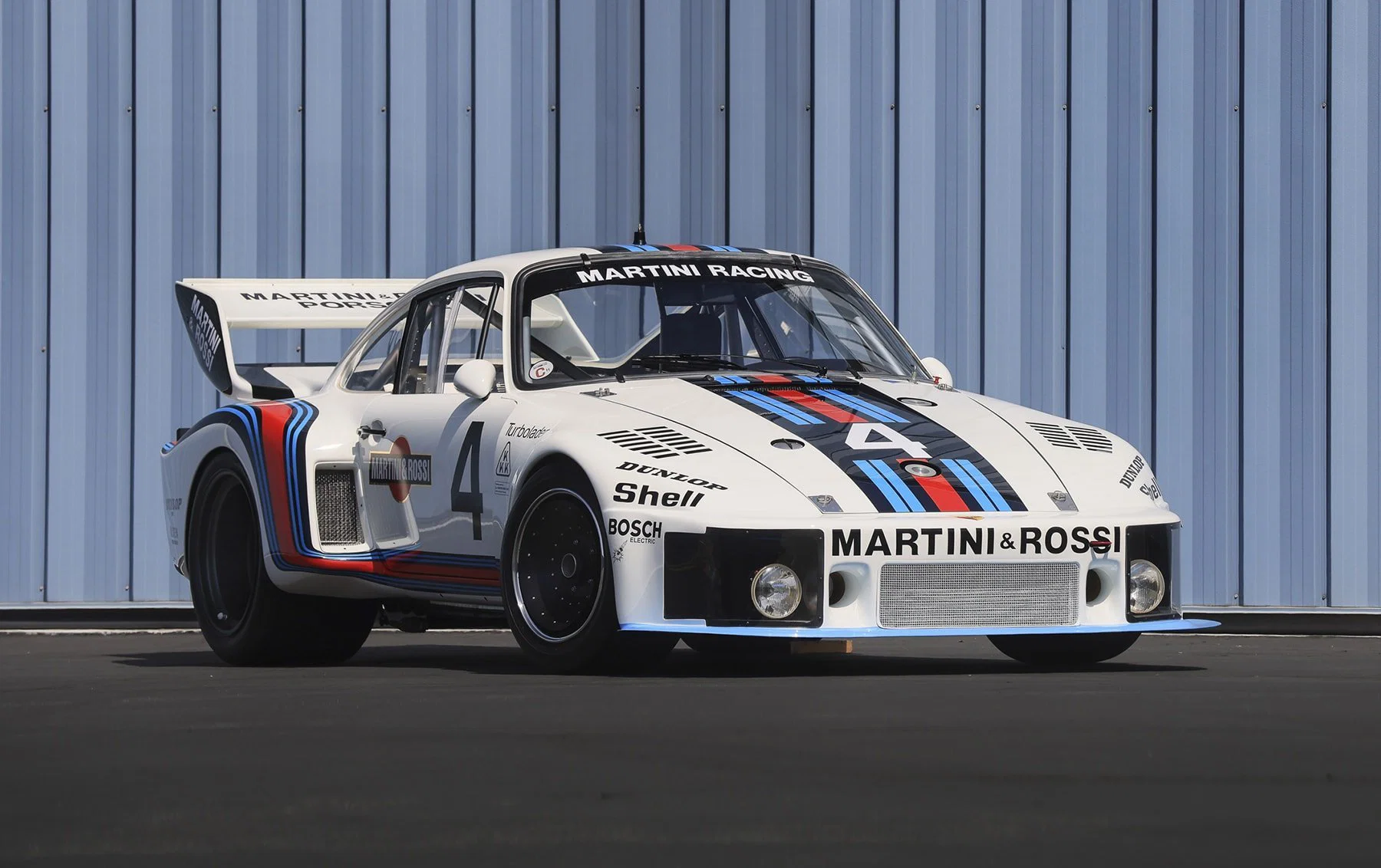
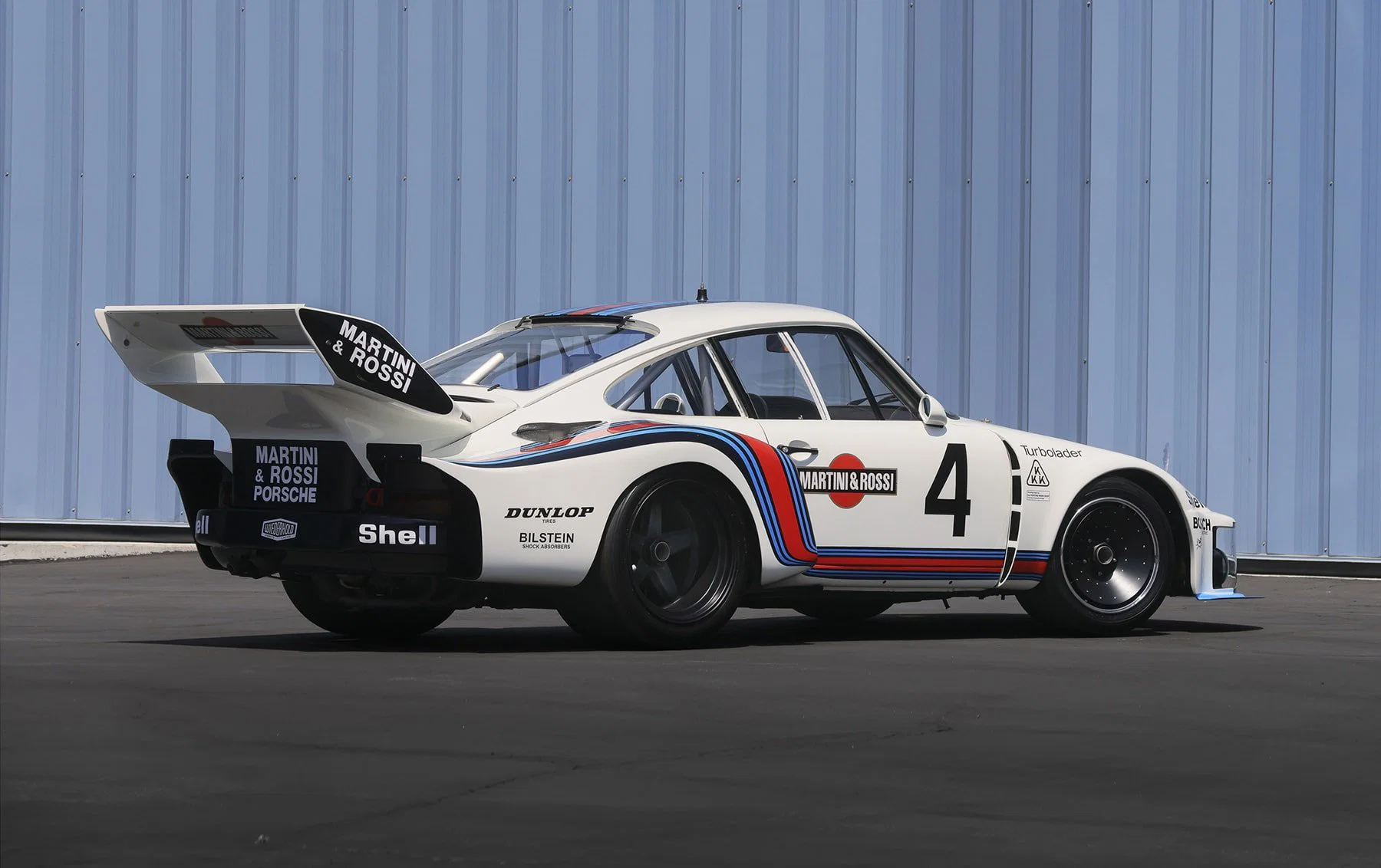
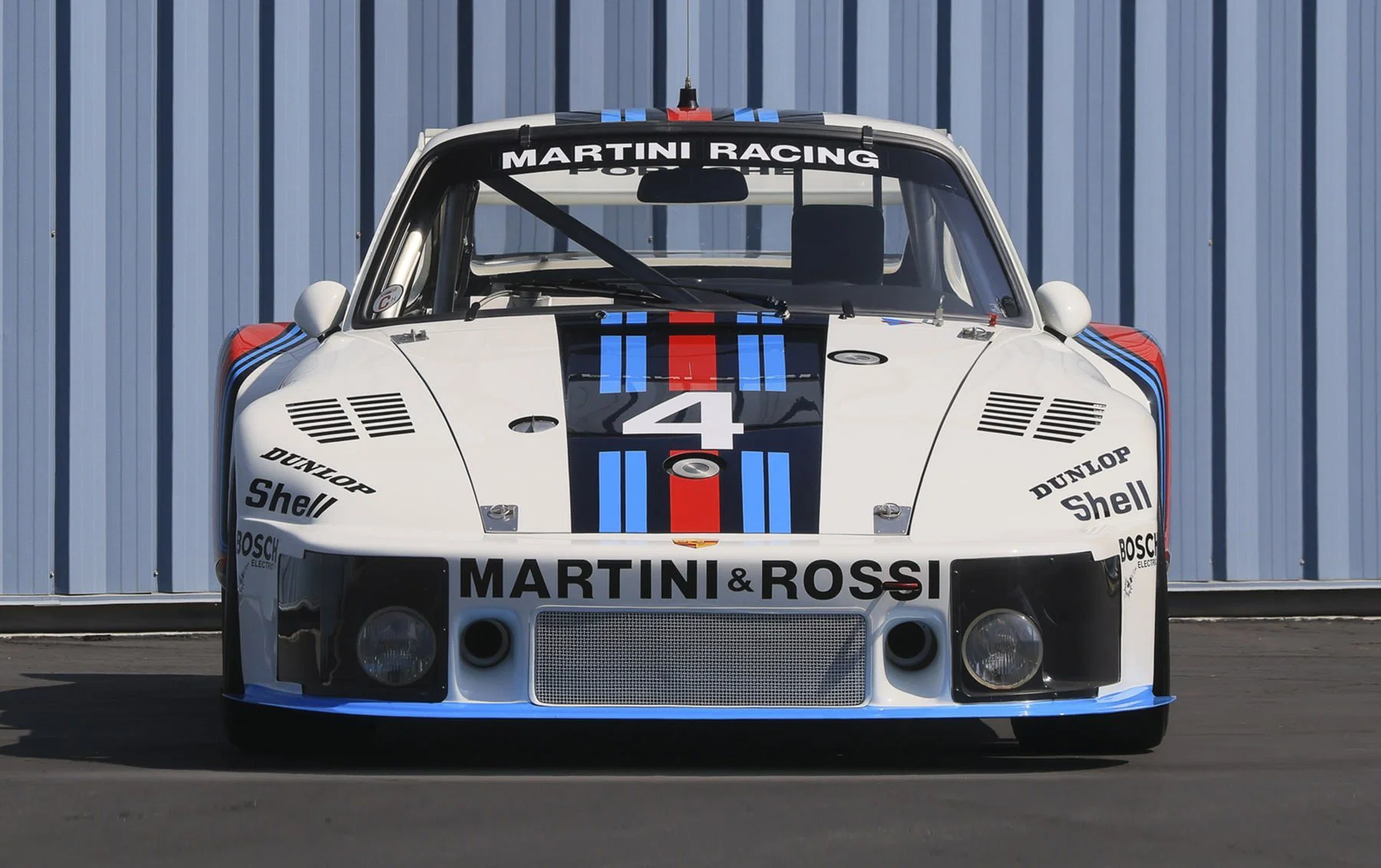
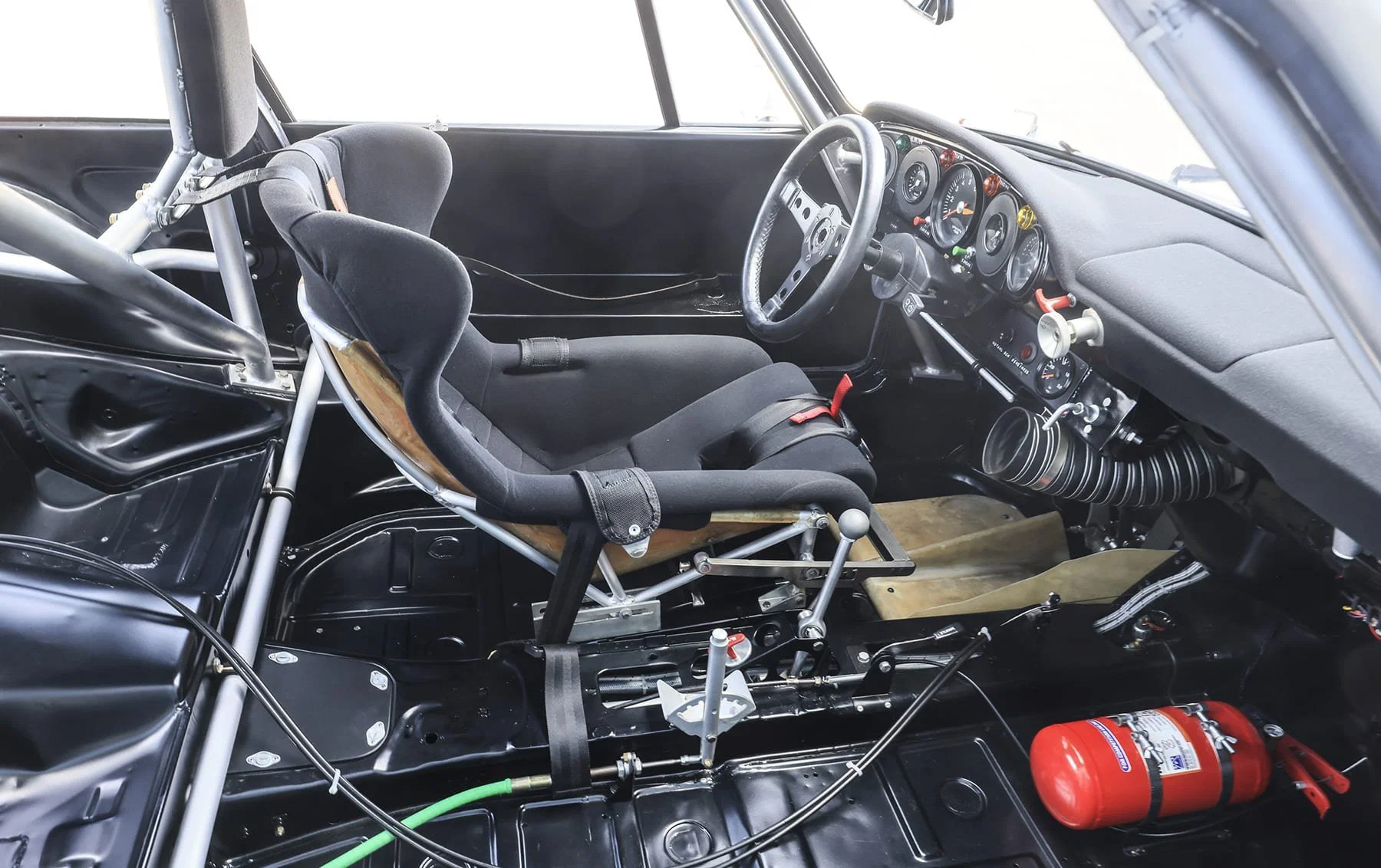
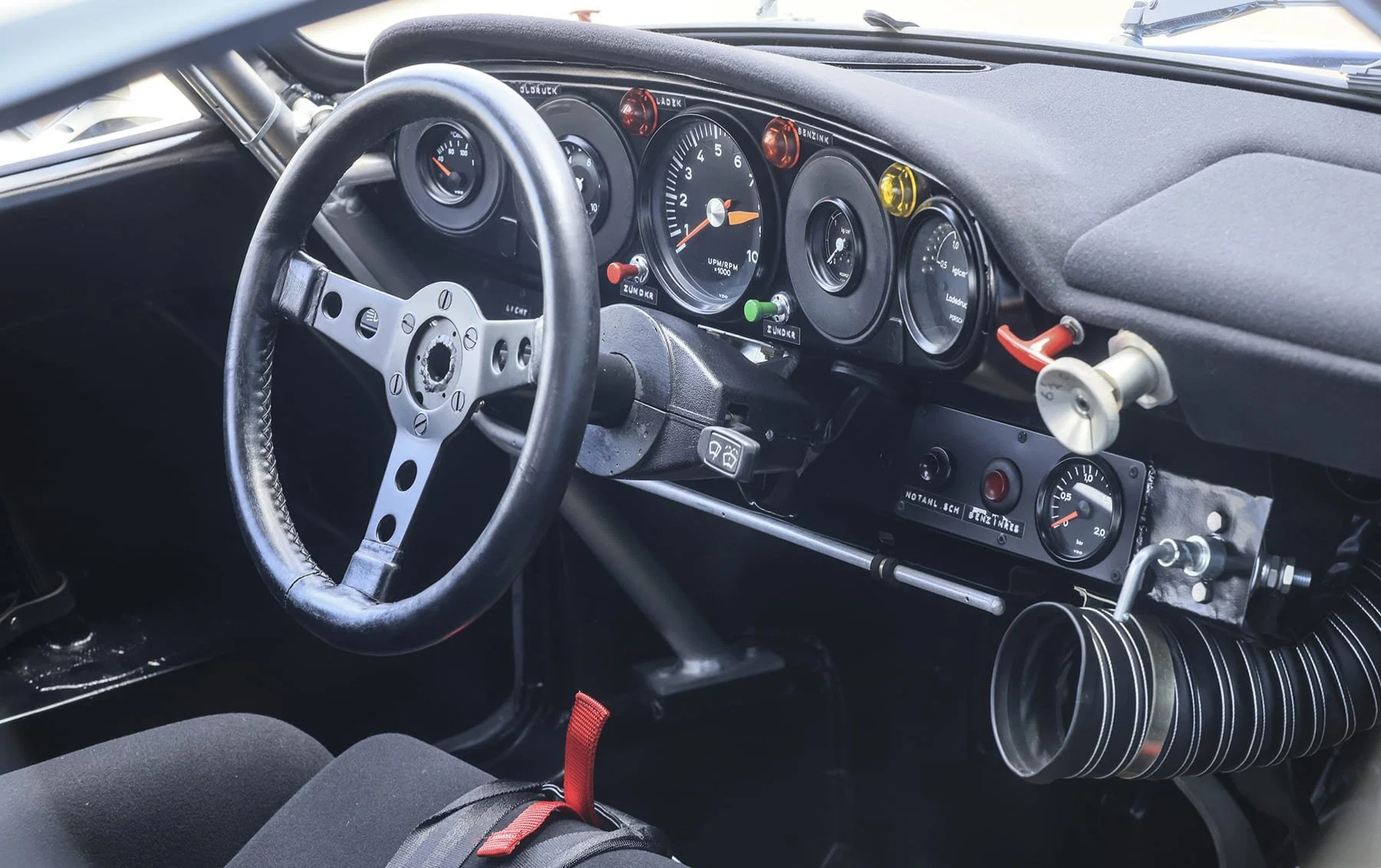
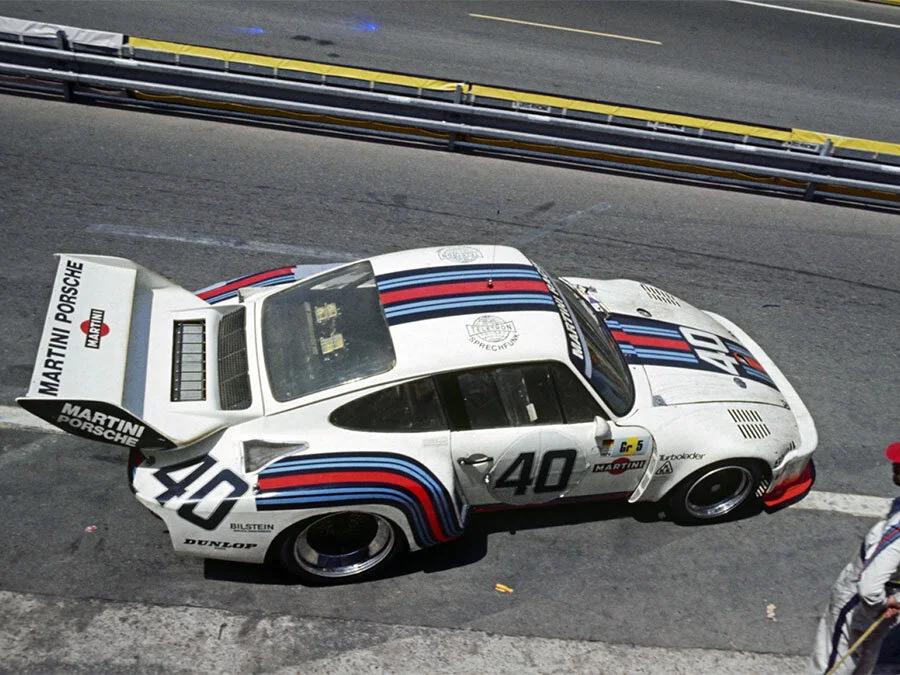
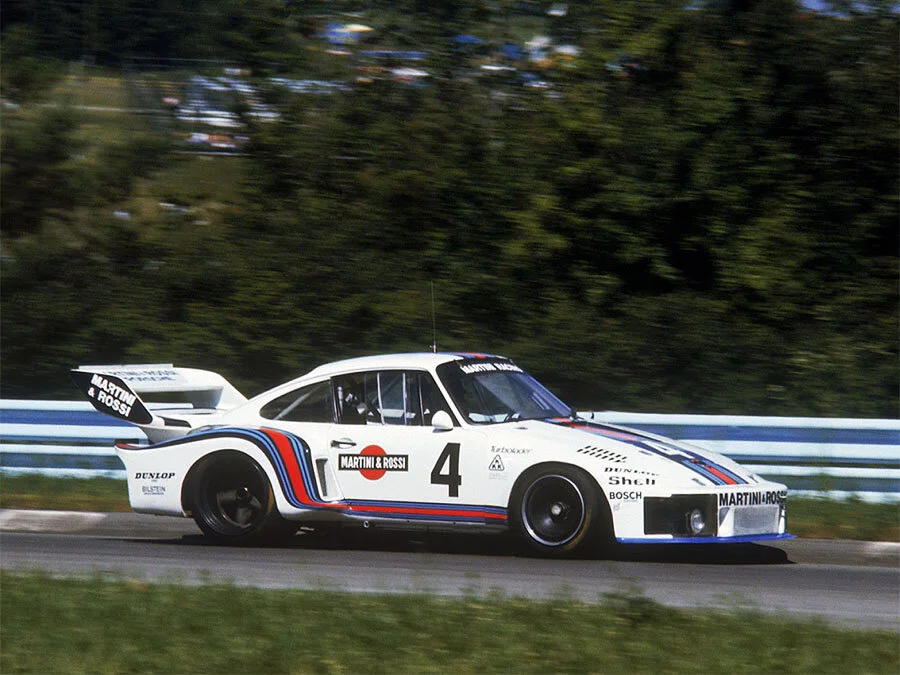
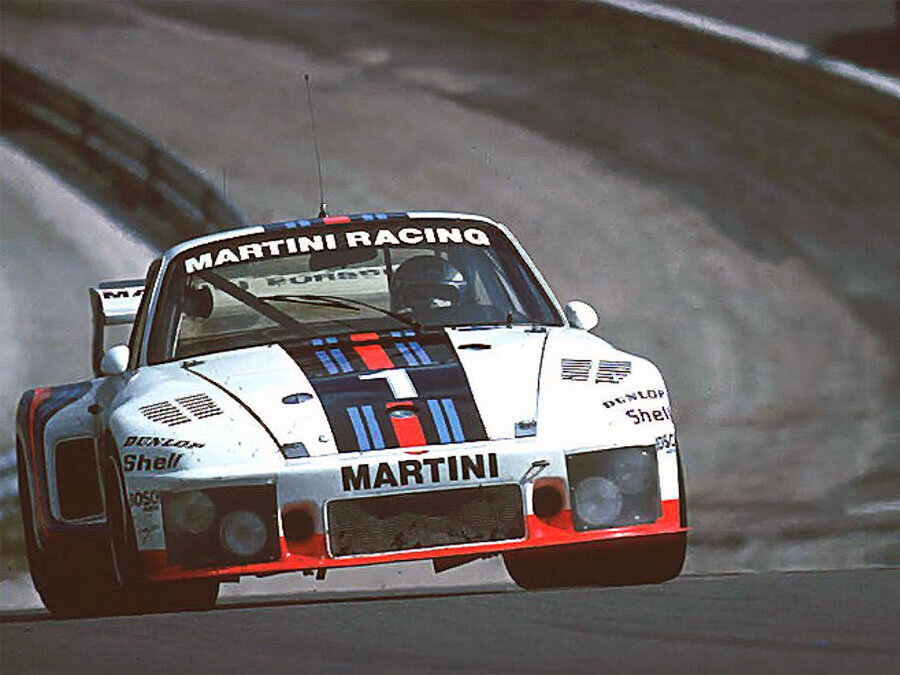
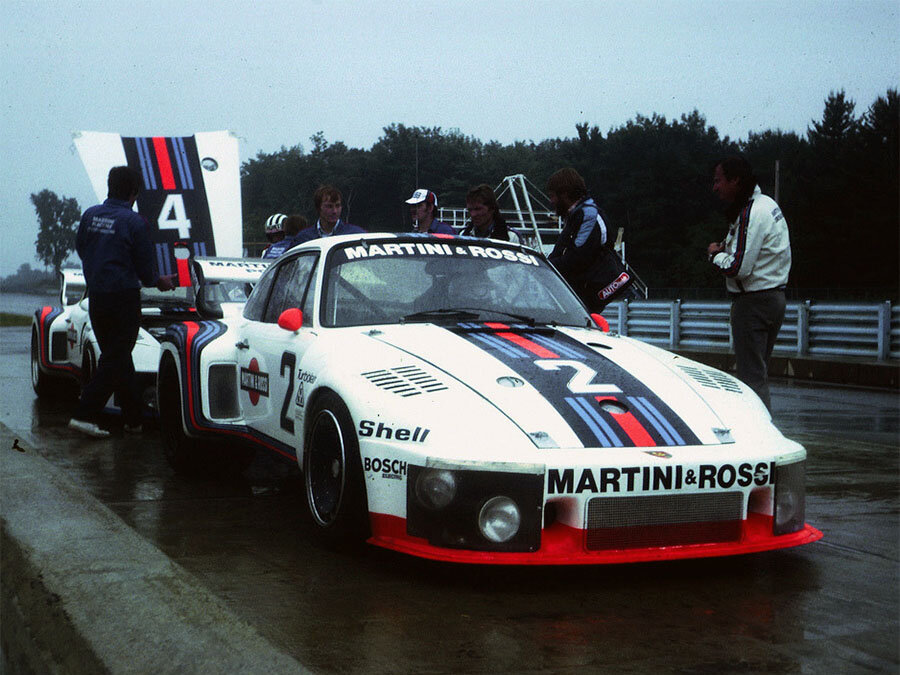
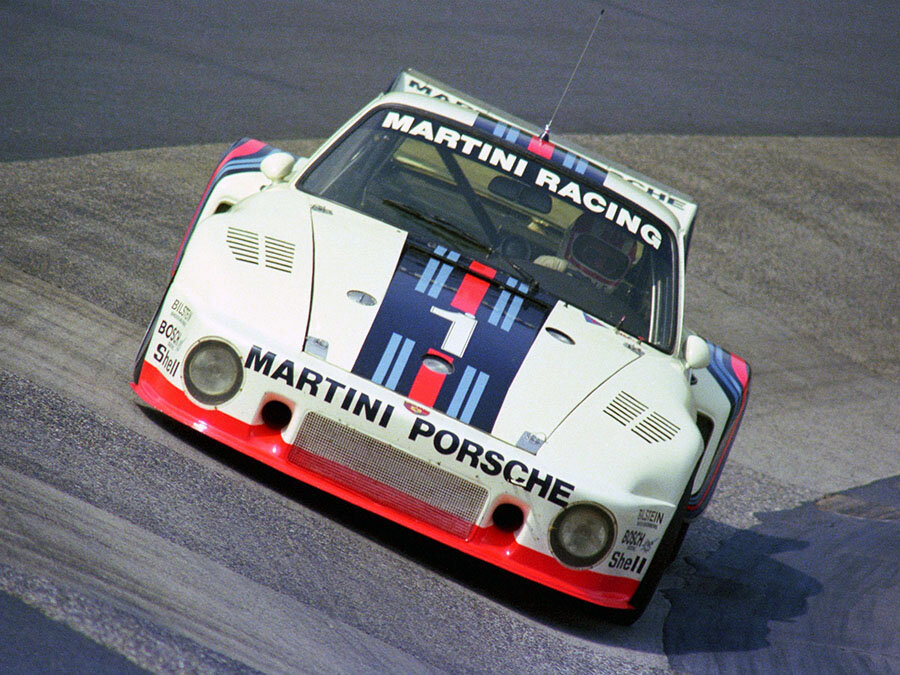
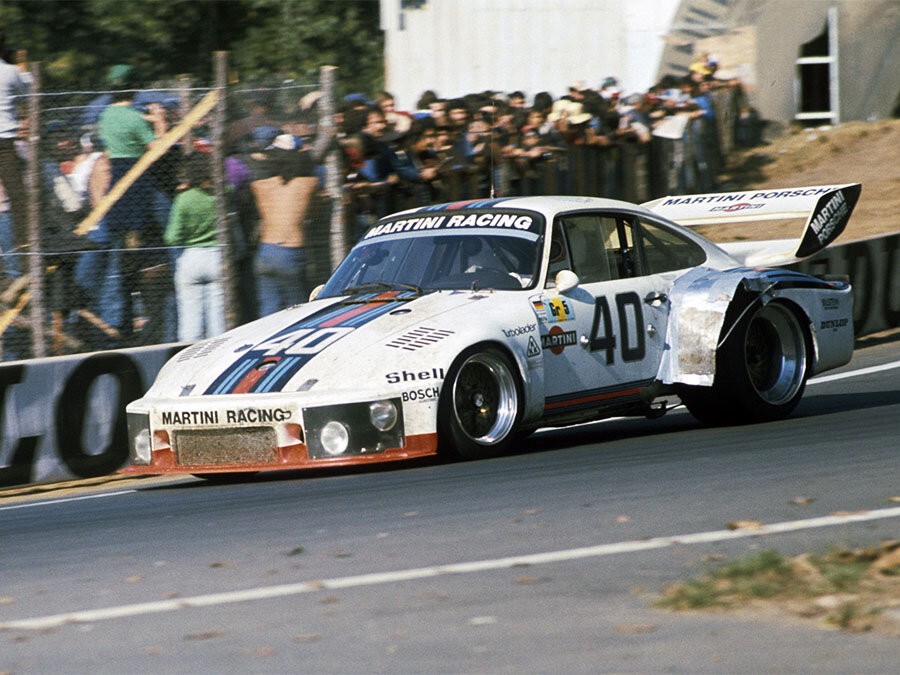
The 1976 motorsport season marked a violent, spectacular watershed moment in the history of endurance racing. The FIA had fundamentally rewritten the rulebook for the World Championship for Makes, introducing the spectacular Group 5 Silhouette formula. This new category mandated that race cars must retain the basic greenhouse, doors, and original floorpan of their road-going counterparts, but left the fenders, aerodynamics, and track width gloriously open to radical interpretation. While Zuffenhausen had simultaneously developed the Group 4 Porsche 934 for its wealthy privateer customers, the factory demanded an uncompromised, bespoke weapon to secure the World Championship under its own banner. To achieve this, legendary race engineer Norbert Singer took the basic architecture of the newly introduced 930 Turbo and stretched the rulebook to its absolute snapping point. The result was the 1976 Porsche 935/76, a brutal, wide-hipped, fire-breathing leviathan that stepped into the arena draped in the immortal Martini Racing stripes. Its primary mission was to annihilate the highly developed BMW E9 3.5 CSLs and establish an era of forced-induction supremacy that would redefine GT racing forever.
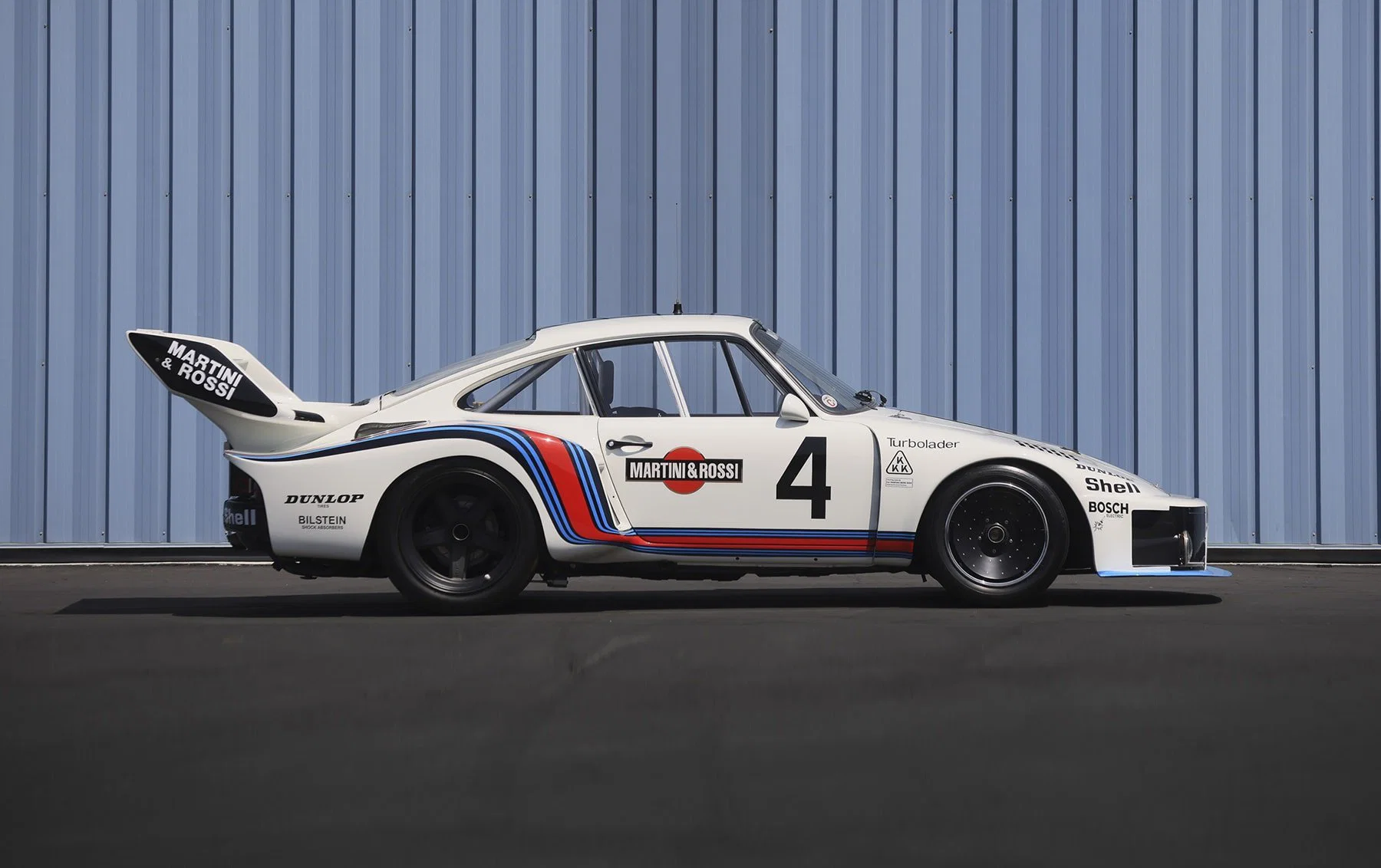
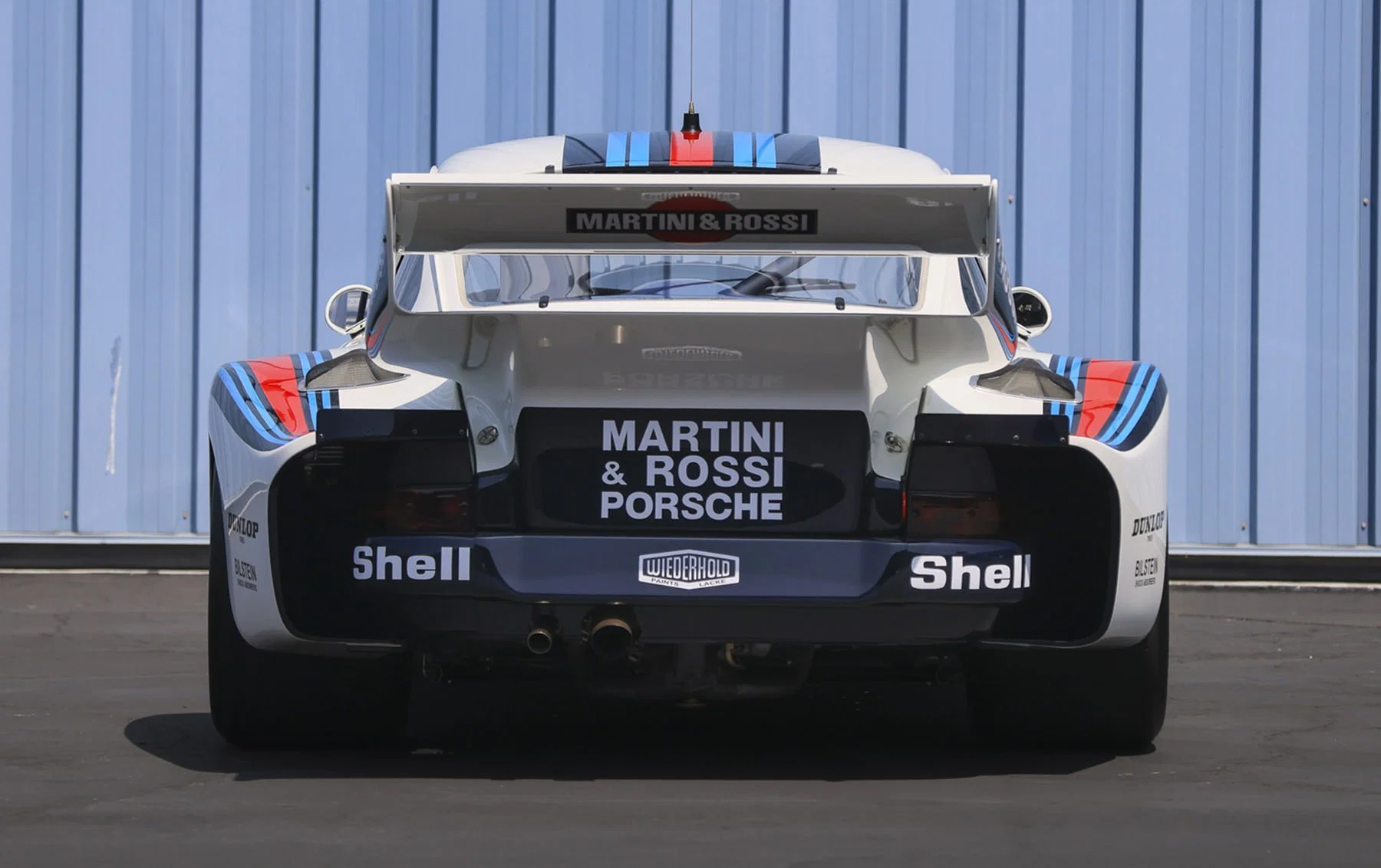
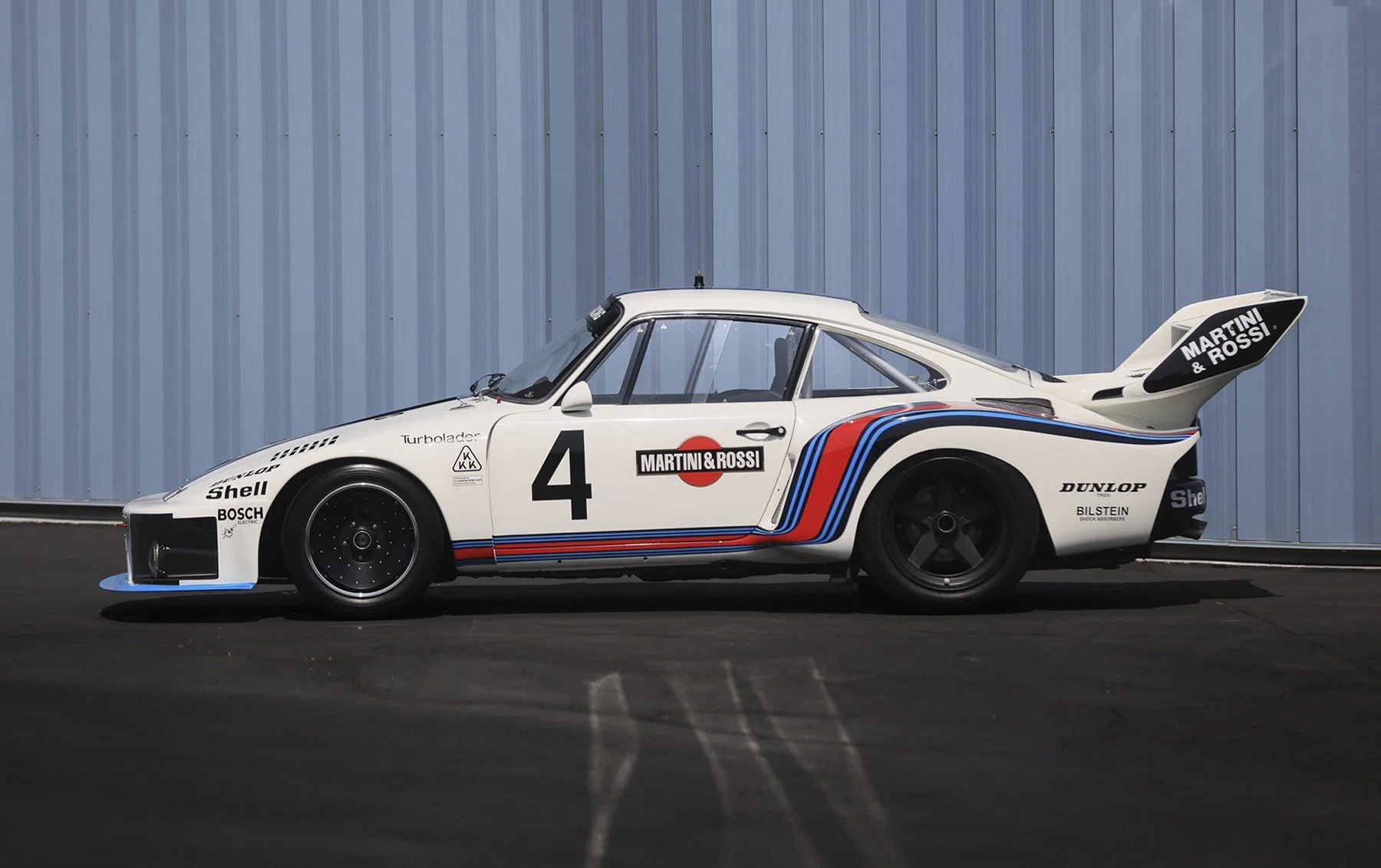
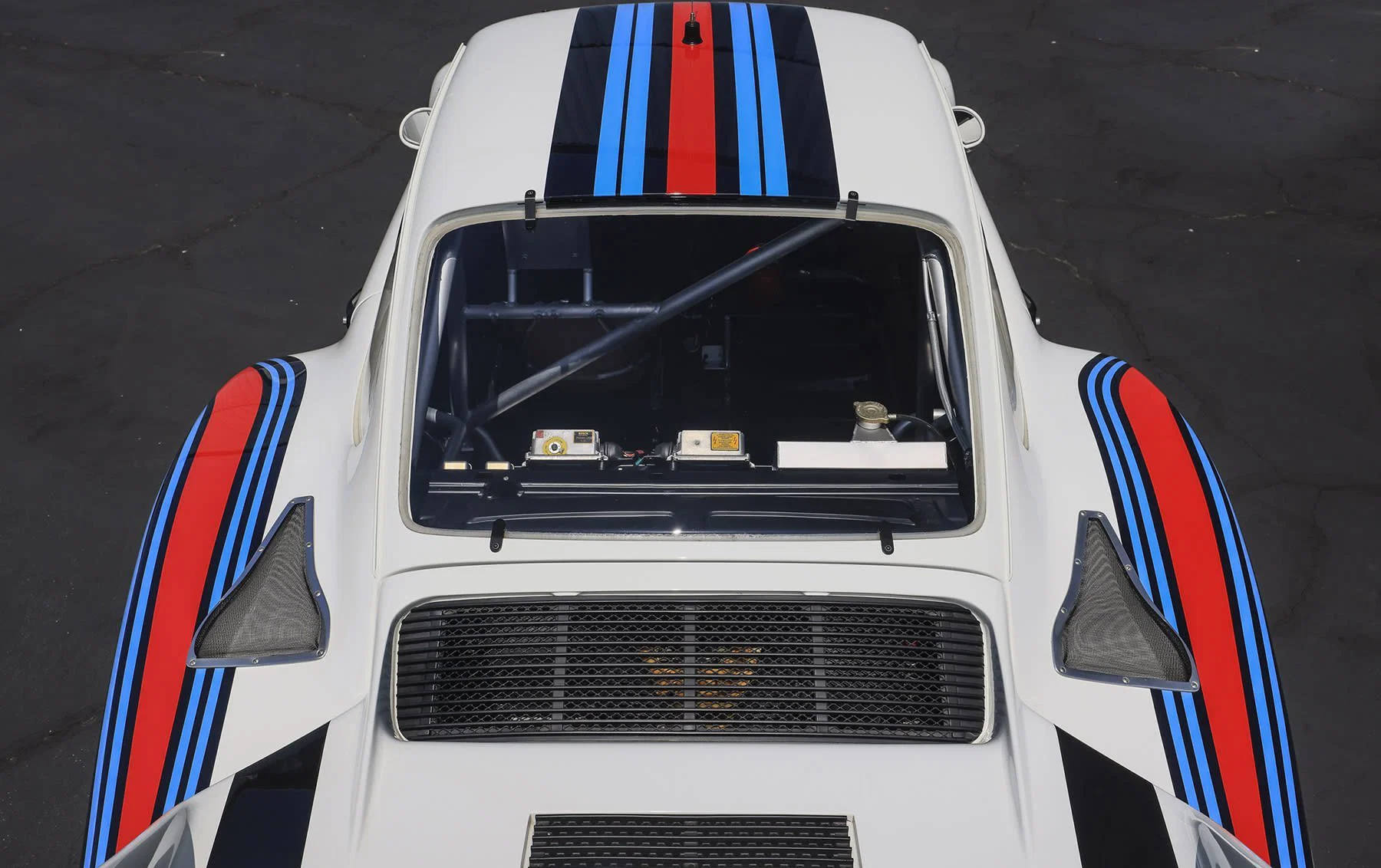
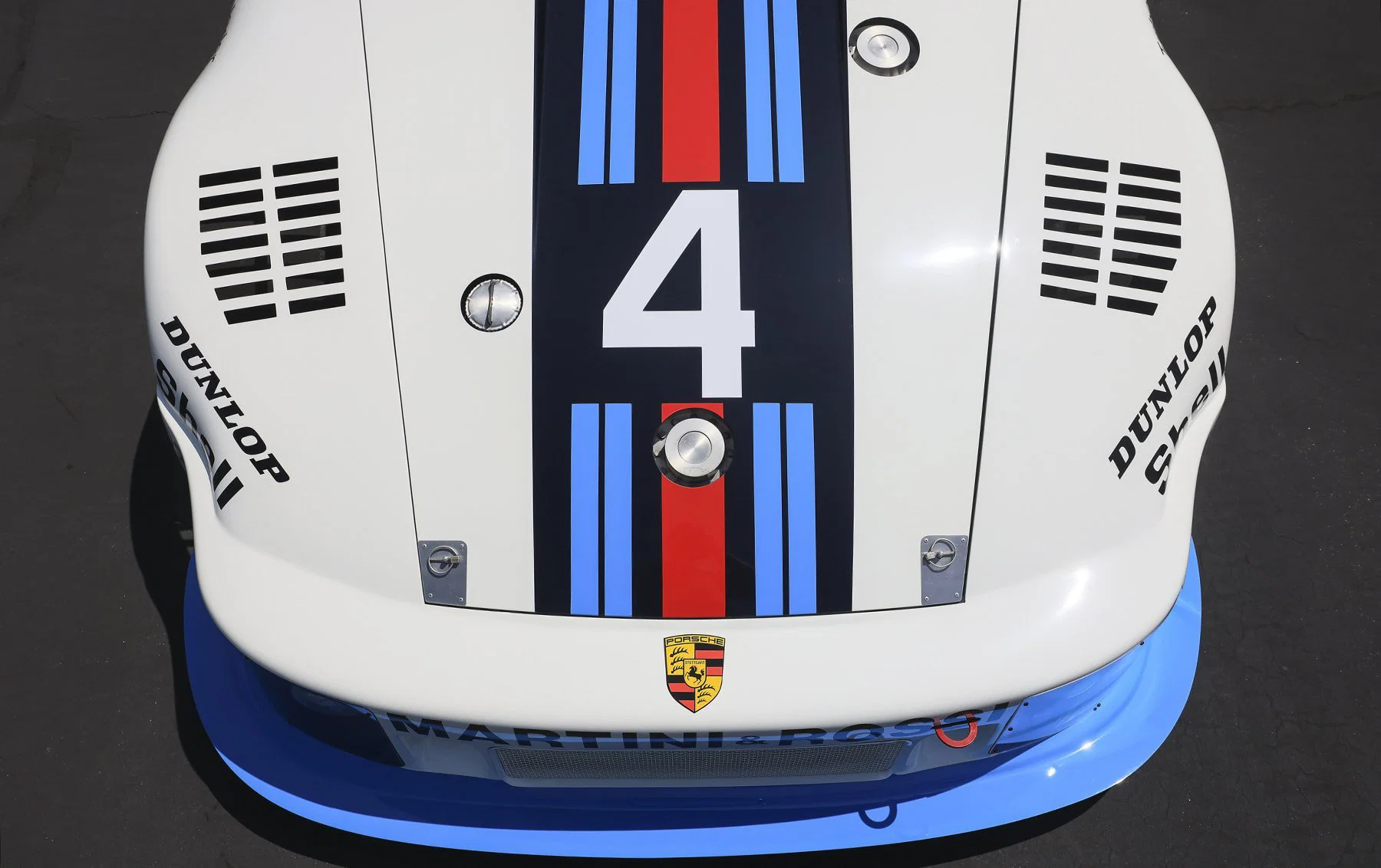
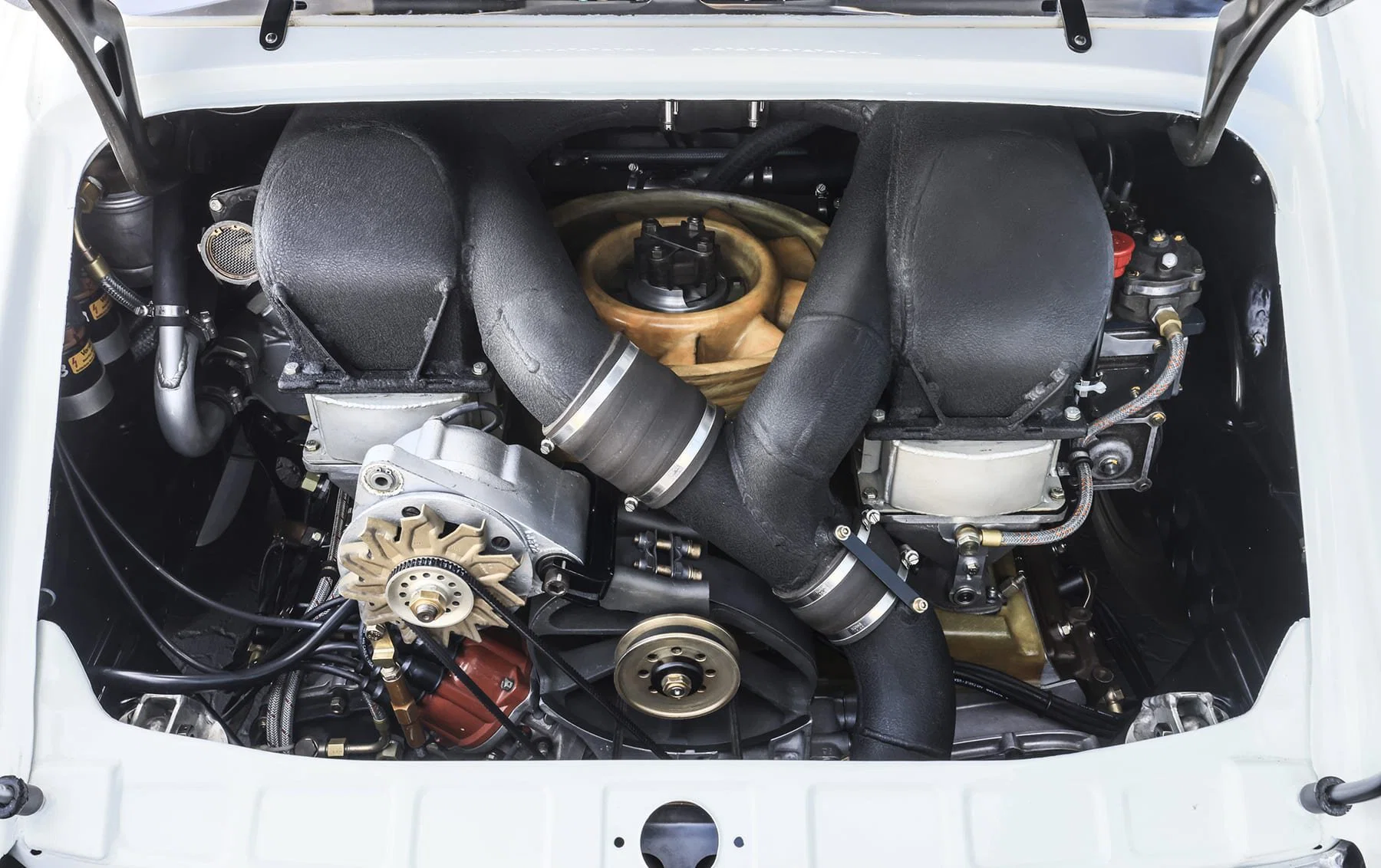
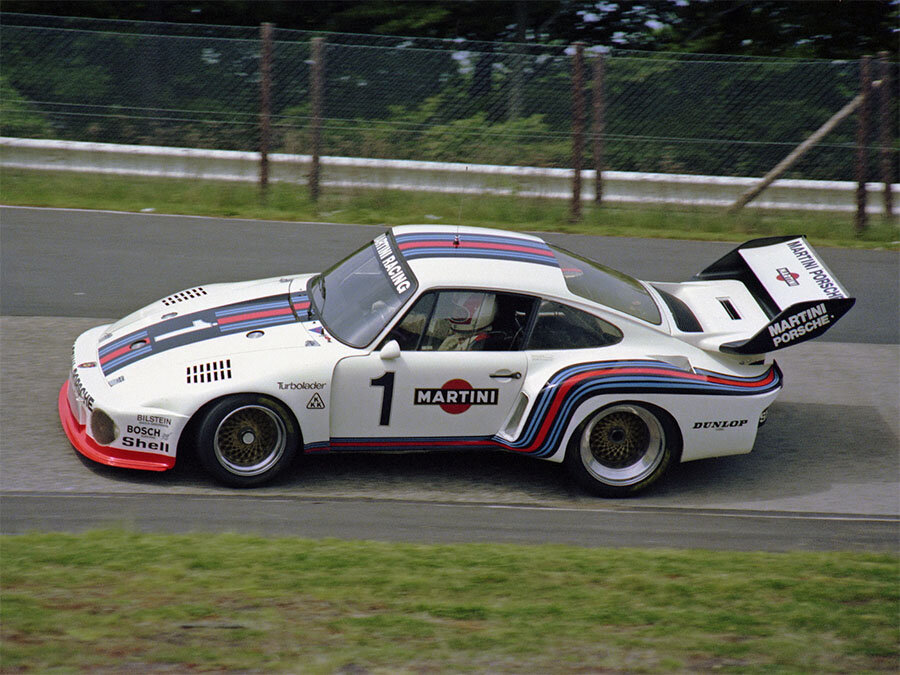
To analyze the 935/76 is to witness one of the most brilliant aerodynamic loopholes ever exploited in motorsport. Singer realized that while the rules required the original fenders to remain, they did not explicitly forbid the complete removal of the headlights from those fenders. By relocating the headlights to the deep front fiberglass air dam, Singer flattened the traditional upright wings of the 911, giving birth to the legendary “Flachbau” or flat-nose profile. This ingenious modification drastically reduced aerodynamic drag and eradicated the front-end lift that had always plagued the rear-heavy 911 chassis at high speeds. The rear of the car was equally radical, featuring massively flared fiberglass haunches to shroud preposterously wide 15-inch BBS center-lock wheels, all capped by a sprawling, towering rear wing. Hidden beneath this spectacular aero package lay the Type 930/72 flat-six engine. Because the FIA utilized a 1.4 equivalency multiplier for turbocharged engines, Singer reduced the displacement to 2.85 liters, allowing the car to compete comfortably within the 4.0-liter weight class. Fitted with a massive KKK turbocharger and Bosch mechanical fuel injection, this air-cooled marvel produced a staggering 590 brake horsepower at a shrieking 7,900 rpm. To handle this volcanic wave of torque, the standard five-speed gearbox was abandoned in favor of a nearly indestructible four-speed transaxle. Braking duties were handled by the proven, cross-drilled components from the legendary 917 prototype, while the suspension replaced traditional torsion bars with adjustable titanium coil springs, transforming the 970-kilogram silhouette into a surgical, planted track weapon.
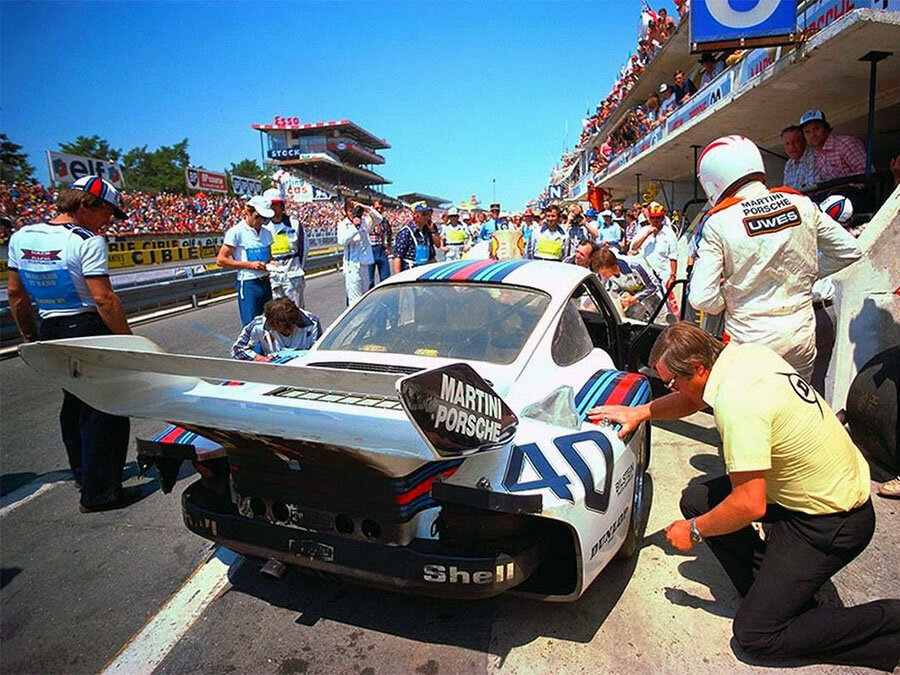
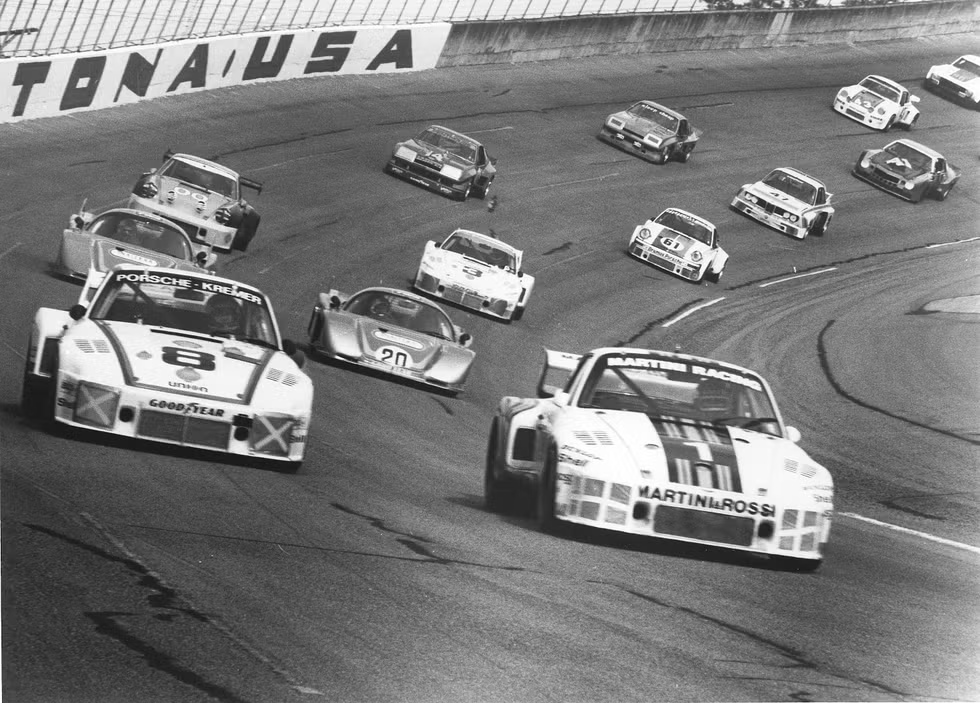
When the 1976 Porsche 935/76 was unleashed upon the World Championship, it delivered an immediate, psychological blow to the competition. Piloted primarily by the legendary pairing of Jacky Ickx and Jochen Mass, the Martini-liveried monster debuted at the 6 Hours of Mugello in March. It didn’t just win; it utterly humiliated the field, lapping the second-place BMW CSL multiple times. The 935 followed this with another dominant victory at Vallelunga. However, the season was not without its intense political and mechanical drama. Mid-season, BMW heavily challenged the legality of Porsche’s air-to-air intercooler setup, forcing Singer to rapidly adapt the car to a water-to-air system, briefly handing the momentum back to Munich. Yet, the 935/76 was too mechanically robust and too aerodynamically superior to be held down. It bounced back to secure crucial overall victories at the 6 Hours of Watkins Glen and Dijon. At the 24 Hours of Le Mans, the 935/76 proved its unburstable endurance; running alongside pure Group 6 prototypes, the silhouette Porsche finished an astonishing 4th overall and secured a dominant victory in the Group 5 class. By the end of the grueling season, the 935/76 had successfully achieved its singular mandate, winning the World Championship for Makes and breaking the spirit of the naturally aspirated establishment.
The Porsche 935/76 was the crucial genesis point—the “Patient Zero” of the most dominant GT racing dynasty of the late 20th century. By proving that the silhouette formula could be mastered through relentless aerodynamic innovation and bulletproof turbocharging, this specific 1976 works car laid the indestructible foundation for the evolution that followed. It birthed the twin-turbocharged 935/77, the radically elongated 1978 ‘Moby Dick’, and the phenomenally successful privateer K3 models that would eventually win Le Mans outright in 1979. The 935/76 is remembered today not just for its breathtaking speed, but for its sheer audacity. It stands as a monument to Norbert Singer’s genius and the era when a road-going sports car could be legally mutated into a flat-nosed, fire-spitting spaceship that conquered the world.
Brand
Produced from
Portal
Vehicle category
Model line
Model generation
Predecessor
Sucessor
Brand
Produced from
Portal
Vehicle category
Model line
Model generation
Predecessor
Sucessor
Submodel Overview
The 1976 motorsport season marked a violent, spectacular watershed moment in the history of endurance racing. The FIA had fundamentally rewritten the rulebook for the World Championship for Makes, introducing the spectacular Group 5 Silhouette formula. This new category mandated that race cars must retain the basic greenhouse, doors, and original floorpan of their road-going counterparts, but left the fenders, aerodynamics, and track width gloriously open to radical interpretation. While Zuffenhausen had simultaneously developed the Group 4 Porsche 934 for its wealthy privateer customers, the factory demanded an uncompromised, bespoke weapon to secure the World Championship under its own banner. To achieve this, legendary race engineer Norbert Singer took the basic architecture of the newly introduced 930 Turbo and stretched the rulebook to its absolute snapping point. The result was the 1976 Porsche 935/76, a brutal, wide-hipped, fire-breathing leviathan that stepped into the arena draped in the immortal Martini Racing stripes. Its primary mission was to annihilate the highly developed BMW E9 3.5 CSLs and establish an era of forced-induction supremacy that would redefine GT racing forever.
To analyze the 935/76 is to witness one of the most brilliant aerodynamic loopholes ever exploited in motorsport. Singer realized that while the rules required the original fenders to remain, they did not explicitly forbid the complete removal of the headlights from those fenders. By relocating the headlights to the deep front fiberglass air dam, Singer flattened the traditional upright wings of the 911, giving birth to the legendary “Flachbau” or flat-nose profile. This ingenious modification drastically reduced aerodynamic drag and eradicated the front-end lift that had always plagued the rear-heavy 911 chassis at high speeds. The rear of the car was equally radical, featuring massively flared fiberglass haunches to shroud preposterously wide 15-inch BBS center-lock wheels, all capped by a sprawling, towering rear wing. Hidden beneath this spectacular aero package lay the Type 930/72 flat-six engine. Because the FIA utilized a 1.4 equivalency multiplier for turbocharged engines, Singer reduced the displacement to 2.85 liters, allowing the car to compete comfortably within the 4.0-liter weight class. Fitted with a massive KKK turbocharger and Bosch mechanical fuel injection, this air-cooled marvel produced a staggering 590 brake horsepower at a shrieking 7,900 rpm. To handle this volcanic wave of torque, the standard five-speed gearbox was abandoned in favor of a nearly indestructible four-speed transaxle. Braking duties were handled by the proven, cross-drilled components from the legendary 917 prototype, while the suspension replaced traditional torsion bars with adjustable titanium coil springs, transforming the 970-kilogram silhouette into a surgical, planted track weapon.
When the 1976 Porsche 935/76 was unleashed upon the World Championship, it delivered an immediate, psychological blow to the competition. Piloted primarily by the legendary pairing of Jacky Ickx and Jochen Mass, the Martini-liveried monster debuted at the 6 Hours of Mugello in March. It didn’t just win; it utterly humiliated the field, lapping the second-place BMW CSL multiple times. The 935 followed this with another dominant victory at Vallelunga. However, the season was not without its intense political and mechanical drama. Mid-season, BMW heavily challenged the legality of Porsche’s air-to-air intercooler setup, forcing Singer to rapidly adapt the car to a water-to-air system, briefly handing the momentum back to Munich. Yet, the 935/76 was too mechanically robust and too aerodynamically superior to be held down. It bounced back to secure crucial overall victories at the 6 Hours of Watkins Glen and Dijon. At the 24 Hours of Le Mans, the 935/76 proved its unburstable endurance; running alongside pure Group 6 prototypes, the silhouette Porsche finished an astonishing 4th overall and secured a dominant victory in the Group 5 class. By the end of the grueling season, the 935/76 had successfully achieved its singular mandate, winning the World Championship for Makes and breaking the spirit of the naturally aspirated establishment.
The Porsche 935/76 was the crucial genesis point—the “Patient Zero” of the most dominant GT racing dynasty of the late 20th century. By proving that the silhouette formula could be mastered through relentless aerodynamic innovation and bulletproof turbocharging, this specific 1976 works car laid the indestructible foundation for the evolution that followed. It birthed the twin-turbocharged 935/77, the radically elongated 1978 ‘Moby Dick’, and the phenomenally successful privateer K3 models that would eventually win Le Mans outright in 1979. The 935/76 is remembered today not just for its breathtaking speed, but for its sheer audacity. It stands as a monument to Norbert Singer’s genius and the era when a road-going sports car could be legally mutated into a flat-nosed, fire-spitting spaceship that conquered the world.
Tech Specs
Technical Specifications
Tech Specs
Technical Specifications
Engine
01
03
Internal combustion engine
Configuration
Porsche Type 930/72, Flat-6 (Boxer) - Air-cooled
Location
Rear, longitudinally mounted
Construction
Aluminium alloy block and heads
Displacement (cc)
2,857 cc
Displacement (cu in)
174.3 cu in
Compression
6.5:1
Bore x Stroke
92.8 mm x 70.4 mm
Valvetrain
2 valves per cylinder, SOHC
Fuel feed
Bosch mechanical fuel injection
Lubrication
Dry sump
Aspiration
Turbocharged (Single KKK turbocharger)
Output
Power (hp)
~590 hp
Power (kW)
~440 kW
Max power at
7,900 RPM
Torque (Nm)
~588 Nm
Torque (ft lbs)
~434 ft lbs
Max torque at
5,400 RPM
Drivetrain
02
03
Chassis
Type
Monocoque unibody
Material
Steel
Body
Material
Fibreglass (GRP) body panels with steel roof and doors
Transmission
Gearbox
Porsche Type 930, 4-speed manual (with external oil cooler)
Drive
Rear Wheel Drive (Locked solid spool differential)
Suspension
Front
Independent, McPherson struts, titanium coil springs over telescopic dampers, adjustable anti-roll bar
Rear
Independent, semi-trailing arms, titanium coil springs over telescopic dampers, adjustable anti-roll bar
Steering
Type
Rack and pinion, unassisted
Brakes
Front
Ventilated and cross-drilled steel discs (Porsche 917 derived), 4-piston finned aluminium calipers
Rear
Ventilated and cross-drilled steel discs (Porsche 917 derived), 4-piston finned aluminium calipers
Wheels
Front
11" x 16" (Center-lock BBS multi-piece alloy)
Rear
15" x 19" (Center-lock BBS multi-piece alloy)
Tires
Front
275/600-16
Rear
350/700-19
Dimensions and performance
03
03
Dimensions
Length (mm)
4,681 mm
Length (in)
184.3 in
Width (mm)
1,970 mm
Width (in)
77.6 in
Height (mm)
1,265 mm
Height (in)
49.8 in
Wheelbase (mm)
2,271 mm
Wheelbase (in)
89.4 in
Weight (kg)
970 kg
Weight (lbs)
2,138 lbs
Performance
Power to weight
0.61 hp/kg
Top speed (km/h)
~340 km/h
Top speed (mph)
~211 mph
0-100 km/h (0-60 mph)
~3.3 s