
Rondeau M382 3.9 Ford Cosworth DFL
Brand
Produced from
Portal
Vehicle category
Model line
Predecessor
Successor
Submodel Overview
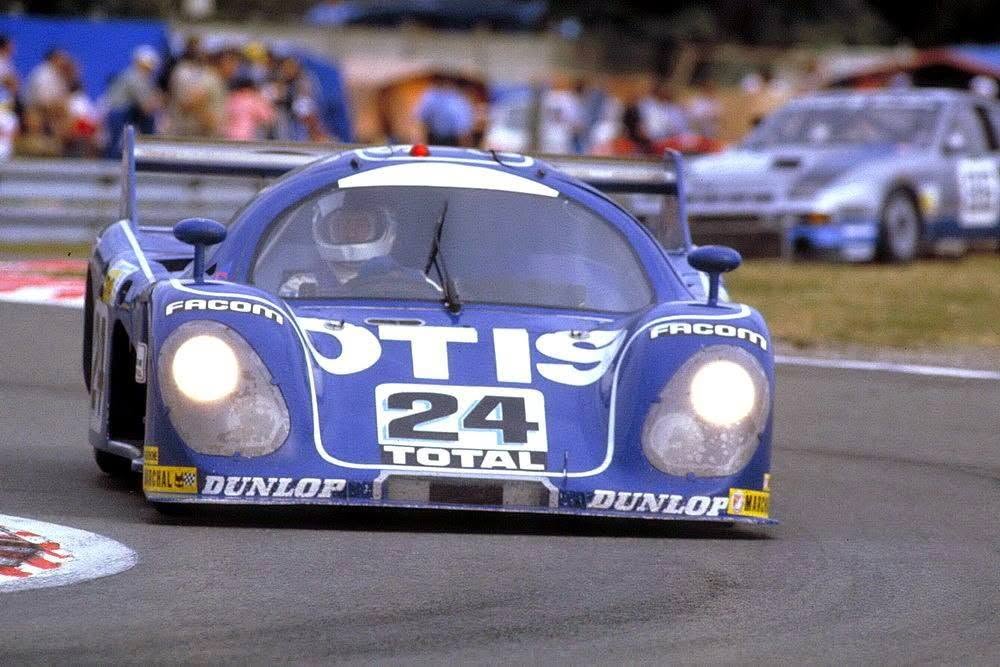
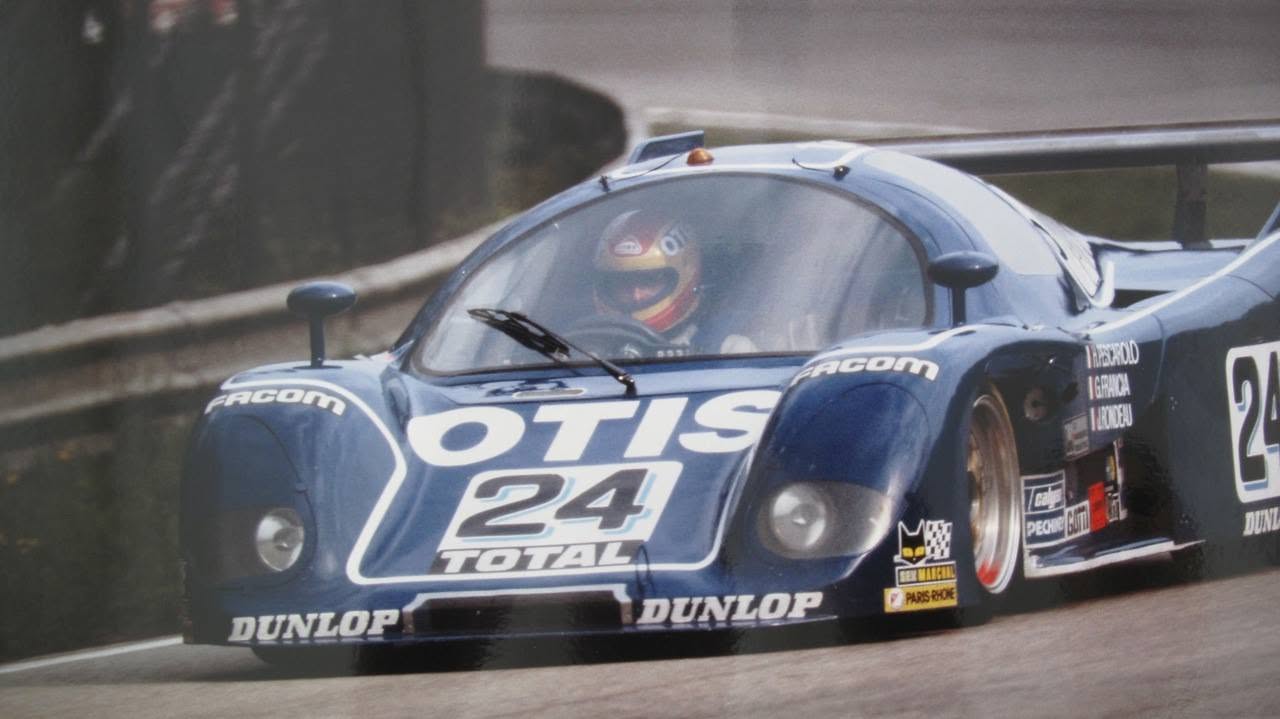
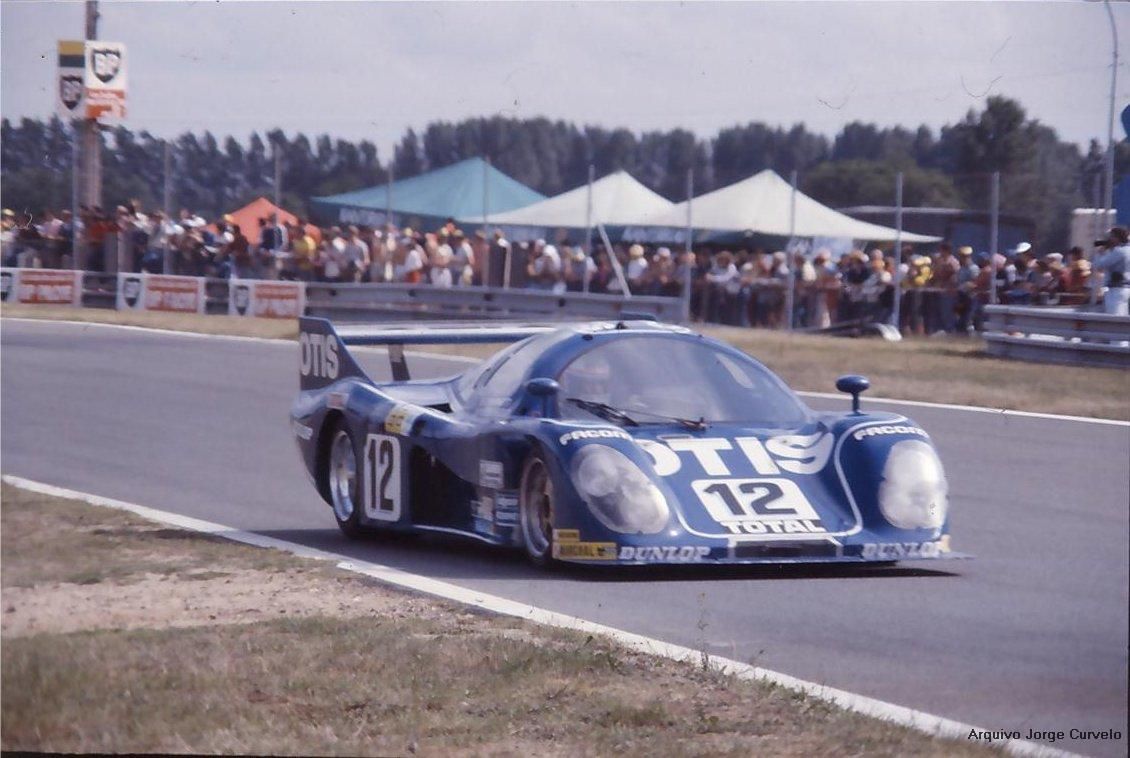
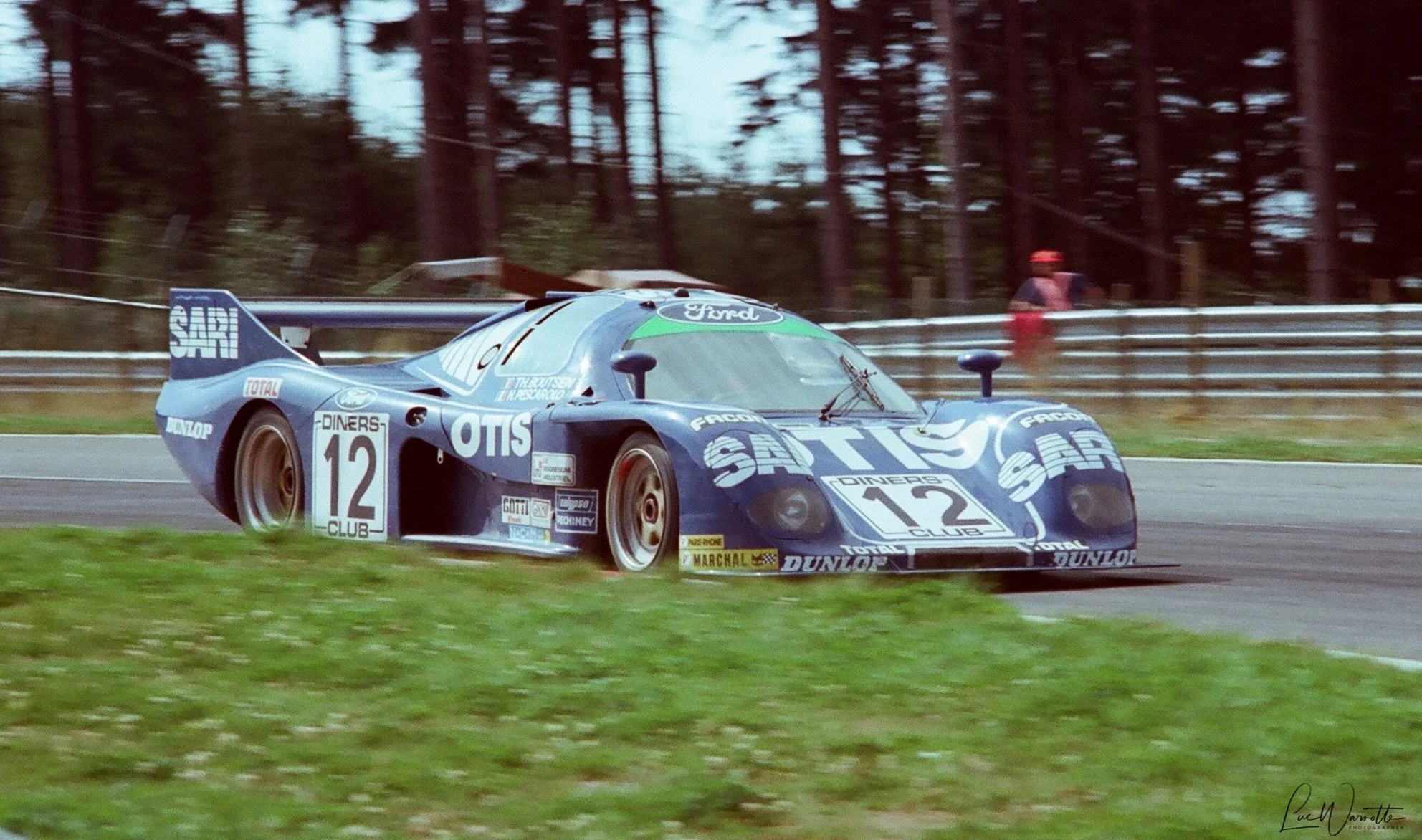
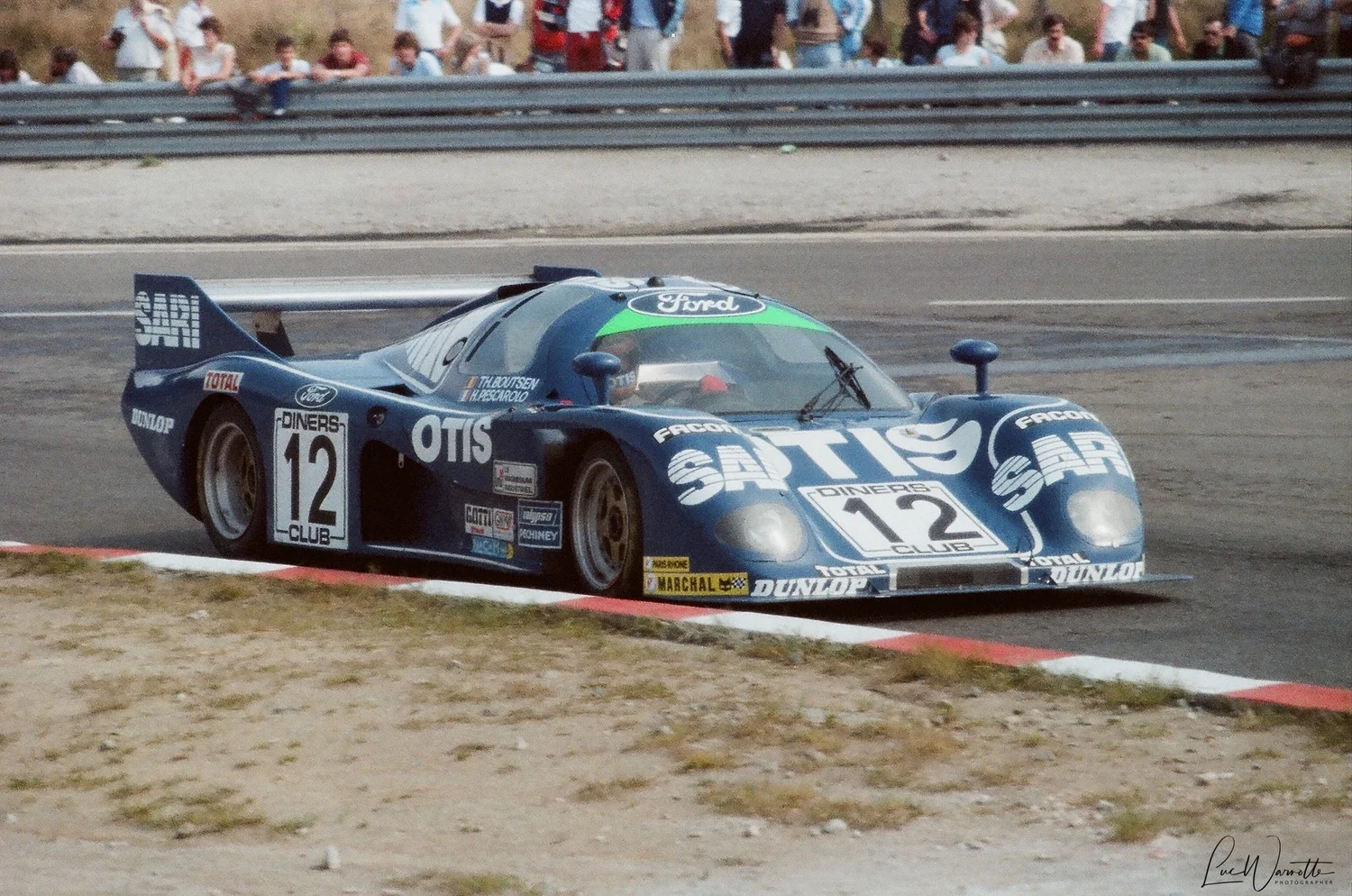
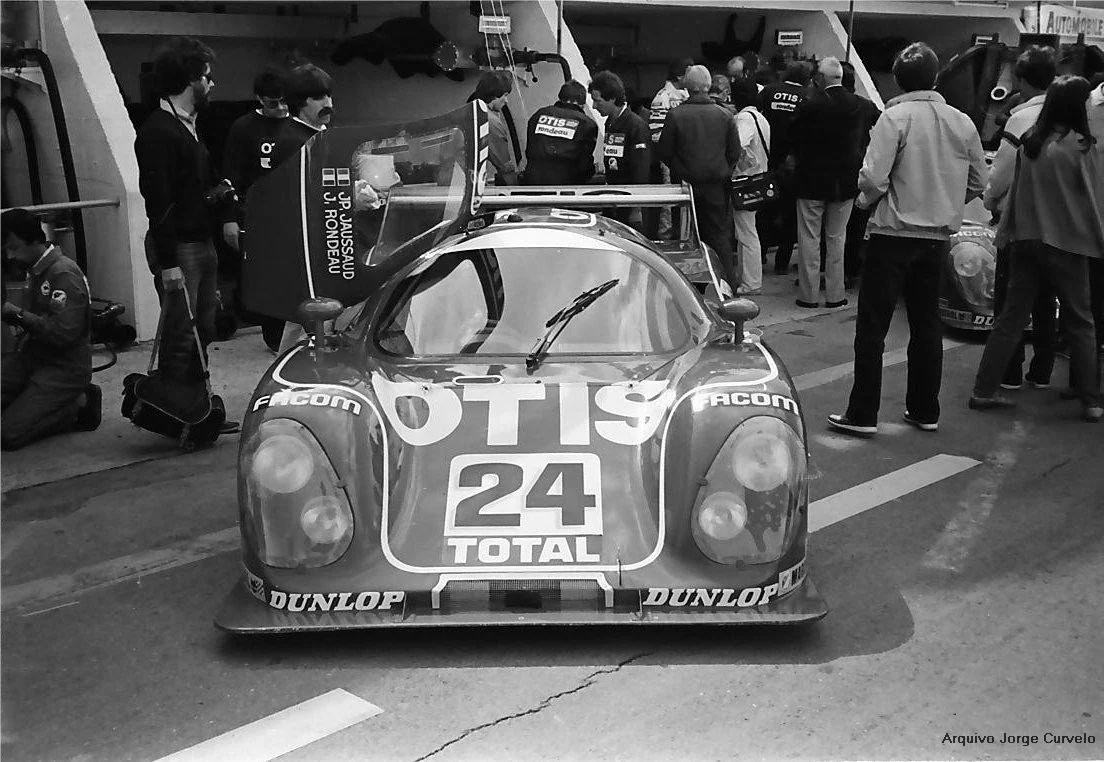
A relentless, teeth-chattering harmonic vibration coursed through the steering column before the car even left the pit lane. This was the brutal, inescapable reality of the 1982 Rondeau M382 when equipped with the experimental 3.9-liter Ford Cosworth DFL. The dawn of the FIA’s new Group C fuel-efficiency regulations in 1982 had plunged the global endurance racing paddock into a frenzy of innovation and anxiety. Jean Rondeau, the hometown hero who had achieved the impossible by winning the 1980 24 Hours of Le Mans in a car bearing his own name, was suddenly forced to defend his crown against the deepest corporate pockets in Germany. Porsche had just unleashed the otherworldly 956, an aluminium-monocoque, ground-effect spaceship that threatened to render the independent garagiste completely extinct. To fight this technological Goliath, Rondeau developed the M382, his very first Group C challenger. It was a muscular, pragmatic evolution of his earlier Le Mans-winning designs, forced into existence by the desperate need for more torque to meet the strict new fuel allocation rules without sacrificing top speed on the endless French straights.
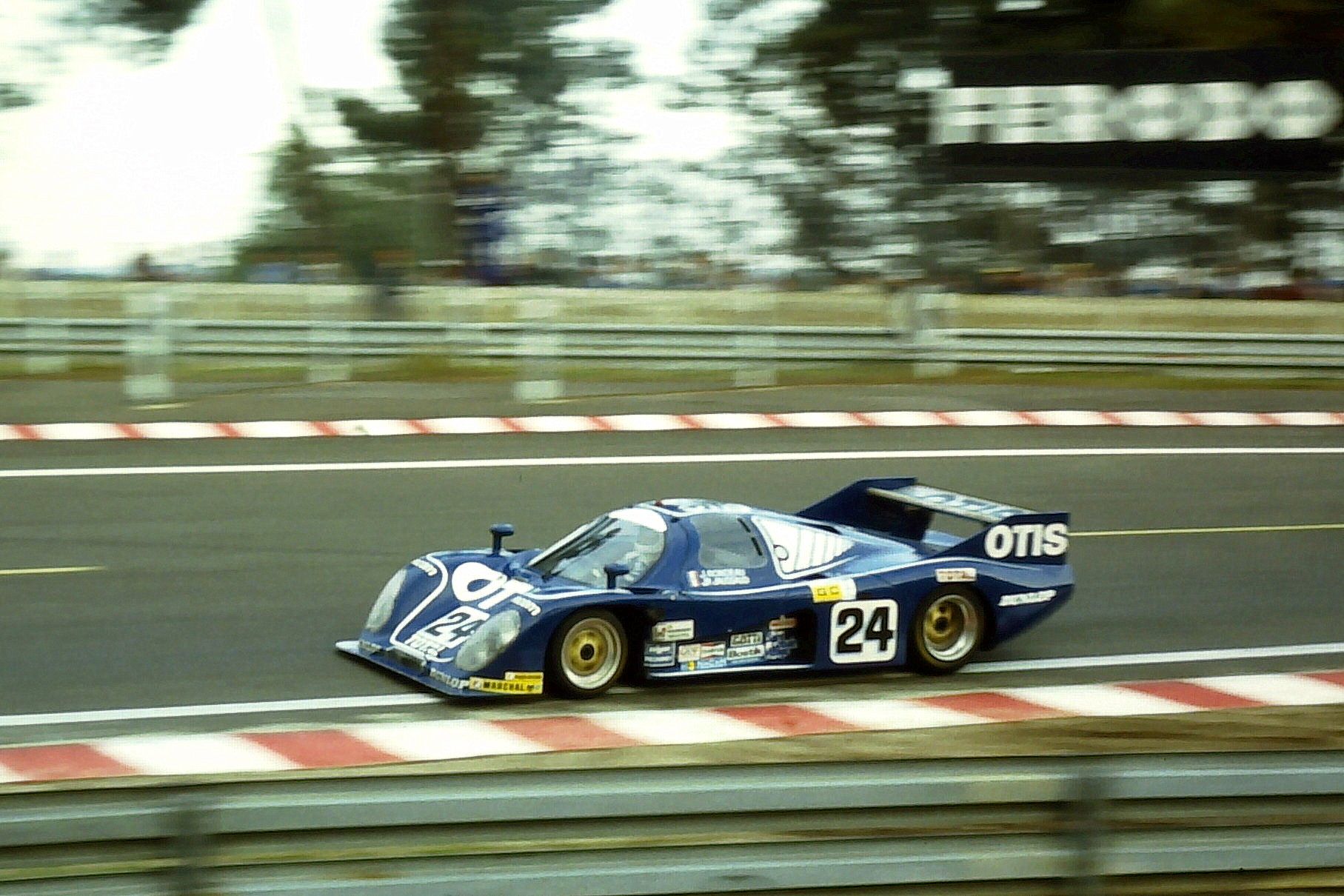
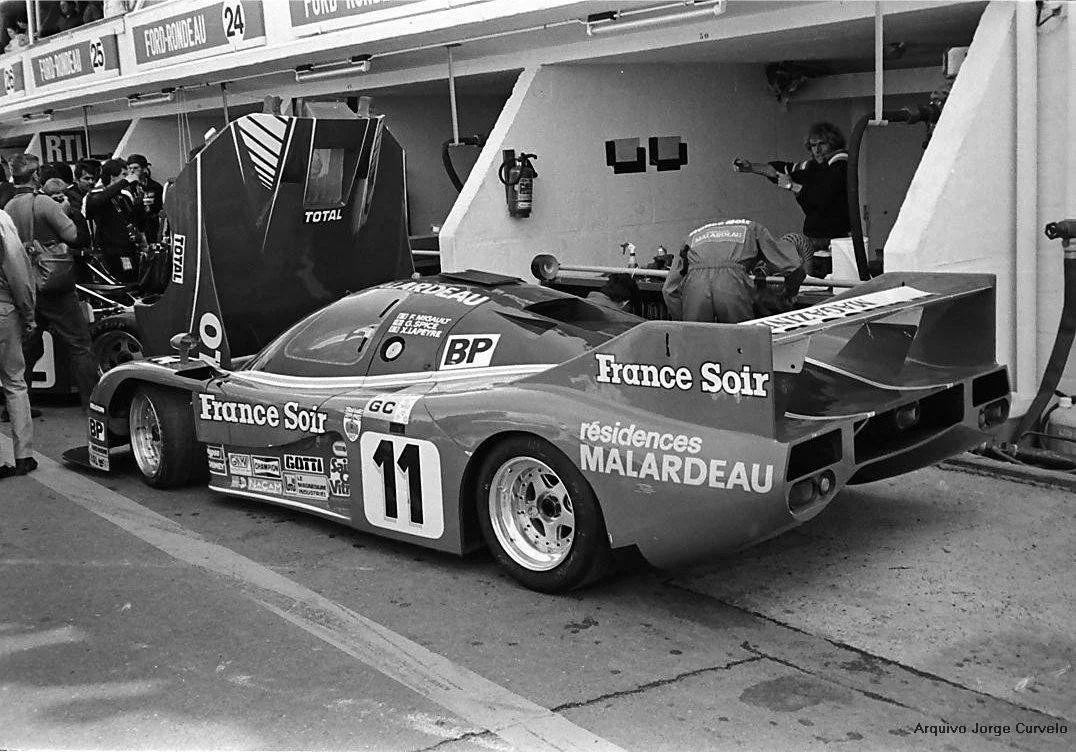
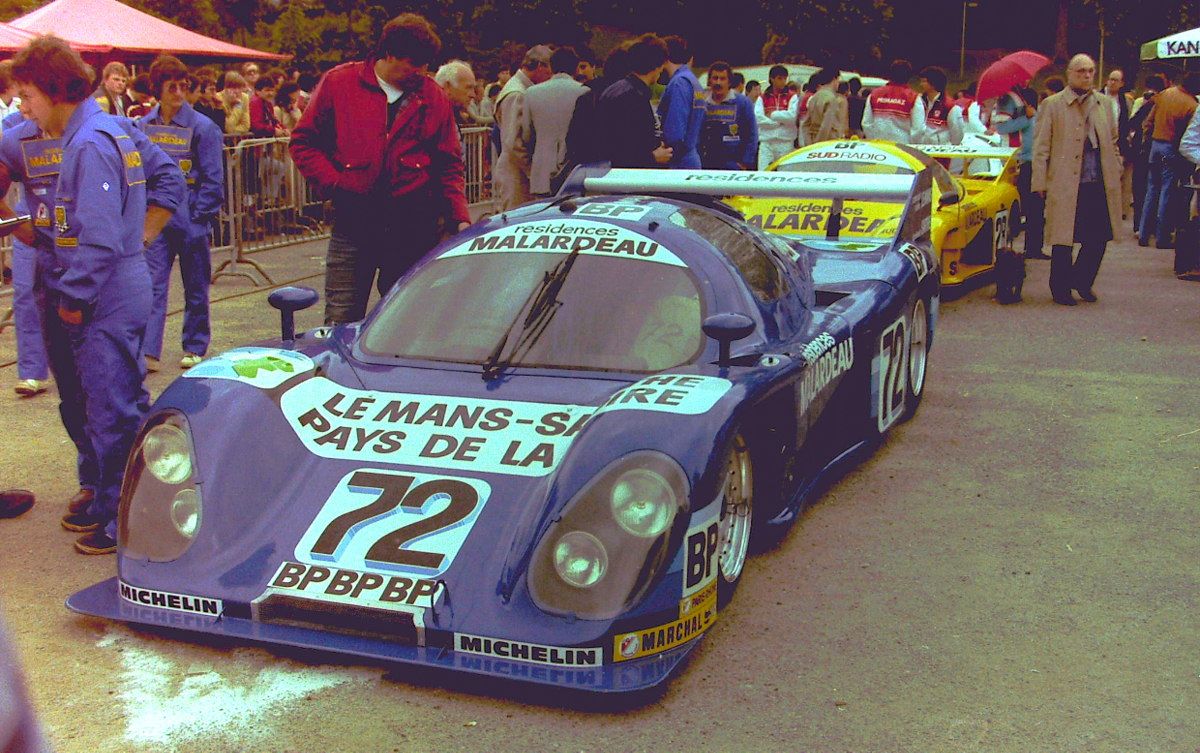
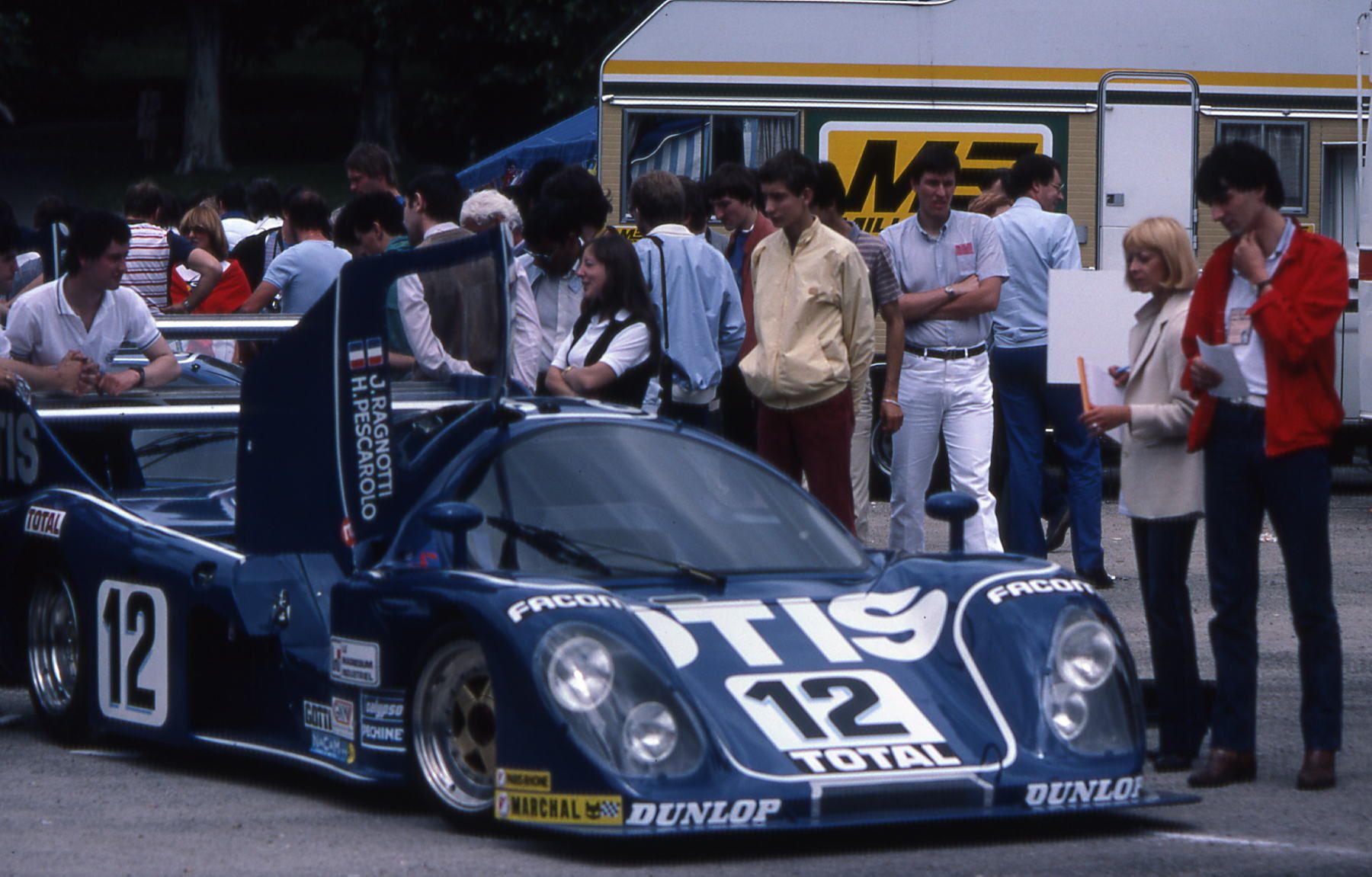
Beneath the wide, flat fiberglass bodywork, the M382 remained stubbornly loyal to Rondeau’s trusted architectural philosophy. Rather than gamble on the unproven and astronomically expensive aluminium or carbon-composite tubs that the major factories were exploring, Rondeau utilized a heavily reinforced tubular steel spaceframe. It was a conservative choice, but one that offered the inherent repairability crucial for a small privateer team operating on a fraction of Stuttgart’s budget. Aerodynamically, the M382 was sleeker and longer than the M379, featuring enclosed rear wheels and a massive rear wing designed to manipulate the airflow over its elongated tail. Yet, the defining—and ultimately tragic—feature of this specific submodel sat just inches behind the driver’s spine. To combat the turbocharged might of Porsche, Cosworth had bored and stroked their venerable naturally aspirated 3.0-liter DFV V8 to create the 3.9-liter DFL. Producing a healthy 540 brake horsepower, the engine looked perfect on paper. In reality, the enlarged displacement fundamentally ruined the exquisite harmonic balance of the original design. The 3.9-liter DFL produced vibrations so violent that it routinely shattered exhaust manifolds, shook electronic relays to pieces, and literally cracked chassis welds. Mated to a heavy-duty Hewland transmission and relying on massive, ventilated disc brakes, the Rondeau was a violently physical machine to drive, subjecting its pilots to a deafening, bone-shaking ordeal for hours on end.
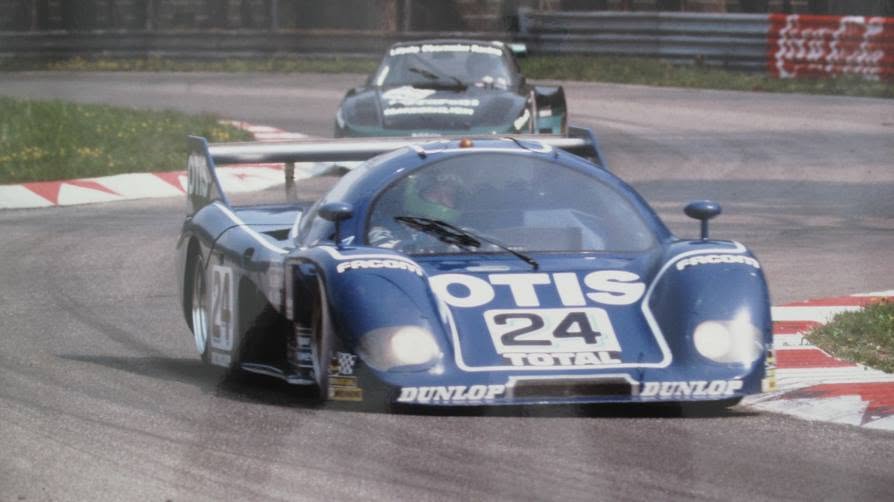
Despite the self-destructive tendencies of its powerplant, the racing history of the M382 is a breathtaking testament to the sheer, unyielding willpower of Jean Rondeau. The 1982 World Endurance Championship season became a bitter, fiercely contested war between the small workshop in Le Mans and the industrial might of Porsche. Against all odds, the M382 was blisteringly fast in the right hands. Driven by legendary talents like Henri Pescarolo, Gordon Spice, and François Migault, the Rondeau took the fight directly to the 956. They secured a stunning overall victory at the 1000 km of Monza, proving that the French underdog could still draw blood from the establishment. However, the 24 Hours of Le Mans brutally exposed the fatal flaw of the 3.9-liter engine. The sustained high RPMs required for the three-mile Mulsanne Straight amplified the engine vibrations to catastrophic levels, leading to a heartbreak of mechanical failures and mass retirements for the DFL-powered cars. Yet, Rondeau’s persistent point-scoring throughout the rest of the season led to a deeply controversial climax. Rondeau believed he had accumulated enough points to win the 1982 World Championship, only for the FIA to manipulate the scoring structure late in the season, controversially allowing a privateer Porsche entry’s points to hand the manufacturer’s title to Stuttgart. It was a crushing political defeat that left Jean Rondeau deeply embittered, realizing that the corporate establishment would never willingly allow an independent constructor to claim the ultimate prize.
The violent 3.9-liter engine would soon be abandoned by most sensible teams for the smoother 3.3-liter variant, and Rondeau’s subsequent, radical M482 would sadly fail to recapture the magic. When Jean Rondeau died tragically in a road accident in 1985, the era of the true Le Mans artisan died with him.
Brand
Produced from
Portal
Vehicle category
Model line
Predecessor
Sucessor
Brand
Produced from
Portal
Vehicle category
Model line
Model generation
Predecessor
Sucessor
Submodel Overview
A relentless, teeth-chattering harmonic vibration coursed through the steering column before the car even left the pit lane. This was the brutal, inescapable reality of the 1982 Rondeau M382 when equipped with the experimental 3.9-liter Ford Cosworth DFL. The dawn of the FIA’s new Group C fuel-efficiency regulations in 1982 had plunged the global endurance racing paddock into a frenzy of innovation and anxiety. Jean Rondeau, the hometown hero who had achieved the impossible by winning the 1980 24 Hours of Le Mans in a car bearing his own name, was suddenly forced to defend his crown against the deepest corporate pockets in Germany. Porsche had just unleashed the otherworldly 956, an aluminium-monocoque, ground-effect spaceship that threatened to render the independent garagiste completely extinct. To fight this technological Goliath, Rondeau developed the M382, his very first Group C challenger. It was a muscular, pragmatic evolution of his earlier Le Mans-winning designs, forced into existence by the desperate need for more torque to meet the strict new fuel allocation rules without sacrificing top speed on the endless French straights.
Beneath the wide, flat fiberglass bodywork, the M382 remained stubbornly loyal to Rondeau’s trusted architectural philosophy. Rather than gamble on the unproven and astronomically expensive aluminium or carbon-composite tubs that the major factories were exploring, Rondeau utilized a heavily reinforced tubular steel spaceframe. It was a conservative choice, but one that offered the inherent repairability crucial for a small privateer team operating on a fraction of Stuttgart’s budget. Aerodynamically, the M382 was sleeker and longer than the M379, featuring enclosed rear wheels and a massive rear wing designed to manipulate the airflow over its elongated tail. Yet, the defining—and ultimately tragic—feature of this specific submodel sat just inches behind the driver’s spine. To combat the turbocharged might of Porsche, Cosworth had bored and stroked their venerable naturally aspirated 3.0-liter DFV V8 to create the 3.9-liter DFL. Producing a healthy 540 brake horsepower, the engine looked perfect on paper. In reality, the enlarged displacement fundamentally ruined the exquisite harmonic balance of the original design. The 3.9-liter DFL produced vibrations so violent that it routinely shattered exhaust manifolds, shook electronic relays to pieces, and literally cracked chassis welds. Mated to a heavy-duty Hewland transmission and relying on massive, ventilated disc brakes, the Rondeau was a violently physical machine to drive, subjecting its pilots to a deafening, bone-shaking ordeal for hours on end.
Despite the self-destructive tendencies of its powerplant, the racing history of the M382 is a breathtaking testament to the sheer, unyielding willpower of Jean Rondeau. The 1982 World Endurance Championship season became a bitter, fiercely contested war between the small workshop in Le Mans and the industrial might of Porsche. Against all odds, the M382 was blisteringly fast in the right hands. Driven by legendary talents like Henri Pescarolo, Gordon Spice, and François Migault, the Rondeau took the fight directly to the 956. They secured a stunning overall victory at the 1000 km of Monza, proving that the French underdog could still draw blood from the establishment. However, the 24 Hours of Le Mans brutally exposed the fatal flaw of the 3.9-liter engine. The sustained high RPMs required for the three-mile Mulsanne Straight amplified the engine vibrations to catastrophic levels, leading to a heartbreak of mechanical failures and mass retirements for the DFL-powered cars. Yet, Rondeau’s persistent point-scoring throughout the rest of the season led to a deeply controversial climax. Rondeau believed he had accumulated enough points to win the 1982 World Championship, only for the FIA to manipulate the scoring structure late in the season, controversially allowing a privateer Porsche entry’s points to hand the manufacturer’s title to Stuttgart. It was a crushing political defeat that left Jean Rondeau deeply embittered, realizing that the corporate establishment would never willingly allow an independent constructor to claim the ultimate prize.
The violent 3.9-liter engine would soon be abandoned by most sensible teams for the smoother 3.3-liter variant, and Rondeau’s subsequent, radical M482 would sadly fail to recapture the magic. When Jean Rondeau died tragically in a road accident in 1985, the era of the true Le Mans artisan died with him.
Tech Specs
Technical Specifications
Tech Specs
Technical Specifications
Engine
01
03
Internal combustion engine
Configuration
Ford Cosworth DFL, V8 - 90º
Location
Mid, longitudinally mounted
Construction
Aluminium alloy block and heads
Displacement (cc)
3,955 cc
Displacement (cu in)
241.4 cu in
Compression
11.5:1
Bore x Stroke
90.0 mm x 77.7 mm
Valvetrain
4 valves per cylinder, DOHC
Fuel feed
Lucas mechanical fuel injection
Lubrication
Dry sump
Aspiration
Naturally aspirated
Output
Power (hp)
540 hp
Power (kW)
400 kW
Max power at
9,250 RPM
Torque (Nm)
461 Nm
Torque (ft lbs)
340 ft lbs
Max torque at
7,000 RPM
Drivetrain
02
03
Chassis
Type
Tubular spaceframe
Material
Steel tubes and aluminium sheet
Body
Material
Fibreglass reinforced plastic composite
Transmission
Gearbox
Hewland VG, 5-speed manual transaxle
Drive
Rear Wheel Drive (Limited Slip Differential)
Suspension
Front
Independent, double wishbones, coil springs over telescopic dampers, anti-roll bar
Rear
Independent, lower wishbones, top rocker arms with in-board mounted coil springs over dampers, anti-roll bar
Steering
Type
Rack and pinion, unassisted
Brakes
Front
Ventilated steel discs, 4-piston aluminium calipers
Rear
Ventilated steel discs, 4-piston aluminium calipers
Wheels
Front
11" x 16" (Cast magnesium alloy)
Rear
14" x 16" (Cast magnesium alloy)
Tires
Front
-
Rear
-
Dimensions and performance
03
03
Dimensions
Length (mm)
~4,450 mm
Length (in)
~175.2 in
Width (mm)
1,980 mm
Width (in)
78.0 in
Height (mm)
1,020 mm
Height (in)
40.1 in
Wheelbase (mm)
2,530 mm
Wheelbase (in)
99.6 in
Weight (kg)
~850 kg
Weight (lbs)
~1,874 lbs
Performance
Power to weight
0.63 hp/kg
Top speed (km/h)
~330 km/h
Top speed (mph)
~205 mph
0-100 km/h (0-60 mph)
~3.3 s