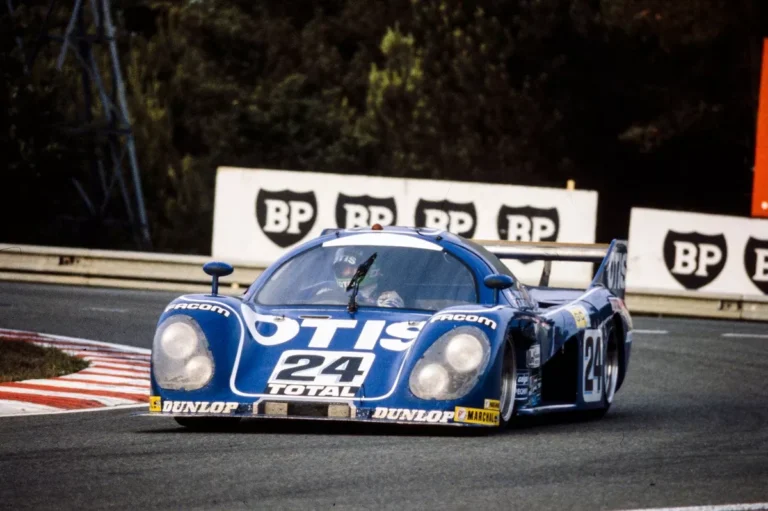
Rondeau M382
Brand
Produced from
Vehicle category
Portal
Model line
Model generation
Predecessor
Sucessor
Model Overview
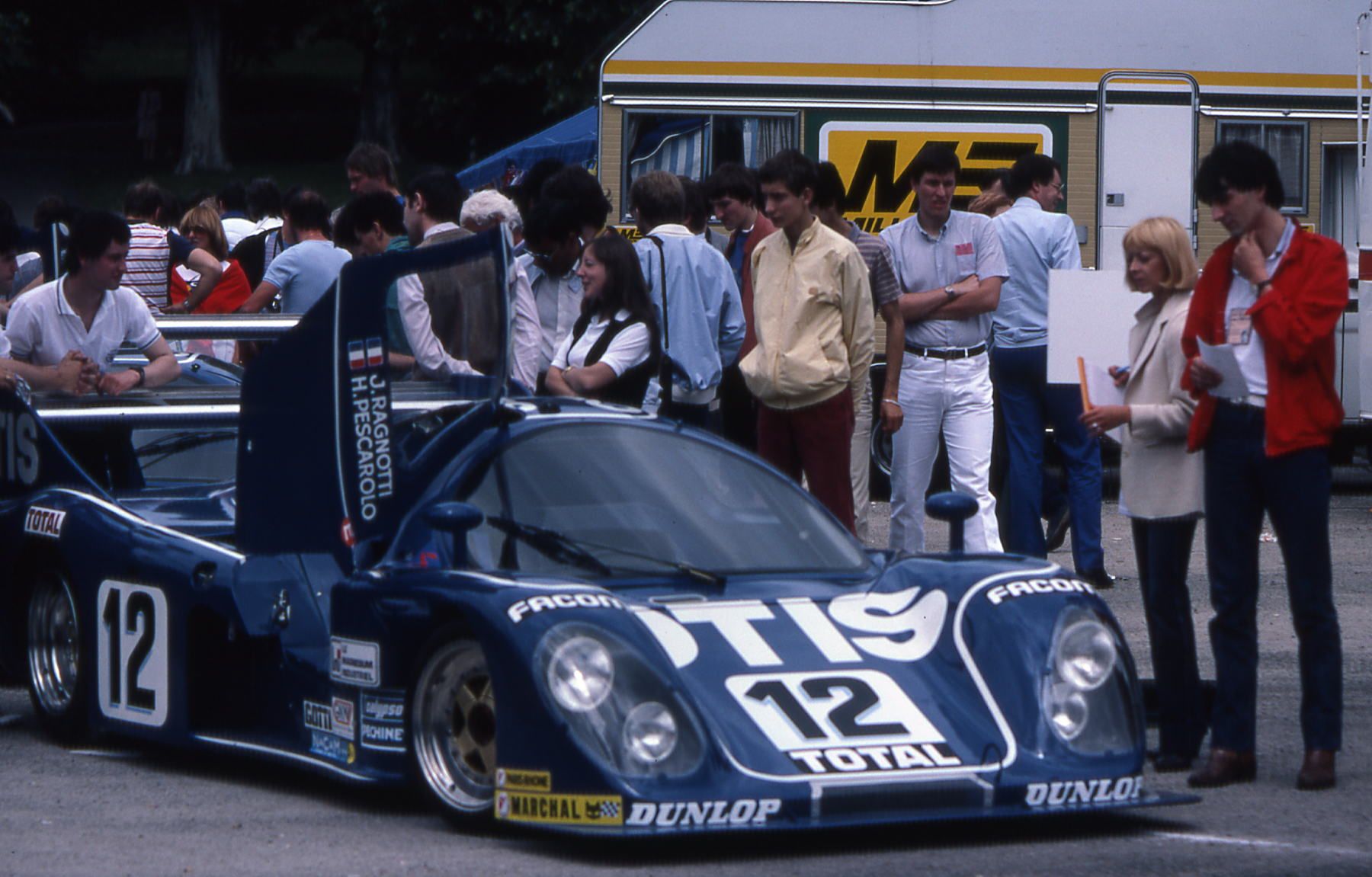
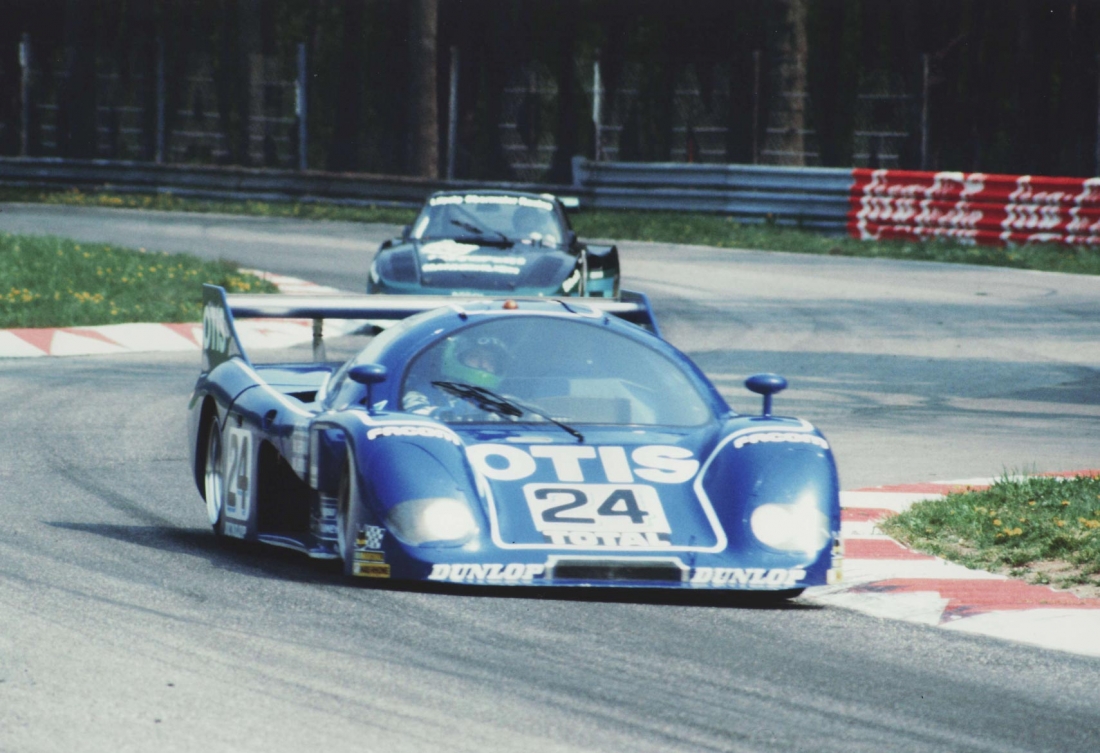
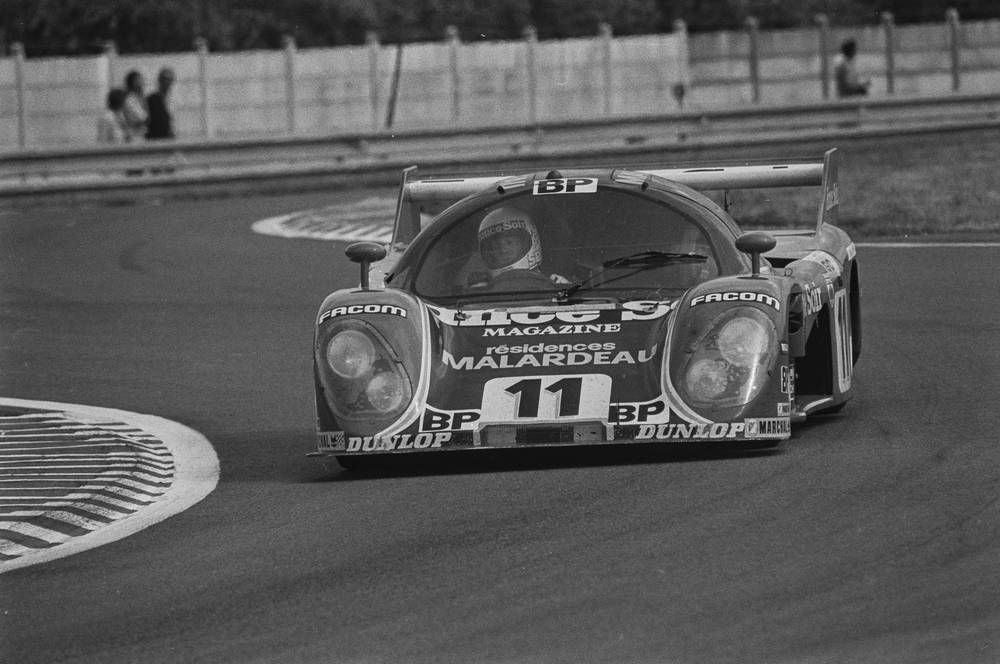
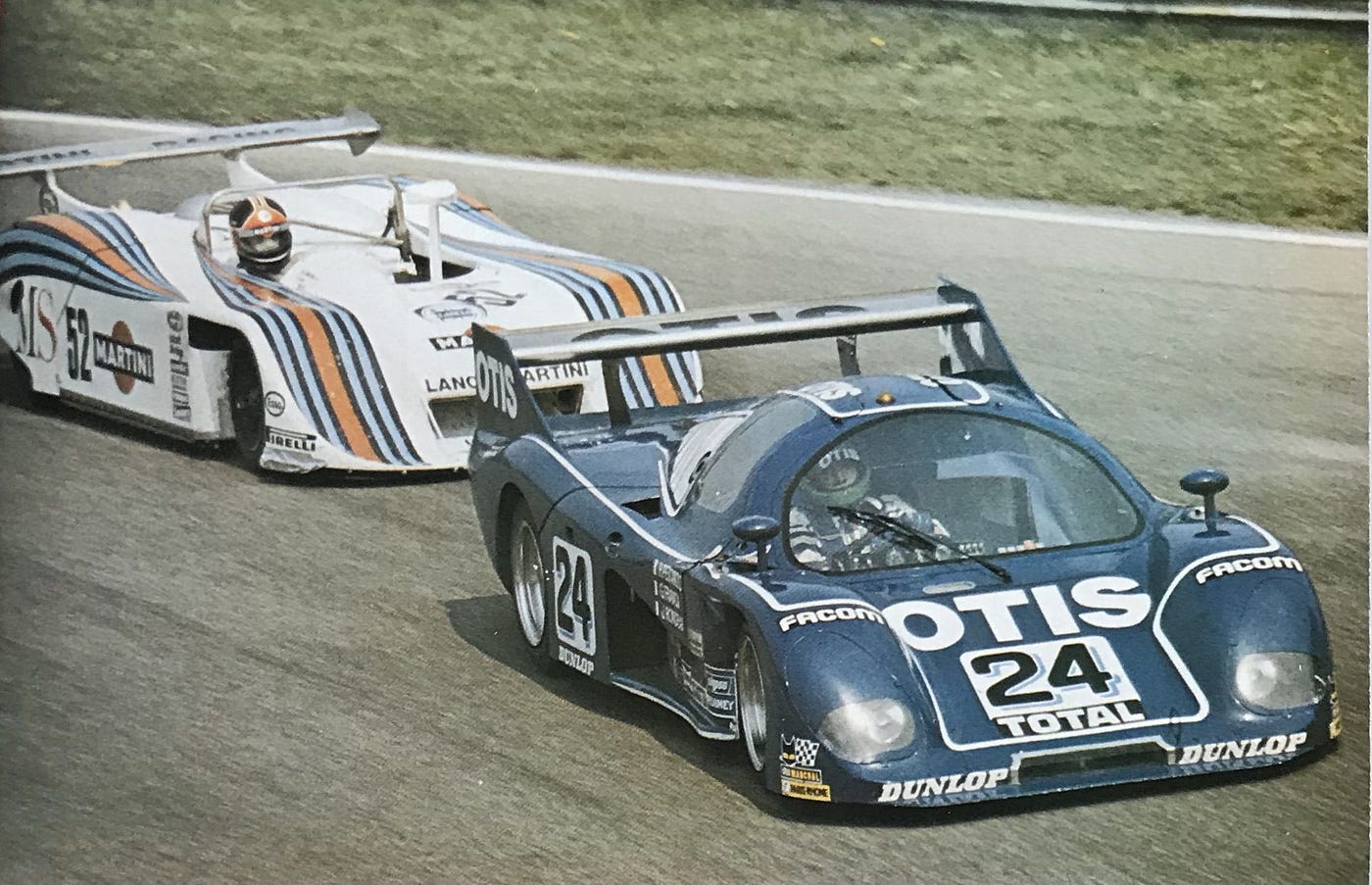
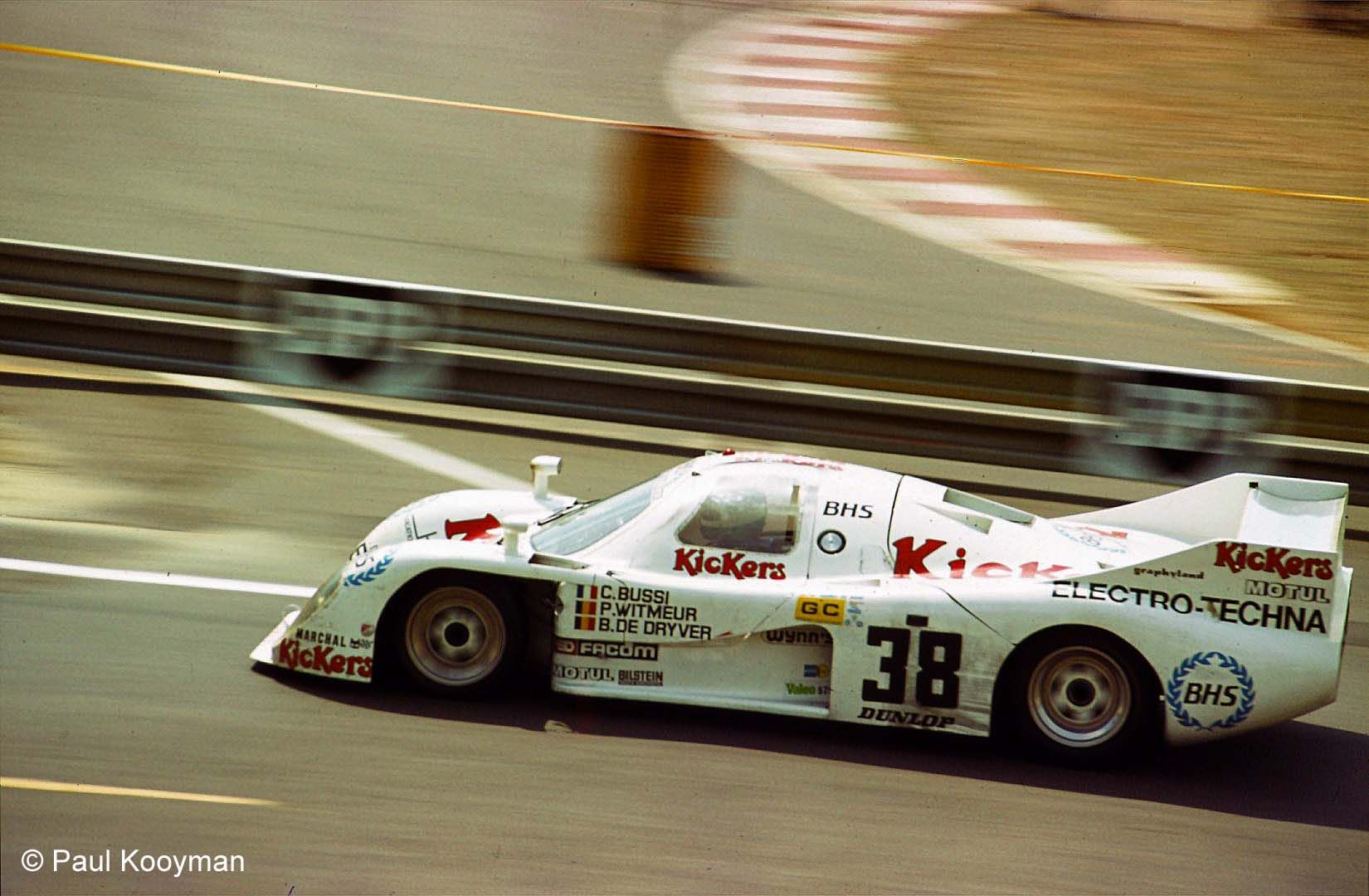
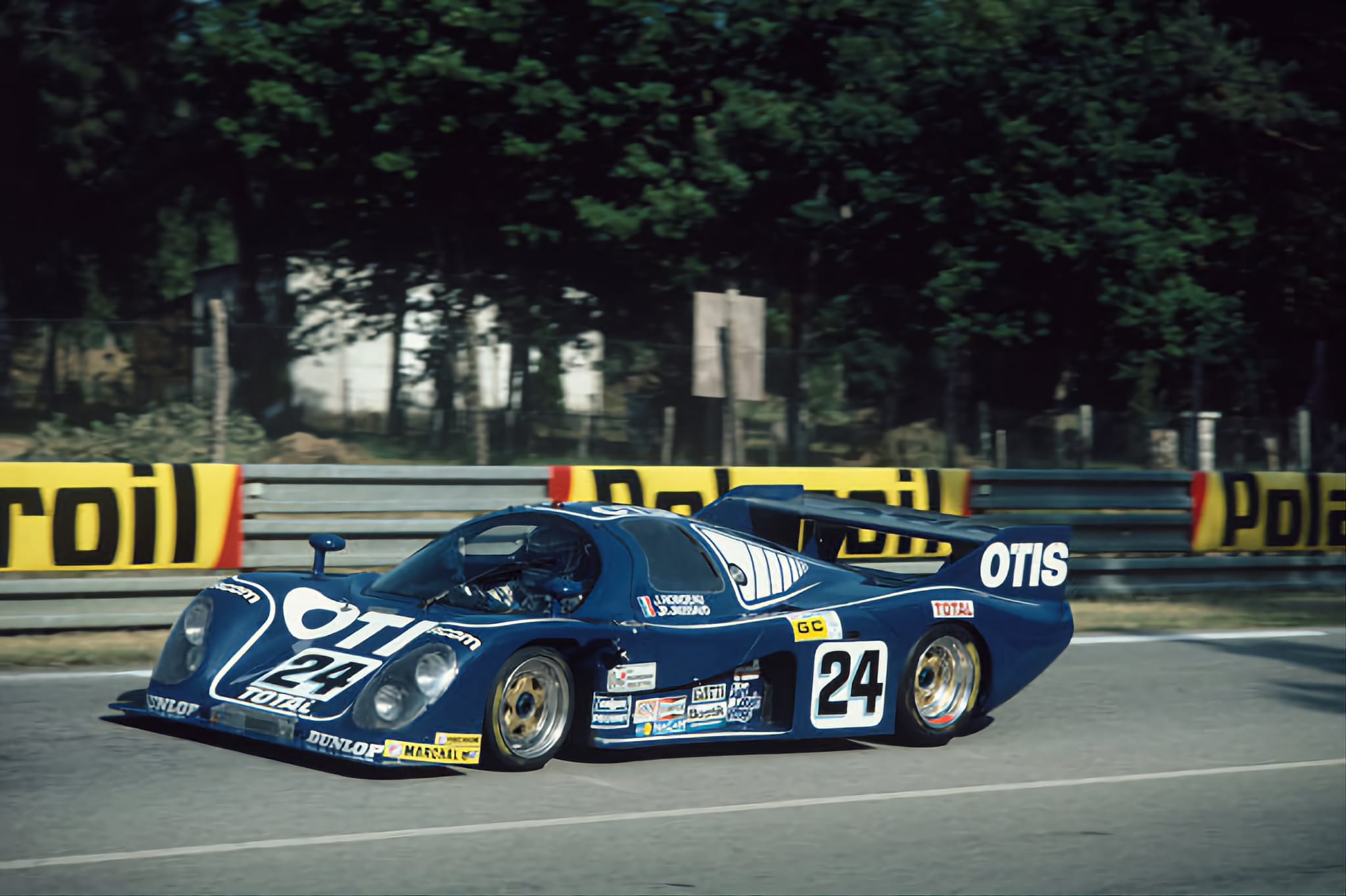
In the intoxicating, high-stakes twilight of 1981, the international endurance racing landscape stood on the precipice of a monumental revolution. The governing body, FISA, had decreed that the wildly diverse, unlimited-fuel Group 6 sports cars would be replaced by the fuel-efficiency-mandated Group C regulations for 1982. Amidst this seismic shift, the colossal factory efforts from Porsche, Ford, and Lancia were preparing highly funded, technologically advanced weapons. Yet, in a modest workshop in Le Mans, an intrepid Frenchman was preparing to take them all on. Jean Rondeau had already achieved the impossible; in 1980, he became the first and only man in history to win the 24 Hours of Le Mans in a car bearing his own name, driving the M379. But to survive the incoming Group C era and battle the terrifying new Porsche 956 and the agile Lancia LC1, Rondeau needed a fundamentally more capable machine. The result was the Rondeau M382, a vehicle that perfectly encapsulated the romantic, defiant spirit of the French garagiste. It was a car built not with a blank-check factory budget, but with sheer ingenuity, national pride, and an uncompromising desire to beat the establishment at their own game.
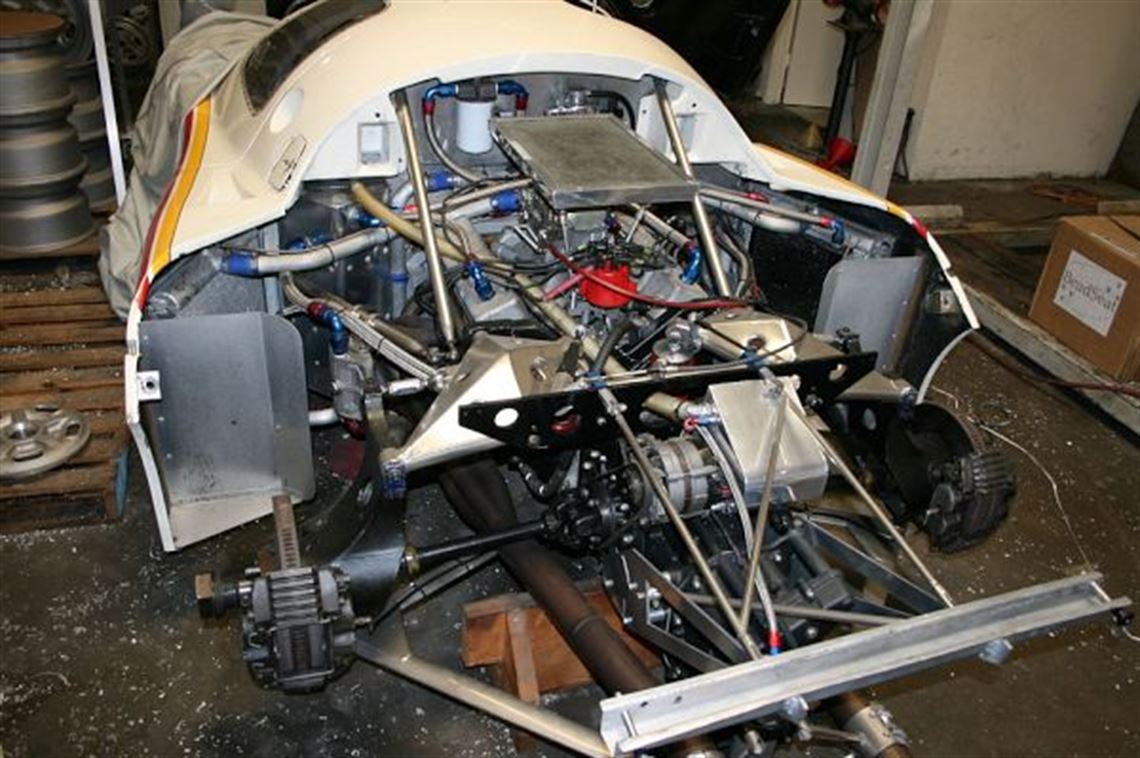
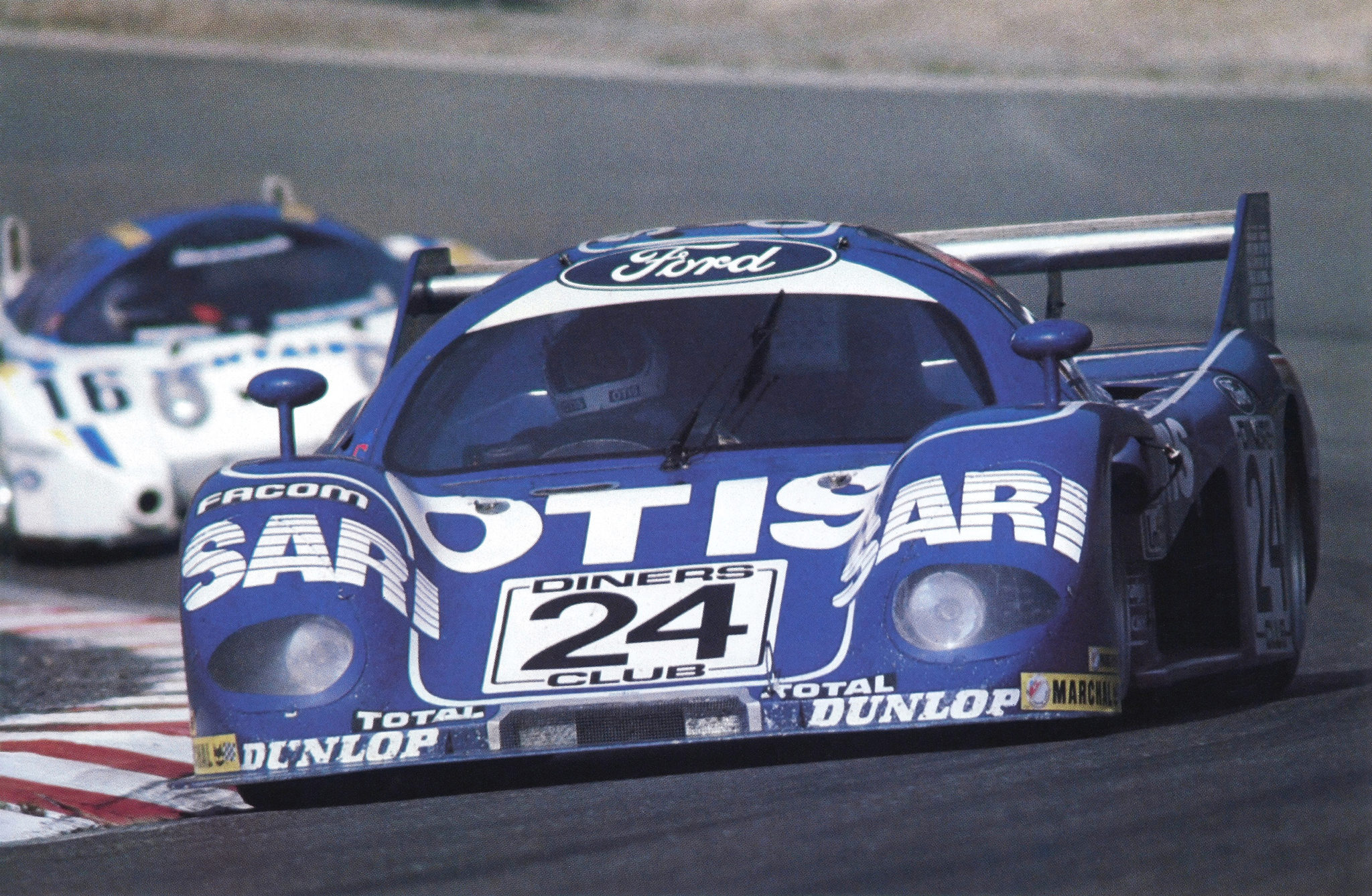
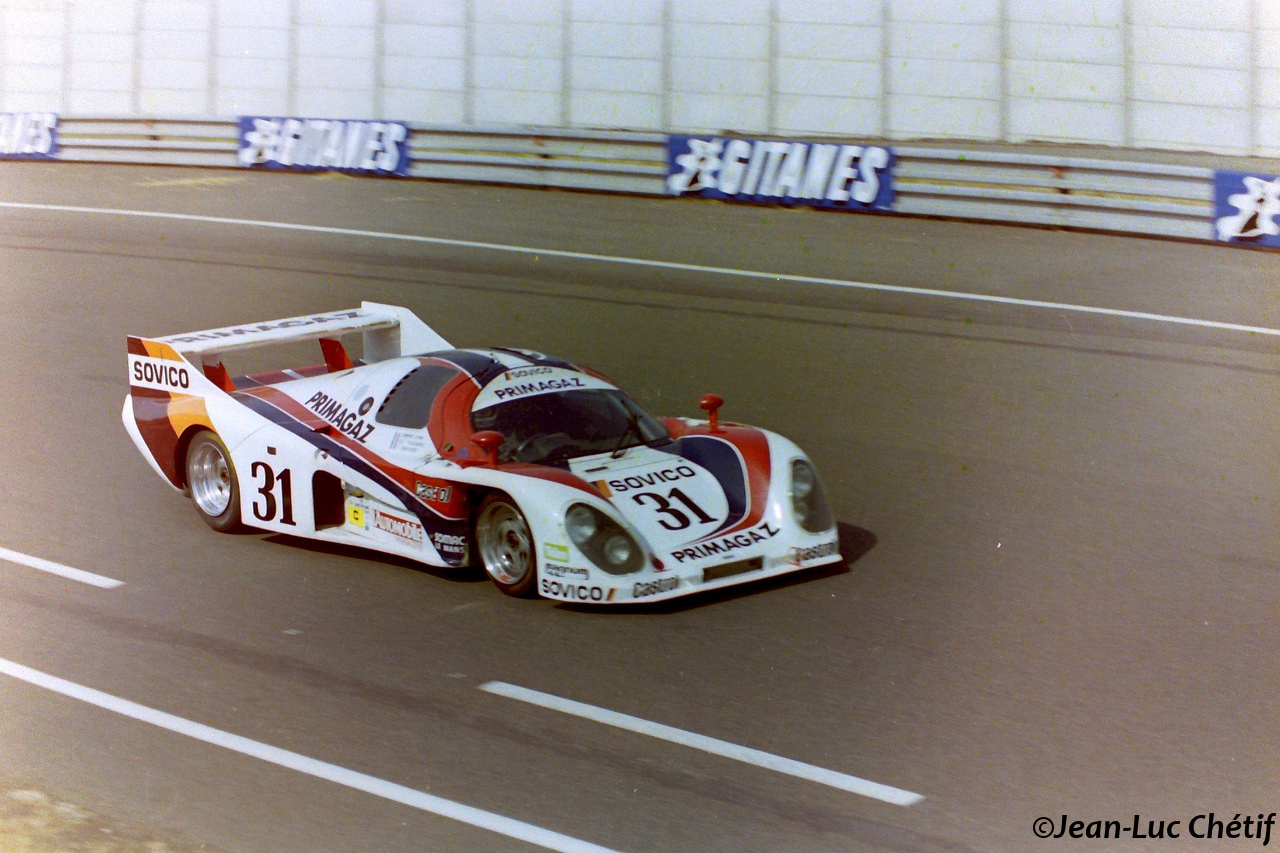
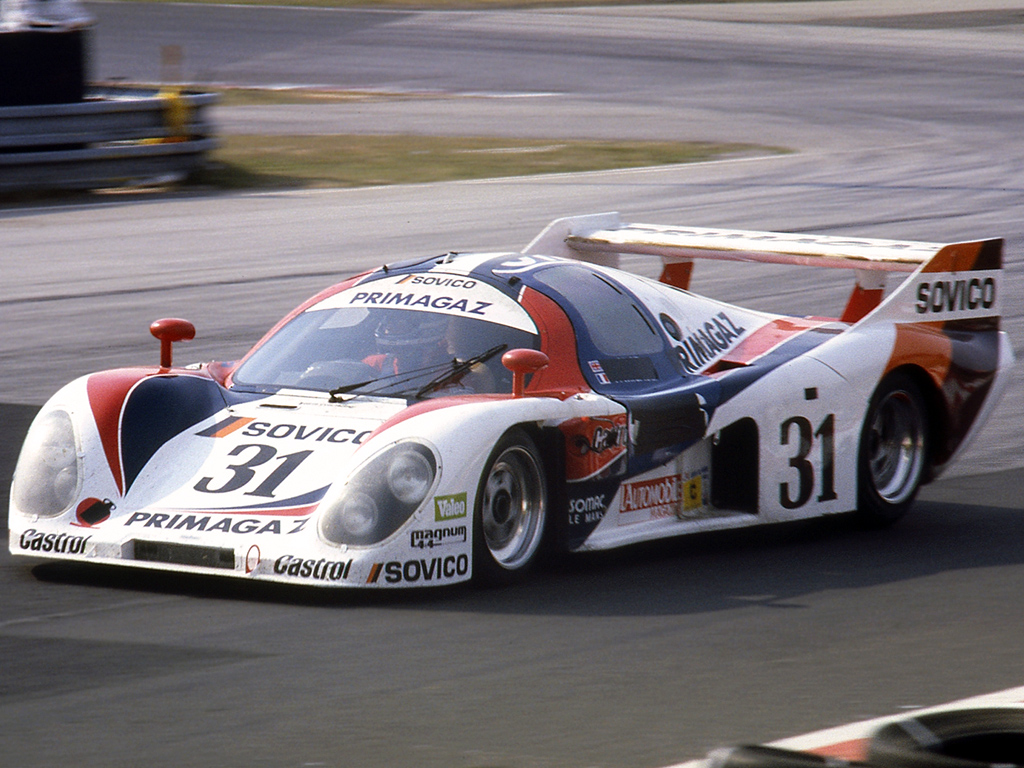
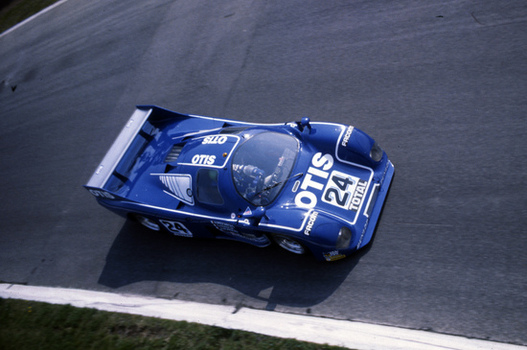
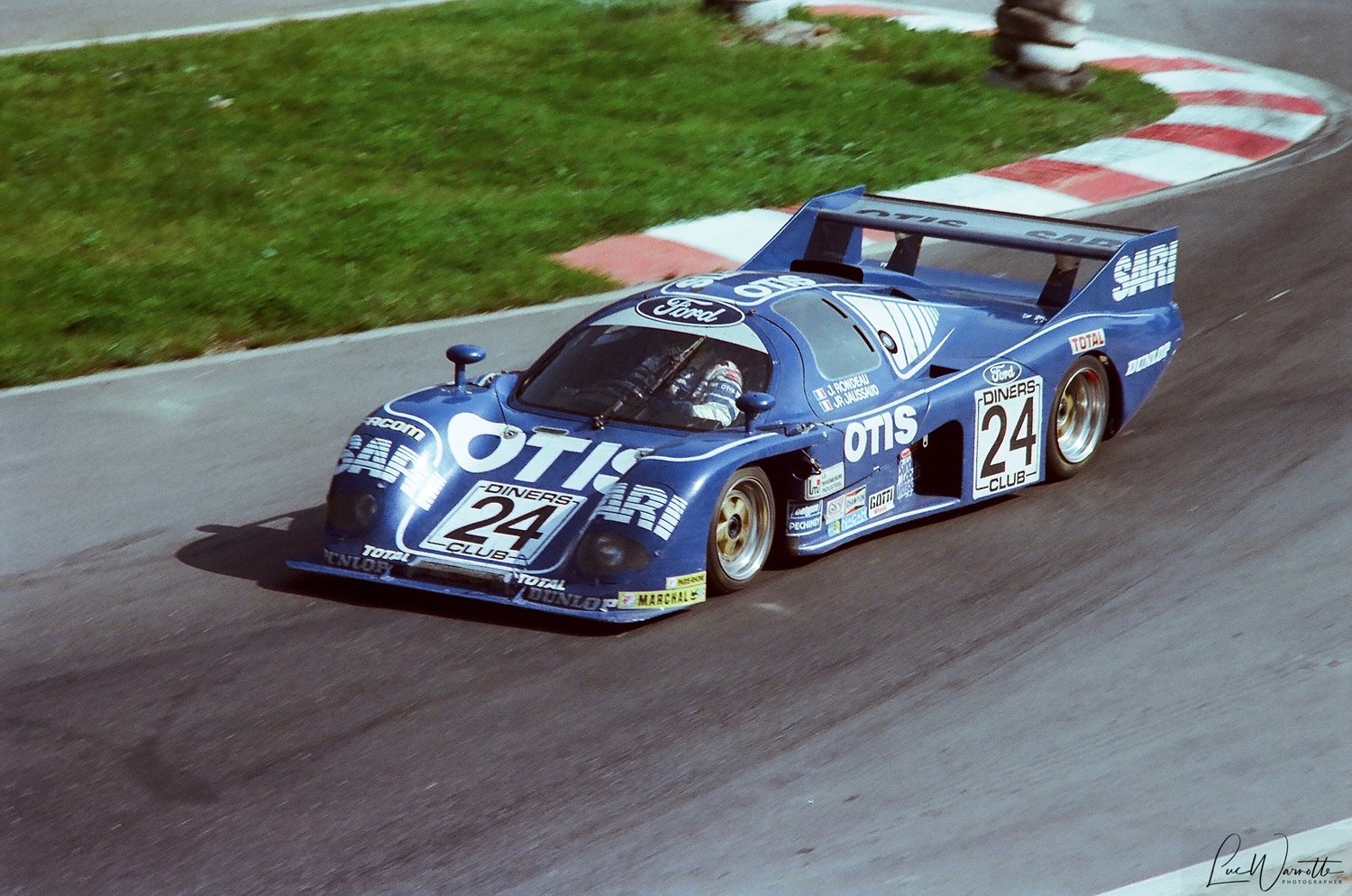
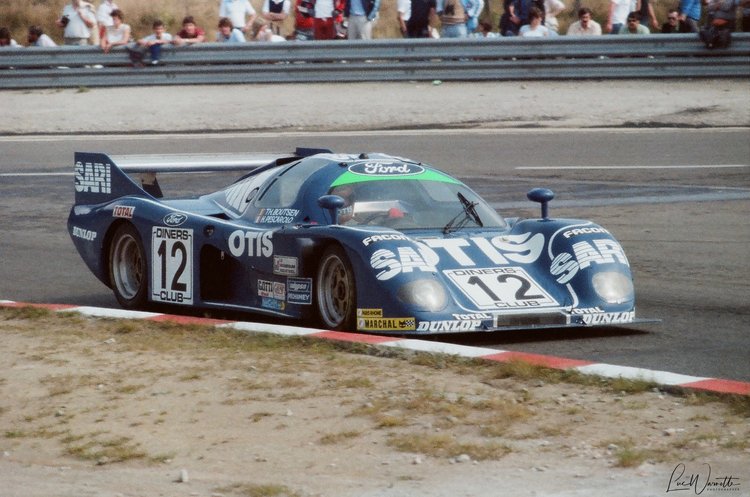
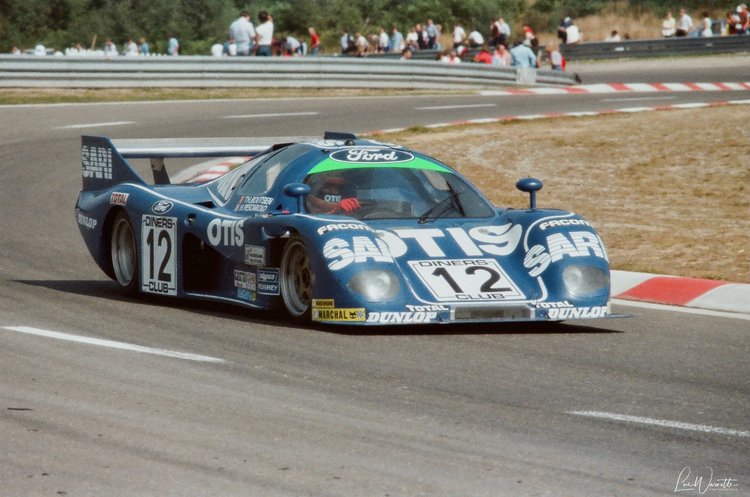
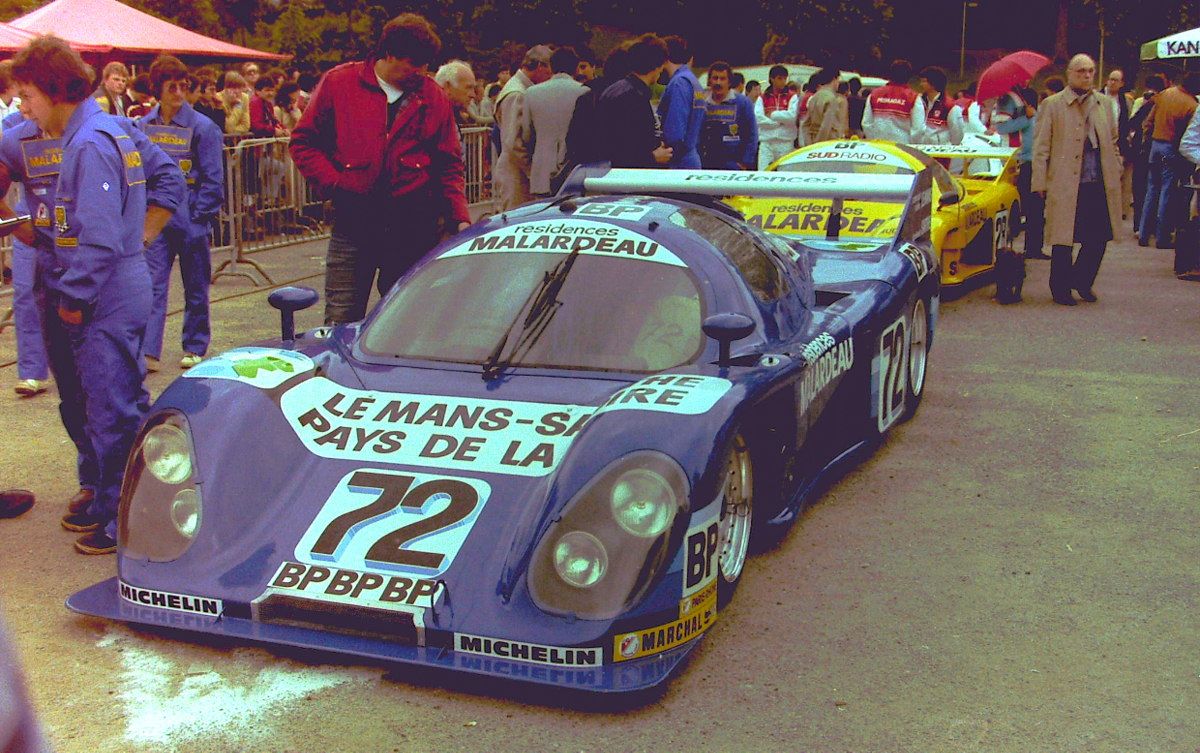
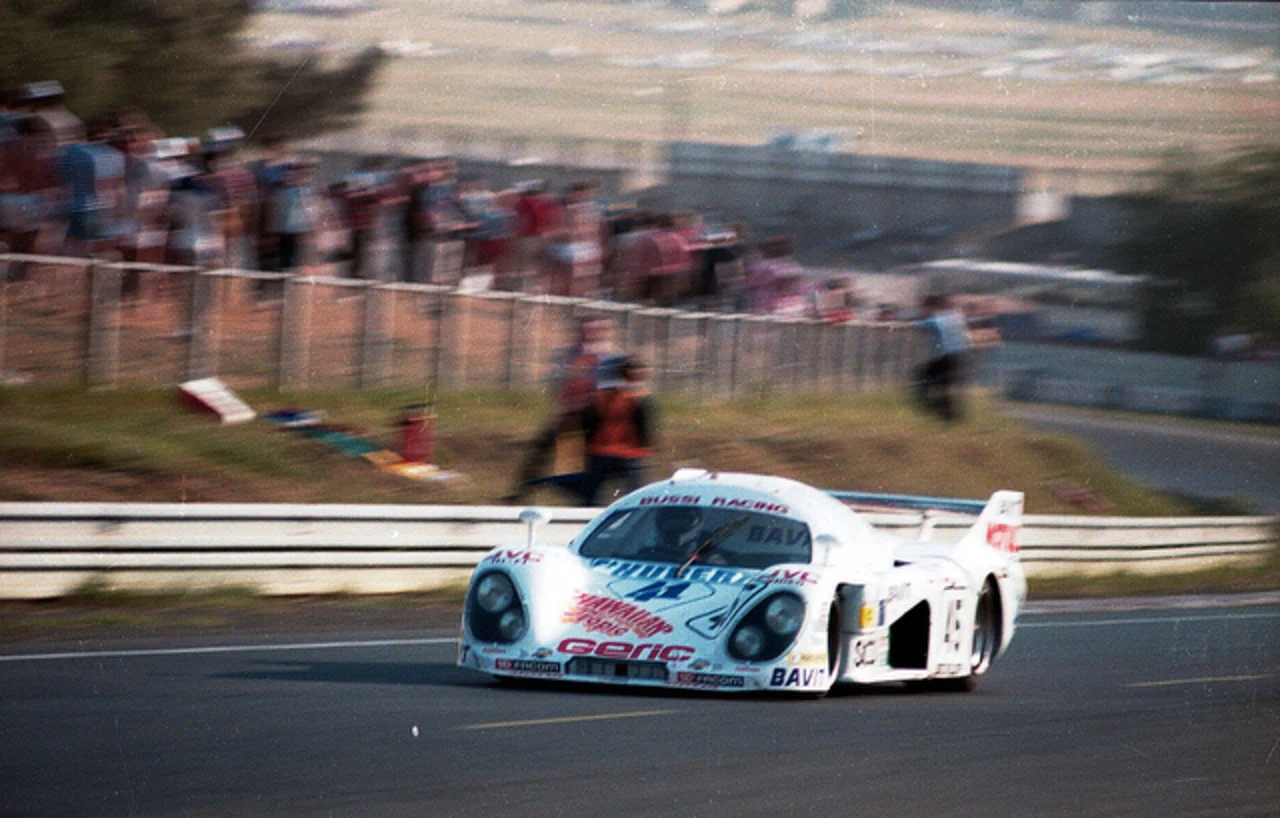
To strip away the wide, aerodynamically brutal fiberglass bodywork of the Rondeau M382 is to witness the ultimate evolution of traditional sports car manufacturing before the carbon-fiber era took complete control. Unlike the cutting-edge aluminum honeycomb monocoque of the rival Porsche 956, the M382 relied on a traditional, albeit highly refined, tubular aluminum spaceframe reinforced with riveted aluminum sheeting. It was a pragmatic approach, heavily based on the architecture of the outgoing M379, but widened and stretched to exploit the new aerodynamic freedoms. The M382 utilized deep underbody venturi tunnels to generate massive ground-effect downforce, working in tandem with a sprawling, low-mounted rear wing. However, the true narrative of the M382 is defined by the diverse and highly dramatic powertrains that were shoehorned into its engine bay. The M382 was fractured into three distinct submodels, each possessing a wildly different mechanical personality.
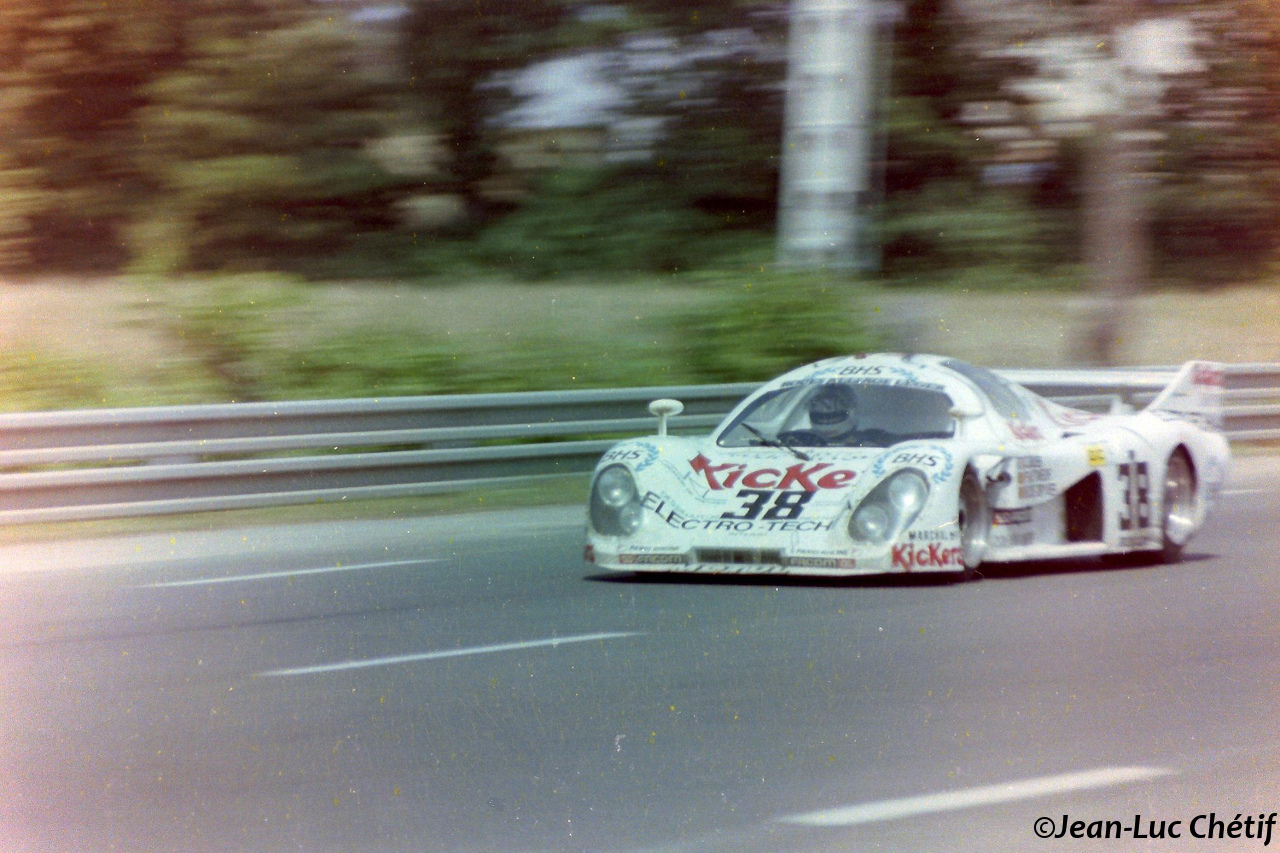
The primary weapon for the World Endurance Championship was the 3.3-liter Ford Cosworth DFL. Cosworth had taken their legendary, Formula 1-dominating 3.0-liter DFV V8 and stroked it to 3.3 liters, explicitly seeking the mid-range torque required for long-distance endurance racing. This naturally aspirated, four-valve-per-cylinder masterpiece produced roughly 500 brake horsepower and emitted a raw, ear-shattering mechanical shriek. However, to combat the rising tide of turbocharged power from Porsche, Rondeau and Cosworth pushed the envelope even further with the 3.9-liter Ford Cosworth DFL. Displacing 3,955cc, this enlarged V8 produced close to 540 horsepower, but it harbored a dark, catastrophic flaw. The increased stroke generated apocalyptic secondary harmonic vibrations. The 3.9-liter engine was notoriously violent, physically shaking the chassis, vibrating critical components to pieces, and subjecting the drivers to a deafening, bone-rattling ordeal. Across the Atlantic, the third submodel emerged out of North American pragmatism. For the IMSA GTP championship, American privateers found the Cosworth DFL engines too fragile and exorbitant to maintain. Consequently, the chassis was adapted to house a 5.4-liter Chevrolet V8. This pushrod, iron-block American titan completely altered the car’s character, replacing the high-strung, whistling European V8 with a thunderous, torque-rich rumble, creating a fascinating cross-continental hybrid that fought valiantly on the high banks of Daytona. Regardless of the engine, power was fed through a robust Hewland VG5 five-speed manual transaxle, and stopping power was entrusted to massive ventilated outboard disc brakes, heavily tasked with hauling the 850-kilogram prototype down from Mulsanne Straight speeds.
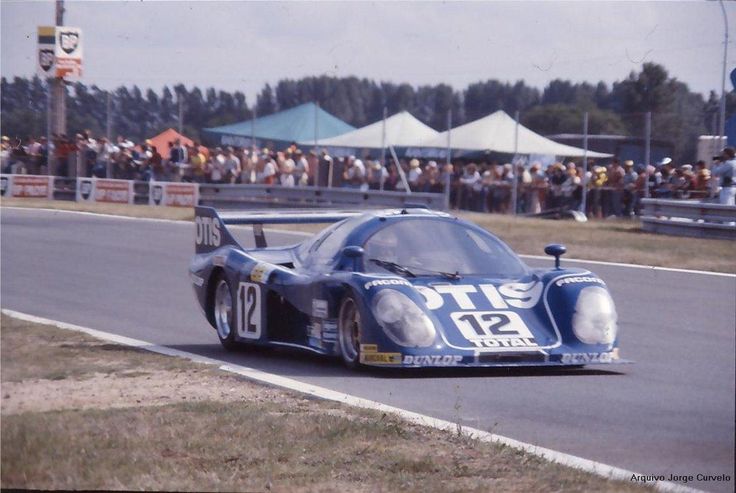
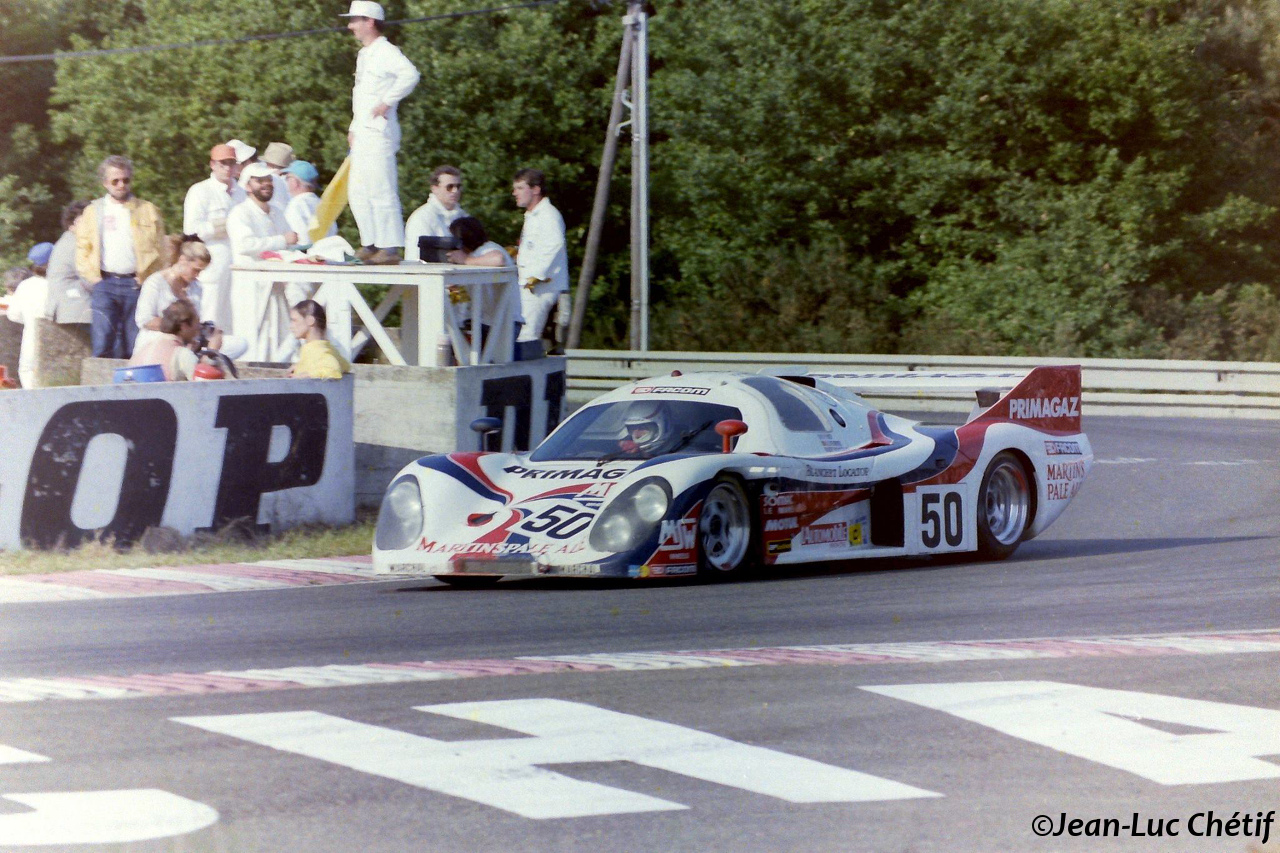
The competitive history of the Rondeau M382 is a heartbreakingly beautiful saga of underdog triumph and boardroom robbery. When the 1982 World Endurance Championship commenced, the small French outfit miraculously found itself leading the championship. At the 1000km of Monza, the 3.3-liter M382, piloted by the masterful Henri Pescarolo and the incredibly consistent Gordon Spice, utilized its superior reliability to outlast the fragile new factory prototypes, securing a glorious overall victory. Yet, the absolute zenith of the endurance calendar, the 24 Hours of Le Mans, proved to be an unmitigated disaster. The works Rondeau team gambled heavily on the larger 3.9-liter DFL engines to match the pace of the Porsche 956s. It was a fatal error. The apocalyptic vibrations of the 3.9-liter engines literally tore the cars apart; all three factory M382s succumbed to catastrophic mechanical failures, leaving Porsche to secure a historic 1-2-3 finish.
Despite the Le Mans tragedy, Rondeau’s consistent finishes throughout the rest of the 1982 season mathematically secured them the World Endurance Championship for Manufacturers—an impossible achievement for an independent constructor. However, in one of the most controversial, politically charged rulings in motorsport history, the governing body (FISA) abruptly changed the championship point-scoring rules at the very end of the season. They allowed manufacturers to drop their lowest-scoring round, a rule manipulation that mathematically handed the World Championship to Porsche and snatched the crown from Jean Rondeau’s hands. It was a devastating, crushing blow from which the small Le Mans constructor never truly recovered.
The legacy of the Rondeau M382 is profoundly bittersweet. It represents the absolute twilight of the true independent constructor at the pinnacle of international sports car racing. It was the last time a small, passionate group of mechanics in a provincial garage could legitimately build a car capable of fighting the monolithic, heavily funded factory effort from Stuttgart for a World Championship. When the 1983 season arrived, Porsche made the 956 available to privateers, flooding the grid with turnkey, reliable, ground-effect prototypes that instantly rendered the bespoke, vibrating Cosworth-powered Rondeaus obsolete. Tragically, Jean Rondeau lost his life in a road accident in 1985, cementing his marque in the annals of motorsport mythology.
Portal
Model line
Model generation
Predecessor
Sucessor
Brand
Produced from
Vehicle category
Portal
Model line
Model generation
Predecessor
Sucessor
Model Overview
In the intoxicating, high-stakes twilight of 1981, the international endurance racing landscape stood on the precipice of a monumental revolution. The governing body, FISA, had decreed that the wildly diverse, unlimited-fuel Group 6 sports cars would be replaced by the fuel-efficiency-mandated Group C regulations for 1982. Amidst this seismic shift, the colossal factory efforts from Porsche, Ford, and Lancia were preparing highly funded, technologically advanced weapons. Yet, in a modest workshop in Le Mans, an intrepid Frenchman was preparing to take them all on. Jean Rondeau had already achieved the impossible; in 1980, he became the first and only man in history to win the 24 Hours of Le Mans in a car bearing his own name, driving the M379. But to survive the incoming Group C era and battle the terrifying new Porsche 956 and the agile Lancia LC1, Rondeau needed a fundamentally more capable machine. The result was the Rondeau M382, a vehicle that perfectly encapsulated the romantic, defiant spirit of the French garagiste. It was a car built not with a blank-check factory budget, but with sheer ingenuity, national pride, and an uncompromising desire to beat the establishment at their own game.
To strip away the wide, aerodynamically brutal fiberglass bodywork of the Rondeau M382 is to witness the ultimate evolution of traditional sports car manufacturing before the carbon-fiber era took complete control. Unlike the cutting-edge aluminum honeycomb monocoque of the rival Porsche 956, the M382 relied on a traditional, albeit highly refined, tubular aluminum spaceframe reinforced with riveted aluminum sheeting. It was a pragmatic approach, heavily based on the architecture of the outgoing M379, but widened and stretched to exploit the new aerodynamic freedoms. The M382 utilized deep underbody venturi tunnels to generate massive ground-effect downforce, working in tandem with a sprawling, low-mounted rear wing. However, the true narrative of the M382 is defined by the diverse and highly dramatic powertrains that were shoehorned into its engine bay. The M382 was fractured into three distinct submodels, each possessing a wildly different mechanical personality.
The primary weapon for the World Endurance Championship was the 3.3-liter Ford Cosworth DFL. Cosworth had taken their legendary, Formula 1-dominating 3.0-liter DFV V8 and stroked it to 3.3 liters, explicitly seeking the mid-range torque required for long-distance endurance racing. This naturally aspirated, four-valve-per-cylinder masterpiece produced roughly 500 brake horsepower and emitted a raw, ear-shattering mechanical shriek. However, to combat the rising tide of turbocharged power from Porsche, Rondeau and Cosworth pushed the envelope even further with the 3.9-liter Ford Cosworth DFL. Displacing 3,955cc, this enlarged V8 produced close to 540 horsepower, but it harbored a dark, catastrophic flaw. The increased stroke generated apocalyptic secondary harmonic vibrations. The 3.9-liter engine was notoriously violent, physically shaking the chassis, vibrating critical components to pieces, and subjecting the drivers to a deafening, bone-rattling ordeal. Across the Atlantic, the third submodel emerged out of North American pragmatism. For the IMSA GTP championship, American privateers found the Cosworth DFL engines too fragile and exorbitant to maintain. Consequently, the chassis was adapted to house a 5.4-liter Chevrolet V8. This pushrod, iron-block American titan completely altered the car’s character, replacing the high-strung, whistling European V8 with a thunderous, torque-rich rumble, creating a fascinating cross-continental hybrid that fought valiantly on the high banks of Daytona. Regardless of the engine, power was fed through a robust Hewland VG5 five-speed manual transaxle, and stopping power was entrusted to massive ventilated outboard disc brakes, heavily tasked with hauling the 850-kilogram prototype down from Mulsanne Straight speeds.
The competitive history of the Rondeau M382 is a heartbreakingly beautiful saga of underdog triumph and boardroom robbery. When the 1982 World Endurance Championship commenced, the small French outfit miraculously found itself leading the championship. At the 1000km of Monza, the 3.3-liter M382, piloted by the masterful Henri Pescarolo and the incredibly consistent Gordon Spice, utilized its superior reliability to outlast the fragile new factory prototypes, securing a glorious overall victory. Yet, the absolute zenith of the endurance calendar, the 24 Hours of Le Mans, proved to be an unmitigated disaster. The works Rondeau team gambled heavily on the larger 3.9-liter DFL engines to match the pace of the Porsche 956s. It was a fatal error. The apocalyptic vibrations of the 3.9-liter engines literally tore the cars apart; all three factory M382s succumbed to catastrophic mechanical failures, leaving Porsche to secure a historic 1-2-3 finish.
Despite the Le Mans tragedy, Rondeau’s consistent finishes throughout the rest of the 1982 season mathematically secured them the World Endurance Championship for Manufacturers—an impossible achievement for an independent constructor. However, in one of the most controversial, politically charged rulings in motorsport history, the governing body (FISA) abruptly changed the championship point-scoring rules at the very end of the season. They allowed manufacturers to drop their lowest-scoring round, a rule manipulation that mathematically handed the World Championship to Porsche and snatched the crown from Jean Rondeau’s hands. It was a devastating, crushing blow from which the small Le Mans constructor never truly recovered.
The legacy of the Rondeau M382 is profoundly bittersweet. It represents the absolute twilight of the true independent constructor at the pinnacle of international sports car racing. It was the last time a small, passionate group of mechanics in a provincial garage could legitimately build a car capable of fighting the monolithic, heavily funded factory effort from Stuttgart for a World Championship. When the 1983 season arrived, Porsche made the 956 available to privateers, flooding the grid with turnkey, reliable, ground-effect prototypes that instantly rendered the bespoke, vibrating Cosworth-powered Rondeaus obsolete. Tragically, Jean Rondeau lost his life in a road accident in 1985, cementing his marque in the annals of motorsport mythology.
Submodels