Aston Martin DB2
Brand
Produced from
Vehicle category
Portal
Model line
Model generation
Predecessor
Sucessor
About this model
In the grey, austere landscape of post-war Britain, industrialist David Brown saw an opportunity for glory. He was a man of immense ambition, his fortune built on tractors and gears, but his passion lay in high-performance motor cars. In 1947, he famously purchased a “High Class Motor Business” advertised in The Times for £20,500. That business was Aston Martin. He had a chassis, a small team, and a pre-war four-cylinder engine, but he knew this wasn’t enough. Later that same year, he acquired Lagonda, a prestigious but struggling firm, for £52,500. He wasn’t just buying a name; he was buying an engine—the magnificent 2.6-litre, twin-overhead-cam straight-six designed by the great W.O. Bentley himself. The pre-war Aston Martin Atom and the subsequent 2-Litre Sports (retroactively dubbed the “DB1“) were the testbeds, but the car that would truly forge the company’s future, the car that would define the post-war British GT, was the Aston Martin DB2.
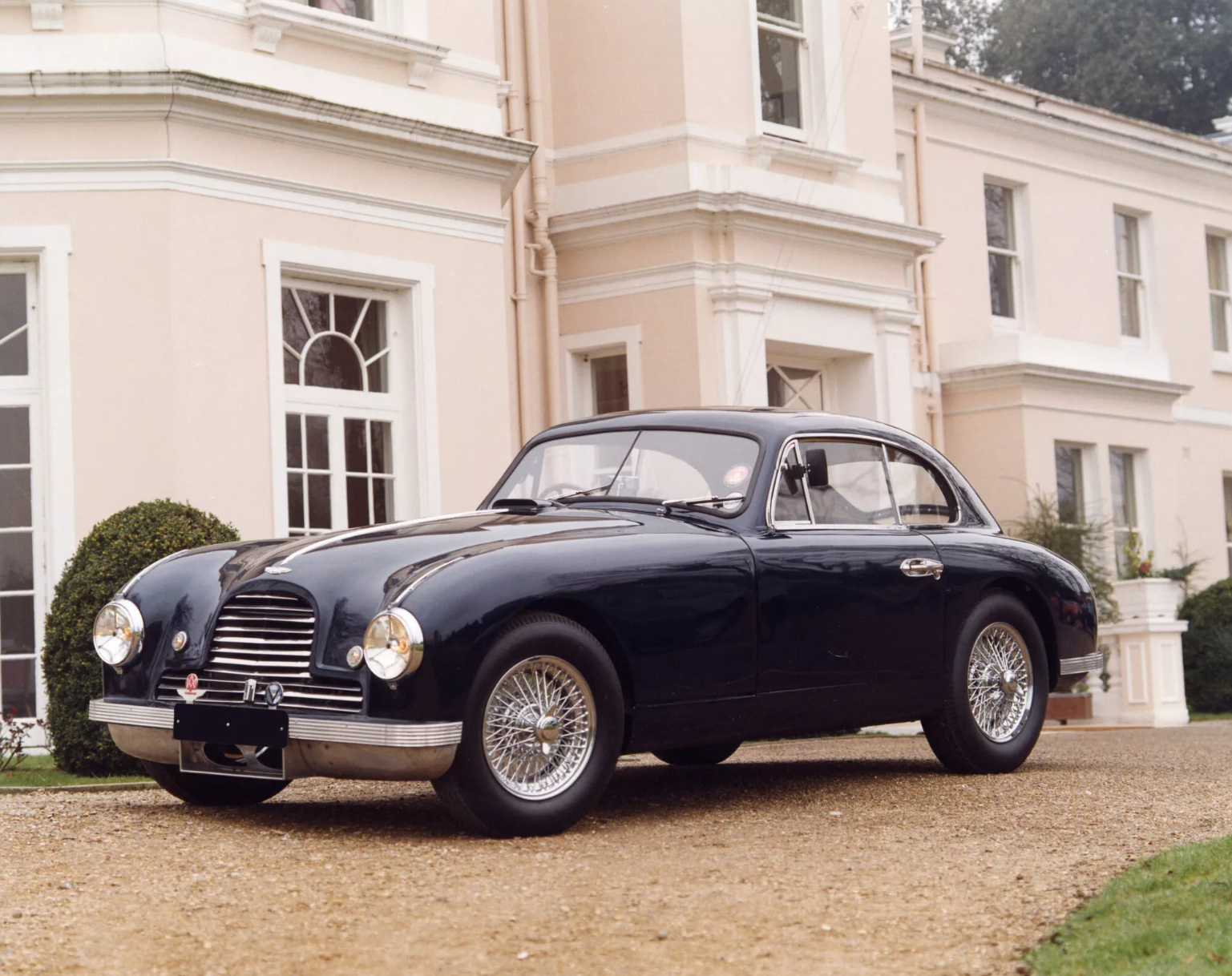
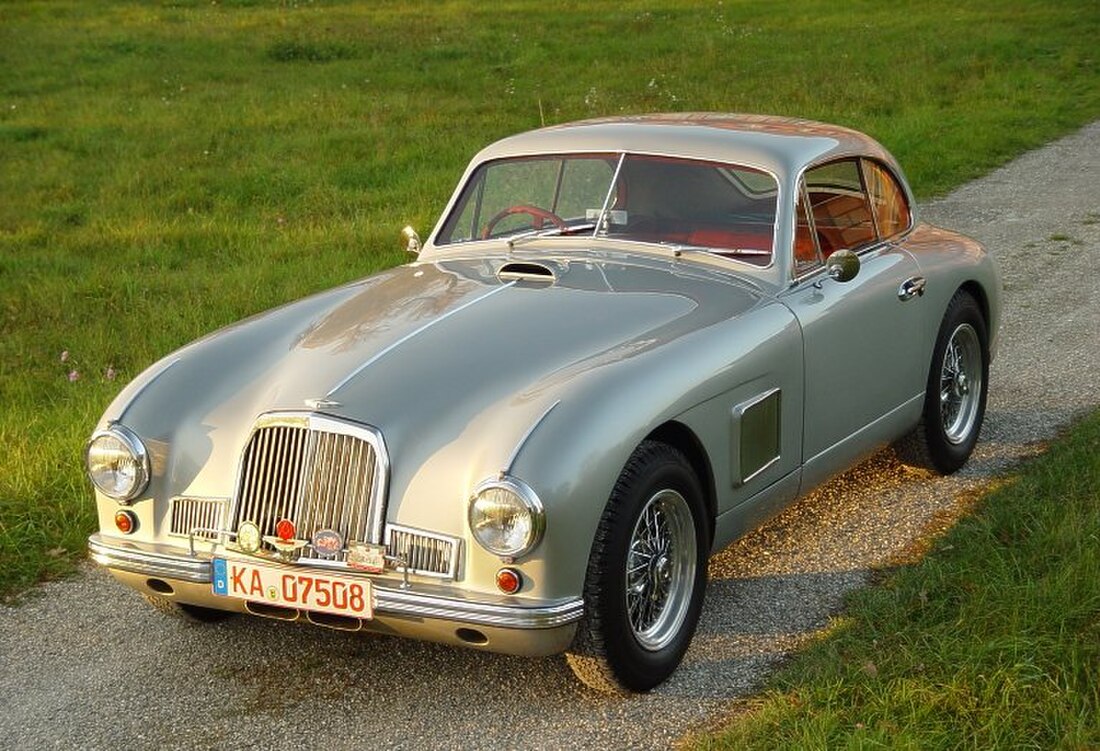
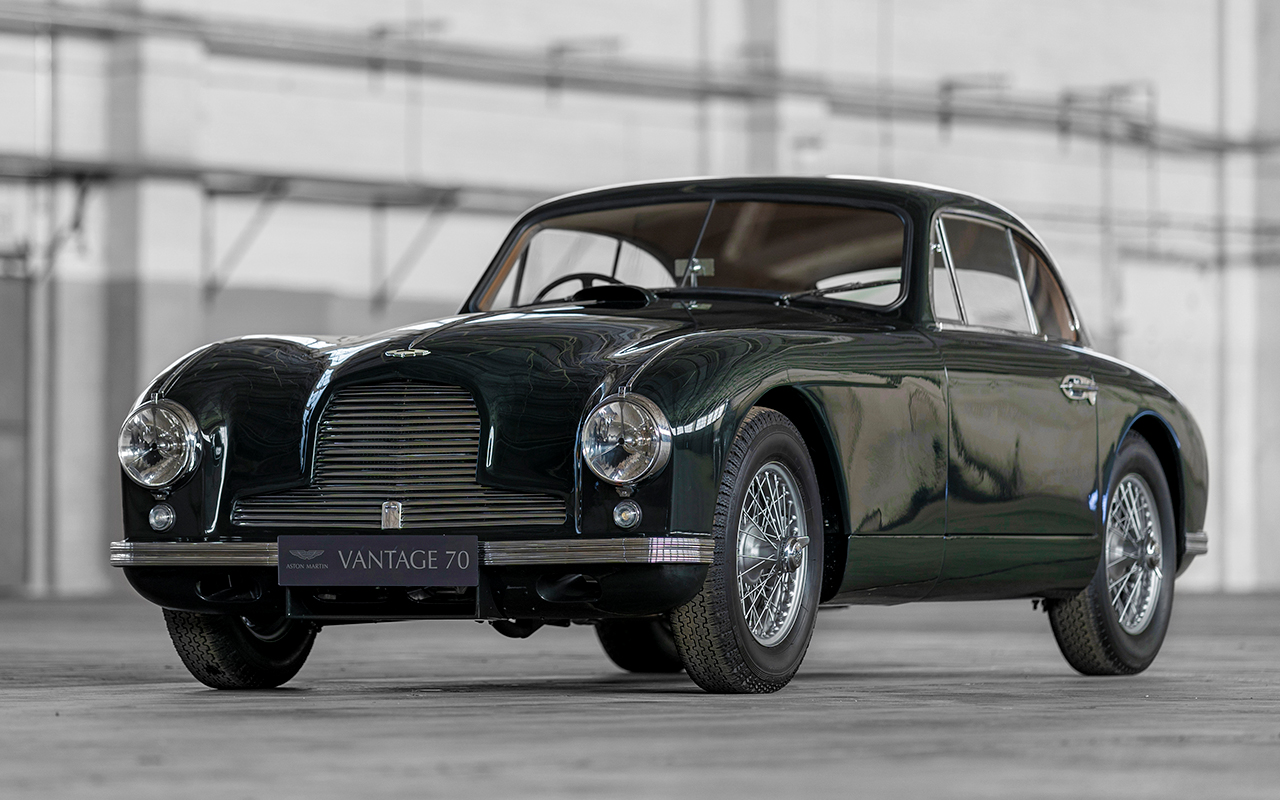
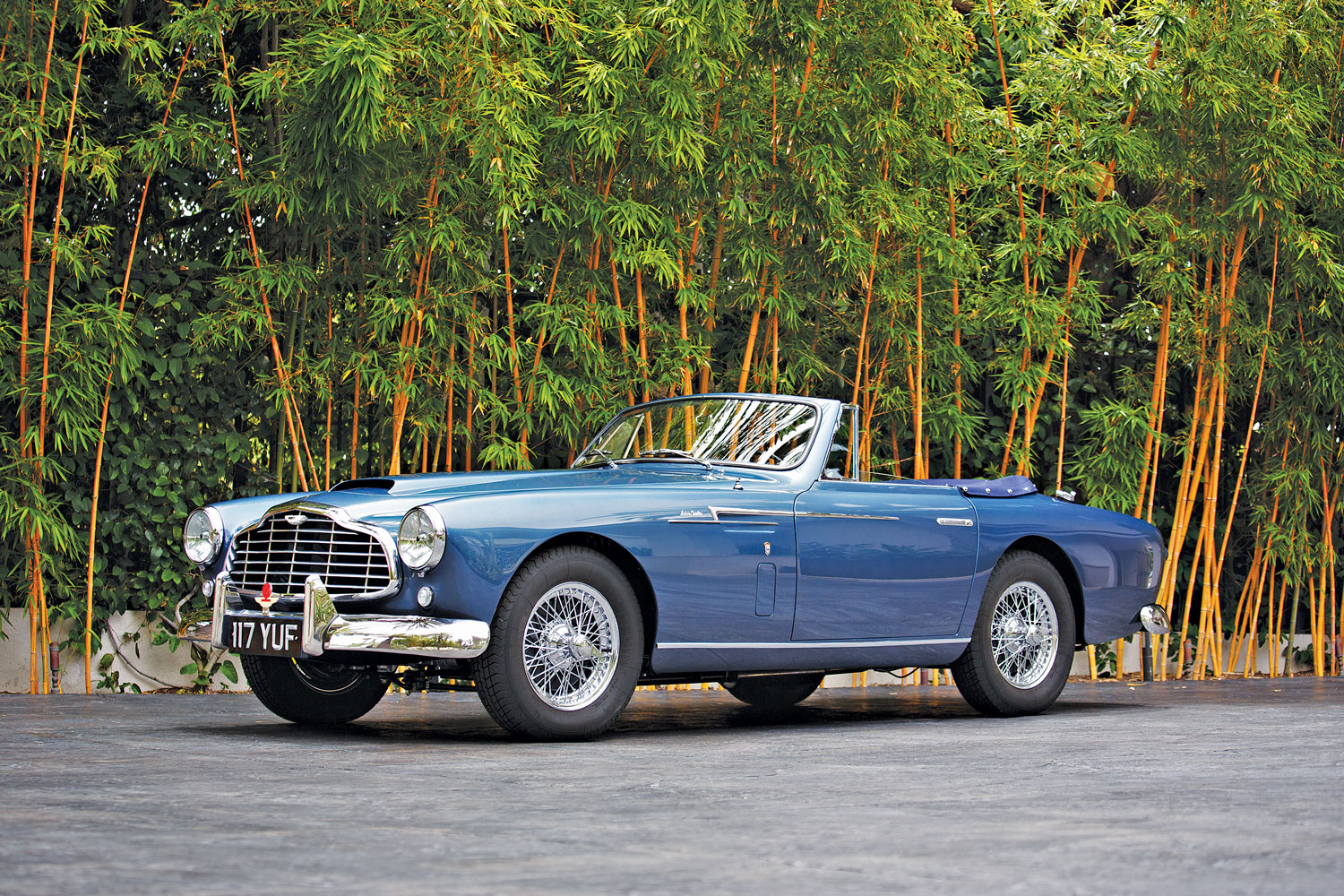
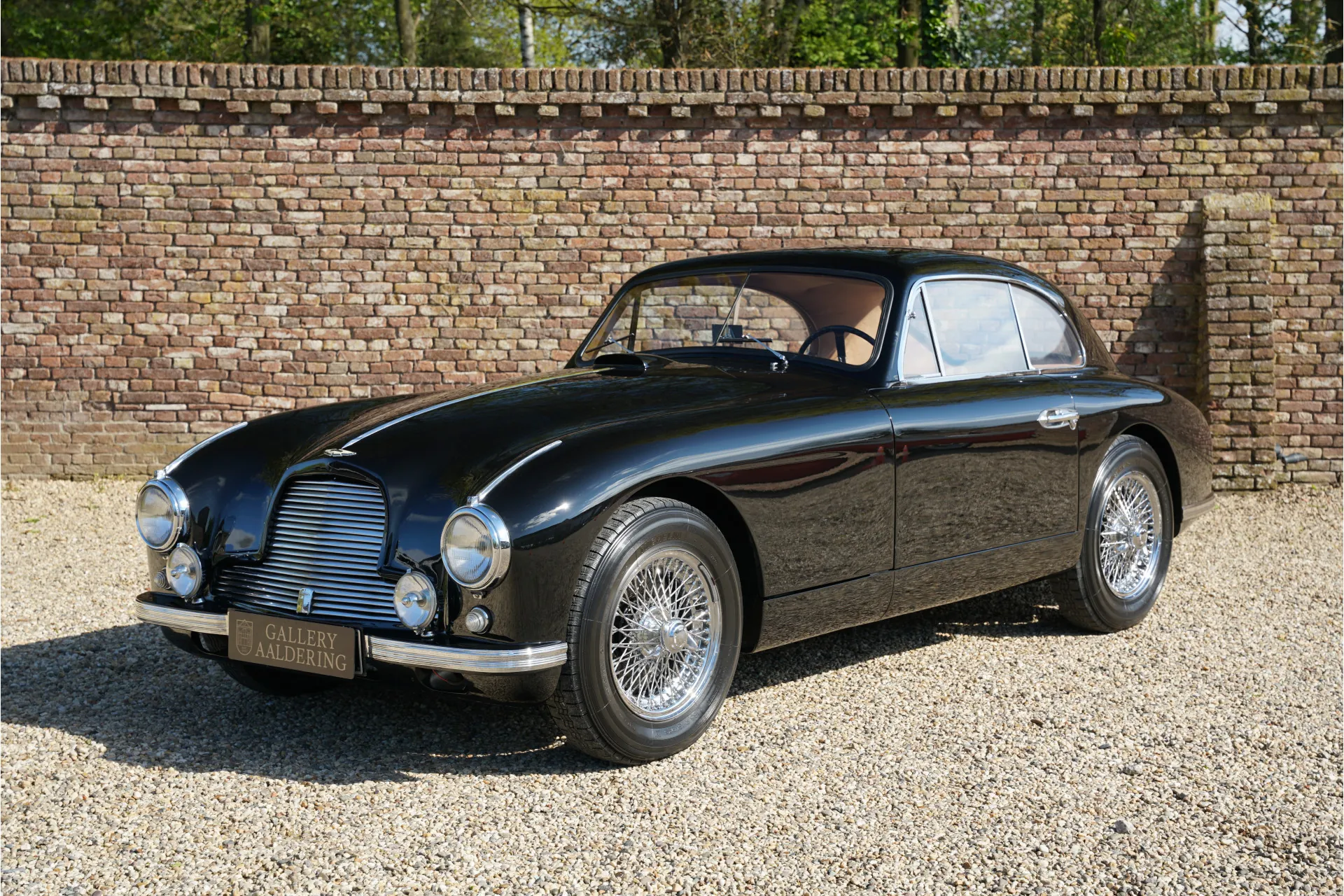
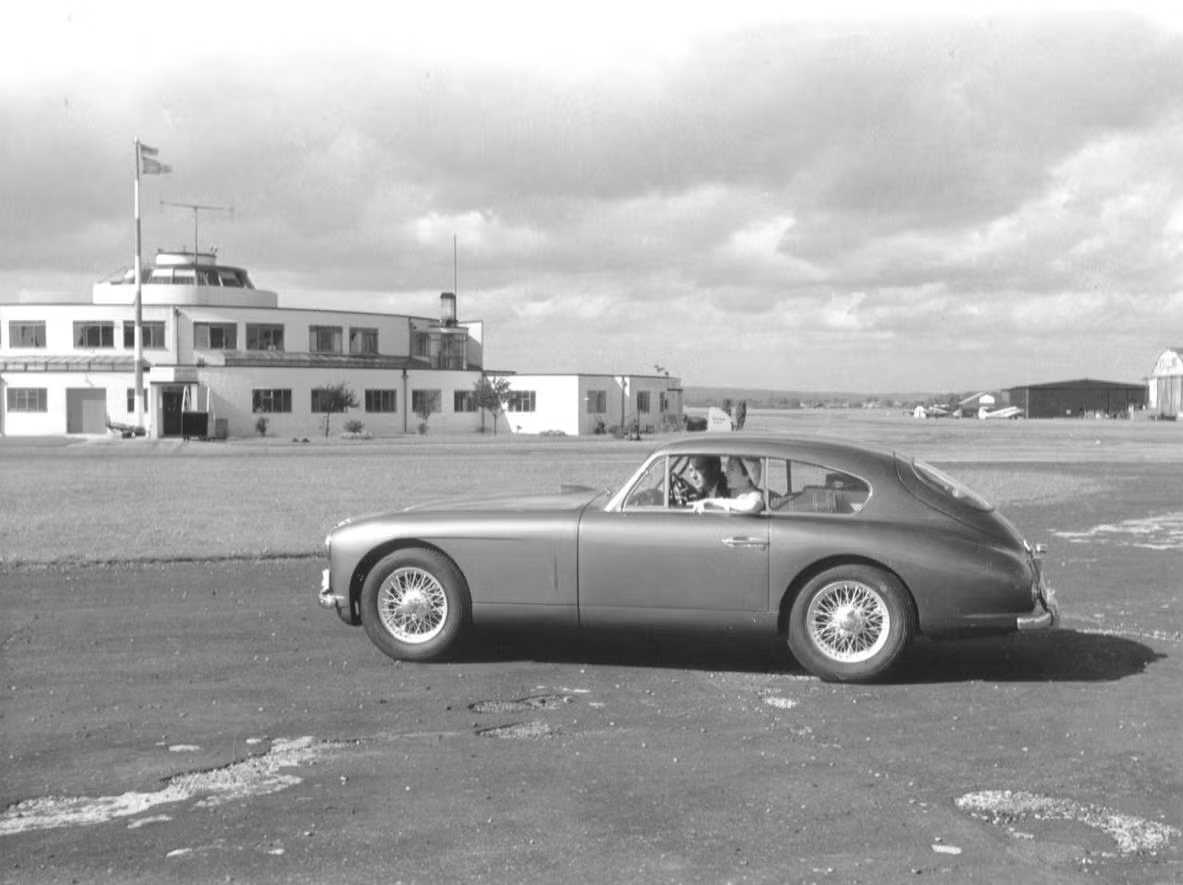
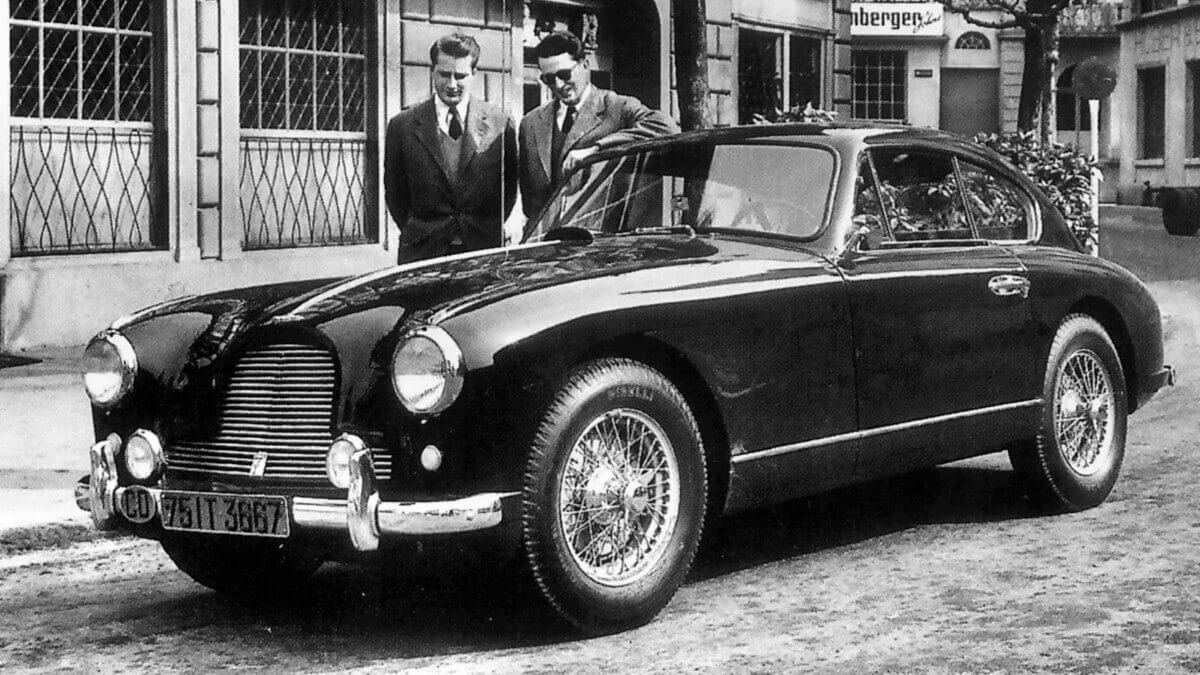
Unveiled at the New York Motor Show in 1950, the DB2 was a revelation. It was the physical embodiment of David Brown’s vision: a car that could be driven in comfort to Le Mans, win its class, and drive home again. The chassis was a rigid, multi-tubular frame, and the body was a masterpiece of aerodynamic grace, penned by Aston’s brilliant and under-appreciated stylist, Frank Feeley. The “Saloon,” as the factory called the fixed-head, was a perfectly proportioned fastback, its iconic grille shape and flowing wings setting a new standard for elegance. This was paired with a sumptuous interior of leather and wood, a cockpit that was pure British luxury. But the car’s soul was W.O. Bentley’s 2,580cc Lagonda engine. With twin SU carburettors, it produced 105 hp, enough to push the slippery coupé to 116 mph. This was not a raw-boned sports car but a Grand Tourer in the truest sense. Its only real rival was the Jaguar XK120, a car that was quantifiably faster and significantly cheaper, but the Aston was seen as the more sophisticated, exclusive, and better-handling connoisseur’s choice. A stylish, if less rigid, “Drophead Coupé” soon followed.
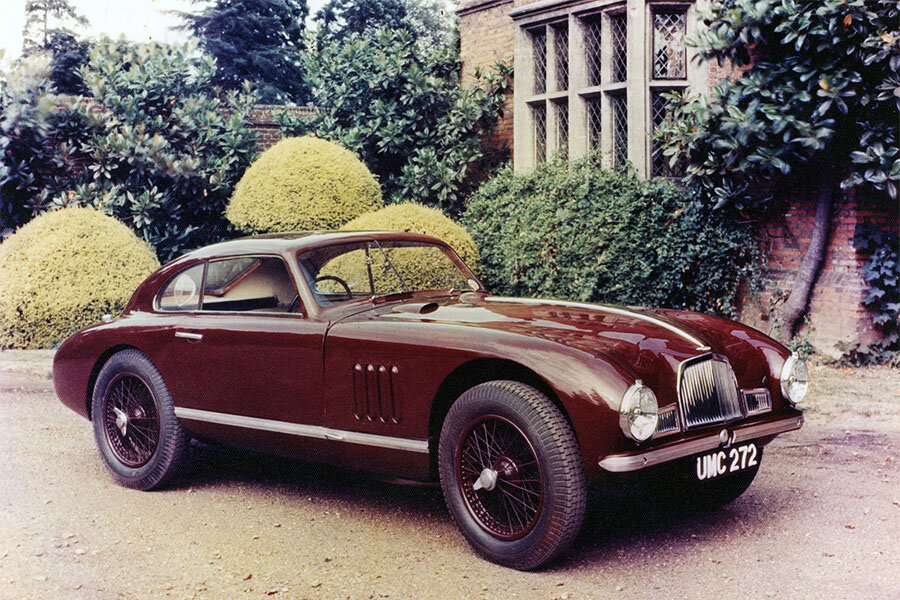
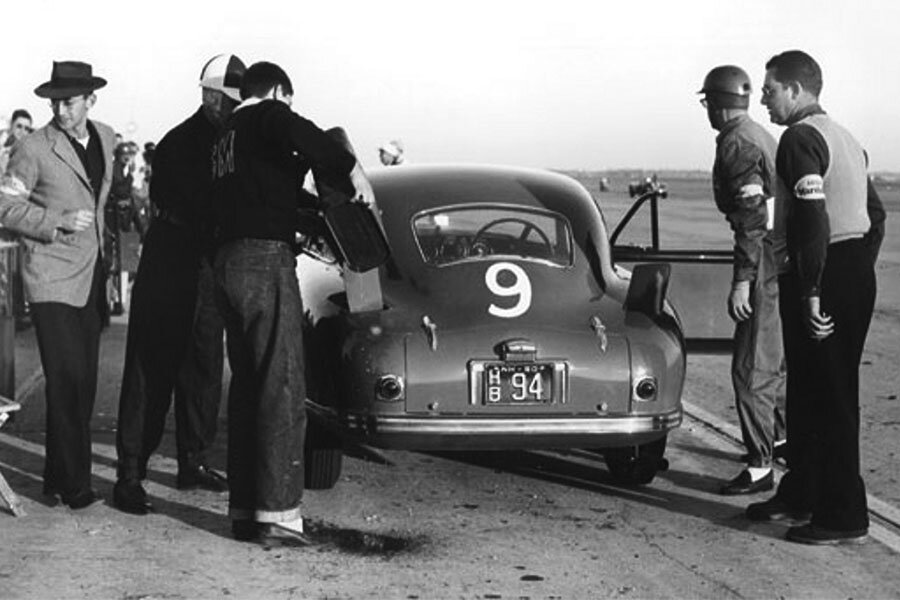
Crucially, the DB2 was born from competition. Three pre-production “Works” cars were entered in the 1949 24 Hours of Le Mans. One finished 7th overall, proving the concept. When the production car arrived in 1950, it returned to Le Mans and scored a dominant 1-2 in the 3.0-litre class, finishing 5th and 6th overall. This was no fluke. In 1951, they did even better, taking a 1-2-3 in class. The DB2 was a consistent winner at Sebring, the Mille Miglia, and the RAC Tourist Trophy. This success led directly to the birth of a hallowed name. Customers wanted the performance of the Works cars, so Aston Martin offered the “Vantage” specification. With larger SU HV8 carburettors and a higher compression ratio, power was boosted to a potent 125 hp. The DB2 Vantage was the first in an unbroken line of high-performance Astons, a dynasty built on the mud and oil of the Sarthe circuit. Around 411 DB2s were built, and they single-handedly established “DB” as a world-class sporting marque.
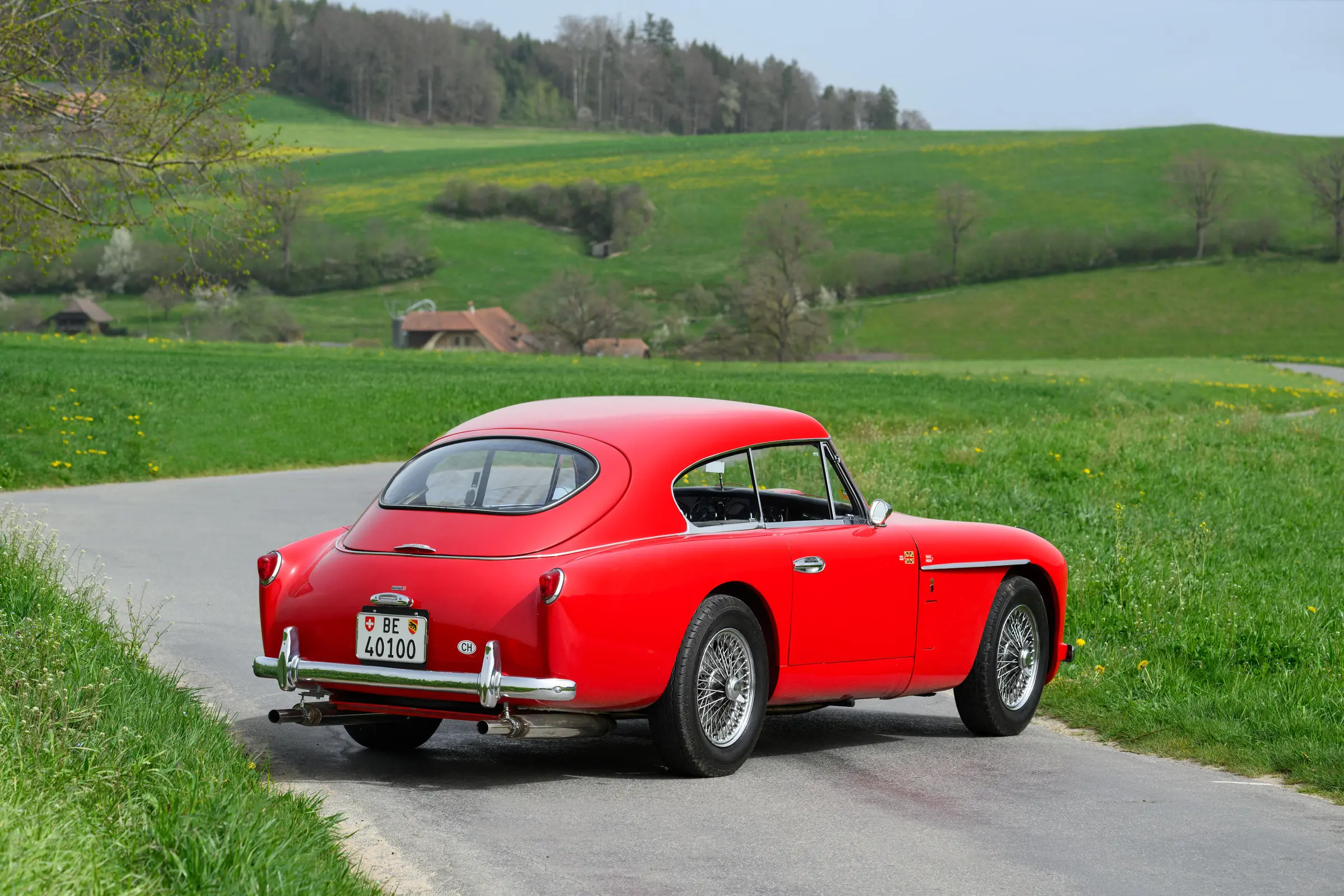
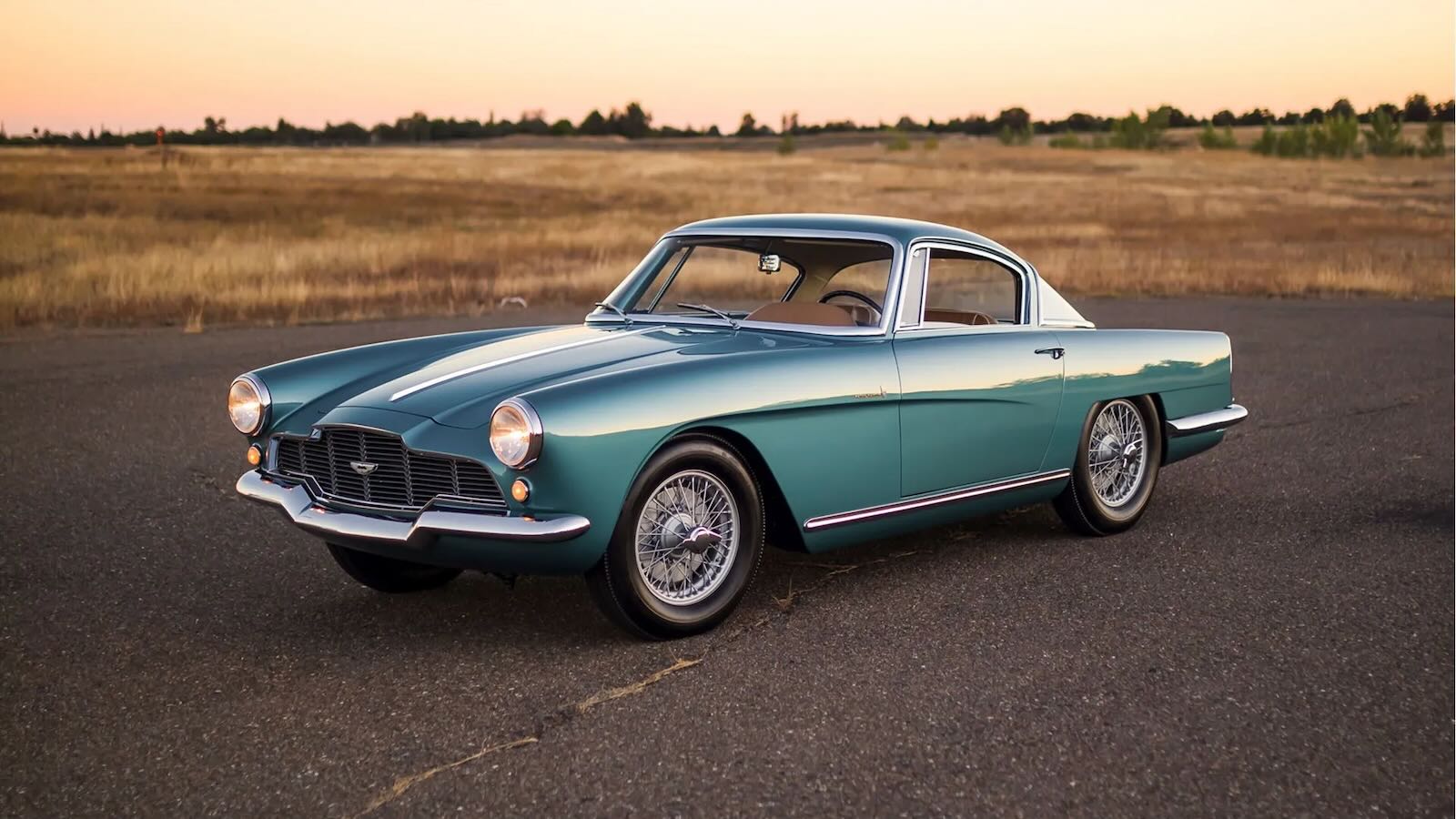
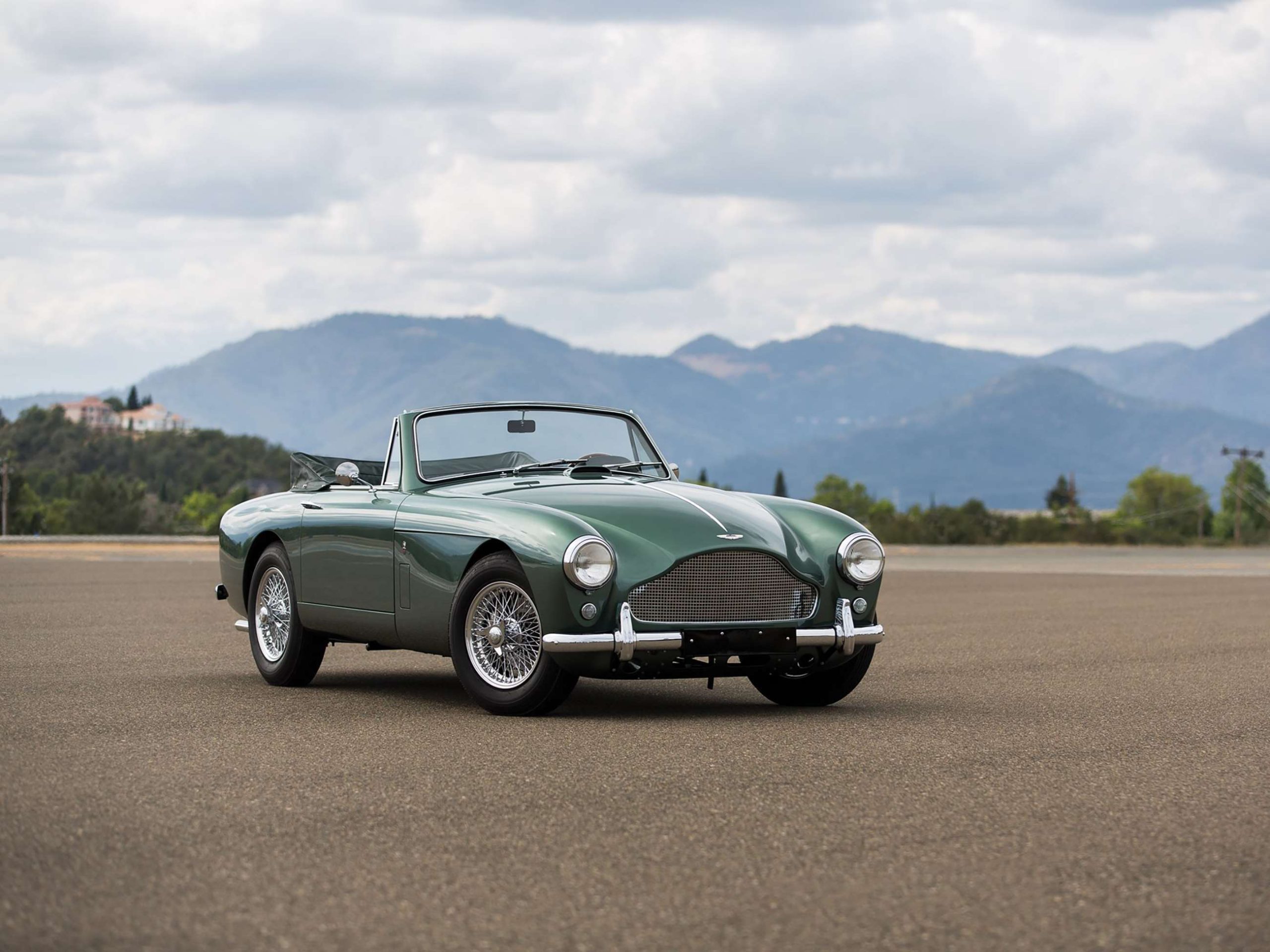
In 1953, the line evolved. David Brown, ever the pragmatist, listened to his customers. The beautiful DB2 was a strict two-seater, limiting its appeal. The solution was the DB2/4. By slightly raising the roofline and redesigning the rear, two small “occasional” seats were added. But the masterstroke was the rear bodywork. Instead of a small boot lid, the entire rear window and deck became a single-piece, top-hinged tailgate—an innovation that arguably created the world’s first luxury sports hatchback. A car with 120-mph performance could now carry two adults, two children, and their luggage for a continental holiday. The initial DB2/4s retained the 2.6-litre engine (now with 125 hp as standard), but in 1954, the engine was bored out to 2,922cc. This new 2.9-litre unit produced 140 hp, giving the heavier car the performance it deserved. The DB2/4 was also offered as a Drophead Coupé and a very rare notchback “Fixed-Head Coupé“, of which only 34 were made. The line’s prestige attracted the attention of Italian carrozzeria, resulting in a handful of stunning, coachbuilt specials, most notably the spiders and coupés penned by Bertone.
The final and most refined evolution of the “Feltham” Astons arrived in 1957. The name was simplified to the Aston Martin DB Mark III, and it represented the zenith of the W.O. Bentley-engined era. Frank Feeley performed one last masterstroke of styling, redesigning the front end to feature the “classic” Aston Martin grille shape, a design that would be perfected on the DB4 and immortalised by the DB5. This was the car’s definitive face. But the real improvements were mechanical. The Mark III was the first production Aston Martin to feature disc brakes (Girling, front standard), a direct result of its racing development. The 2.9-litre engine was now offered in a new range of tunes. The standard “DBA” engine came with twin SU carburettors and a healthy 162 hp. For more serious customers, the “DBB” option offered 178 hp thanks to a different camshaft and other tweaks. But the ultimate specification was the “DBC,” which featured three twin-choke Weber DCO3 carburettors, hotter cams, and a dual-exhaust system to produce a formidable 195 hp. This was the true, final Vantage of the line. Offered as a “Saloon” (hatchback), a Drophead, and a Fixed-Head Coupé, the 551 Mark IIIs built were the fastest, safest, and most complete cars of the series.
The DB Mark III’s production run ended in 1959. This date is poetic. It was the same year that Aston Martin, with its DBR1 prototype (a spiritual descendant of the DB2 Works cars), finally achieved David Brown’s ultimate dream: an outright victory at the 24 Hours of Le Mans. The DB2 line was the car that made it all possible. It saved the company, forged its identity, and established the “DB” bloodline as one of performance, luxury, and inimitable British style. Its successor, the Italian-styled, Tadek Marek-engined DB4, was a complete and total revolution. But it was the nine-year, three-generation dynasty of the DB2 that built the house of David Brown. It was the founding father of the modern Aston Martin.
Portal
Model line
Model generation
Predecessor
Sucessor
Brand
Produced from
Vehicle category
Portal
Model line
Model generation
Predecessor
Sucessor
About this model
In the grey, austere landscape of post-war Britain, industrialist David Brown saw an opportunity for glory. He was a man of immense ambition, his fortune built on tractors and gears, but his passion lay in high-performance motor cars. In 1947, he famously purchased a “High Class Motor Business” advertised in The Times for £20,500. That business was Aston Martin. He had a chassis, a small team, and a pre-war four-cylinder engine, but he knew this wasn’t enough. Later that same year, he acquired Lagonda, a prestigious but struggling firm, for £52,500. He wasn’t just buying a name; he was buying an engine—the magnificent 2.6-litre, twin-overhead-cam straight-six designed by the great W.O. Bentley himself. The pre-war Aston Martin Atom and the subsequent 2-Litre Sports (retroactively dubbed the “DB1“) were the testbeds, but the car that would truly forge the company’s future, the car that would define the post-war British GT, was the Aston Martin DB2.
Unveiled at the New York Motor Show in 1950, the DB2 was a revelation. It was the physical embodiment of David Brown’s vision: a car that could be driven in comfort to Le Mans, win its class, and drive home again. The chassis was a rigid, multi-tubular frame, and the body was a masterpiece of aerodynamic grace, penned by Aston’s brilliant and under-appreciated stylist, Frank Feeley. The “Saloon,” as the factory called the fixed-head, was a perfectly proportioned fastback, its iconic grille shape and flowing wings setting a new standard for elegance. This was paired with a sumptuous interior of leather and wood, a cockpit that was pure British luxury. But the car’s soul was W.O. Bentley’s 2,580cc Lagonda engine. With twin SU carburettors, it produced 105 hp, enough to push the slippery coupé to 116 mph. This was not a raw-boned sports car but a Grand Tourer in the truest sense. Its only real rival was the Jaguar XK120, a car that was quantifiably faster and significantly cheaper, but the Aston was seen as the more sophisticated, exclusive, and better-handling connoisseur’s choice. A stylish, if less rigid, “Drophead Coupé” soon followed.
Crucially, the DB2 was born from competition. Three pre-production “Works” cars were entered in the 1949 24 Hours of Le Mans. One finished 7th overall, proving the concept. When the production car arrived in 1950, it returned to Le Mans and scored a dominant 1-2 in the 3.0-litre class, finishing 5th and 6th overall. This was no fluke. In 1951, they did even better, taking a 1-2-3 in class. The DB2 was a consistent winner at Sebring, the Mille Miglia, and the RAC Tourist Trophy. This success led directly to the birth of a hallowed name. Customers wanted the performance of the Works cars, so Aston Martin offered the “Vantage” specification. With larger SU HV8 carburettors and a higher compression ratio, power was boosted to a potent 125 hp. The DB2 Vantage was the first in an unbroken line of high-performance Astons, a dynasty built on the mud and oil of the Sarthe circuit. Around 411 DB2s were built, and they single-handedly established “DB” as a world-class sporting marque.
In 1953, the line evolved. David Brown, ever the pragmatist, listened to his customers. The beautiful DB2 was a strict two-seater, limiting its appeal. The solution was the DB2/4. By slightly raising the roofline and redesigning the rear, two small “occasional” seats were added. But the masterstroke was the rear bodywork. Instead of a small boot lid, the entire rear window and deck became a single-piece, top-hinged tailgate—an innovation that arguably created the world’s first luxury sports hatchback. A car with 120-mph performance could now carry two adults, two children, and their luggage for a continental holiday. The initial DB2/4s retained the 2.6-litre engine (now with 125 hp as standard), but in 1954, the engine was bored out to 2,922cc. This new 2.9-litre unit produced 140 hp, giving the heavier car the performance it deserved. The DB2/4 was also offered as a Drophead Coupé and a very rare notchback “Fixed-Head Coupé“, of which only 34 were made. The line’s prestige attracted the attention of Italian carrozzeria, resulting in a handful of stunning, coachbuilt specials, most notably the spiders and coupés penned by Bertone.
The final and most refined evolution of the “Feltham” Astons arrived in 1957. The name was simplified to the Aston Martin DB Mark III, and it represented the zenith of the W.O. Bentley-engined era. Frank Feeley performed one last masterstroke of styling, redesigning the front end to feature the “classic” Aston Martin grille shape, a design that would be perfected on the DB4 and immortalised by the DB5. This was the car’s definitive face. But the real improvements were mechanical. The Mark III was the first production Aston Martin to feature disc brakes (Girling, front standard), a direct result of its racing development. The 2.9-litre engine was now offered in a new range of tunes. The standard “DBA” engine came with twin SU carburettors and a healthy 162 hp. For more serious customers, the “DBB” option offered 178 hp thanks to a different camshaft and other tweaks. But the ultimate specification was the “DBC,” which featured three twin-choke Weber DCO3 carburettors, hotter cams, and a dual-exhaust system to produce a formidable 195 hp. This was the true, final Vantage of the line. Offered as a “Saloon” (hatchback), a Drophead, and a Fixed-Head Coupé, the 551 Mark IIIs built were the fastest, safest, and most complete cars of the series.
The DB Mark III’s production run ended in 1959. This date is poetic. It was the same year that Aston Martin, with its DBR1 prototype (a spiritual descendant of the DB2 Works cars), finally achieved David Brown’s ultimate dream: an outright victory at the 24 Hours of Le Mans. The DB2 line was the car that made it all possible. It saved the company, forged its identity, and established the “DB” bloodline as one of performance, luxury, and inimitable British style. Its successor, the Italian-styled, Tadek Marek-engined DB4, was a complete and total revolution. But it was the nine-year, three-generation dynasty of the DB2 that built the house of David Brown. It was the founding father of the modern Aston Martin.
Generations
Generations of this model
Generations
Generations of this model
Submodels
Discover all the variants of this model
Submodels
Discover all the variants of this model
Vehicles
Legendary Vehicles
Vehicles