Argo JM19

Brand
Produced from
Vehicle category
Portal
Model line
Model generation
Predecessor
Sucessor
About this model
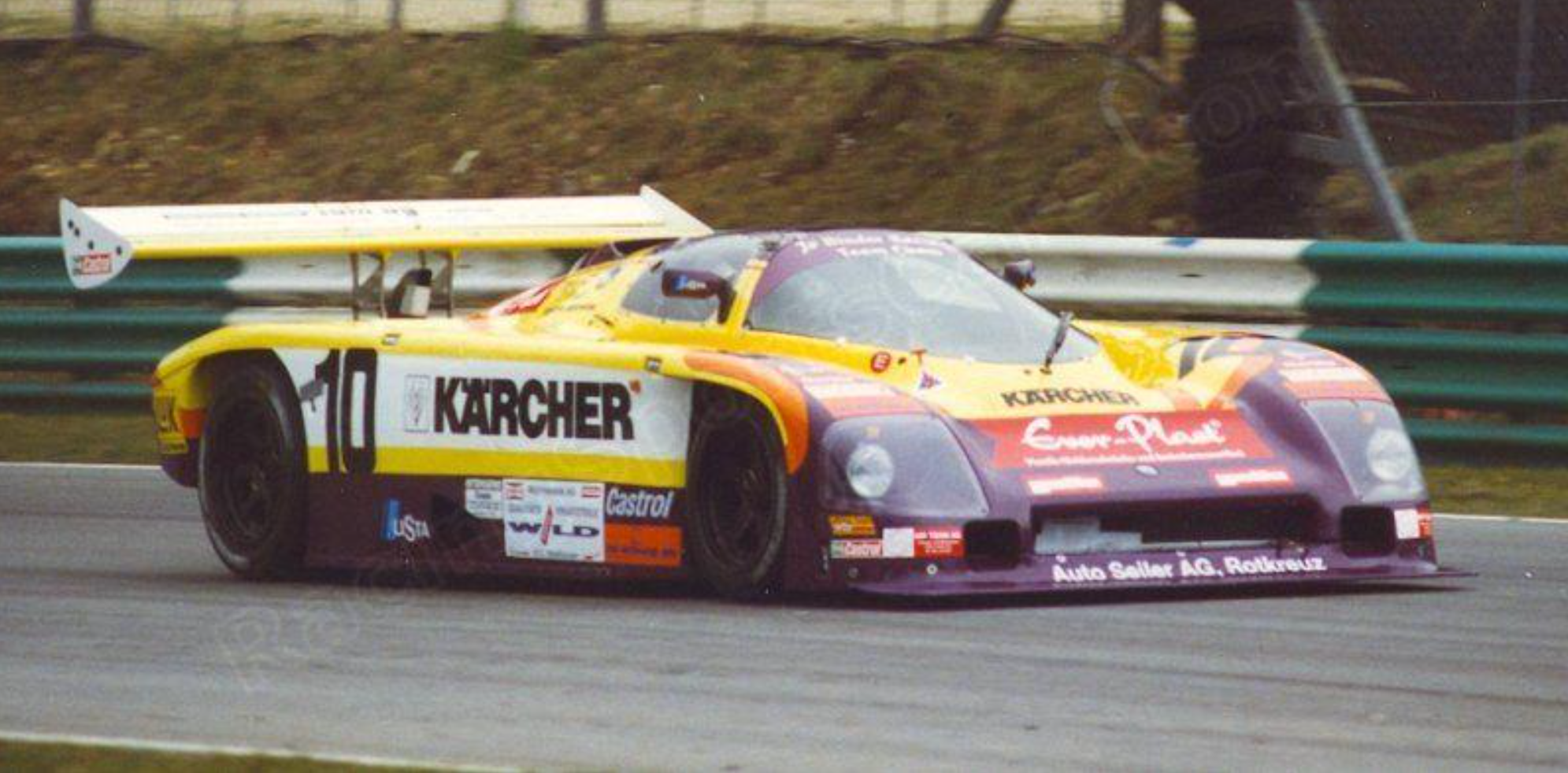
In the pantheon of 1980s sports prototypes, the narrative is understandably dominated by the factory titans. We speak in hushed tones of the Porsche 956 and 962, the Sauber Mercedes C9, and the Jaguar XJR-series—cars backed by colossal budgets and legendary engineering teams that fought for overall glory at Le Mans, Daytona, and across the globe. But beneath this headline-grabbing battle, a fiercer, more diverse, and arguably more passionate war was being waged. This was the realm of the “junior” prototype classes, IMSA’s Camel Lights and the FIA’s Group C2. It was a category for the specialist constructor, the plucky privateer, and the aspiring driver. And in this arena, one of the most prolific and enduring weapons was a small-displacement giant-killer from a little-known British constructor: the Argo JM19.
Argo Racing Cars, founded by Swiss designer Jo Marquart and British driver Nick Jordan, was born from the crucible of junior formula car construction. When they turned their attention to the booming sports car market in 1985, their philosophy was not to build a complex world-beater, but a pragmatic, light, and effective customer car. The JM19 was the masterpiece of this philosophy. Its direct rivals were not the Porsches, but the other customer specialists who fought for the exact same market: cars from Spice Engineering, Tiga, and Alba. The JM19 was an evolution of Argo’s previous JM16, designed to be the perfect, affordable tool for a privateer team to go racing and, crucially, to win its class.
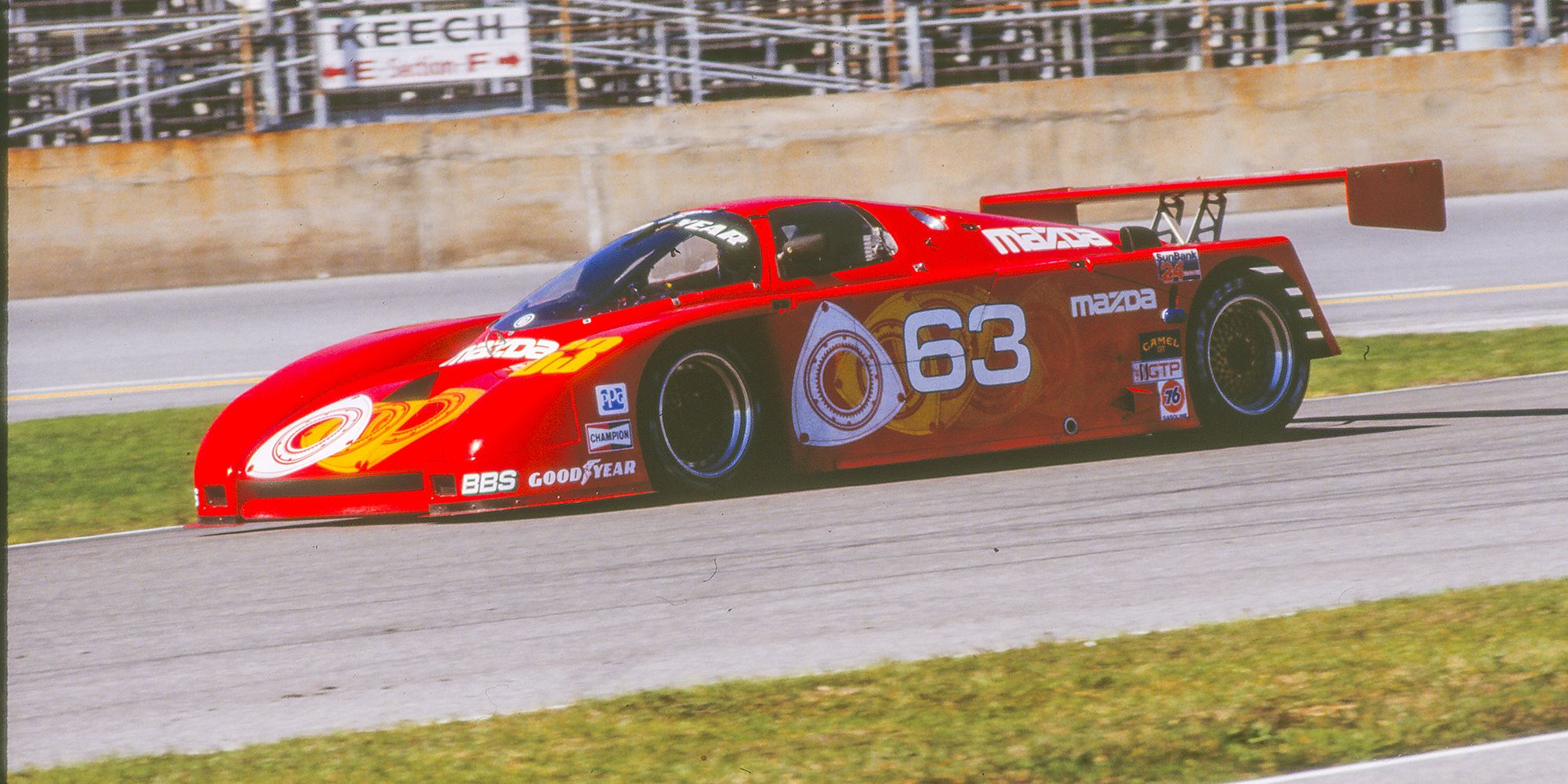
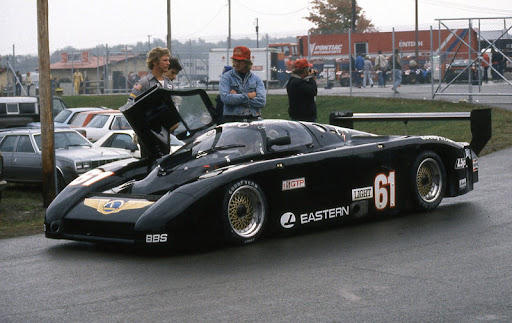
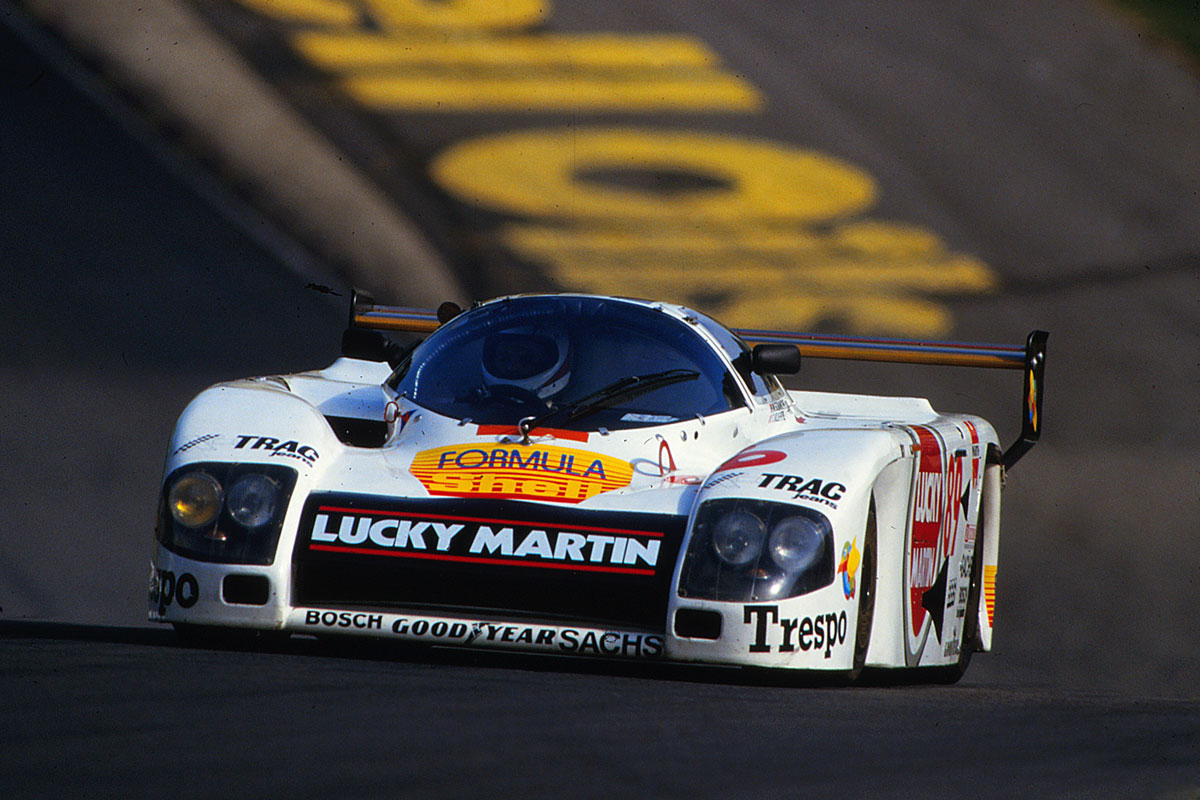
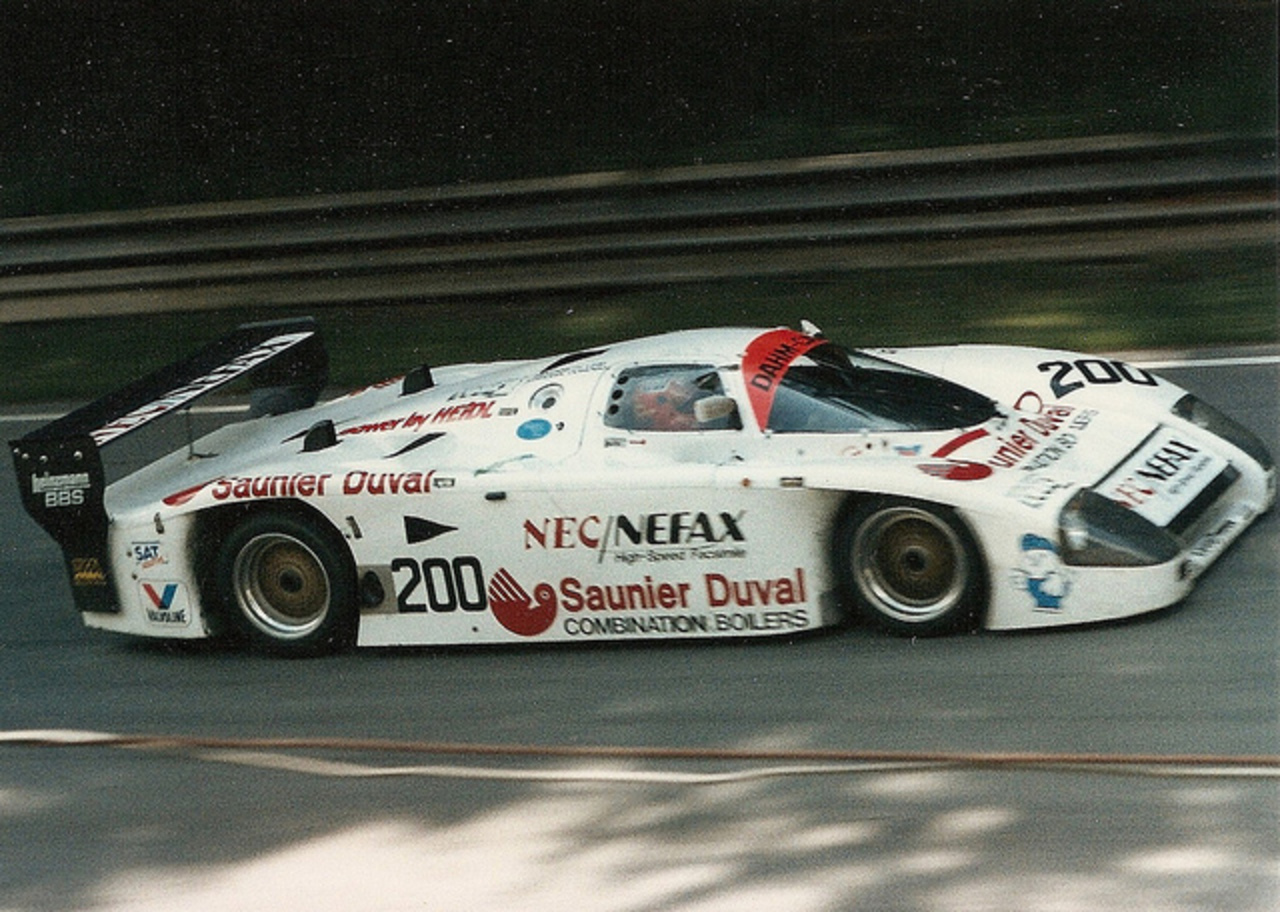
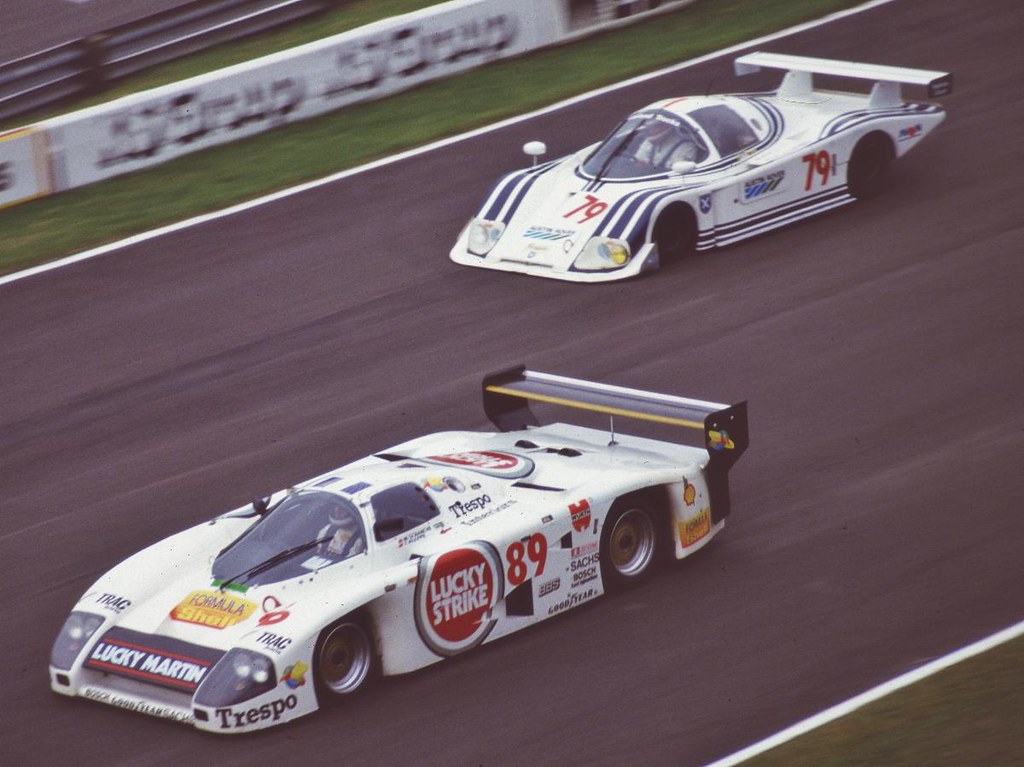
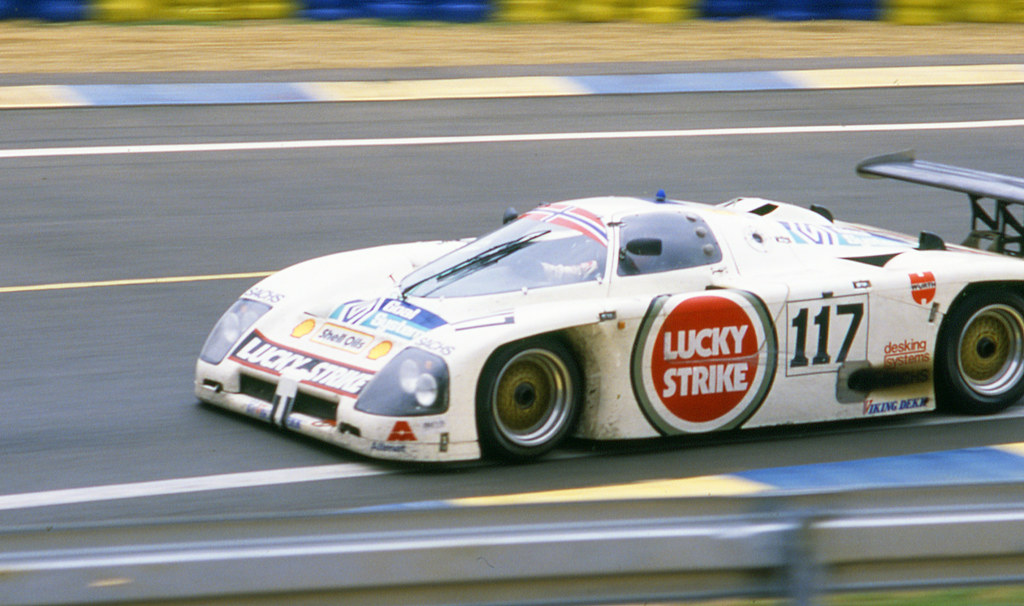
Technically, the JM19 was a product of its time, but executed with a brilliant focus on versatility. The heart of the car was a strong but conventional aluminium monocoque chassis, stiff enough to handle the rigours of a 24-hour endurance race and, importantly, simple enough for a small team to repair after an incident. Its ground-effect aerodynamic bodywork was a clean, efficient design, offering a balance of downforce for American sprint tracks and a slippery-enough profile for the long Mulsanne Straight at Le Mans. But the JM19’s true genius, and the secret to its decade-long career, lay in its engine bay. It was designed from the outset to be an engineering chameleon, a universal platform that could accept a bewildering array of powerplants. This adaptability is what made it so successful. The base JM19 launched in 1985, most famously paired with the high-revving, peripheral-ported Mazda 13B rotary engine. This combination became the definitive IMSA Lights package, offering a fantastic blend of low weight, compact size, and bulletproof reliability. Simultaneously, other teams adopted the potent, torquey Buick V6, another popular choice in the IMSA paddock.
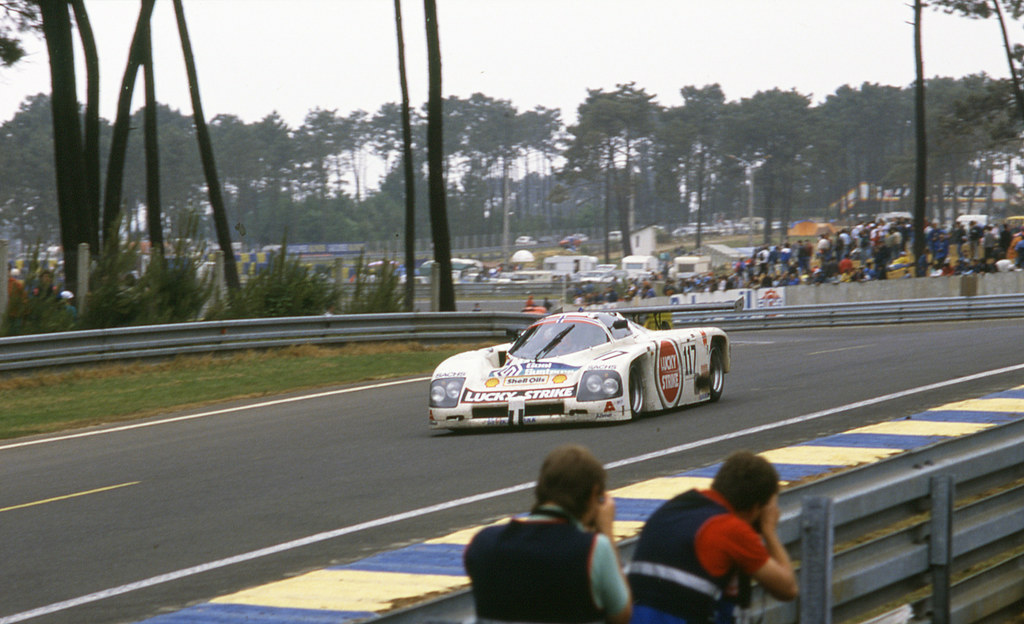
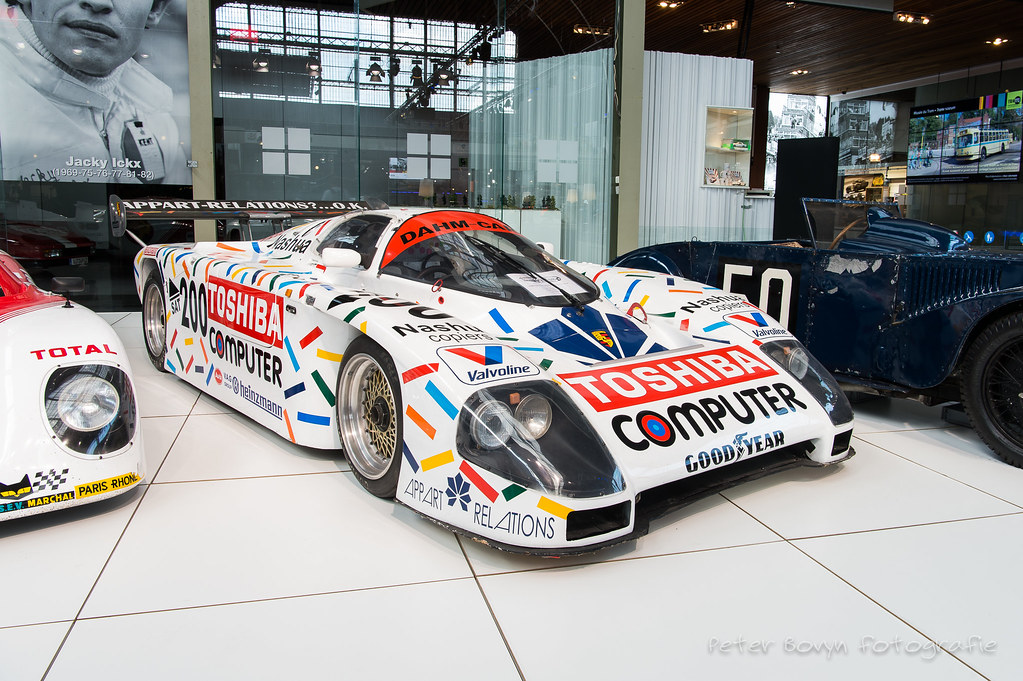
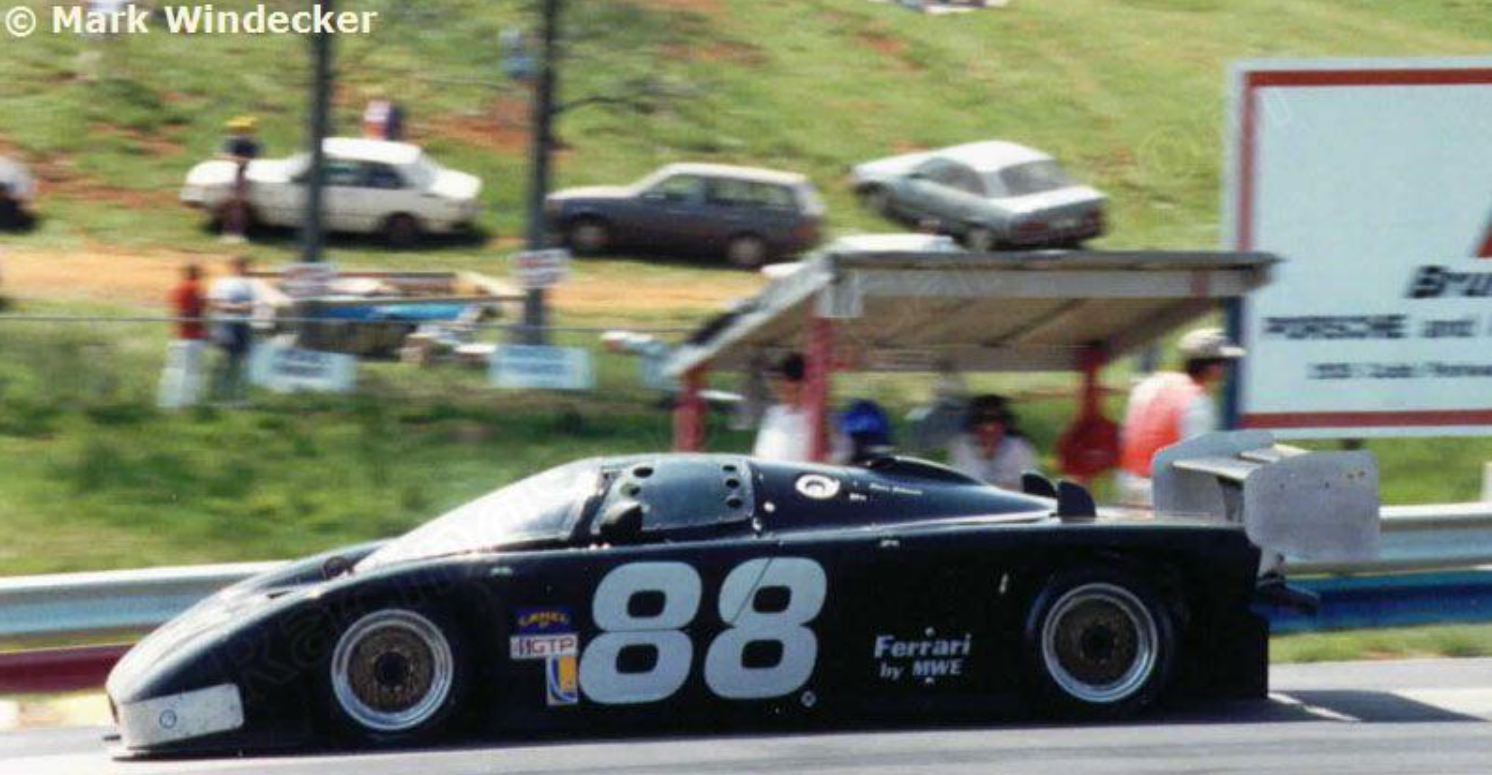
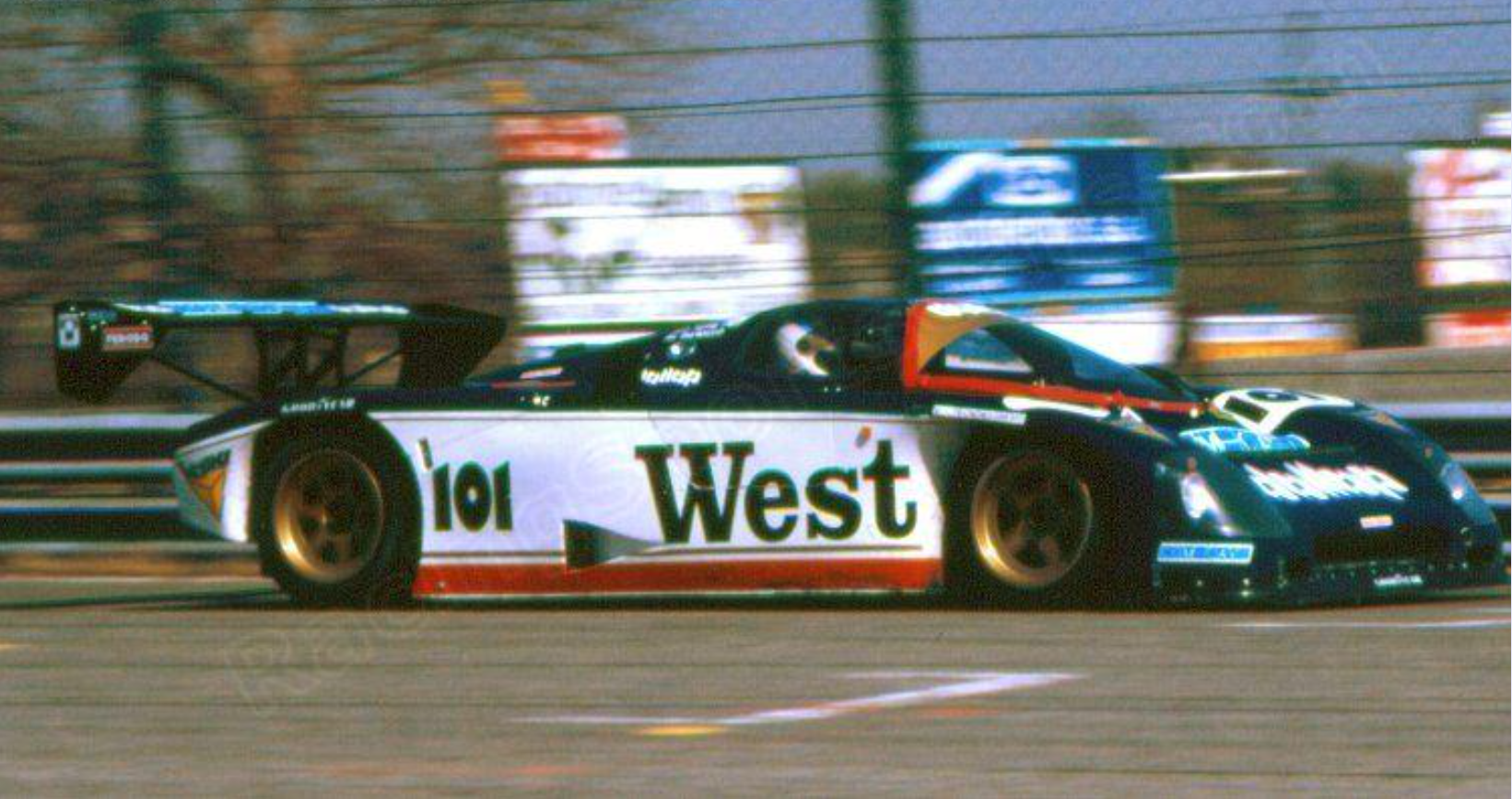
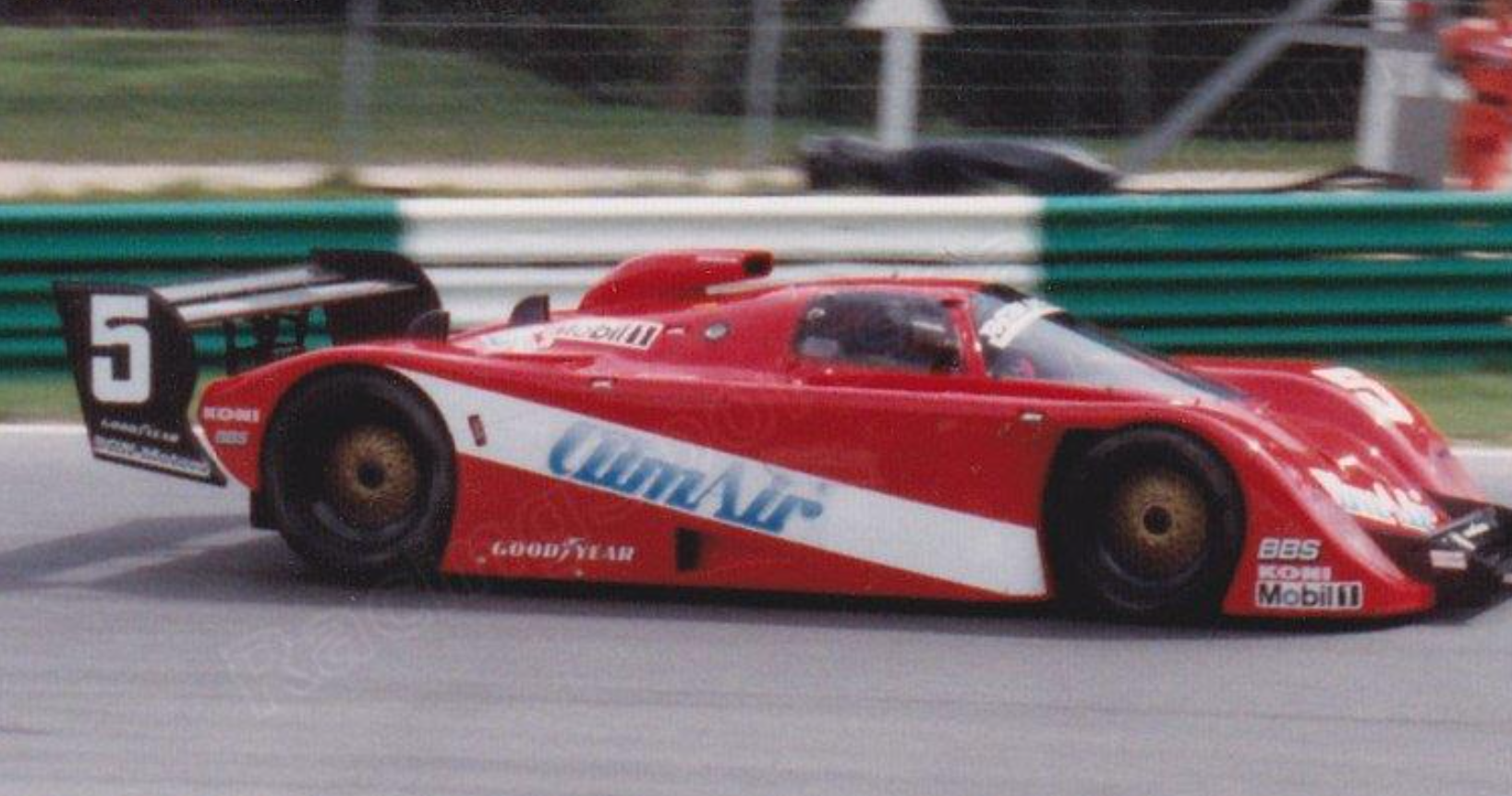
This versatility became the car’s trademark as it evolved. The chassis saw minor updates, designated JM19B and JM19C, but the core design remained. European teams in Group C2, who didn’t have access to the Mazda or Buick programs, slotted in the ubiquitous 3.0-litre Cosworth DFL V8, the privateer’s engine of choice. Some teams went for more exotic power, like the 1986 Zakspeed Turbo variant, which used the German tuner’s potent 1.8-litre turbocharged Ford engine. A Porsche-powered version also appeared in 1987, utilising a 3.0-litre flat-six. But the most wonderfully absurd examples of the JM19’s flexibility came in 1988. One privateer, Gaston Andrey Racing, shoehorned a 3.0-litre V8 from a Ferrari 308 into the ’19B’ chassis, creating the “Argo-Ferrari”. In Europe, another team fitted the obscure Motori Moderni 1.5-litre V6 turbo, an engine originally intended for Formula One. The chassis was so sound that it soldiered on, and by 1991, the ’19C’ was being powered by the F1-derived Judd V8, followed by the American-powered Argo JM19D Chevrolet in 1996. This timeline is staggering: a chassis designed in 1985 was still being competitively raced and updated with new engines eleven years later.
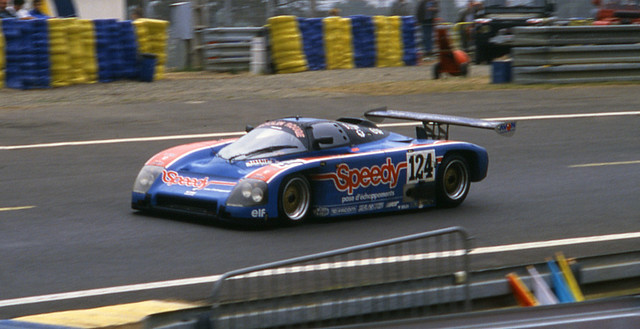
The JM19’s competition history is not one of overall victories, but of absolute class domination. In the hands of American driver Jim Downing, the Mazda-powered JM19 was simply untouchable in IMSA. Downing’s team, R/C Racing, was a development partner, and they perfected the rotary-powered package, winning the IMSA Camel Lights championship an incredible three consecutive times in 1985, 1986, and 1987. The JM19 was the car that defined the category, its distinctive rotary shriek echoing through Daytona and Sebring as it ran rings around its rivals. In Europe, its Group C2 success was more hard-fought against the dominant Spice chassis, but the Argo was a constant presence at Le Mans and on the World Sportscar Championship grid, frequently carrying teams to class podiums and strong finishes. It was the car that allowed dozens of teams to live their endurance racing dreams, a reliable and fast machine that could withstand the punishment of 24-hour races and regularly outlast more powerful, more fragile GTP and C1 machinery to score respectable top-10 overall finishes.
The legacy of the Argo JM19 is one of quiet, pervasive excellence. It is not remembered as a single car, but as a small army of privateer heroes, each painted in a different livery and singing a different engine note. It was the ultimate enabler. While Spice Engineering eventually took over its mantle as the definitive customer chassis, the JM19’s longevity is arguably unparalleled. It represents a golden, bygone era of customer prototype racing, a testament to Jo Marquart’s brilliant, pragmatic design that allowed a small British constructor to build a car that could be raced for over a decade, powered by everything from a tiny Mazda rotary to a Ferrari V8. It was the backbone of its class and a true, unsung hero of the greatest era of sports car racing.
Portal
Model line
Model generation
Predecessor
Sucessor
Brand
Produced from
Vehicle category
Portal
Model line
Model generation
Predecessor
Sucessor
About this model
In the pantheon of 1980s sports prototypes, the narrative is understandably dominated by the factory titans. We speak in hushed tones of the Porsche 956 and 962, the Sauber Mercedes C9, and the Jaguar XJR-series—cars backed by colossal budgets and legendary engineering teams that fought for overall glory at Le Mans, Daytona, and across the globe. But beneath this headline-grabbing battle, a fiercer, more diverse, and arguably more passionate war was being waged. This was the realm of the “junior” prototype classes, IMSA’s Camel Lights and the FIA’s Group C2. It was a category for the specialist constructor, the plucky privateer, and the aspiring driver. And in this arena, one of the most prolific and enduring weapons was a small-displacement giant-killer from a little-known British constructor: the Argo JM19.
Argo Racing Cars, founded by Swiss designer Jo Marquart and British driver Nick Jordan, was born from the crucible of junior formula car construction. When they turned their attention to the booming sports car market in 1985, their philosophy was not to build a complex world-beater, but a pragmatic, light, and effective customer car. The JM19 was the masterpiece of this philosophy. Its direct rivals were not the Porsches, but the other customer specialists who fought for the exact same market: cars from Spice Engineering, Tiga, and Alba. The JM19 was an evolution of Argo’s previous JM16, designed to be the perfect, affordable tool for a privateer team to go racing and, crucially, to win its class.
Technically, the JM19 was a product of its time, but executed with a brilliant focus on versatility. The heart of the car was a strong but conventional aluminium monocoque chassis, stiff enough to handle the rigours of a 24-hour endurance race and, importantly, simple enough for a small team to repair after an incident. Its ground-effect aerodynamic bodywork was a clean, efficient design, offering a balance of downforce for American sprint tracks and a slippery-enough profile for the long Mulsanne Straight at Le Mans. But the JM19’s true genius, and the secret to its decade-long career, lay in its engine bay. It was designed from the outset to be an engineering chameleon, a universal platform that could accept a bewildering array of powerplants. This adaptability is what made it so successful. The base JM19 launched in 1985, most famously paired with the high-revving, peripheral-ported Mazda 13B rotary engine. This combination became the definitive IMSA Lights package, offering a fantastic blend of low weight, compact size, and bulletproof reliability. Simultaneously, other teams adopted the potent, torquey Buick V6, another popular choice in the IMSA paddock.
This versatility became the car’s trademark as it evolved. The chassis saw minor updates, designated JM19B and JM19C, but the core design remained. European teams in Group C2, who didn’t have access to the Mazda or Buick programs, slotted in the ubiquitous 3.0-litre Cosworth DFL V8, the privateer’s engine of choice. Some teams went for more exotic power, like the 1986 Zakspeed Turbo variant, which used the German tuner’s potent 1.8-litre turbocharged Ford engine. A Porsche-powered version also appeared in 1987, utilising a 3.0-litre flat-six. But the most wonderfully absurd examples of the JM19’s flexibility came in 1988. One privateer, Gaston Andrey Racing, shoehorned a 3.0-litre V8 from a Ferrari 308 into the ’19B’ chassis, creating the “Argo-Ferrari”. In Europe, another team fitted the obscure Motori Moderni 1.5-litre V6 turbo, an engine originally intended for Formula One. The chassis was so sound that it soldiered on, and by 1991, the ’19C’ was being powered by the F1-derived Judd V8, followed by the American-powered Argo JM19D Chevrolet in 1996. This timeline is staggering: a chassis designed in 1985 was still being competitively raced and updated with new engines eleven years later.
The JM19’s competition history is not one of overall victories, but of absolute class domination. In the hands of American driver Jim Downing, the Mazda-powered JM19 was simply untouchable in IMSA. Downing’s team, R/C Racing, was a development partner, and they perfected the rotary-powered package, winning the IMSA Camel Lights championship an incredible three consecutive times in 1985, 1986, and 1987. The JM19 was the car that defined the category, its distinctive rotary shriek echoing through Daytona and Sebring as it ran rings around its rivals. In Europe, its Group C2 success was more hard-fought against the dominant Spice chassis, but the Argo was a constant presence at Le Mans and on the World Sportscar Championship grid, frequently carrying teams to class podiums and strong finishes. It was the car that allowed dozens of teams to live their endurance racing dreams, a reliable and fast machine that could withstand the punishment of 24-hour races and regularly outlast more powerful, more fragile GTP and C1 machinery to score respectable top-10 overall finishes.
The legacy of the Argo JM19 is one of quiet, pervasive excellence. It is not remembered as a single car, but as a small army of privateer heroes, each painted in a different livery and singing a different engine note. It was the ultimate enabler. While Spice Engineering eventually took over its mantle as the definitive customer chassis, the JM19’s longevity is arguably unparalleled. It represents a golden, bygone era of customer prototype racing, a testament to Jo Marquart’s brilliant, pragmatic design that allowed a small British constructor to build a car that could be raced for over a decade, powered by everything from a tiny Mazda rotary to a Ferrari V8. It was the backbone of its class and a true, unsung hero of the greatest era of sports car racing.
Generations
Generations of this model
Generations
Generations of this model
Submodels
Discover all the variants of this model
Submodels
Discover all the variants of this model
Vehicles
Legendary Vehicles
Vehicles