Aston Martin Vantage
Brand
Produced from
Vehicle category
Portal
Model line
Model generation
Predecessor
Sucessor
About this model
If the DB9 was the car that resurrected Aston Martin’s image as the builder of the ultimate grand tourer, the Vantage was the car that saved its soul—and its bank account. Launched in 2005, the “baby” Aston was the second car to emerge from the all-new Gaydon factory, and it was a statement of intent. This was not a replacement for an existing model; it was a pure conquest vehicle. With the V8 Vantage, Aston Martin was kicking open the door to the most competitive, lucrative, and fiercely defended territory in the automotive world: the kingdom of the Porsche 911. It was a gamble of existential proportions, a car aimed at a younger, more aggressive, and more demanding clientele. The Vantage had to be more than just beautiful; it had to be a true, uncompromised sports car. It was the car that defined the modern Aston Martin, and it became the most successful model line in the company’s history.
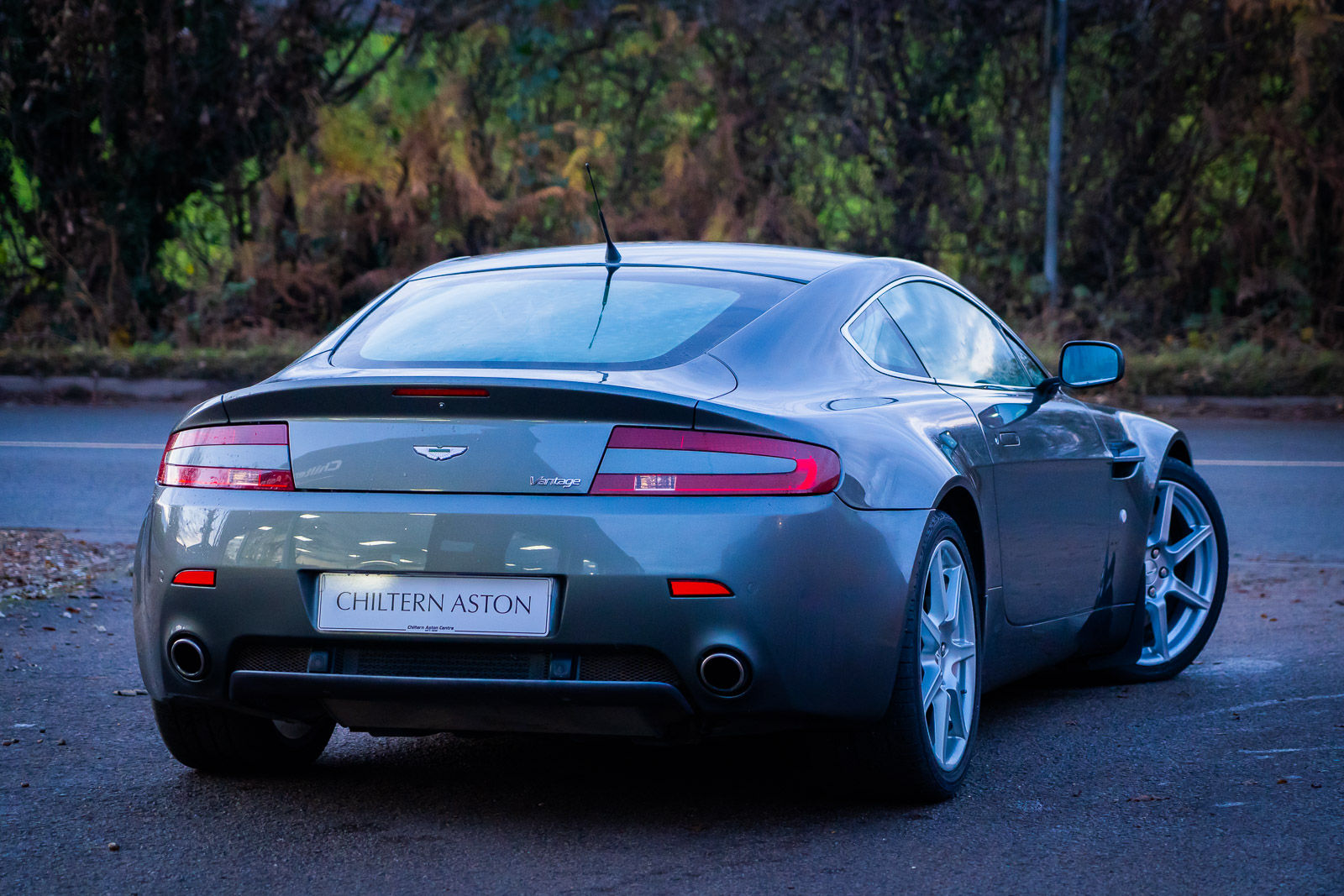
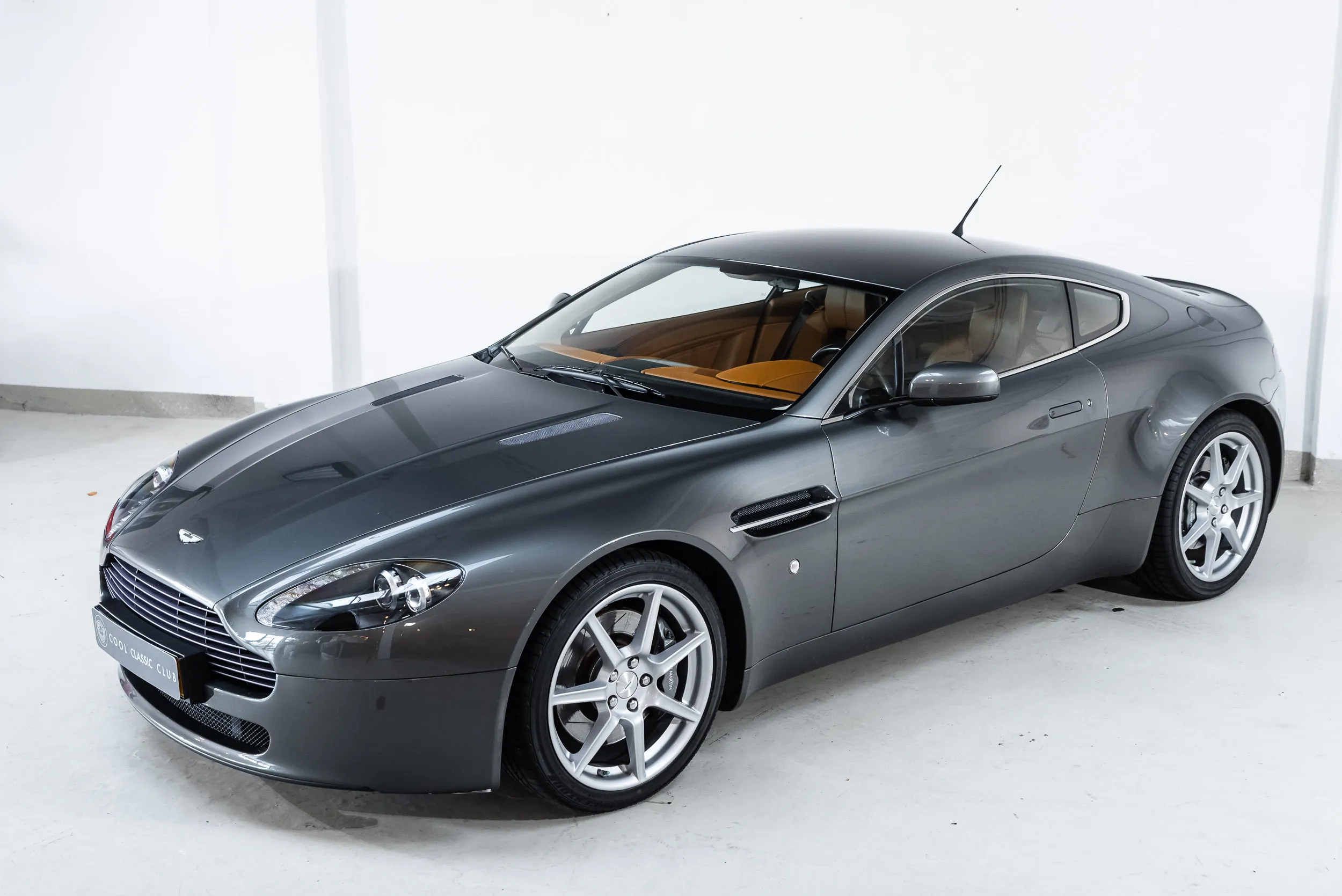
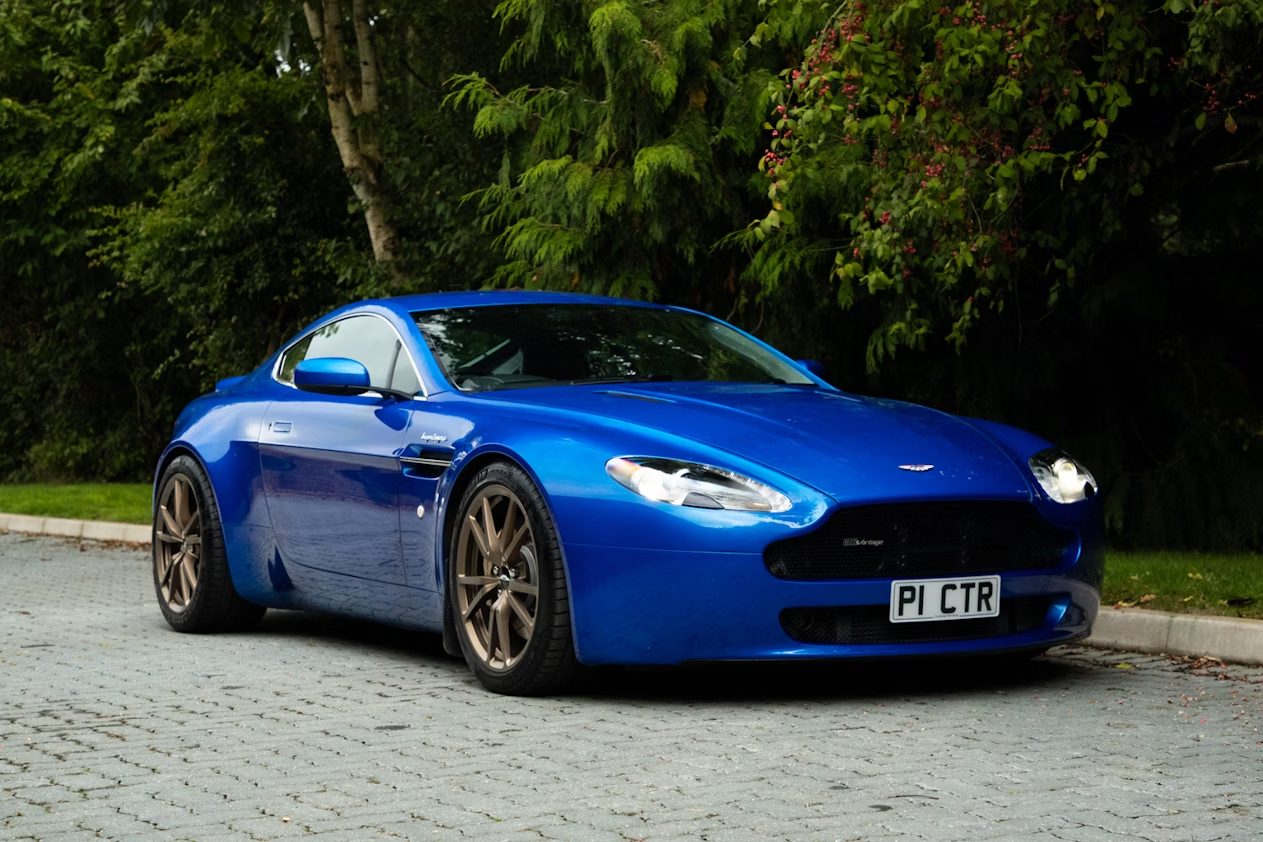
The first-generation Vantage (2005-2018) was a masterpiece of design and engineering. Penned by Henrik Fisker, its form was pure, muscular, and timeless—a taut, athletic interpretation of the “golden ratio” proportions he had established with the DB9. It was, and is, regarded as one of the most beautiful cars of the 21st century. Underneath that skin was the same brilliant, bonded-aluminium “VH” platform as its V12 sibling, but shortened and lightened. This rigid structure, combined with a front-mid engine and a rear-mounted transaxle gearbox, gave the car a perfect 49:51 weight distribution. The heart of the car was a new, dry-sumped, 4.3-litre, quad-cam V8. This engine, bespoke to Aston Martin, produced 380 hp and a noise that was pure, unfiltered, high-rpm thunder. The car was a dynamic jewel. However, in its fight against the 911, it was slightly down on power. Aston rectified this in 2008, boring the engine out to 4.7 litres, boosting power to 420 hp and, crucially, adding a huge wave of torque. This was the car the Vantage was always meant to be, offered as a V8 Vantage Coupé and a stunning V8 Vantage Roadster.
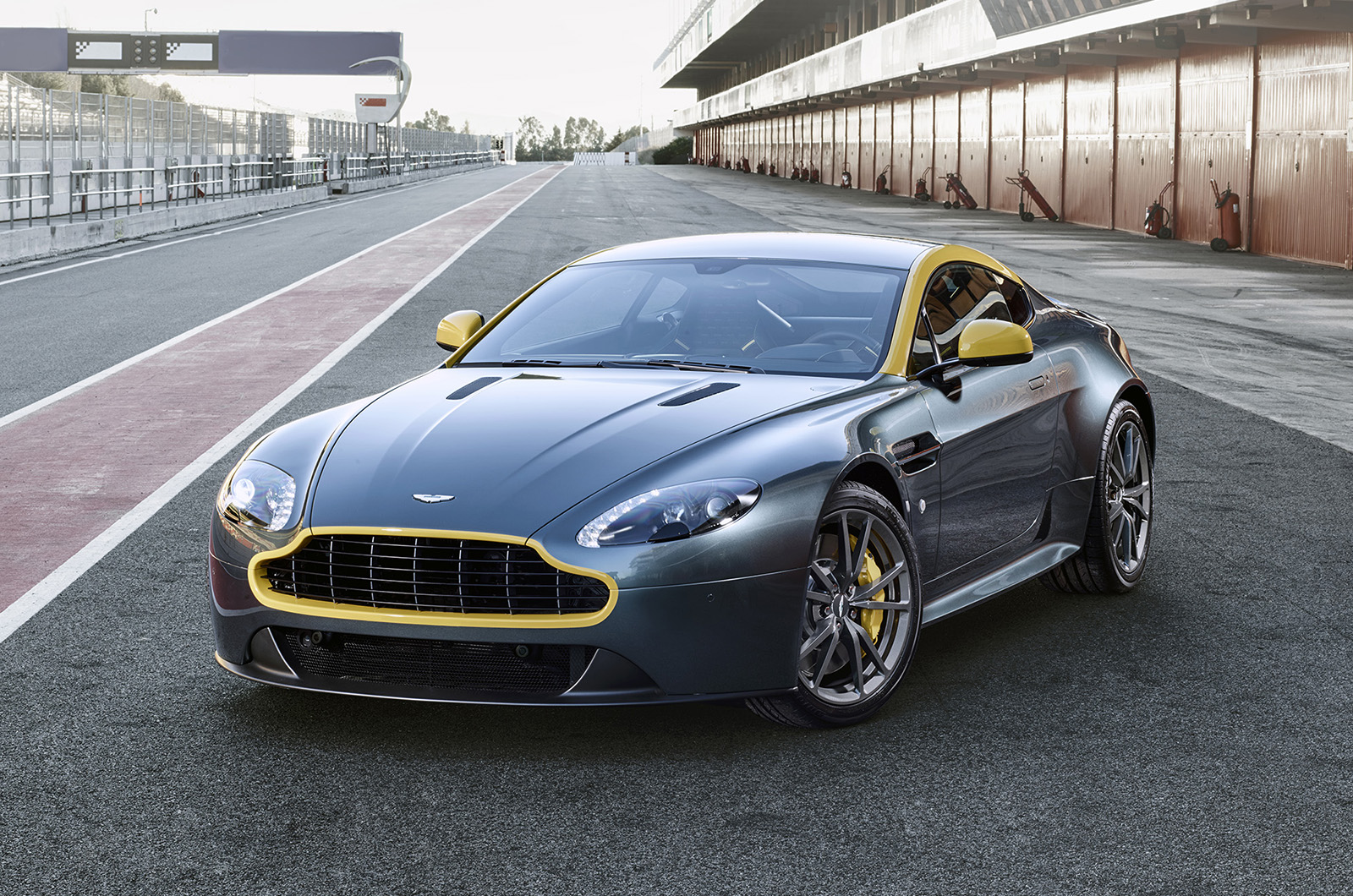
This exceptional base allowed Aston Martin to create a dynasty of derivatives. The V8 Vantage S (430 hp) sharpened the chassis and introduced the “Sportshift II” automated manual, while limited editions like the N400 and N420 celebrated the car’s Nürburgring racing success with chassis and aerodynamic tweaks. But the true genius of the platform was revealed in 2009 with a fit of glorious, inspired lunacy: the V12 Vantage. Engineers took the 6.0-litre, 510-hp V12 from the DBS and shoehorned it into the Vantage’s compact body. It was a modern-day hot rod, a brutal, analogue sledgehammer in a Savile Row suit, a car that instantly became a legend. This was followed by the even more potent 565-hp V12 Vantage S. The generation’s swansong was a pair of radical, track-focused specials: the V8-powered, wide-body Vantage GT8 and the ultimate expression, the 592-hp, GT3-inspired Vantage GT12.
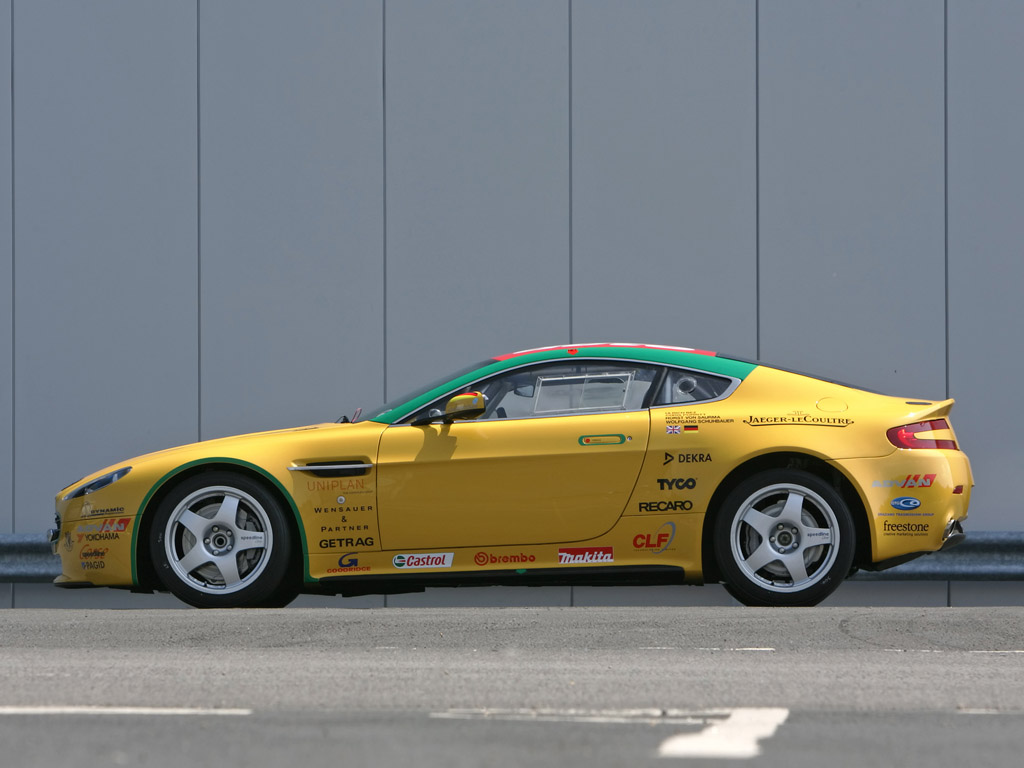
While the road cars were winning hearts, the race cars were winning trophies. The Vantage was the foundation of Aston Martin Racing (AMR). The Vantage GT4 became a global customer-racing phenomenon, one of the most successful GT4 cars ever built. The V12 engine was developed into the Vantage GT3, a dominant force in championships worldwide. But the true workhorse was the V8 Vantage GT2, which later evolved into the GTE. This car was AMR’s ironman, a V8-powered warrior that raced in the World Endurance Championship for nearly a decade. It was a perennial underdog, its glorious V8 wail a fan favourite against the factory Ferraris and Porsches. Its career culminated in one of the most cinematic moments in modern motorsport: at the 2017 24 Hours of Le Mans, on the final lap of its final Le Mans, driver Jonny Adam forced a pass on the rival Corvette to win the GTE-Pro class. It was a perfect, storybook ending for a legendary car.
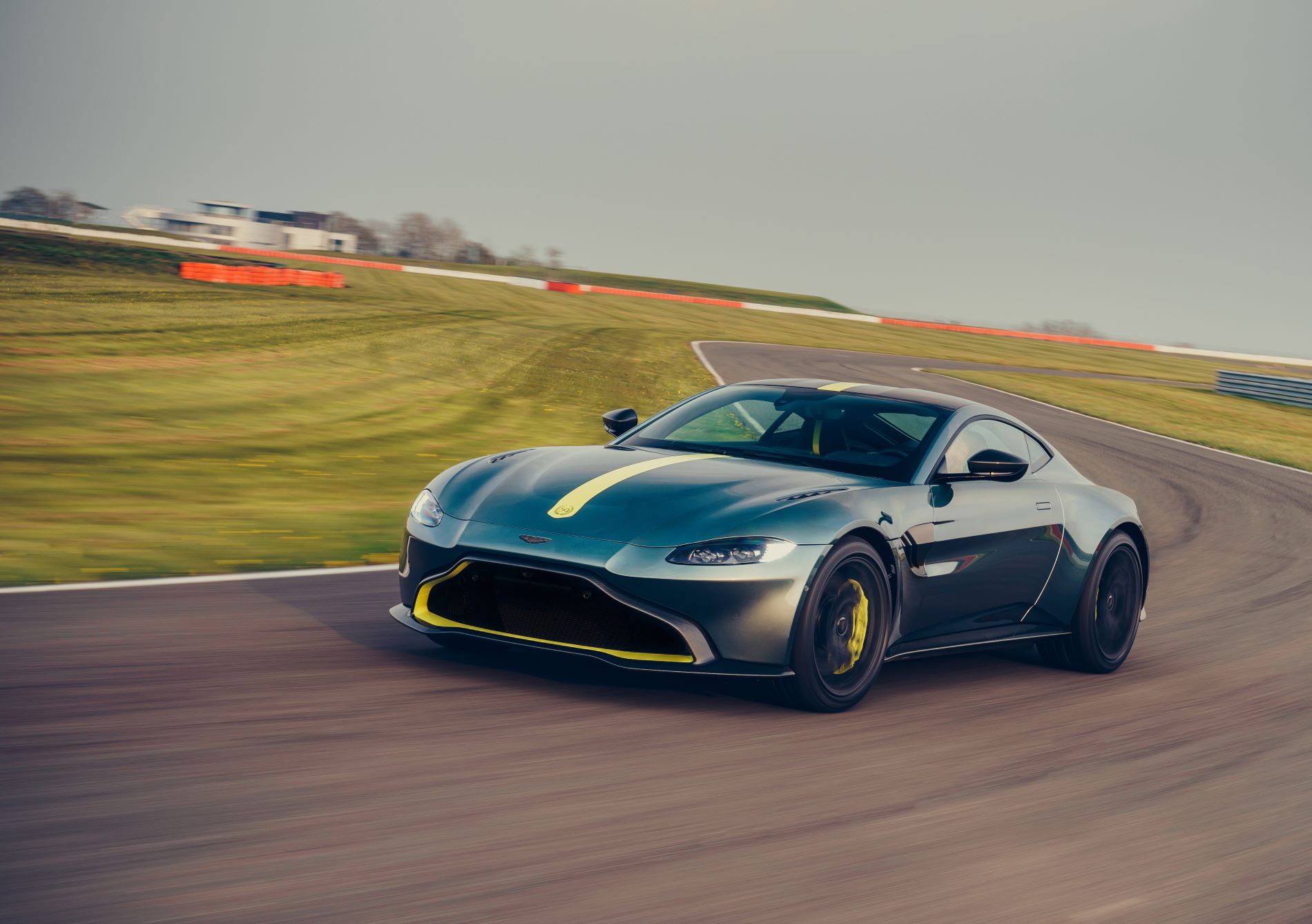
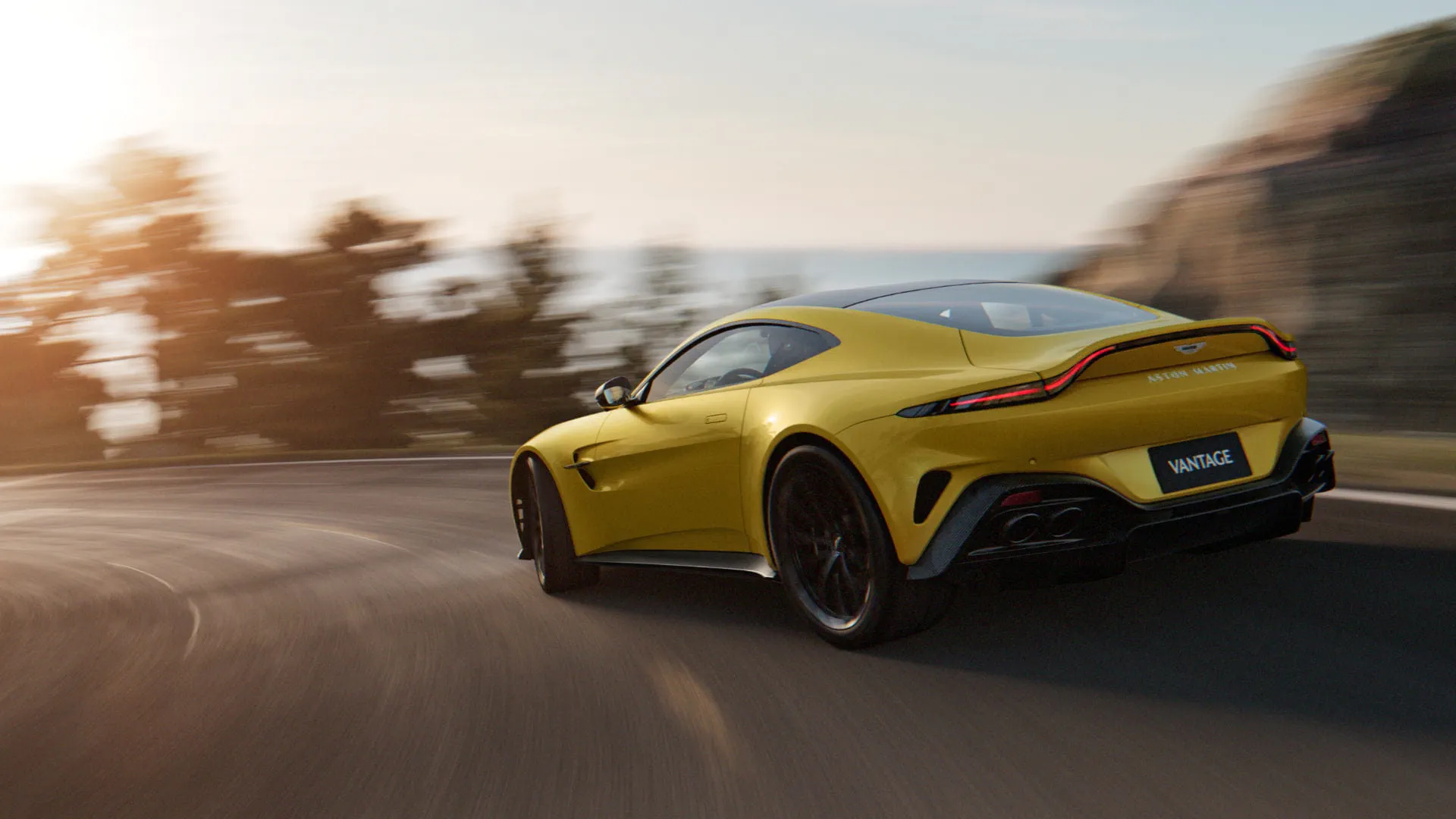
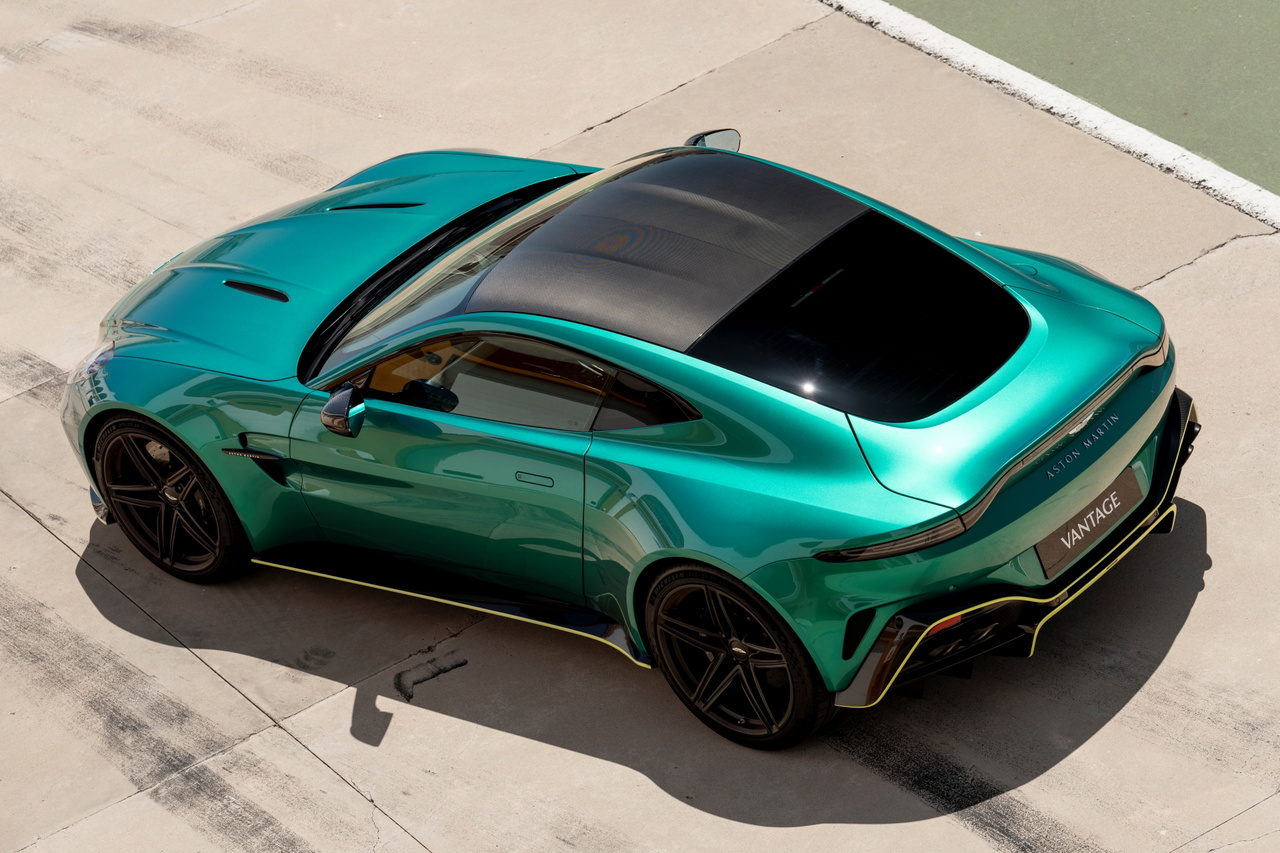
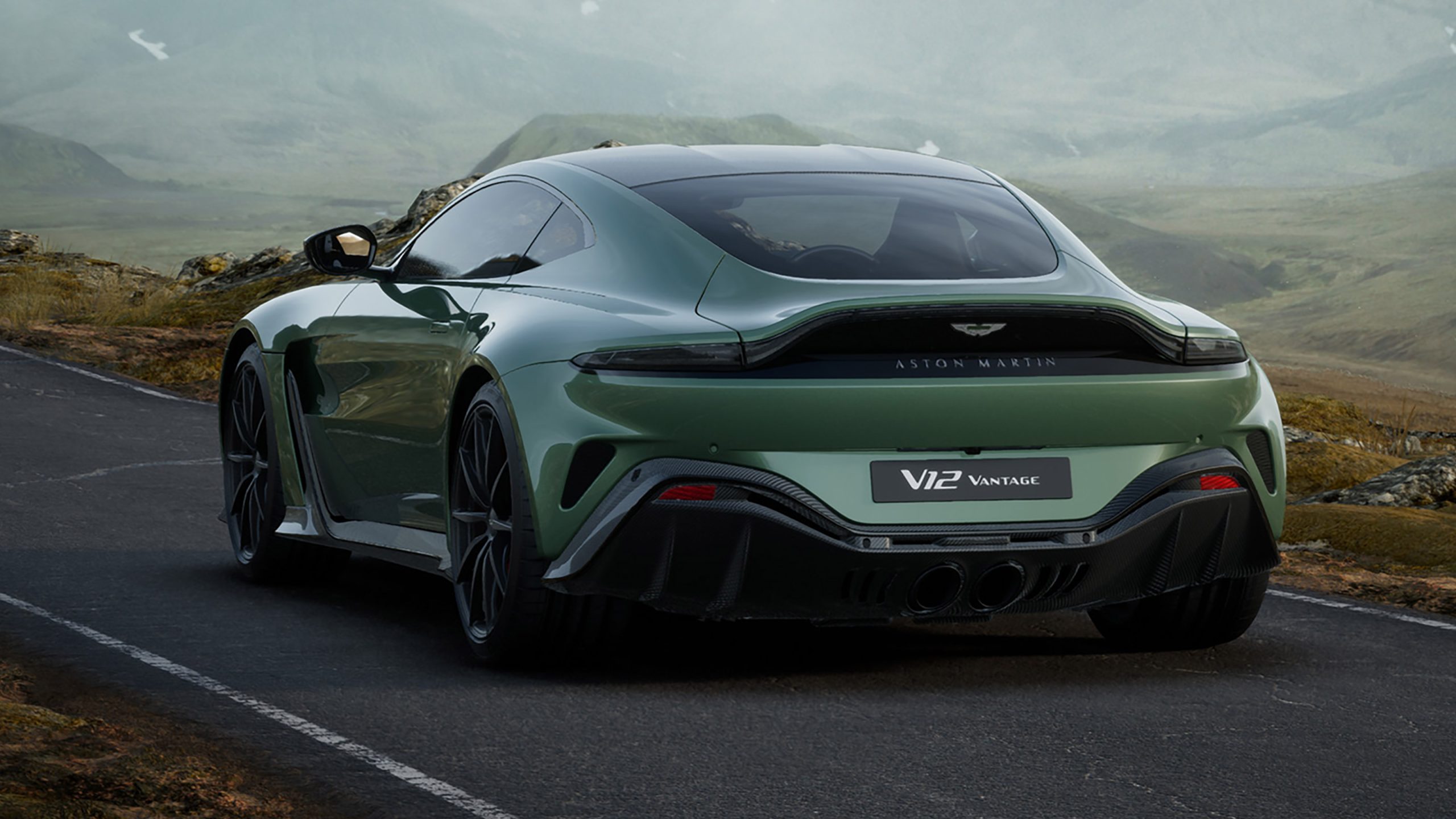
After a 13-year run, the first-generation Vantage was replaced in 2018. The new, second-generation car was a radical departure. The design, led by Marek Reichman, was no longer “classically beautiful” but aggressively predatory, its low, shark-like nose and “vulcan-inspired” rear light-bar a deliberate shock to the system. The VH platform was replaced by a new bonded-aluminium architecture shared with the DB11, and the bespoke Aston V8 was gone. In its place was a new heart: the 4.0-litre, twin-turbocharged V8 from Mercedes-AMG. This was no mere engine-share; it was a transformation. With 503 hp and a mountain of torque, the new Vantage was a far more aggressive, violent, and technologically advanced machine, featuring an E-diff and a ZF 8-speed automatic transaxle. Its rivals were no longer just the 911, but the Mercedes-AMG GT and McLaren 570S.
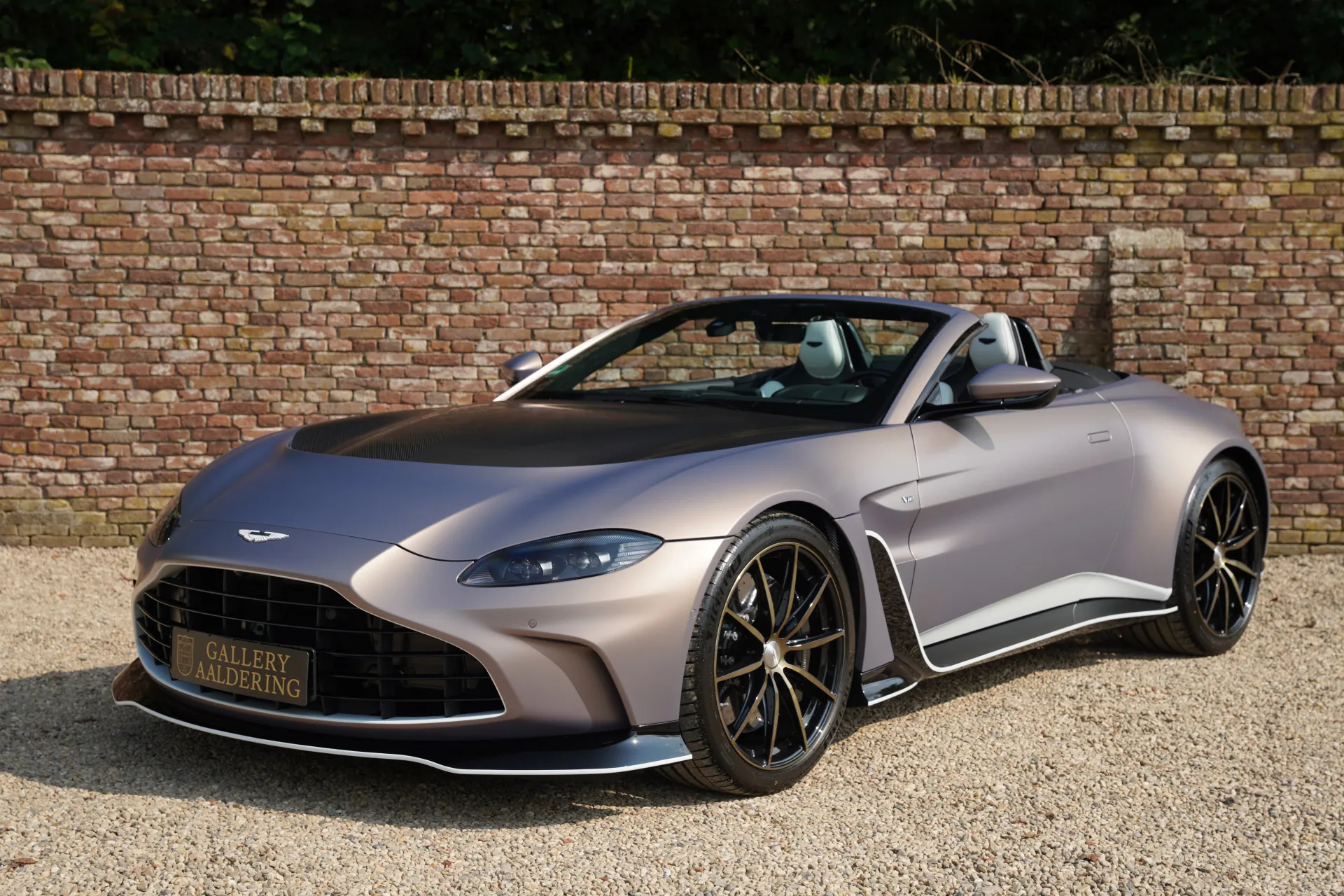
This new platform proved just as versatile. A Roadster version followed, as did a highly-desirable, limited-run AMR model that paired the V8 with a 7-speed manual gearbox. The car’s global profile was elevated when it became the official FIA Formula 1 Safety Car, leading to the Vantage F1 Edition, a harder, faster, and aerodynamically-focused model that many critics felt was the car the Gen 2 should have been from the start. And in 2022, Aston Martin gave the platform its ultimate farewell: the return of the V12 Vantage. A 690-hp, wide-body, limited-edition monster, it was a final, deafening salute to the big engine in the small car. This new generation immediately went racing, with the Vantage GTE becoming a world-beater, winning the 2020 WEC GTE-Pro Drivers’ and Manufacturers’ titles, as well as the 24 Hours of Le Mans. The legacy of the Vantage is clear: it is the car that brought Aston Martin to a new generation, the car that funded the company’s modern era, and the car that, in both V8 and V12 form, became a true Le Mans champion. It is the beating, sporting heart of the brand.
Brand
Produced from
Vehicle category
Portal
Model line
Model generation
Predecessor
Sucessor
Brand
Produced from
Vehicle category
Portal
Model line
Model generation
Predecessor
Sucessor
About this model
If the DB9 was the car that resurrected Aston Martin’s image as the builder of the ultimate grand tourer, the Vantage was the car that saved its soul—and its bank account. Launched in 2005, the “baby” Aston was the second car to emerge from the all-new Gaydon factory, and it was a statement of intent. This was not a replacement for an existing model; it was a pure conquest vehicle. With the V8 Vantage, Aston Martin was kicking open the door to the most competitive, lucrative, and fiercely defended territory in the automotive world: the kingdom of the Porsche 911. It was a gamble of existential proportions, a car aimed at a younger, more aggressive, and more demanding clientele. The Vantage had to be more than just beautiful; it had to be a true, uncompromised sports car. It was the car that defined the modern Aston Martin, and it became the most successful model line in the company’s history.
The first-generation Vantage (2005-2018) was a masterpiece of design and engineering. Penned by Henrik Fisker, its form was pure, muscular, and timeless—a taut, athletic interpretation of the “golden ratio” proportions he had established with the DB9. It was, and is, regarded as one of the most beautiful cars of the 21st century. Underneath that skin was the same brilliant, bonded-aluminium “VH” platform as its V12 sibling, but shortened and lightened. This rigid structure, combined with a front-mid engine and a rear-mounted transaxle gearbox, gave the car a perfect 49:51 weight distribution. The heart of the car was a new, dry-sumped, 4.3-litre, quad-cam V8. This engine, bespoke to Aston Martin, produced 380 hp and a noise that was pure, unfiltered, high-rpm thunder. The car was a dynamic jewel. However, in its fight against the 911, it was slightly down on power. Aston rectified this in 2008, boring the engine out to 4.7 litres, boosting power to 420 hp and, crucially, adding a huge wave of torque. This was the car the Vantage was always meant to be, offered as a V8 Vantage Coupé and a stunning V8 Vantage Roadster.
This exceptional base allowed Aston Martin to create a dynasty of derivatives. The V8 Vantage S (430 hp) sharpened the chassis and introduced the “Sportshift II” automated manual, while limited editions like the N400 and N420 celebrated the car’s Nürburgring racing success with chassis and aerodynamic tweaks. But the true genius of the platform was revealed in 2009 with a fit of glorious, inspired lunacy: the V12 Vantage. Engineers took the 6.0-litre, 510-hp V12 from the DBS and shoehorned it into the Vantage’s compact body. It was a modern-day hot rod, a brutal, analogue sledgehammer in a Savile Row suit, a car that instantly became a legend. This was followed by the even more potent 565-hp V12 Vantage S. The generation’s swansong was a pair of radical, track-focused specials: the V8-powered, wide-body Vantage GT8 and the ultimate expression, the 592-hp, GT3-inspired Vantage GT12.
While the road cars were winning hearts, the race cars were winning trophies. The Vantage was the foundation of Aston Martin Racing (AMR). The Vantage GT4 became a global customer-racing phenomenon, one of the most successful GT4 cars ever built. The V12 engine was developed into the Vantage GT3, a dominant force in championships worldwide. But the true workhorse was the V8 Vantage GT2, which later evolved into the GTE. This car was AMR’s ironman, a V8-powered warrior that raced in the World Endurance Championship for nearly a decade. It was a perennial underdog, its glorious V8 wail a fan favourite against the factory Ferraris and Porsches. Its career culminated in one of the most cinematic moments in modern motorsport: at the 2017 24 Hours of Le Mans, on the final lap of its final Le Mans, driver Jonny Adam forced a pass on the rival Corvette to win the GTE-Pro class. It was a perfect, storybook ending for a legendary car.
After a 13-year run, the first-generation Vantage was replaced in 2018. The new, second-generation car was a radical departure. The design, led by Marek Reichman, was no longer “classically beautiful” but aggressively predatory, its low, shark-like nose and “vulcan-inspired” rear light-bar a deliberate shock to the system. The VH platform was replaced by a new bonded-aluminium architecture shared with the DB11, and the bespoke Aston V8 was gone. In its place was a new heart: the 4.0-litre, twin-turbocharged V8 from Mercedes-AMG. This was no mere engine-share; it was a transformation. With 503 hp and a mountain of torque, the new Vantage was a far more aggressive, violent, and technologically advanced machine, featuring an E-diff and a ZF 8-speed automatic transaxle. Its rivals were no longer just the 911, but the Mercedes-AMG GT and McLaren 570S.
This new platform proved just as versatile. A Roadster version followed, as did a highly-desirable, limited-run AMR model that paired the V8 with a 7-speed manual gearbox. The car’s global profile was elevated when it became the official FIA Formula 1 Safety Car, leading to the Vantage F1 Edition, a harder, faster, and aerodynamically-focused model that many critics felt was the car the Gen 2 should have been from the start. And in 2022, Aston Martin gave the platform its ultimate farewell: the return of the V12 Vantage. A 690-hp, wide-body, limited-edition monster, it was a final, deafening salute to the big engine in the small car. This new generation immediately went racing, with the Vantage GTE becoming a world-beater, winning the 2020 WEC GTE-Pro Drivers’ and Manufacturers’ titles, as well as the 24 Hours of Le Mans. The legacy of the Vantage is clear: it is the car that brought Aston Martin to a new generation, the car that funded the company’s modern era, and the car that, in both V8 and V12 form, became a true Le Mans champion. It is the beating, sporting heart of the brand.
Generations
Generations of this model
Generations
Generations of this model
Submodels
Discover all the variants of this model
Submodels
Discover all the variants of this model
Vehicles
Legendary Vehicles
Vehicles