BMW 6 Series
Brand
Produced from
Vehicle category
Portal
Model line
Model generation
Predecessor
Sucessor
About this model
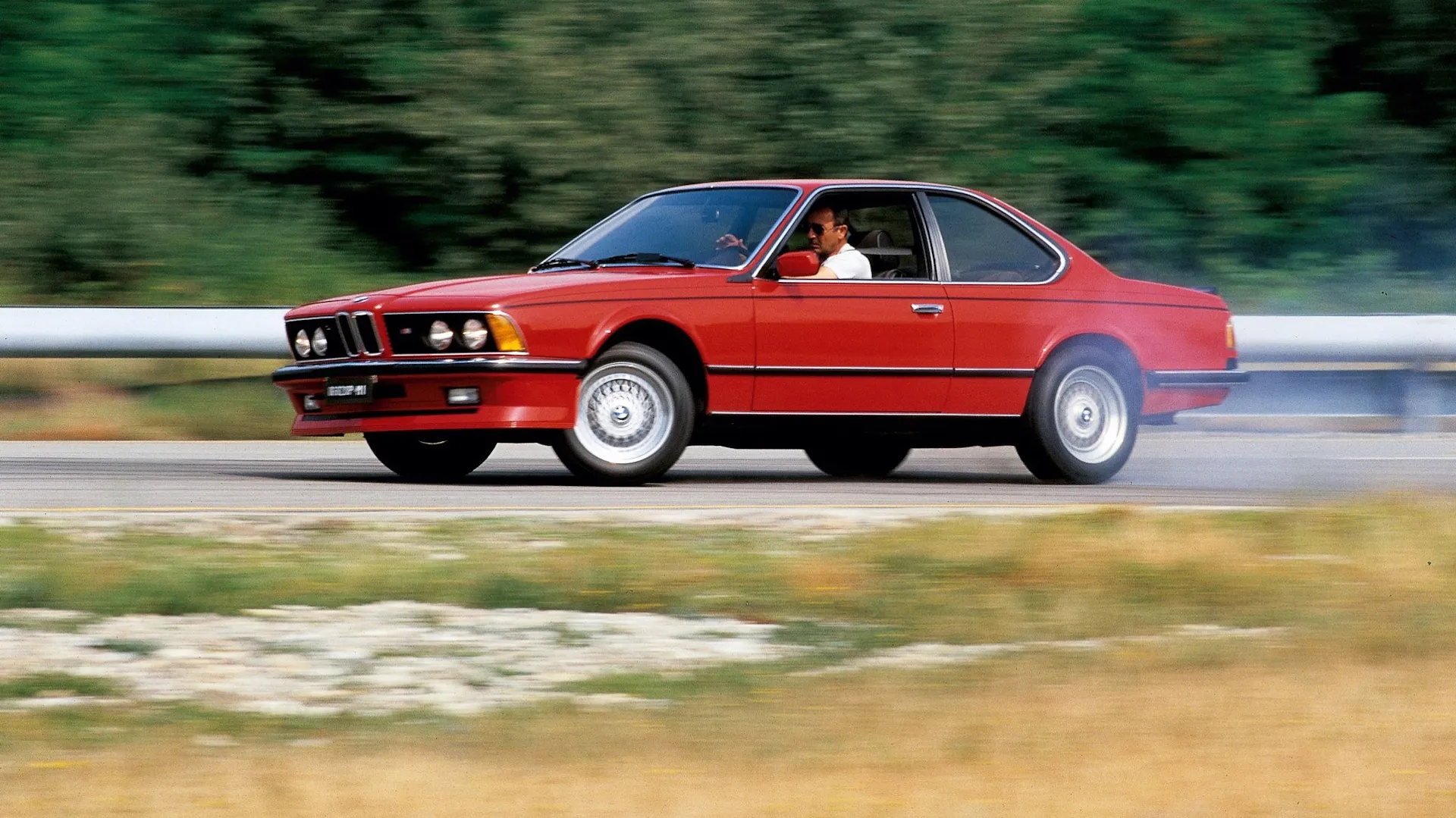
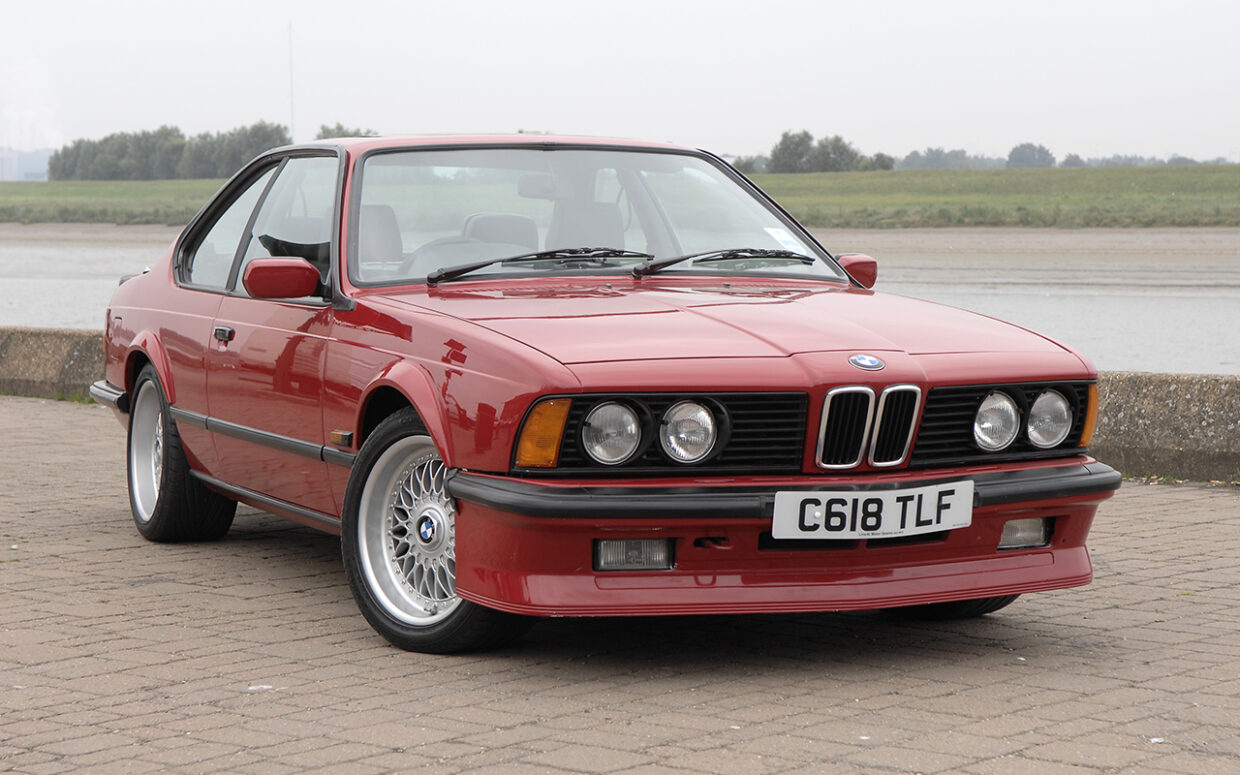
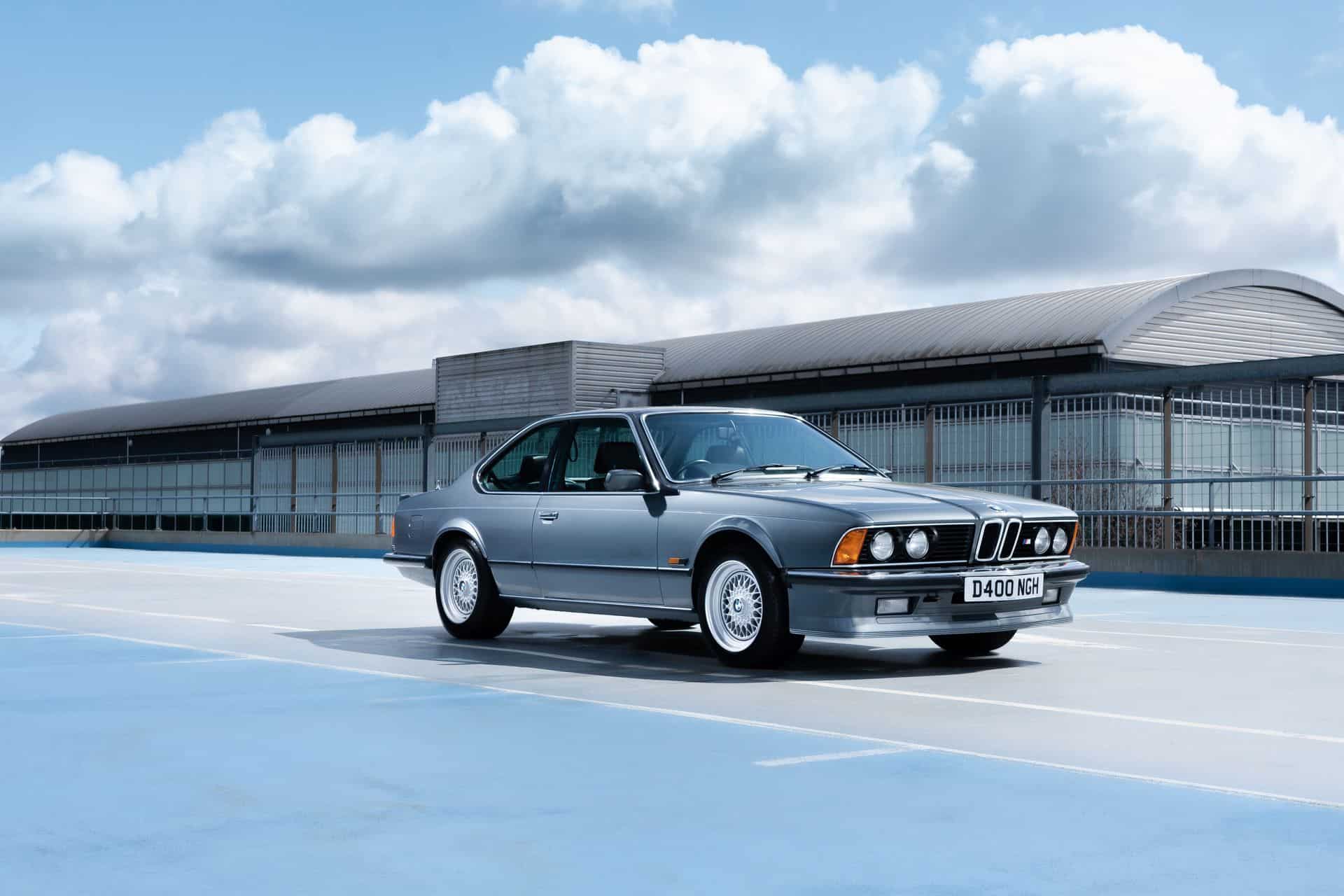
In the holy trinity of BMW, the 3 Series is the athlete, and the 5 Series is the executive. But the 6 Series… the 6 Series is the statement. It is the flagship coupé, a car that has, throughout its history, represented the absolute zenith of BMW’s design, engineering, and “autobahn-storming” ambition. It is not a car one needs; it is a car one aspires to. Its story began in 1976 as the successor to the magnificent E9 “CSL”, and it immediately carved its own legend. The E24 6 Series was, and for many remains, the definitive “shark-nose” BMW. It was a car that defined an era, a low, sleek, and aggressive status symbol that dominated the fast lanes of the world for 13 years.
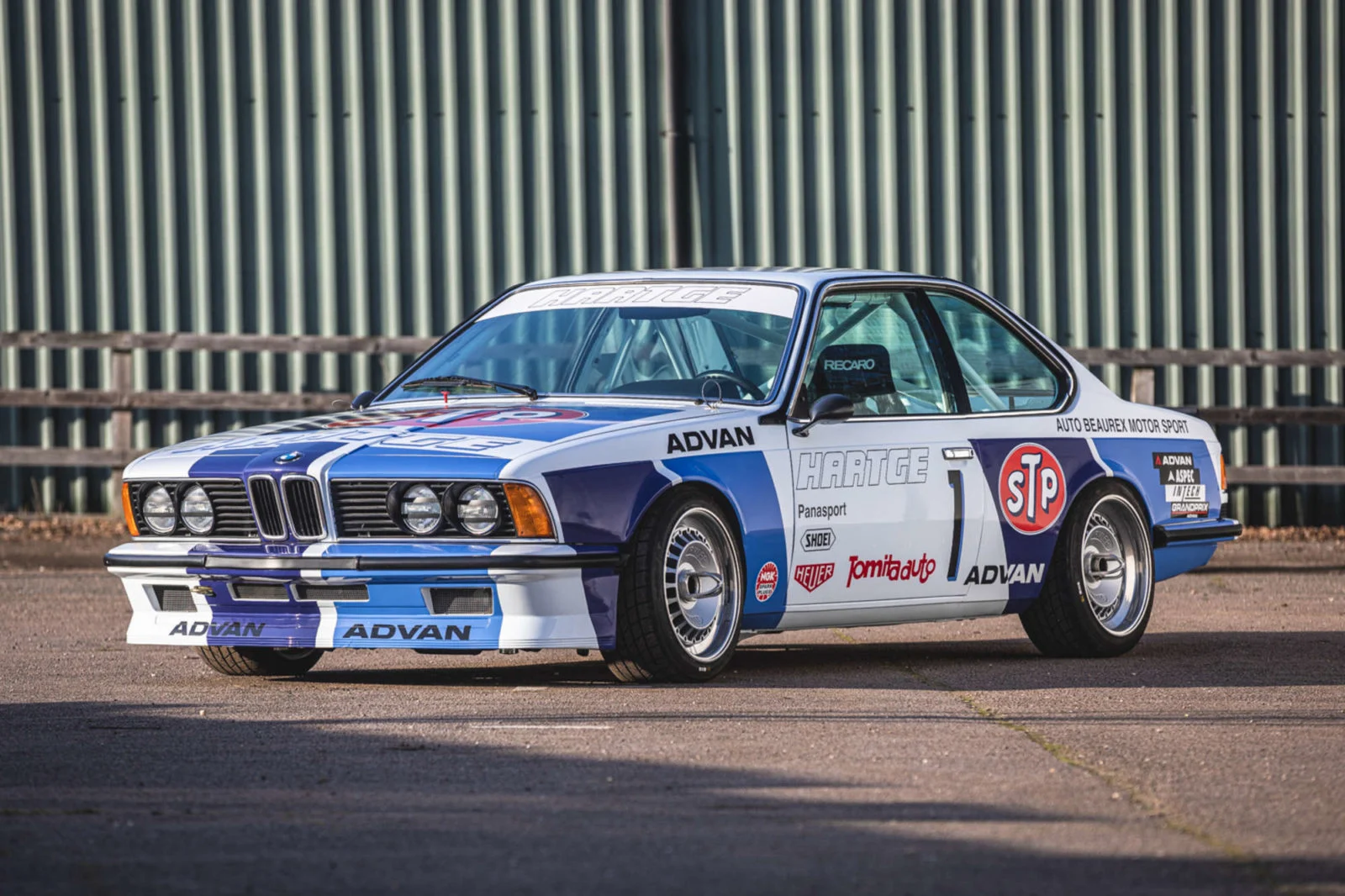
The E24, designed by the great Paul Bracq, was based on the E12 5 Series platform, giving it the size and presence of a true grand tourer. It was a direct rival to the stately Mercedes-Benz C123 and C126 coupés, and the V12-powered Jaguar XJ-S. But where the Mercedes was about comfort and the Jaguar was about opulence, the 6 Series was built around the driver. Its cockpit, with the now-legendary angled dashboard, was a revelation. It was powered by the magnificent M30 straight-six, with the 635CSi and its 3.5-litre, 215-hp heart becoming the most desirable of the line. But the E24’s true legacy was twofold. First, it was the car that brought BMW M’s first supercar engine to the public. The M635CSi (or M6 in America) was a “wolf in sheep’s clothing,” a car that looked like a standard 6 Series but was powered by the M88/3, a 24-valve, 286-hp version of the M1’s engine. It was a four-seat supercar. Secondly, the E24 was a warrior. The Group 2 and Group A 635CSi, often in iconic “JPS” or “Marlboro” liveries, waged a decade-long war in the European Touring Car Championship, winning the title, the 24 Hours of Spa, and the Nürburgring 24 Hours, cementing the “shark” as a legend.
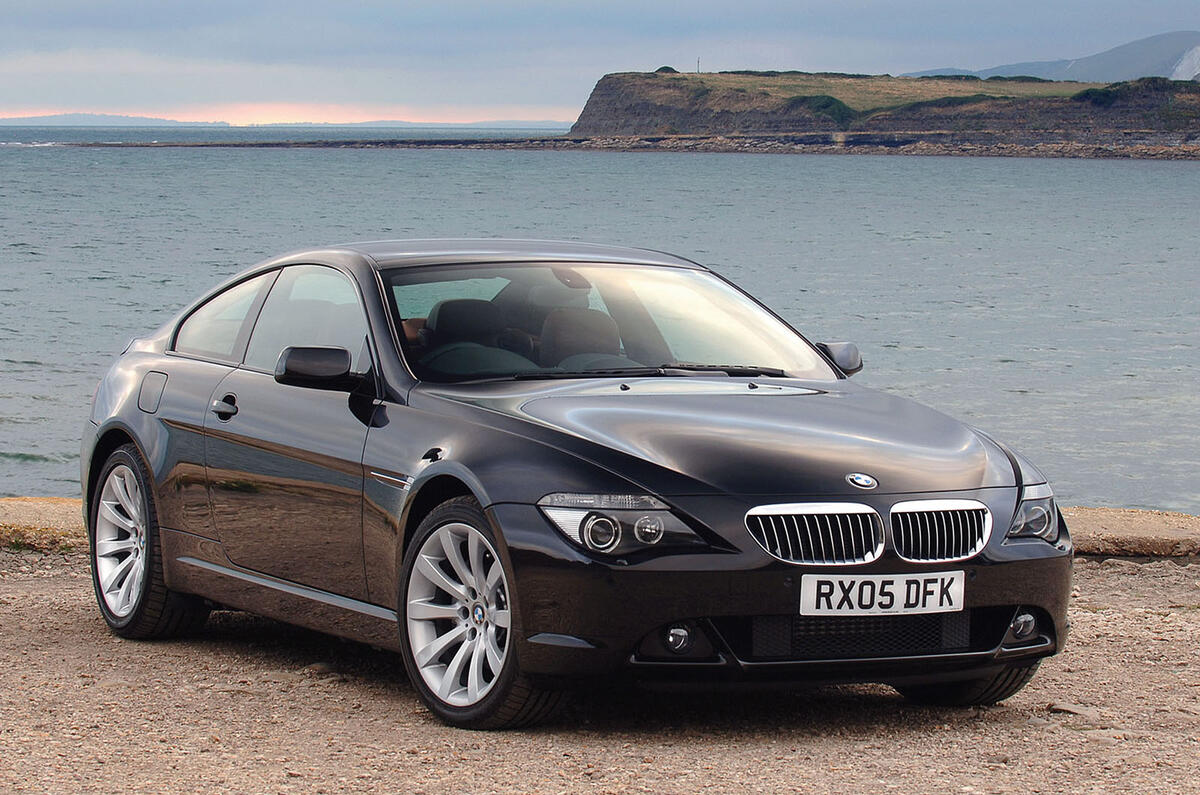
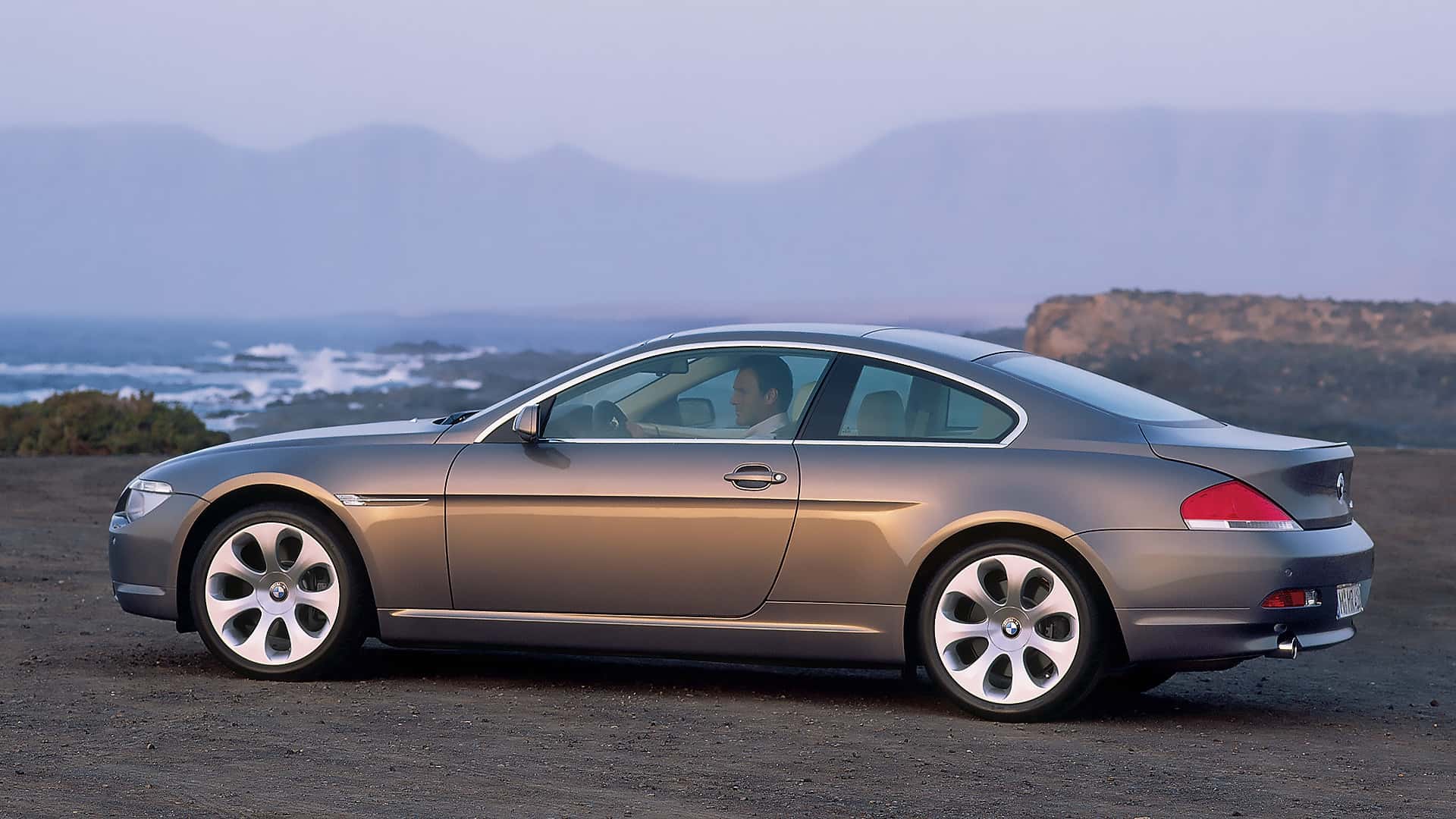
When the E24 finally ended production in 1989, it left a void. The high-tech, V12-powered 8 Series (E31) tried to replace it but was too expensive and complex, and it never captured the 6 Series’ soul. The name lay dormant for 14 years. Then, in 2003, it returned with a bang. The 6 Series (E63/E64) was a shocking, controversial, and brilliant car. Based on the 5 Series (E60), it was the flagship for Chris Bangle’s “flame surfacing” design language. Its “Bangle-butt” and convex/concave lines were a radical departure, but it was a technological powerhouse. It was powered by a new generation of V8s, but its legend was created by the M6 (E63). This was not a car; it was a missile. It eschewed the V8, instead taking the 5.0-litre, 500-hp, 8,250-rpm S85 V10 from the M5. It was a howling, F1-derived engine in a luxury coupé, a car of profound, terrifying, and magnificent madness.
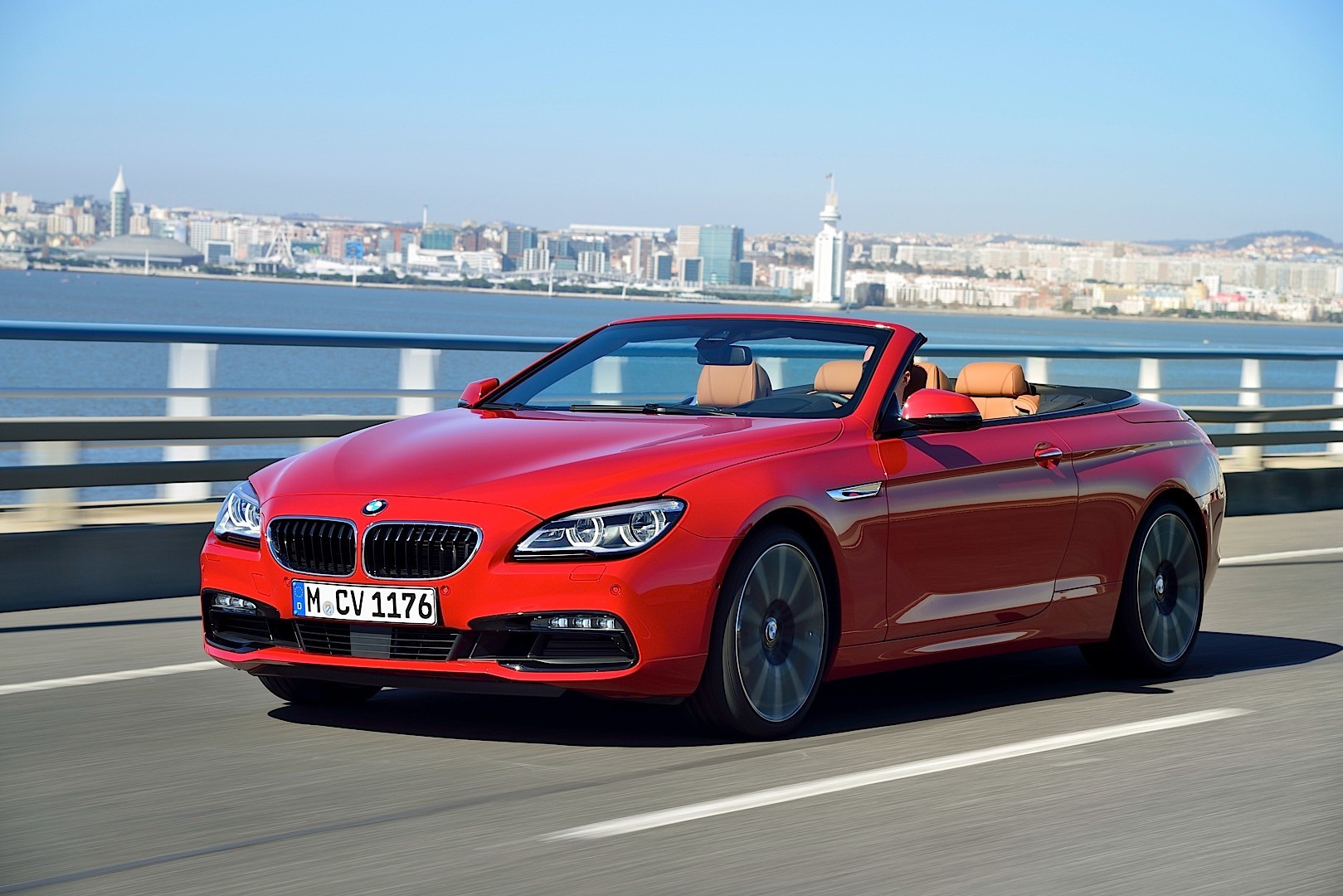
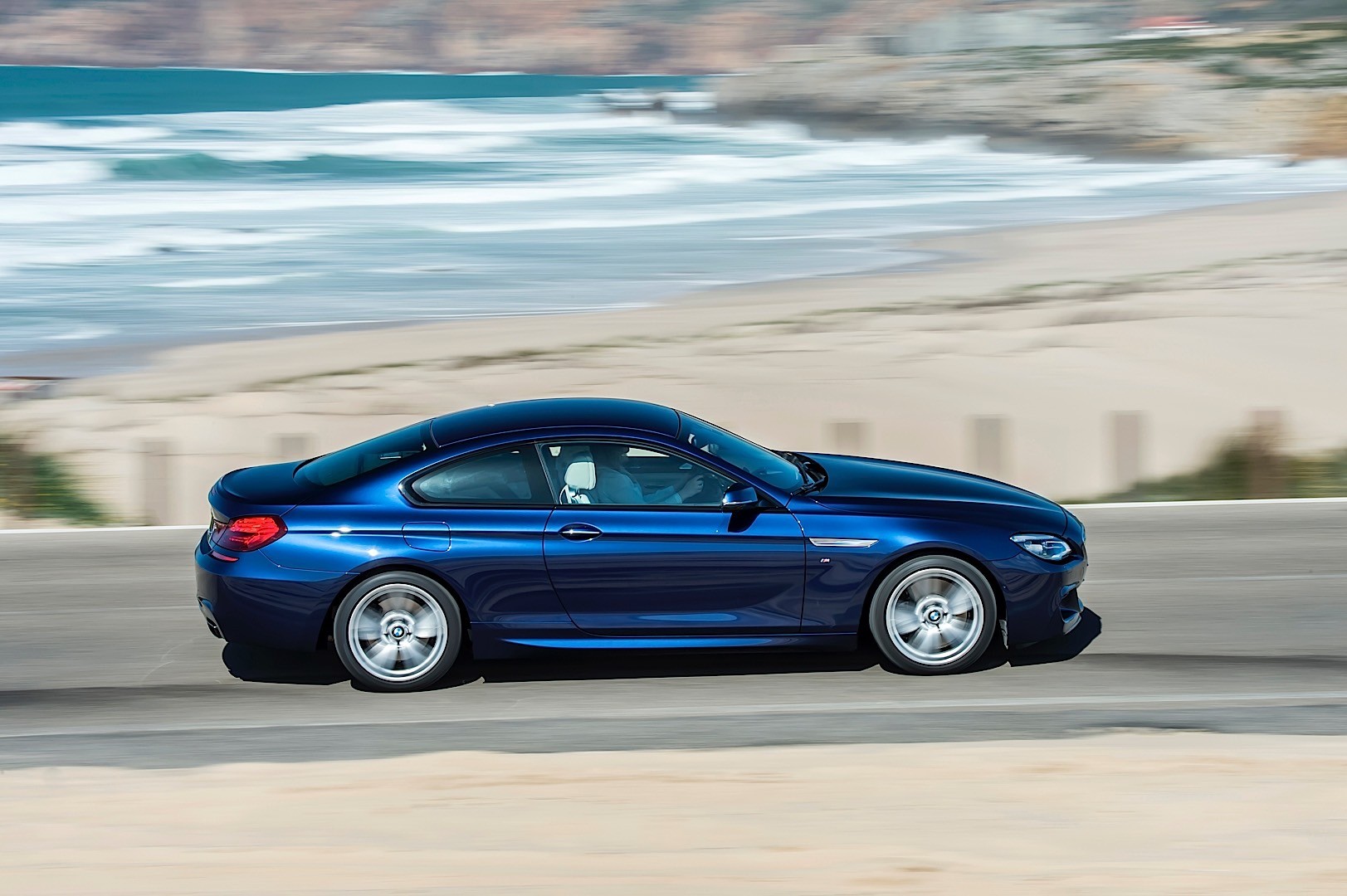
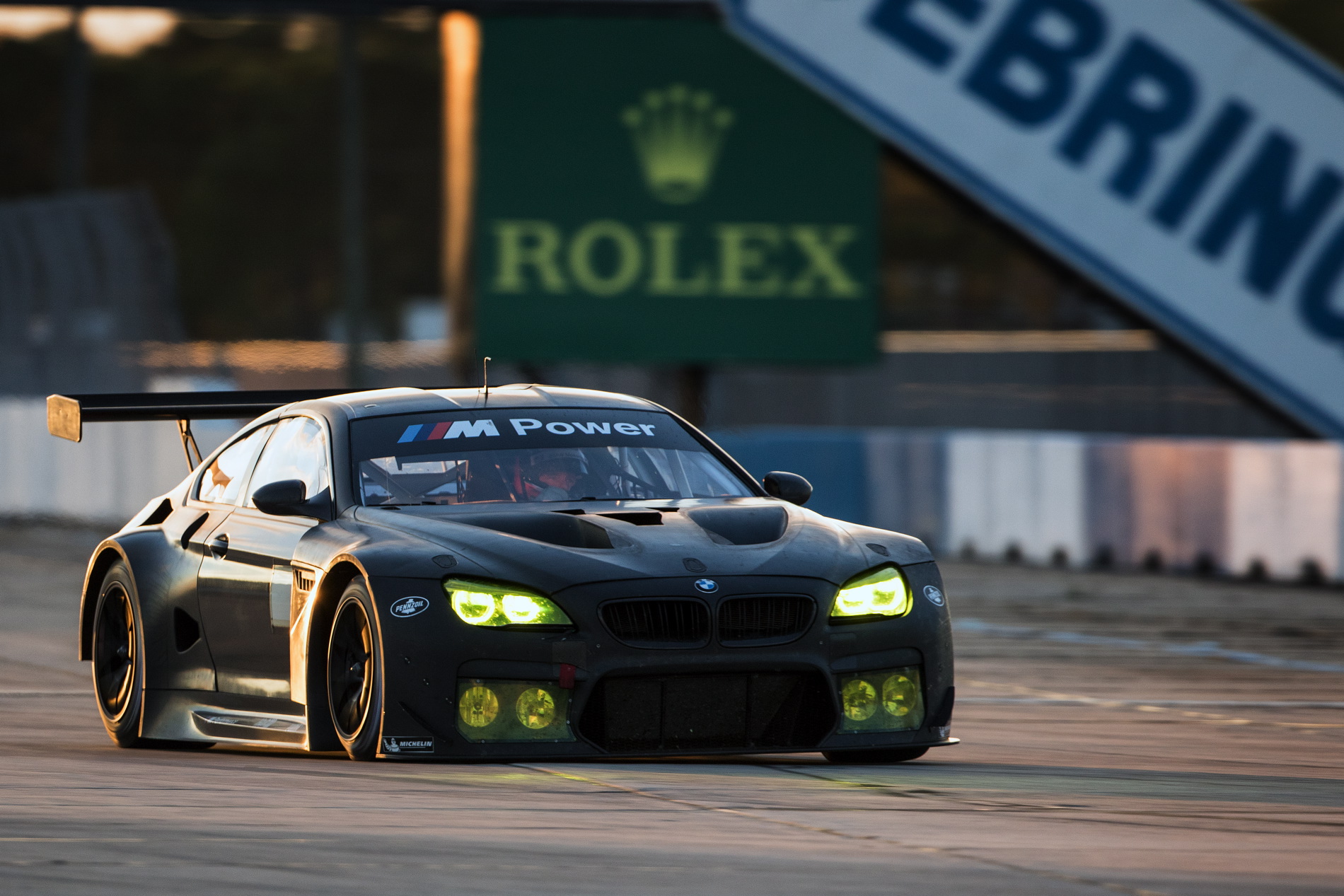
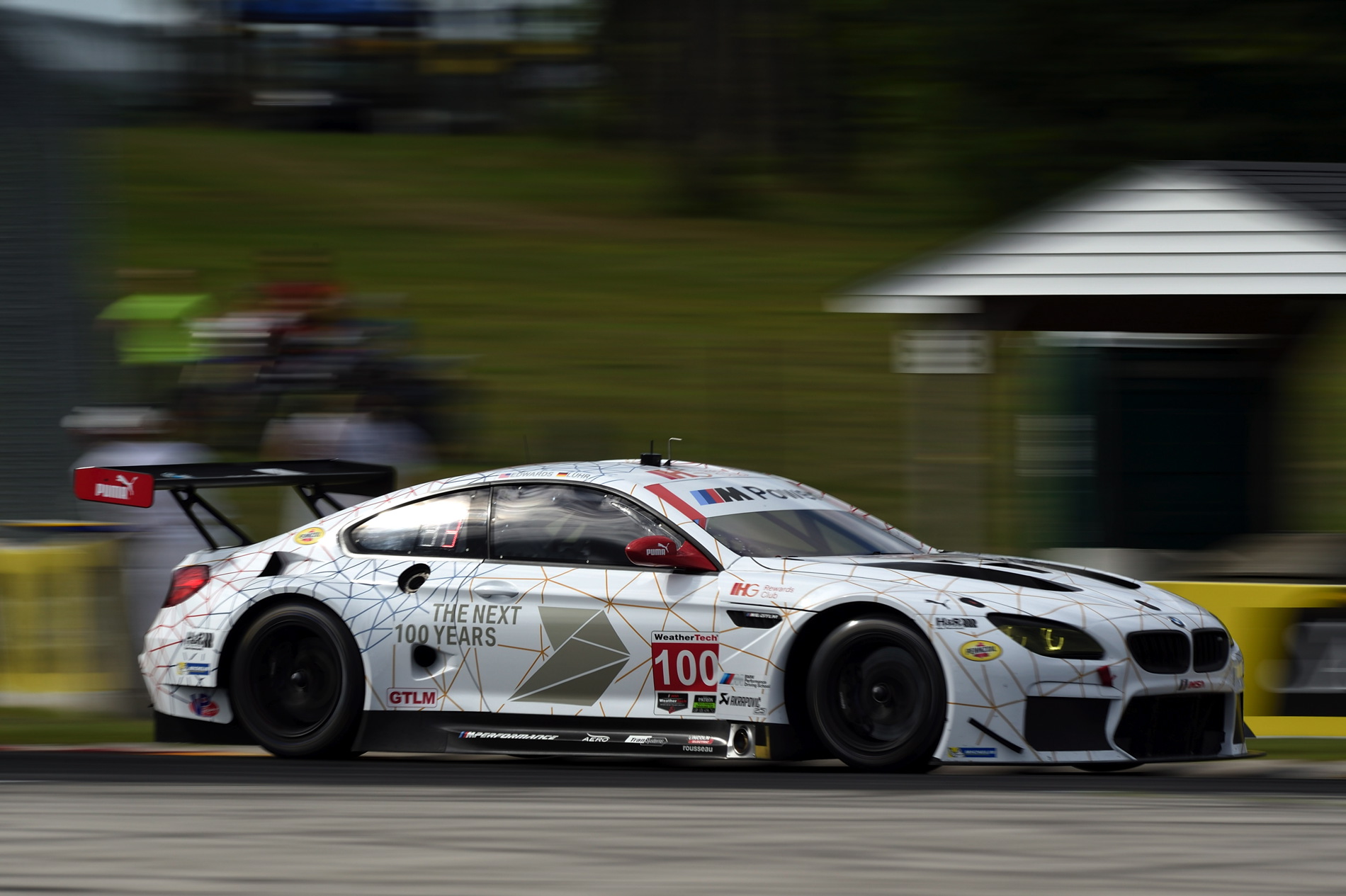
If the E63 was the controversial comeback, the third generation, the F12/F13 (Convertible/Coupé), was the return to classical beauty. Launched in 2011, this car was universally acclaimed as gorgeous—a low, wide, muscular, and elegant machine that was a direct rival to the Mercedes E-Class Coupé and the Audi A5/S5. But this generation’s masterstroke was the F06 Gran Coupé. This four-door “coupé” was a direct shot at the Mercedes CLS and Audi A7, and many argued it was the most beautiful 6 Series of them all. The M6 returned, this time with the S63 4.4-litre twin-turbo V8, a 560-hp torque monster. This generation also took the 6 Series back to the track, with the M6 GTLM becoming a dominant force in the IMSA championship, winning the 24 Hours of Daytona and the 12 Hours of Sebring.
The fourth, and for now, final chapter of the 6 Series is a confusing one. In 2017, BMW killed the coupé and convertible, moving that flagship role to the new 8 Series. The 6 Series name was kept alive, but it was moved onto the G32 6 Series Gran Turismo. This car, a high-riding, five-door hatchback, was a replacement for the unloved 5 Series Gran Turismo. While an excellent, supremely comfortable, and practical long-distance cruiser, it was a 6 Series in name only. It was a car that had lost the “soul” of the E24, the “madness” of the E63, and the “beauty” of the F06. The 6 Series’ legacy is a complex one, a rollercoaster of identity. But at its best, it is the ultimate expression of BMW: a car that proves, without a shadow of a doubt, that a fast, luxurious, “statement” car can, and should, still be an “Ultimate Driving Machine.”
Portal
Model line
Model generation
Predecessor
Sucessor
Brand
Produced from
Vehicle category
Portal
Model line
Model generation
Predecessor
Sucessor
About this model
In the holy trinity of BMW, the 3 Series is the athlete, and the 5 Series is the executive. But the 6 Series… the 6 Series is the statement. It is the flagship coupé, a car that has, throughout its history, represented the absolute zenith of BMW’s design, engineering, and “autobahn-storming” ambition. It is not a car one needs; it is a car one aspires to. Its story began in 1976 as the successor to the magnificent E9 “CSL”, and it immediately carved its own legend. The E24 6 Series was, and for many remains, the definitive “shark-nose” BMW. It was a car that defined an era, a low, sleek, and aggressive status symbol that dominated the fast lanes of the world for 13 years.
The E24, designed by the great Paul Bracq, was based on the E12 5 Series platform, giving it the size and presence of a true grand tourer. It was a direct rival to the stately Mercedes-Benz C123 and C126 coupés, and the V12-powered Jaguar XJ-S. But where the Mercedes was about comfort and the Jaguar was about opulence, the 6 Series was built around the driver. Its cockpit, with the now-legendary angled dashboard, was a revelation. It was powered by the magnificent M30 straight-six, with the 635CSi and its 3.5-litre, 215-hp heart becoming the most desirable of the line. But the E24’s true legacy was twofold. First, it was the car that brought BMW M’s first supercar engine to the public. The M635CSi (or M6 in America) was a “wolf in sheep’s clothing,” a car that looked like a standard 6 Series but was powered by the M88/3, a 24-valve, 286-hp version of the M1’s engine. It was a four-seat supercar. Secondly, the E24 was a warrior. The Group 2 and Group A 635CSi, often in iconic “JPS” or “Marlboro” liveries, waged a decade-long war in the European Touring Car Championship, winning the title, the 24 Hours of Spa, and the Nürburgring 24 Hours, cementing the “shark” as a legend.
When the E24 finally ended production in 1989, it left a void. The high-tech, V12-powered 8 Series (E31) tried to replace it but was too expensive and complex, and it never captured the 6 Series’ soul. The name lay dormant for 14 years. Then, in 2003, it returned with a bang. The 6 Series (E63/E64) was a shocking, controversial, and brilliant car. Based on the 5 Series (E60), it was the flagship for Chris Bangle’s “flame surfacing” design language. Its “Bangle-butt” and convex/concave lines were a radical departure, but it was a technological powerhouse. It was powered by a new generation of V8s, but its legend was created by the M6 (E63). This was not a car; it was a missile. It eschewed the V8, instead taking the 5.0-litre, 500-hp, 8,250-rpm S85 V10 from the M5. It was a howling, F1-derived engine in a luxury coupé, a car of profound, terrifying, and magnificent madness.
If the E63 was the controversial comeback, the third generation, the F12/F13 (Convertible/Coupé), was the return to classical beauty. Launched in 2011, this car was universally acclaimed as gorgeous—a low, wide, muscular, and elegant machine that was a direct rival to the Mercedes E-Class Coupé and the Audi A5/S5. But this generation’s masterstroke was the F06 Gran Coupé. This four-door “coupé” was a direct shot at the Mercedes CLS and Audi A7, and many argued it was the most beautiful 6 Series of them all. The M6 returned, this time with the S63 4.4-litre twin-turbo V8, a 560-hp torque monster. This generation also took the 6 Series back to the track, with the M6 GTLM becoming a dominant force in the IMSA championship, winning the 24 Hours of Daytona and the 12 Hours of Sebring.
The fourth, and for now, final chapter of the 6 Series is a confusing one. In 2017, BMW killed the coupé and convertible, moving that flagship role to the new 8 Series. The 6 Series name was kept alive, but it was moved onto the G32 6 Series Gran Turismo. This car, a high-riding, five-door hatchback, was a replacement for the unloved 5 Series Gran Turismo. While an excellent, supremely comfortable, and practical long-distance cruiser, it was a 6 Series in name only. It was a car that had lost the “soul” of the E24, the “madness” of the E63, and the “beauty” of the F06. The 6 Series’ legacy is a complex one, a rollercoaster of identity. But at its best, it is the ultimate expression of BMW: a car that proves, without a shadow of a doubt, that a fast, luxurious, “statement” car can, and should, still be an “Ultimate Driving Machine.”
Generations
Generations of this model
Generations
Generations of this model
Submodels
Discover all the variants of this model
Submodels
Discover all the variants of this model
Vehicles
Legendary Vehicles
Vehicles