BMW E9
Brand
Produced from
Vehicle category
Portal
Model line
Model generation
Predecessor
Sucessor
About this model
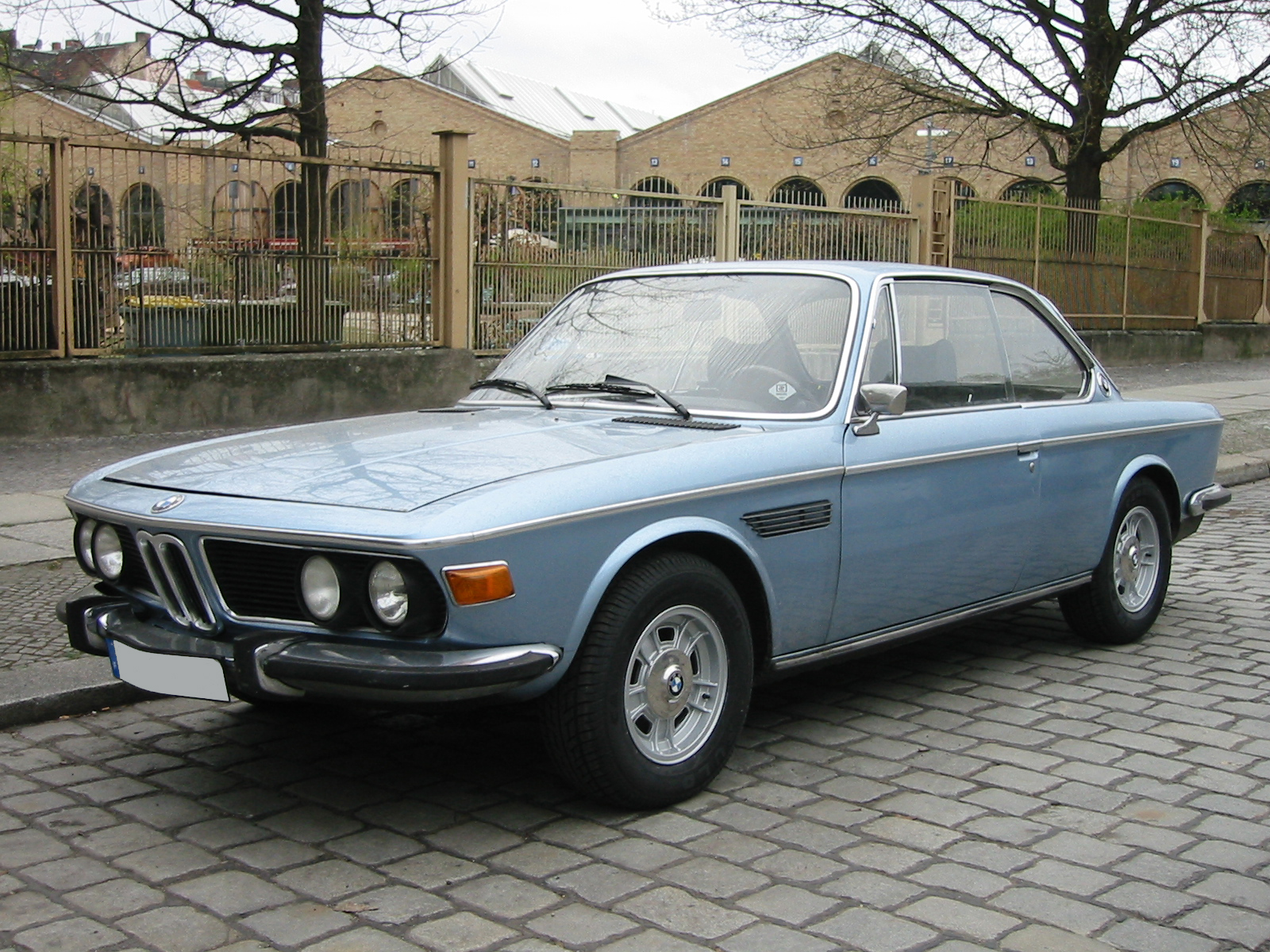
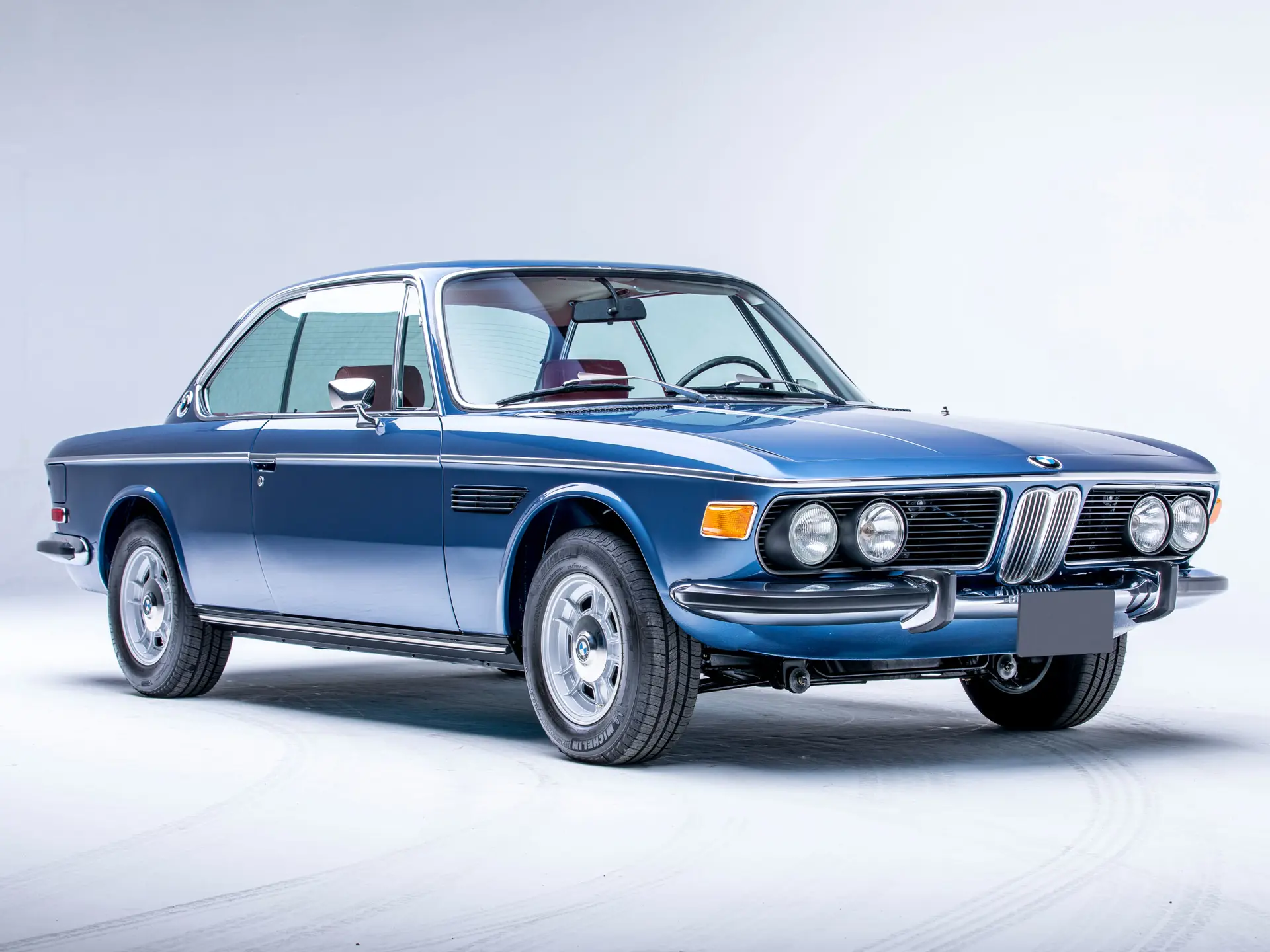
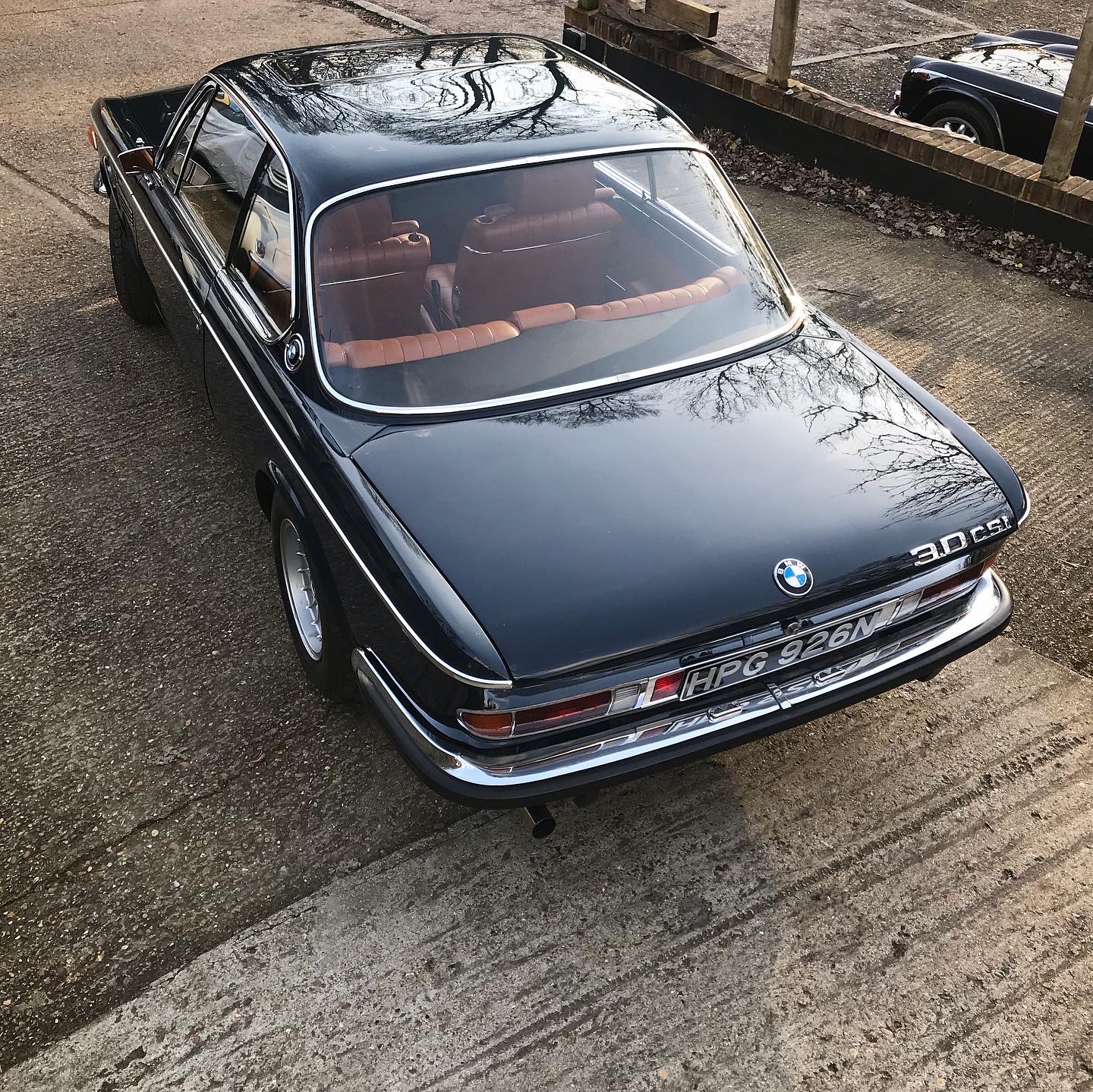
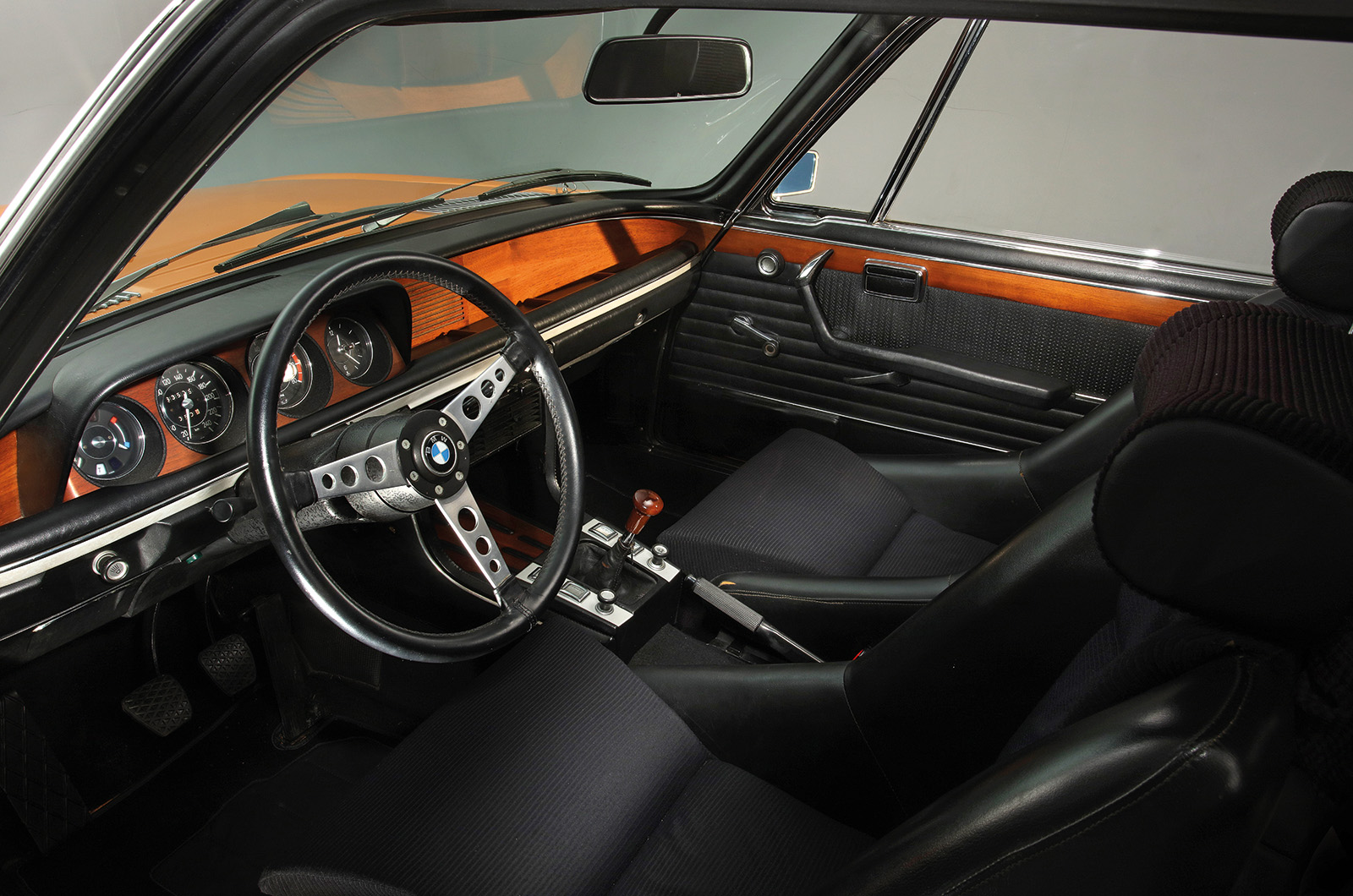
In 1968, BMW was a company on the rise, built on the success of its Neue Klasse saloons and the brilliant 02 Series. They had mastered the compact sports saloon, but to be considered a truly world-class prestige manufacturer, they needed a flagship. They needed a grand coupé that could challenge Mercedes-Benz on the autobahn and Porsche on the racetrack. The predecessor, the 2000 C/CS (Type 120), was an elegant car but one with quirky styling and a four-cylinder engine that lacked the requisite grandeur. The answer was the E9. Launched in 1968 as the BMW 2800 CS, this car was a statement of intent. It was a masterpiece of design, engineering, and, ultimately, the machine that gave birth to the legend of BMW M.
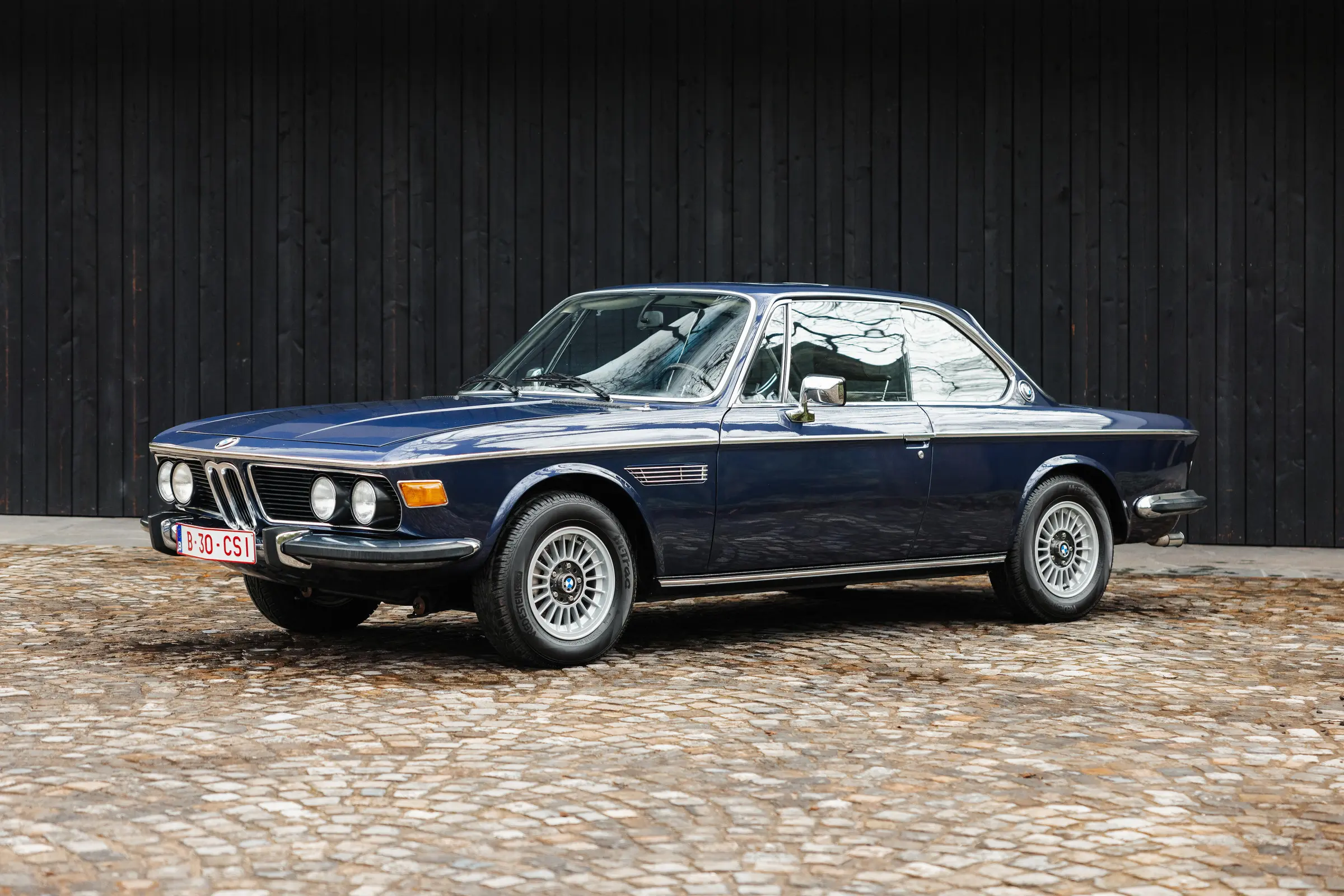
The E9 was not a technical revolution, but a sublime evolution. It took the short-wheelbase chassis of the E3 saloon and clothed it in one of the most beautiful bodies ever produced. Designed by Wilhelm Hofmeister (whose signature “Hofmeister kink” defined the C-pillar), the E9 was a “pillarless” hardtop coupé. With all six windows lowered, it created an airy, unbroken aperture that exuded elegance. The body, built by Karmann, was incredibly light and airy, with a “shark-nose” sloping front and a perfectly balanced stance. Its rivals were the stately Mercedes-Benz W111 Coupé and the Porsche 911, but the BMW offered a unique blend of four-seater luxury and genuine sporting handling.
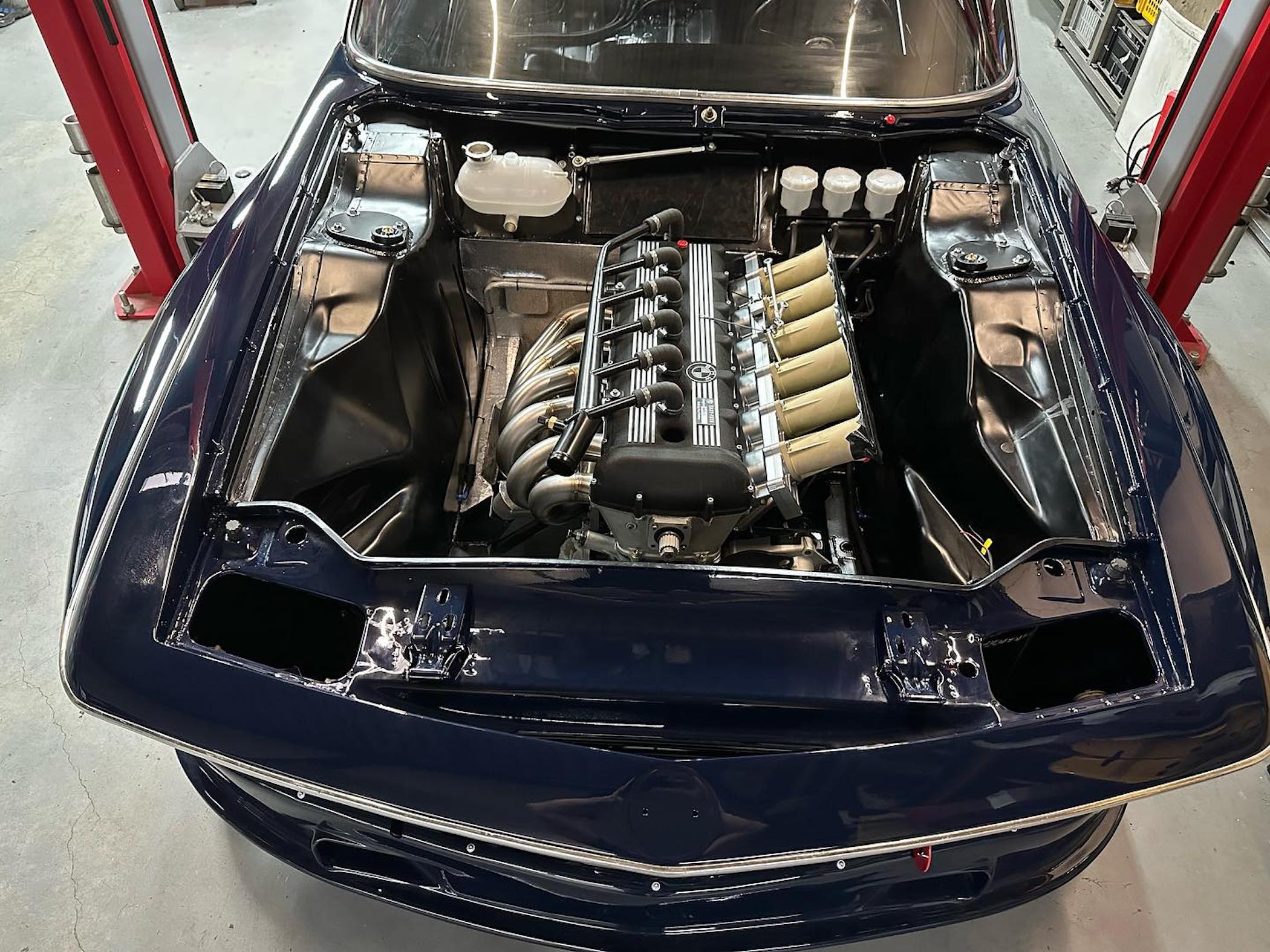
Technically, the 2800 CS (1968-1971) was powered by BMW’s new masterpiece: the M30 straight-six engine. This 2.8-litre unit, fed by twin Zenith carburettors, produced 170 hp and a wave of smooth, muscular torque. The chassis was pure BMW, featuring MacPherson strut front and a sophisticated independent semi-trailing arm rear suspension, setting a new handling standard for a large luxury coupé. In 1971, the car evolved. The 3.0 CS (180 hp) replaced the 2800, using improved twin carbs. But the real star arrived that same year: the 3.0 CSi. This was a revelation, replacing the carburettors with Bosch D-Jetronic electronic fuel injection. Power jumped to 200 hp, giving the luxurious coupé true sports car performance and a 140-mph top speed. These cars were offered with a 4-speed manual or an automatic (designated by the “A” in CSA and CSiA), cementing the E9 as the definitive Grand Tourer.
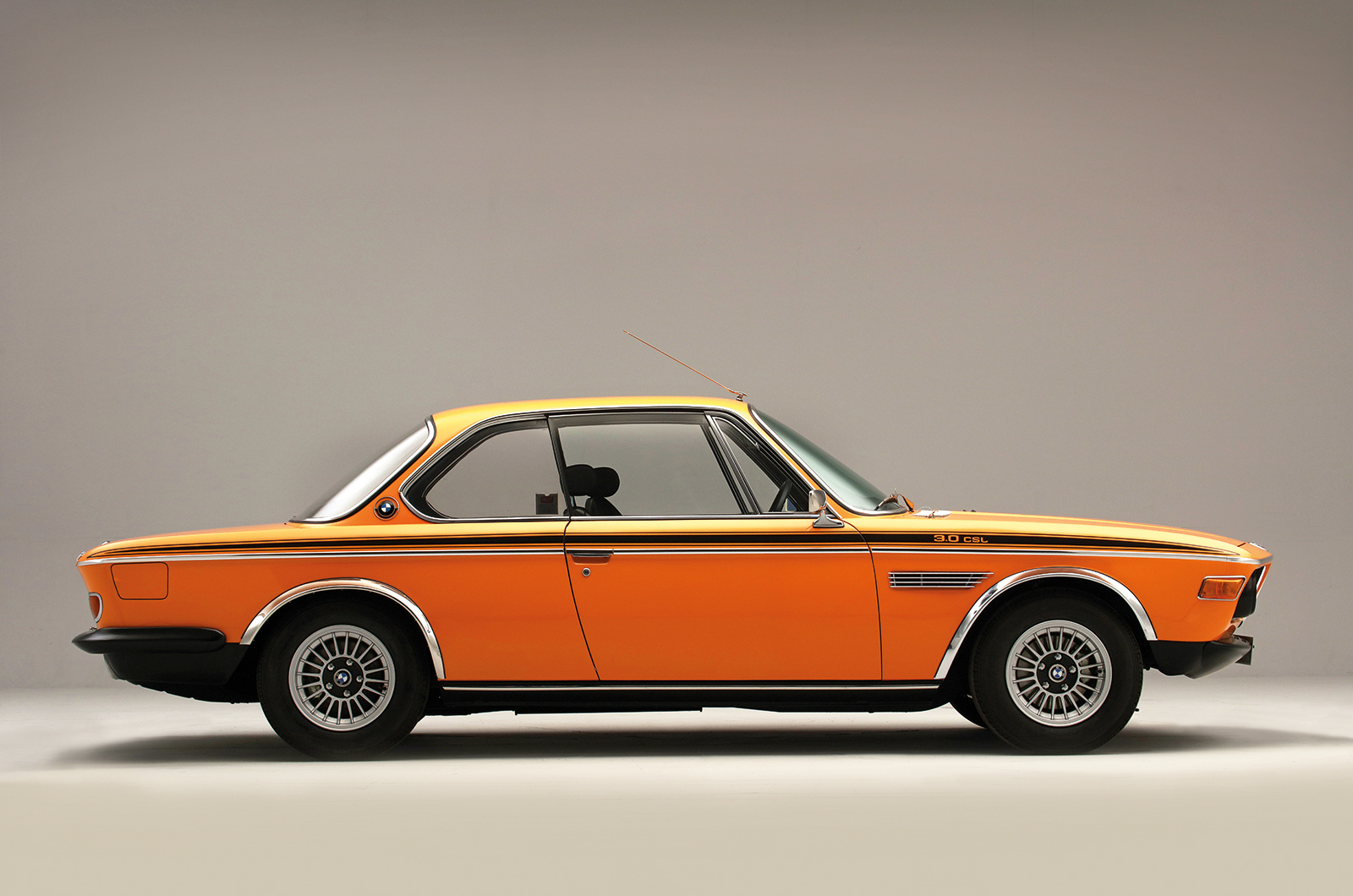
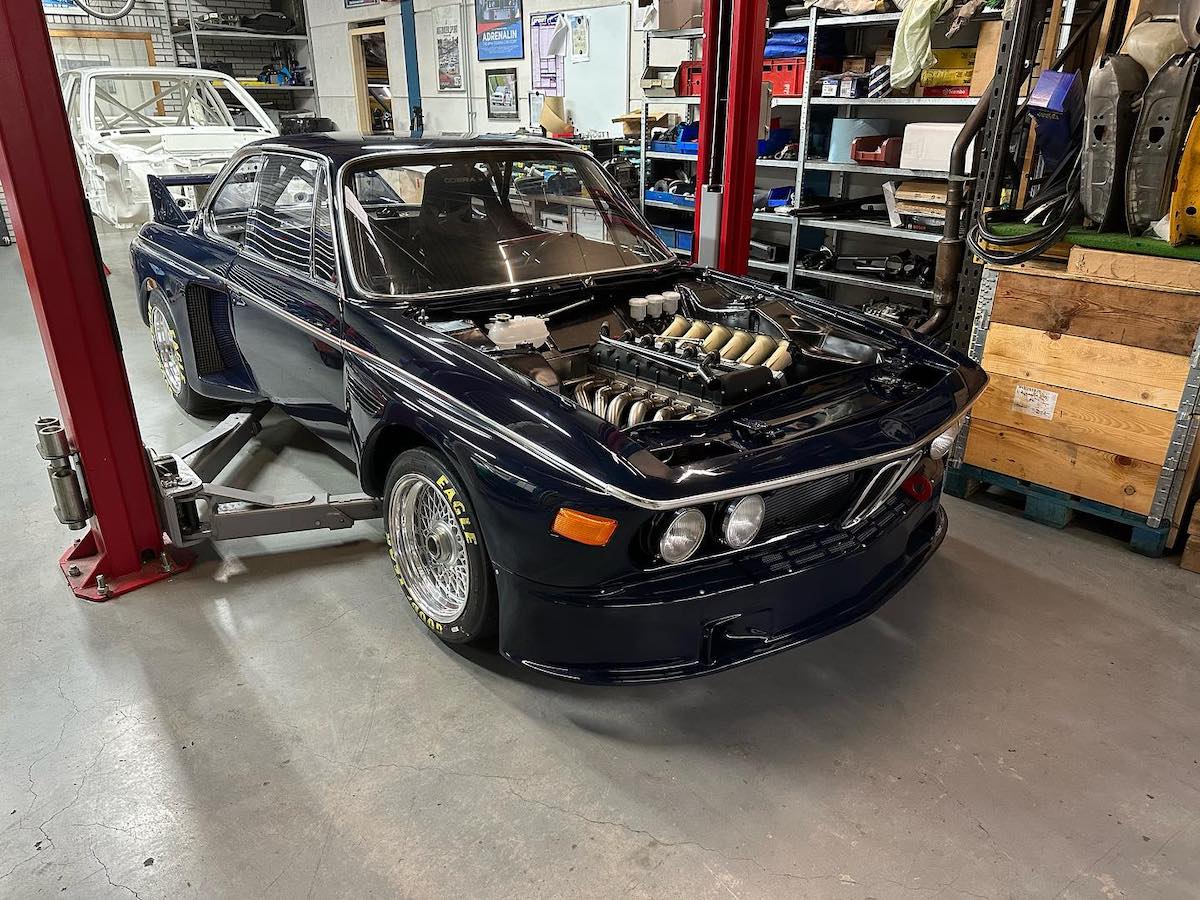
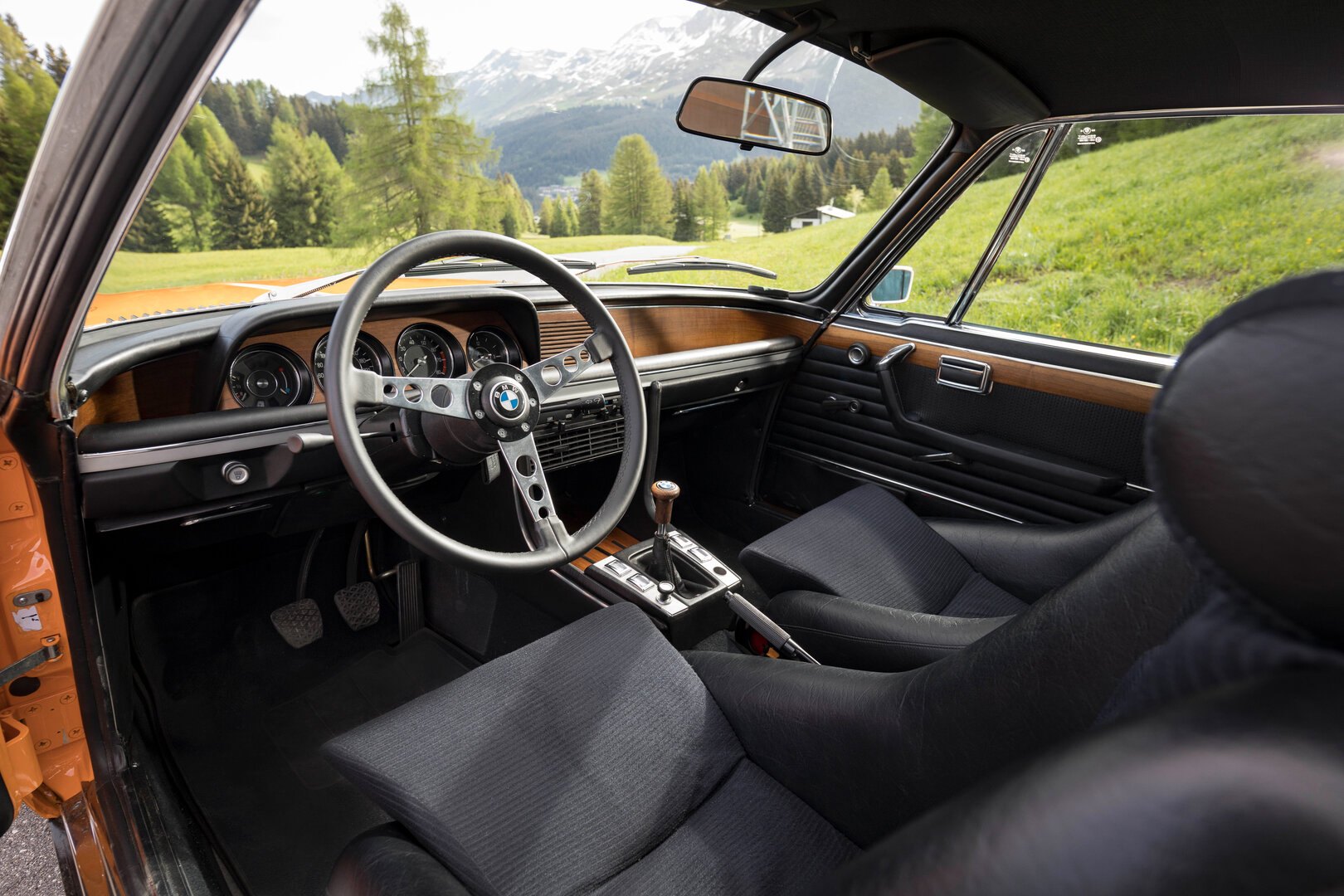
However, the E9’s true legend was forged in the fire of competition. In the early 70s, Ford was dominating the European Touring Car Championship (ETCC) with its Capri RS2600. To fight back, BMW needed a homologation special. Thus, in 1971, the 3.0 CSL was born. The “L” stood for Leicht (Light). This was not a luxury car; it was a barely-street-legal racing weapon. BMW M, then a brand-new competition division, went to work. The steel Karmann body was replaced with thinner-gauge steel. The doors, bonnet, and boot lid were aluminium. The bumpers were deleted, soundproofing was stripped, and electric windows were removed. The side windows were Plexiglas. The result was a 200kg weight saving.
The CSL evolved rapidly. The first (1971) used the 3.0L carburetted engine. The second (1972) adopted the CSi’s fuel injection. And in late 1973, to homologate the car for the over-3.0-litre class, BMW created the final, most iconic version. The engine was stroked to 3,153cc (marketed as “3.2L”). But it was the aerodynamic package that made it immortal. The car came with a deep front air dam, fins on the front fenders, and a roof spoiler. The three-piece rear wing was so comically large that it was illegal for German road use and was famously delivered in the boot (trunk) for the customer to install. This package earned it its eternal nickname: the “Batmobile.”
On the track, the CSL was a giant-killer. The 3.0 CSL Group 2 (1973), with its 3.5-litre, 12-valve engine producing around 380 hp, took the fight to the Ford Capris in an epic war. It won the European Touring Car Championship six times between 1973 and 1979 (with the exception of 1974). It was the car that made drivers like Hans-Joachim Stuck and Toine Hezemans famous. But BMW didn’t stop there. In 1976, to fight in the new Group 5 “silhouette” category, they created the wildest E9s of all. The 3.2 CSL Turbo Group 5—a 750 hp monster—and the naturally aspirated 3.5 CSL Group 5 proved the E9 chassis could handle insane power levels. These flame-spitting cars won races in the World Championship for Makes, including class victories at the 24 Hours of Daytona.
As the race cars were dominating, the road car’s life was ending. The 1973 oil crisis hit large, thirsty coupés hard. As a cost-saving measure, BMW introduced the 2.5 CS in 1974, a 2.5-litre, 150 hp version, but it saw little success. In 1975, the last E9 rolled off the Karmann line. It was replaced by the BMW E24 6-Series, a car that carried on the large coupé legacy but, at first, lacked the E9’s visual delicacy and raw racing pedigree. The E9’s legacy is monumental. The CSL was, literally, the first car from “BMW M.” The “Batmobile” became the first-ever official “Art Car,” painted by Alexander Calder. The E9 saved BMW from being just a “saloon-maker” and established it as the creator of the world’s most desirable, and feared, Grand Tourers.
Portal
Model line
Model generation
Predecessor
Sucessor
Brand
Produced from
Vehicle category
Portal
Model line
Model generation
Predecessor
Sucessor
About this model
In 1968, BMW was a company on the rise, built on the success of its Neue Klasse saloons and the brilliant 02 Series. They had mastered the compact sports saloon, but to be considered a truly world-class prestige manufacturer, they needed a flagship. They needed a grand coupé that could challenge Mercedes-Benz on the autobahn and Porsche on the racetrack. The predecessor, the 2000 C/CS (Type 120), was an elegant car but one with quirky styling and a four-cylinder engine that lacked the requisite grandeur. The answer was the E9. Launched in 1968 as the BMW 2800 CS, this car was a statement of intent. It was a masterpiece of design, engineering, and, ultimately, the machine that gave birth to the legend of BMW M.
The E9 was not a technical revolution, but a sublime evolution. It took the short-wheelbase chassis of the E3 saloon and clothed it in one of the most beautiful bodies ever produced. Designed by Wilhelm Hofmeister (whose signature “Hofmeister kink” defined the C-pillar), the E9 was a “pillarless” hardtop coupé. With all six windows lowered, it created an airy, unbroken aperture that exuded elegance. The body, built by Karmann, was incredibly light and airy, with a “shark-nose” sloping front and a perfectly balanced stance. Its rivals were the stately Mercedes-Benz W111 Coupé and the Porsche 911, but the BMW offered a unique blend of four-seater luxury and genuine sporting handling.
Technically, the 2800 CS (1968-1971) was powered by BMW’s new masterpiece: the M30 straight-six engine. This 2.8-litre unit, fed by twin Zenith carburettors, produced 170 hp and a wave of smooth, muscular torque. The chassis was pure BMW, featuring MacPherson strut front and a sophisticated independent semi-trailing arm rear suspension, setting a new handling standard for a large luxury coupé. In 1971, the car evolved. The 3.0 CS (180 hp) replaced the 2800, using improved twin carbs. But the real star arrived that same year: the 3.0 CSi. This was a revelation, replacing the carburettors with Bosch D-Jetronic electronic fuel injection. Power jumped to 200 hp, giving the luxurious coupé true sports car performance and a 140-mph top speed. These cars were offered with a 4-speed manual or an automatic (designated by the “A” in CSA and CSiA), cementing the E9 as the definitive Grand Tourer.
However, the E9’s true legend was forged in the fire of competition. In the early 70s, Ford was dominating the European Touring Car Championship (ETCC) with its Capri RS2600. To fight back, BMW needed a homologation special. Thus, in 1971, the 3.0 CSL was born. The “L” stood for Leicht (Light). This was not a luxury car; it was a barely-street-legal racing weapon. BMW M, then a brand-new competition division, went to work. The steel Karmann body was replaced with thinner-gauge steel. The doors, bonnet, and boot lid were aluminium. The bumpers were deleted, soundproofing was stripped, and electric windows were removed. The side windows were Plexiglas. The result was a 200kg weight saving.
The CSL evolved rapidly. The first (1971) used the 3.0L carburetted engine. The second (1972) adopted the CSi’s fuel injection. And in late 1973, to homologate the car for the over-3.0-litre class, BMW created the final, most iconic version. The engine was stroked to 3,153cc (marketed as “3.2L”). But it was the aerodynamic package that made it immortal. The car came with a deep front air dam, fins on the front fenders, and a roof spoiler. The three-piece rear wing was so comically large that it was illegal for German road use and was famously delivered in the boot (trunk) for the customer to install. This package earned it its eternal nickname: the “Batmobile.”
On the track, the CSL was a giant-killer. The 3.0 CSL Group 2 (1973), with its 3.5-litre, 12-valve engine producing around 380 hp, took the fight to the Ford Capris in an epic war. It won the European Touring Car Championship six times between 1973 and 1979 (with the exception of 1974). It was the car that made drivers like Hans-Joachim Stuck and Toine Hezemans famous. But BMW didn’t stop there. In 1976, to fight in the new Group 5 “silhouette” category, they created the wildest E9s of all. The 3.2 CSL Turbo Group 5—a 750 hp monster—and the naturally aspirated 3.5 CSL Group 5 proved the E9 chassis could handle insane power levels. These flame-spitting cars won races in the World Championship for Makes, including class victories at the 24 Hours of Daytona.
As the race cars were dominating, the road car’s life was ending. The 1973 oil crisis hit large, thirsty coupés hard. As a cost-saving measure, BMW introduced the 2.5 CS in 1974, a 2.5-litre, 150 hp version, but it saw little success. In 1975, the last E9 rolled off the Karmann line. It was replaced by the BMW E24 6-Series, a car that carried on the large coupé legacy but, at first, lacked the E9’s visual delicacy and raw racing pedigree. The E9’s legacy is monumental. The CSL was, literally, the first car from “BMW M.” The “Batmobile” became the first-ever official “Art Car,” painted by Alexander Calder. The E9 saved BMW from being just a “saloon-maker” and established it as the creator of the world’s most desirable, and feared, Grand Tourers.
Generations
Generations of this model
Generations
Generations of this model
Submodels
Discover all the variants of this model
Submodels
Discover all the variants of this model
Vehicles
Legendary Vehicles
Vehicles