Chevron B19


Brand
Produced from
Vehicle category
Portal
Model line
Model generation
Predecessor
Sucessor
About this model
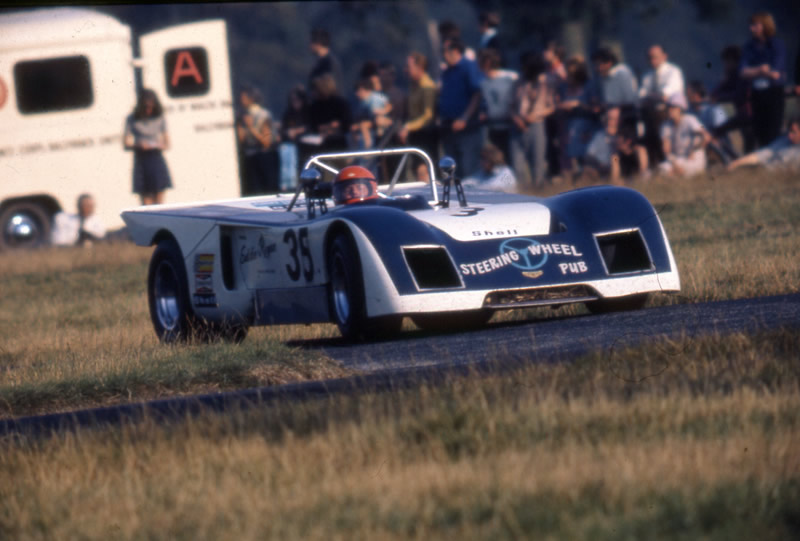
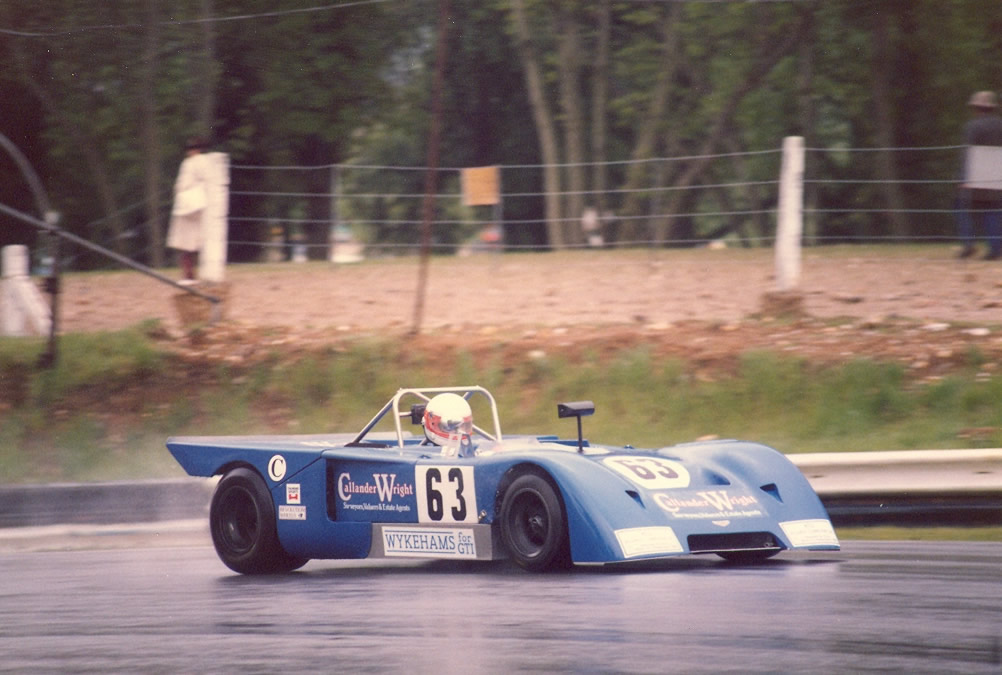
If the Chevron B16 was the beauty queen of the 2.0-litre sports car world, a closed-cockpit sculpture that wooed the hearts of enthusiasts, the Chevron B19 was the prize-fighter that arrived to bloody the nose of the establishment. By late 1970, the romantic era of the coupé was ending. The physics of motorsport were shifting inexorably towards lightness and visibility, driven by the arrival of the open-top Lola T210. Derek Bennett, the intuitive engineering genius behind Chevron, saw the writing on the wall. The beautiful roof of the B16 was now a liability, a forty-kilogram penalty in a class where ounces mattered. His response, unveiled for the 1971 season, was the B19. It was a machine stripped of vanity, a ruthless distillation of speed that would go on to become the most successful and dominant car in the history of the European 2-Litre Sports Car Championship. It was the car that transitioned Chevron from a boutique constructor into a global powerhouse of customer racing.
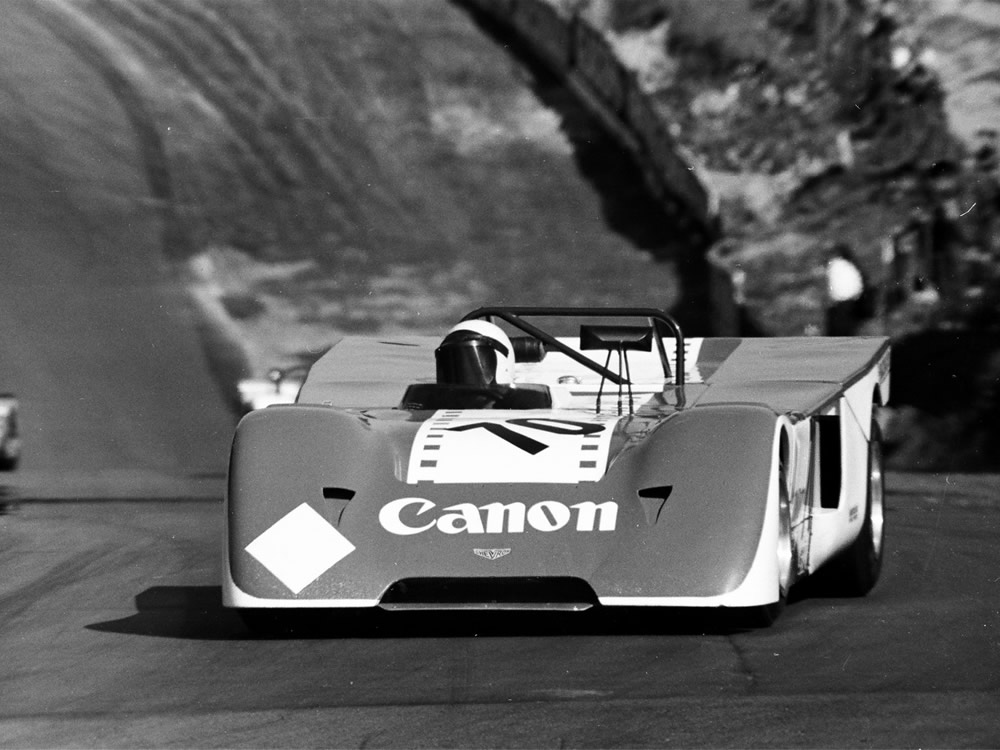
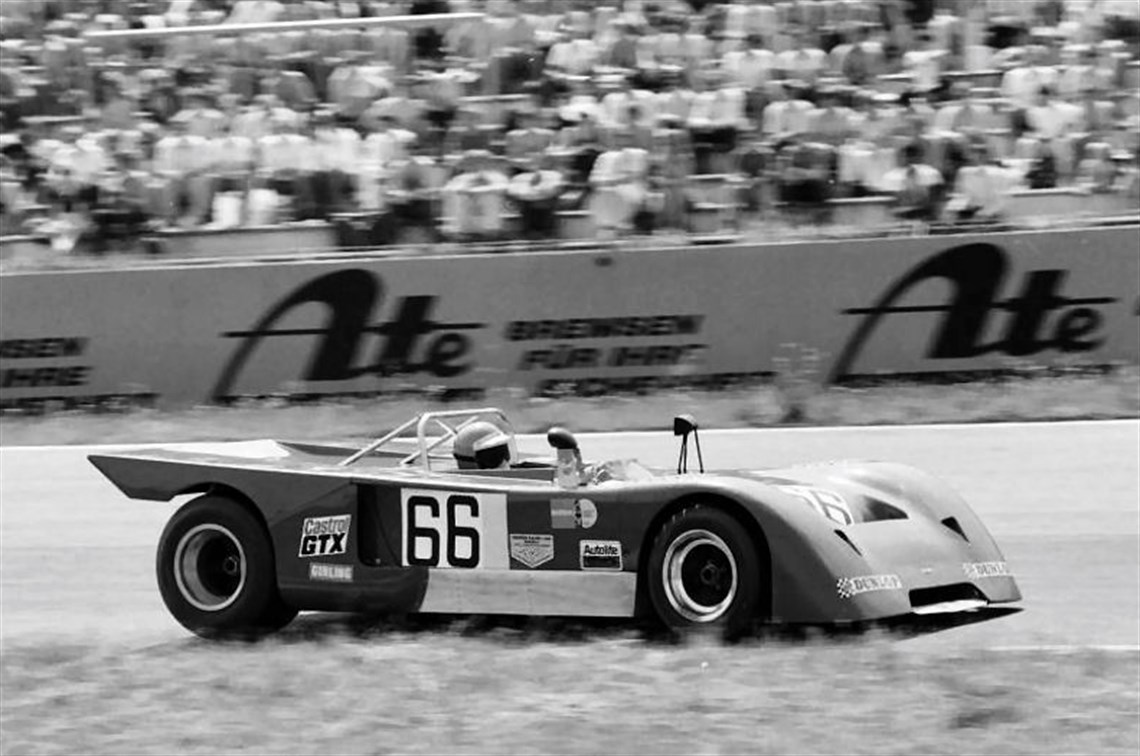
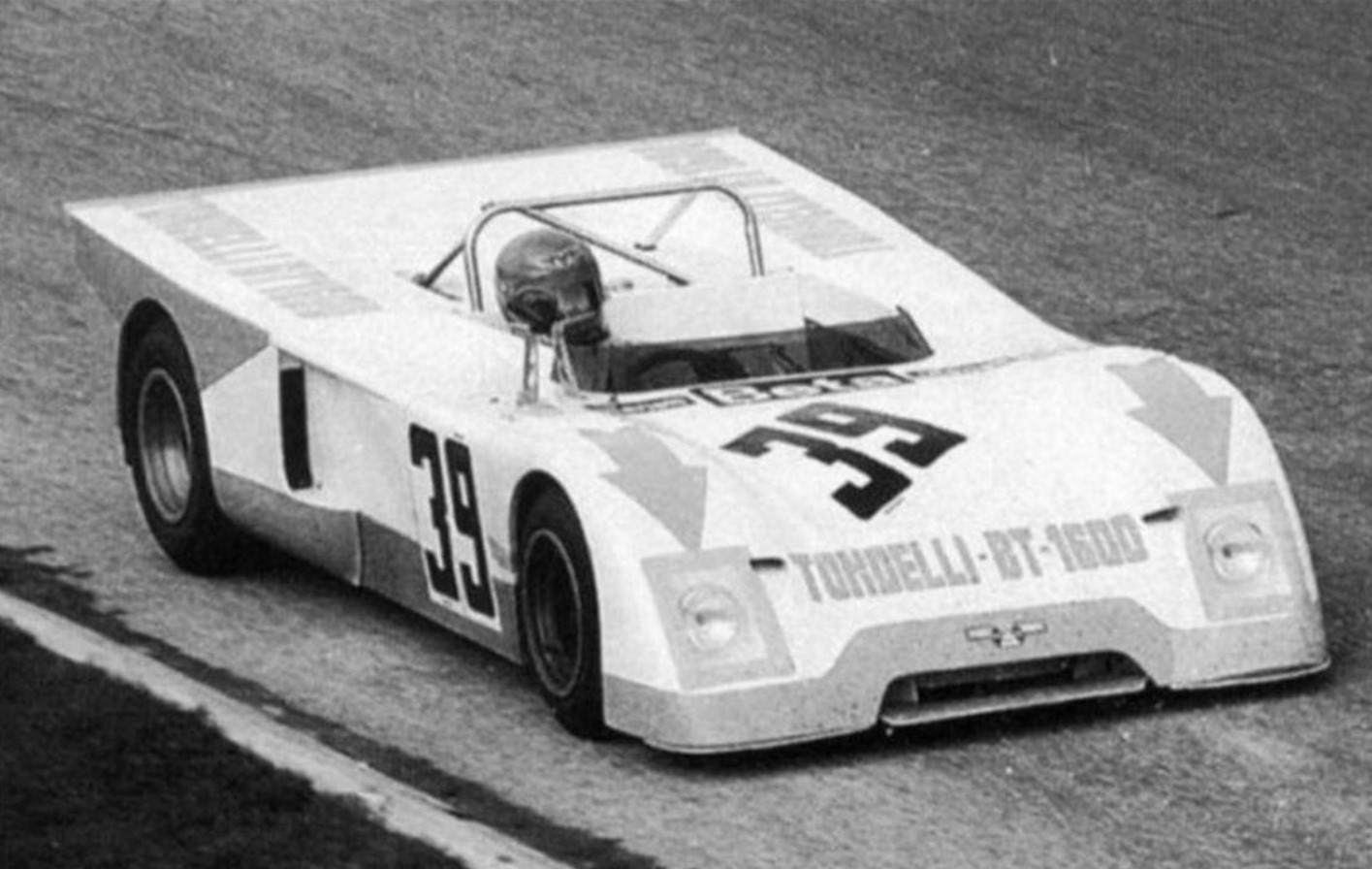
The B19 was not merely a B16 with the roof sawn off, although it shared the same DNA. Bennett stuck to his guns regarding the chassis, eschewing the fashionable aluminium monocoques used by Lola in favor of his signature tubular steel spaceframe. This was a masterstroke of pragmatism for his target market: the privateer. A steel frame was stiff, communicative, and, crucially, could be cut and welded back together in a paddock after an accident, whereas a bent monocoque was often a write-off. The chassis was reinforced with stressed steel skins, creating a semi-monocoque hybrid that offered immense rigidity. The bodywork was a stark departure from the B16’s curves; it was a flat, functional wedge. The cockpit was open, the tail was squared off with an integrated spoiler, and the nose was a sharp chisel designed to keep the front tires planted. It was a shape dictated entirely by the wind tunnel and the stopwatch, weighing in at a feather-light 550kg.
The genius of the B19 was its engine bay, a versatile cradle designed to accept the best four-cylinder racing engines the world had to offer. The definitive and most popular version was the Chevron B19 Ford Cosworth FVC. The FVC was the workhorse of the class, a 1.8-litre (often bored to 1.9L) version of the famous FVA. Producing around 245 bhp, it was a chaotic, vibrating, torque-rich engine that mated perfectly with the B16’s agility. It was the standard-bearer for the 1971 season. However, as the arms race escalated, the Chevron B19 Ford Cosworth BDG began to appear. The BDG was the future: a 2.0-litre, aluminium-block masterpiece derived from the Formula 2 BDA. It was lighter, smoother, and more powerful (275+ bhp) than the iron-block FVC, giving the B19 the legs to compete on faster circuits. A few teams, holding onto the previous era, campaigned the Chevron B19 Ford Cosworth FVA, utilizing the high-revving 1.6-litre screamer for specific class victories, while the truly adventurous—specifically the Belgian Levi’s team—continued their auditory assault with the Chevron B19 Mazda. This rotary-powered variant, fitted with the 10A Wankel engine, was a reliable, flamethrower of a car that lacked the torque of the Cosworths but made up for it with bulletproof reliability and a sound that could shatter glass.
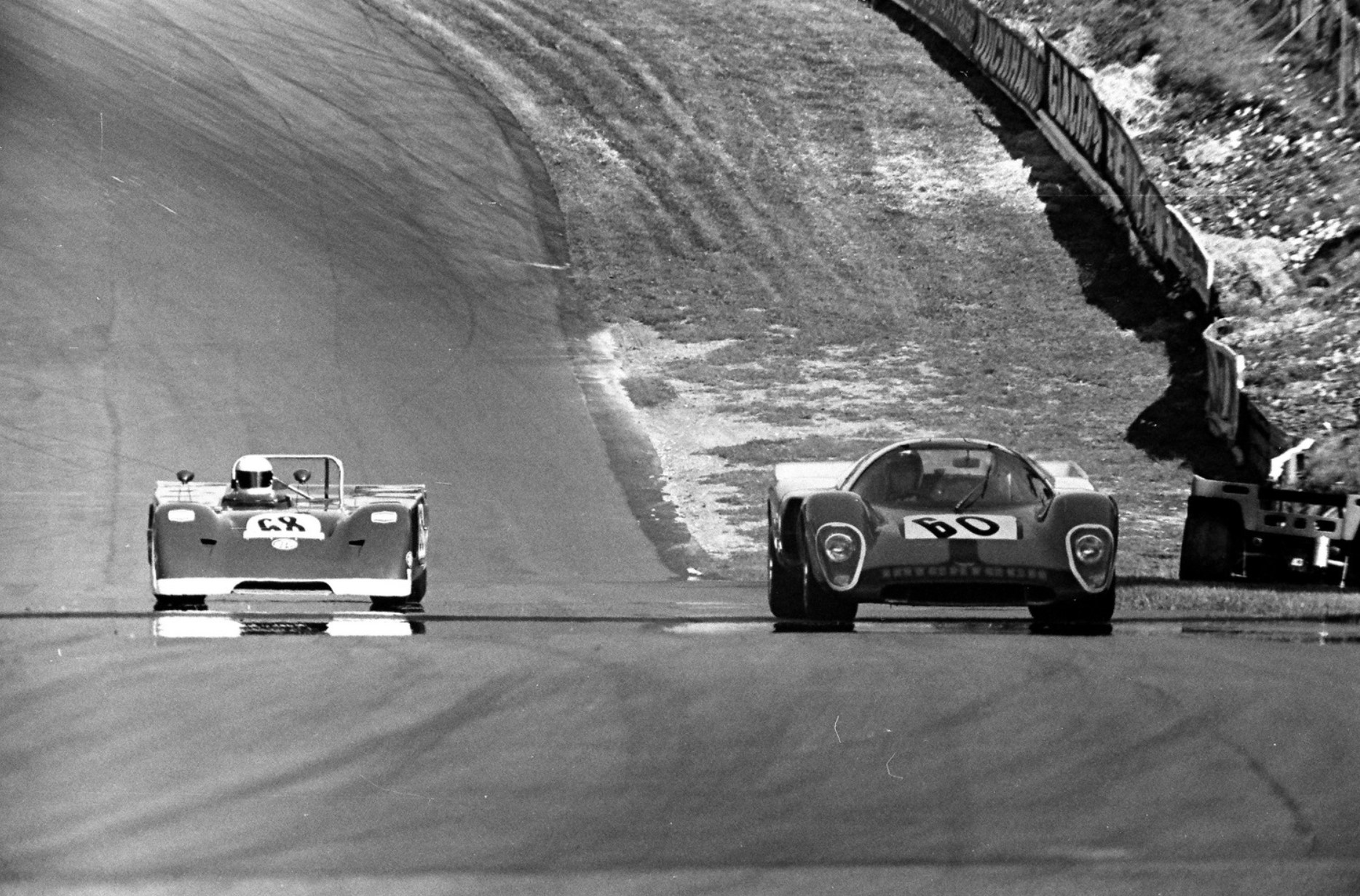
The B19’s impact on the 1971 season was nothing short of total saturation. The grid of the European 2-Litre Sports Car Championship often looked like a Chevron spec-series. In the hands of Works driver Brian Redman, the B19 was devastating. Redman, a driver of world-class caliber, utilized the B19’s forgiving handling and the FVC’s punch to win the championship title, defeating the fierce challenge of Helmut Marko in the Lola T212. The B19 didn’t just win; it swarmed. At races like the Vallelunga 500km or the Nürburgring 500km, B19s would often lock out the top five positions. It became the default choice for any driver with ambition and a budget. Legends like Niki Lauda, Jody Scheckter, and Jo Siffert all spent time behind the wheel of a B19, using it as a sharp tool to hone their racecraft or simply to earn prize money on an off-weekend from Formula 1.
The car’s success extended far beyond Europe. In South Africa’s Springbok Series, the B19 was the king of the 9-hour endurance races, perfectly suited to the heat and the rougher tracks like Kyalami. In Japan, the B19 became a foundational car for the Grand Champion (GC) series, influencing a generation of Japanese constructors. The sheer volume of B19s produced—around 35 chassis—meant that it democratized speed. It allowed privateers to run at the front of international fields, battling factory efforts from Abarth and Porsche on merit. Its reliability was legendary; the steel chassis absorbed punishment that would have snapped a lighter car, and the Hewland FG400 gearbox was a known, robust quantity.
The legacy of the Chevron B19 is that it set the template for the “two-litre spyder” that would define sports car racing for the next decade. It was the father of the B21, B23, B26, and B31, a lineage that kept Chevron at the sharp end of the grid long after Derek Bennett’s tragic death. It proved that a small team from Bolton, operating out of a converted mill, could out-engineer the world. The B19 was not just a car; it was a career-maker, a championship-winner, and arguably the finest handling sports racing car of its generation. Today, in historic racing, the B19 remains the benchmark, its grid numbers still swelling in the CER and Masters series, proving that fifty years later, Derek Bennett’s “wedge” is still the car to beat.
Portal
Model line
Model generation
Predecessor
Sucessor
Brand
Produced from
Vehicle category
Portal
Model line
Model generation
Predecessor
Sucessor
About this model
If the Chevron B16 was the beauty queen of the 2.0-litre sports car world, a closed-cockpit sculpture that wooed the hearts of enthusiasts, the Chevron B19 was the prize-fighter that arrived to bloody the nose of the establishment. By late 1970, the romantic era of the coupé was ending. The physics of motorsport were shifting inexorably towards lightness and visibility, driven by the arrival of the open-top Lola T210. Derek Bennett, the intuitive engineering genius behind Chevron, saw the writing on the wall. The beautiful roof of the B16 was now a liability, a forty-kilogram penalty in a class where ounces mattered. His response, unveiled for the 1971 season, was the B19. It was a machine stripped of vanity, a ruthless distillation of speed that would go on to become the most successful and dominant car in the history of the European 2-Litre Sports Car Championship. It was the car that transitioned Chevron from a boutique constructor into a global powerhouse of customer racing.
The B19 was not merely a B16 with the roof sawn off, although it shared the same DNA. Bennett stuck to his guns regarding the chassis, eschewing the fashionable aluminium monocoques used by Lola in favor of his signature tubular steel spaceframe. This was a masterstroke of pragmatism for his target market: the privateer. A steel frame was stiff, communicative, and, crucially, could be cut and welded back together in a paddock after an accident, whereas a bent monocoque was often a write-off. The chassis was reinforced with stressed steel skins, creating a semi-monocoque hybrid that offered immense rigidity. The bodywork was a stark departure from the B16’s curves; it was a flat, functional wedge. The cockpit was open, the tail was squared off with an integrated spoiler, and the nose was a sharp chisel designed to keep the front tires planted. It was a shape dictated entirely by the wind tunnel and the stopwatch, weighing in at a feather-light 550kg.
The genius of the B19 was its engine bay, a versatile cradle designed to accept the best four-cylinder racing engines the world had to offer. The definitive and most popular version was the Chevron B19 Ford Cosworth FVC. The FVC was the workhorse of the class, a 1.8-litre (often bored to 1.9L) version of the famous FVA. Producing around 245 bhp, it was a chaotic, vibrating, torque-rich engine that mated perfectly with the B16’s agility. It was the standard-bearer for the 1971 season. However, as the arms race escalated, the Chevron B19 Ford Cosworth BDG began to appear. The BDG was the future: a 2.0-litre, aluminium-block masterpiece derived from the Formula 2 BDA. It was lighter, smoother, and more powerful (275+ bhp) than the iron-block FVC, giving the B19 the legs to compete on faster circuits. A few teams, holding onto the previous era, campaigned the Chevron B19 Ford Cosworth FVA, utilizing the high-revving 1.6-litre screamer for specific class victories, while the truly adventurous—specifically the Belgian Levi’s team—continued their auditory assault with the Chevron B19 Mazda. This rotary-powered variant, fitted with the 10A Wankel engine, was a reliable, flamethrower of a car that lacked the torque of the Cosworths but made up for it with bulletproof reliability and a sound that could shatter glass.
The B19’s impact on the 1971 season was nothing short of total saturation. The grid of the European 2-Litre Sports Car Championship often looked like a Chevron spec-series. In the hands of Works driver Brian Redman, the B19 was devastating. Redman, a driver of world-class caliber, utilized the B19’s forgiving handling and the FVC’s punch to win the championship title, defeating the fierce challenge of Helmut Marko in the Lola T212. The B19 didn’t just win; it swarmed. At races like the Vallelunga 500km or the Nürburgring 500km, B19s would often lock out the top five positions. It became the default choice for any driver with ambition and a budget. Legends like Niki Lauda, Jody Scheckter, and Jo Siffert all spent time behind the wheel of a B19, using it as a sharp tool to hone their racecraft or simply to earn prize money on an off-weekend from Formula 1.
The car’s success extended far beyond Europe. In South Africa’s Springbok Series, the B19 was the king of the 9-hour endurance races, perfectly suited to the heat and the rougher tracks like Kyalami. In Japan, the B19 became a foundational car for the Grand Champion (GC) series, influencing a generation of Japanese constructors. The sheer volume of B19s produced—around 35 chassis—meant that it democratized speed. It allowed privateers to run at the front of international fields, battling factory efforts from Abarth and Porsche on merit. Its reliability was legendary; the steel chassis absorbed punishment that would have snapped a lighter car, and the Hewland FG400 gearbox was a known, robust quantity.
The legacy of the Chevron B19 is that it set the template for the “two-litre spyder” that would define sports car racing for the next decade. It was the father of the B21, B23, B26, and B31, a lineage that kept Chevron at the sharp end of the grid long after Derek Bennett’s tragic death. It proved that a small team from Bolton, operating out of a converted mill, could out-engineer the world. The B19 was not just a car; it was a career-maker, a championship-winner, and arguably the finest handling sports racing car of its generation. Today, in historic racing, the B19 remains the benchmark, its grid numbers still swelling in the CER and Masters series, proving that fifty years later, Derek Bennett’s “wedge” is still the car to beat.
Generations
Generations of this model
Generations
Generations of this model
Submodels
Discover all the variants of this model
Submodels
Discover all the variants of this model
Vehicles
Legendary Vehicles
Vehicles