Ferrari 208/308 GT4
Brand
Produced from
Vehicle category
Portal
Model line
Model generation
Predecessor
Sucessor
About this model
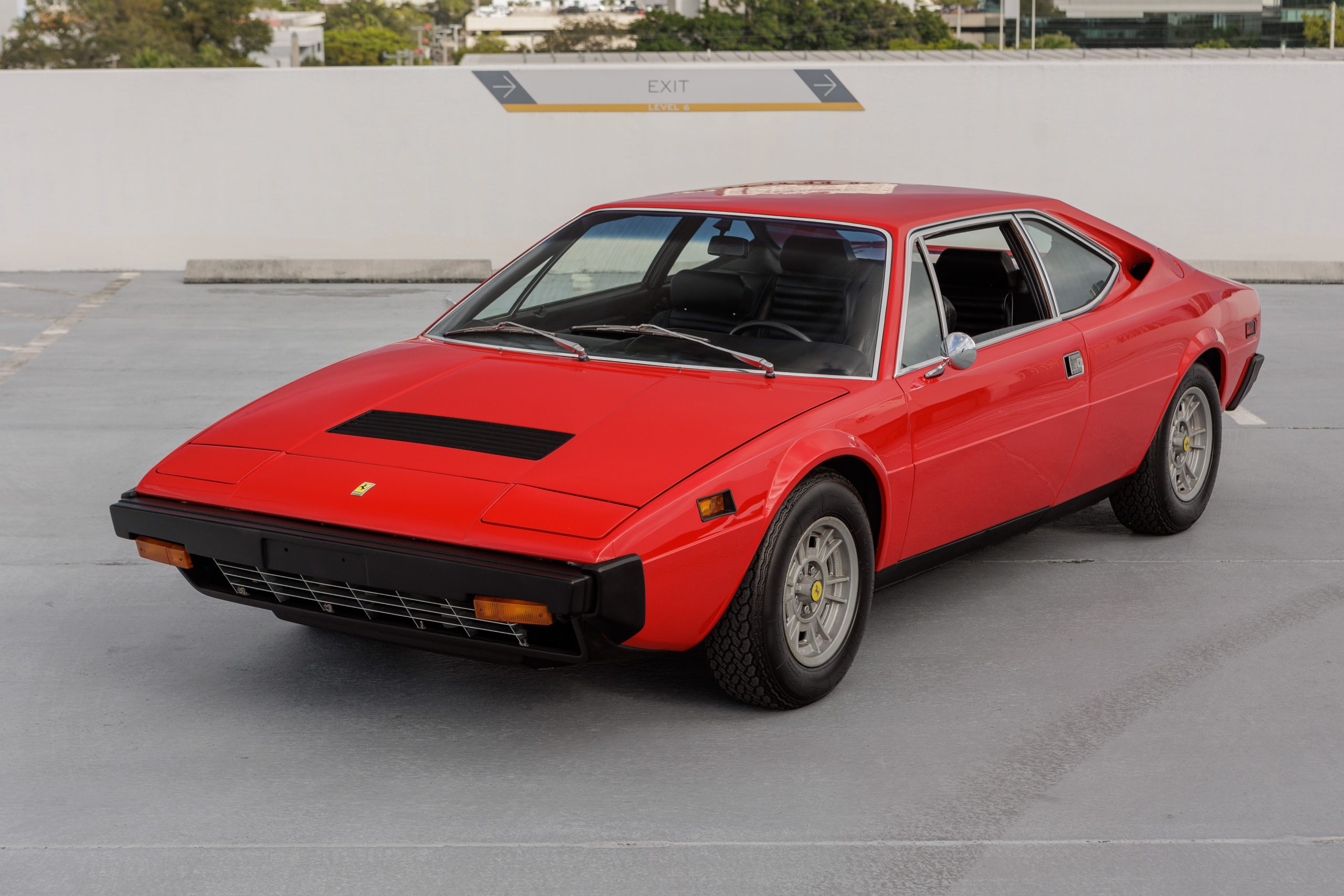
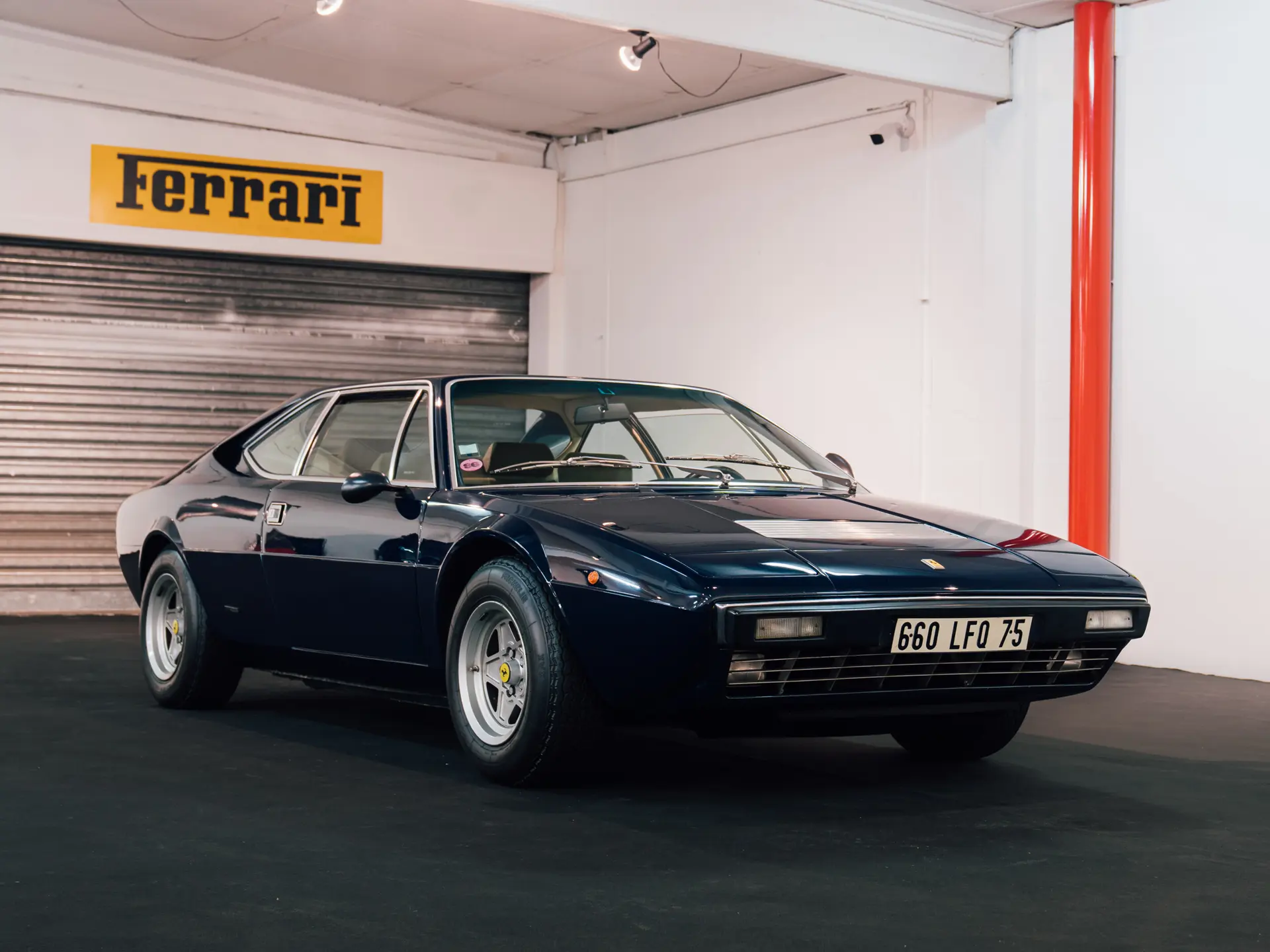
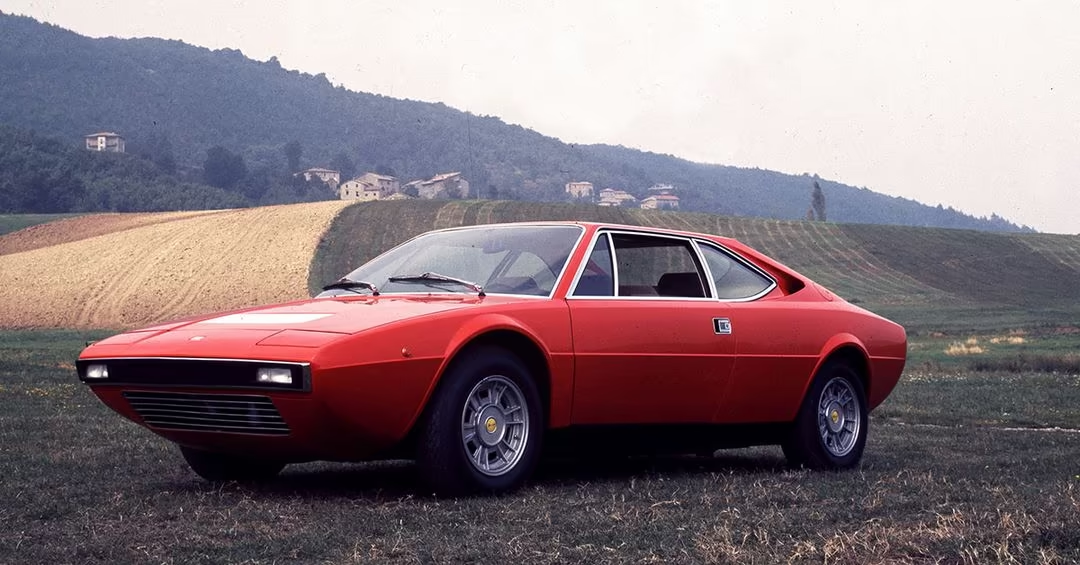
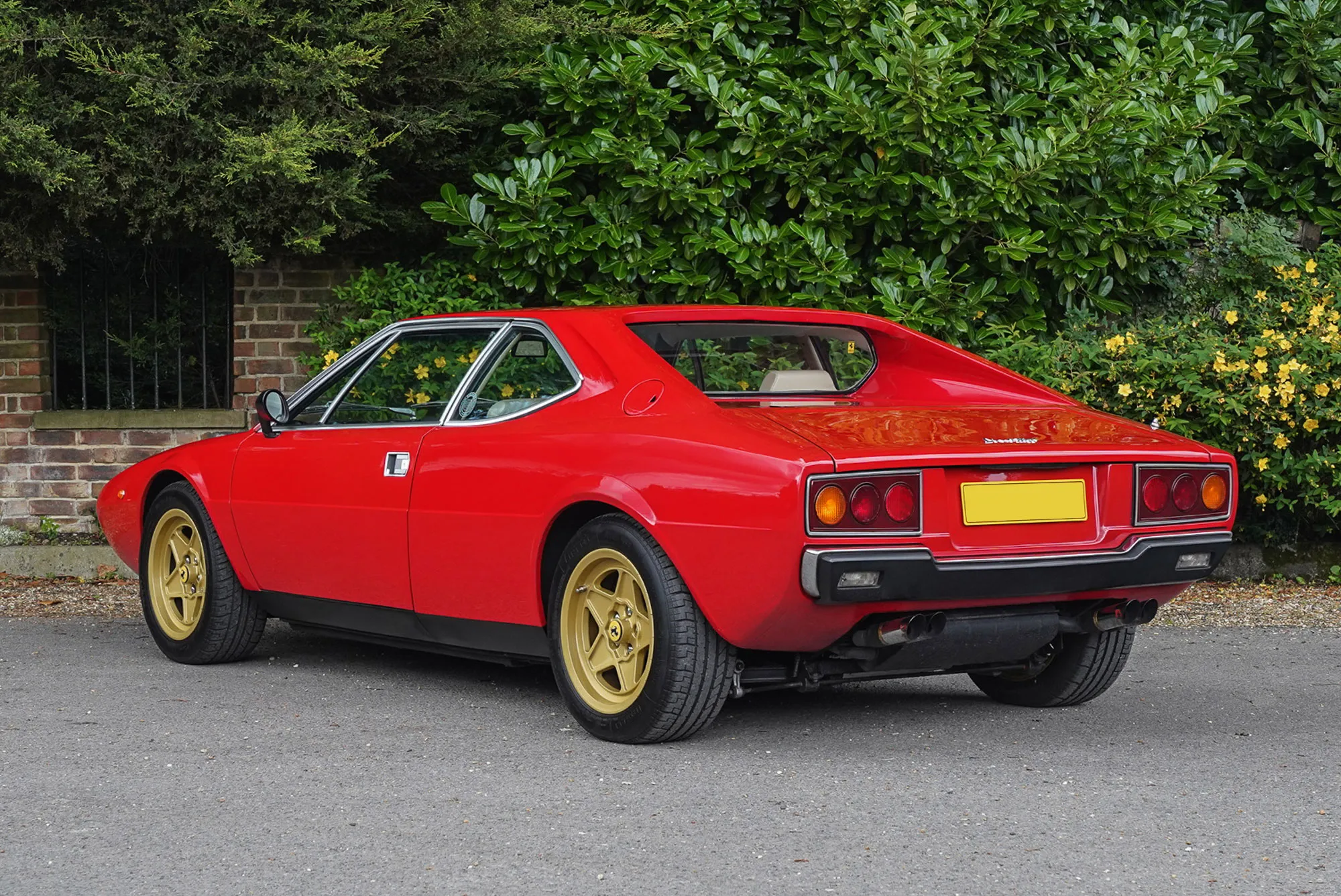
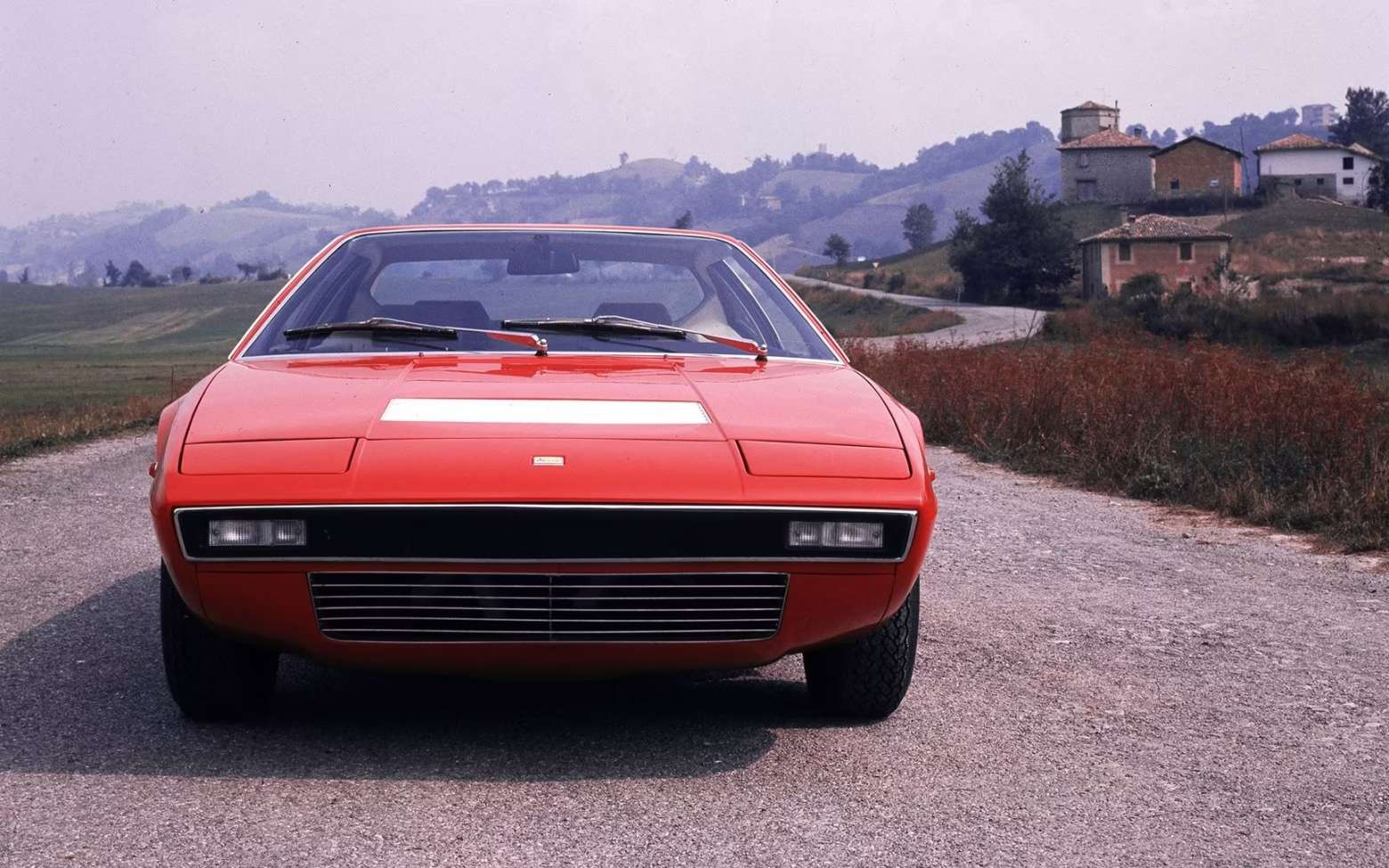
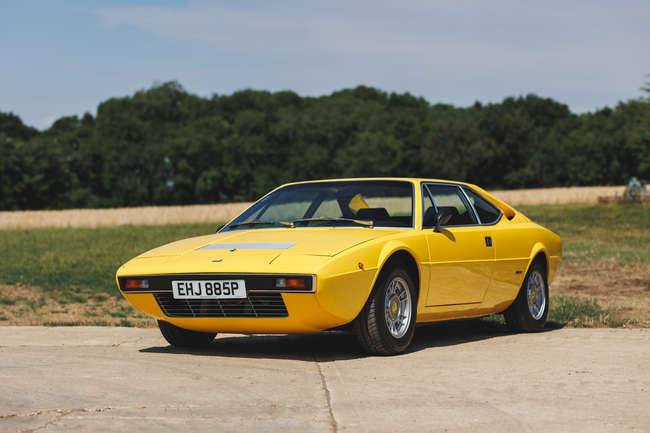
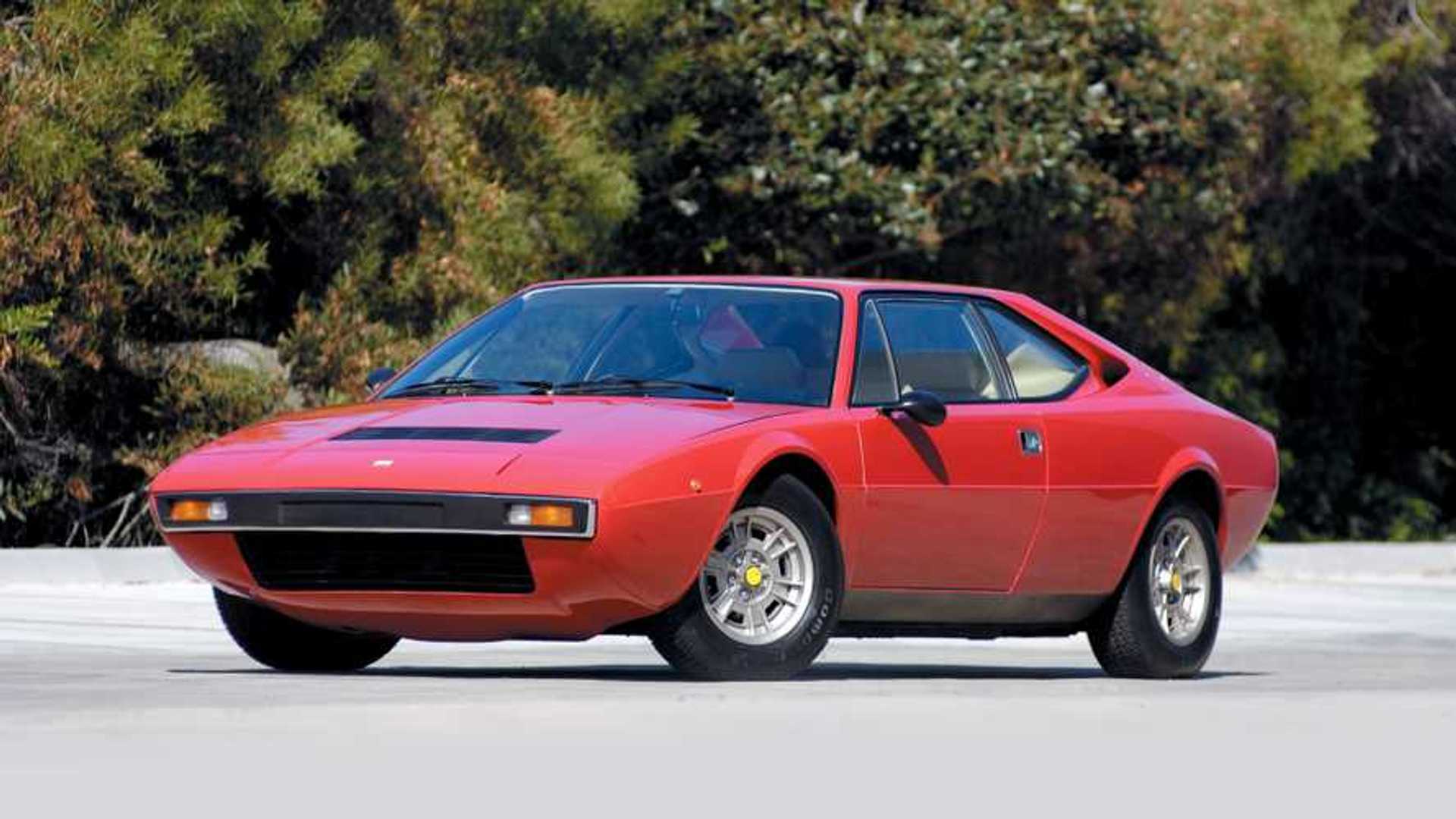
The unveiling of the Dino 308 GT4 at the Paris Motor Show in October 1973 was nothing short of a seismic shock to the 1970s automotive establishment. For a company defined by the sensual, voluptuous curves of Pininfarina, presenting a machine drawn with the sharp, angular defiance of “folded paper” was akin to the Vatican suddenly embracing brutalist architecture. Designed by Marcello Gandini at Bertone—the man who had penned the Lamborghini Miura and Countach—the 308 GT4 was an iconoclast in every sense. It was the first production Ferrari to carry a V8 engine, the first mid-engined 2+2 in the marque’s history, and the first road car from Maranello to be designed by Bertone rather than Pininfarina. To the purists of the era, it was a heresy; to the pragmatists, it was a genius solution to a complex packaging problem; and to history, it stands as the genesis of the V8 bloodline that would eventually give us the F40 and the 458 Italia. Its mission was formidable: it had to replace the beloved, curvaceous Dino 246 GT while fending off a new wave of practical exotic rivals like the Lamborghini Urraco, the Maserati Merak, and the evergreen Porsche 911.
The technical architecture of the 308 GT4 was a triumph of packaging over convention. The challenge was to fit a mid-mounted engine and four passengers (or at least, two adults and two very optimistic children) within a wheelbase of just 2,550mm—only 210mm longer than the two-seater Dino 246. To achieve this, Ferrari developed the Tipo F106 engine, a 90-degree V8 displacing 2,927cc. Unlike the longitudinal V12s of the flagship models, this V8 was mounted transversely, sitting sideways behind the rear seats to minimize the car’s length. Breathing through four twin-choke Weber 40 DCNF carburetors, it produced a healthy 255 bhp in European trim (strangled to around 240 bhp in the smog-choked US market). This engine was a masterpiece of flexibility, possessing a flat-plane crank howl that was distinctly different from the V12 wail but equally intoxicating.
For the Italian domestic market, Ferrari introduced a fascinating submodel in 1975: the Ferrari 208 GT4 Coupe. Crippling tax laws on engines displacing over 2.0 litres forced Maranello to sleeve the V8 down to 1,990cc, creating the smallest displacement V8 ever installed in a production car. Despite producing only 170 bhp (later 180 bhp), the 208 GT4 retained the sophisticated chassis dynamics of its bigger brother, becoming a cult classic for its frantic, high-revving character, requiring the driver to wring its neck to make progress.
The chassis itself was a tubular steel spaceframe, rigid and responsive, utilizing fully independent double-wishbone suspension at all corners. Because of the slightly longer wheelbase and the centralized mass of the transverse engine, the GT4 possessed a handling balance that many test drivers—including, famously, Niki Lauda—found superior to the subsequent 308 GTB. It was less twitchy at the limit, more progressive, and exceptionally communicative. The exterior design, so controversial at launch, has aged gracefully. Gandini’s wedge profile, with its retractable headlights and sharp creases, was perfectly in tune with the zeitgeist of the 1970s. The cabin was a revolution in ergonomics for Ferrari, featuring a driver-centric cockpit where the controls were actually reachable, and visibility was panoramic thanks to the low beltline and slim pillars.
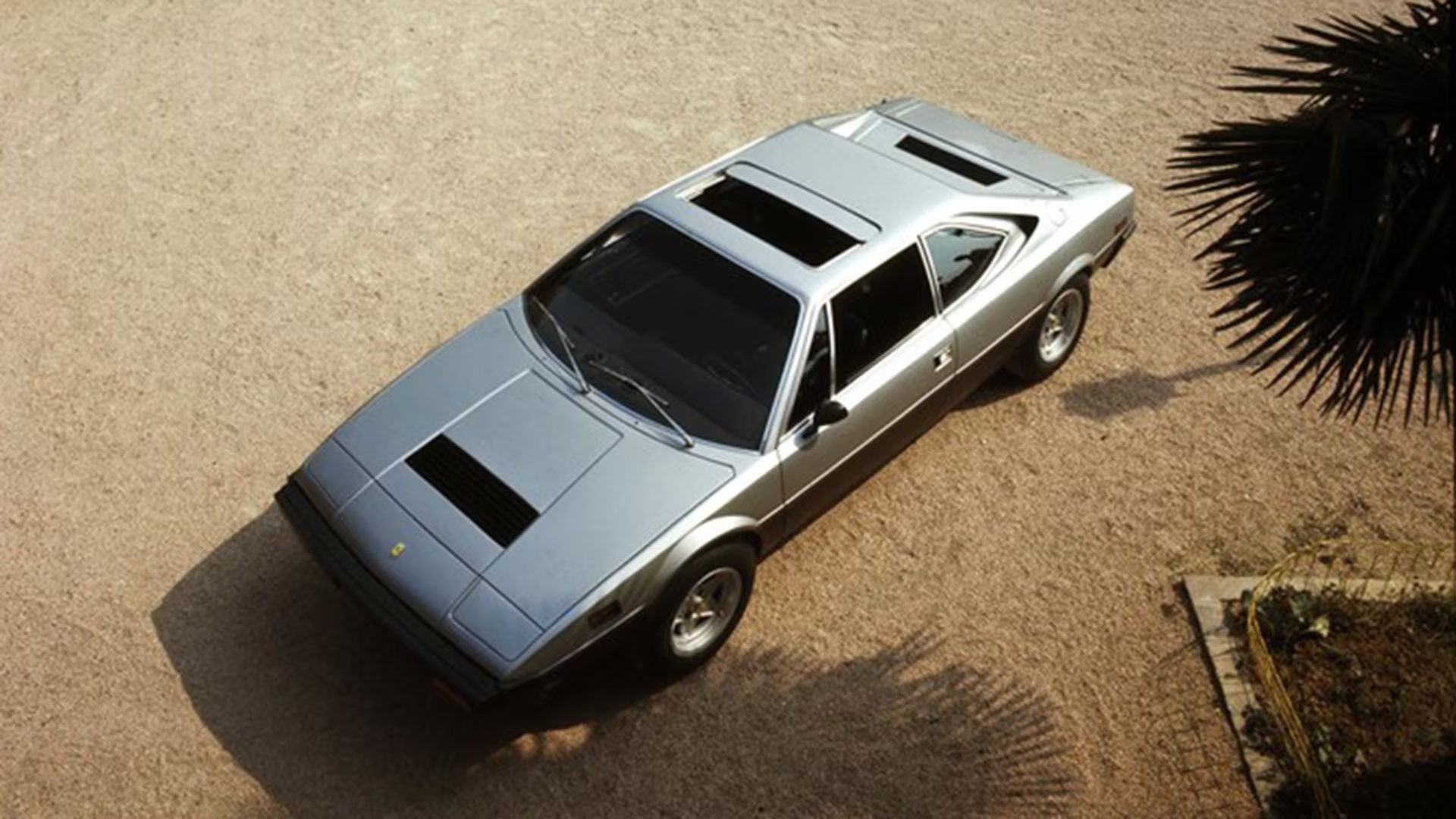
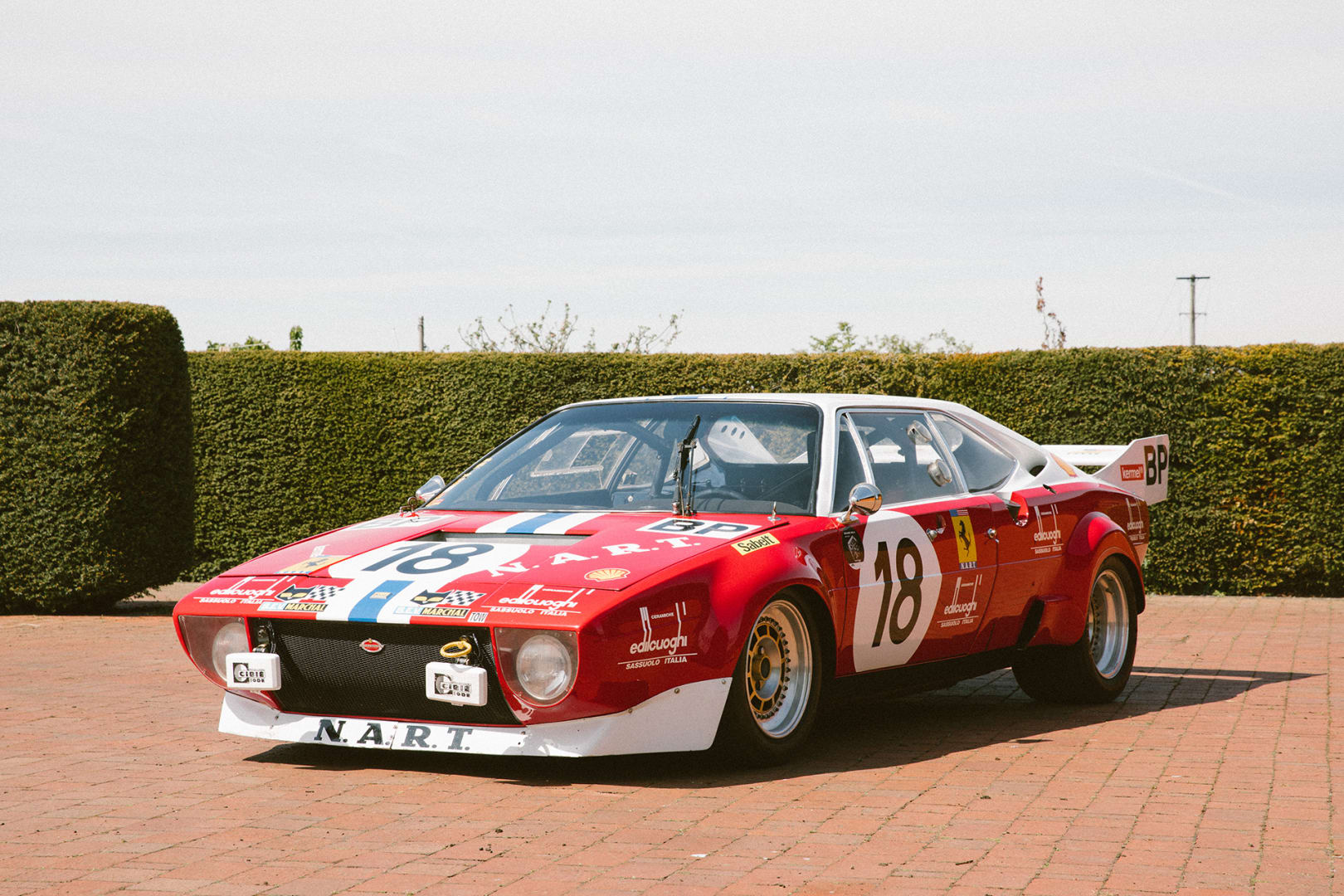
The model line also served as a canvas for experimentation. In 1976, Bertone took a standard GT4 chassis and created the Ferrari 308 GT Rainbow Concept. This radical design study featured a rotating roof mechanism—a precursor to the retractable hardtops of the modern California and 458 Spider—and styling cues that were even more angular than the production car, influencing the future design of the Volvo Tundra and Citroën BX. On the competition front, while Enzo Ferrari generally viewed GT racing with indifference during this period, Luigi Chinetti’s North American Racing Team (NART) developed the 1974 Ferrari 308 GT4 LM. This unique racer, featuring aggressive aerodynamic modifications and a tuned engine, competed at the 24 Hours of Le Mans in 1974. Although it failed to finish due to a clutch issue, it proved that the “family Ferrari” had the heart of a racer. Similarly, the Ferrari Dino 308 GT4 Group 4 (and Group 3 variants) found a niche in rallying, particularly on the tarmac stages of Italy and France, where the car’s compact dimensions and traction made it surprisingly effective.
The commercial and cultural journey of the 308 GT4 was a turbulent one. Initially sold under the “Dino” brand to distinguish the V6 and V8 cars from the V12 aristocracy, the car suffered from an identity crisis. Dealers struggled to explain why a car costing nearly as much as a Daytona didn’t carry the Prancing Horse badge. In a pragmatic move, Ferrari issued a directive in late 1976 allowing dealers to retrofit Ferrari badges to existing stock, and from 1976 onwards, the cars left the factory as proper Ferraris. This rebranding helped sales, and over its production run (1973–1980), roughly 2,826 units of the 308 GT4 and 840 units of the 208 GT4 were built. It was a vital cash cow that kept the lights on at Maranello during a decade fraught with oil crises and labor strikes.
For years, the GT4 was the unloved stepchild of the Ferrari family, dismissed for its looks and its 2+2 layout. However, time has vindicated Gandini’s vision. In an era where modern supercars are increasingly large and digital, the compact, analogue purity of the GT4 is being rediscovered. It offers the same visceral V8 soundtrack and gated-shifter joy as the Magnum P.I. 308 GTS, but with a sharper chassis and a more unique aesthetic provenance. It stands as the bridge between the old world of handmade, low-volume sports cars and the modern era of the V8 Berlinetta. Without the GT4, there would be no 308 GTB, no F355, and no 488. It was the radical, angular wedge that broke the mold, proving that a Ferrari didn’t have to be beautiful in the classical sense to be magnificent in the driving sense.
Portal
Model line
Model generation
Predecessor
Sucessor
Brand
Produced from
Vehicle category
Portal
Model line
Model generation
Predecessor
Sucessor
About this model
The unveiling of the Dino 308 GT4 at the Paris Motor Show in October 1973 was nothing short of a seismic shock to the 1970s automotive establishment. For a company defined by the sensual, voluptuous curves of Pininfarina, presenting a machine drawn with the sharp, angular defiance of “folded paper” was akin to the Vatican suddenly embracing brutalist architecture. Designed by Marcello Gandini at Bertone—the man who had penned the Lamborghini Miura and Countach—the 308 GT4 was an iconoclast in every sense. It was the first production Ferrari to carry a V8 engine, the first mid-engined 2+2 in the marque’s history, and the first road car from Maranello to be designed by Bertone rather than Pininfarina. To the purists of the era, it was a heresy; to the pragmatists, it was a genius solution to a complex packaging problem; and to history, it stands as the genesis of the V8 bloodline that would eventually give us the F40 and the 458 Italia. Its mission was formidable: it had to replace the beloved, curvaceous Dino 246 GT while fending off a new wave of practical exotic rivals like the Lamborghini Urraco, the Maserati Merak, and the evergreen Porsche 911.
The technical architecture of the 308 GT4 was a triumph of packaging over convention. The challenge was to fit a mid-mounted engine and four passengers (or at least, two adults and two very optimistic children) within a wheelbase of just 2,550mm—only 210mm longer than the two-seater Dino 246. To achieve this, Ferrari developed the Tipo F106 engine, a 90-degree V8 displacing 2,927cc. Unlike the longitudinal V12s of the flagship models, this V8 was mounted transversely, sitting sideways behind the rear seats to minimize the car’s length. Breathing through four twin-choke Weber 40 DCNF carburetors, it produced a healthy 255 bhp in European trim (strangled to around 240 bhp in the smog-choked US market). This engine was a masterpiece of flexibility, possessing a flat-plane crank howl that was distinctly different from the V12 wail but equally intoxicating.
For the Italian domestic market, Ferrari introduced a fascinating submodel in 1975: the Ferrari 208 GT4 Coupe. Crippling tax laws on engines displacing over 2.0 litres forced Maranello to sleeve the V8 down to 1,990cc, creating the smallest displacement V8 ever installed in a production car. Despite producing only 170 bhp (later 180 bhp), the 208 GT4 retained the sophisticated chassis dynamics of its bigger brother, becoming a cult classic for its frantic, high-revving character, requiring the driver to wring its neck to make progress.
The chassis itself was a tubular steel spaceframe, rigid and responsive, utilizing fully independent double-wishbone suspension at all corners. Because of the slightly longer wheelbase and the centralized mass of the transverse engine, the GT4 possessed a handling balance that many test drivers—including, famously, Niki Lauda—found superior to the subsequent 308 GTB. It was less twitchy at the limit, more progressive, and exceptionally communicative. The exterior design, so controversial at launch, has aged gracefully. Gandini’s wedge profile, with its retractable headlights and sharp creases, was perfectly in tune with the zeitgeist of the 1970s. The cabin was a revolution in ergonomics for Ferrari, featuring a driver-centric cockpit where the controls were actually reachable, and visibility was panoramic thanks to the low beltline and slim pillars.
The model line also served as a canvas for experimentation. In 1976, Bertone took a standard GT4 chassis and created the Ferrari 308 GT Rainbow Concept. This radical design study featured a rotating roof mechanism—a precursor to the retractable hardtops of the modern California and 458 Spider—and styling cues that were even more angular than the production car, influencing the future design of the Volvo Tundra and Citroën BX. On the competition front, while Enzo Ferrari generally viewed GT racing with indifference during this period, Luigi Chinetti’s North American Racing Team (NART) developed the 1974 Ferrari 308 GT4 LM. This unique racer, featuring aggressive aerodynamic modifications and a tuned engine, competed at the 24 Hours of Le Mans in 1974. Although it failed to finish due to a clutch issue, it proved that the “family Ferrari” had the heart of a racer. Similarly, the Ferrari Dino 308 GT4 Group 4 (and Group 3 variants) found a niche in rallying, particularly on the tarmac stages of Italy and France, where the car’s compact dimensions and traction made it surprisingly effective.
The commercial and cultural journey of the 308 GT4 was a turbulent one. Initially sold under the “Dino” brand to distinguish the V6 and V8 cars from the V12 aristocracy, the car suffered from an identity crisis. Dealers struggled to explain why a car costing nearly as much as a Daytona didn’t carry the Prancing Horse badge. In a pragmatic move, Ferrari issued a directive in late 1976 allowing dealers to retrofit Ferrari badges to existing stock, and from 1976 onwards, the cars left the factory as proper Ferraris. This rebranding helped sales, and over its production run (1973–1980), roughly 2,826 units of the 308 GT4 and 840 units of the 208 GT4 were built. It was a vital cash cow that kept the lights on at Maranello during a decade fraught with oil crises and labor strikes.
For years, the GT4 was the unloved stepchild of the Ferrari family, dismissed for its looks and its 2+2 layout. However, time has vindicated Gandini’s vision. In an era where modern supercars are increasingly large and digital, the compact, analogue purity of the GT4 is being rediscovered. It offers the same visceral V8 soundtrack and gated-shifter joy as the Magnum P.I. 308 GTS, but with a sharper chassis and a more unique aesthetic provenance. It stands as the bridge between the old world of handmade, low-volume sports cars and the modern era of the V8 Berlinetta. Without the GT4, there would be no 308 GTB, no F355, and no 488. It was the radical, angular wedge that broke the mold, proving that a Ferrari didn’t have to be beautiful in the classical sense to be magnificent in the driving sense.
Generations
Generations of this model
Generations
Generations of this model
Submodels
Discover all the variants of this model
Submodels
Discover all the variants of this model
Vehicles
Legendary Vehicles
Vehicles