Ferrari 275
Brand
Produced from
Vehicle category
Portal
Model line
Model generation
Predecessor
Sucessor
About this model
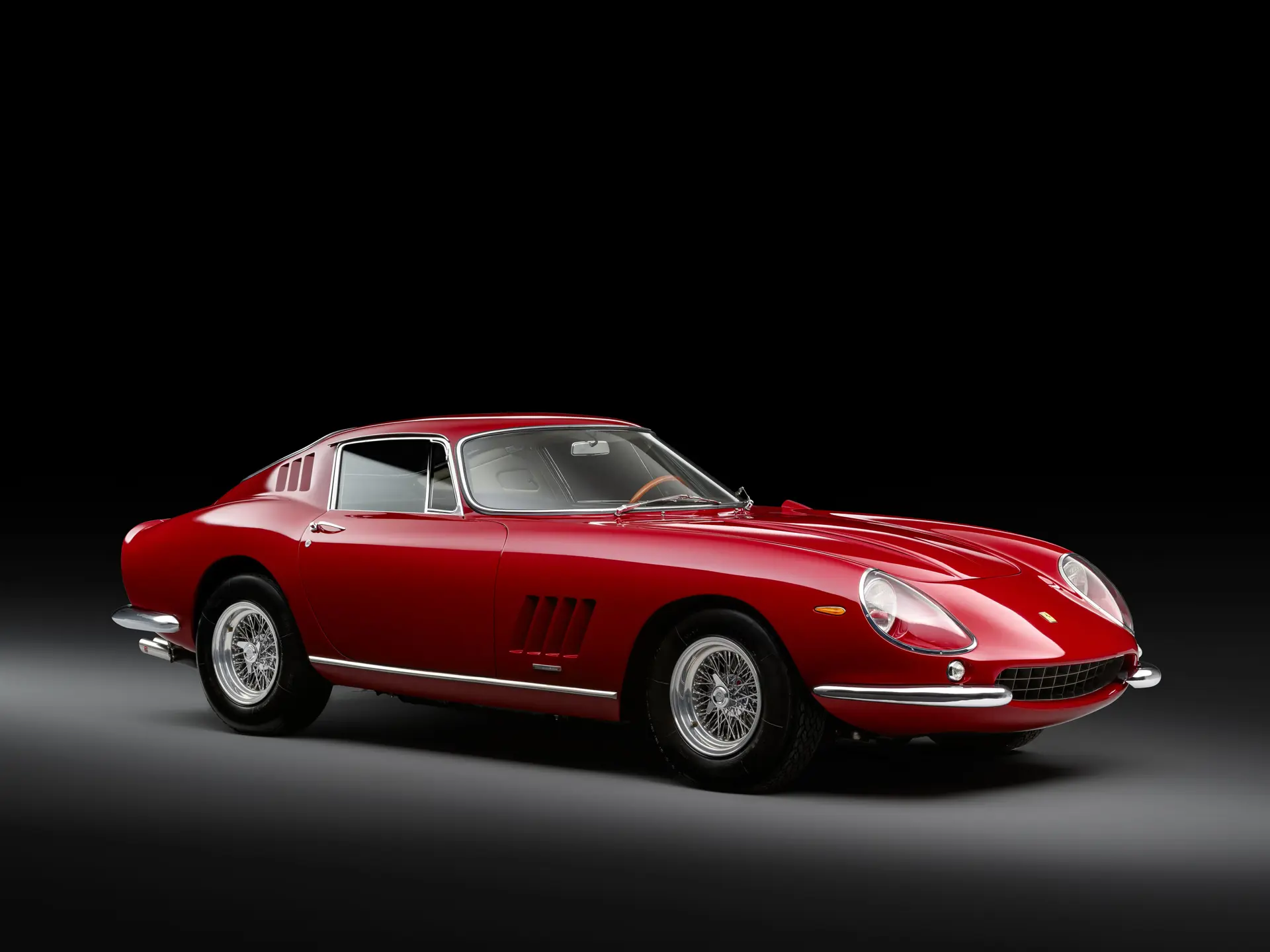
The unveiling of the Ferrari 275 range at the Paris Salon in October 1964 marked a pivotal philosophical and technological watershed for Maranello. For over a decade, the 250 series had served as the bedrock of the company’s racing supremacy and commercial solvency, but by the mid-sixties, the tectonic plates of automotive engineering were shifting. The live rear axle, a staple of the 250 GTO and SWB, was becoming an archaic liability against the independent rear suspensions of the Jaguar E-Type and the emerging threat from a tractor manufacturer down the road in Sant’Agata Bolognese. Enzo Ferrari, a man notoriously conservative regarding chassis innovation, finally conceded that the future required sophistication equal to his engines. Thus, the 275 GTB (Berlinetta) and its open-top sibling, the 275 GTS (Spider), were born not merely as successors to the 250, but as the progenitors of the modern Ferrari Grand Tourer. They were the bridge between the raw, dual-purpose racers of the past and the high-speed continental missiles of the future, representing the moment Ferrari embraced the transaxle and independent suspension to create a machine of unparalleled balance.
Technically, the 275 lineage is a masterclass in the evolution of the front-engined V12 layout. At its heart lay the final development of the single-overhead-cam Colombo V12, enlarged to 3.3 litres—roughly 275cc per cylinder, hence the nomenclature. In its initial guise, fed by three Weber carburetors (or six, if the owner was brave and wealthy), it produced between 260 and 280 bhp. However, the true revolution was underneath. This was the first road-going Ferrari to utilize a transaxle—combining the five-speed gearbox and differential into a single unit at the rear—creating perfect weight distribution. Furthermore, it featured fully independent double-wishbone suspension at all four corners, finally banishing the cart-sprung rear end to the history books.
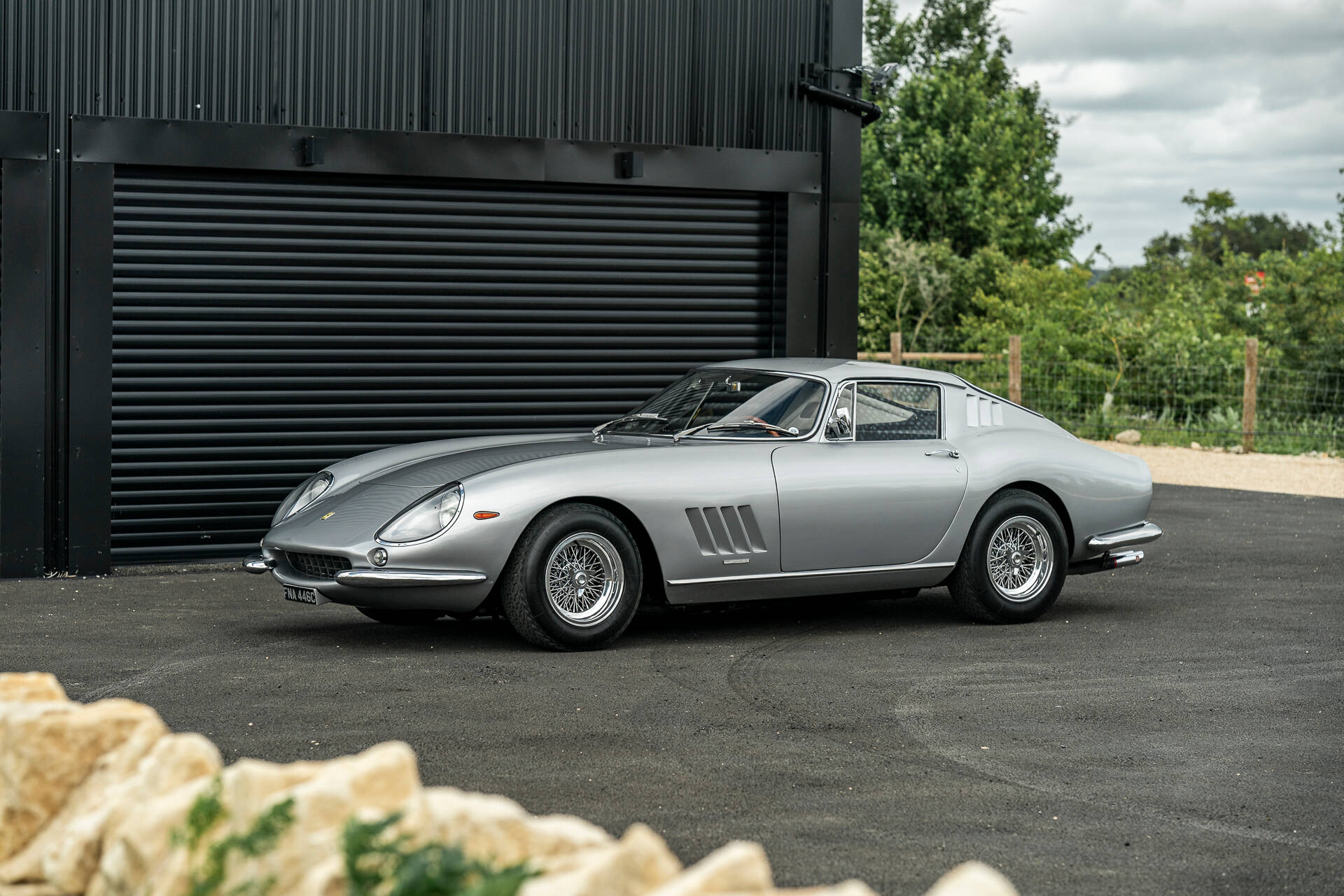
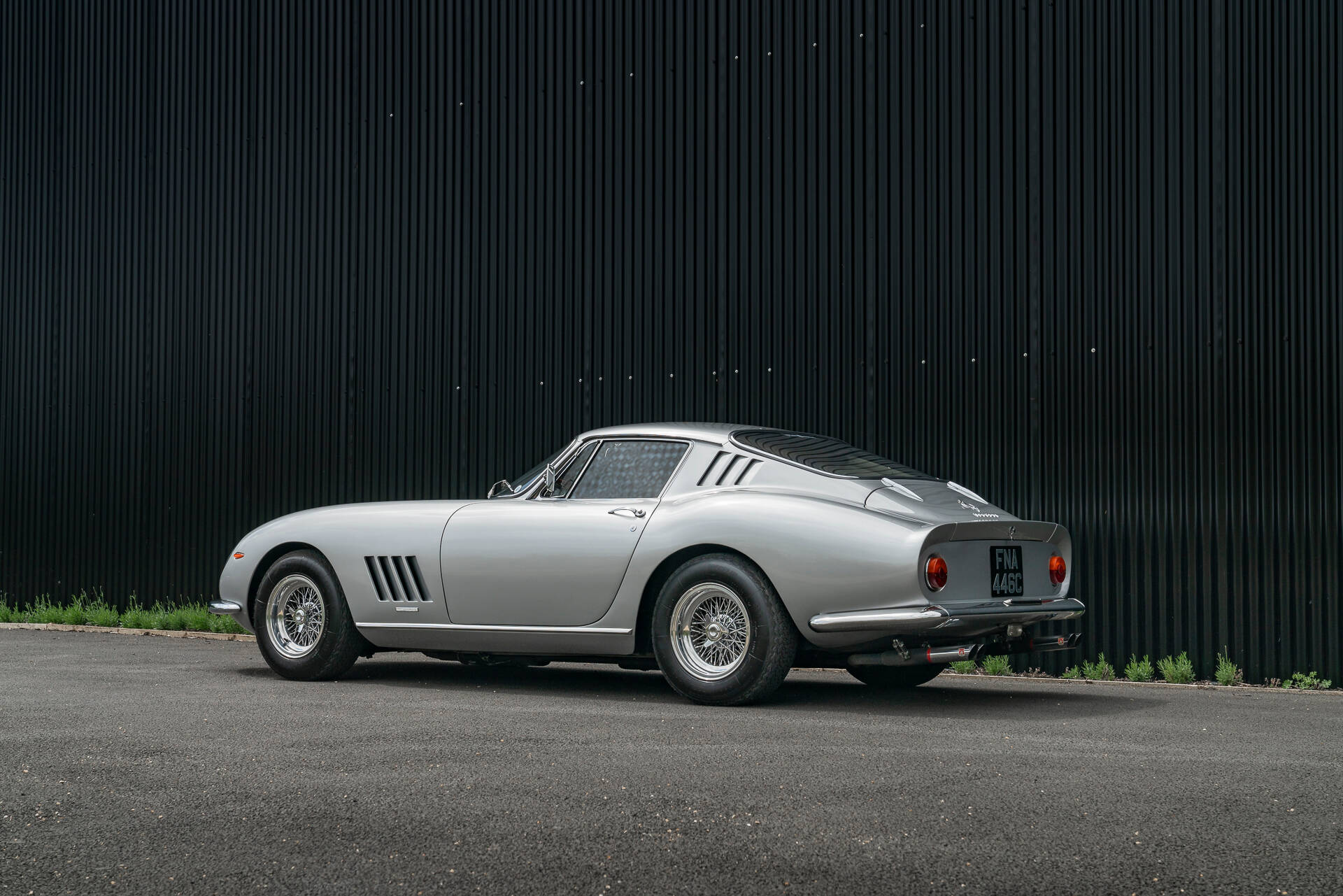
The evolution within the model was rapid and reactive. Early “Short Nose” GTBs suffered from high-speed front-end lift; Ferrari responded in 1965 with the “Long Nose” profile, which improved stability and elongated the car’s seductive silhouette. Mechanically, the early cars utilized a sliding spline propshaft that was prone to vibration; this was rectified in 1966 with the introduction of a rigid torque tube, locking the engine and transaxle into a solid backbone. The zenith of the road cars arrived with the 1966 275 GTB/4, the first production Ferrari to feature the dry-sump, four-cam (quad-cam) version of the V12, singing a 300 bhp aria that remains one of the greatest sounds in internal combustion history.
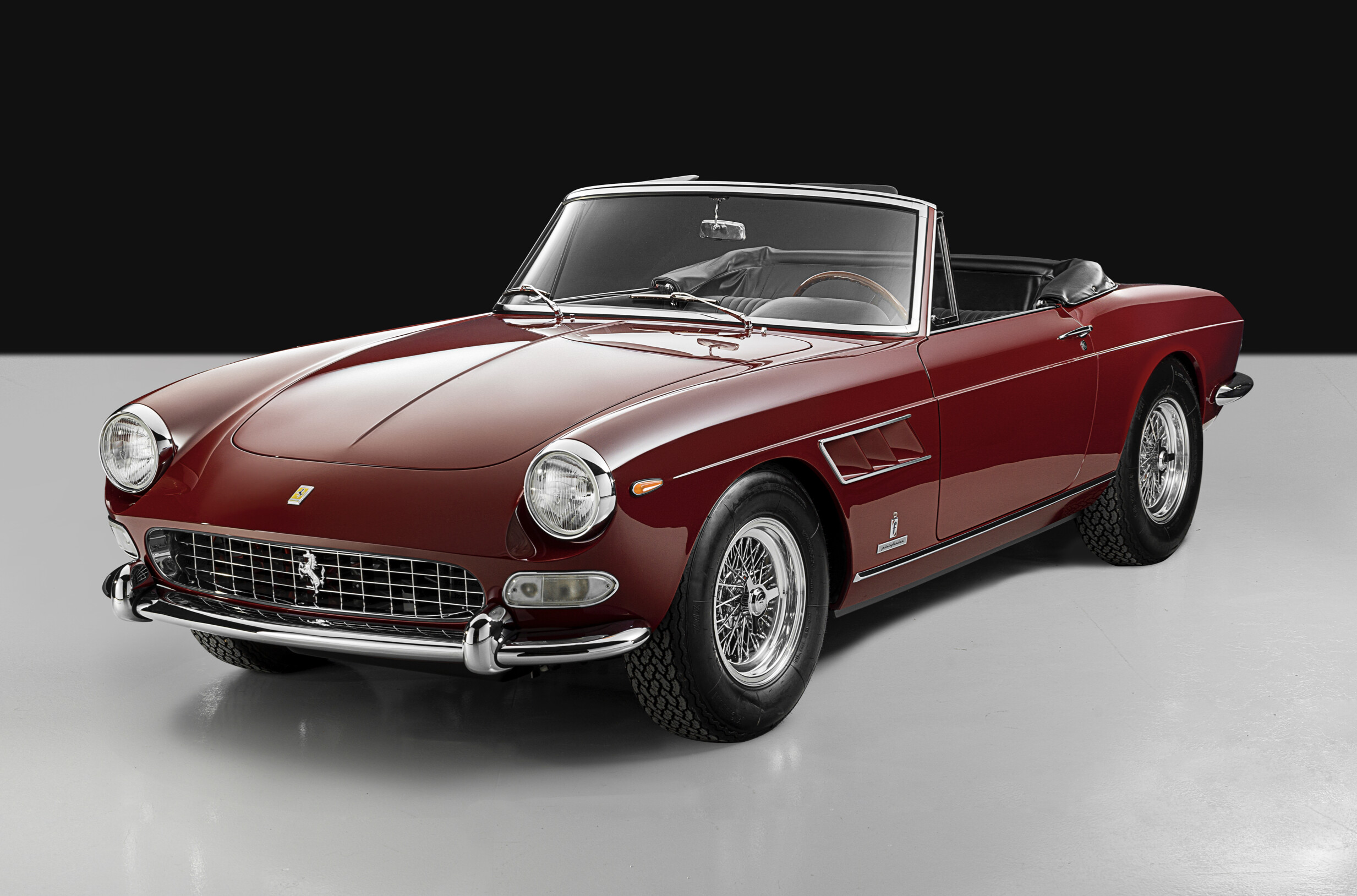
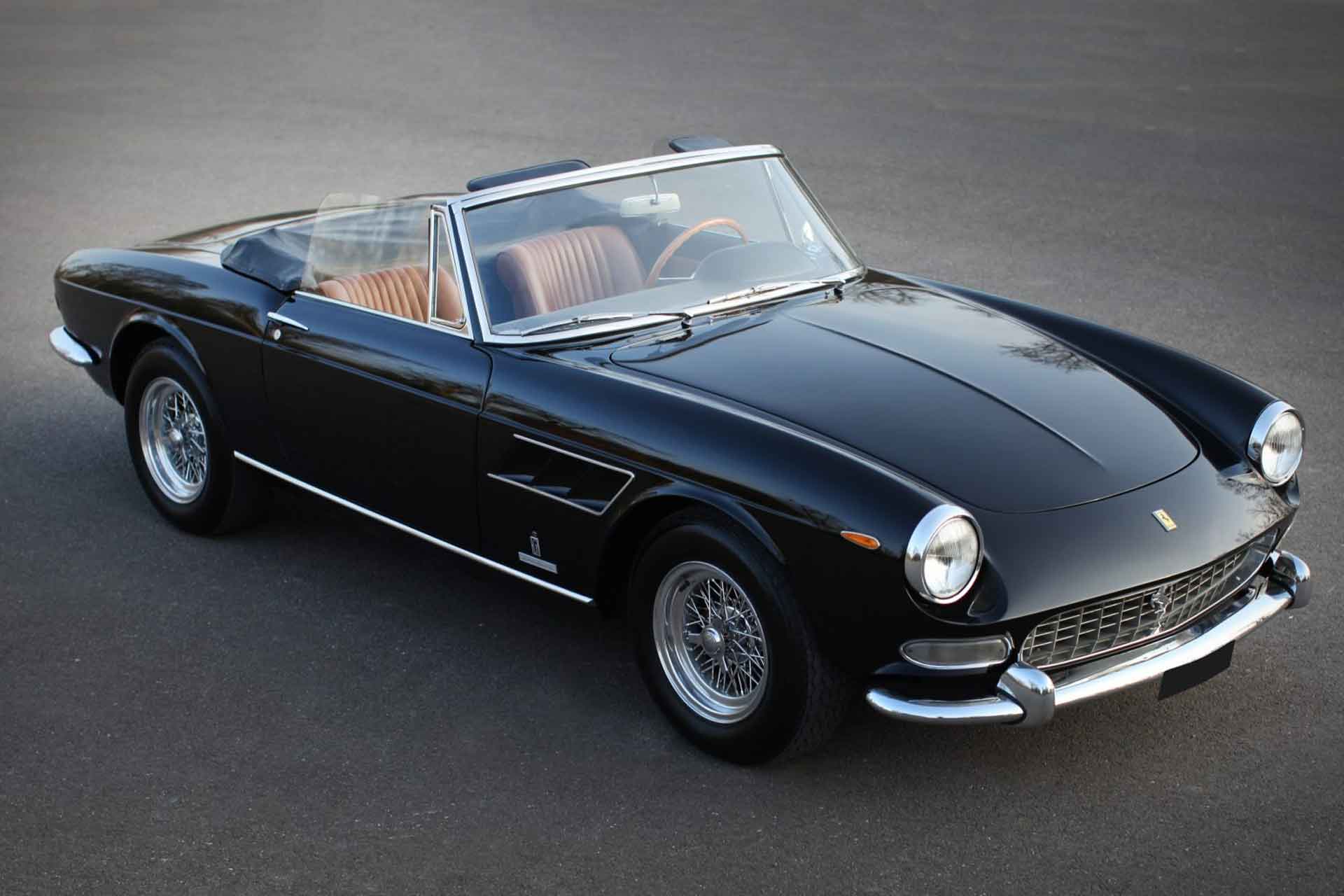
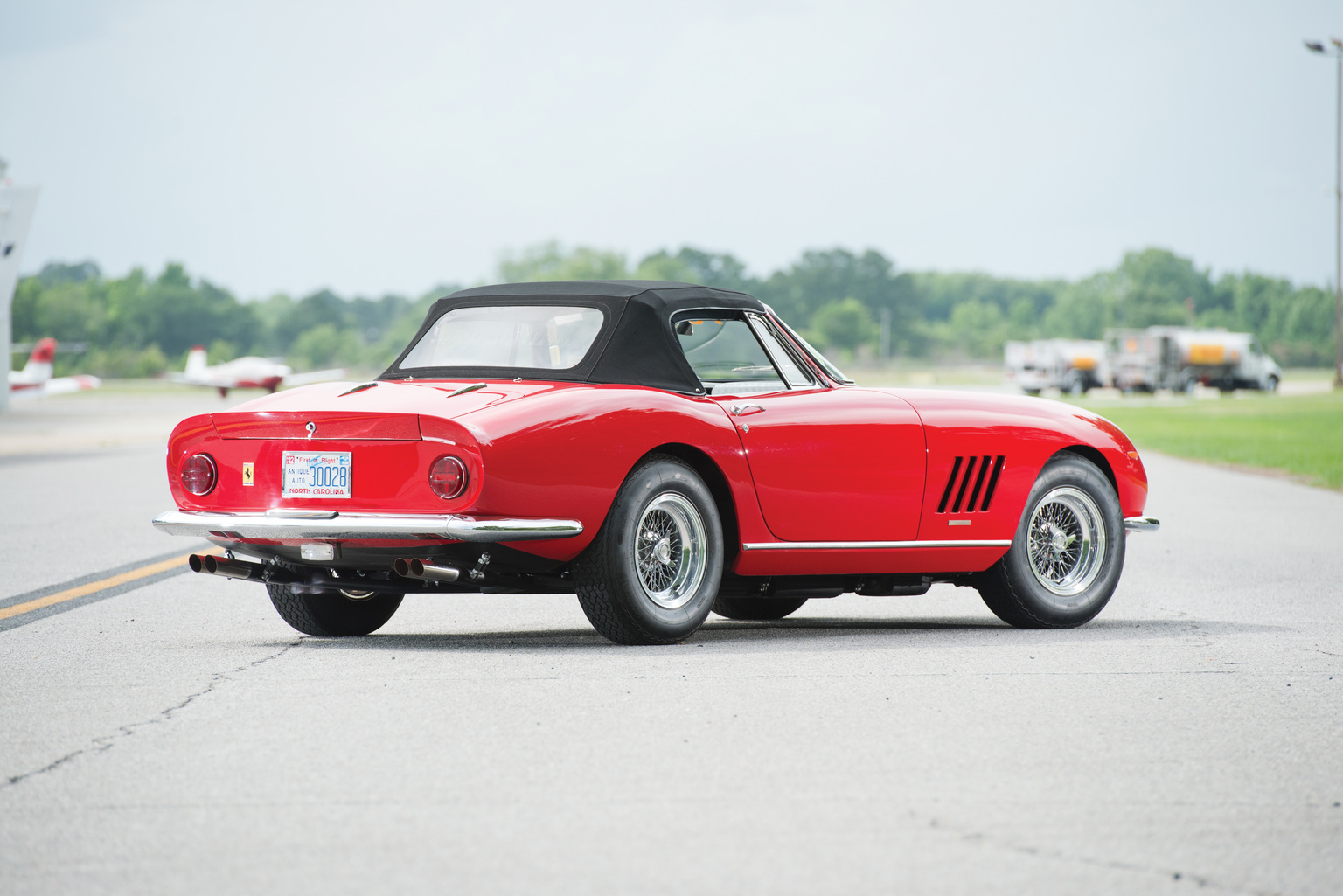
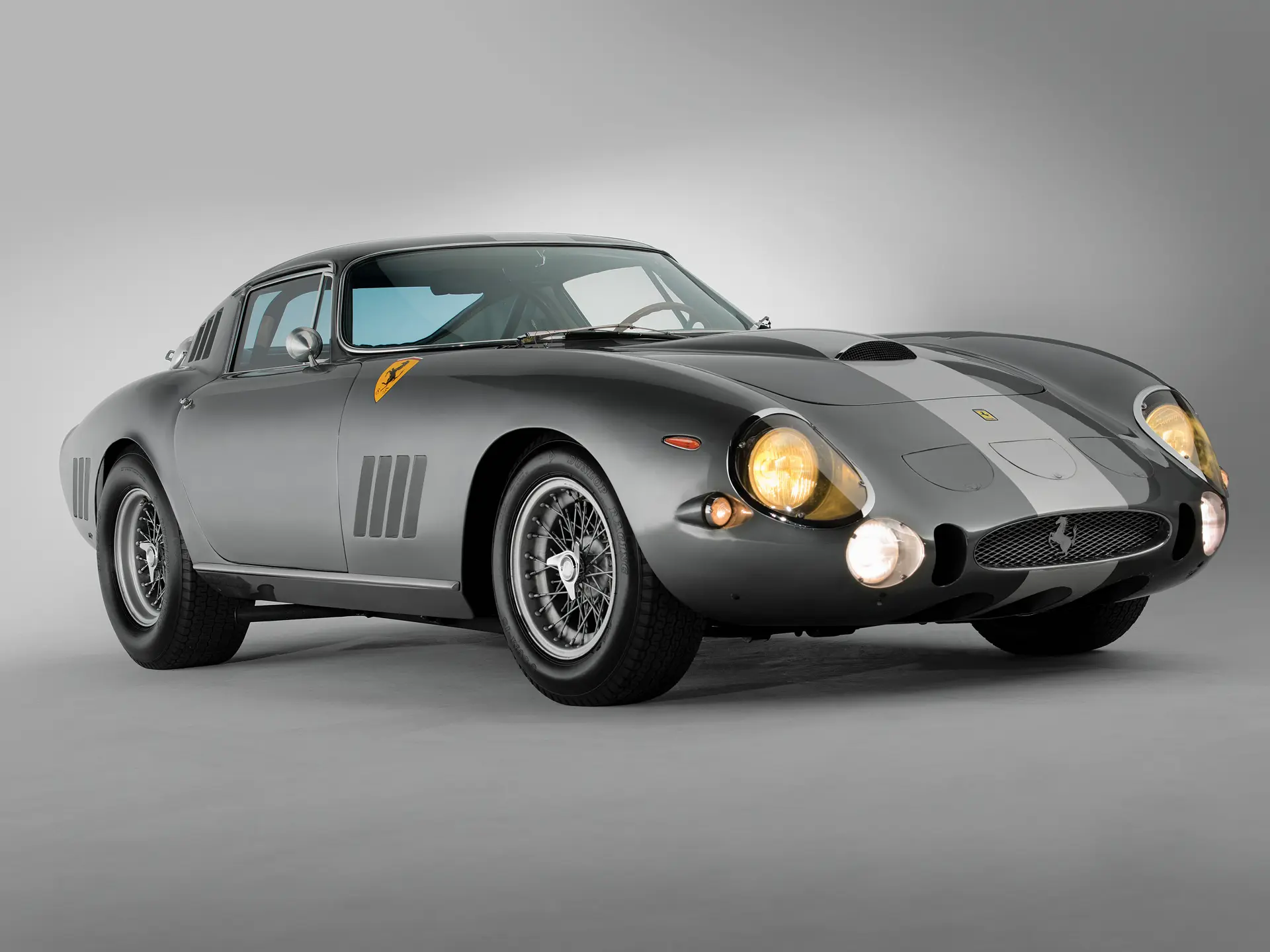
Visually, the distinction between the models is stark. The 275 GTB, penned by Pininfarina and built by Scaglietti, is a study in muscular tension, with louvers slashed into the fenders and a Kamm tail that hints at the GTO. The 275 GTS, however, was built by Pininfarina directly and carried a far more conservative, touring-oriented bodywork, sharing almost no panels with the Berlinetta. But the Holy Grail of the line remains the 275 GTS/4 NART Spider. Born from the sheer will of North American importer Luigi Chinetti, who demanded a convertible with the aggression of the GTB/4, Scaglietti built only ten of these masterpieces. They were essentially GTB/4s with the roof cut off, retaining the muscular hips and racing pedigree, creating arguably the most desirable open-top Ferrari ever made. There were also the outliers: the Neri & Bonacini-bodied cars, including a unique Spider and the bizarre yet fascinating ‘Etoile Filante’ Shooting Brake, and the three works 275 GTB Competizione Speciales of 1964, which were thinly veiled prototypes utilizing the lighter chassis of the upcoming 250 LM.
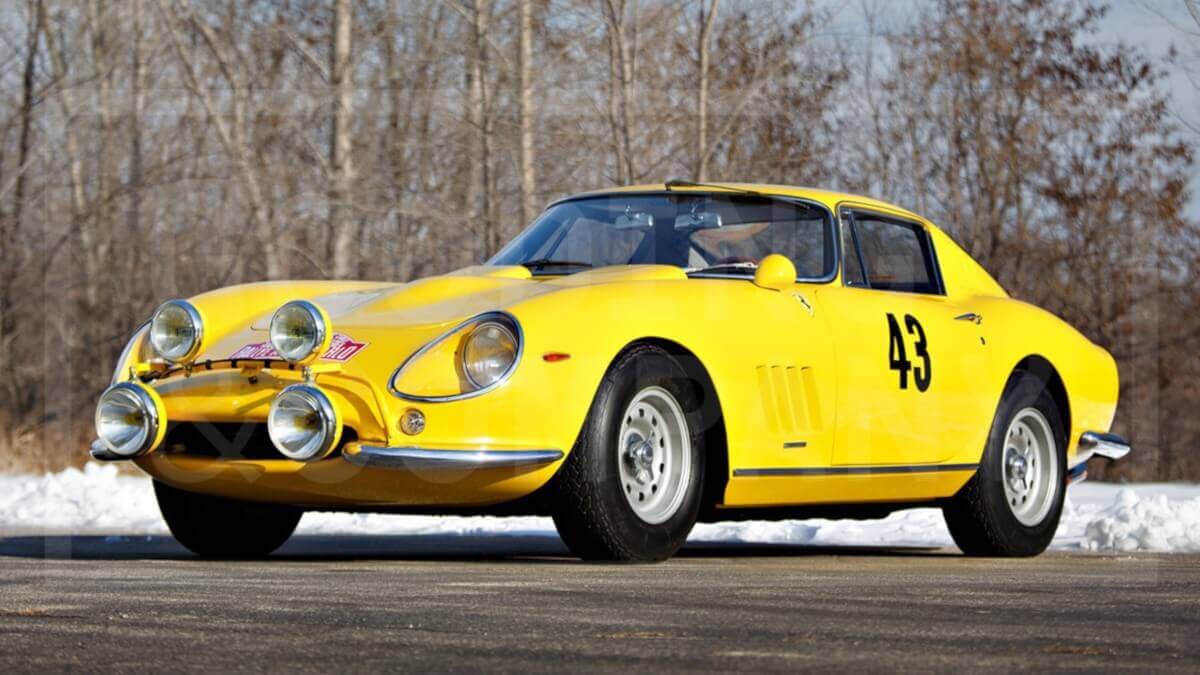
On the track, the 275 had the unenviable task of following the 250 GTO. While Ferrari was shifting focus to mid-engined prototypes like the 250 LM and 275 P, the GT category still mattered. The 275 GTB Competizione (GTB/C) was the answer. With a chassis constructed from special lightweight tubing (Tipo 590A), ultra-thin aluminium bodywork that dented if you looked at it too hard, and a dry-sump engine breathing through massive Weber 40 DFI carbs, the GTB/C was a formidable weapon. Its crowning glory came at the 1965 24 Hours of Le Mans, where the “Speciale” entered by Ecurie Francorchamps (chassis 06885) driven by Willy Mairesse and “Jean Beurlys” not only won the GT class but finished a staggering 3rd overall, beaten only by two Ferrari prototypes. It was the last time a front-engined GT car would sniff the overall podium at La Sarthe until the modern era. The NART Spiders also saw combat, most famously at Sebring in 1967, where a yellow NART Spider driven by Denise McCluggage and Pinkie Rollo finished 17th overall and 2nd in class, proving the car was more than just a boulevardier for Steve McQueen (who famously owned one).
The legacy of the Ferrari 275 is defined by its maturity. If the 250 GTO is the raw, untamed teenager, the 275 GTB is the sophisticated, dangerous gentleman. It introduced the mechanical layout—front V12, rear transaxle, independent suspension—that would define the flagship Ferrari GTs for generations, skipping the Daytona, but returning with the 456, 550 Maranello, and continuing to the 812 Superfast. It was the car that proved Ferrari could build a modern, comfortable, independent-suspension road car without sacrificing the visceral soul of a racer. The 275 GTB/4, in particular, is often cited by connoisseurs as the finest all-around classic Ferrari; fast enough to be thrilling, beautiful enough to stop traffic, and mechanically sophisticated enough to be driven across continents. It is the pivot point of the Prancing Horse’s history, the moment when the Enzo Ferrari of the racing pits began to truly understand the needs of the road.
Portal
Model line
Model generation
Predecessor
Sucessor
Brand
Produced from
Vehicle category
Portal
Model line
Model generation
Predecessor
Sucessor
About this model
The unveiling of the Ferrari 275 range at the Paris Salon in October 1964 marked a pivotal philosophical and technological watershed for Maranello. For over a decade, the 250 series had served as the bedrock of the company’s racing supremacy and commercial solvency, but by the mid-sixties, the tectonic plates of automotive engineering were shifting. The live rear axle, a staple of the 250 GTO and SWB, was becoming an archaic liability against the independent rear suspensions of the Jaguar E-Type and the emerging threat from a tractor manufacturer down the road in Sant’Agata Bolognese. Enzo Ferrari, a man notoriously conservative regarding chassis innovation, finally conceded that the future required sophistication equal to his engines. Thus, the 275 GTB (Berlinetta) and its open-top sibling, the 275 GTS (Spider), were born not merely as successors to the 250, but as the progenitors of the modern Ferrari Grand Tourer. They were the bridge between the raw, dual-purpose racers of the past and the high-speed continental missiles of the future, representing the moment Ferrari embraced the transaxle and independent suspension to create a machine of unparalleled balance.
Technically, the 275 lineage is a masterclass in the evolution of the front-engined V12 layout. At its heart lay the final development of the single-overhead-cam Colombo V12, enlarged to 3.3 litres—roughly 275cc per cylinder, hence the nomenclature. In its initial guise, fed by three Weber carburetors (or six, if the owner was brave and wealthy), it produced between 260 and 280 bhp. However, the true revolution was underneath. This was the first road-going Ferrari to utilize a transaxle—combining the five-speed gearbox and differential into a single unit at the rear—creating perfect weight distribution. Furthermore, it featured fully independent double-wishbone suspension at all four corners, finally banishing the cart-sprung rear end to the history books.
The evolution within the model was rapid and reactive. Early “Short Nose” GTBs suffered from high-speed front-end lift; Ferrari responded in 1965 with the “Long Nose” profile, which improved stability and elongated the car’s seductive silhouette. Mechanically, the early cars utilized a sliding spline propshaft that was prone to vibration; this was rectified in 1966 with the introduction of a rigid torque tube, locking the engine and transaxle into a solid backbone. The zenith of the road cars arrived with the 1966 275 GTB/4, the first production Ferrari to feature the dry-sump, four-cam (quad-cam) version of the V12, singing a 300 bhp aria that remains one of the greatest sounds in internal combustion history.
Visually, the distinction between the models is stark. The 275 GTB, penned by Pininfarina and built by Scaglietti, is a study in muscular tension, with louvers slashed into the fenders and a Kamm tail that hints at the GTO. The 275 GTS, however, was built by Pininfarina directly and carried a far more conservative, touring-oriented bodywork, sharing almost no panels with the Berlinetta. But the Holy Grail of the line remains the 275 GTS/4 NART Spider. Born from the sheer will of North American importer Luigi Chinetti, who demanded a convertible with the aggression of the GTB/4, Scaglietti built only ten of these masterpieces. They were essentially GTB/4s with the roof cut off, retaining the muscular hips and racing pedigree, creating arguably the most desirable open-top Ferrari ever made. There were also the outliers: the Neri & Bonacini-bodied cars, including a unique Spider and the bizarre yet fascinating ‘Etoile Filante’ Shooting Brake, and the three works 275 GTB Competizione Speciales of 1964, which were thinly veiled prototypes utilizing the lighter chassis of the upcoming 250 LM.
On the track, the 275 had the unenviable task of following the 250 GTO. While Ferrari was shifting focus to mid-engined prototypes like the 250 LM and 275 P, the GT category still mattered. The 275 GTB Competizione (GTB/C) was the answer. With a chassis constructed from special lightweight tubing (Tipo 590A), ultra-thin aluminium bodywork that dented if you looked at it too hard, and a dry-sump engine breathing through massive Weber 40 DFI carbs, the GTB/C was a formidable weapon. Its crowning glory came at the 1965 24 Hours of Le Mans, where the “Speciale” entered by Ecurie Francorchamps (chassis 06885) driven by Willy Mairesse and “Jean Beurlys” not only won the GT class but finished a staggering 3rd overall, beaten only by two Ferrari prototypes. It was the last time a front-engined GT car would sniff the overall podium at La Sarthe until the modern era. The NART Spiders also saw combat, most famously at Sebring in 1967, where a yellow NART Spider driven by Denise McCluggage and Pinkie Rollo finished 17th overall and 2nd in class, proving the car was more than just a boulevardier for Steve McQueen (who famously owned one).
The legacy of the Ferrari 275 is defined by its maturity. If the 250 GTO is the raw, untamed teenager, the 275 GTB is the sophisticated, dangerous gentleman. It introduced the mechanical layout—front V12, rear transaxle, independent suspension—that would define the flagship Ferrari GTs for generations, skipping the Daytona, but returning with the 456, 550 Maranello, and continuing to the 812 Superfast. It was the car that proved Ferrari could build a modern, comfortable, independent-suspension road car without sacrificing the visceral soul of a racer. The 275 GTB/4, in particular, is often cited by connoisseurs as the finest all-around classic Ferrari; fast enough to be thrilling, beautiful enough to stop traffic, and mechanically sophisticated enough to be driven across continents. It is the pivot point of the Prancing Horse’s history, the moment when the Enzo Ferrari of the racing pits began to truly understand the needs of the road.
Generations
Generations of this model
Generations
Generations of this model
Submodels
Discover all the variants of this model
Submodels
Discover all the variants of this model
Vehicles
Legendary Vehicles
Vehicles