Ford Cortina
Brand
Produced from
Vehicle category
Portal
Model line
Model generation
Predecessor
Sucessor
About this model
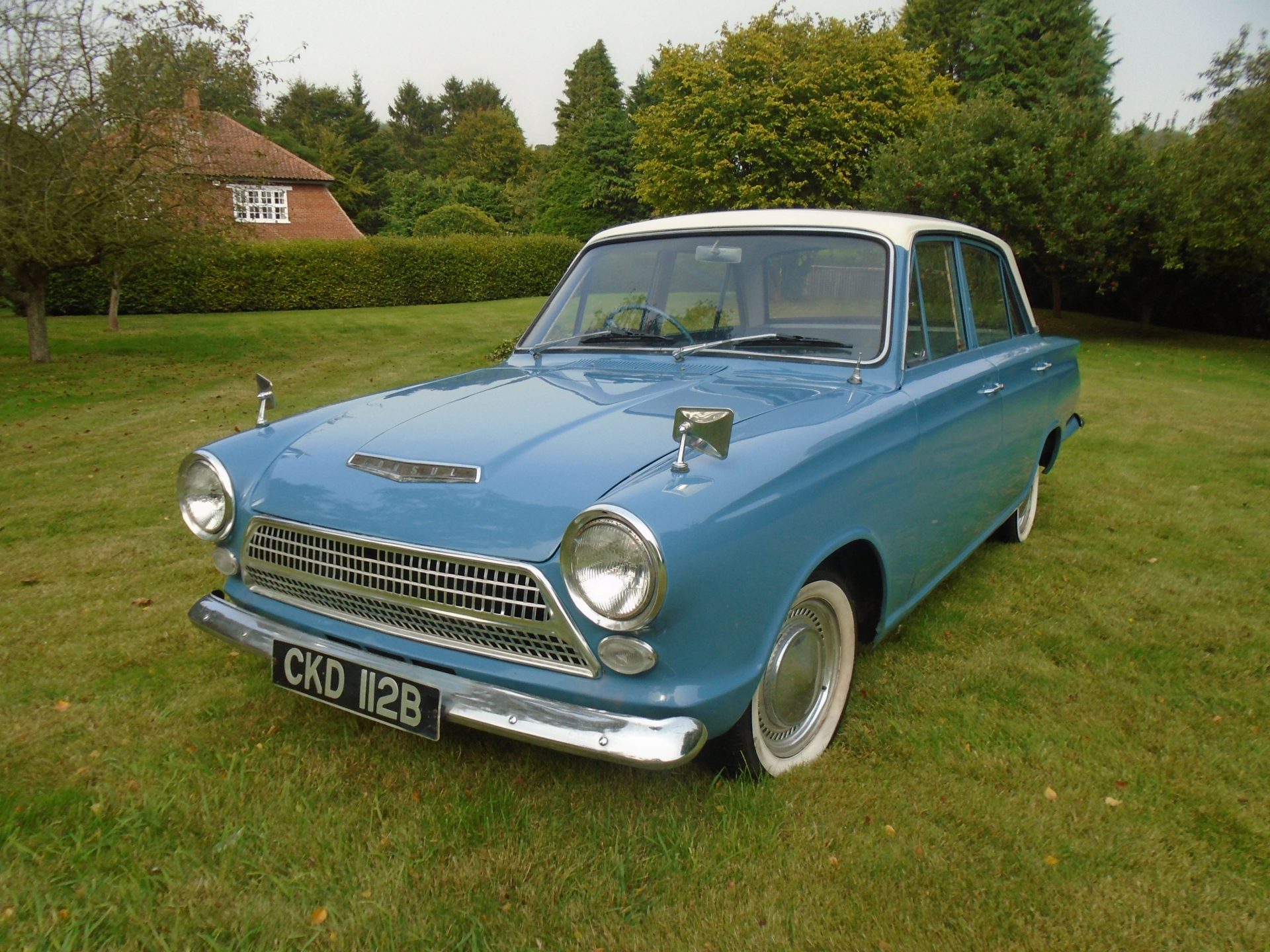
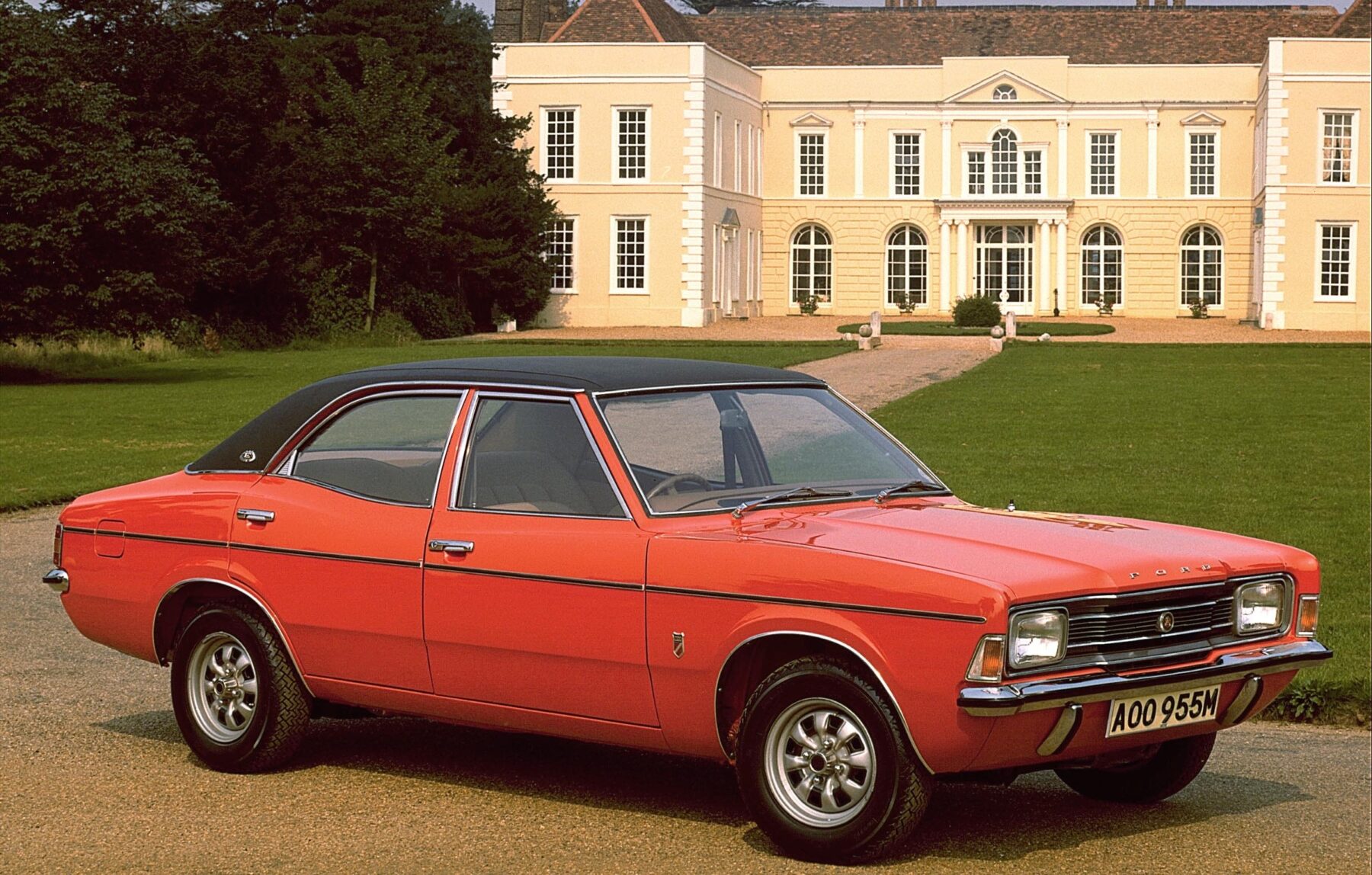
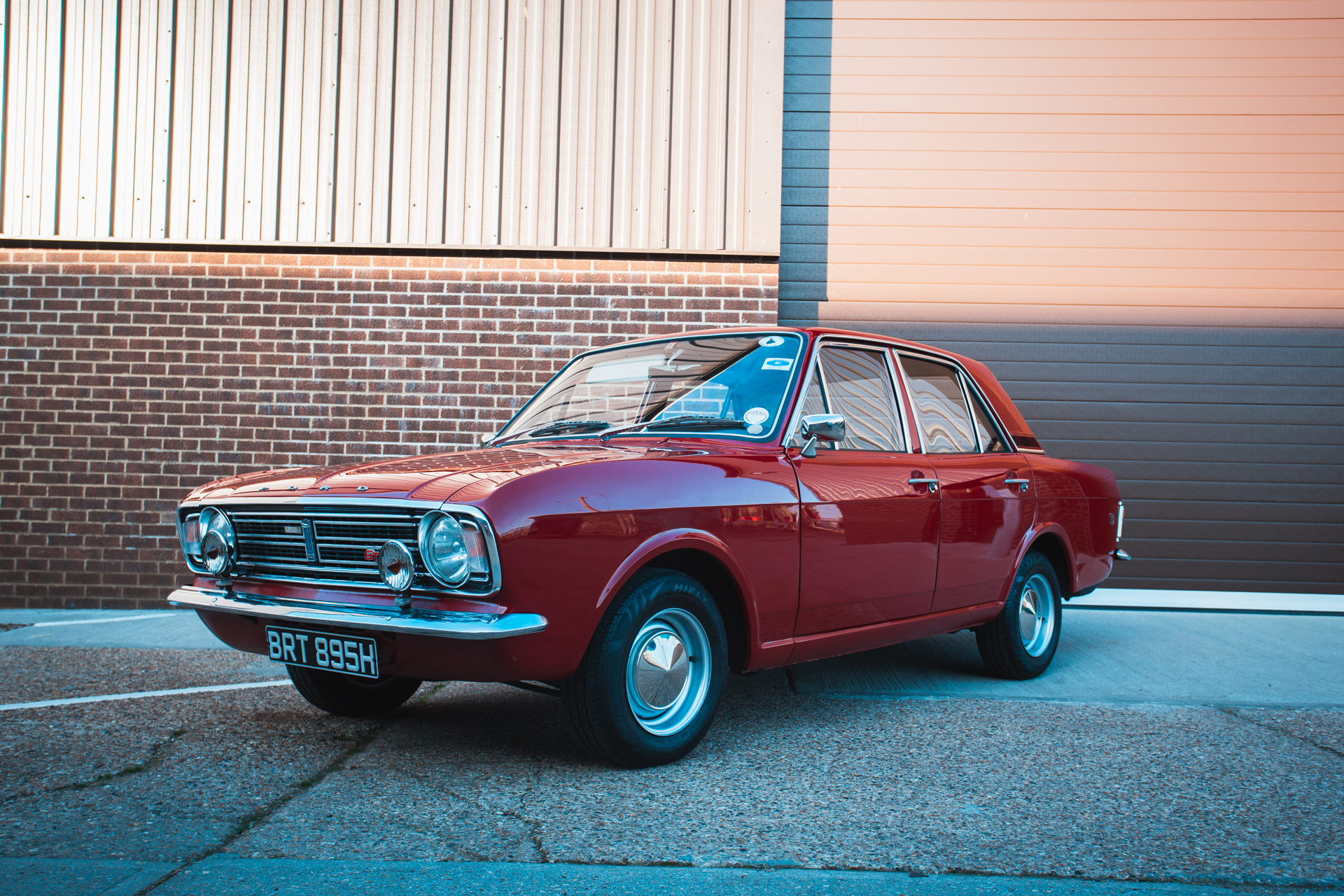
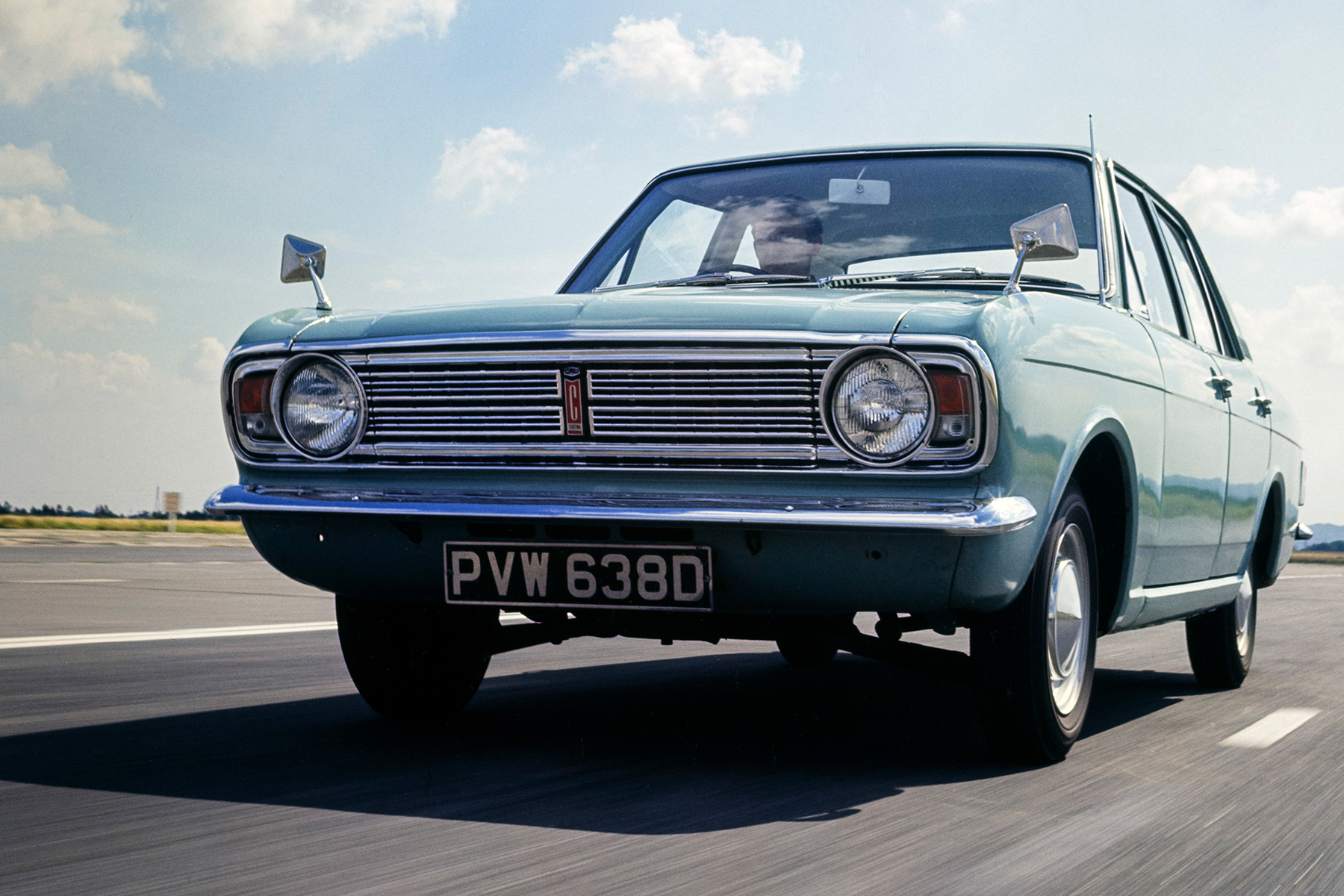
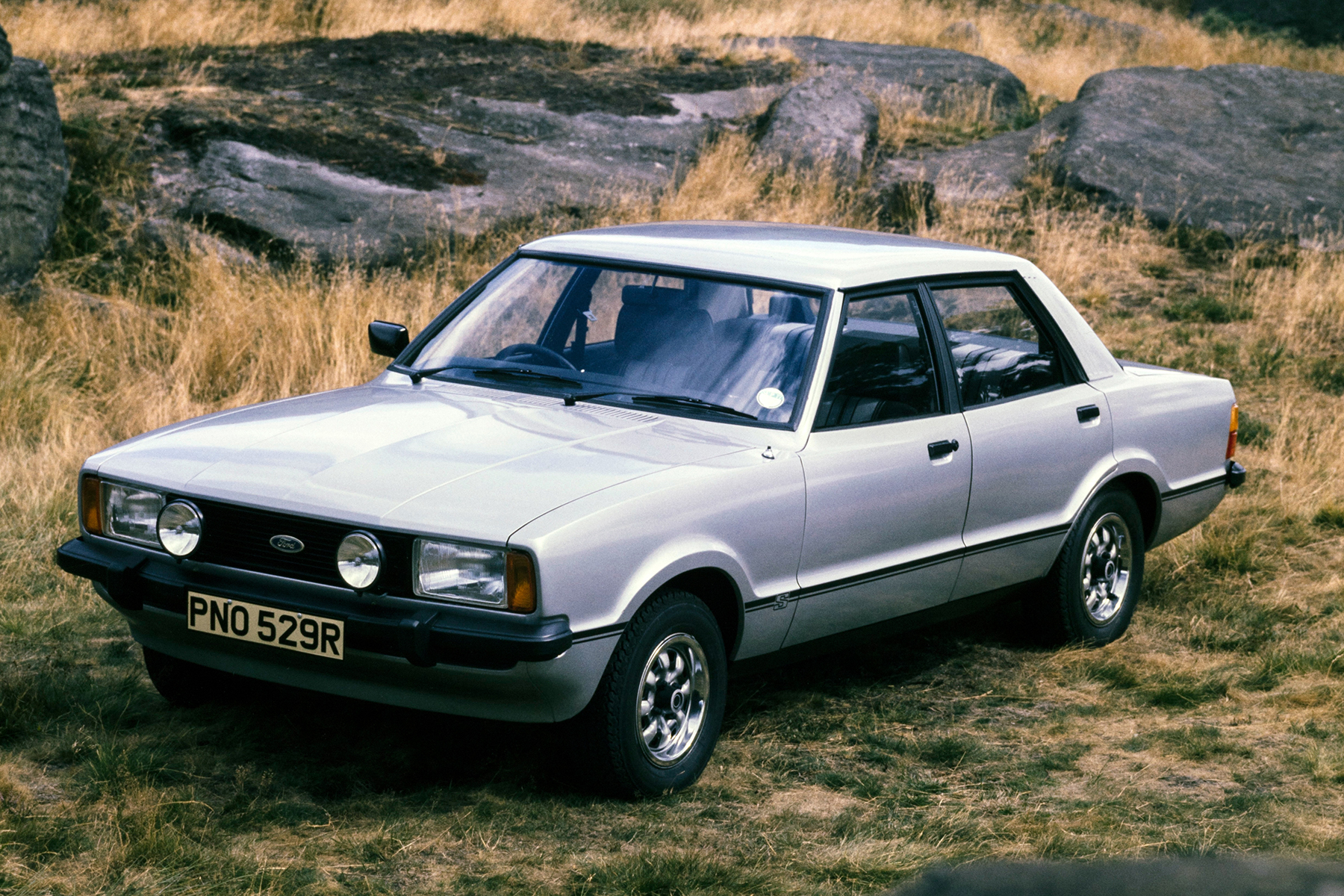
In the grand, misty tapestry of British motoring history, few names carry the sheer sociological weight of the Ford Cortina. While the Mini captured the swinging spirit of the King’s Road, it was the Cortina that mobilized the nation, becoming the undisputed backbone of the British middle class and the aspirational chariot of the commercial traveler. Launched in September 1962, the Cortina—originally code-named ‘Archbishop’—was Ford’s pragmatic, razor-sharp response to the complex, front-wheel-drive wizardry of the BMC 1100. Ford realized that the buying public didn’t necessarily want Hydrolastic suspension or transverse engines; they wanted space, reliability, a heater that worked, and a boot large enough for a week’s worth of samples. However, to view the Cortina merely as a triumph of appliance engineering is to ignore the smell of burning rubber and high-octane fuel that permeates its legacy. This was a Jekyll and Hyde machine. By day, it was the sensible family saloon parked on every driveway from Dagenham to Dundee. By the weekend, particularly in its Lotus-tuned guise, it was a giant-killer, lifting its inside front wheel in a defiant salute to physics as it humiliated Jaguars and American V8s on the touring car circuits of Europe.
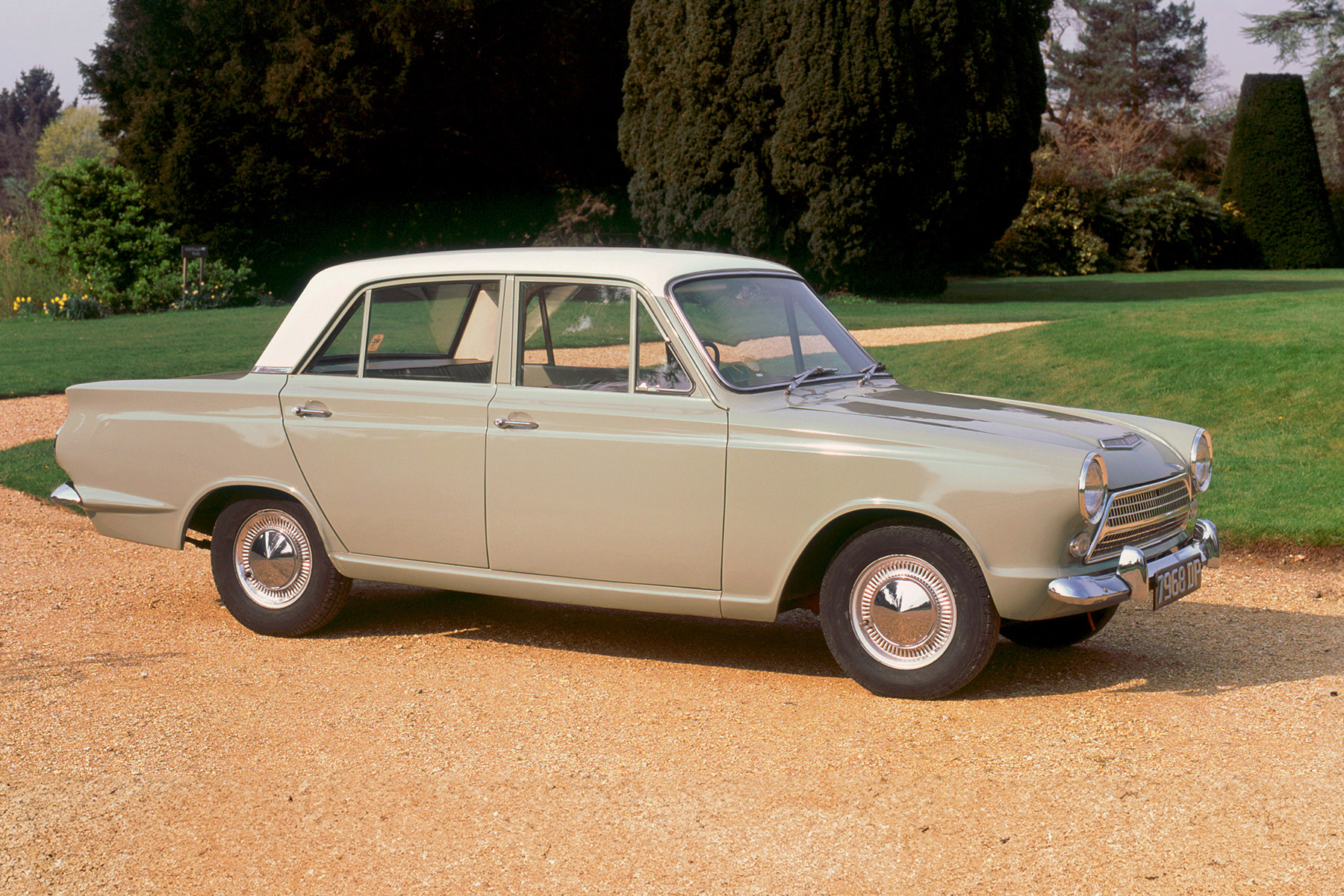
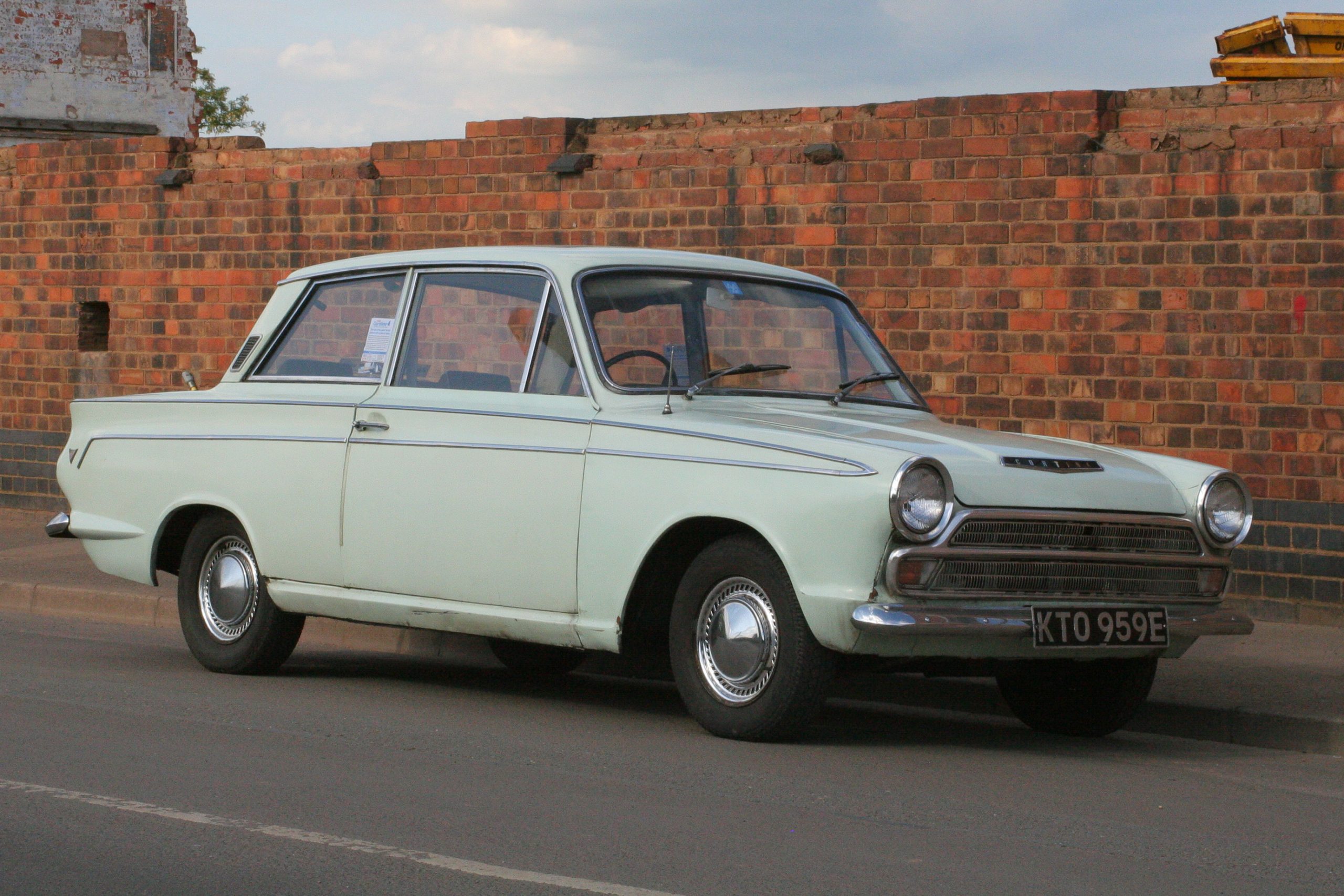
The technical genius of the early Cortina lay in its unrelenting simplicity and obsessive weight saving. Designed by Roy Brown Jr., the man exiled to Dagenham after the Edsel debacle, the Mk1 Cortina was a masterclass in stress analysis. Every gram of steel that didn’t contribute to structural rigidity was shaved away, resulting in a monocoque shell that was incredibly light yet surprisingly stiff. The suspension was orthodox—MacPherson struts at the front and a live axle on leaf springs at the rear—but it was tuned with a compliance that suited the broken British B-roads. Power came from the ‘Kent’ pre-Crossflow four-cylinder engine, initially in 1.2-litre form, a unit so robust it would become the foundation of Formula Ford.
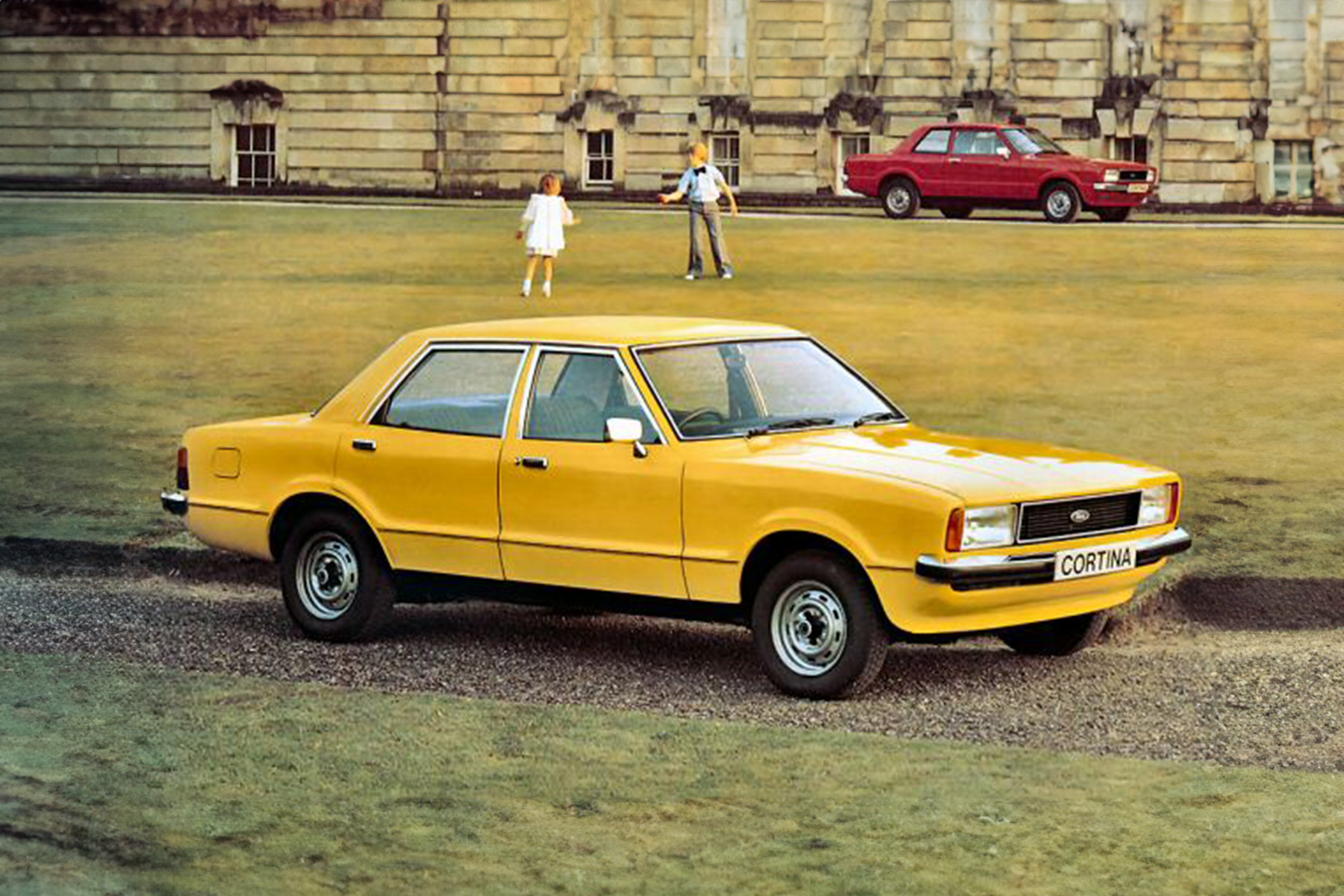
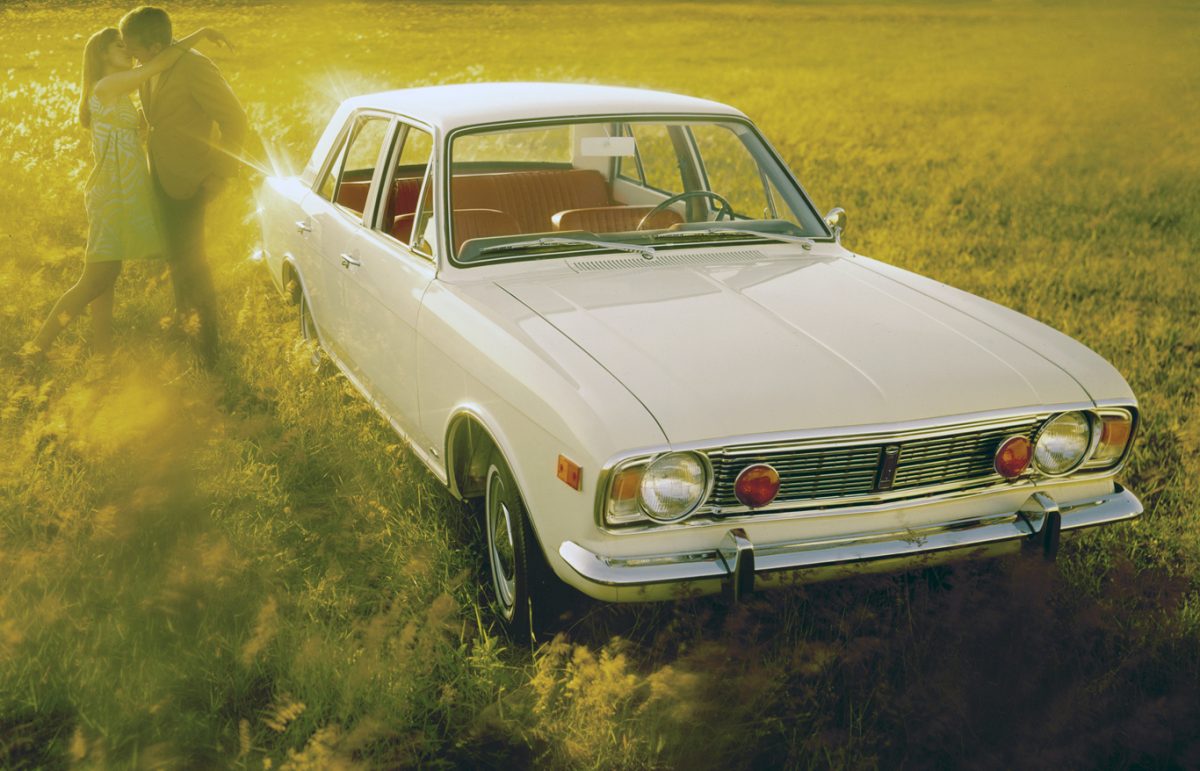
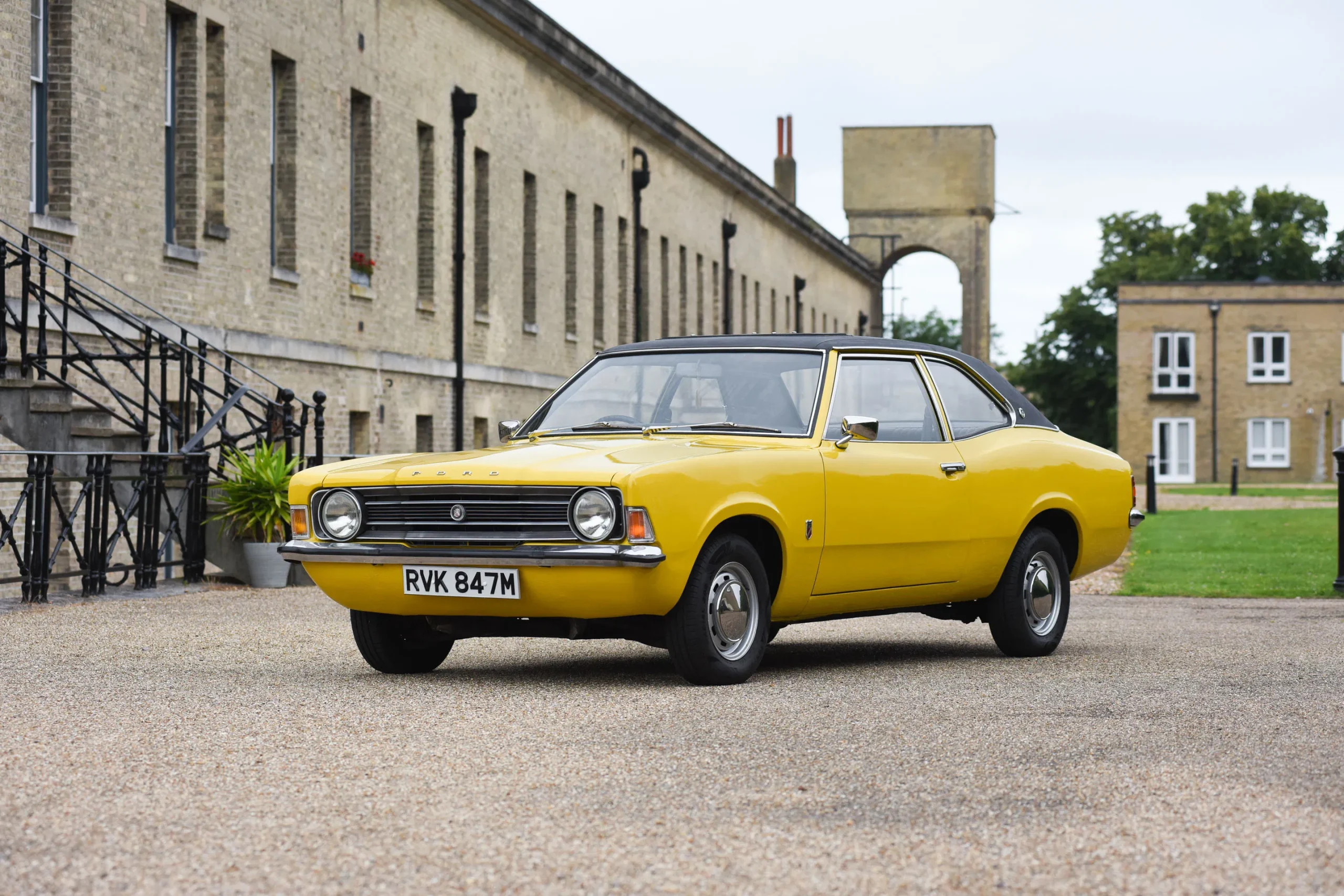
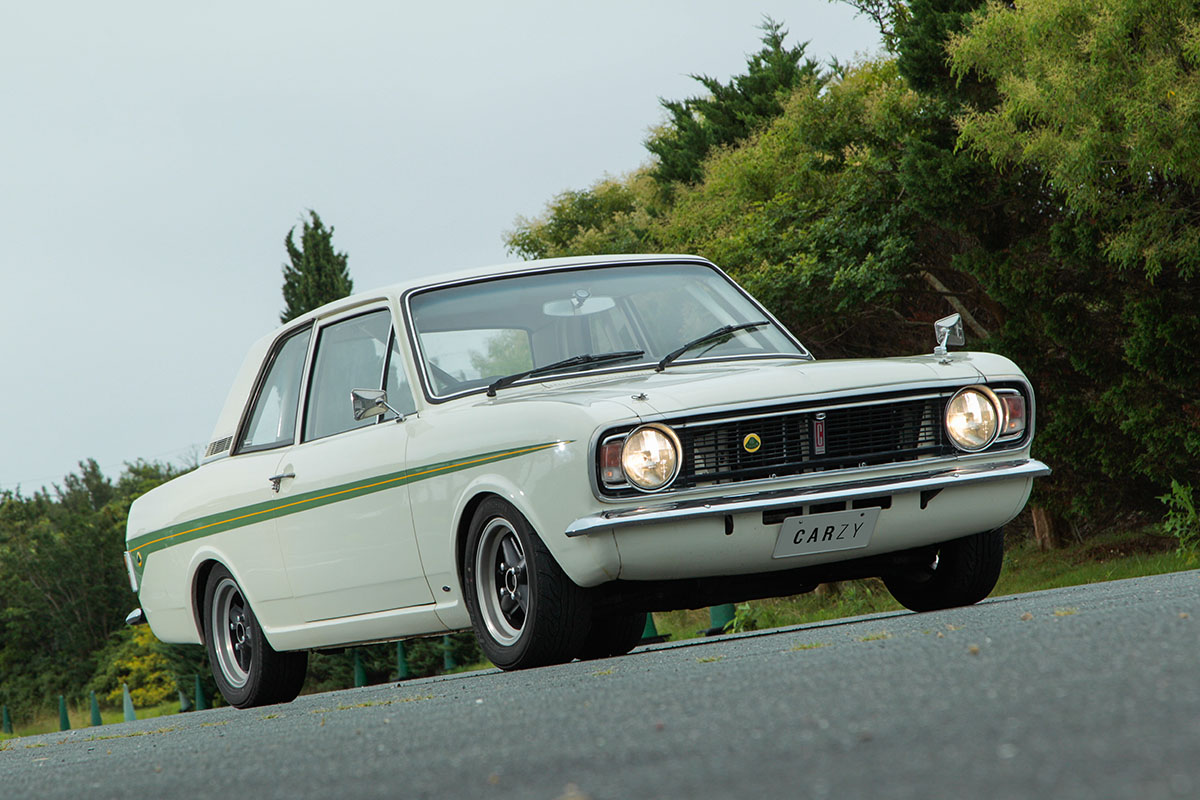
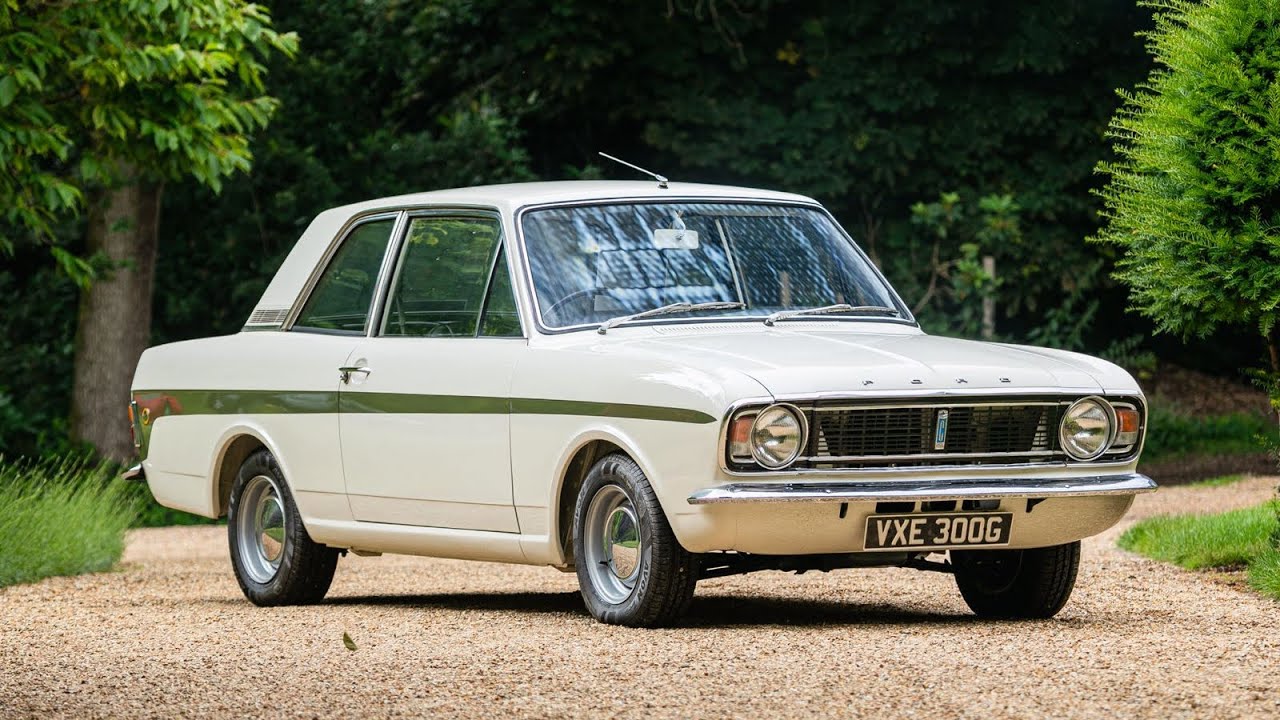
However, the narrative shifts violently with the arrival of the Type 28, better known as the Lotus Cortina. This was the brainchild of Ford public affairs genius Walter Hayes and Lotus founder Colin Chapman. They took the two-door shell, fitted aluminium skins to the doors, bonnet, and boot, and dropped in the legendary 1.6-litre Lotus Twin Cam engine. The rear suspension was radically altered, replacing the leaf springs with coil springs and an A-bracket, a setup that was fragile but offered superior geometry for racing. As the model line evolved into the squarer Mk2 in 1966, the ‘1600E’ variant introduced a different kind of performance: the performance of luxury. With its wooden dashboard, rosette-style gear knob, and lowered suspension, the 1600E became the definitive “executive” express, bridging the gap between the working man and the boardroom. By the time the Mk3 arrived in 1970, heavily influenced by the “Coke bottle” styling of Detroit, the Cortina had grown in size and complexity, introducing the overhead-cam ‘Pinto’ engine and double-wishbone front suspension, slowly morphing from a light fighter into a heavy cruiser.
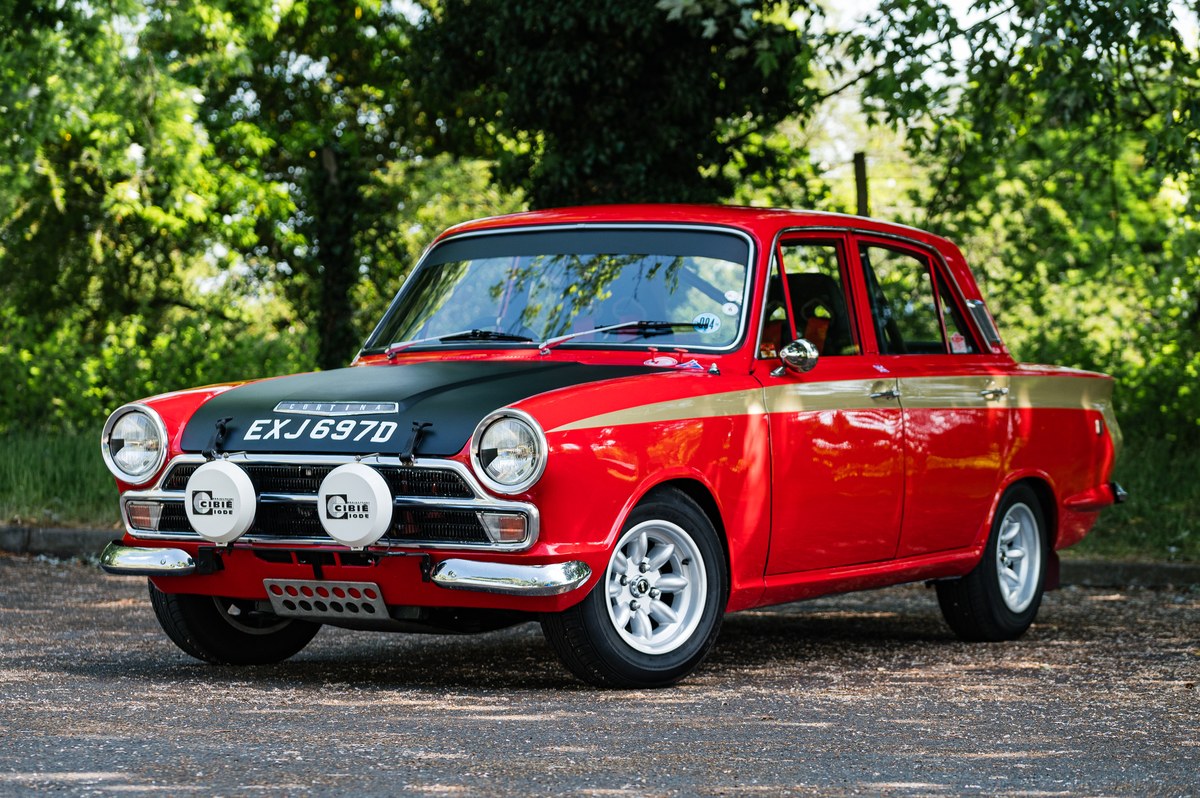
The impact of the Cortina on motorsport is nothing short of mythological. In the hands of Jim Clark, Graham Hill, and Sir John Whitmore, the Lotus Cortina Mk1 redefined touring car racing. The image of a Cream and Green Cortina leaning precariously through Paddock Hill Bend at Brands Hatch, its inside front wheel dangling a foot in the air, is perhaps the most evocative visual in the history of saloon car racing. It wasn’t just a spectacle; it was total dominance. In 1964, Jim Clark won the British Saloon Car Championship (BSCC) outright, a feat that seemed to defy the laws of aerodynamics and displacement. The car’s success wasn’t limited to the smooth tarmac of Silverstone; it proved rugged enough to conquer the brutal East African Safari Rally and the snow-covered passes of the Alpine Rally. The Mk2 continued this lineage, albeit with a more conventional leaf-sprung rear end to improve reliability, proving that the Cortina was no flash in the pan.
On the street, the Cortina’s success was absolute. For ten of the twenty years it was in production, it was Britain’s best-selling car. It created a social hierarchy based on boot-lid badging; the progression from ‘Base’ to ‘L’, then ‘GL’, ‘GT’, and finally ‘Ghia’ was the metric by which British success was measured. It was the star of film and television, most notably in Carry On Cabby and later as the gritty transport for detectives in shows that depicted the rougher side of 70s London. The Mk3, with its trans-Atlantic styling, captured the glam-rock era perfectly, while the Mk4 and Mk5 (Cortina 80) became the uniform of the motorway fleet manager, selling in numbers that modern manufacturers can only dream of.
The legacy of the Ford Cortina is that of the ultimate democratizer. It brought performance, style, and luxury to the masses. It proved that a mass-produced sedan could be transformed into a world-beating race car on Sunday and sold in the thousands on Monday. When production finally ceased in 1982 to make way for the aerodynamic Sierra, over 4 million Cortinas had been sold. It established the blueprint for the modern sports saloon: a practical body with a potent engine. The DNA of the Lotus Cortina can be seen in every fast Ford that followed, from the Escort Mexico to the Sierra Cosworth and the Focus RS. It sits in the panteheon not as a technological pioneer, but as a cultural phenomenon, a vehicle that moved a nation and taught the world that a white saloon with a green stripe could be the most exciting thing on four wheels.
Portal
Model line
Model generation
Predecessor
Sucessor
Brand
Produced from
Vehicle category
Portal
Model line
Model generation
Predecessor
Sucessor
About this model
In the grand, misty tapestry of British motoring history, few names carry the sheer sociological weight of the Ford Cortina. While the Mini captured the swinging spirit of the King’s Road, it was the Cortina that mobilized the nation, becoming the undisputed backbone of the British middle class and the aspirational chariot of the commercial traveler. Launched in September 1962, the Cortina—originally code-named ‘Archbishop’—was Ford’s pragmatic, razor-sharp response to the complex, front-wheel-drive wizardry of the BMC 1100. Ford realized that the buying public didn’t necessarily want Hydrolastic suspension or transverse engines; they wanted space, reliability, a heater that worked, and a boot large enough for a week’s worth of samples. However, to view the Cortina merely as a triumph of appliance engineering is to ignore the smell of burning rubber and high-octane fuel that permeates its legacy. This was a Jekyll and Hyde machine. By day, it was the sensible family saloon parked on every driveway from Dagenham to Dundee. By the weekend, particularly in its Lotus-tuned guise, it was a giant-killer, lifting its inside front wheel in a defiant salute to physics as it humiliated Jaguars and American V8s on the touring car circuits of Europe.
The technical genius of the early Cortina lay in its unrelenting simplicity and obsessive weight saving. Designed by Roy Brown Jr., the man exiled to Dagenham after the Edsel debacle, the Mk1 Cortina was a masterclass in stress analysis. Every gram of steel that didn’t contribute to structural rigidity was shaved away, resulting in a monocoque shell that was incredibly light yet surprisingly stiff. The suspension was orthodox—MacPherson struts at the front and a live axle on leaf springs at the rear—but it was tuned with a compliance that suited the broken British B-roads. Power came from the ‘Kent’ pre-Crossflow four-cylinder engine, initially in 1.2-litre form, a unit so robust it would become the foundation of Formula Ford.
However, the narrative shifts violently with the arrival of the Type 28, better known as the Lotus Cortina. This was the brainchild of Ford public affairs genius Walter Hayes and Lotus founder Colin Chapman. They took the two-door shell, fitted aluminium skins to the doors, bonnet, and boot, and dropped in the legendary 1.6-litre Lotus Twin Cam engine. The rear suspension was radically altered, replacing the leaf springs with coil springs and an A-bracket, a setup that was fragile but offered superior geometry for racing. As the model line evolved into the squarer Mk2 in 1966, the ‘1600E’ variant introduced a different kind of performance: the performance of luxury. With its wooden dashboard, rosette-style gear knob, and lowered suspension, the 1600E became the definitive “executive” express, bridging the gap between the working man and the boardroom. By the time the Mk3 arrived in 1970, heavily influenced by the “Coke bottle” styling of Detroit, the Cortina had grown in size and complexity, introducing the overhead-cam ‘Pinto’ engine and double-wishbone front suspension, slowly morphing from a light fighter into a heavy cruiser.
The impact of the Cortina on motorsport is nothing short of mythological. In the hands of Jim Clark, Graham Hill, and Sir John Whitmore, the Lotus Cortina Mk1 redefined touring car racing. The image of a Cream and Green Cortina leaning precariously through Paddock Hill Bend at Brands Hatch, its inside front wheel dangling a foot in the air, is perhaps the most evocative visual in the history of saloon car racing. It wasn’t just a spectacle; it was total dominance. In 1964, Jim Clark won the British Saloon Car Championship (BSCC) outright, a feat that seemed to defy the laws of aerodynamics and displacement. The car’s success wasn’t limited to the smooth tarmac of Silverstone; it proved rugged enough to conquer the brutal East African Safari Rally and the snow-covered passes of the Alpine Rally. The Mk2 continued this lineage, albeit with a more conventional leaf-sprung rear end to improve reliability, proving that the Cortina was no flash in the pan.
On the street, the Cortina’s success was absolute. For ten of the twenty years it was in production, it was Britain’s best-selling car. It created a social hierarchy based on boot-lid badging; the progression from ‘Base’ to ‘L’, then ‘GL’, ‘GT’, and finally ‘Ghia’ was the metric by which British success was measured. It was the star of film and television, most notably in Carry On Cabby and later as the gritty transport for detectives in shows that depicted the rougher side of 70s London. The Mk3, with its trans-Atlantic styling, captured the glam-rock era perfectly, while the Mk4 and Mk5 (Cortina 80) became the uniform of the motorway fleet manager, selling in numbers that modern manufacturers can only dream of.
The legacy of the Ford Cortina is that of the ultimate democratizer. It brought performance, style, and luxury to the masses. It proved that a mass-produced sedan could be transformed into a world-beating race car on Sunday and sold in the thousands on Monday. When production finally ceased in 1982 to make way for the aerodynamic Sierra, over 4 million Cortinas had been sold. It established the blueprint for the modern sports saloon: a practical body with a potent engine. The DNA of the Lotus Cortina can be seen in every fast Ford that followed, from the Escort Mexico to the Sierra Cosworth and the Focus RS. It sits in the panteheon not as a technological pioneer, but as a cultural phenomenon, a vehicle that moved a nation and taught the world that a white saloon with a green stripe could be the most exciting thing on four wheels.
Generations
Generations of this model
Generations
Generations of this model
Submodels
Discover all the variants of this model
Submodels
Discover all the variants of this model
Vehicles
Legendary Vehicles
Vehicles