Ford Fiesta
Brand
Produced from
Vehicle category
Portal
Model line
Model generation
Predecessor
Sucessor
About this model
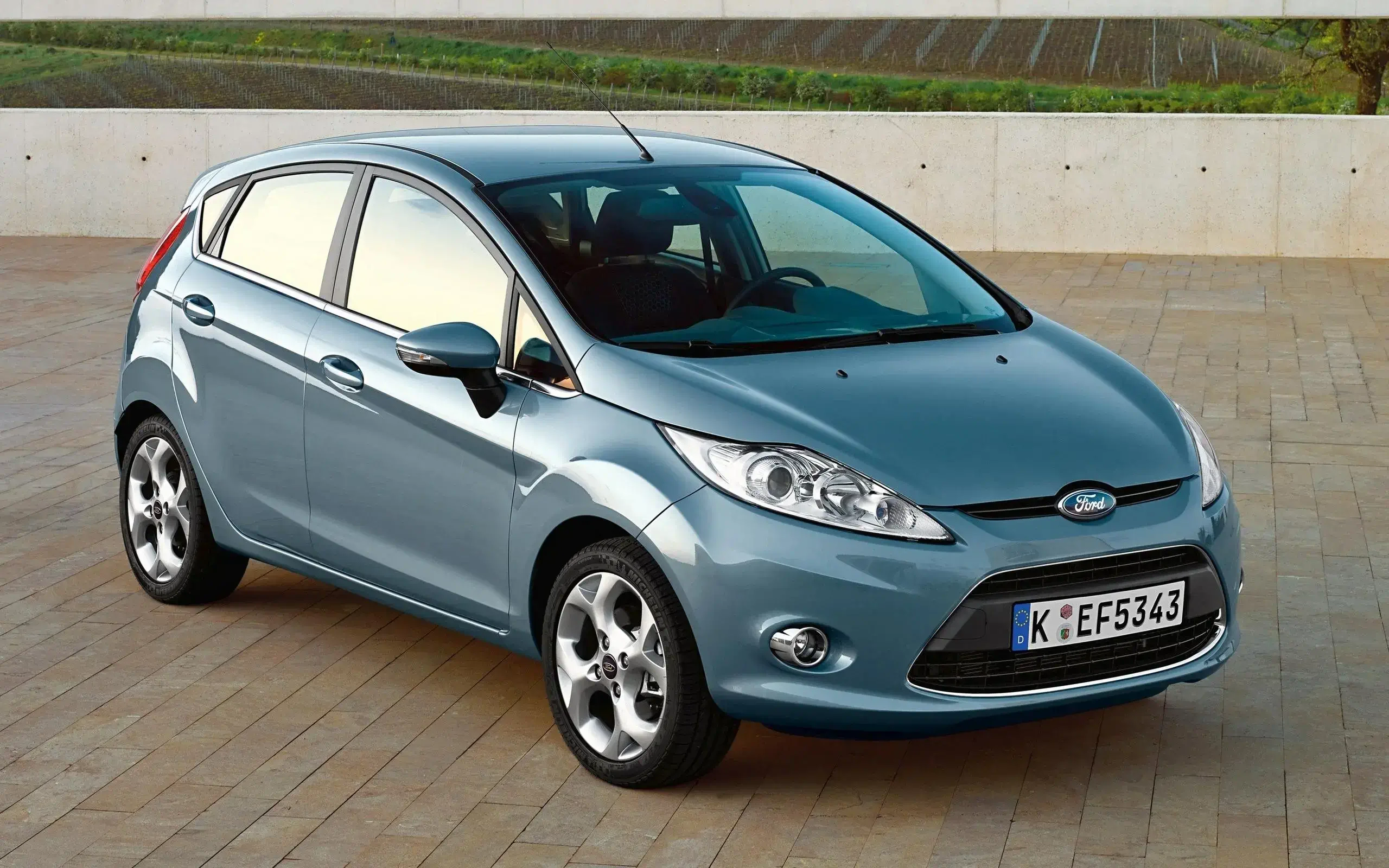
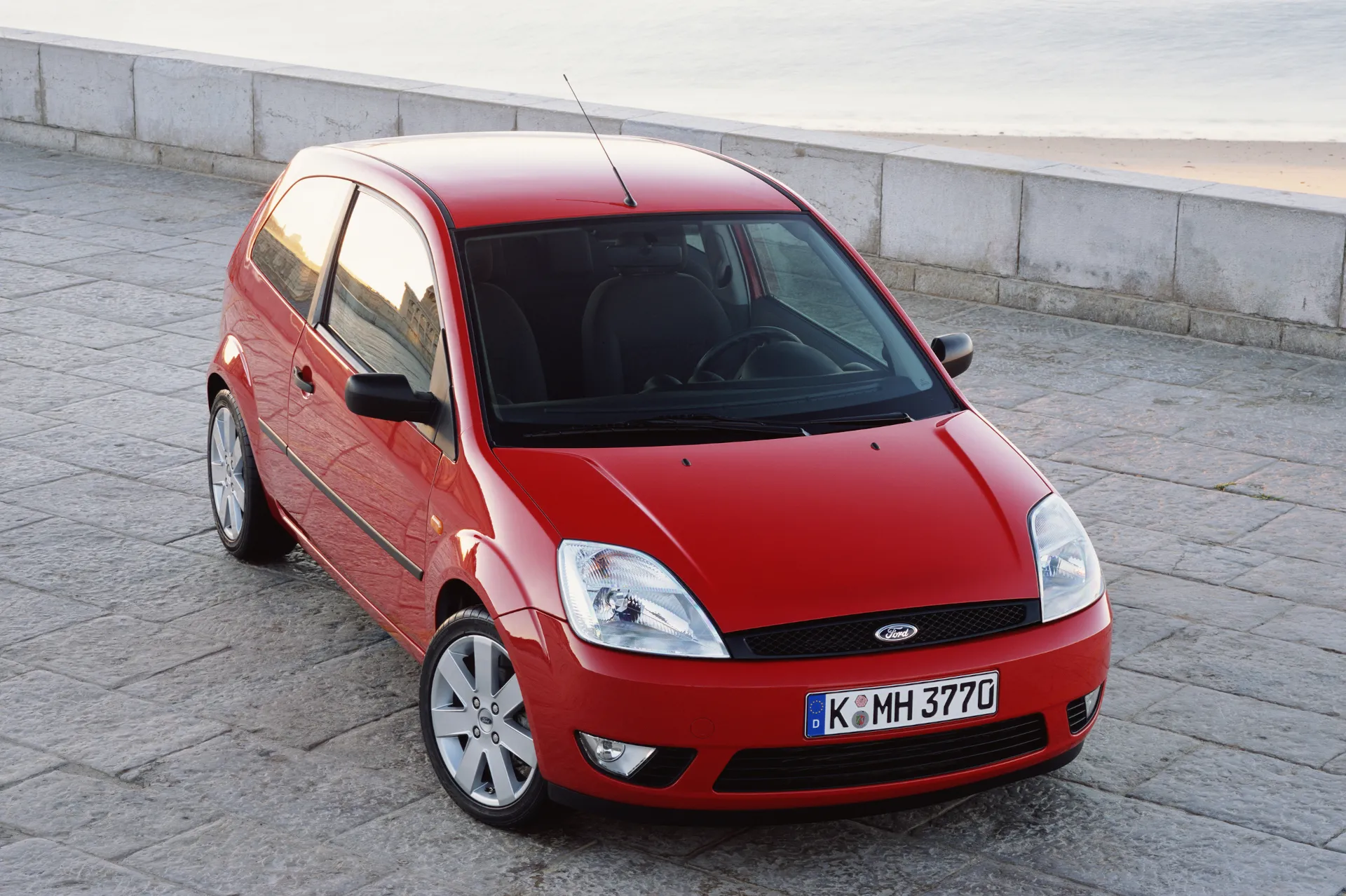
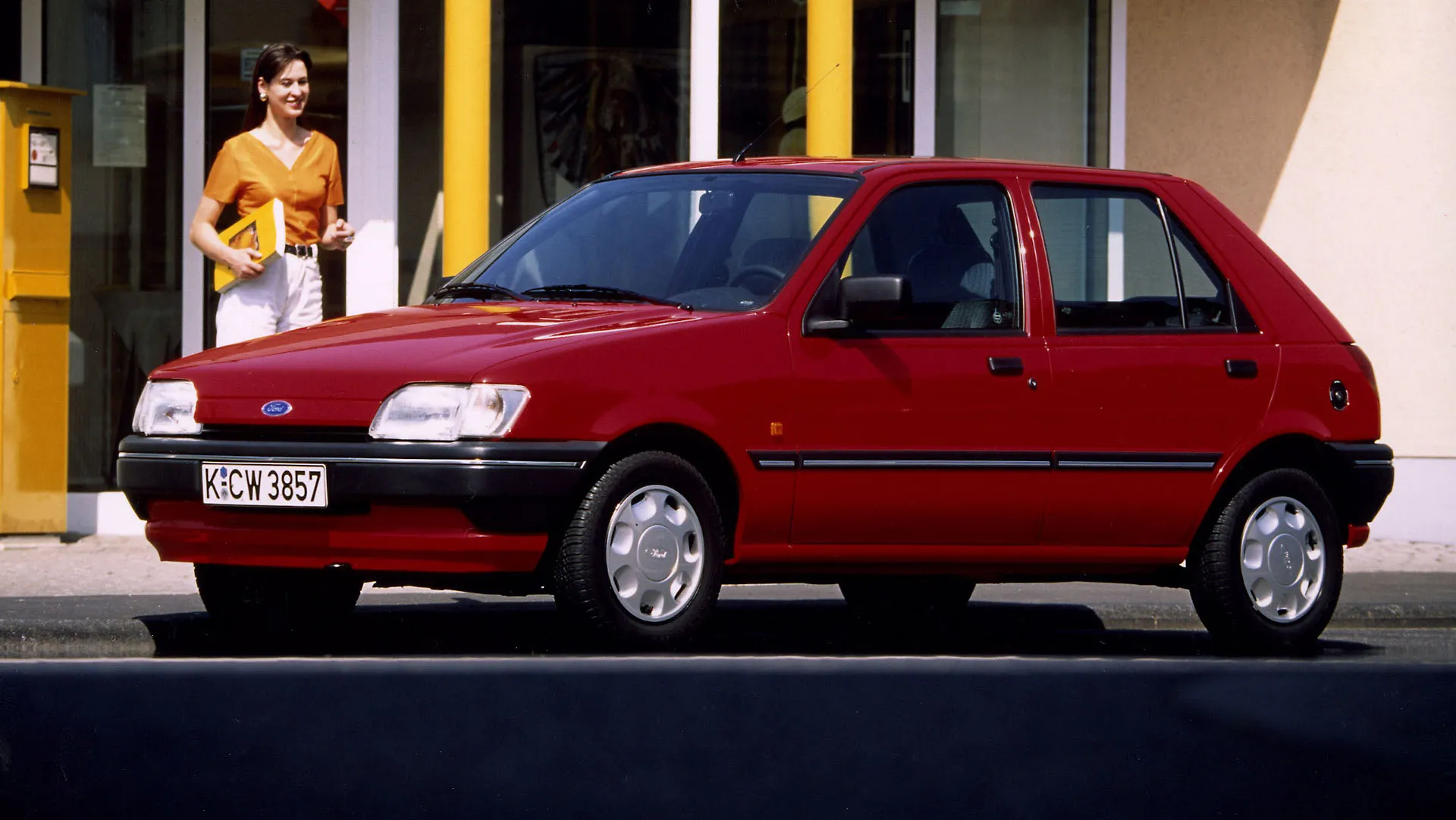
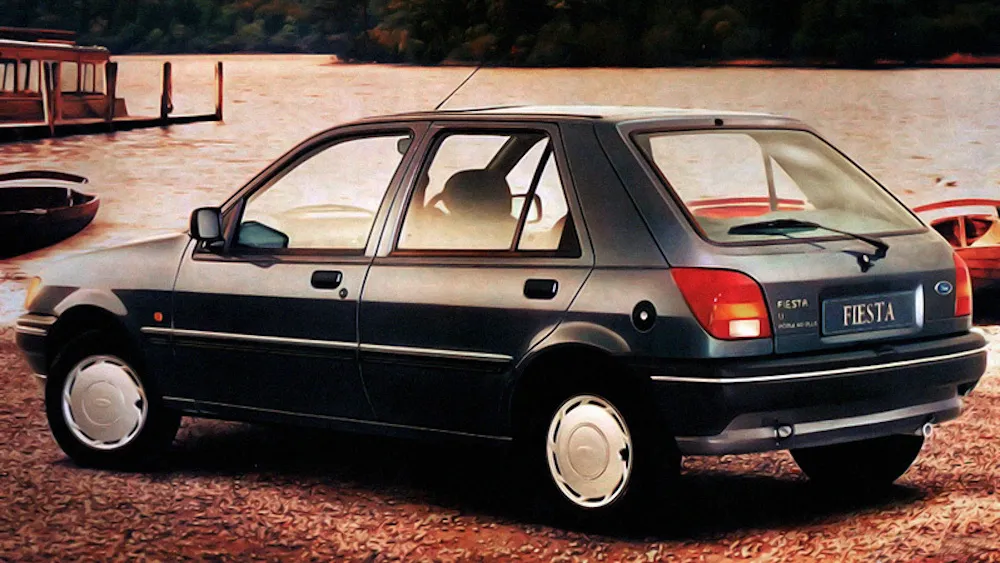
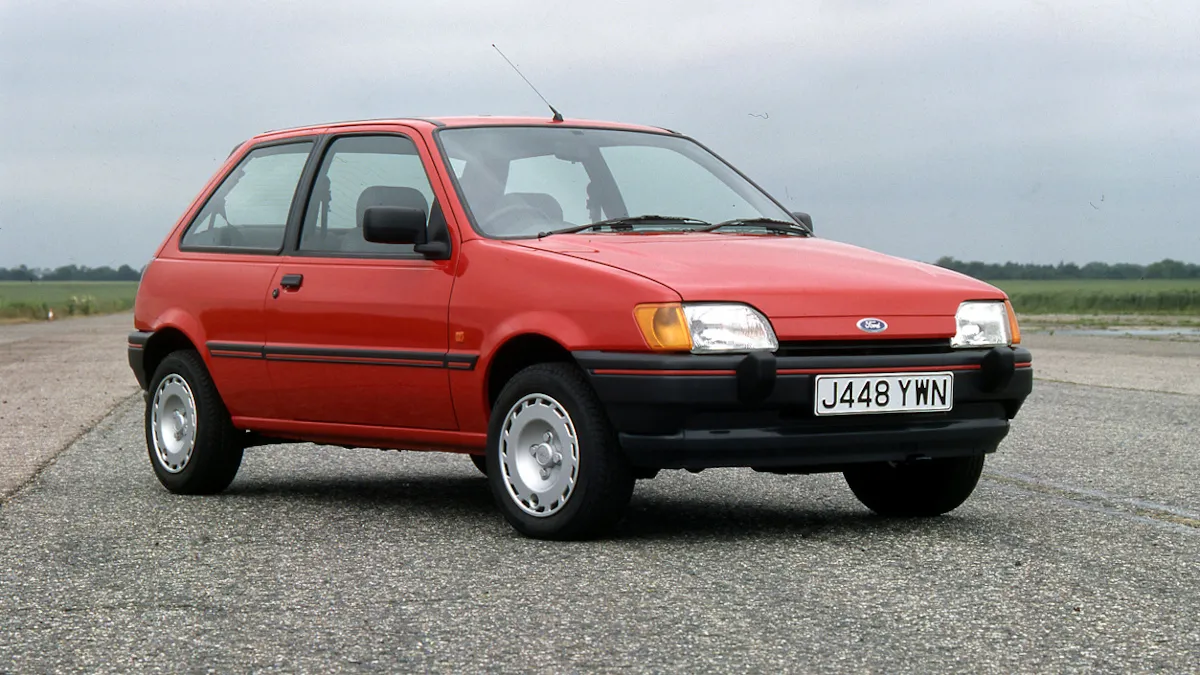
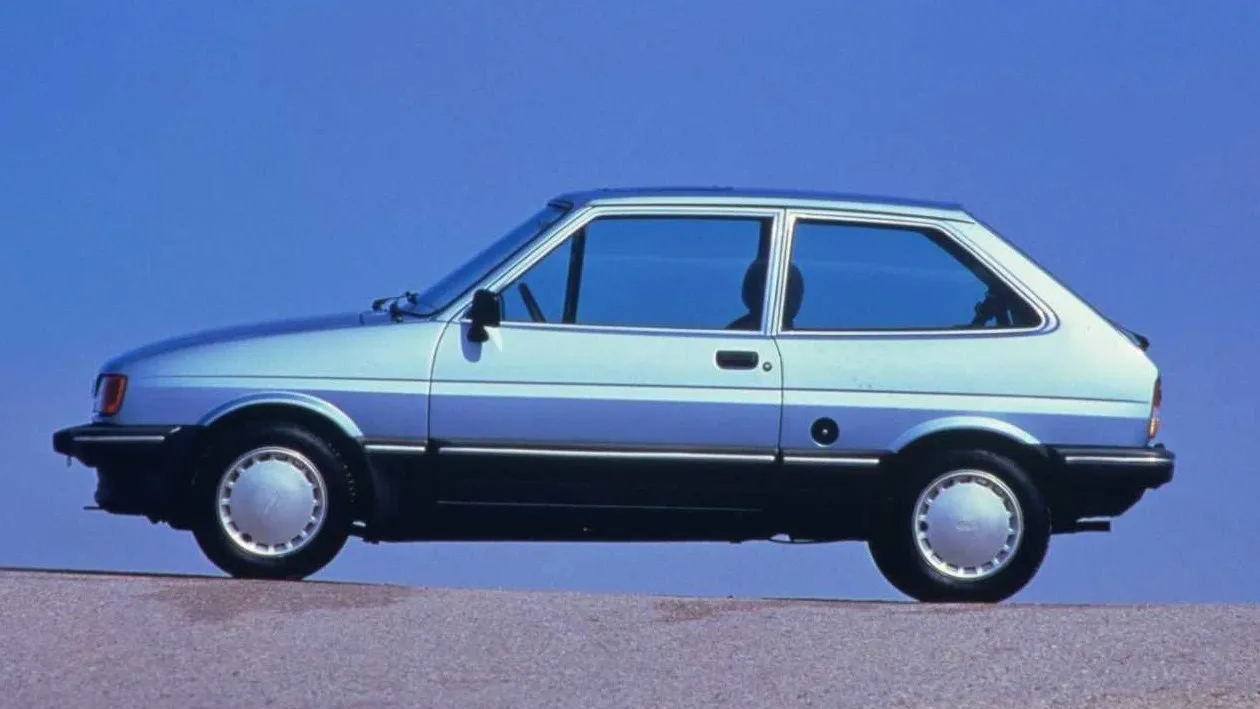
In the grand, sprawling narrative of automotive history, there are vehicles that serve as technological flagships, pushing the boundaries of what is possible, and then there are vehicles that serve as societal cornerstones, fundamentally altering the way the world moves. The Ford Fiesta belongs emphatically to the latter category, though to dismiss it merely as an appliance is to ignore a half-century of dynamic brilliance and motorsport heroism. Born from the ashes of the 1973 oil crisis under the secretive code name “Project Bobcat,” the Fiesta was Ford’s late, frantic, yet calculated response to the European supermini revolution ignited by the Fiat 127 and the Renault 5. Henry Ford II, a man not known for his love of small cars, personally authorized the project after test-driving the Fiat, recognizing that the era of the rear-wheel-drive escort being the “entry-level” was drawing to a close. Launched in 1976, the Fiesta was a watershed moment for the Blue Oval; it was their first globally successful front-wheel-drive car, a machine that required the construction of an entirely new factory in Valencia and effectively democratized mobility for a generation of Europeans. It arrived not just as a competitor, but as a conqueror, blending Ford’s legendary marketing prowess with a package that was simpler, sharper, and more robust than its Gallic and Italian rivals.
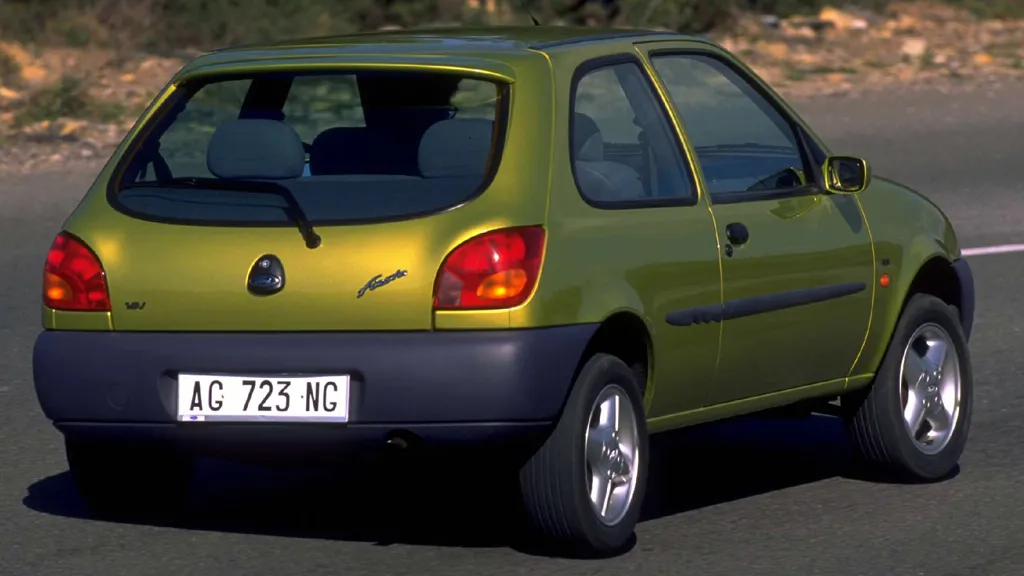
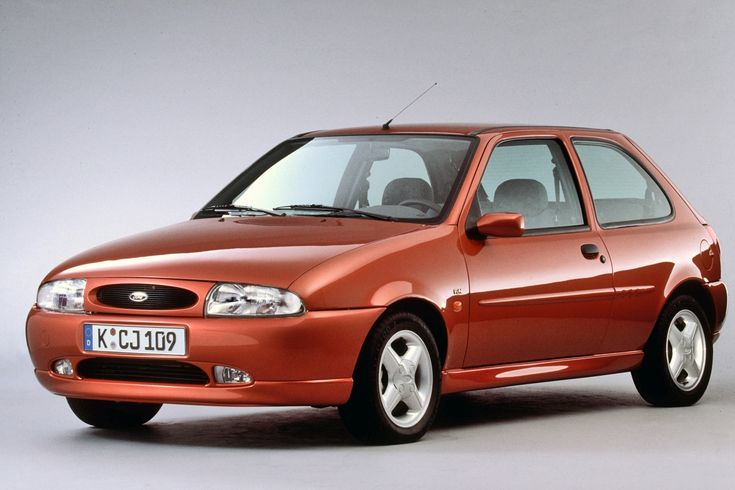
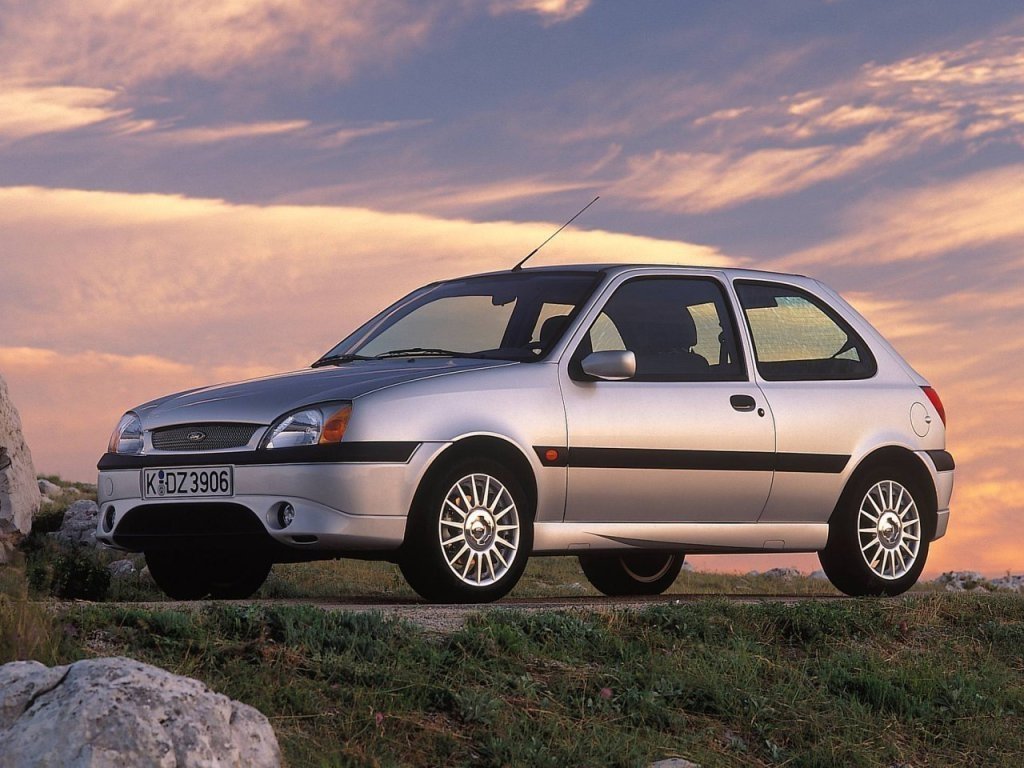
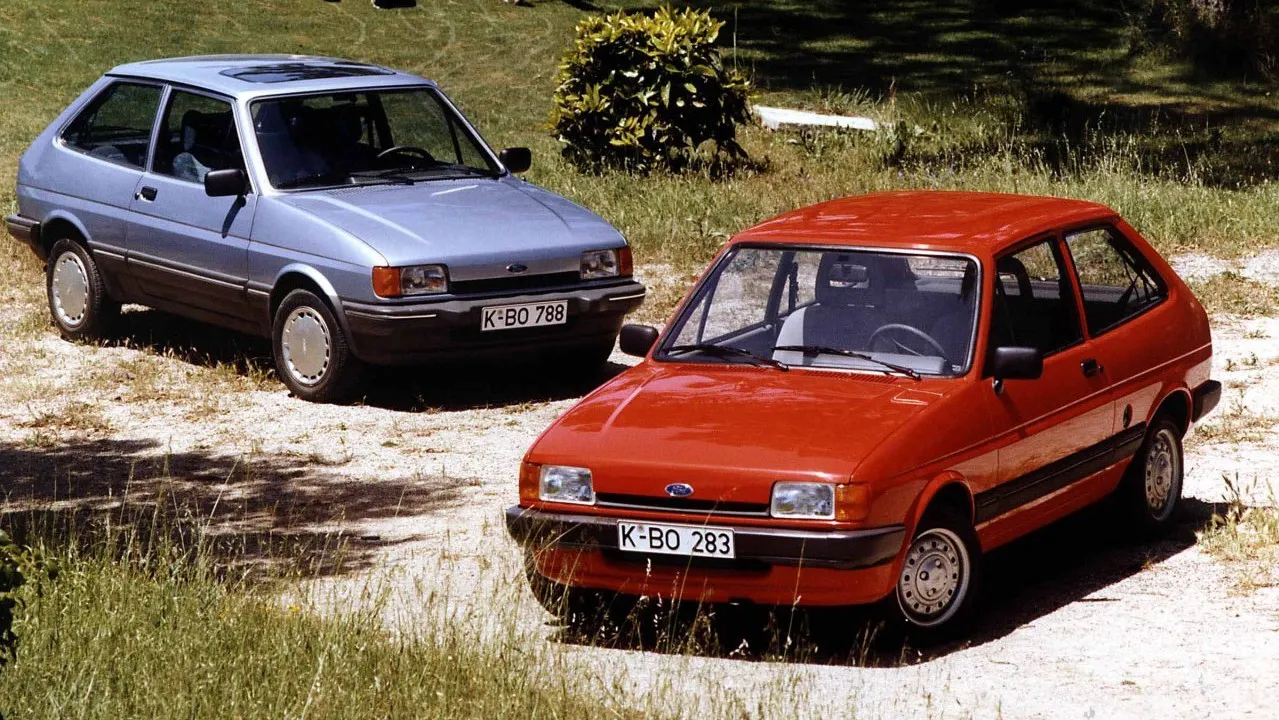
From a technical standpoint, the brilliance of the Fiesta lay not in revolutionary engineering, but in the perfection of the conventional. The original Mk1 utilized a transverse engine layout with the gearbox mounted on the end—a patent-avoiding variation of the Alec Issigonis Mini layout—driving the front wheels. The suspension followed the MacPherson strut front and beam axle rear template that would become the industry standard for cost-effective handling. The engines were the trusty ‘Valencia’ variants of the Kent Crossflow, hardy pushrod units that were noisy but unkillable. However, the genius of the Fiesta was its packaging. Designed by Tom Tjaarda at Ghia, the Mk1 was a masterpiece of space efficiency, offering genuine room for four adults in a footprint smaller than a shoe box. As the generations evolved, so did the sophistication. The Mk2 introduced the CVH engine, but it was the Mk4 of 1995 that truly shifted the paradigm. With a chassis tuned by Richard Parry-Jones, the Fiesta ceased to be just a shopping trolley and became the dynamic benchmark for the class, possessing a steering feel and suspension fluidity that embarrassed dedicated sports cars.
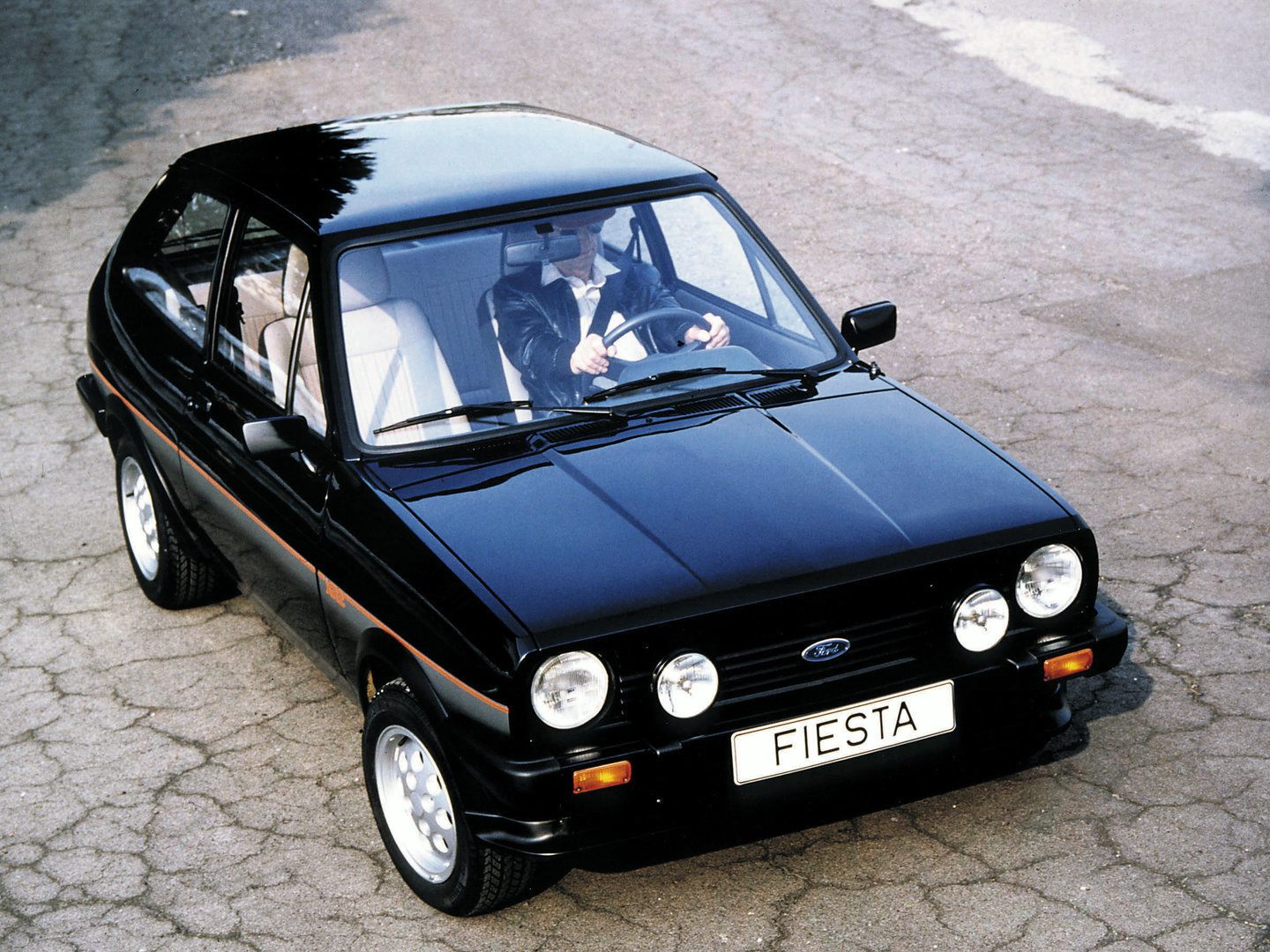
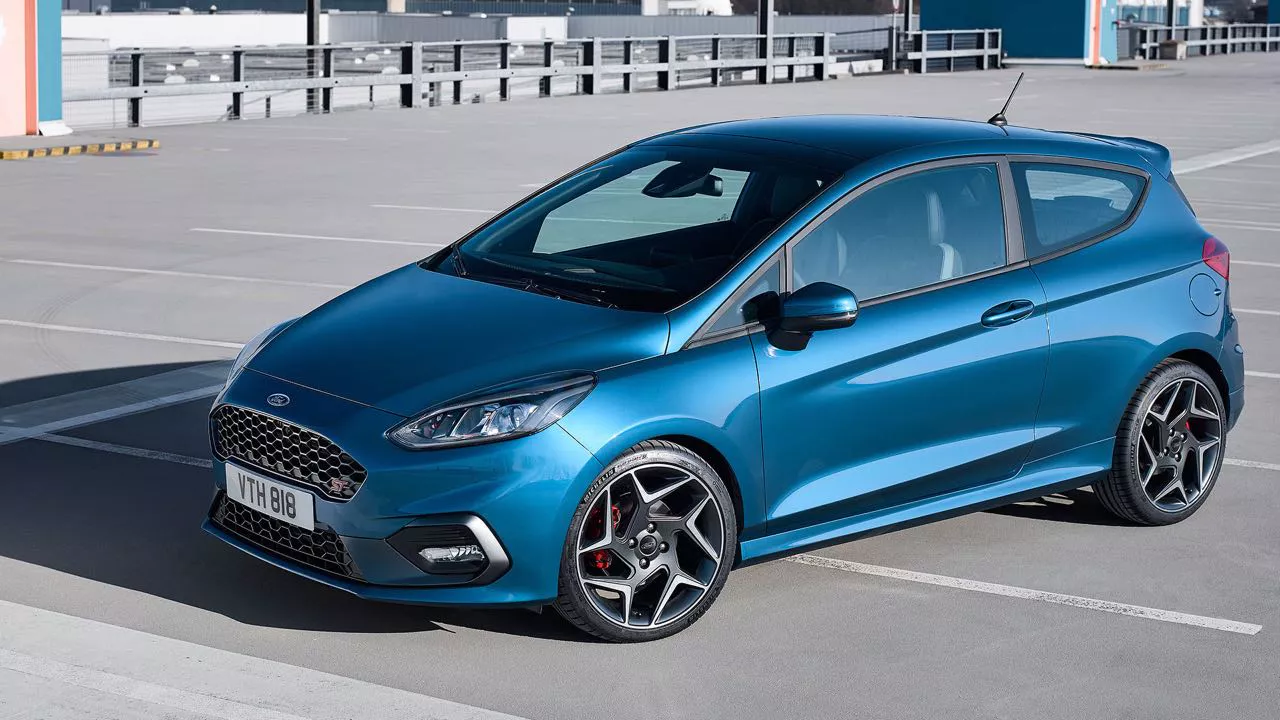
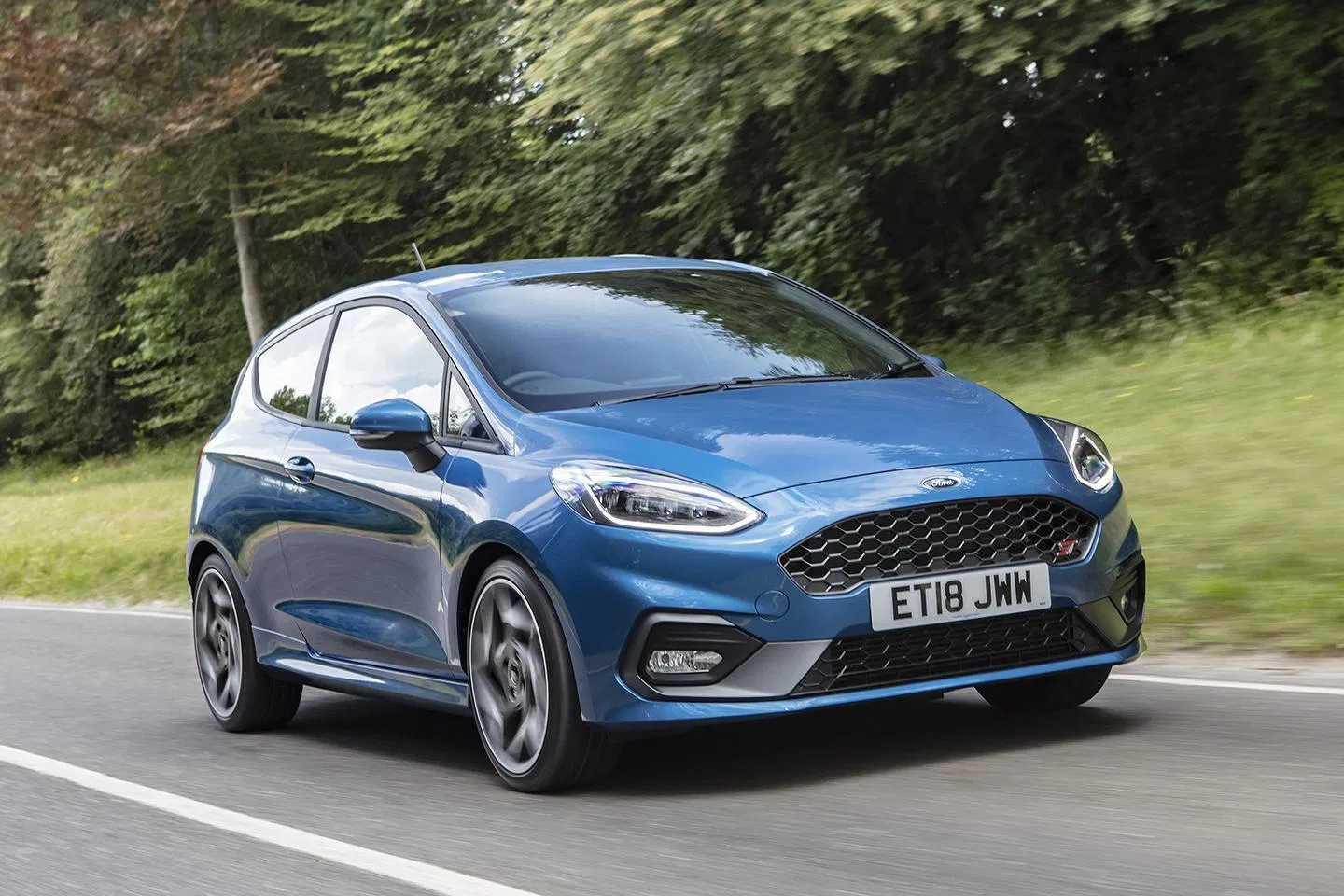
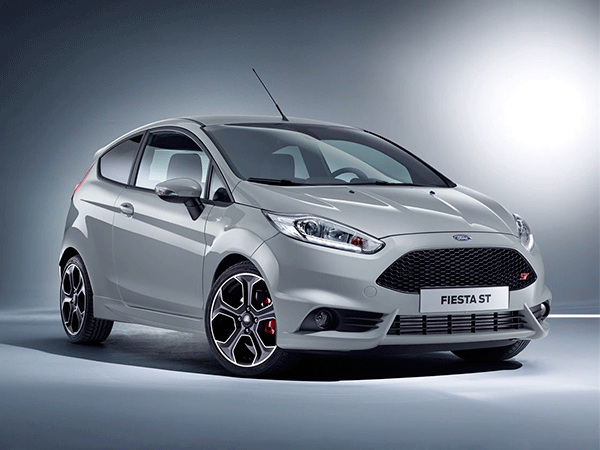
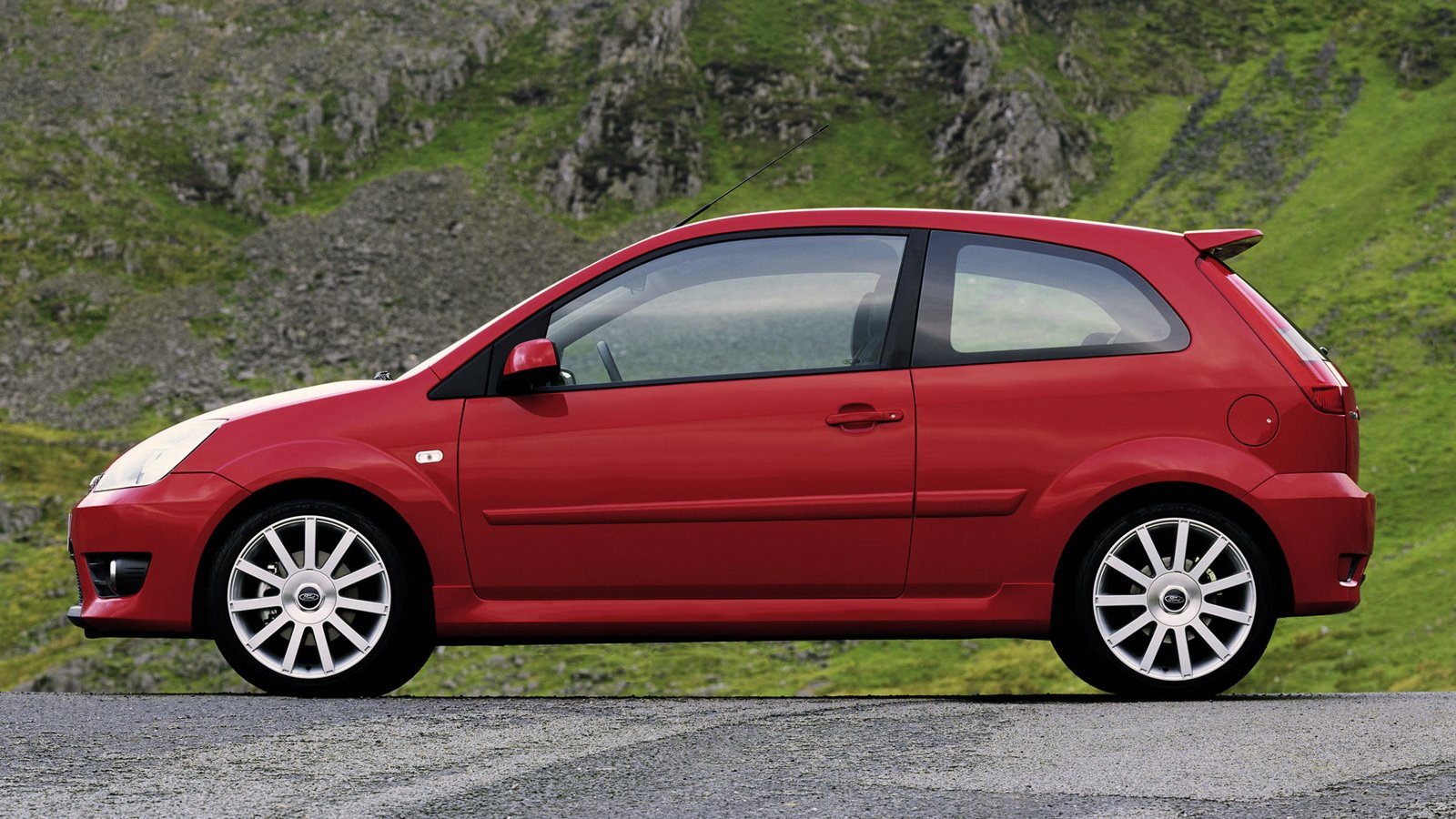
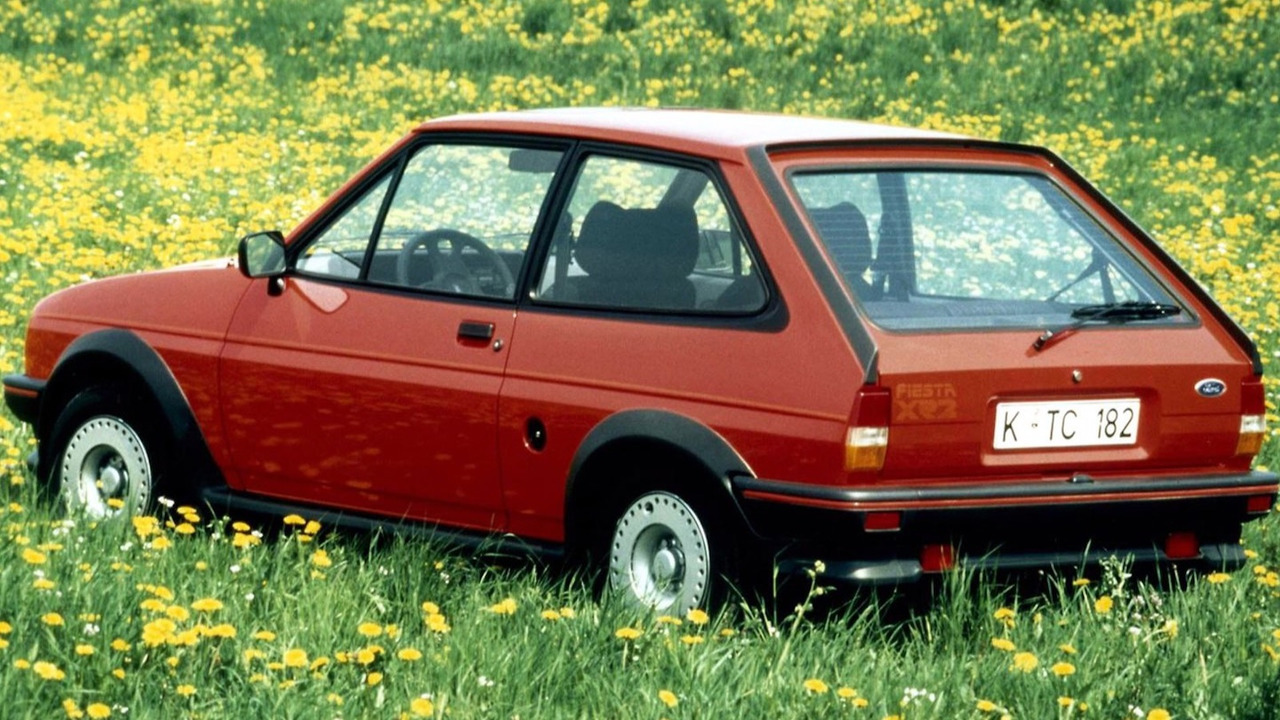
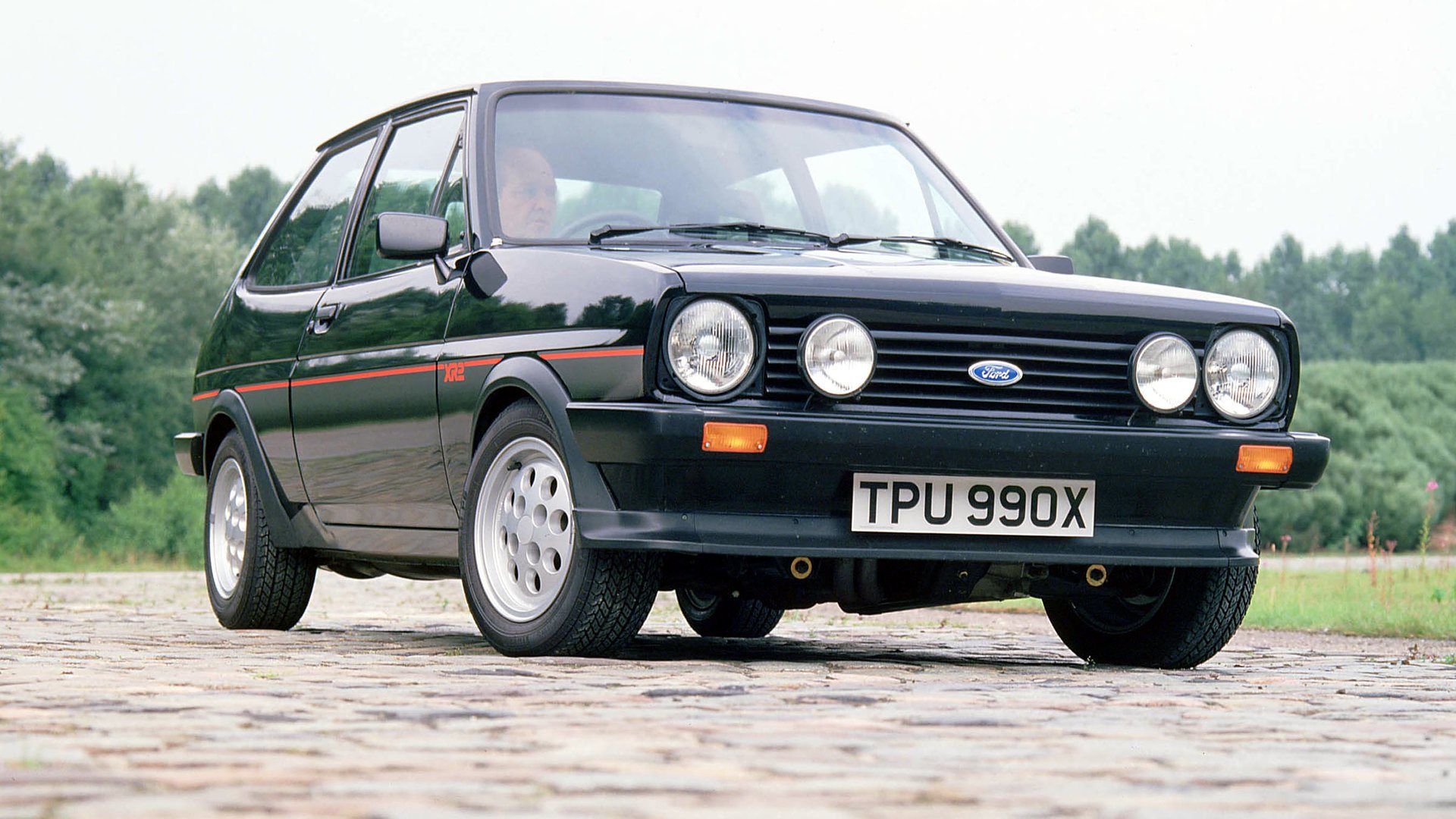
This inherent “rightness” of the chassis naturally birthed a lineage of performance variants that are now enshrined in the cult of the “Fast Ford.” It began with the Mk1 XR2, a rough-and-ready pocket rocket with round headlamps, “pepper pot” alloy wheels, and a 1.6-litre Crossflow engine that felt faster than it was due to the car’s flyweight nature. The Mk2 XR2 refined the formula, becoming the definitive “boy racer” icon of 1980s Britain, ubiquitous in McDonald’s car parks and often seen reversing through shop windows. The Mk3 RS Turbo brought forced induction and aggressive body kits to the party, while the naturally aspirated RS1800 cultivated a more refined approach. In the modern era, the Fiesta ST (particularly the Mk7 and Mk8) stands as arguably the greatest compact performance car of the 21st century, a vehicle that offered Porsche-levels of driver engagement for the price of a kitchen renovation.
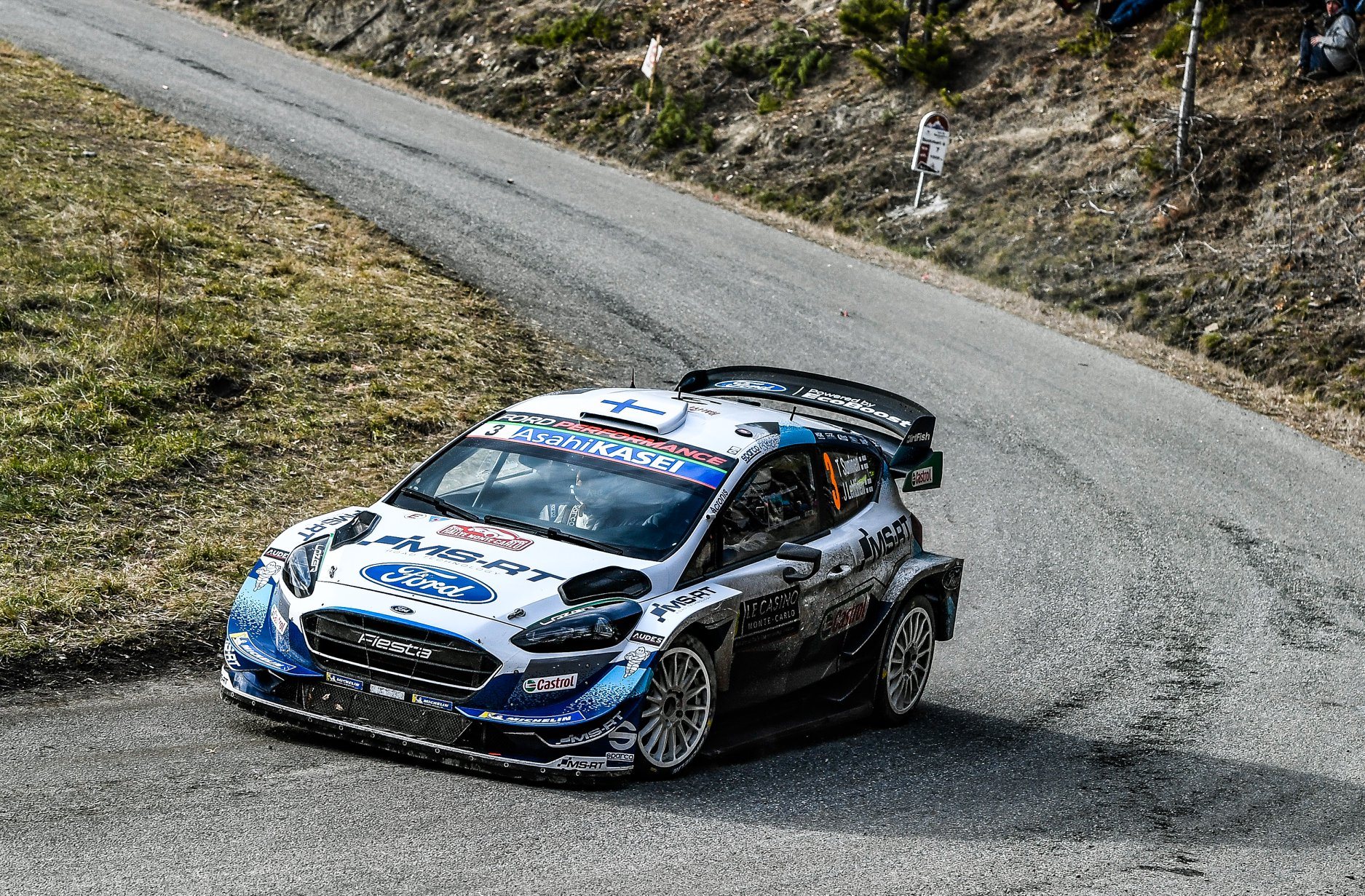
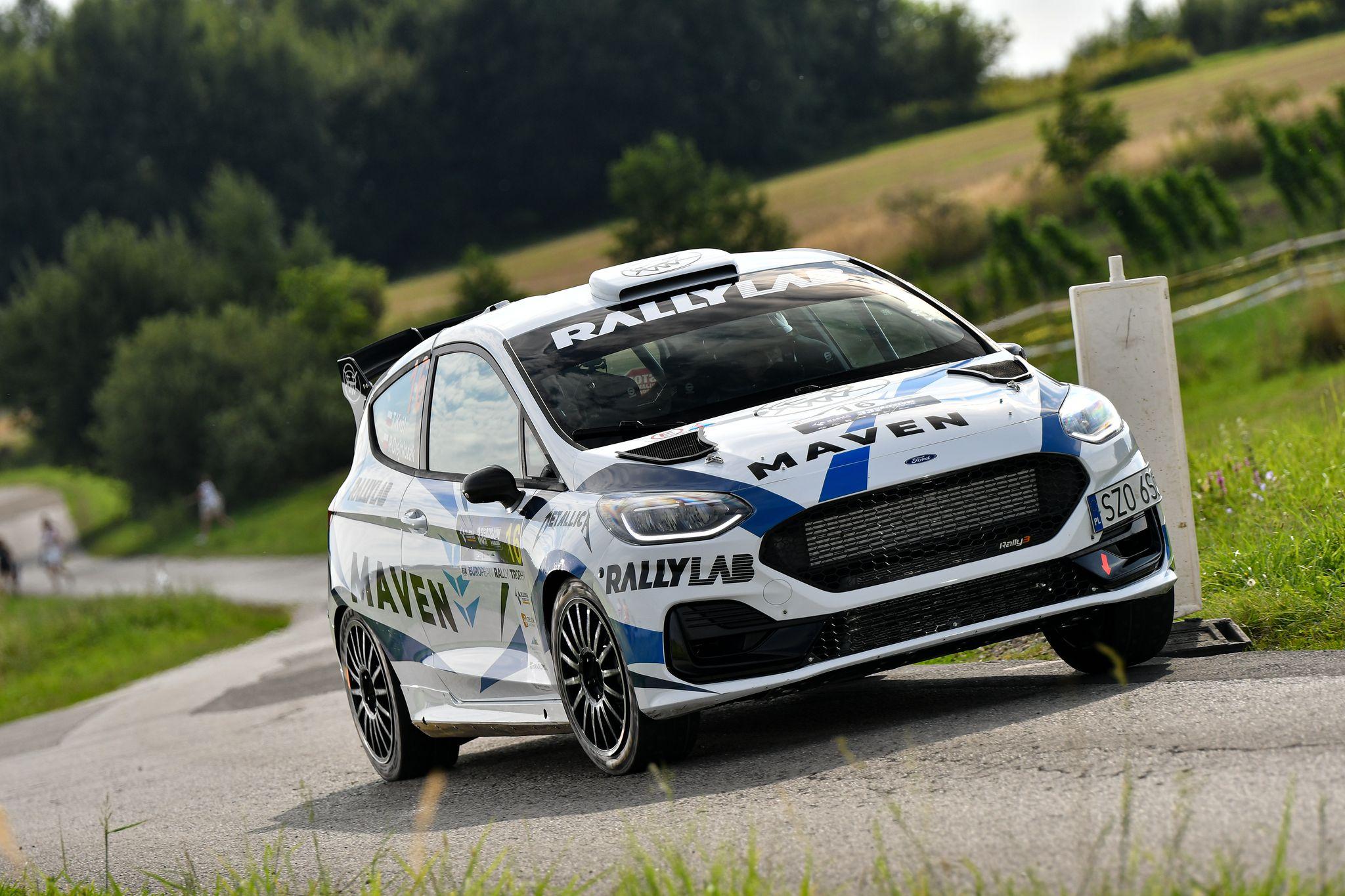
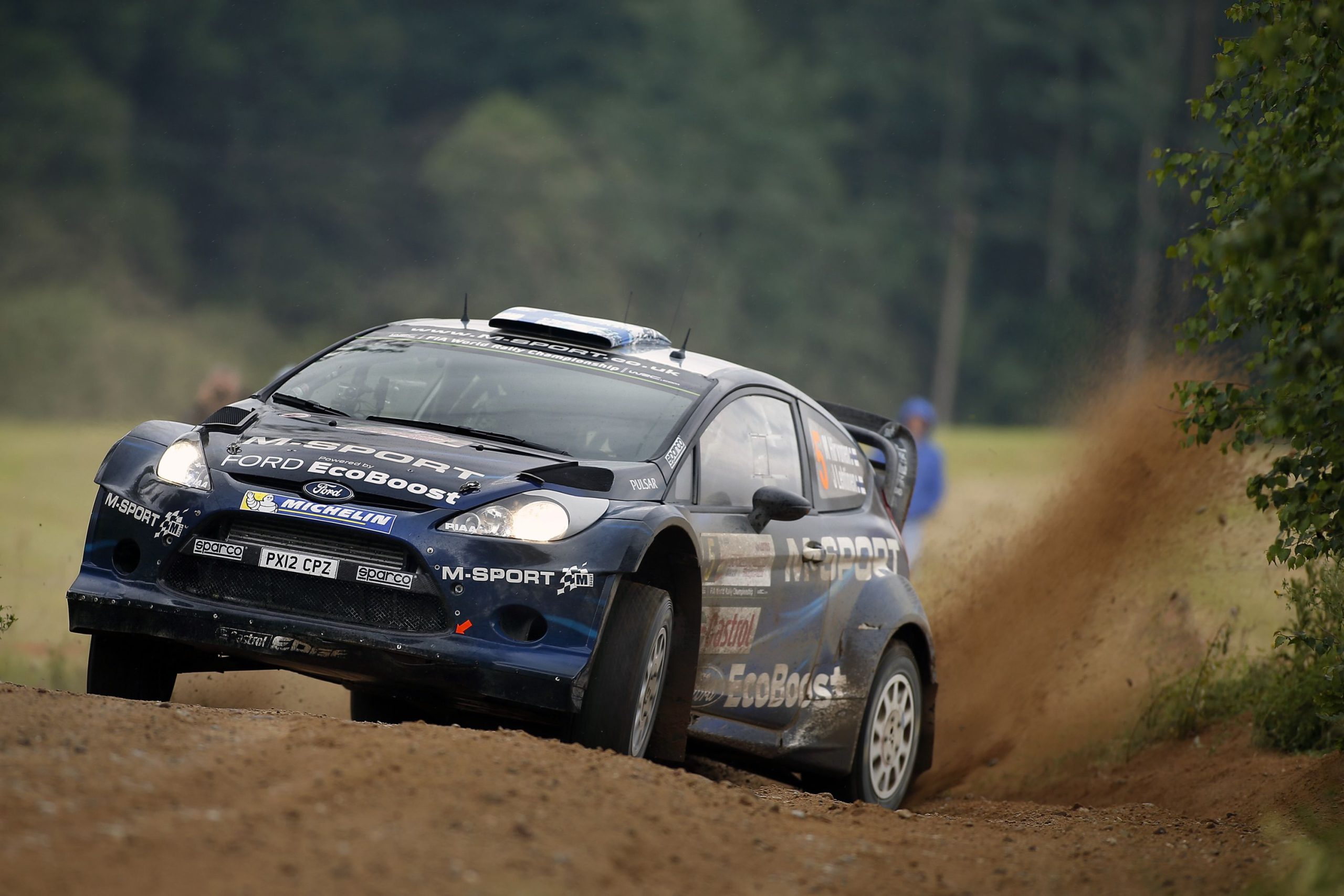
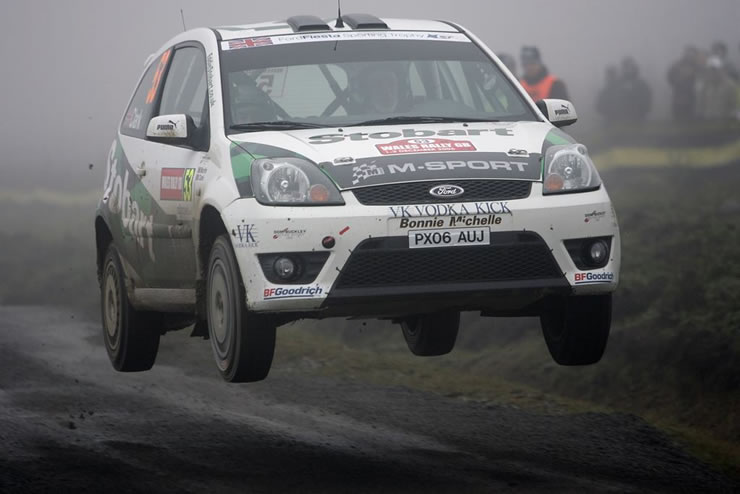
While the Fiesta spent its weekdays on the school run, its weekends were often spent flying sideways through forests or banging door handles on rallycross circuits. The competition history of the Fiesta is vast and varied. It began almost immediately with the Group 2 Mk1s, campaigned by legends like Roger Clark and Ari Vatanen in the Monte Carlo Rally, where the tiny car’s agility proved shocking to the established order. Although the aborted RS1700T Group B project remains one of rallying’s great “what ifs,” the Fiesta found its true calling in the modern WRC era. Under the stewardship of Malcolm Wilson’s M-Sport, the Fiesta WRC and R5 variants became the customer cars of choice globally. In the hands of Sébastien Ogier, the Fiesta WRC secured back-to-back World Rally Championships in 2017 and 2018, defeating the factory might of Hyundai and Toyota with a privateer spirit that echoed the Escort days of old. Furthermore, the Fiesta became the weapon of choice for the Global Rallycross Championship and the viral Gymkhana videos of Ken Block, transforming the humble supermini into a fire-breathing, four-wheel-drive monster that captivated the YouTube generation.
Culturally, the Fiesta’s impact is immeasurable. For 47 years, it was the default choice for the new driver, the nurse, the teacher, and the enthusiast on a budget. In the United Kingdom, it held the title of the best-selling vehicle for twelve consecutive years, a dominance that is statistically staggering. It transcended class barriers; a Fiesta Ghia parked in a posh London mews looked just as appropriate as a base model Popualr parked outside a factory in Dagenham. It was the canvas upon which millions of people projected their lives, their first tastes of freedom, and their first mechanical heartbreaks.
The cessation of Fiesta production in July 2023 marked a sombre end to one of the longest and most successful dynasties in automotive history. Killed off to make way for electric crossovers, the Fiesta’s demise signaled the end of the affordable, lightweight, internal combustion supermini era. Its legacy, however, is secure. It sits in the panteheon alongside the Volkswagen Beetle, the Mini, and the Ford Model T. It was not a car built for kings, but a car built for everyone, which, in the end, made it royalty. From the clatter of a Mk1 diesel to the pop-and-bang of an ST’s exhaust, the Fiesta proved that you didn’t need twelve cylinders or a prancing horse badge to experience the pure, unadulterated joy of driving. It was scrappy, ebullient, and fundamentally honest—a small car that cast a very long shadow.
Brand
Produced from
Vehicle category
Portal
Model line
Model generation
Predecessor
Sucessor
Brand
Produced from
Vehicle category
Portal
Model line
Model generation
Predecessor
Sucessor
About this model
In the grand, sprawling narrative of automotive history, there are vehicles that serve as technological flagships, pushing the boundaries of what is possible, and then there are vehicles that serve as societal cornerstones, fundamentally altering the way the world moves. The Ford Fiesta belongs emphatically to the latter category, though to dismiss it merely as an appliance is to ignore a half-century of dynamic brilliance and motorsport heroism. Born from the ashes of the 1973 oil crisis under the secretive code name “Project Bobcat,” the Fiesta was Ford’s late, frantic, yet calculated response to the European supermini revolution ignited by the Fiat 127 and the Renault 5. Henry Ford II, a man not known for his love of small cars, personally authorized the project after test-driving the Fiat, recognizing that the era of the rear-wheel-drive escort being the “entry-level” was drawing to a close. Launched in 1976, the Fiesta was a watershed moment for the Blue Oval; it was their first globally successful front-wheel-drive car, a machine that required the construction of an entirely new factory in Valencia and effectively democratized mobility for a generation of Europeans. It arrived not just as a competitor, but as a conqueror, blending Ford’s legendary marketing prowess with a package that was simpler, sharper, and more robust than its Gallic and Italian rivals.
From a technical standpoint, the brilliance of the Fiesta lay not in revolutionary engineering, but in the perfection of the conventional. The original Mk1 utilized a transverse engine layout with the gearbox mounted on the end—a patent-avoiding variation of the Alec Issigonis Mini layout—driving the front wheels. The suspension followed the MacPherson strut front and beam axle rear template that would become the industry standard for cost-effective handling. The engines were the trusty ‘Valencia’ variants of the Kent Crossflow, hardy pushrod units that were noisy but unkillable. However, the genius of the Fiesta was its packaging. Designed by Tom Tjaarda at Ghia, the Mk1 was a masterpiece of space efficiency, offering genuine room for four adults in a footprint smaller than a shoe box. As the generations evolved, so did the sophistication. The Mk2 introduced the CVH engine, but it was the Mk4 of 1995 that truly shifted the paradigm. With a chassis tuned by Richard Parry-Jones, the Fiesta ceased to be just a shopping trolley and became the dynamic benchmark for the class, possessing a steering feel and suspension fluidity that embarrassed dedicated sports cars.
This inherent “rightness” of the chassis naturally birthed a lineage of performance variants that are now enshrined in the cult of the “Fast Ford.” It began with the Mk1 XR2, a rough-and-ready pocket rocket with round headlamps, “pepper pot” alloy wheels, and a 1.6-litre Crossflow engine that felt faster than it was due to the car’s flyweight nature. The Mk2 XR2 refined the formula, becoming the definitive “boy racer” icon of 1980s Britain, ubiquitous in McDonald’s car parks and often seen reversing through shop windows. The Mk3 RS Turbo brought forced induction and aggressive body kits to the party, while the naturally aspirated RS1800 cultivated a more refined approach. In the modern era, the Fiesta ST (particularly the Mk7 and Mk8) stands as arguably the greatest compact performance car of the 21st century, a vehicle that offered Porsche-levels of driver engagement for the price of a kitchen renovation.
While the Fiesta spent its weekdays on the school run, its weekends were often spent flying sideways through forests or banging door handles on rallycross circuits. The competition history of the Fiesta is vast and varied. It began almost immediately with the Group 2 Mk1s, campaigned by legends like Roger Clark and Ari Vatanen in the Monte Carlo Rally, where the tiny car’s agility proved shocking to the established order. Although the aborted RS1700T Group B project remains one of rallying’s great “what ifs,” the Fiesta found its true calling in the modern WRC era. Under the stewardship of Malcolm Wilson’s M-Sport, the Fiesta WRC and R5 variants became the customer cars of choice globally. In the hands of Sébastien Ogier, the Fiesta WRC secured back-to-back World Rally Championships in 2017 and 2018, defeating the factory might of Hyundai and Toyota with a privateer spirit that echoed the Escort days of old. Furthermore, the Fiesta became the weapon of choice for the Global Rallycross Championship and the viral Gymkhana videos of Ken Block, transforming the humble supermini into a fire-breathing, four-wheel-drive monster that captivated the YouTube generation.
Culturally, the Fiesta’s impact is immeasurable. For 47 years, it was the default choice for the new driver, the nurse, the teacher, and the enthusiast on a budget. In the United Kingdom, it held the title of the best-selling vehicle for twelve consecutive years, a dominance that is statistically staggering. It transcended class barriers; a Fiesta Ghia parked in a posh London mews looked just as appropriate as a base model Popualr parked outside a factory in Dagenham. It was the canvas upon which millions of people projected their lives, their first tastes of freedom, and their first mechanical heartbreaks.
The cessation of Fiesta production in July 2023 marked a sombre end to one of the longest and most successful dynasties in automotive history. Killed off to make way for electric crossovers, the Fiesta’s demise signaled the end of the affordable, lightweight, internal combustion supermini era. Its legacy, however, is secure. It sits in the panteheon alongside the Volkswagen Beetle, the Mini, and the Ford Model T. It was not a car built for kings, but a car built for everyone, which, in the end, made it royalty. From the clatter of a Mk1 diesel to the pop-and-bang of an ST’s exhaust, the Fiesta proved that you didn’t need twelve cylinders or a prancing horse badge to experience the pure, unadulterated joy of driving. It was scrappy, ebullient, and fundamentally honest—a small car that cast a very long shadow.
Generations
Generations of this model
Generations
Generations of this model
Submodels
Discover all the variants of this model
Submodels
Discover all the variants of this model
Vehicles
Legendary Vehicles
Vehicles