Hyundai i20
Brand
Produced from
Vehicle category
Portal
Model line
Model generation
Predecessor
Sucessor
About this model
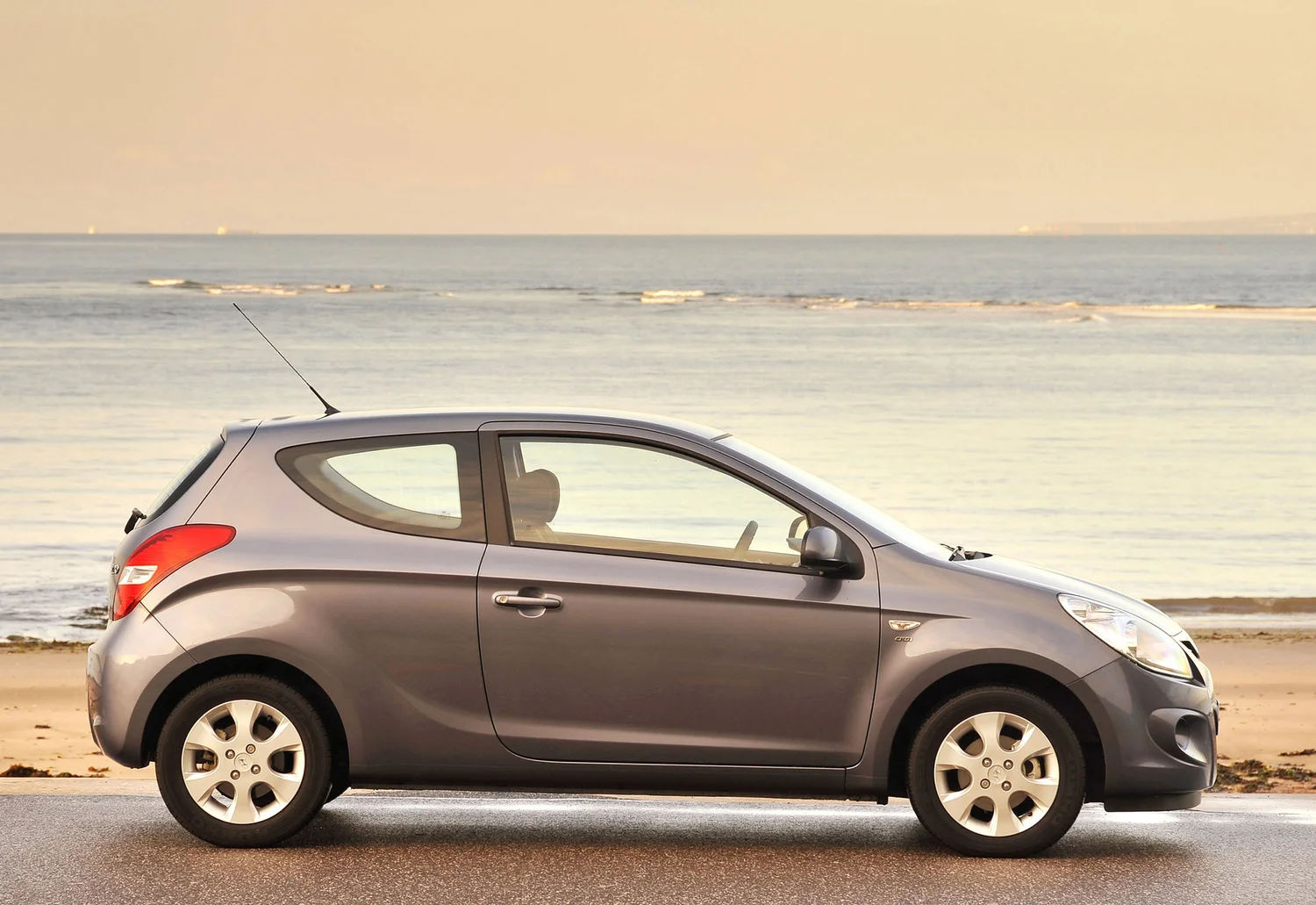
To understand the trajectory of the Hyundai i20 is to witness one of the most remarkable metamorphoses in modern automotive history. It is a tale that begins in the beige, sensible corridors of budget motoring and ascends rapidly to the champagne-soaked podiums of the World Rally Championship. When the first-generation i20 (codenamed PB) replaced the utilitarian Getz in 2008, it was a vehicle of competence rather than character—a refrigerator on wheels designed to transport people from point A to point B with minimal fuss and maximum warranty coverage. It sat in a crowded segment dominated by the Ford Fiesta, the Volkswagen Polo, and the Renault Clio, cars that possessed decades of heritage and dynamic pedigree. The i20, by contrast, was an appliance. Yet, within a decade, this unassuming hatchback would become the weapon of choice for the world’s best drivers, a back-to-back WRC Manufacturers’ Champion, and the donor chassis for one of the most celebrated analog hot hatches of the dying internal combustion era. The i20 is the physical manifestation of Hyundai’s “Namyang to Nürburgring” philosophy, a model line that proved the South Korean giant could do more than just mimic the establishment; it could beat them into submission on the gravel of Sardinia and the tarmac of the Nordschleife.
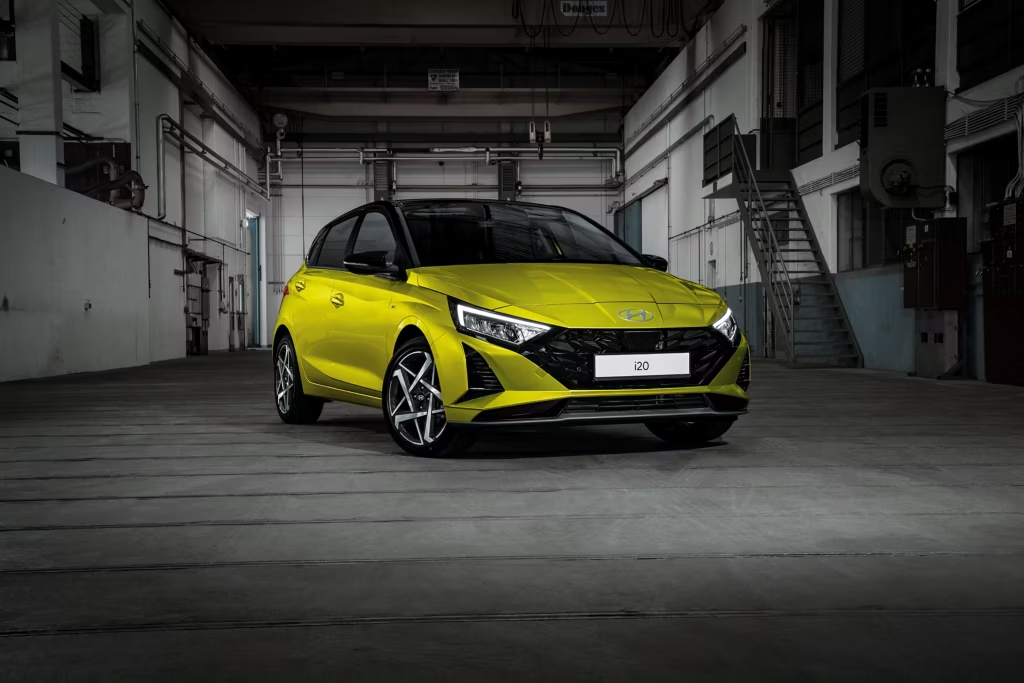
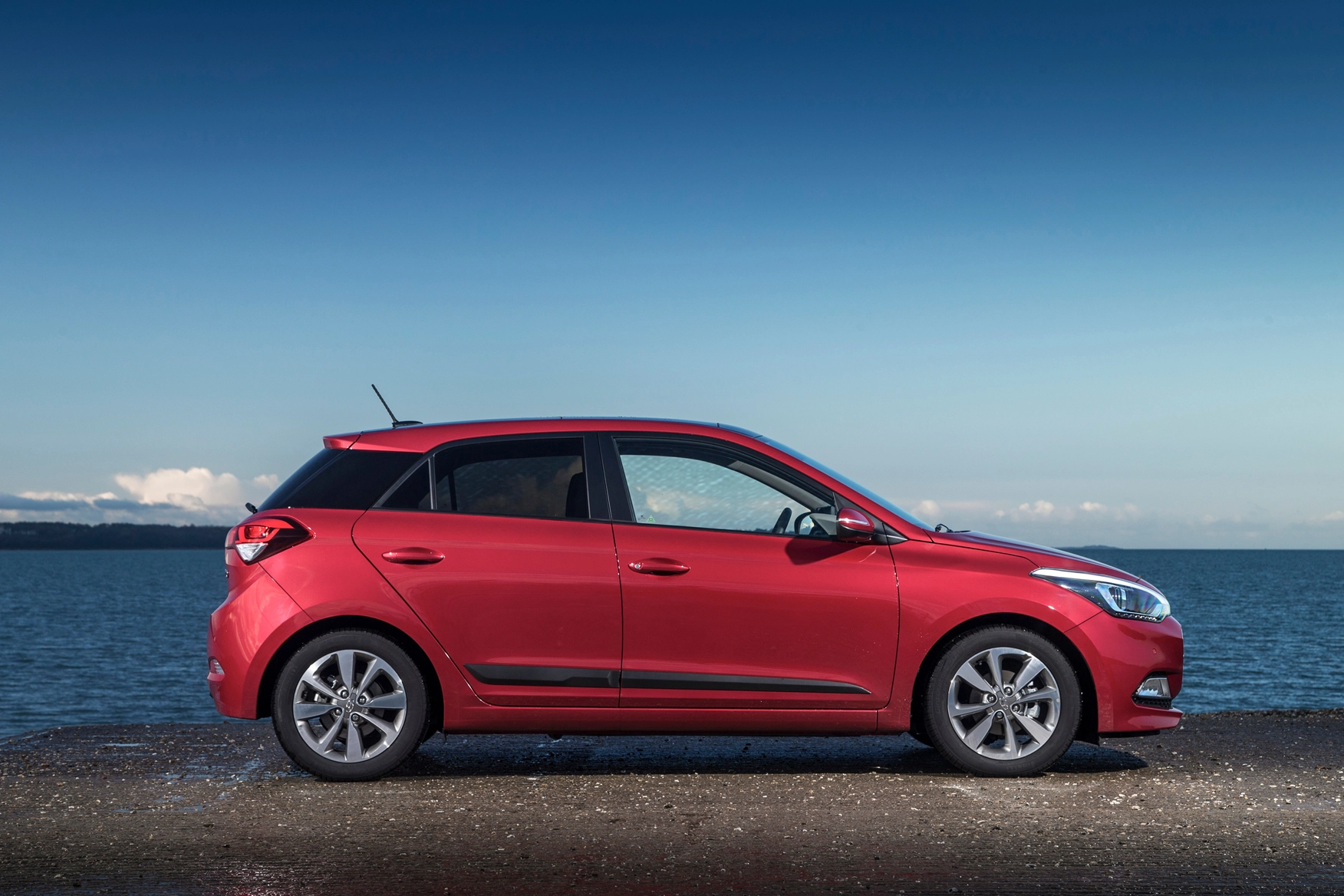
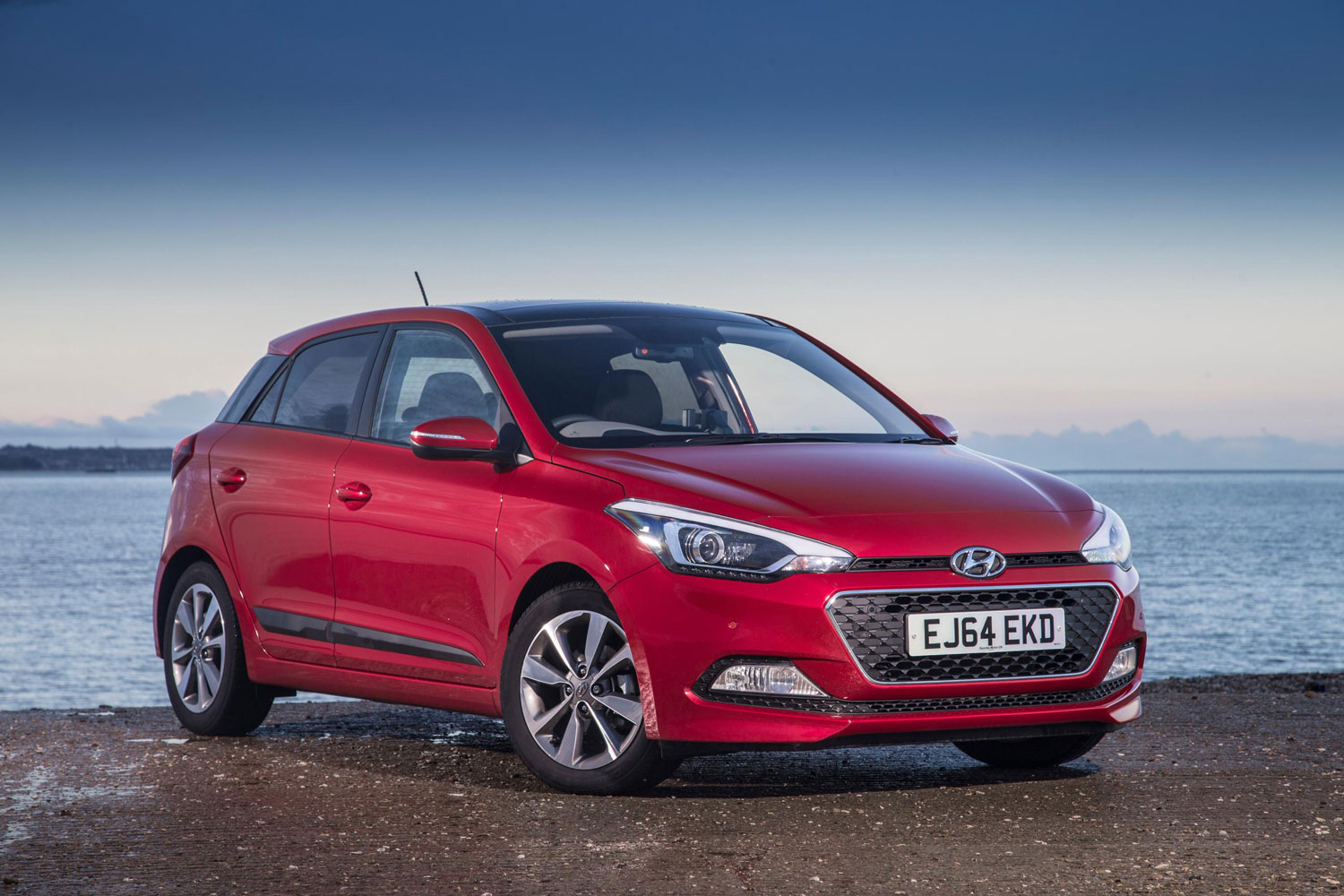
The technical evolution of the i20 mirrors the maturing of the Korean automotive industry. The first generation (2008-2014) was penned at Hyundai’s European Design Centre in Rüsselsheim, Germany, a strategic move to tune the car to European tastes. It rode on a torsion beam rear axle and MacPherson strut front suspension—standard fare for the B-segment—and was powered by the ‘Kappa’ and ‘Gamma’ engine families. These were robust, efficient units, but they lacked sparkle. The chassis was safe, predictable, and entirely forgettable. However, the seeds of ambition were sown with the second generation (GB) in 2014. Utilizing the “Fluidic Sculpture 2.0” design language, the car stiffened up, grew in wheelbase, and gained a level of refinement that alarmed the executives at Volkswagen.
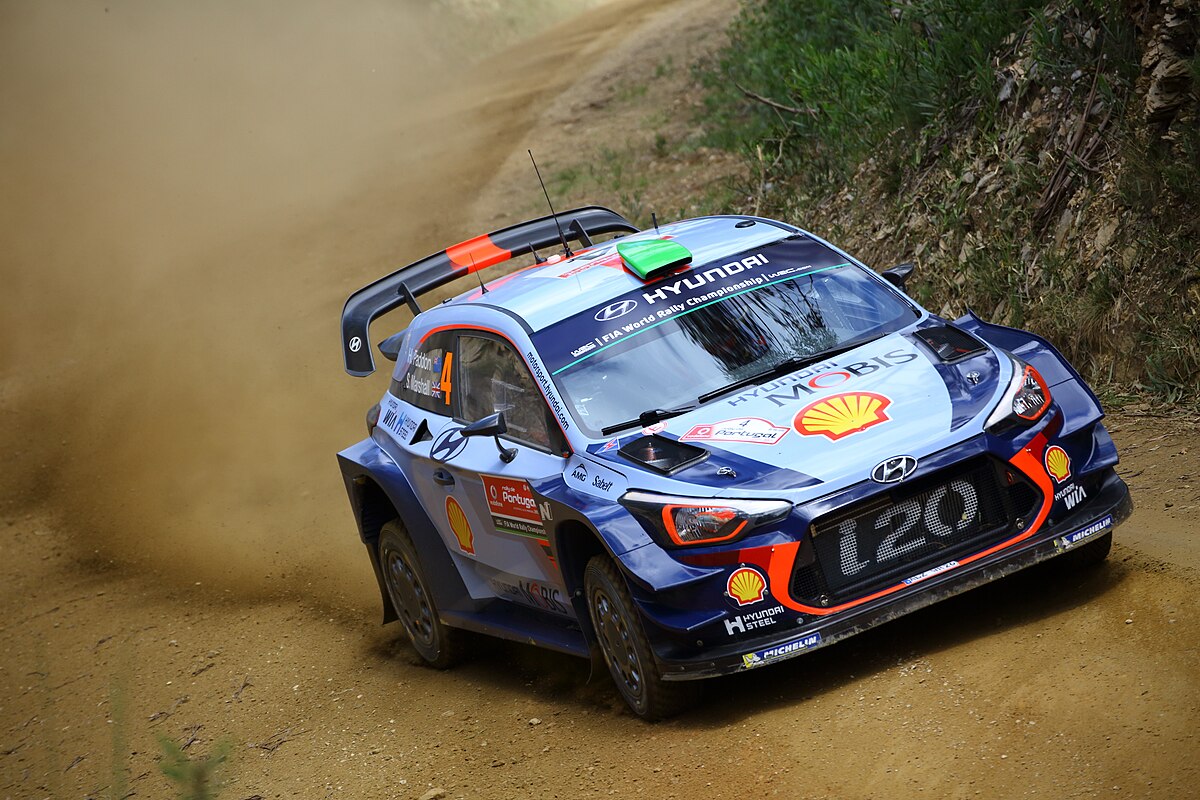
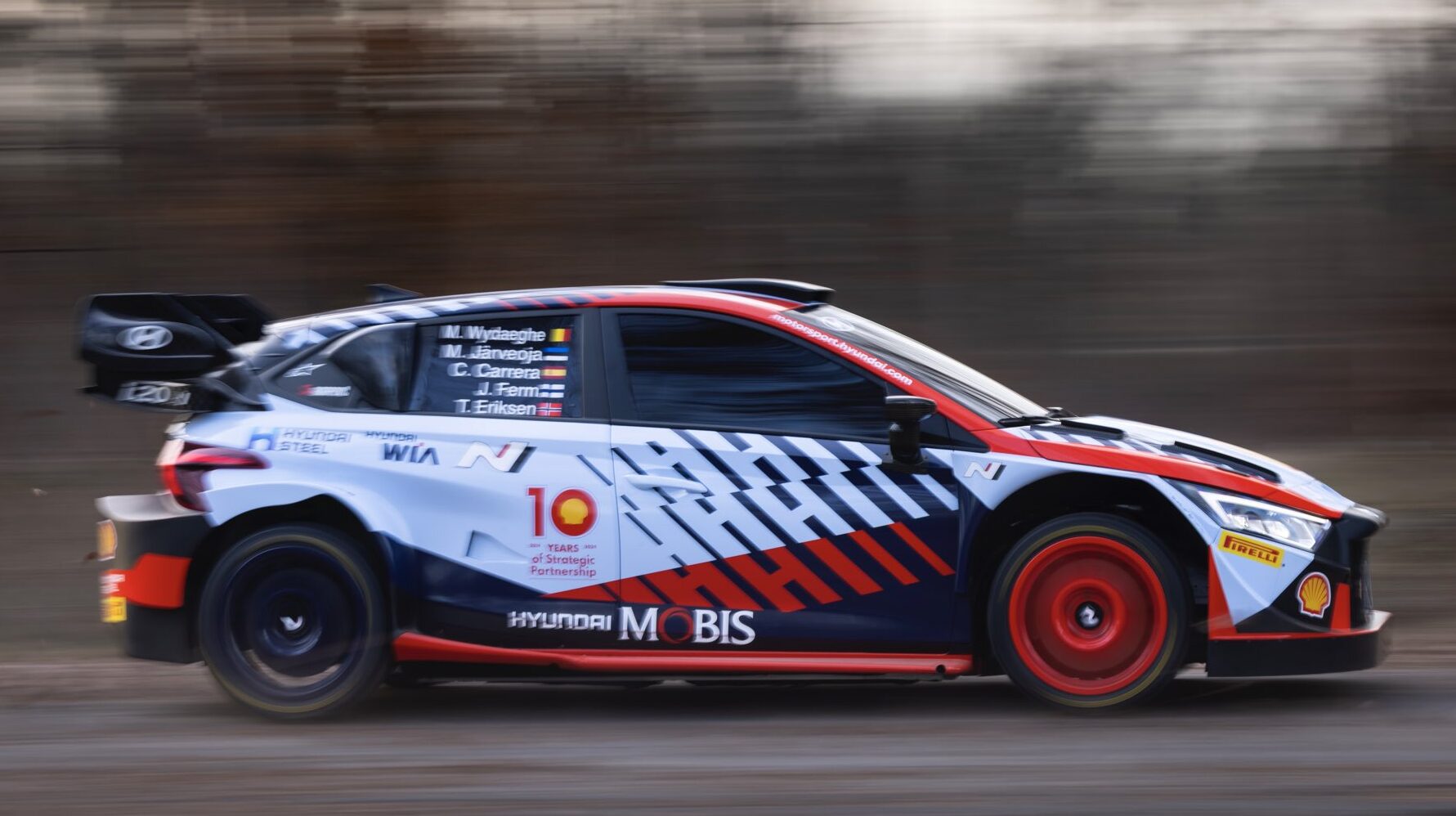
But the true technical wizardry was happening in Alzenau, Germany, at the headquarters of Hyundai Motorsport (HMSG). To turn the pedestrian i20 into a WRC contender, the rulebook was stretched to its breaking point. The 2017 i20 Coupe WRC remains the technical zenith of the model line. Freed by the relaxed FIA regulations that sought to bring back the spectacle of Group B, the i20 Coupe WRC was a carbon-fiber wide-bodied monster. Under the bonnet, the 1.6-litre T-GDI engine was force-fed by a 36mm turbo restrictor to produce 380 horsepower and, more importantly, 450 Nm of torque. This was channeled through an active center differential—a piece of electro-mechanical sorcery that allowed torque vectoring between the axles—turning the i20 from a front-wheel-drive commuter into a four-wheel-drive gravel shredder. The aerodynamics were equally aggressive, with a massive double-plane rear wing and front canards that generated legitimate downforce.
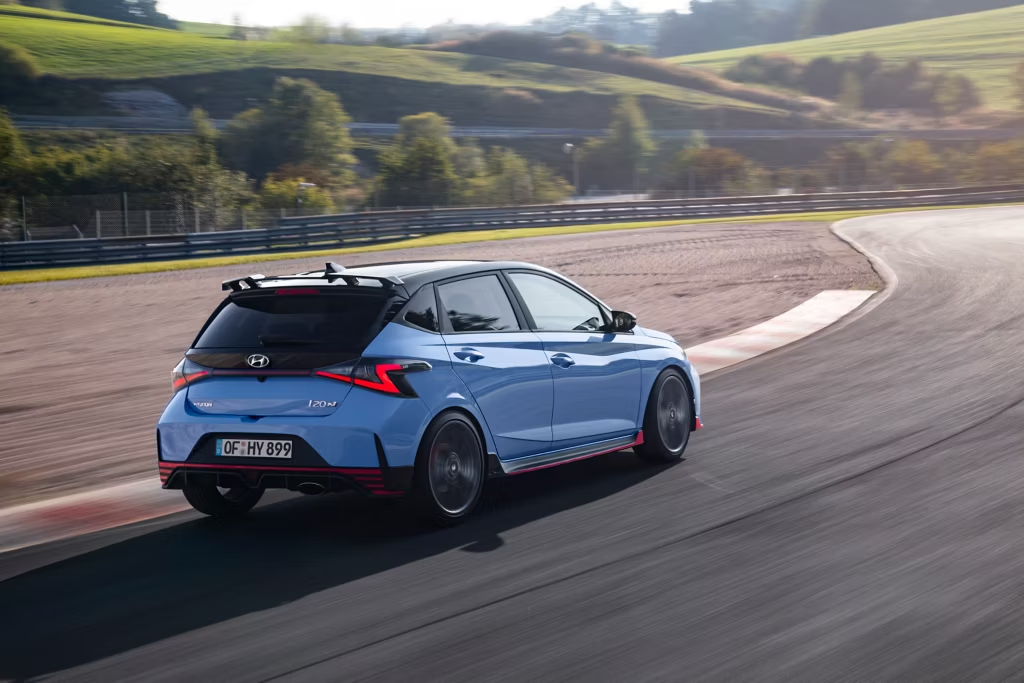
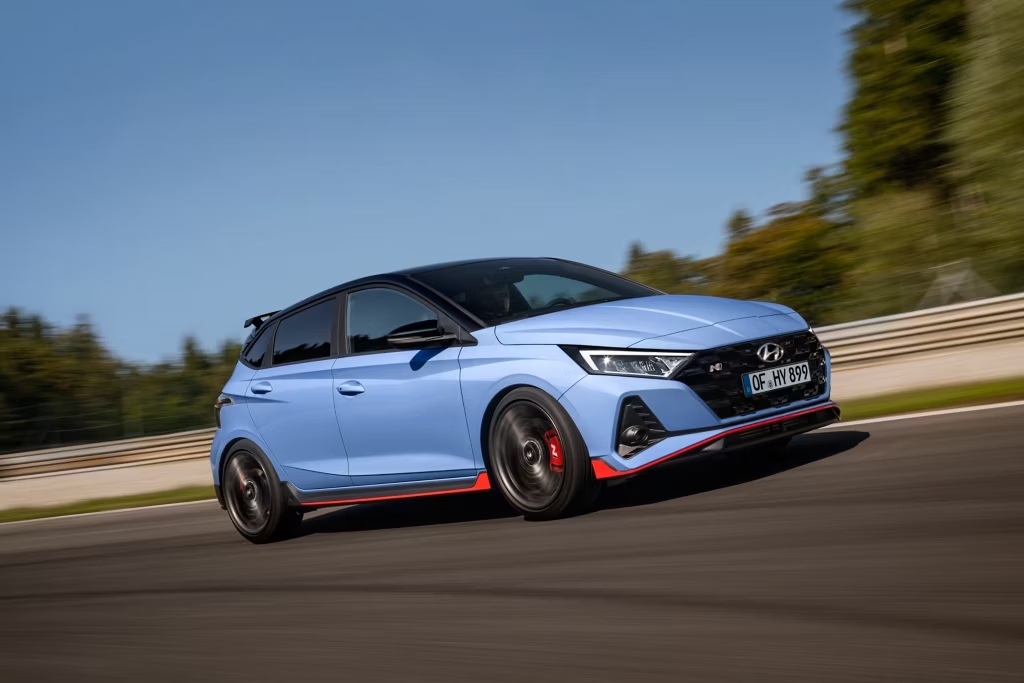
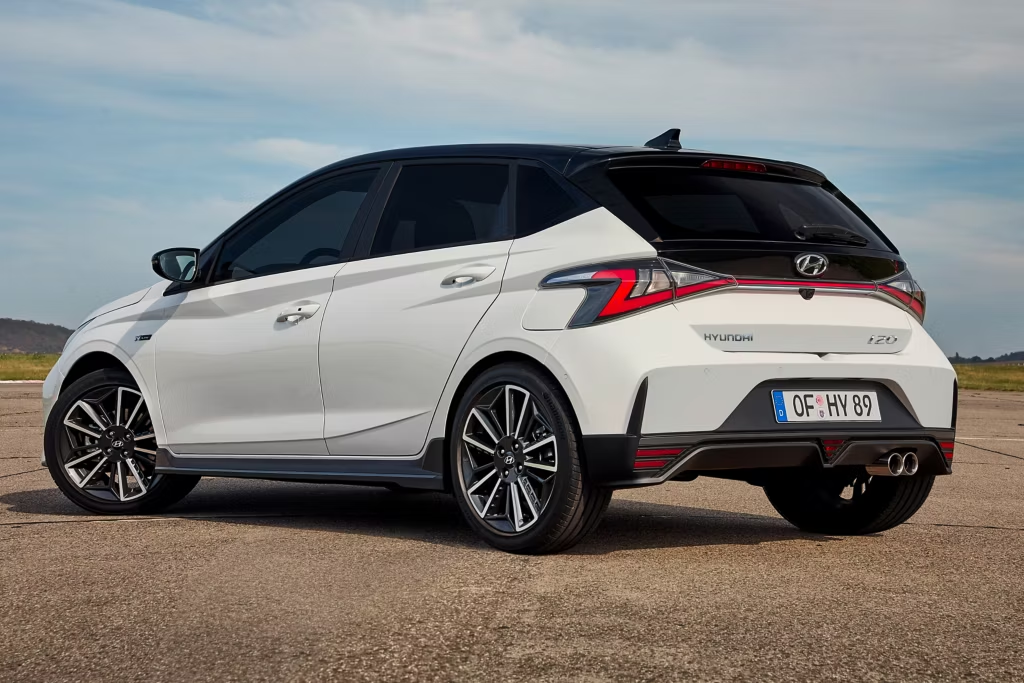
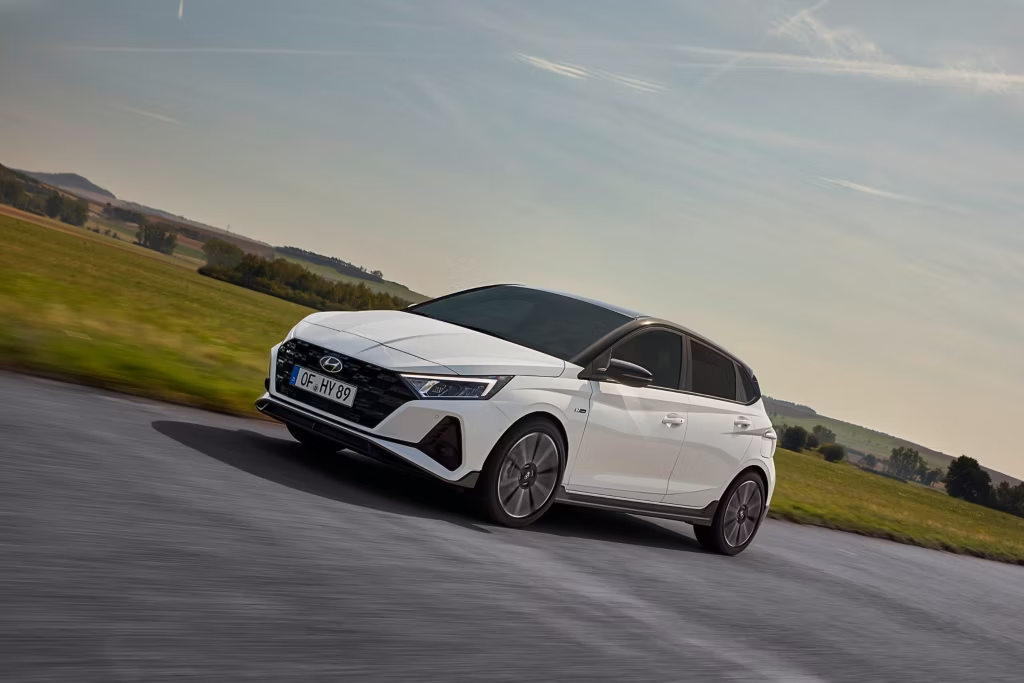
On the street, this racing DNA finally trickled down with the third generation (BC3) and the arrival of the i20 N in 2020. Developed under the watchful eye of Albert Biermann, the former head of BMW M, the i20 N was not just a branding exercise. It featured a bespoke chassis with reinforced mounting points, a mechanical limited-slip differential (m-LSD) that clawed at the tarmac with ferocity, and a 1.6-litre turbo engine producing 201 bhp. It featured rev-matching, launch control, and a valve-controlled exhaust that popped and banged like a rally car. In a world where the Fiesta ST was the undisputed king, the i20 N arrived as a serious challenger, offering a raw, mechanical engagement that felt like a throwback to the 1980s.
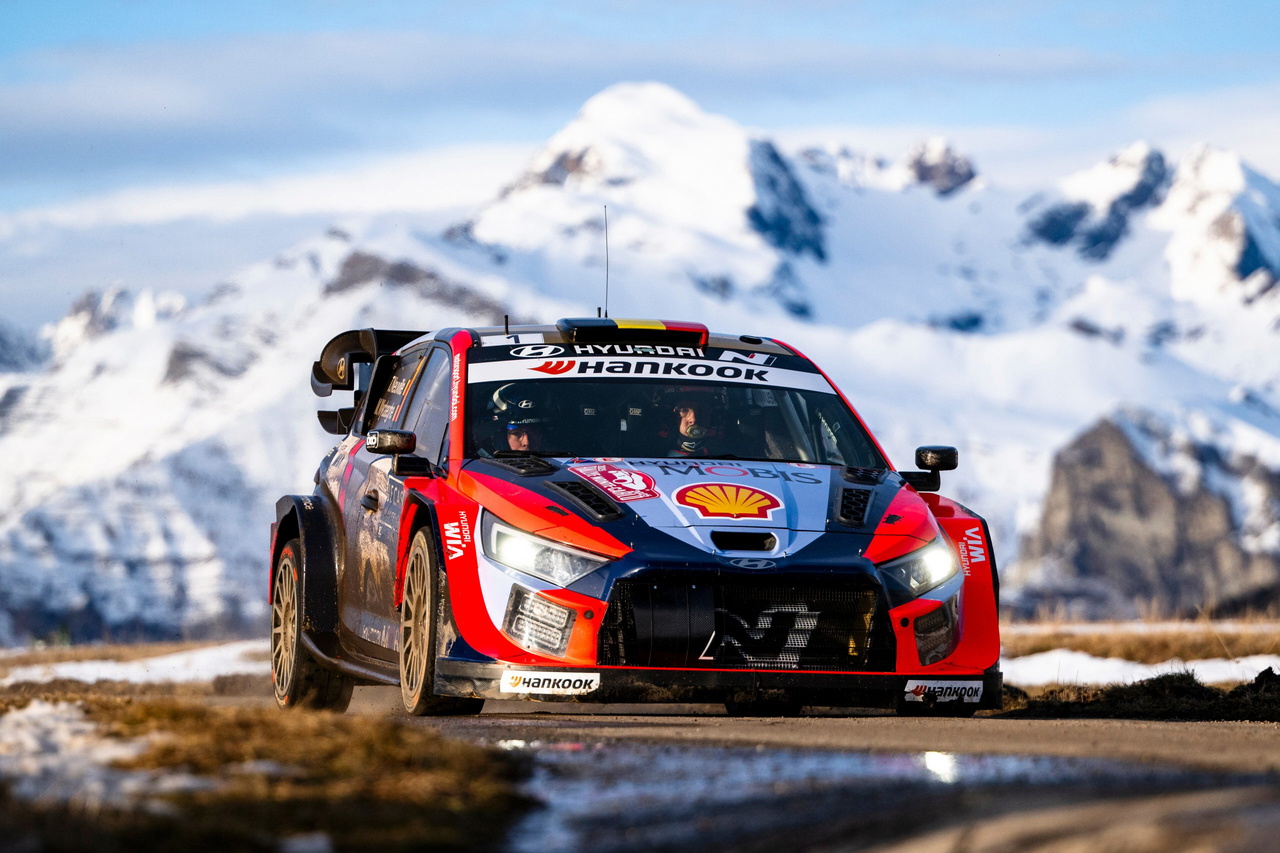
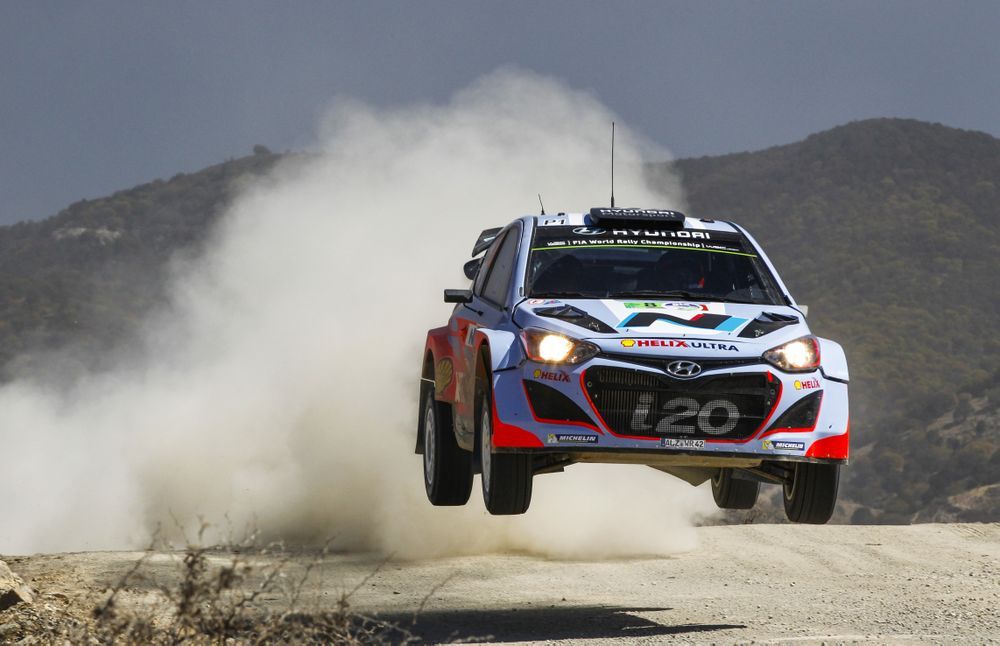
The impact of the i20 on motorsport is defined by persistence and eventual dominance. After a failed, abortive attempt at the WRC with the Accent in the early 2000s, Hyundai returned with the i20 WRC in 2014. The skepticism in the service park was palpable. Yet, in only their ninth rally, at Rally Germany 2014, Thierry Neuville led a historic 1-2 finish for the team. It was a shock victory that signaled Hyundai was not there to make up the numbers. The rivalry that developed between the Hyundai i20 and the Toyota Yaris WRC defined the late 2010s. While Toyota had the raw speed of Ott Tänak (who would later switch to Hyundai), the i20 proved to be the more consistent package across a season. This consistency delivered back-to-back Manufacturers’ World Rally Championships in 2019 and 2020. The image of the light blue and orange i20s flying over the jumps of Ouninpohja or sliding through the vineyards of the Mosel valley changed the brand’s perception forever. It was no longer the budget option; it was the championship option.
Beyond the top tier, the i20 R5 and later the i20 N Rally2 became the backbone of national and regional championships globally. These customer cars allowed privateers to buy a piece of Alzenau engineering, winning titles in the European Rally Championship (ERC) and national series from Spain to Paraguay. The car proved rugged and fast, a testament to the base chassis engineering. In the World Rallycross Championship (WRX), the i20 also saw action, with Marcus Grönholm’s GRX team fielding 600-horsepower monsters that could accelerate faster than a Formula 1 car on dirt.
Culturally, the success of the i20 WRC had a profound effect on the street. It gave legitimacy to the “N” performance sub-brand. Before the i20 WRC, a “sporty Hyundai” was an oxymoron; after it, the i20 N became a highly desirable object for petrolheads, winning Top Gear’s Speed Week and Evo magazine group tests. It proved that Hyundai understood the intangible “fizz” that makes a car fun to drive. The i20 transitioned from being a car you bought because it was cheap, to a car you bought because you wanted to drive it.
As we look at the legacy of the Hyundai i20, it stands as a pivotal model in the shift of the automotive balance of power from West to East. It conquered the most European of segments (the supermini) and the most European of motorsport disciplines (rallying). With the discontinuation of the Ford Fiesta in 2023, the i20 N stood briefly as one of the last guardians of the affordable hot hatch flame, a torchbearer for the philosophy that small, light, and manual cars are the purest way to enjoy driving. The i20’s place in the pantheon is secured not by its sales figures—though they are vast—but by its trophies. It is the car that proved Hyundai had soul. It transformed a company known for 5-year warranties into a company known for 5-minute stage times. From the humble 1.2-litre Getz replacement to the hybrid-powered Rally1 beast of today, the i20 is the little car that grew up, hit the gym, and beat the world.
Portal
Model line
Model generation
Predecessor
Sucessor
Brand
Produced from
Vehicle category
Portal
Model line
Model generation
Predecessor
Sucessor
About this model
To understand the trajectory of the Hyundai i20 is to witness one of the most remarkable metamorphoses in modern automotive history. It is a tale that begins in the beige, sensible corridors of budget motoring and ascends rapidly to the champagne-soaked podiums of the World Rally Championship. When the first-generation i20 (codenamed PB) replaced the utilitarian Getz in 2008, it was a vehicle of competence rather than character—a refrigerator on wheels designed to transport people from point A to point B with minimal fuss and maximum warranty coverage. It sat in a crowded segment dominated by the Ford Fiesta, the Volkswagen Polo, and the Renault Clio, cars that possessed decades of heritage and dynamic pedigree. The i20, by contrast, was an appliance. Yet, within a decade, this unassuming hatchback would become the weapon of choice for the world’s best drivers, a back-to-back WRC Manufacturers’ Champion, and the donor chassis for one of the most celebrated analog hot hatches of the dying internal combustion era. The i20 is the physical manifestation of Hyundai’s “Namyang to Nürburgring” philosophy, a model line that proved the South Korean giant could do more than just mimic the establishment; it could beat them into submission on the gravel of Sardinia and the tarmac of the Nordschleife.
The technical evolution of the i20 mirrors the maturing of the Korean automotive industry. The first generation (2008-2014) was penned at Hyundai’s European Design Centre in Rüsselsheim, Germany, a strategic move to tune the car to European tastes. It rode on a torsion beam rear axle and MacPherson strut front suspension—standard fare for the B-segment—and was powered by the ‘Kappa’ and ‘Gamma’ engine families. These were robust, efficient units, but they lacked sparkle. The chassis was safe, predictable, and entirely forgettable. However, the seeds of ambition were sown with the second generation (GB) in 2014. Utilizing the “Fluidic Sculpture 2.0” design language, the car stiffened up, grew in wheelbase, and gained a level of refinement that alarmed the executives at Volkswagen.
But the true technical wizardry was happening in Alzenau, Germany, at the headquarters of Hyundai Motorsport (HMSG). To turn the pedestrian i20 into a WRC contender, the rulebook was stretched to its breaking point. The 2017 i20 Coupe WRC remains the technical zenith of the model line. Freed by the relaxed FIA regulations that sought to bring back the spectacle of Group B, the i20 Coupe WRC was a carbon-fiber wide-bodied monster. Under the bonnet, the 1.6-litre T-GDI engine was force-fed by a 36mm turbo restrictor to produce 380 horsepower and, more importantly, 450 Nm of torque. This was channeled through an active center differential—a piece of electro-mechanical sorcery that allowed torque vectoring between the axles—turning the i20 from a front-wheel-drive commuter into a four-wheel-drive gravel shredder. The aerodynamics were equally aggressive, with a massive double-plane rear wing and front canards that generated legitimate downforce.
On the street, this racing DNA finally trickled down with the third generation (BC3) and the arrival of the i20 N in 2020. Developed under the watchful eye of Albert Biermann, the former head of BMW M, the i20 N was not just a branding exercise. It featured a bespoke chassis with reinforced mounting points, a mechanical limited-slip differential (m-LSD) that clawed at the tarmac with ferocity, and a 1.6-litre turbo engine producing 201 bhp. It featured rev-matching, launch control, and a valve-controlled exhaust that popped and banged like a rally car. In a world where the Fiesta ST was the undisputed king, the i20 N arrived as a serious challenger, offering a raw, mechanical engagement that felt like a throwback to the 1980s.
The impact of the i20 on motorsport is defined by persistence and eventual dominance. After a failed, abortive attempt at the WRC with the Accent in the early 2000s, Hyundai returned with the i20 WRC in 2014. The skepticism in the service park was palpable. Yet, in only their ninth rally, at Rally Germany 2014, Thierry Neuville led a historic 1-2 finish for the team. It was a shock victory that signaled Hyundai was not there to make up the numbers. The rivalry that developed between the Hyundai i20 and the Toyota Yaris WRC defined the late 2010s. While Toyota had the raw speed of Ott Tänak (who would later switch to Hyundai), the i20 proved to be the more consistent package across a season. This consistency delivered back-to-back Manufacturers’ World Rally Championships in 2019 and 2020. The image of the light blue and orange i20s flying over the jumps of Ouninpohja or sliding through the vineyards of the Mosel valley changed the brand’s perception forever. It was no longer the budget option; it was the championship option.
Beyond the top tier, the i20 R5 and later the i20 N Rally2 became the backbone of national and regional championships globally. These customer cars allowed privateers to buy a piece of Alzenau engineering, winning titles in the European Rally Championship (ERC) and national series from Spain to Paraguay. The car proved rugged and fast, a testament to the base chassis engineering. In the World Rallycross Championship (WRX), the i20 also saw action, with Marcus Grönholm’s GRX team fielding 600-horsepower monsters that could accelerate faster than a Formula 1 car on dirt.
Culturally, the success of the i20 WRC had a profound effect on the street. It gave legitimacy to the “N” performance sub-brand. Before the i20 WRC, a “sporty Hyundai” was an oxymoron; after it, the i20 N became a highly desirable object for petrolheads, winning Top Gear’s Speed Week and Evo magazine group tests. It proved that Hyundai understood the intangible “fizz” that makes a car fun to drive. The i20 transitioned from being a car you bought because it was cheap, to a car you bought because you wanted to drive it.
As we look at the legacy of the Hyundai i20, it stands as a pivotal model in the shift of the automotive balance of power from West to East. It conquered the most European of segments (the supermini) and the most European of motorsport disciplines (rallying). With the discontinuation of the Ford Fiesta in 2023, the i20 N stood briefly as one of the last guardians of the affordable hot hatch flame, a torchbearer for the philosophy that small, light, and manual cars are the purest way to enjoy driving. The i20’s place in the pantheon is secured not by its sales figures—though they are vast—but by its trophies. It is the car that proved Hyundai had soul. It transformed a company known for 5-year warranties into a company known for 5-minute stage times. From the humble 1.2-litre Getz replacement to the hybrid-powered Rally1 beast of today, the i20 is the little car that grew up, hit the gym, and beat the world.
Generations
Generations of this model
Generations
Generations of this model
Submodels
Discover all the variants of this model
Submodels
Discover all the variants of this model
Vehicles
Legendary Vehicles
Vehicles