Lola B98/10

Brand
Produced from
Vehicle category
Portal
Model line
Model generation
Predecessor
Sucessor
About this model
The year 1998 was a crucible for sports car racing, a moment of tectonic shifting where the old guard of Group C survivors finally gave way to a new breed of purpose-built open-cockpit warriors. In the corridors of Huntingdon, England, the atmosphere was thick with tension and the smell of fresh carbon fiber. Lola Cars, the storied manufacturer founded by Eric Broadley, had just weathered the catastrophic financial storm of the abortive Mastercard Lola Formula 1 project. Under the fresh ownership of Martin Birrane, the company needed a savior, a machine that could re-establish the brand’s dominance in the customer prototype market. The answer was the Lola B98/10. This was not merely a racing car; it was a declaration of survival, a mercenary vessel designed to carry any engine, run on any tire, and allow privateer teams to hunt down the factory giants from Munich, Ingolstadt, and Maranello. It arrived at a time when the Ferrari 333 SP was the aging king and the Riley & Scott Mk III was the domestic brute; the B98/10 was the sharp, aerodynamic scalpel intended to sever their reign.
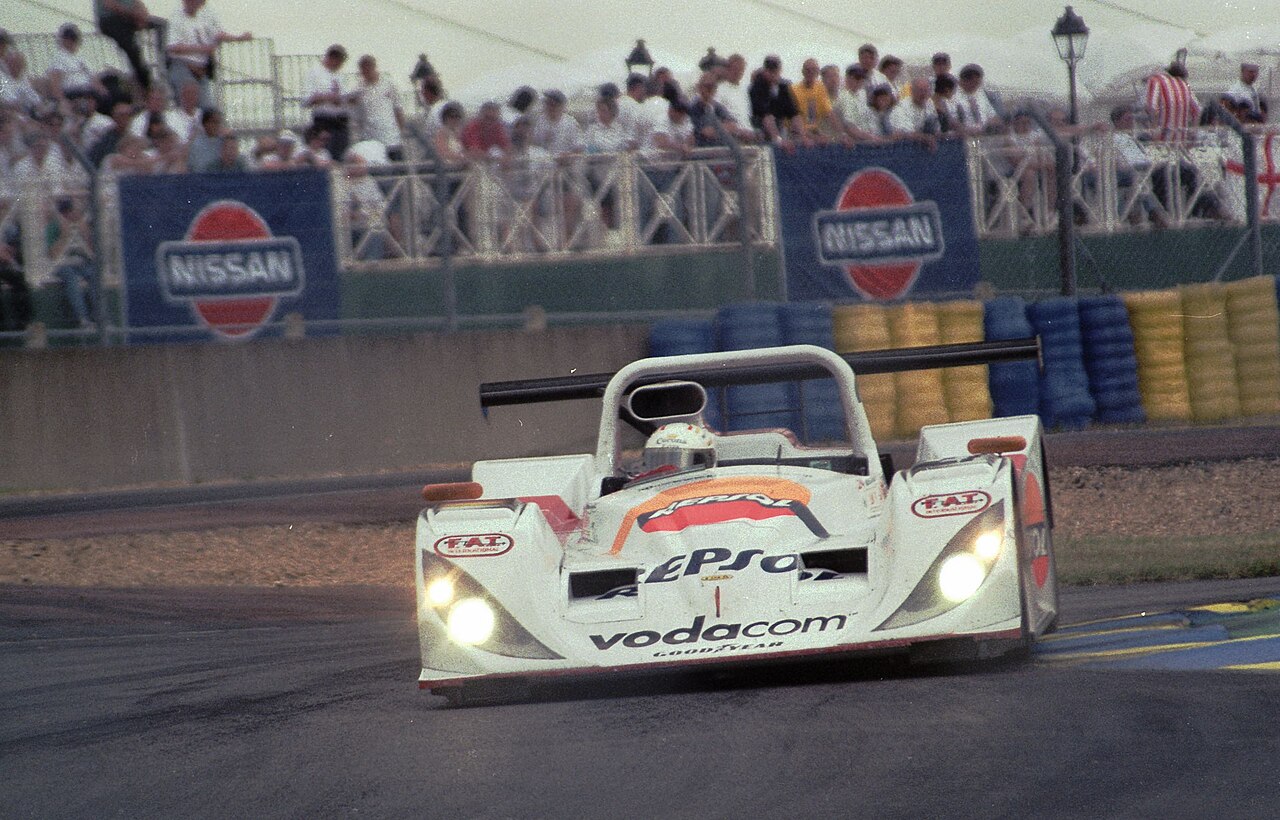
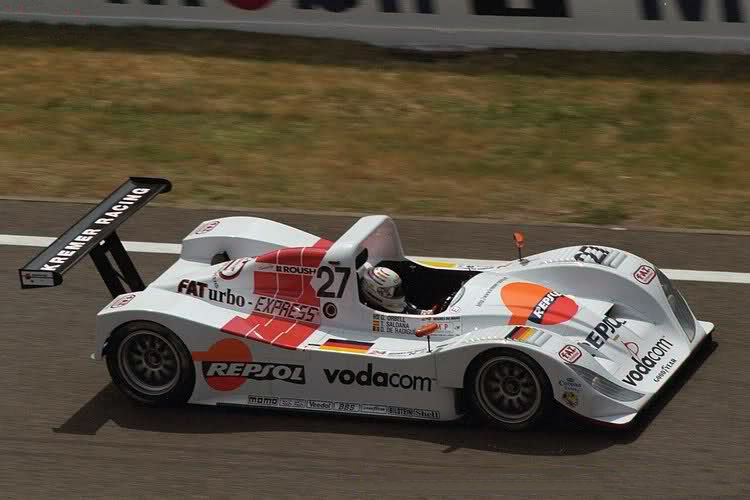
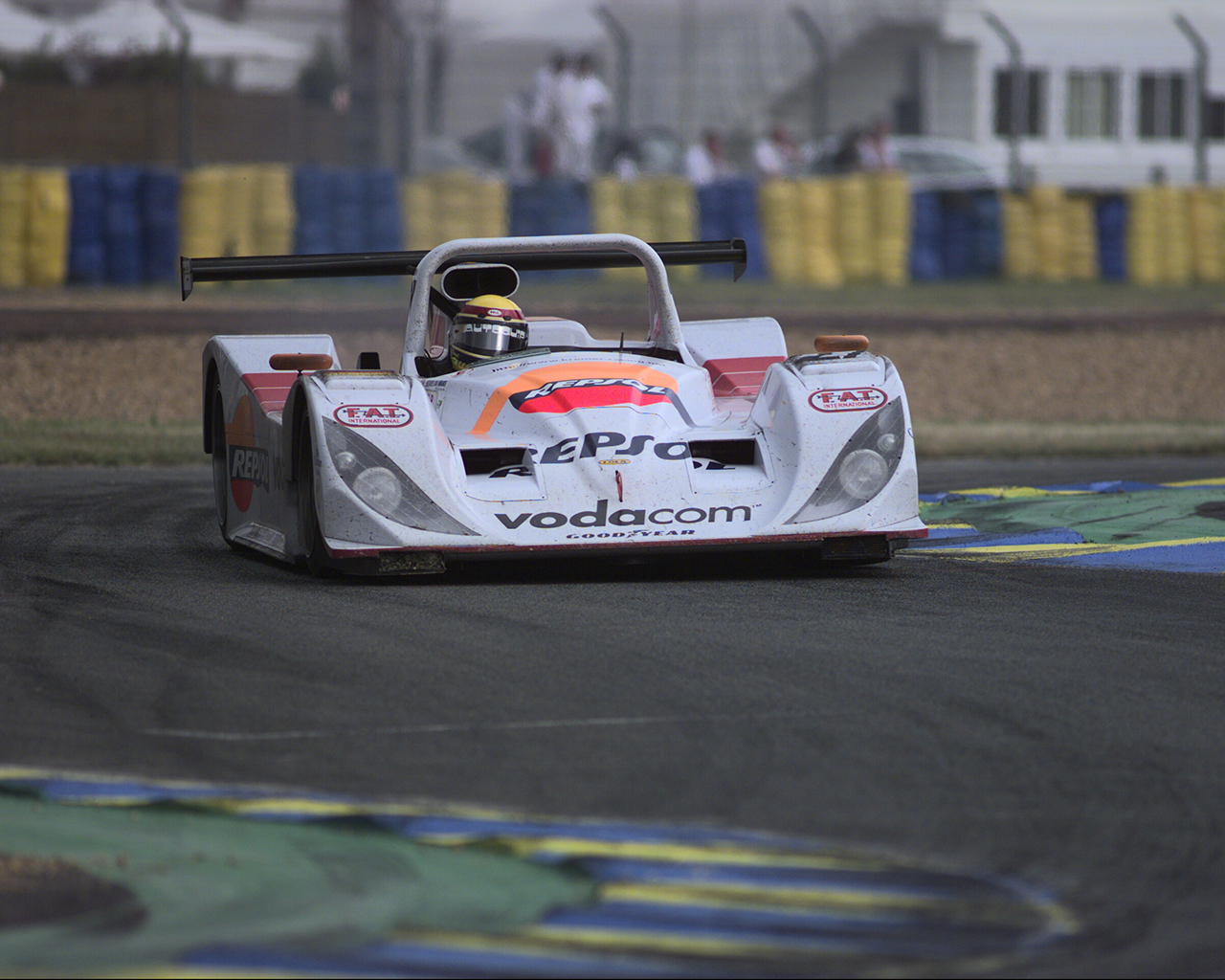
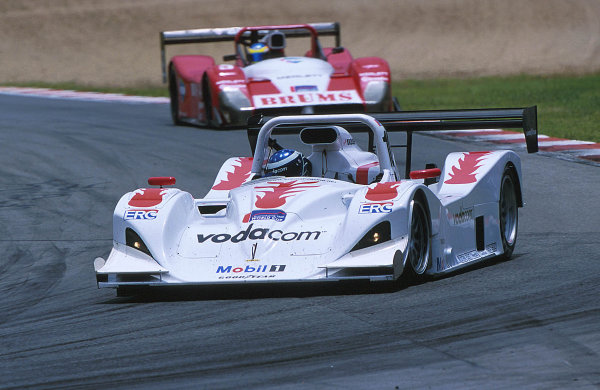
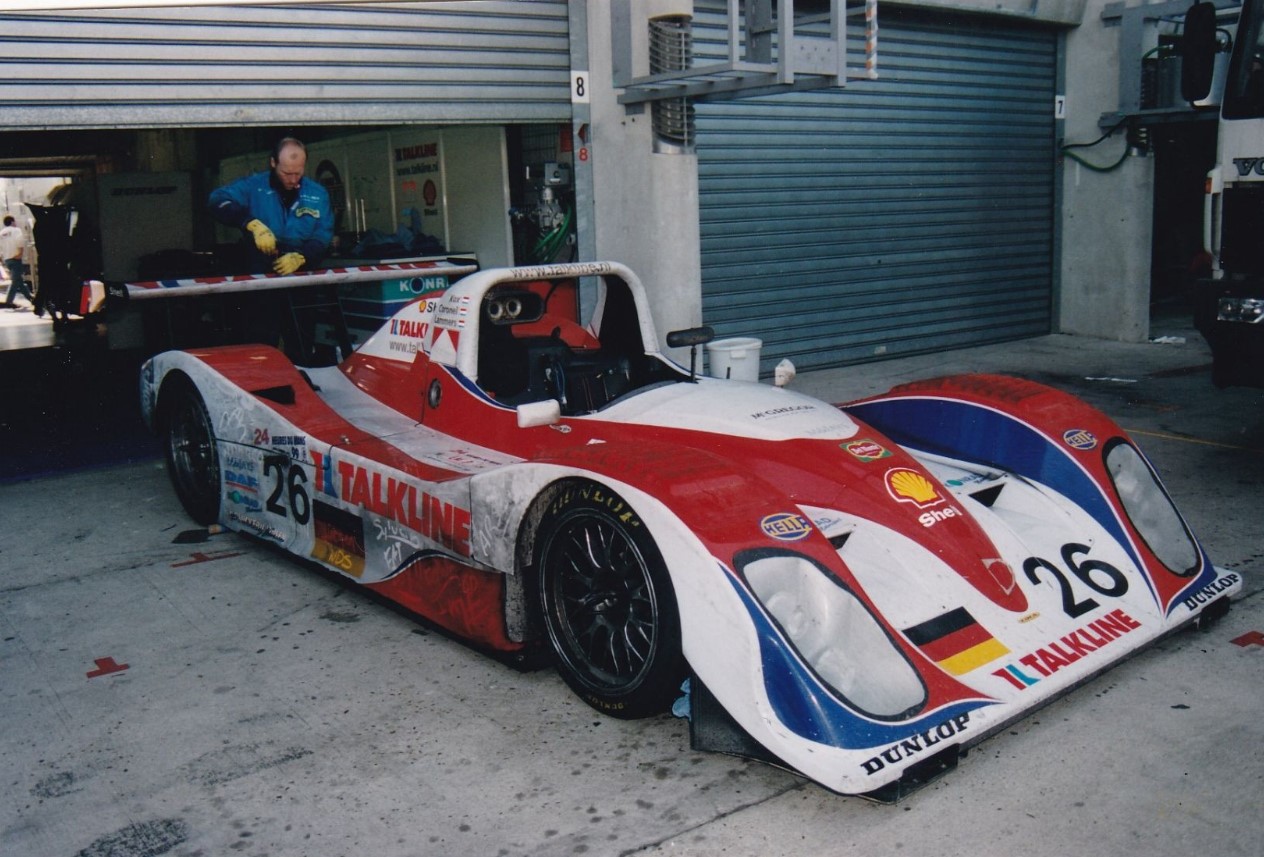
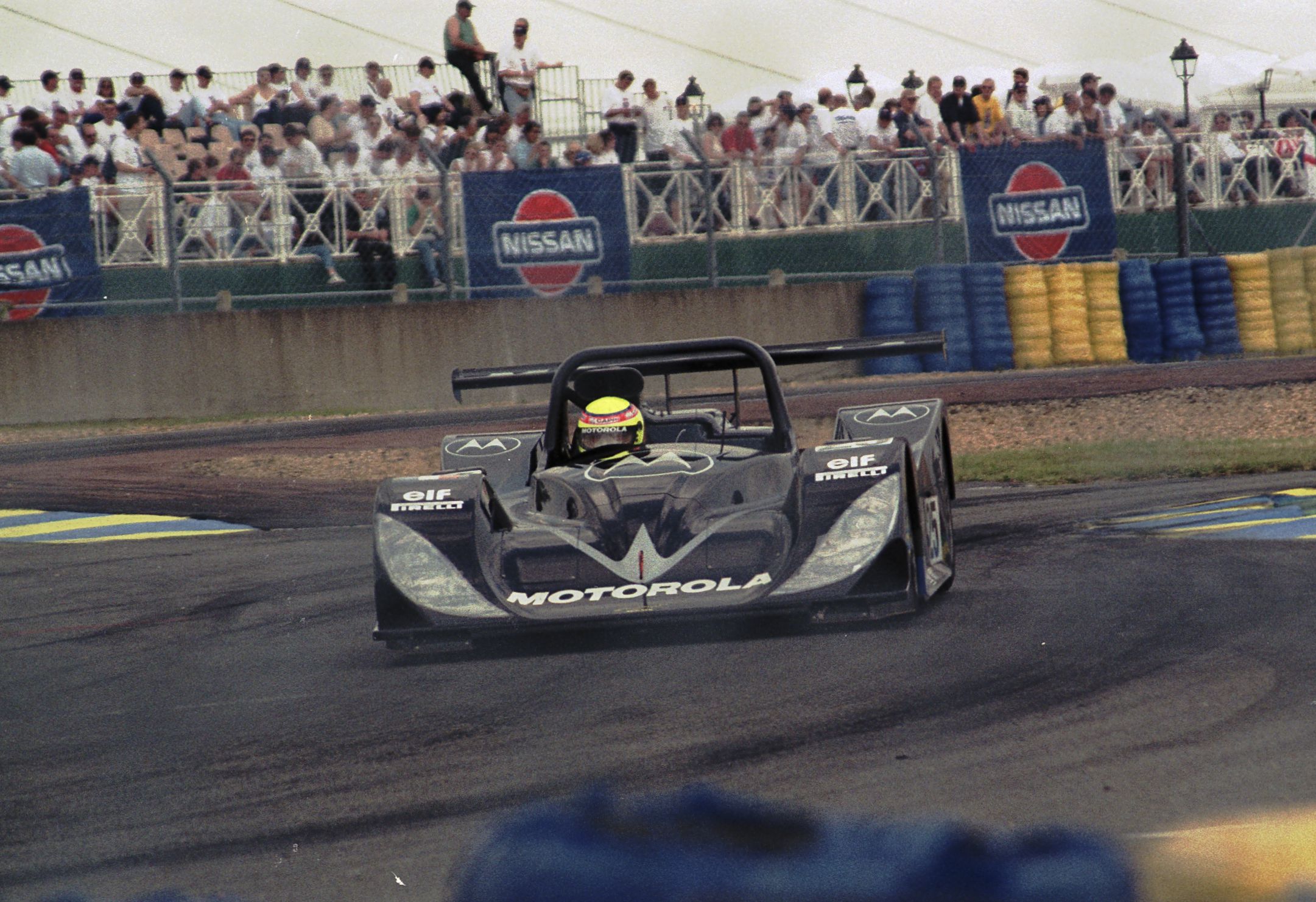
Technically, the B98/10 was a masterclass in aerodynamic packaging and structural versatility, a testament to the design team led by Peter Spence. Unlike its closed-cockpit predecessors like the T92/10, the B98/10 was a World Sports Car (WSC) and SR1-compliant open spyder. The chassis was a carbon fiber and aluminium honeycomb monocoque, constructed to Formula 1 safety standards, offering immense rigidity—a critical factor given the g-forces generated by modern aerodynamics. The visual signature of the car was its front end; the nose was low and shovel-like, dominated by a central, cyclops-style headlight cluster (though often run with dual lights) and sweeping fenders that channeled air aggressively over the sidepods. The roll hoop was integrated into the intake structure, giving the car a hunched, predatory stance.
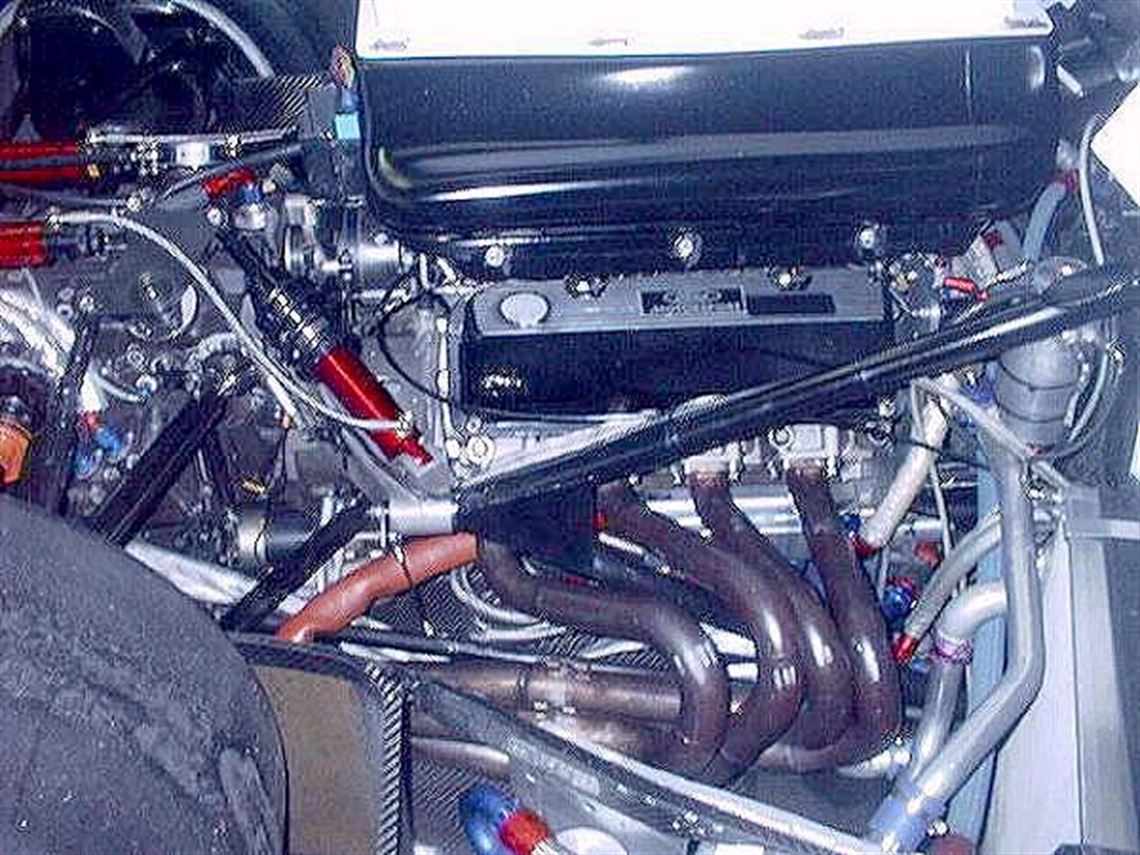
However, the true brilliance of the B98/10 lay in its engine bay. Lola understood that a customer car could not be wedded to a single powerplant. Consequently, the rear subframe and transmission mounting points were designed with a modular philosophy. The primary weapon of choice for the European teams, such as DAMS, was the Judd GV4—a screaming 4.0-litre V10 derived from Formula 1 architecture. This engine was a jewel, producing around 600 bhp at stratospheric revs, giving the B98/10 a frantic, high-pitched sonic signature. Conversely, across the Atlantic, the legendary Dyson Racing team opted for American muscle: the 6.0-litre Ford-Roush pushrod V8. This iron-block lump was heavier and archaic compared to the Judd, but it offered a tidal wave of torque and bulletproof reliability, perfect for the bumpy, stop-start nature of North American circuits. A Hewland six-speed sequential gearbox handled the power, regardless of its source, though the mating of high-torque V8s to lightweight transmissions would prove to be the car’s occasional Achilles’ heel. The suspension utilized double wishbones with pushrod-actuated dampers, a setup that prioritized mechanical grip, allowing the car to be compliant enough for endurance stints while stiff enough to exploit its high-downforce floor.
The competitive history of the Lola B98/10 is a saga of blistering speed and heartbreaking fragility, a narrative of “David vs. Goliath” battles fought on two continents. In the United States, the car found its greatest champion in Rob Dyson. Dyson Racing, having switched from the Riley & Scott, used the B98/10 to wage war in the inaugural seasons of the American Le Mans Series (ALMS) and the United States Road Racing Championship (USRRC). In 1999, the B98/10 was the sharp end of the grid. Butch Leitzinger and Elliott Forbes-Robinson piloted the car to the USRRC Drivers’ and Teams’ championships, proving that the British chassis combined with American horsepower was a winning formula. They regularly harassed the factory BMW V12 LMRs and the Panoz roadsters, often beating them on pace if not always on duration.
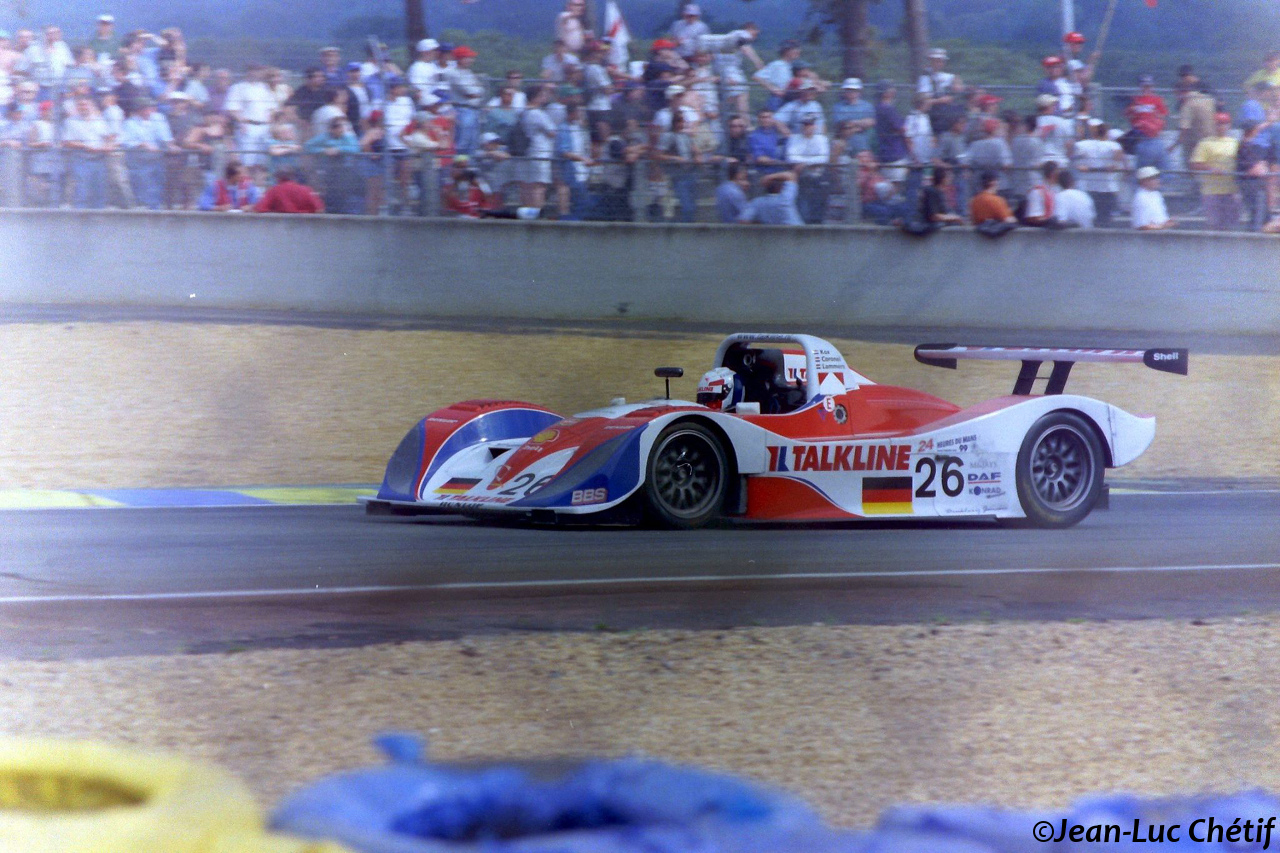
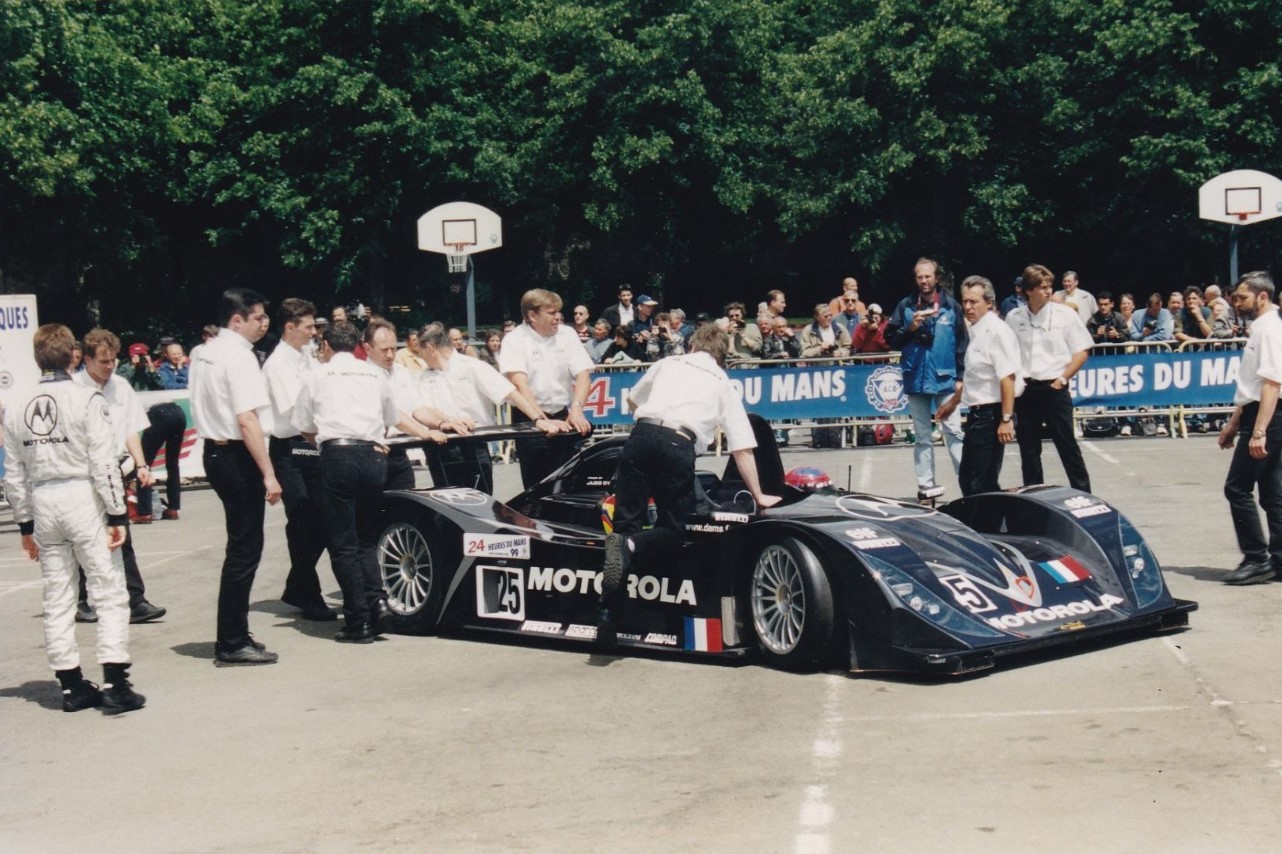
In Europe, the story was one of potential unfulfilled. In the International Sports Racing Series (ISRS), teams like Rafanelli and DAMS showed that the B98/10 was often the fastest car on the track. The 1999 24 Hours of Le Mans stands as the definitive snapshot of the B98/10’s character. It was the “Race of the Century,” featuring factory efforts from Toyota, Mercedes, BMW, Audi, and Nissan. Amidst this billion-dollar war, the privateer Lolas qualified respectably, with the Team Rafanelli entry (powered by a Judd V10) showing incredible speed in the hands of Erik van de Poele. However, the grueling nature of Le Mans exposed the fragility of a customer car pushed to factory speeds; gearbox gremlins and mechanical failures decimated the Lola contingent. Yet, the very fact that a customer chassis could split the factory prototypes on the timing screens was a moral victory that resonated through the paddock.
The most fascinating aspect of the B98/10’s history is arguably its role in the “Intersport” campaigns. Jon Field, the banana-importing privateer, used a B98/10 to terrorize the ALMS grid for years. Long after the car should have been obsolete, Field would frequently qualify the car on the front row, using the sheer grunt of the Judd V10 and the lightweight chassis to embarrass the factory Audi R8s in the opening laps of sprint races. It earned a reputation as a “rabbit”—a car that would sprint away, lead the race, and then spectacularly explode or break down, providing immense entertainment and proving the fundamental speed of the design.
The legacy of the 1998 Lola B98/10 extends far beyond its trophy cabinet. It was the machine that saved Lola. It proved to the world that the company, despite its F1 failure, was still the premier constructor of customer racing cars. It laid the architectural groundwork for the B2K/10 that followed, and the iconic MG-Lola EX257 which would later revolutionize the LMP675 (LMP2) class. The B98/10 bridged the gap between the chaotic, diverse grid of the late 90s and the standardized, Audi-dominated era of the 2000s. It was the last of the true “mercenary” prototypes, a car that didn’t care if it had a Ford, a Judd, or a turbo engine in the back, as long as it was being driven flat-out. In the pantheon of motorsport, it sits as the patron saint of the privateer, a reminder of a time when a well-funded garage team could buy a chassis off the shelf and go wheel-to-wheel with a major manufacturer. It was flawed, fragile, and often frustrating, but it was undeniably, spectacularly fast.
Portal
Model line
Model generation
Predecessor
Sucessor
Brand
Produced from
Vehicle category
Portal
Model line
Model generation
Predecessor
Sucessor
About this model
The year 1998 was a crucible for sports car racing, a moment of tectonic shifting where the old guard of Group C survivors finally gave way to a new breed of purpose-built open-cockpit warriors. In the corridors of Huntingdon, England, the atmosphere was thick with tension and the smell of fresh carbon fiber. Lola Cars, the storied manufacturer founded by Eric Broadley, had just weathered the catastrophic financial storm of the abortive Mastercard Lola Formula 1 project. Under the fresh ownership of Martin Birrane, the company needed a savior, a machine that could re-establish the brand’s dominance in the customer prototype market. The answer was the Lola B98/10. This was not merely a racing car; it was a declaration of survival, a mercenary vessel designed to carry any engine, run on any tire, and allow privateer teams to hunt down the factory giants from Munich, Ingolstadt, and Maranello. It arrived at a time when the Ferrari 333 SP was the aging king and the Riley & Scott Mk III was the domestic brute; the B98/10 was the sharp, aerodynamic scalpel intended to sever their reign.
Technically, the B98/10 was a masterclass in aerodynamic packaging and structural versatility, a testament to the design team led by Peter Spence. Unlike its closed-cockpit predecessors like the T92/10, the B98/10 was a World Sports Car (WSC) and SR1-compliant open spyder. The chassis was a carbon fiber and aluminium honeycomb monocoque, constructed to Formula 1 safety standards, offering immense rigidity—a critical factor given the g-forces generated by modern aerodynamics. The visual signature of the car was its front end; the nose was low and shovel-like, dominated by a central, cyclops-style headlight cluster (though often run with dual lights) and sweeping fenders that channeled air aggressively over the sidepods. The roll hoop was integrated into the intake structure, giving the car a hunched, predatory stance.
However, the true brilliance of the B98/10 lay in its engine bay. Lola understood that a customer car could not be wedded to a single powerplant. Consequently, the rear subframe and transmission mounting points were designed with a modular philosophy. The primary weapon of choice for the European teams, such as DAMS, was the Judd GV4—a screaming 4.0-litre V10 derived from Formula 1 architecture. This engine was a jewel, producing around 600 bhp at stratospheric revs, giving the B98/10 a frantic, high-pitched sonic signature. Conversely, across the Atlantic, the legendary Dyson Racing team opted for American muscle: the 6.0-litre Ford-Roush pushrod V8. This iron-block lump was heavier and archaic compared to the Judd, but it offered a tidal wave of torque and bulletproof reliability, perfect for the bumpy, stop-start nature of North American circuits. A Hewland six-speed sequential gearbox handled the power, regardless of its source, though the mating of high-torque V8s to lightweight transmissions would prove to be the car’s occasional Achilles’ heel. The suspension utilized double wishbones with pushrod-actuated dampers, a setup that prioritized mechanical grip, allowing the car to be compliant enough for endurance stints while stiff enough to exploit its high-downforce floor.
The competitive history of the Lola B98/10 is a saga of blistering speed and heartbreaking fragility, a narrative of “David vs. Goliath” battles fought on two continents. In the United States, the car found its greatest champion in Rob Dyson. Dyson Racing, having switched from the Riley & Scott, used the B98/10 to wage war in the inaugural seasons of the American Le Mans Series (ALMS) and the United States Road Racing Championship (USRRC). In 1999, the B98/10 was the sharp end of the grid. Butch Leitzinger and Elliott Forbes-Robinson piloted the car to the USRRC Drivers’ and Teams’ championships, proving that the British chassis combined with American horsepower was a winning formula. They regularly harassed the factory BMW V12 LMRs and the Panoz roadsters, often beating them on pace if not always on duration.
In Europe, the story was one of potential unfulfilled. In the International Sports Racing Series (ISRS), teams like Rafanelli and DAMS showed that the B98/10 was often the fastest car on the track. The 1999 24 Hours of Le Mans stands as the definitive snapshot of the B98/10’s character. It was the “Race of the Century,” featuring factory efforts from Toyota, Mercedes, BMW, Audi, and Nissan. Amidst this billion-dollar war, the privateer Lolas qualified respectably, with the Team Rafanelli entry (powered by a Judd V10) showing incredible speed in the hands of Erik van de Poele. However, the grueling nature of Le Mans exposed the fragility of a customer car pushed to factory speeds; gearbox gremlins and mechanical failures decimated the Lola contingent. Yet, the very fact that a customer chassis could split the factory prototypes on the timing screens was a moral victory that resonated through the paddock.
The most fascinating aspect of the B98/10’s history is arguably its role in the “Intersport” campaigns. Jon Field, the banana-importing privateer, used a B98/10 to terrorize the ALMS grid for years. Long after the car should have been obsolete, Field would frequently qualify the car on the front row, using the sheer grunt of the Judd V10 and the lightweight chassis to embarrass the factory Audi R8s in the opening laps of sprint races. It earned a reputation as a “rabbit”—a car that would sprint away, lead the race, and then spectacularly explode or break down, providing immense entertainment and proving the fundamental speed of the design.
The legacy of the 1998 Lola B98/10 extends far beyond its trophy cabinet. It was the machine that saved Lola. It proved to the world that the company, despite its F1 failure, was still the premier constructor of customer racing cars. It laid the architectural groundwork for the B2K/10 that followed, and the iconic MG-Lola EX257 which would later revolutionize the LMP675 (LMP2) class. The B98/10 bridged the gap between the chaotic, diverse grid of the late 90s and the standardized, Audi-dominated era of the 2000s. It was the last of the true “mercenary” prototypes, a car that didn’t care if it had a Ford, a Judd, or a turbo engine in the back, as long as it was being driven flat-out. In the pantheon of motorsport, it sits as the patron saint of the privateer, a reminder of a time when a well-funded garage team could buy a chassis off the shelf and go wheel-to-wheel with a major manufacturer. It was flawed, fragile, and often frustrating, but it was undeniably, spectacularly fast.
Generations
Generations of this model
Generations
Generations of this model
Submodels
Discover all the variants of this model
Submodels
Discover all the variants of this model
Vehicles
Legendary Vehicles
Vehicles