Lola T292
Brand
Produced from
Vehicle category
Portal
Model line
Model generation
Predecessor
Sucessor
About this model
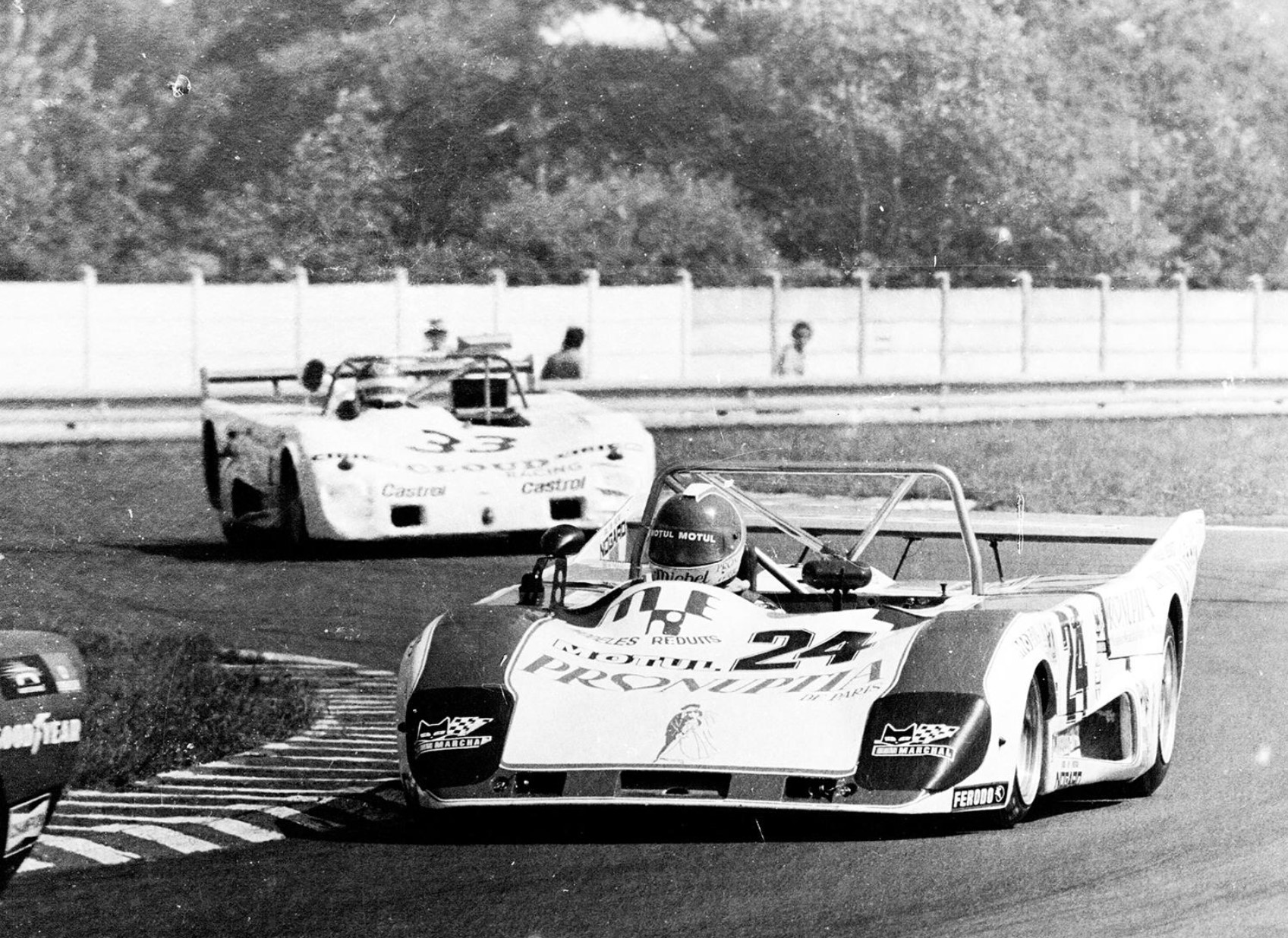
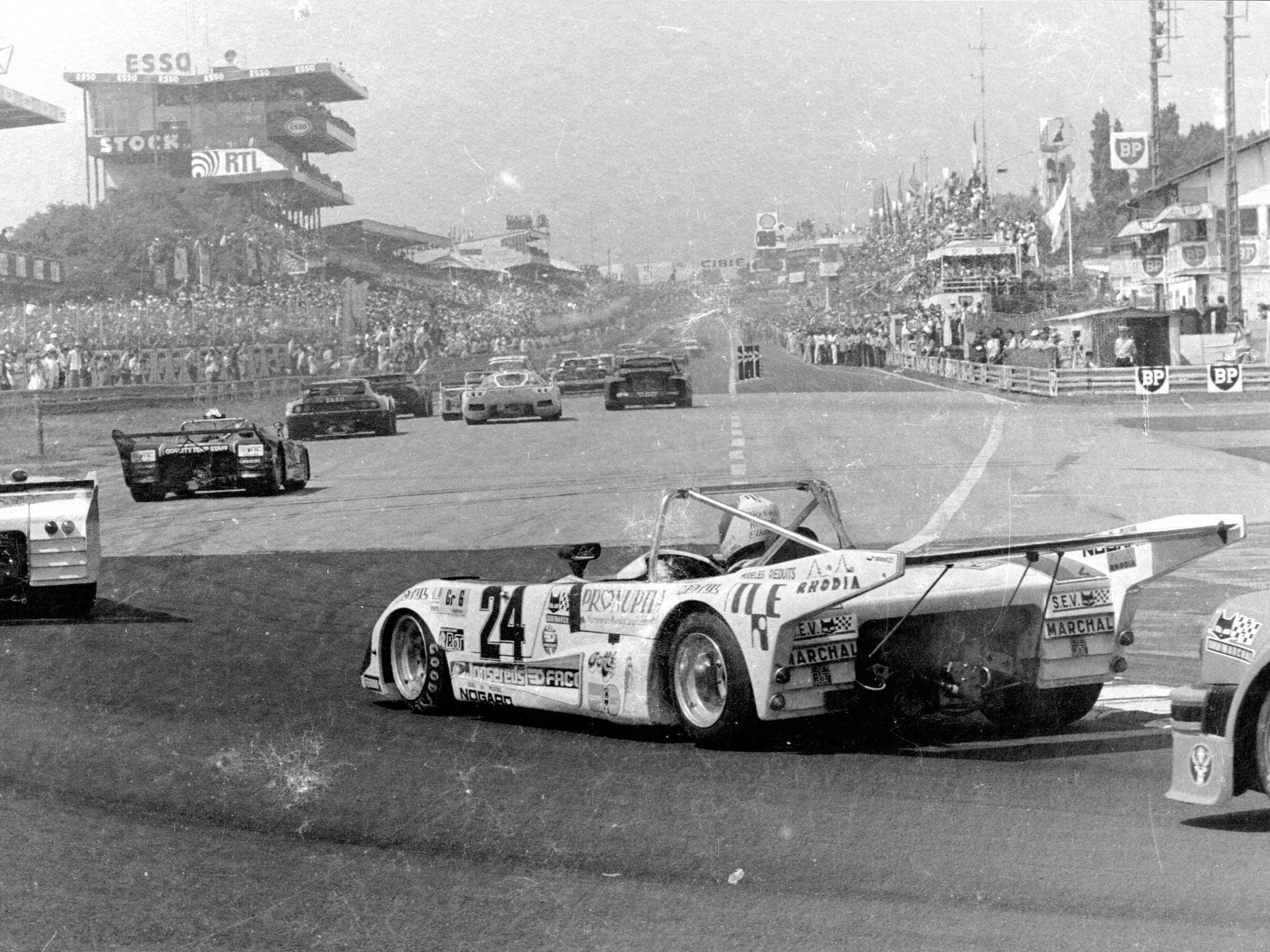
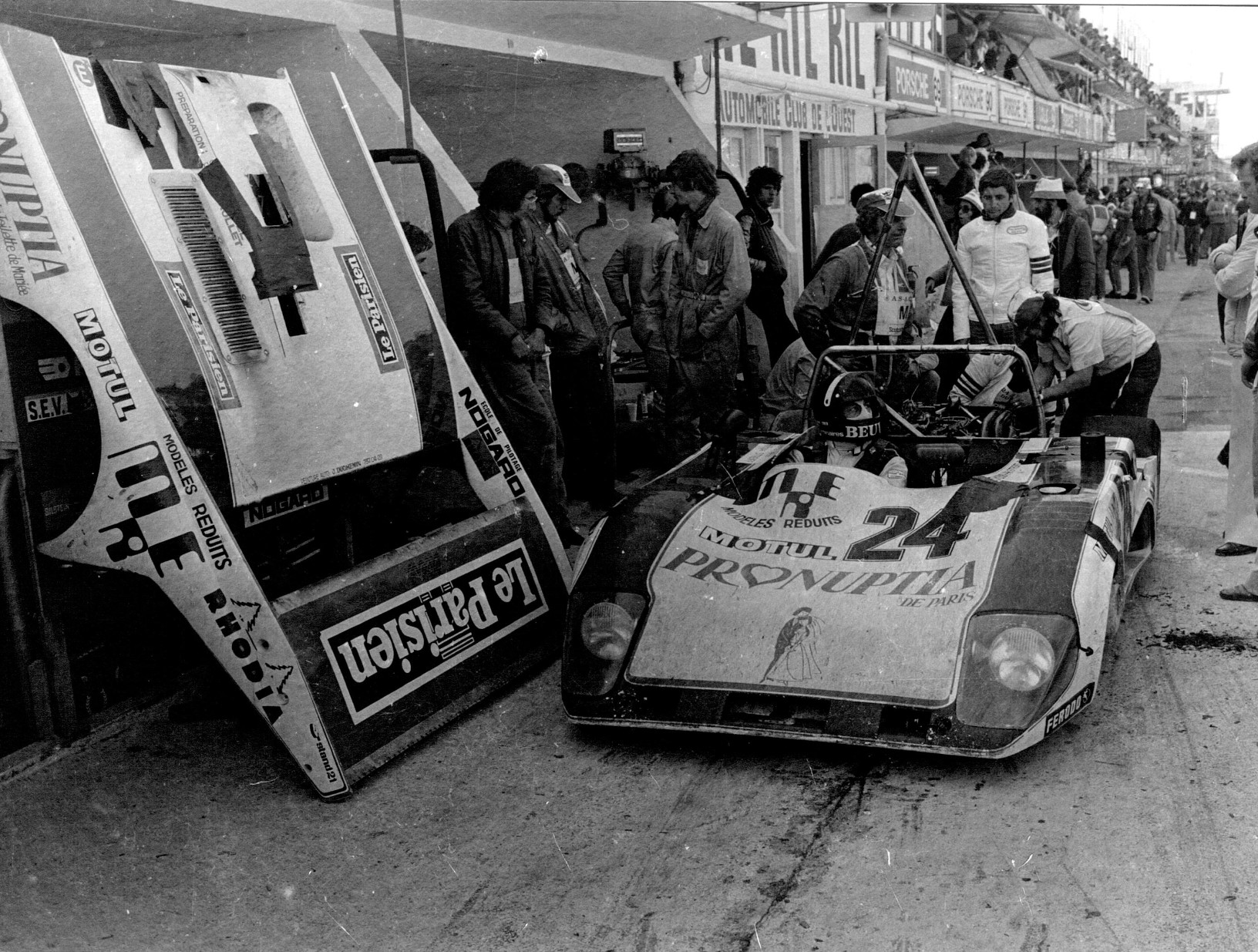
If the Lola T290 was the sledgehammer that smashed open the door to the 2-litre sports car dominance for Eric Broadley’s Huntingdon factory, the Lola T292 was the finely honed scalpel that followed to carve up the remains of the opposition. By 1973, the European 2-Litre Sports Car Championship had evolved from a curious sideshow into arguably the most ferocious, densely packed, and technologically diverse grid in world motorsport. While the 3.0-litre World Championship for Makes was often a procession of factory Matras and Ferraris, the 2-litre class was a chaotic, vibrantly commercial dogfight where privateers ruled and reputations were forged. The T292 arrived into this maelstrom not as a revolution, but as a sophisticated evolution, tasked with correcting the aerodynamic bluntness of its predecessor and, crucially, accommodating the arrival of a new Germanic powerplant that would change the complexion of the series forever. It faced a legion of rivals, primarily the tubular-framed artistry of the Chevron B23 and the Formula 1-inspired March 73S, but the T292 had the advantage of a battle-hardened monocoque lineage and the sheer adaptability to accept almost any engine a mechanic could bolt to its bulkhead.
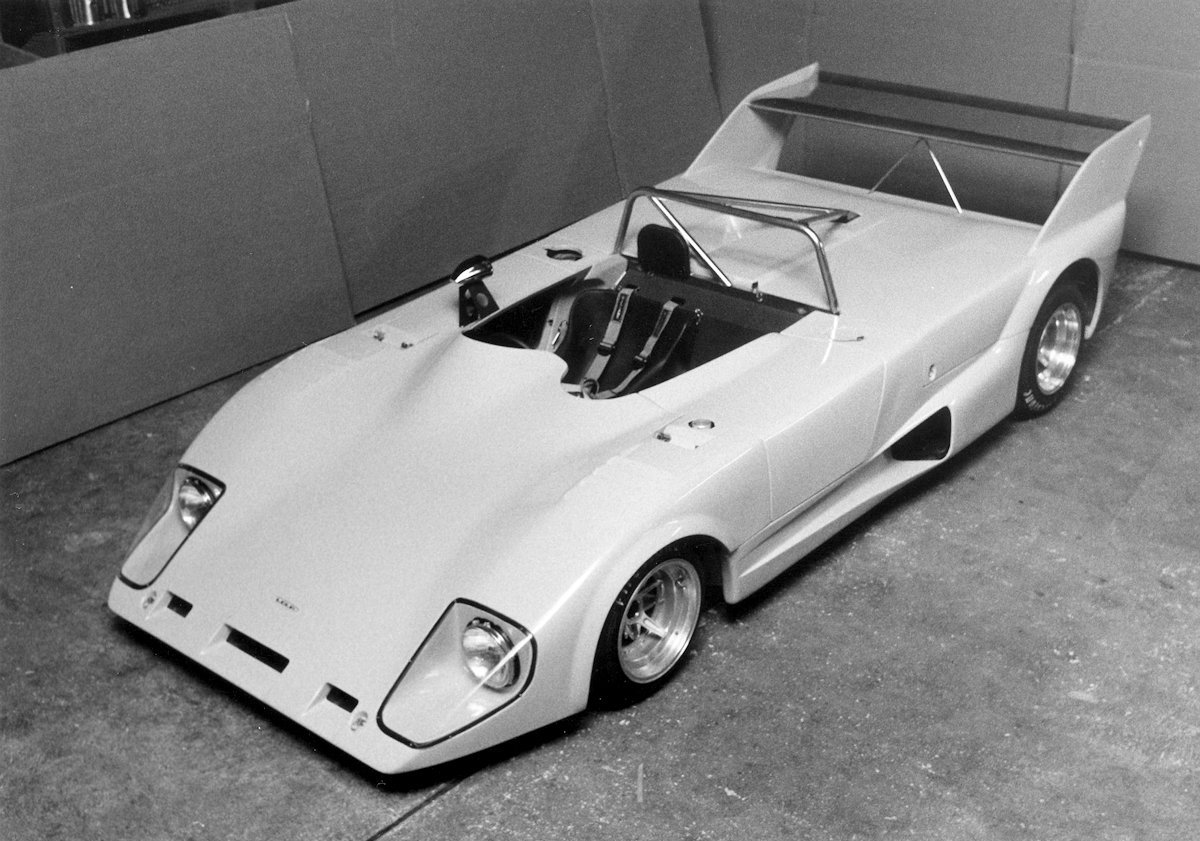
Technically, the T292 retained the fundamental architecture that had made the T290 a success, but every surface and subframe had been subjected to Broadley’s relentless optimization. The chassis was a bonded and riveted aluminium alloy monocoque, a “bathtub” design that offered exceptional torsional rigidity compared to the steel spaceframes of the rival Chevrons. This stiffness was paramount; with the massive grip generated by the newly developing slick tyre technology (from Goodyear and Firestone), chassis flex had become the enemy of consistent lap times. The suspension utilized double wishbones at the front and a sophisticated multi-link arrangement at the rear, with the coil-over dampers mounted to exploit the stiff tub. A key feature remained the inboard rear brakes, mounted next to the transaxle to reduce unsprung weight, although this required intricate cooling ducts to prevent the Girling discs from boiling during the heat of a 500-kilometer sprint.
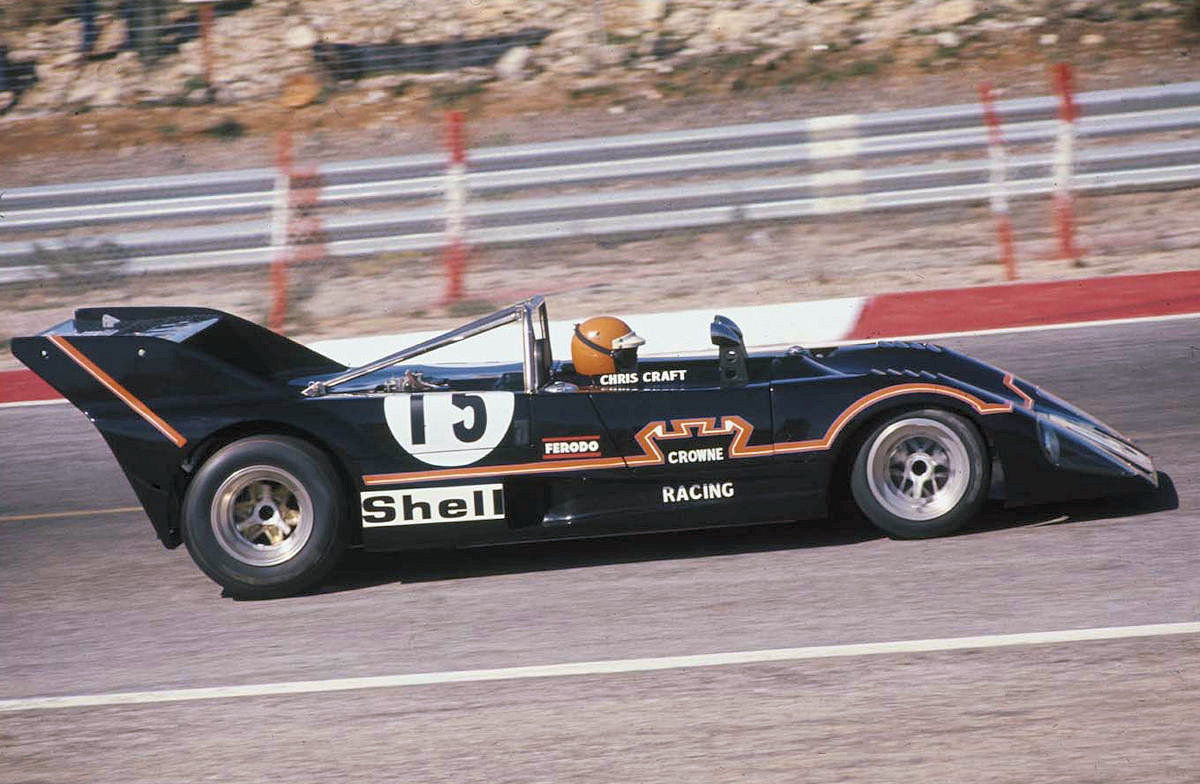
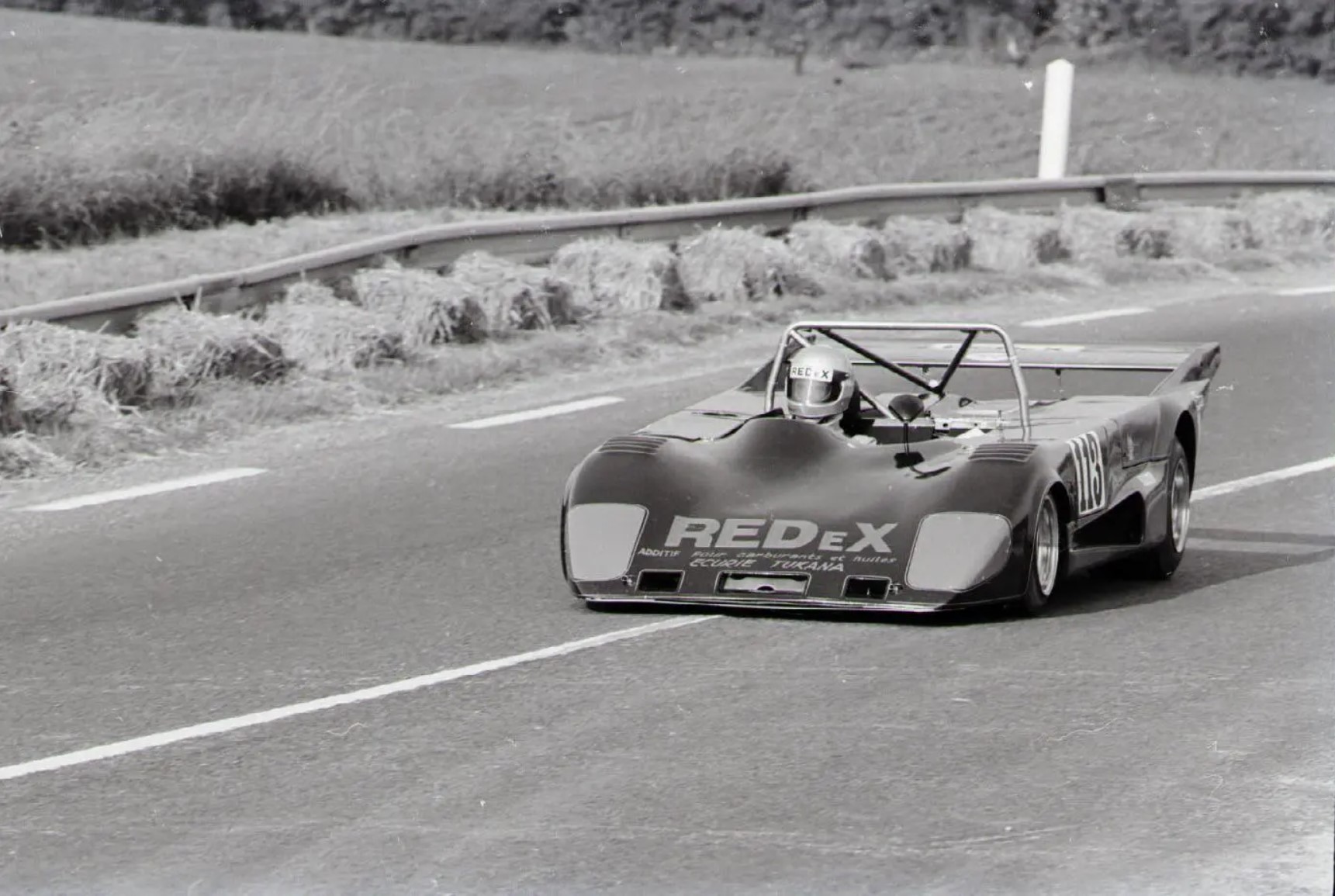
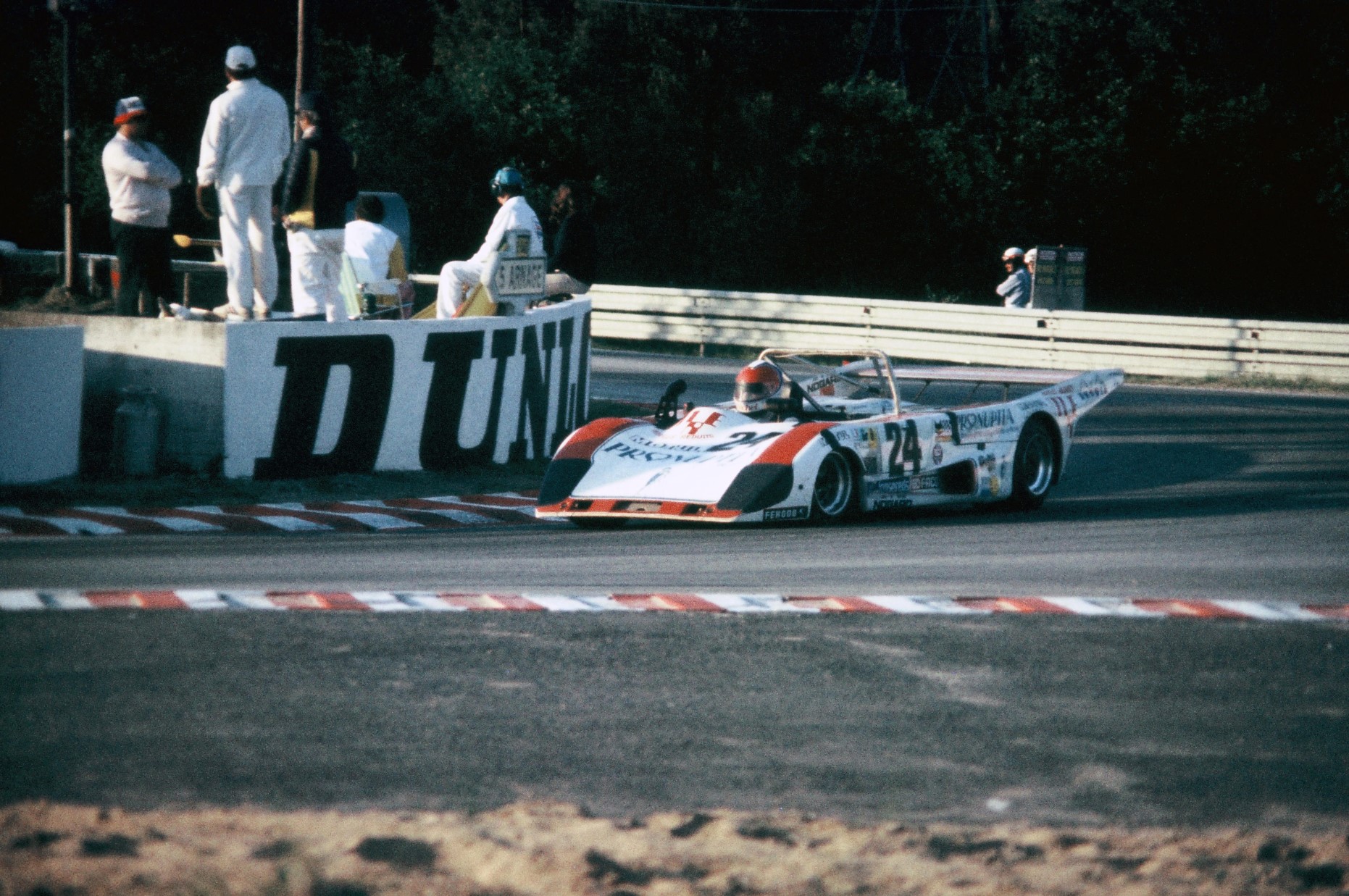
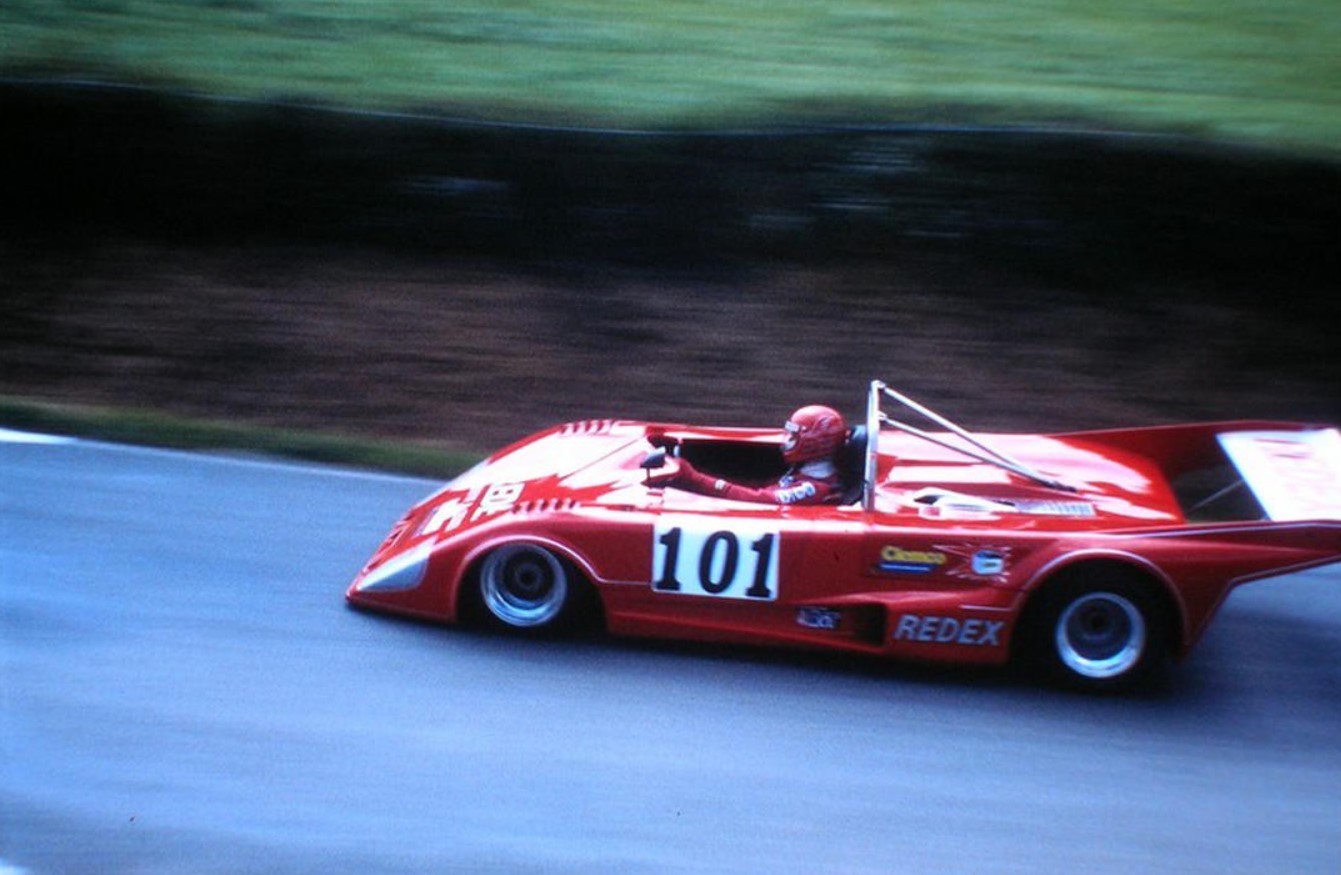
Visually, the T292 was a significant step forward in aerodynamic maturity. Gone was the brutal, blocky “shovel” nose of the T290. In its place was a longer, sleeker front cowling that shrouded the wheels more effectively, reducing drag while maintaining front-end downforce. The rear deck was smoothed out, and the separate rear wing—mounted on adjustable struts—was refined to work in cleaner air. The car looked faster standing still, shedding the kit-car aesthetic of the earlier models for the purposeful stance of a miniature Group 7 racer.
However, the true genius of the T292 lay in its engine bay, which served as a cosmopolitan stage for the era’s greatest four-cylinder powerplants. The baseline remained the British standard: the Ford Cosworth FVC. This 1.8 to 1.9-litre engine was a screaming, frenetic unit producing around 275 bhp at 9,000 rpm. It was light and responsive but notoriously “buzzy,” creating harmonics that could rattle bolts loose and crack exhaust headers. But 1973 marked the serious arrival of the BMW M12/7. Masterminded by Paul Rosche, this 2.0-litre engine was derived from the 2002 road car block but featured a 16-valve cylinder head of exquisite design. The BMW engine was heavier than the Cosworth, but it was torquier, smoother, and eventually more powerful, pushing 290-300 bhp. The T292 was the chassis that facilitated the transition from British to German power in the class, proving adaptable enough to handle the different weight distribution and cooling requirements of the Munich motor. Other variants appeared, too: the experimental all-alloy Cosworth EA (based on the Chevrolet Vega), which proved fragile, and even Abarth units in Italy, but it was the Cosworth vs. BMW war that defined the T292’s soul. Power was invariably transmitted through a Hewland FG400 or FT200 five-speed transaxle, a gearbox that demanded a precise, firm hand.
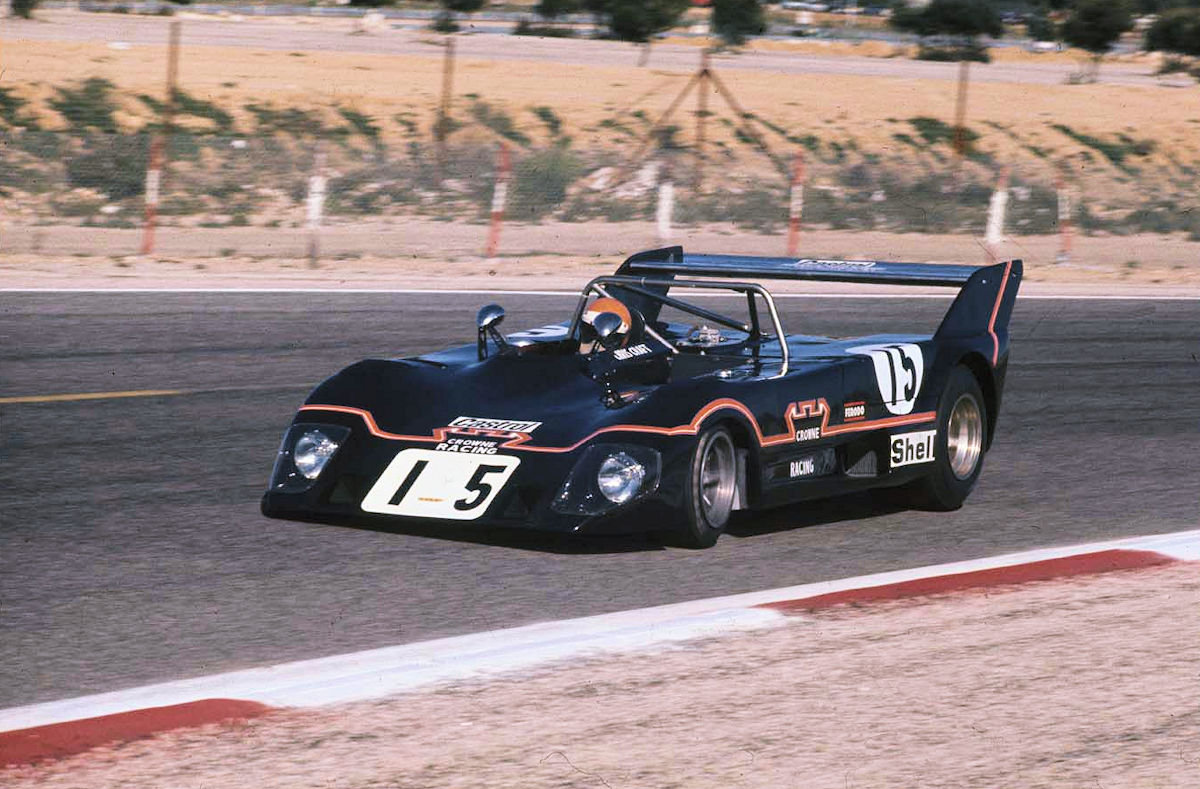
The competitive history of the T292 is a tapestry of triumphs and mechanical heartbreaks. In the 1973 European 2-Litre Championship, the car was omnipresent. The “Crowne Racing” team, with Chris Craft at the wheel, was the tip of the spear. Craft, a driver of immense talent and grit, used the T292 (often FVC-powered) to wage a season-long war against the factory-supported Abarth-Osellas and the nimble Chevrons. The T292 proved to be blisteringly fast, capturing pole positions and lap records across the continent. Its finest hour came perhaps at the Misano 500km, where Chris Craft took a dominant victory, proving that the British chassis could beat the Italians on their home soil. Yet, reliability was the T292’s Achilles’ heel. The vibration issues of the FVC engines, combined with the punishing nature of tracks like the Nürburgring and the Targa Florio, often led to retirements while leading.
Beyond the sprint circuits of Europe, the T292 found a second home where its light weight (circa 570 kg) made it a weapon of mass destruction: the European Hill Climb Championship. The car’s short wheelbase and explosive power delivery were perfectly suited to the switchbacks of Mont-Dore and Saint-Ursanne. In the hands of mountain specialists, T292s—often modified with wider bodywork and massive cantilevered wings—dominated the ascent, creating a legacy that lasted well into the 1980s. The car also travelled East, becoming a foundational pillar of the Fuji Grand Champion (GC) series in Japan. Here, the T292 chassis were often draped in wild, long-tail bodywork (the “Mooncraft” specials) and fitted with rotary Mazda engines or big BMWs, racing in front of massive crowds and cementing Lola’s reputation in Asia.
Culturally, the Lola T292 represents the zenith of the “Barclay era” aesthetic—cream and brown liveries, open-face helmets, and cars that required immense physical exertion to drive. It was not a car for the faint-hearted. The cockpit was cramped, hot, and vibrated with such intensity that drivers often stepped out with numb hands. It was a pure driving machine, devoid of driver aids, where the connection between the throttle pedal and the rear tires was instantaneous and unforgiving. It was the quintessential privateer’s car; for the price of a modest house, a talented driver could buy a T292 and genuinely believe they had the machinery to beat the best in the world.
The legacy of the Lola T292 is enduring and pivotal. It served as the bridge to the T294 and subsequent T296, which were essentially refinements of the T292 concept optimized for the BMW engine. It proved that the aluminium monocoque was superior to the spaceframe, eventually forcing Chevron to abandon their tubular roots. More importantly, the T292 cemented the relationship between Lola and BMW, a partnership that would later yield IMSA GTP dominance. Today, the T292 is one of the most coveted cars in historic racing series like Peter Auto’s CER. When a BMW-powered T292 fires up in a modern paddock, its deep, resonant induction roar contrasts sharply with the metallic shriek of the Cosworth cars, reminding spectators of the moment when the 2-litre class turned from a British civil war into a continental superpower struggle. It stands in the pantheon not just as a race car, but as a symbol of the golden age of customer motorsport, a time when a cheque to Eric Broadley bought you a ticket to the podium.
Portal
Model line
Model generation
Predecessor
Sucessor
Brand
Produced from
Vehicle category
Portal
Model line
Model generation
Predecessor
Sucessor
About this model
If the Lola T290 was the sledgehammer that smashed open the door to the 2-litre sports car dominance for Eric Broadley’s Huntingdon factory, the Lola T292 was the finely honed scalpel that followed to carve up the remains of the opposition. By 1973, the European 2-Litre Sports Car Championship had evolved from a curious sideshow into arguably the most ferocious, densely packed, and technologically diverse grid in world motorsport. While the 3.0-litre World Championship for Makes was often a procession of factory Matras and Ferraris, the 2-litre class was a chaotic, vibrantly commercial dogfight where privateers ruled and reputations were forged. The T292 arrived into this maelstrom not as a revolution, but as a sophisticated evolution, tasked with correcting the aerodynamic bluntness of its predecessor and, crucially, accommodating the arrival of a new Germanic powerplant that would change the complexion of the series forever. It faced a legion of rivals, primarily the tubular-framed artistry of the Chevron B23 and the Formula 1-inspired March 73S, but the T292 had the advantage of a battle-hardened monocoque lineage and the sheer adaptability to accept almost any engine a mechanic could bolt to its bulkhead.
Technically, the T292 retained the fundamental architecture that had made the T290 a success, but every surface and subframe had been subjected to Broadley’s relentless optimization. The chassis was a bonded and riveted aluminium alloy monocoque, a “bathtub” design that offered exceptional torsional rigidity compared to the steel spaceframes of the rival Chevrons. This stiffness was paramount; with the massive grip generated by the newly developing slick tyre technology (from Goodyear and Firestone), chassis flex had become the enemy of consistent lap times. The suspension utilized double wishbones at the front and a sophisticated multi-link arrangement at the rear, with the coil-over dampers mounted to exploit the stiff tub. A key feature remained the inboard rear brakes, mounted next to the transaxle to reduce unsprung weight, although this required intricate cooling ducts to prevent the Girling discs from boiling during the heat of a 500-kilometer sprint.
Visually, the T292 was a significant step forward in aerodynamic maturity. Gone was the brutal, blocky “shovel” nose of the T290. In its place was a longer, sleeker front cowling that shrouded the wheels more effectively, reducing drag while maintaining front-end downforce. The rear deck was smoothed out, and the separate rear wing—mounted on adjustable struts—was refined to work in cleaner air. The car looked faster standing still, shedding the kit-car aesthetic of the earlier models for the purposeful stance of a miniature Group 7 racer.
However, the true genius of the T292 lay in its engine bay, which served as a cosmopolitan stage for the era’s greatest four-cylinder powerplants. The baseline remained the British standard: the Ford Cosworth FVC. This 1.8 to 1.9-litre engine was a screaming, frenetic unit producing around 275 bhp at 9,000 rpm. It was light and responsive but notoriously “buzzy,” creating harmonics that could rattle bolts loose and crack exhaust headers. But 1973 marked the serious arrival of the BMW M12/7. Masterminded by Paul Rosche, this 2.0-litre engine was derived from the 2002 road car block but featured a 16-valve cylinder head of exquisite design. The BMW engine was heavier than the Cosworth, but it was torquier, smoother, and eventually more powerful, pushing 290-300 bhp. The T292 was the chassis that facilitated the transition from British to German power in the class, proving adaptable enough to handle the different weight distribution and cooling requirements of the Munich motor. Other variants appeared, too: the experimental all-alloy Cosworth EA (based on the Chevrolet Vega), which proved fragile, and even Abarth units in Italy, but it was the Cosworth vs. BMW war that defined the T292’s soul. Power was invariably transmitted through a Hewland FG400 or FT200 five-speed transaxle, a gearbox that demanded a precise, firm hand.
The competitive history of the T292 is a tapestry of triumphs and mechanical heartbreaks. In the 1973 European 2-Litre Championship, the car was omnipresent. The “Crowne Racing” team, with Chris Craft at the wheel, was the tip of the spear. Craft, a driver of immense talent and grit, used the T292 (often FVC-powered) to wage a season-long war against the factory-supported Abarth-Osellas and the nimble Chevrons. The T292 proved to be blisteringly fast, capturing pole positions and lap records across the continent. Its finest hour came perhaps at the Misano 500km, where Chris Craft took a dominant victory, proving that the British chassis could beat the Italians on their home soil. Yet, reliability was the T292’s Achilles’ heel. The vibration issues of the FVC engines, combined with the punishing nature of tracks like the Nürburgring and the Targa Florio, often led to retirements while leading.
Beyond the sprint circuits of Europe, the T292 found a second home where its light weight (circa 570 kg) made it a weapon of mass destruction: the European Hill Climb Championship. The car’s short wheelbase and explosive power delivery were perfectly suited to the switchbacks of Mont-Dore and Saint-Ursanne. In the hands of mountain specialists, T292s—often modified with wider bodywork and massive cantilevered wings—dominated the ascent, creating a legacy that lasted well into the 1980s. The car also travelled East, becoming a foundational pillar of the Fuji Grand Champion (GC) series in Japan. Here, the T292 chassis were often draped in wild, long-tail bodywork (the “Mooncraft” specials) and fitted with rotary Mazda engines or big BMWs, racing in front of massive crowds and cementing Lola’s reputation in Asia.
Culturally, the Lola T292 represents the zenith of the “Barclay era” aesthetic—cream and brown liveries, open-face helmets, and cars that required immense physical exertion to drive. It was not a car for the faint-hearted. The cockpit was cramped, hot, and vibrated with such intensity that drivers often stepped out with numb hands. It was a pure driving machine, devoid of driver aids, where the connection between the throttle pedal and the rear tires was instantaneous and unforgiving. It was the quintessential privateer’s car; for the price of a modest house, a talented driver could buy a T292 and genuinely believe they had the machinery to beat the best in the world.
The legacy of the Lola T292 is enduring and pivotal. It served as the bridge to the T294 and subsequent T296, which were essentially refinements of the T292 concept optimized for the BMW engine. It proved that the aluminium monocoque was superior to the spaceframe, eventually forcing Chevron to abandon their tubular roots. More importantly, the T292 cemented the relationship between Lola and BMW, a partnership that would later yield IMSA GTP dominance. Today, the T292 is one of the most coveted cars in historic racing series like Peter Auto’s CER. When a BMW-powered T292 fires up in a modern paddock, its deep, resonant induction roar contrasts sharply with the metallic shriek of the Cosworth cars, reminding spectators of the moment when the 2-litre class turned from a British civil war into a continental superpower struggle. It stands in the pantheon not just as a race car, but as a symbol of the golden age of customer motorsport, a time when a cheque to Eric Broadley bought you a ticket to the podium.
Generations
Generations of this model
Generations
Generations of this model
Submodels
Discover all the variants of this model
Submodels
Discover all the variants of this model
Vehicles
Legendary Vehicles
Vehicles