Lola T70
Brand
Produced from
Vehicle category
Portal
Model line
Model generation
Predecessor
Sucessor
About this model
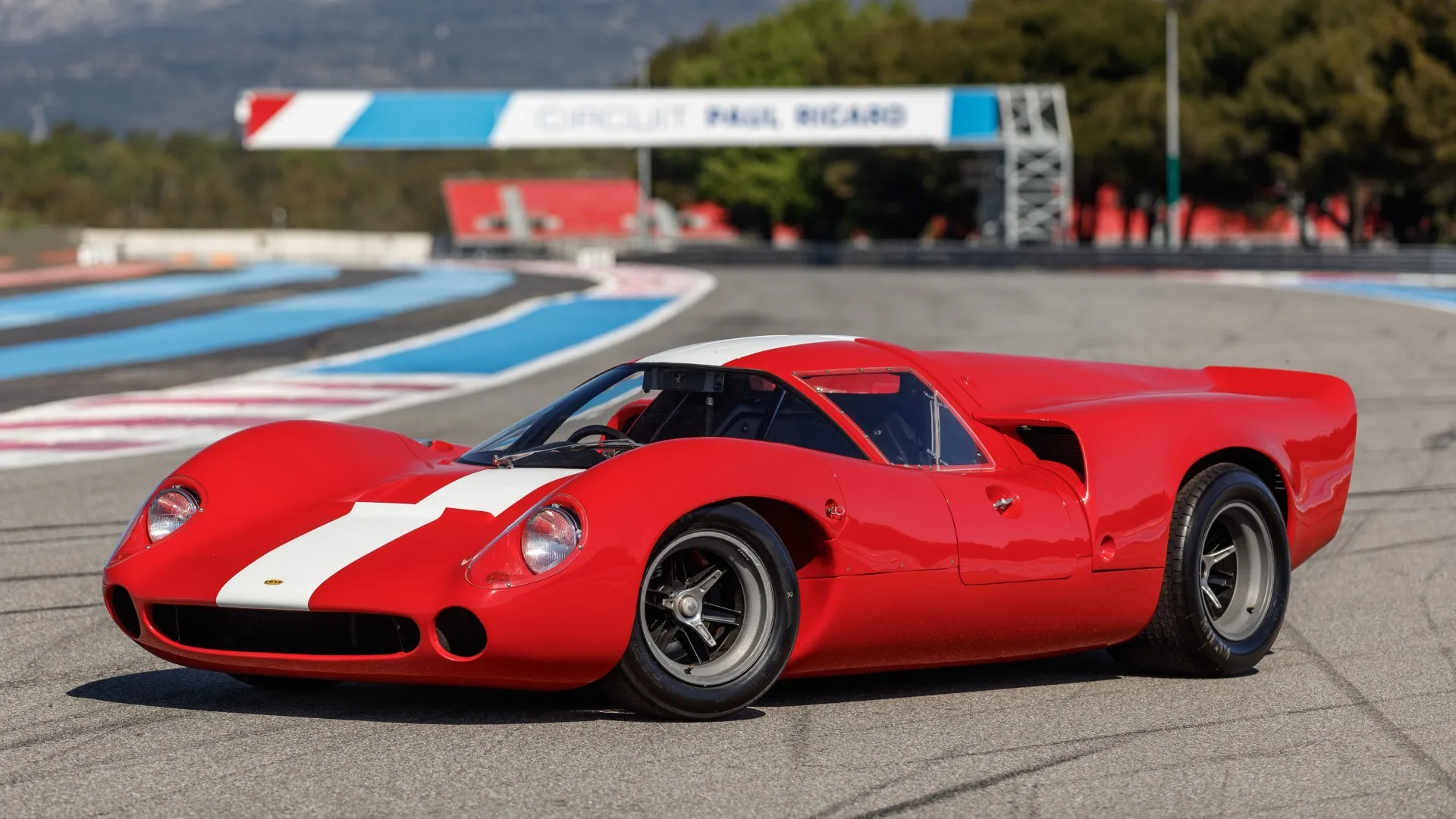
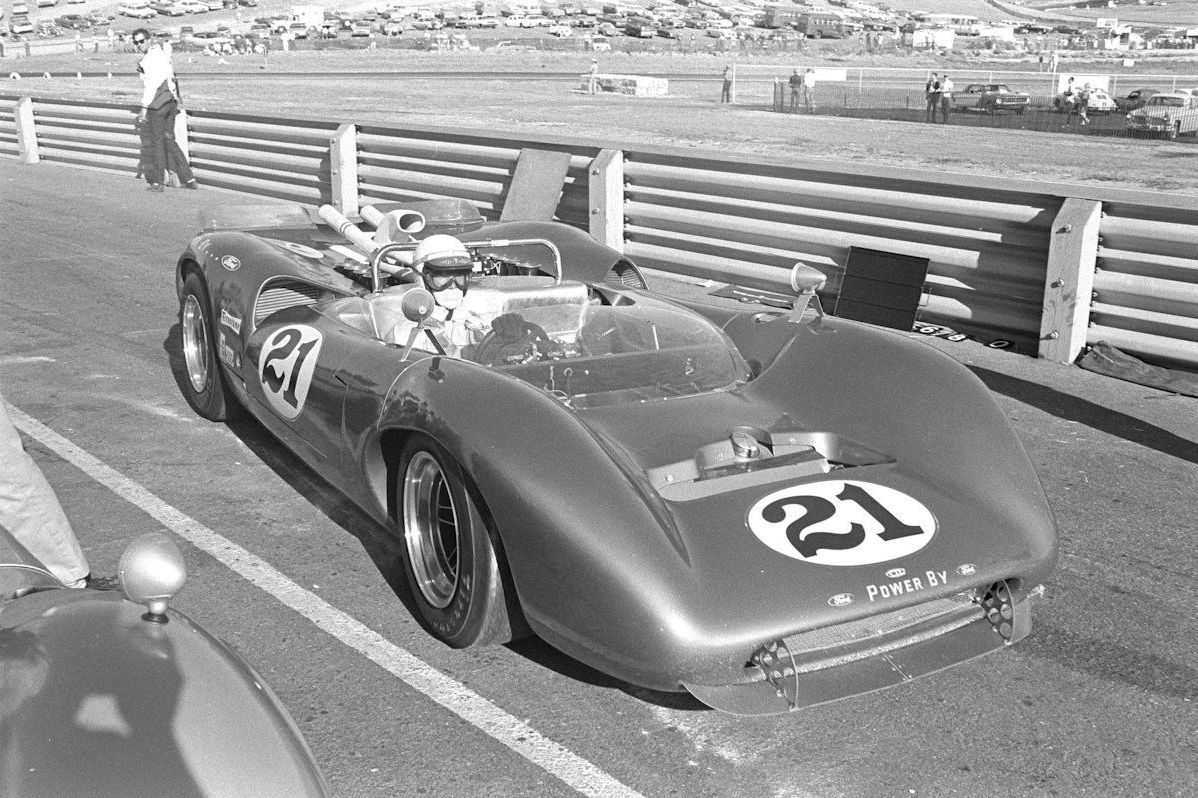
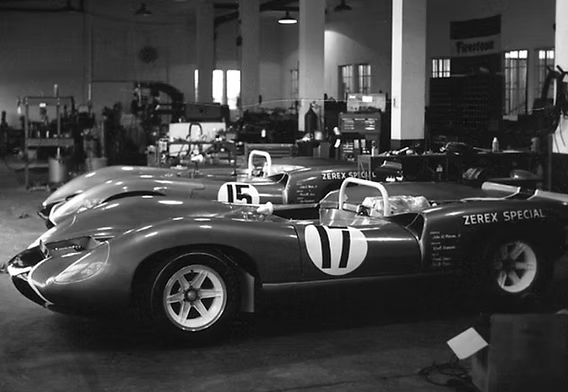
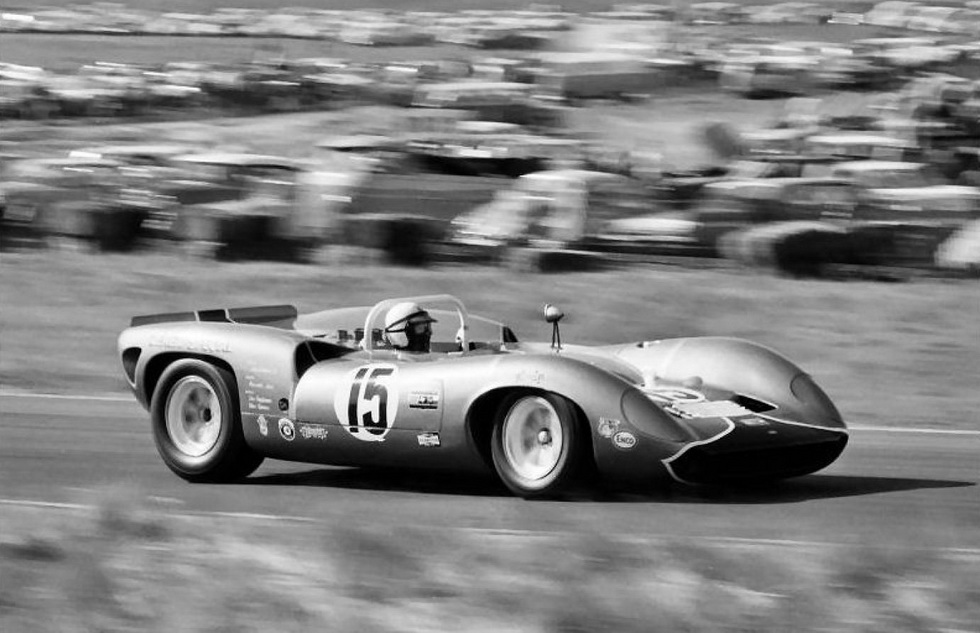
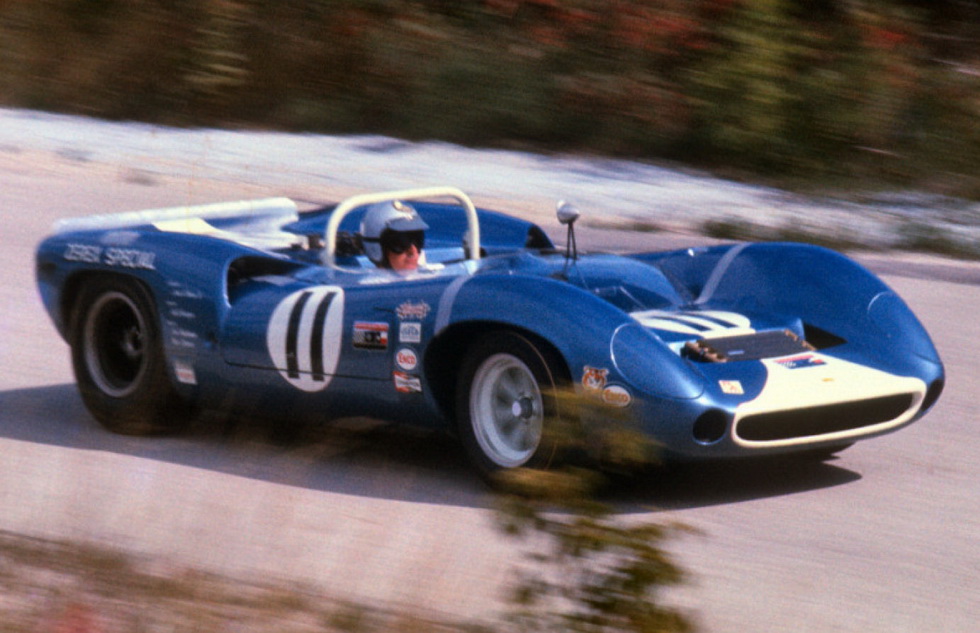
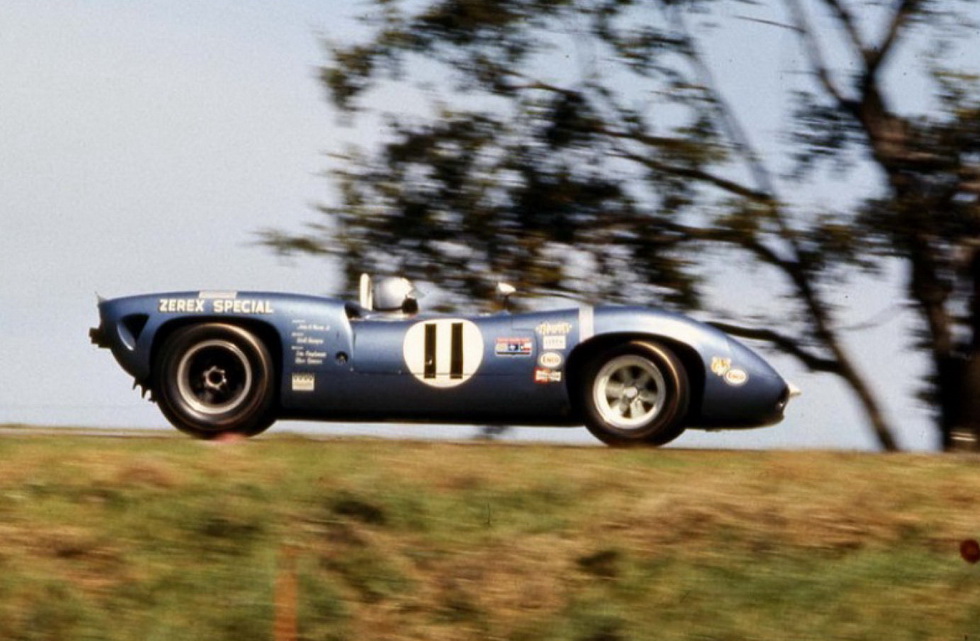
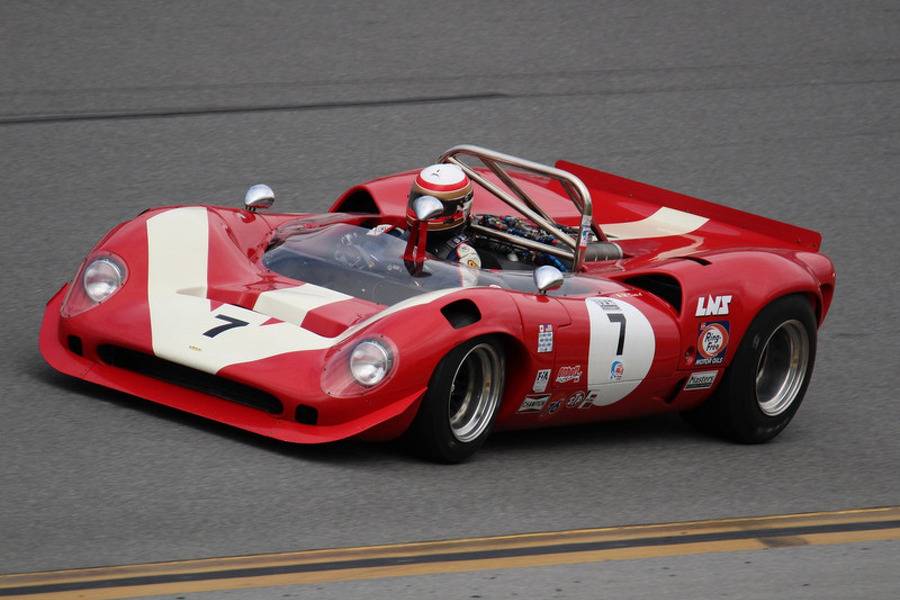
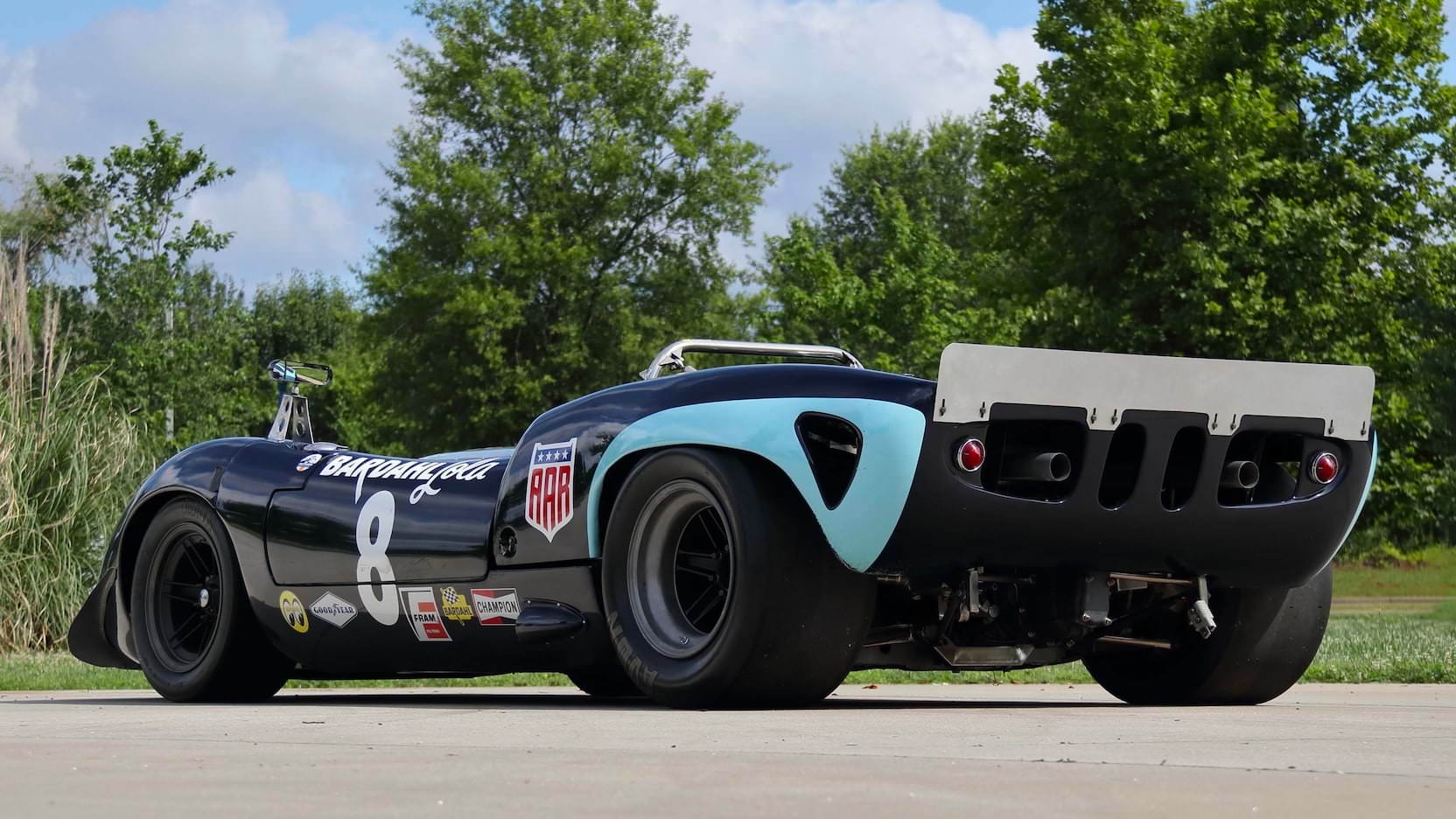
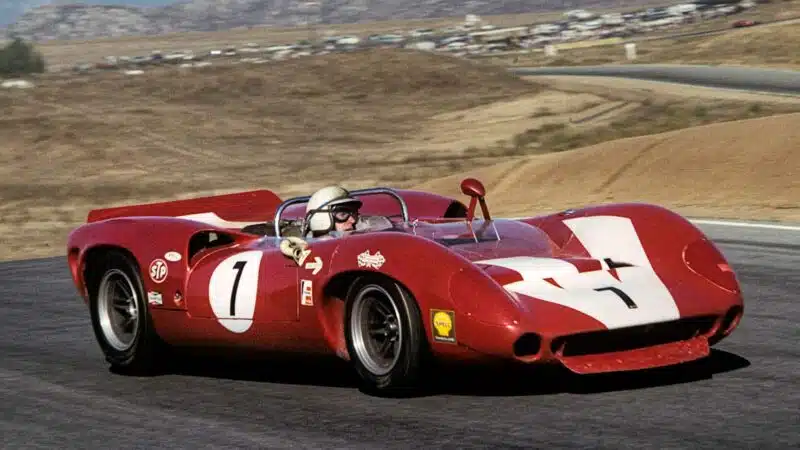
If the Ford GT40 was the corporate hammer forged in a boardroom to settle a vendetta, the Lola T70 was the privateer’s switchblade—sharper, prettier, and born from the pure, unadulterated racing instinct of one man: Eric Broadley. To discuss the T70 is to discuss the very zenith of the “specialist” sports car era, a time when a small factory in Huntingdon could bolt a roaring American V8 into an aluminium chassis and humiliate the world’s industrial giants. The T70 lineage, spanning the raw Mk1 and Mk2 Spyders to the voluptuous Mk3 and Mk3B Coupes, represents the ultimate trans-Atlantic marriage. It bridged the gap between the wild, unregulated excess of the Can-Am series and the disciplined endurance of the World Sportscar Championship. While the McLaren M-series cars were functional tools and the Porsche 917 was a terrifying science experiment, the Lola T70 was, and remains, arguably the most sensuous racing car ever constructed—a machine that managed to be both a brute and a beauty in equal measure.
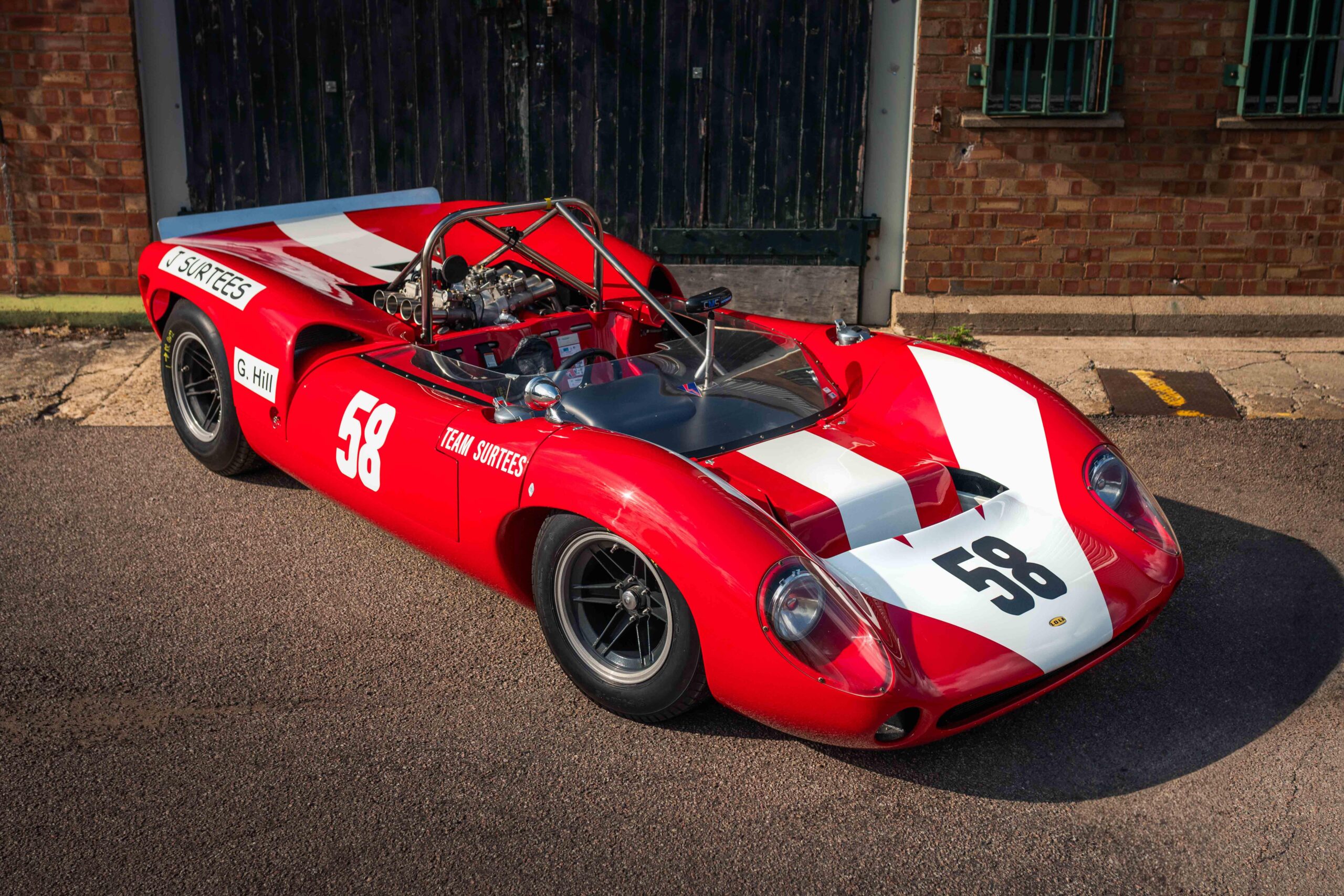
The technical genesis of the T70 lies in the ashes of Broadley’s involvement with the Ford GT40 program. After leaving Ford, frustrated by the corporate bureaucracy, Broadley returned to Lola with a vision to build the ultimate Group 7 sports racer. The result, introduced in 1965, was a masterclass in chassis engineering. Unlike the tube-framed cars of the early 60s, the T70 Mk1 utilized an advanced full-length monocoque chassis. Constructed from riveted aluminium sheets bonded to steel bulkheads, it was a “tub” that carried the fuel in massive side pontoons, keeping the weight low and central. The suspension was classic Broadley: double wishbones at the front and reversed lower wishbones with a top link at the rear, a setup that offered tunability and immense mechanical grip.
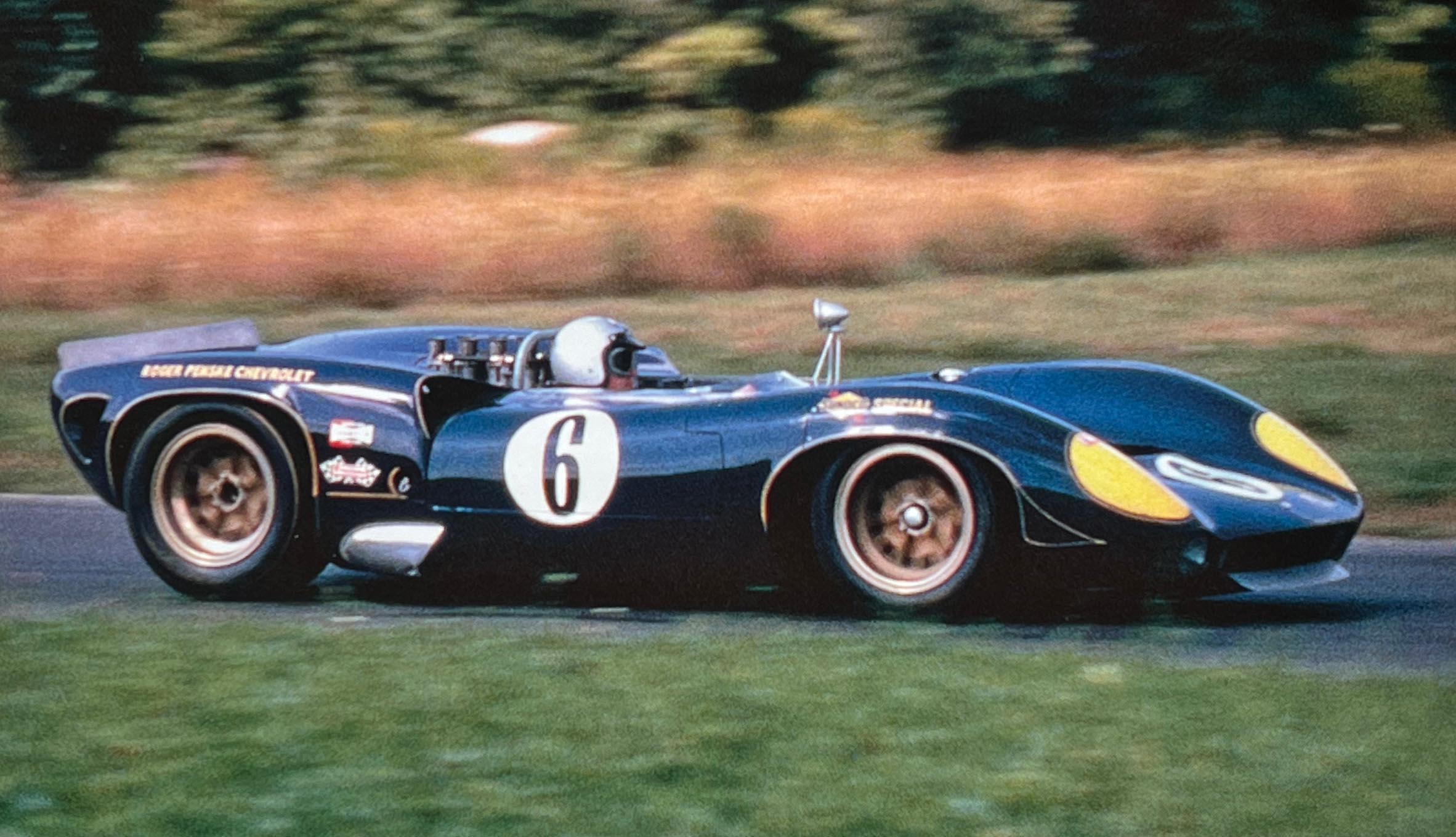
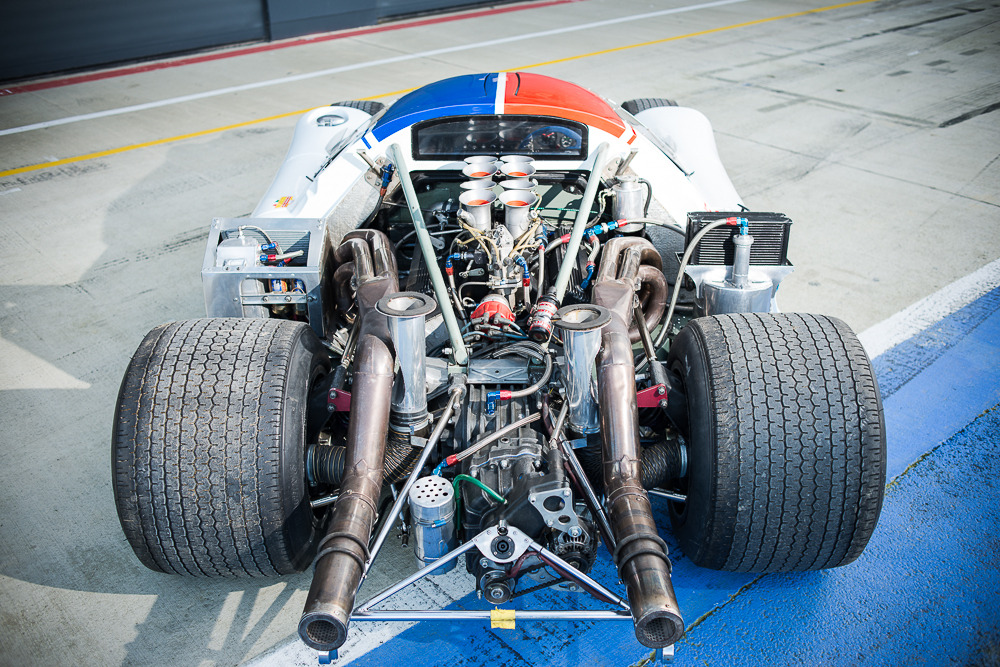
But a chassis is nothing without a heart, and the T70’s soul was undoubtedly American. While a few chassis experimented with Ford units, the definitive engine for the T70 was the Chevrolet Small Block V8. Typically displacing 5.0 to 5.7 litres (and later up to 7.0 litres in Can-Am spec), these engines were often prepared by the legendary Traco Engineering. They were relatively simple pushrod units, but they were light, reliable, and produced a mountainous wave of torque—upwards of 500 bhp in early tune. This power was fed through a Hewland LG500 or LG600 four-speed transaxle, a gearbox robust enough to handle the violent shock loads of a big V8.
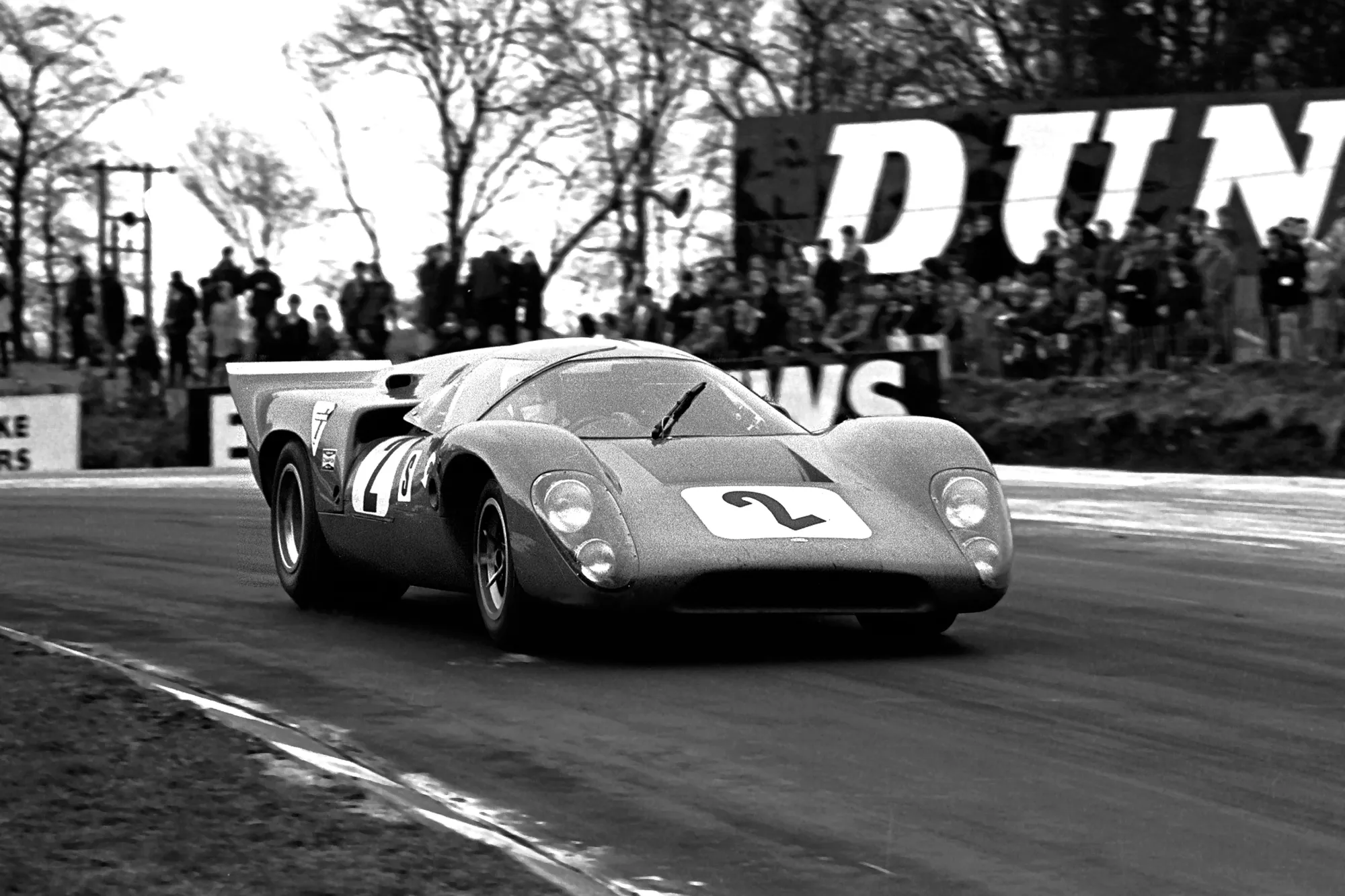
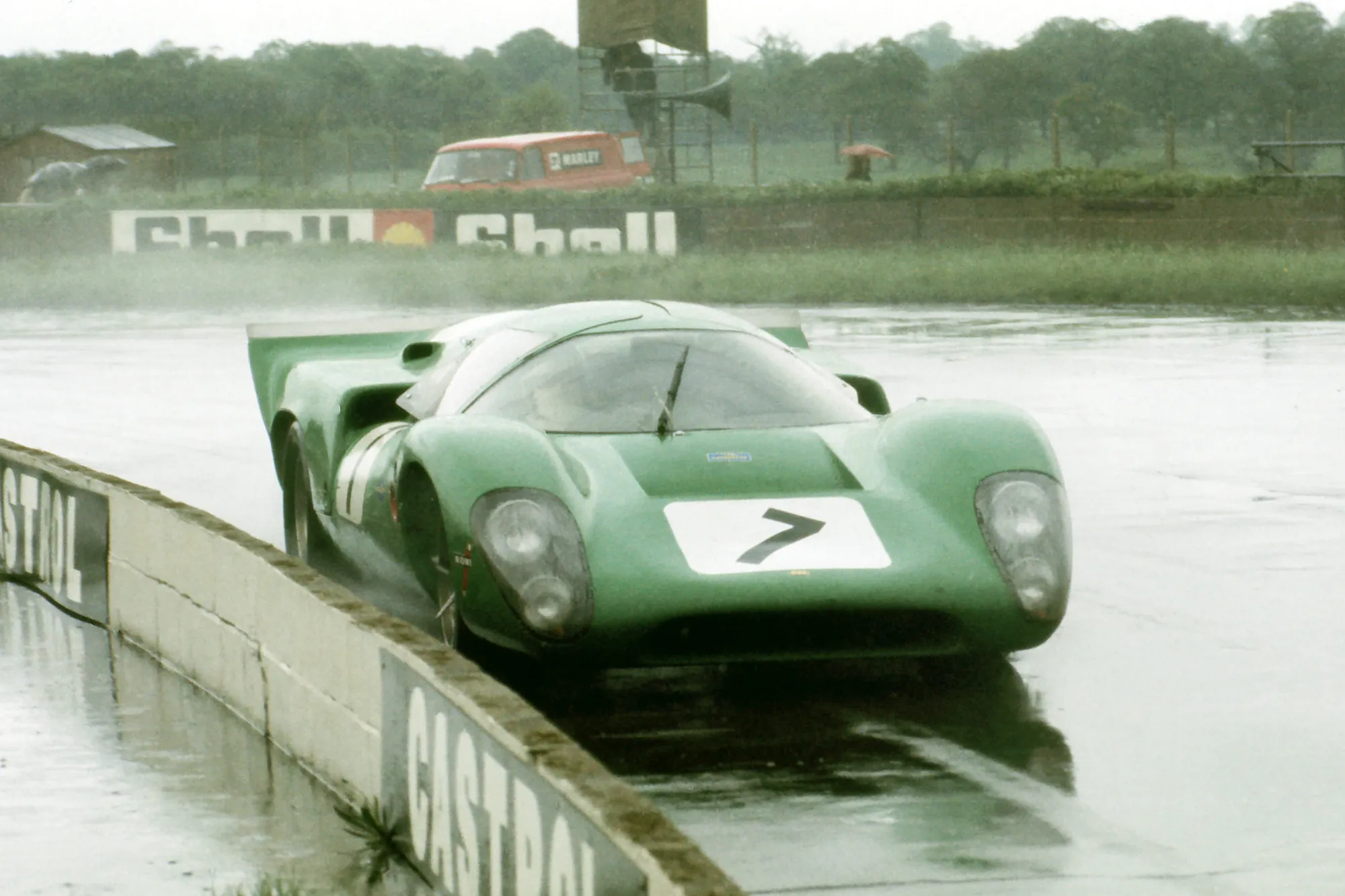
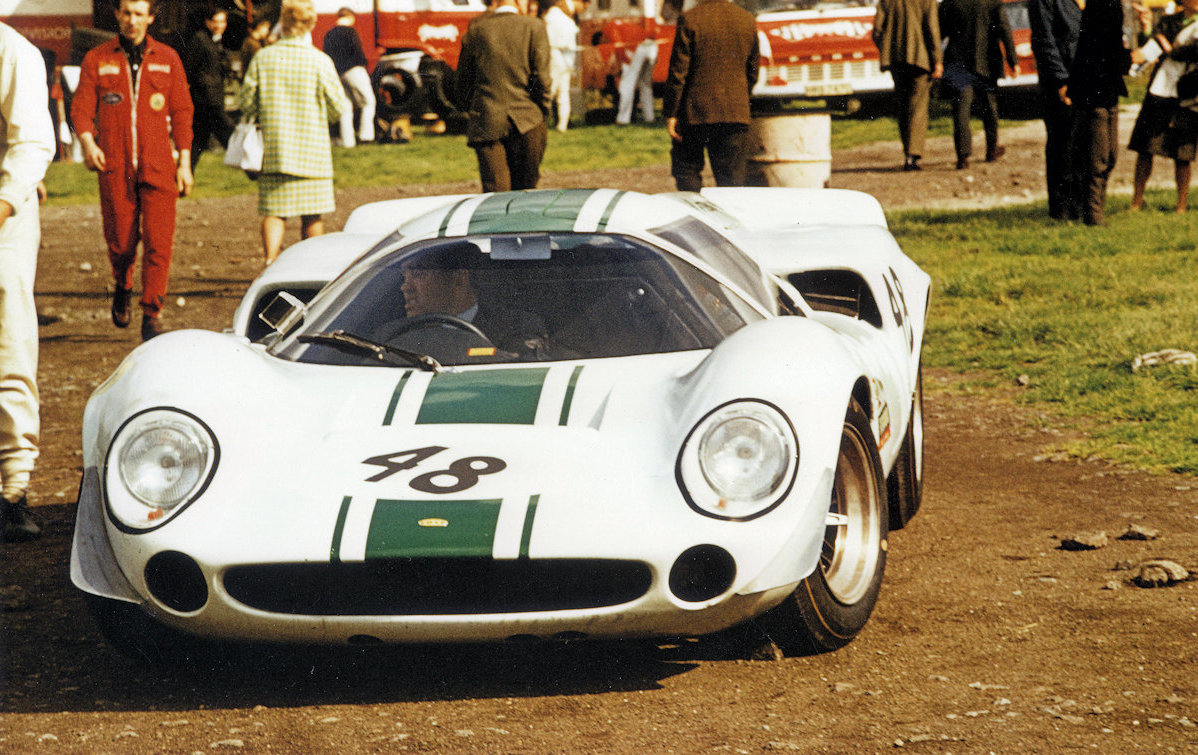
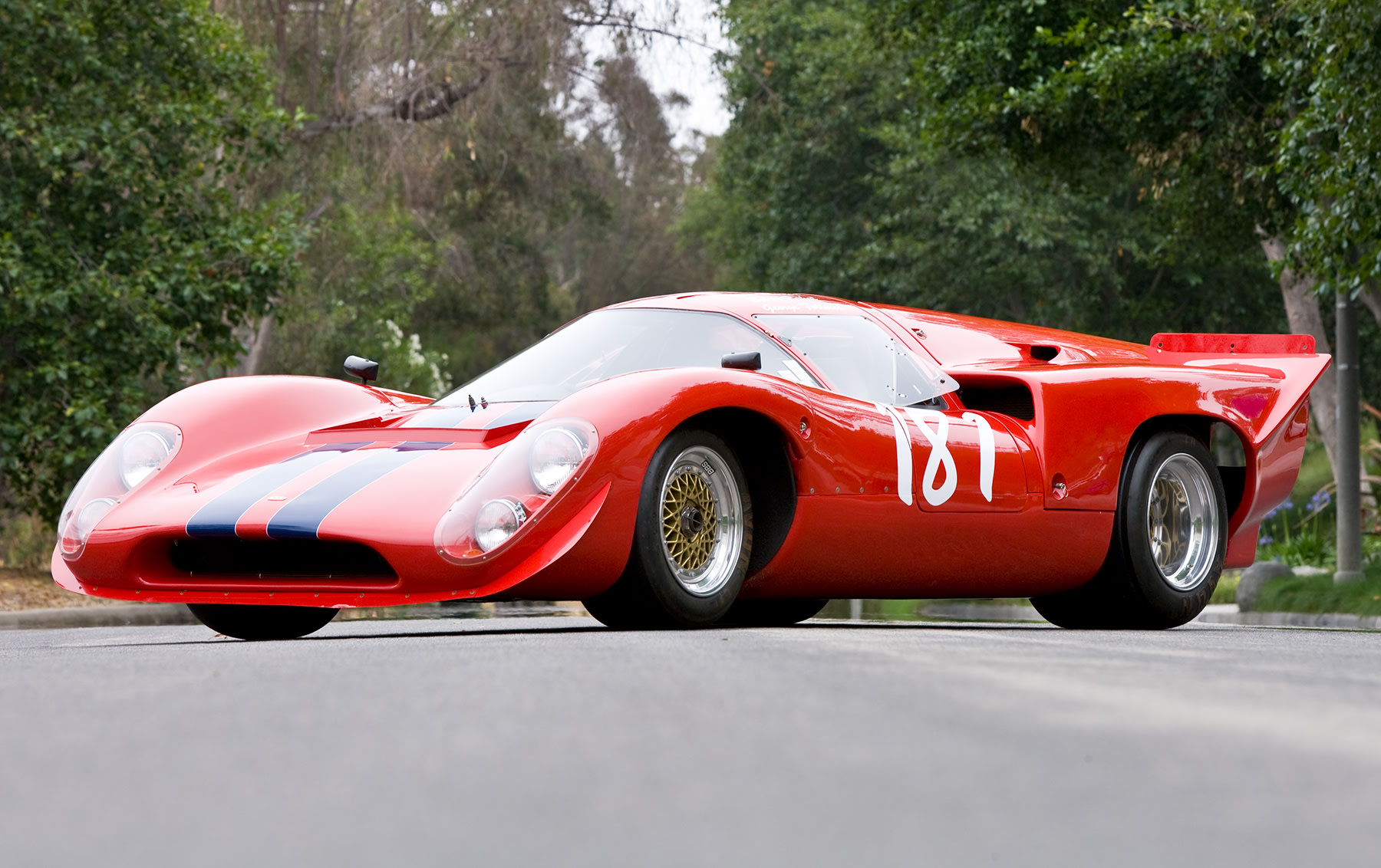
The evolution of the breed was rapid. The Mk2 Spyder refined the cooling and suspension for the 1966 Can-Am season, stripping weight to the bare minimum. However, the most dramatic shift came with the Mk3 Coupe in 1967. Designed to compete in the World Sportscar Championship’s Group 6 (prototype) and later Group 4 (sports car) categories, the Mk3 featured a stunning, wind-cheating roofline penned by Broadley. It was sleek, purposeful, and achingly beautiful. Yet, the Mk3 suffered from suspension geometry that made it nervous at high speed. This led to the ultimate iteration: the Mk3B of 1969. While it looked similar to the Mk3, the Mk3B was a completely new car under the skin, engineered with help from Tony Southgate. It featured a full aluminium monocoque (discarding the steel bulkheads) which drastically increased stiffness and solved the handling quirks, making it one of the finest handling cars of its generation.
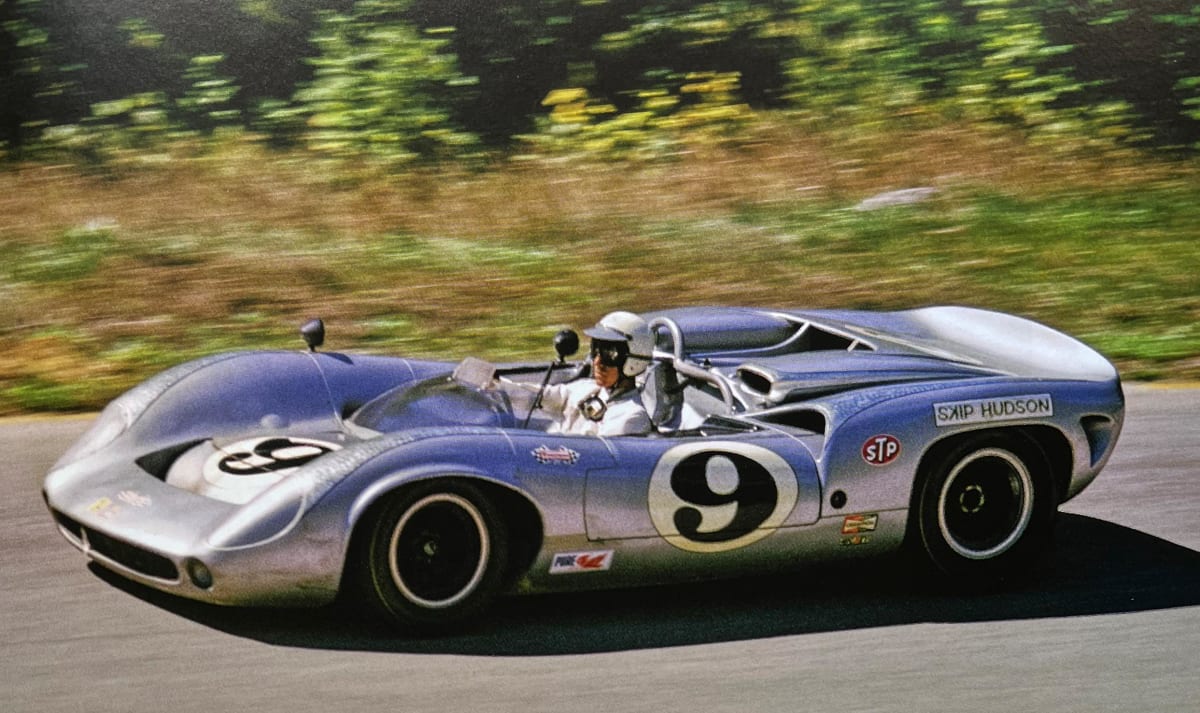
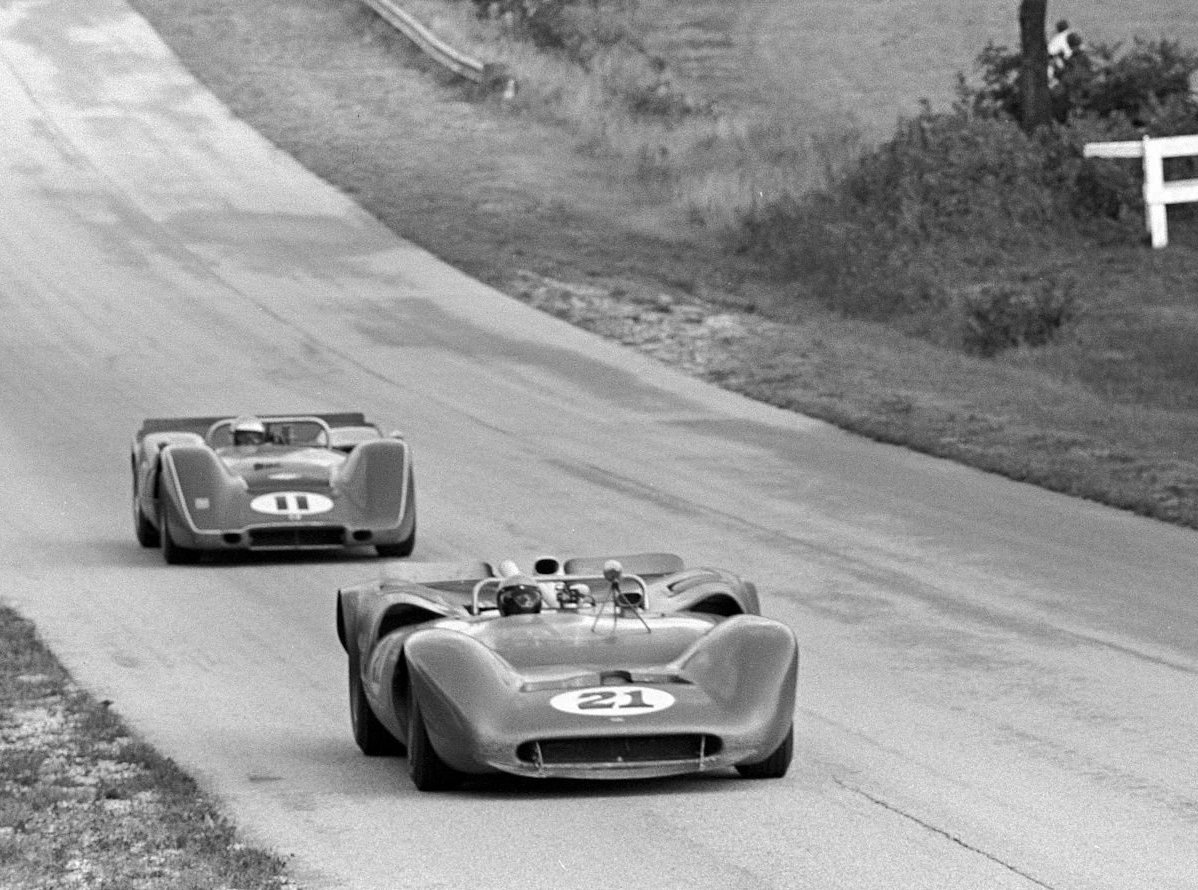
The competitive history of the Lola T70 is a tale of two distinct worlds: the sprint and the marathon. In the inaugural 1966 Can-Am Challenge, the Lola T70 Spyder was the undisputed king. Driven by the 1964 Formula 1 World Champion John Surtees, the “Red Surtees” Lola T70 Mk2 was a force of nature. Surtees won three of the six races, defeating the nascent McLaren team and the Chaparrals to become the first-ever Can-Am Champion. It was the high-water mark for Lola in the series before the “Bruce and Denny Show” (McLaren) took over completely. In the UK, the T70 Spyders dominated the big-banger Group 7 races, with Denny Hulme and Sid Taylor Racing famously terrorizing the circuits of Brands Hatch and Silverstone.
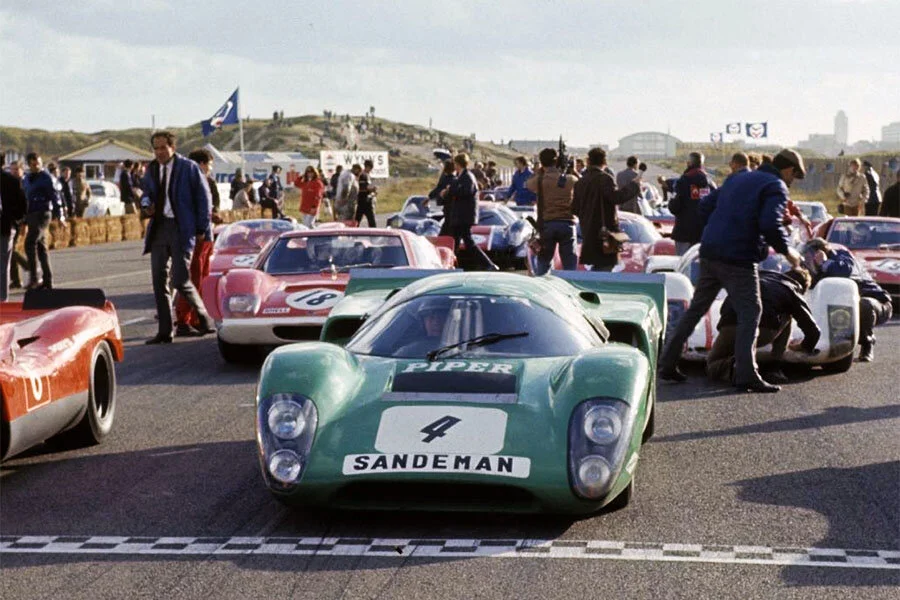
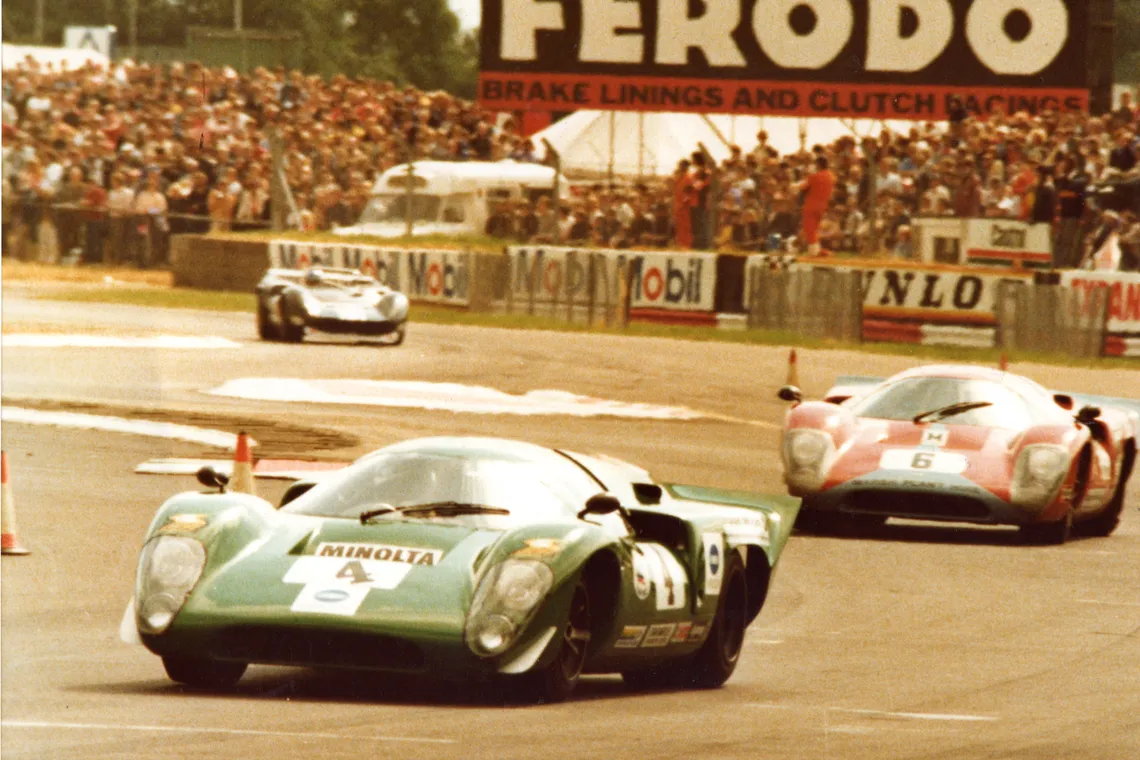
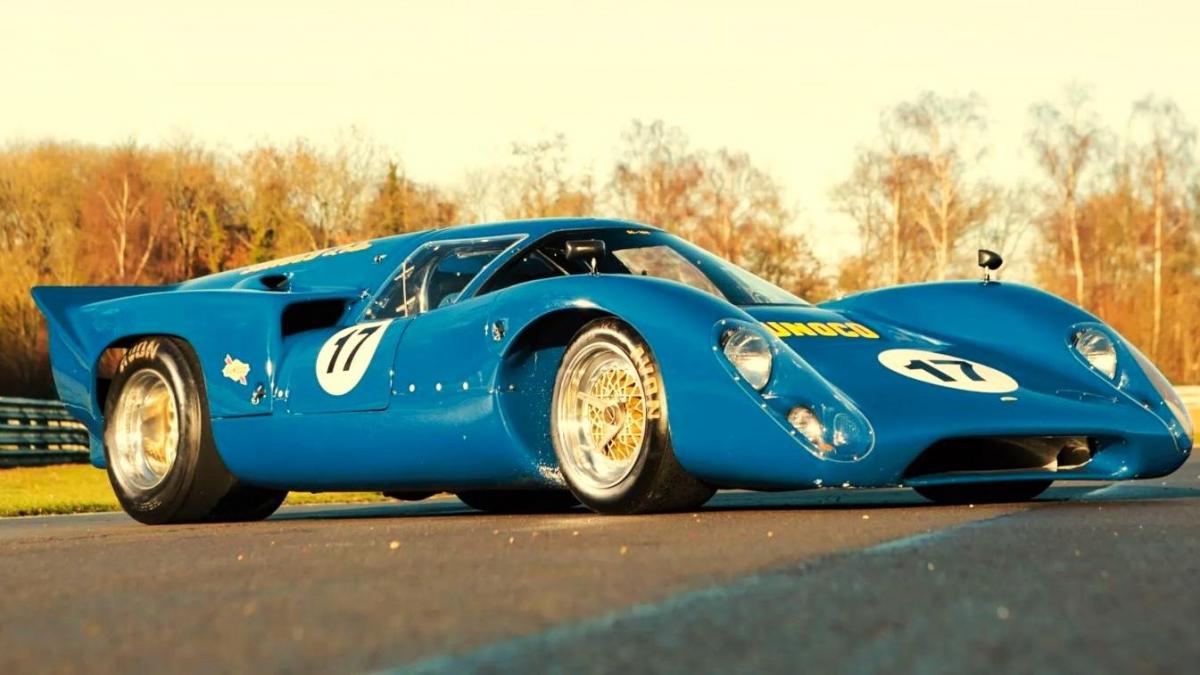
On the endurance stage, the T70 Coupe faced a harder battle. It was often faster than the Ford GT40 but lacked the bulletproof durability required for 24-hour races, and it lacked the sheer straight-line speed of the later Porsche 917s. There was also the disastrous experiment with the Aston Martin V8 engine in 1967; intended to be an all-British challenger for Le Mans, the engines were woefully unreliable, failing almost immediately and casting a shadow over the works effort. However, the T70 Coupe achieved immortality at the 1969 24 Hours of Daytona. Entered by Roger Penske and driven by the brilliant Mark Donohue and Chuck Parsons, a Sunoco-blue Lola T70 Mk3B utilized a reliable Traco-Chevy engine to outlast the crumbling fleet of factory Porsches and Ford GT40s. It was a historic victory, proving that a privateer Lola could win the biggest endurance race in America.
Culturally, the T70 holds a fascinating, if slightly tragic, place in automotive history. By 1970/1971, the T70 was technically obsolete, surpassed by the Ferrari 512 and Porsche 917. This made them cheap. Consequently, when Steve McQueen began filming his magnum opus “Le Mans” (1971), the production company bought up dozens of used Lola T70 chassis. They were dressed up in bodywork to look like Ferraris and Porsche 917s and were used as the “stunt doubles” for the catastrophic crash scenes. If you see a Ferrari 512 exploding in that movie, you are actually watching the death of a Lola T70. While tragic for preservationists, it cemented the car’s place in cinema history.
The legacy of the Lola T70 is profound. It represents the pinnacle of the “customer” racing car. It was the vehicle that allowed private teams like Penske, Sid Taylor, and Team Surtees to compete for overall victories against manufacturers with unlimited budgets. It was the canvas upon which the art of the American V8 sports racer was perfected. Its influence is so enduring that Lola Cars (and subsequent rights holders) began producing “continuation” cars—brand new T70 Mk3Bs built to the original 1969 specification—because the demand for this specific driving experience never waned. To drive a T70 today is to wrestle with a living, breathing beast; the cockpit is hot, the steering is heavy and communicative, and the sound of the Chevy V8 at 7,000 rpm, resonating through the aluminium tub, is a religious experience. It stands in the pantheon alongside the Ford GT40 and the Ferrari 330 P4, not just as a rival, but as their aesthetic and mechanical equal, the privateer’s eternal champion.
Portal
Model line
Model generation
Predecessor
Sucessor
Brand
Produced from
Vehicle category
Portal
Model line
Model generation
Predecessor
Sucessor
About this model
If the Ford GT40 was the corporate hammer forged in a boardroom to settle a vendetta, the Lola T70 was the privateer’s switchblade—sharper, prettier, and born from the pure, unadulterated racing instinct of one man: Eric Broadley. To discuss the T70 is to discuss the very zenith of the “specialist” sports car era, a time when a small factory in Huntingdon could bolt a roaring American V8 into an aluminium chassis and humiliate the world’s industrial giants. The T70 lineage, spanning the raw Mk1 and Mk2 Spyders to the voluptuous Mk3 and Mk3B Coupes, represents the ultimate trans-Atlantic marriage. It bridged the gap between the wild, unregulated excess of the Can-Am series and the disciplined endurance of the World Sportscar Championship. While the McLaren M-series cars were functional tools and the Porsche 917 was a terrifying science experiment, the Lola T70 was, and remains, arguably the most sensuous racing car ever constructed—a machine that managed to be both a brute and a beauty in equal measure.
The technical genesis of the T70 lies in the ashes of Broadley’s involvement with the Ford GT40 program. After leaving Ford, frustrated by the corporate bureaucracy, Broadley returned to Lola with a vision to build the ultimate Group 7 sports racer. The result, introduced in 1965, was a masterclass in chassis engineering. Unlike the tube-framed cars of the early 60s, the T70 Mk1 utilized an advanced full-length monocoque chassis. Constructed from riveted aluminium sheets bonded to steel bulkheads, it was a “tub” that carried the fuel in massive side pontoons, keeping the weight low and central. The suspension was classic Broadley: double wishbones at the front and reversed lower wishbones with a top link at the rear, a setup that offered tunability and immense mechanical grip.
But a chassis is nothing without a heart, and the T70’s soul was undoubtedly American. While a few chassis experimented with Ford units, the definitive engine for the T70 was the Chevrolet Small Block V8. Typically displacing 5.0 to 5.7 litres (and later up to 7.0 litres in Can-Am spec), these engines were often prepared by the legendary Traco Engineering. They were relatively simple pushrod units, but they were light, reliable, and produced a mountainous wave of torque—upwards of 500 bhp in early tune. This power was fed through a Hewland LG500 or LG600 four-speed transaxle, a gearbox robust enough to handle the violent shock loads of a big V8.
The evolution of the breed was rapid. The Mk2 Spyder refined the cooling and suspension for the 1966 Can-Am season, stripping weight to the bare minimum. However, the most dramatic shift came with the Mk3 Coupe in 1967. Designed to compete in the World Sportscar Championship’s Group 6 (prototype) and later Group 4 (sports car) categories, the Mk3 featured a stunning, wind-cheating roofline penned by Broadley. It was sleek, purposeful, and achingly beautiful. Yet, the Mk3 suffered from suspension geometry that made it nervous at high speed. This led to the ultimate iteration: the Mk3B of 1969. While it looked similar to the Mk3, the Mk3B was a completely new car under the skin, engineered with help from Tony Southgate. It featured a full aluminium monocoque (discarding the steel bulkheads) which drastically increased stiffness and solved the handling quirks, making it one of the finest handling cars of its generation.
The competitive history of the Lola T70 is a tale of two distinct worlds: the sprint and the marathon. In the inaugural 1966 Can-Am Challenge, the Lola T70 Spyder was the undisputed king. Driven by the 1964 Formula 1 World Champion John Surtees, the “Red Surtees” Lola T70 Mk2 was a force of nature. Surtees won three of the six races, defeating the nascent McLaren team and the Chaparrals to become the first-ever Can-Am Champion. It was the high-water mark for Lola in the series before the “Bruce and Denny Show” (McLaren) took over completely. In the UK, the T70 Spyders dominated the big-banger Group 7 races, with Denny Hulme and Sid Taylor Racing famously terrorizing the circuits of Brands Hatch and Silverstone.
On the endurance stage, the T70 Coupe faced a harder battle. It was often faster than the Ford GT40 but lacked the bulletproof durability required for 24-hour races, and it lacked the sheer straight-line speed of the later Porsche 917s. There was also the disastrous experiment with the Aston Martin V8 engine in 1967; intended to be an all-British challenger for Le Mans, the engines were woefully unreliable, failing almost immediately and casting a shadow over the works effort. However, the T70 Coupe achieved immortality at the 1969 24 Hours of Daytona. Entered by Roger Penske and driven by the brilliant Mark Donohue and Chuck Parsons, a Sunoco-blue Lola T70 Mk3B utilized a reliable Traco-Chevy engine to outlast the crumbling fleet of factory Porsches and Ford GT40s. It was a historic victory, proving that a privateer Lola could win the biggest endurance race in America.
Culturally, the T70 holds a fascinating, if slightly tragic, place in automotive history. By 1970/1971, the T70 was technically obsolete, surpassed by the Ferrari 512 and Porsche 917. This made them cheap. Consequently, when Steve McQueen began filming his magnum opus “Le Mans” (1971), the production company bought up dozens of used Lola T70 chassis. They were dressed up in bodywork to look like Ferraris and Porsche 917s and were used as the “stunt doubles” for the catastrophic crash scenes. If you see a Ferrari 512 exploding in that movie, you are actually watching the death of a Lola T70. While tragic for preservationists, it cemented the car’s place in cinema history.
The legacy of the Lola T70 is profound. It represents the pinnacle of the “customer” racing car. It was the vehicle that allowed private teams like Penske, Sid Taylor, and Team Surtees to compete for overall victories against manufacturers with unlimited budgets. It was the canvas upon which the art of the American V8 sports racer was perfected. Its influence is so enduring that Lola Cars (and subsequent rights holders) began producing “continuation” cars—brand new T70 Mk3Bs built to the original 1969 specification—because the demand for this specific driving experience never waned. To drive a T70 today is to wrestle with a living, breathing beast; the cockpit is hot, the steering is heavy and communicative, and the sound of the Chevy V8 at 7,000 rpm, resonating through the aluminium tub, is a religious experience. It stands in the pantheon alongside the Ford GT40 and the Ferrari 330 P4, not just as a rival, but as their aesthetic and mechanical equal, the privateer’s eternal champion.
Generations
Generations of this model
Generations
Generations of this model
Submodels
Discover all the variants of this model
Submodels
Discover all the variants of this model
Vehicles
Legendary Vehicles
Vehicles