Porsche 718
Brand
Produced from
Vehicle category
Portal
Model line
Model generation
Predecessor
Sucessor
Model Overview
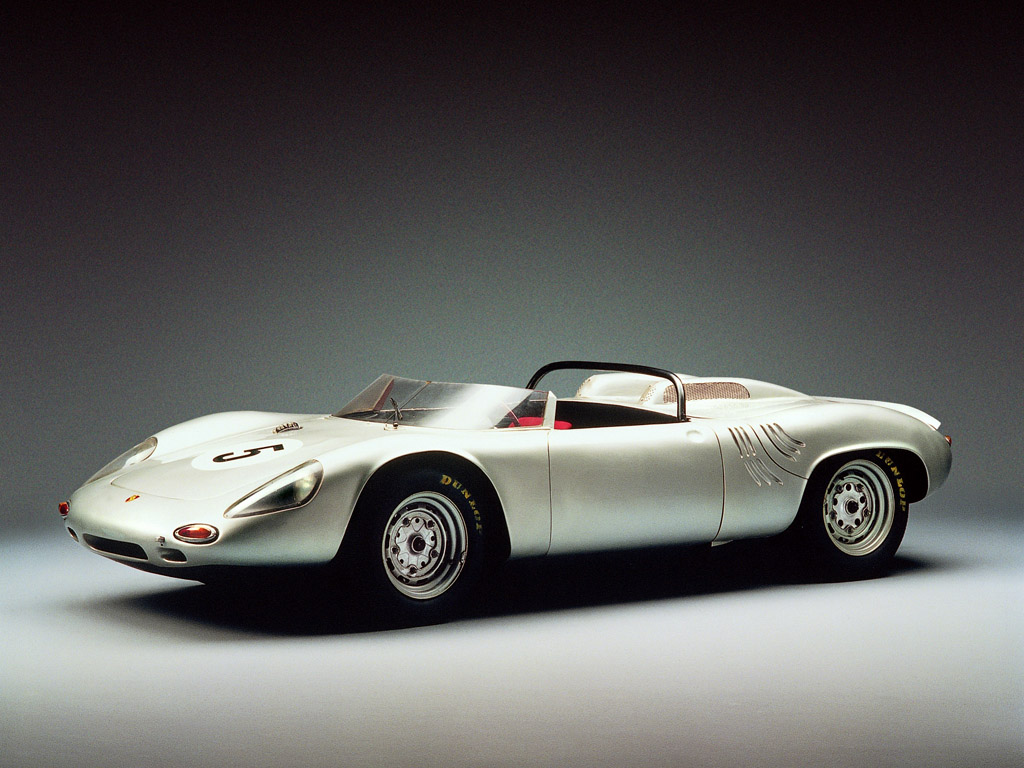
To fully comprehend the sheer, audacious brilliance of the historical Porsche 718 model line, one must cast their mind back to the late 1950s—an era when sports car racing was an incredibly dangerous, high-speed battleground dominated by the brute force of large-displacement front-engine leviathans. The echoing straights of Le Mans and the bumpy airfields of Sebring were the hunting grounds of Maranello’s thunderous V12 Testa Rossas and Aston Martin’s muscular straight-six DBR1s. In Stuttgart, however, Ferry Porsche and his engineers adhered to a radically different, fiercely pragmatic philosophy: aerodynamic efficiency, featherweight construction, and absolute handling superiority. Their earlier creation, the legendary 550 Spyder and its 550A evolution, had already earned a fearsome ‘giant-killer’ reputation. Yet, by 1957, the 550’s rudimentary swing-axle rear suspension had reached the absolute limits of its development, struggling to contain the escalating cornering forces required to fight off emerging, sophisticated lightweight rivals like the Lotus 15 and the Ferrari Dino 196 S. Porsche needed a weapon that was sharper, lower, and dynamically vastly superior. The answer was the Porsche 718. Debuting with the 718 RSK and evolving through the legendary RS 60, RS 61, and the W-RS, this lineage of silver spyders did not merely compete against the established giants; it routinely humiliated them on the world’s most punishing circuits.
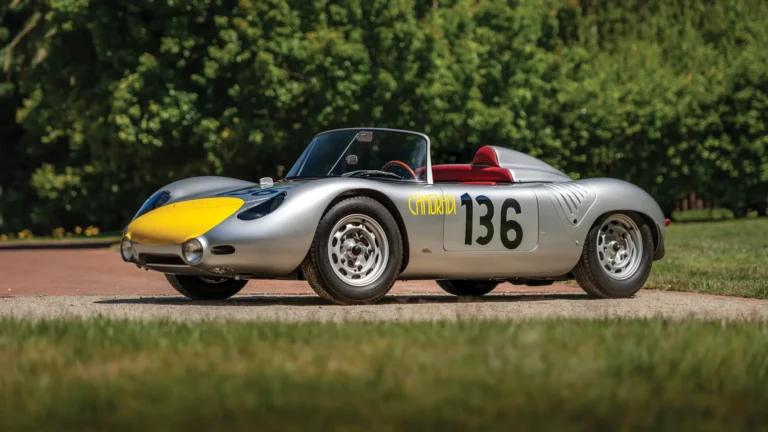
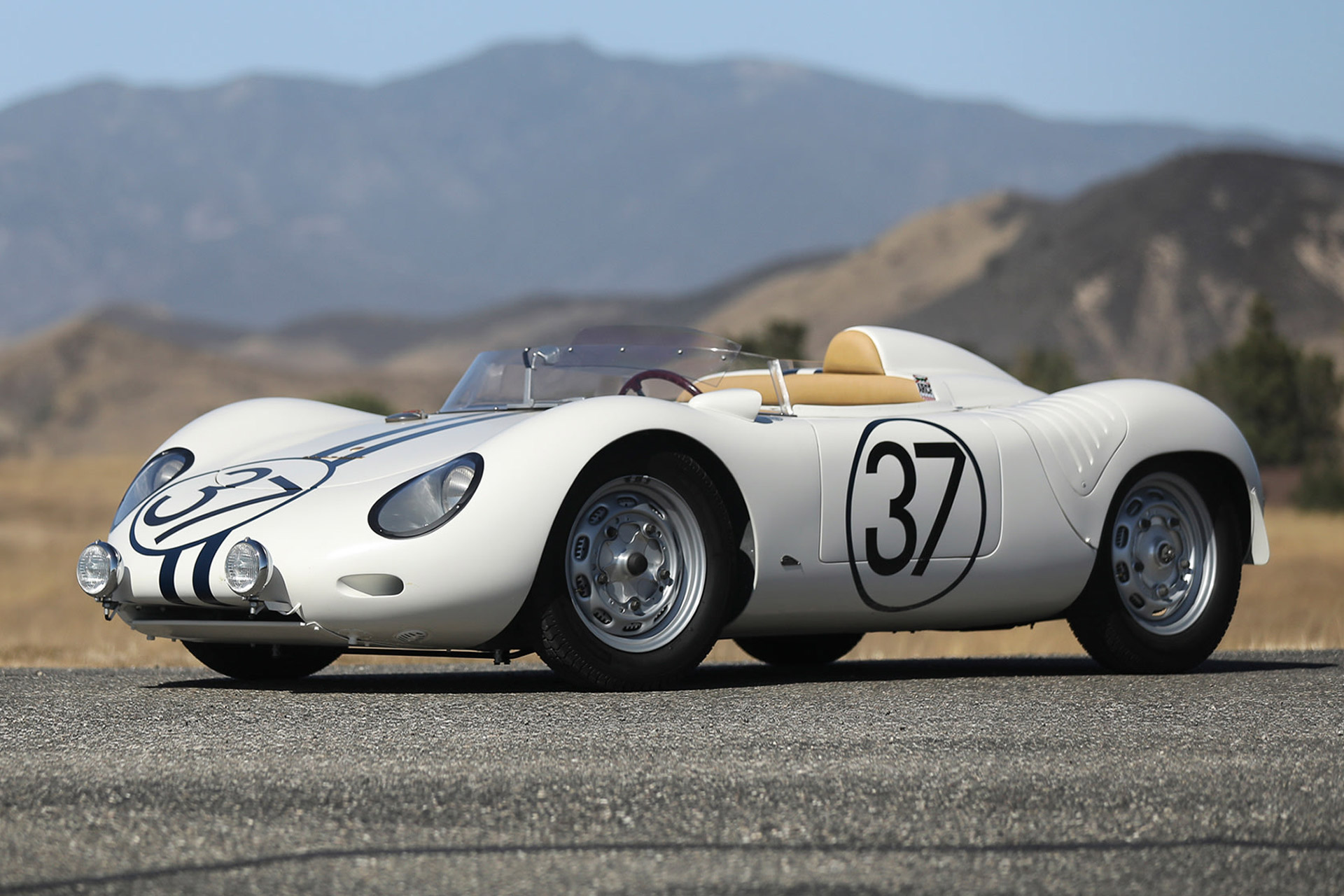
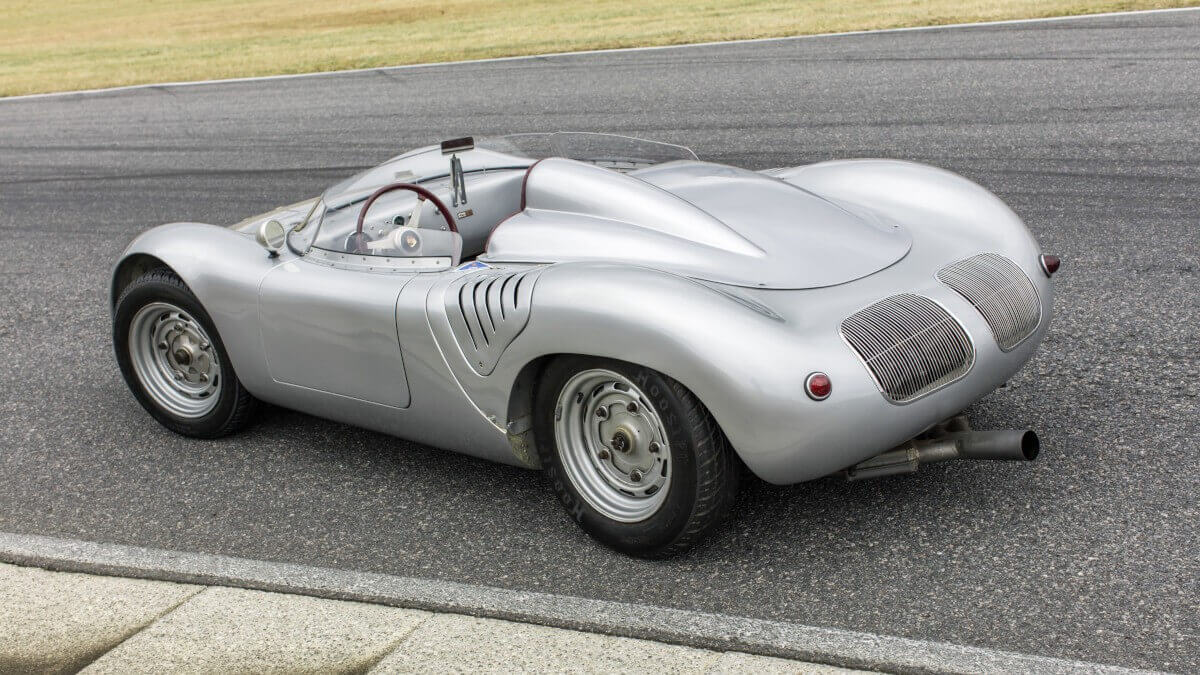
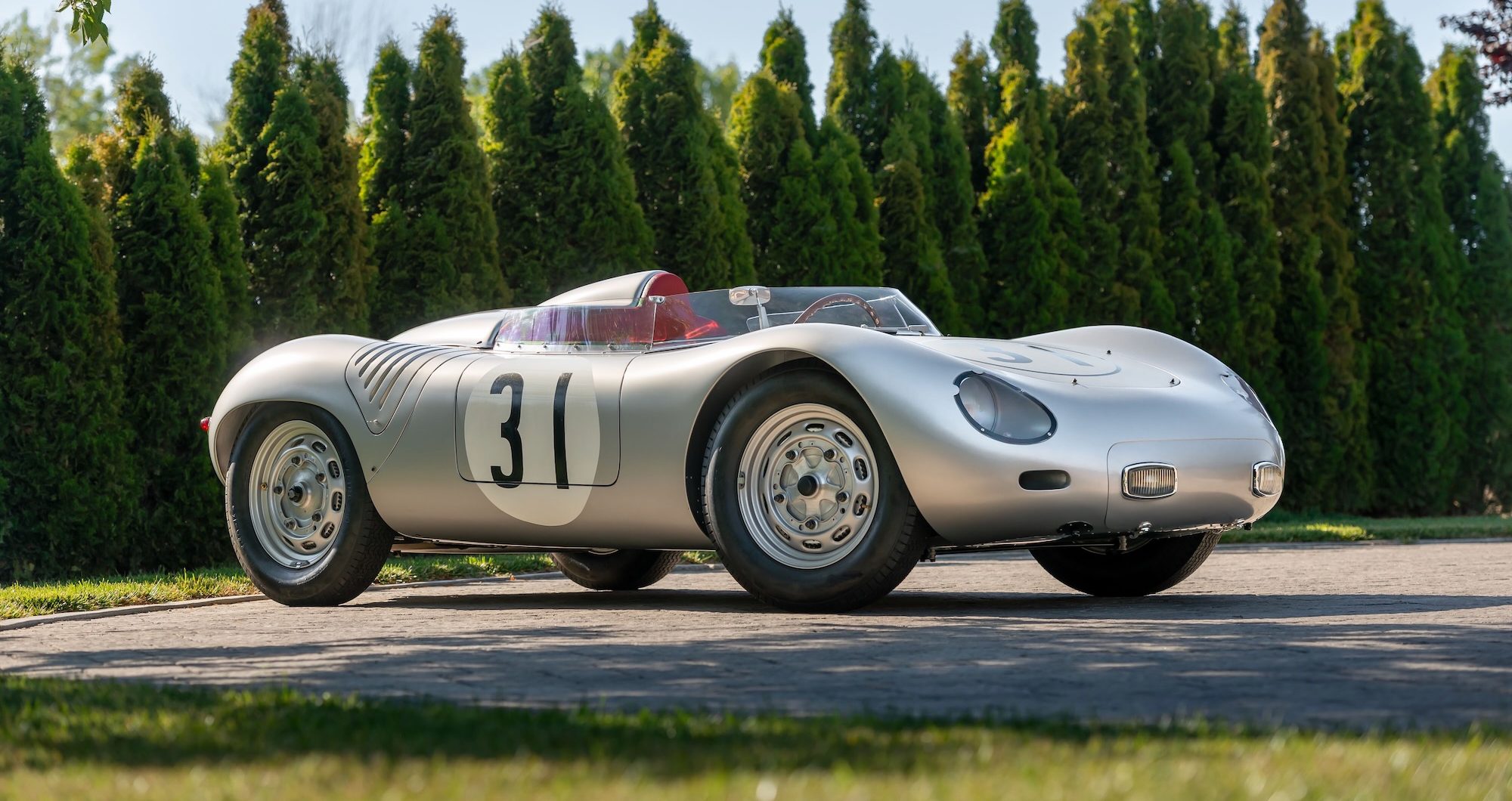
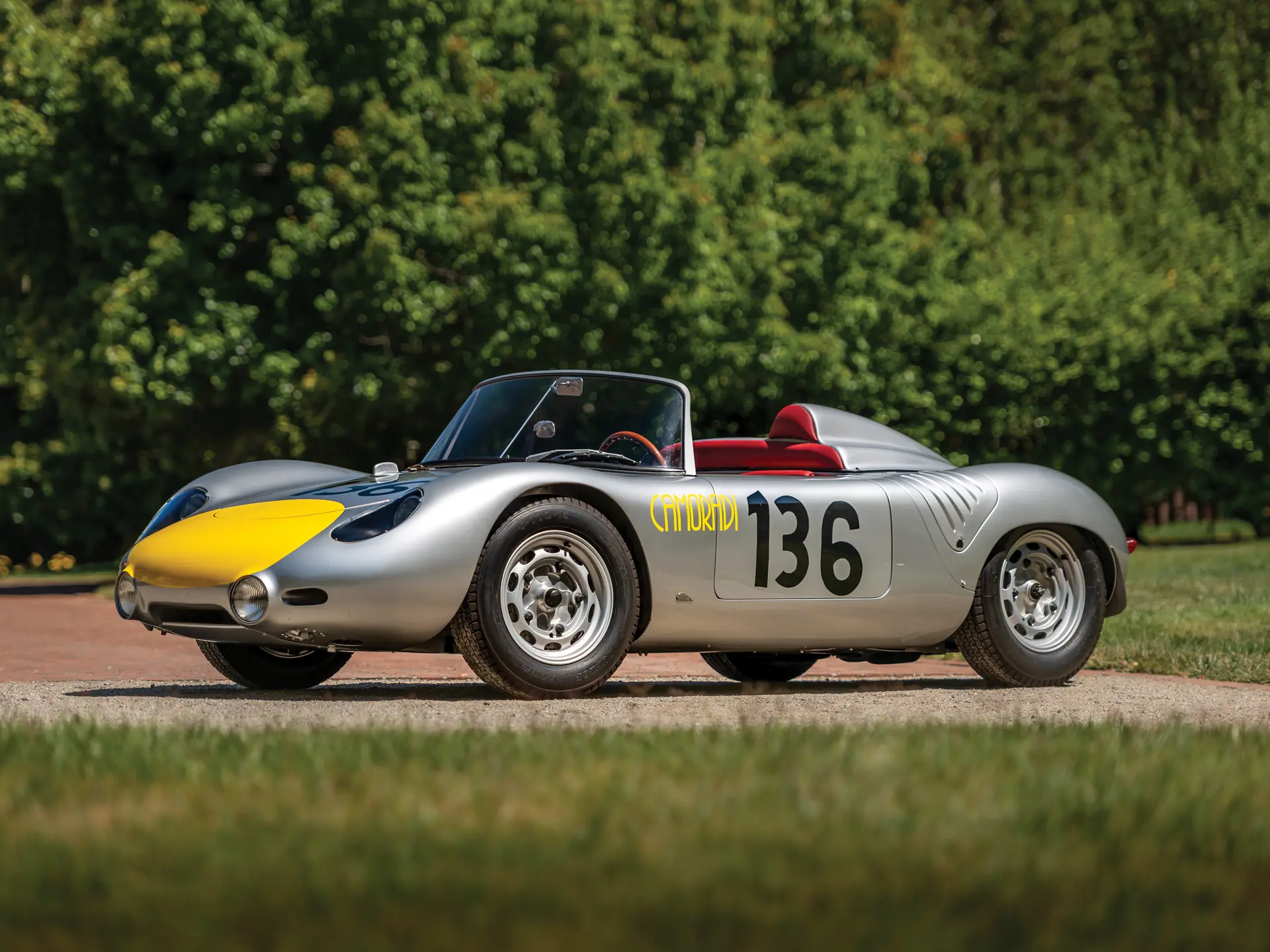
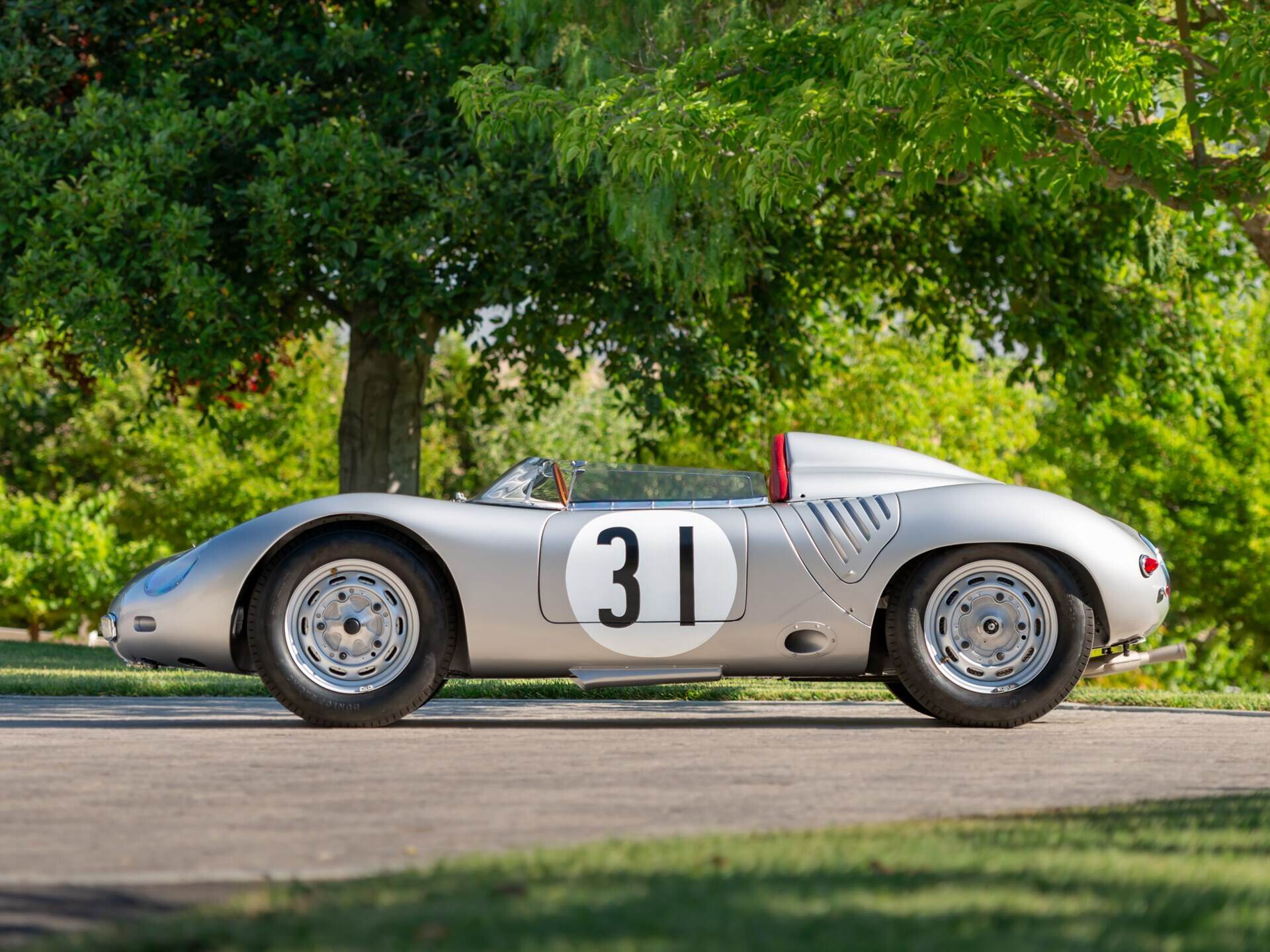
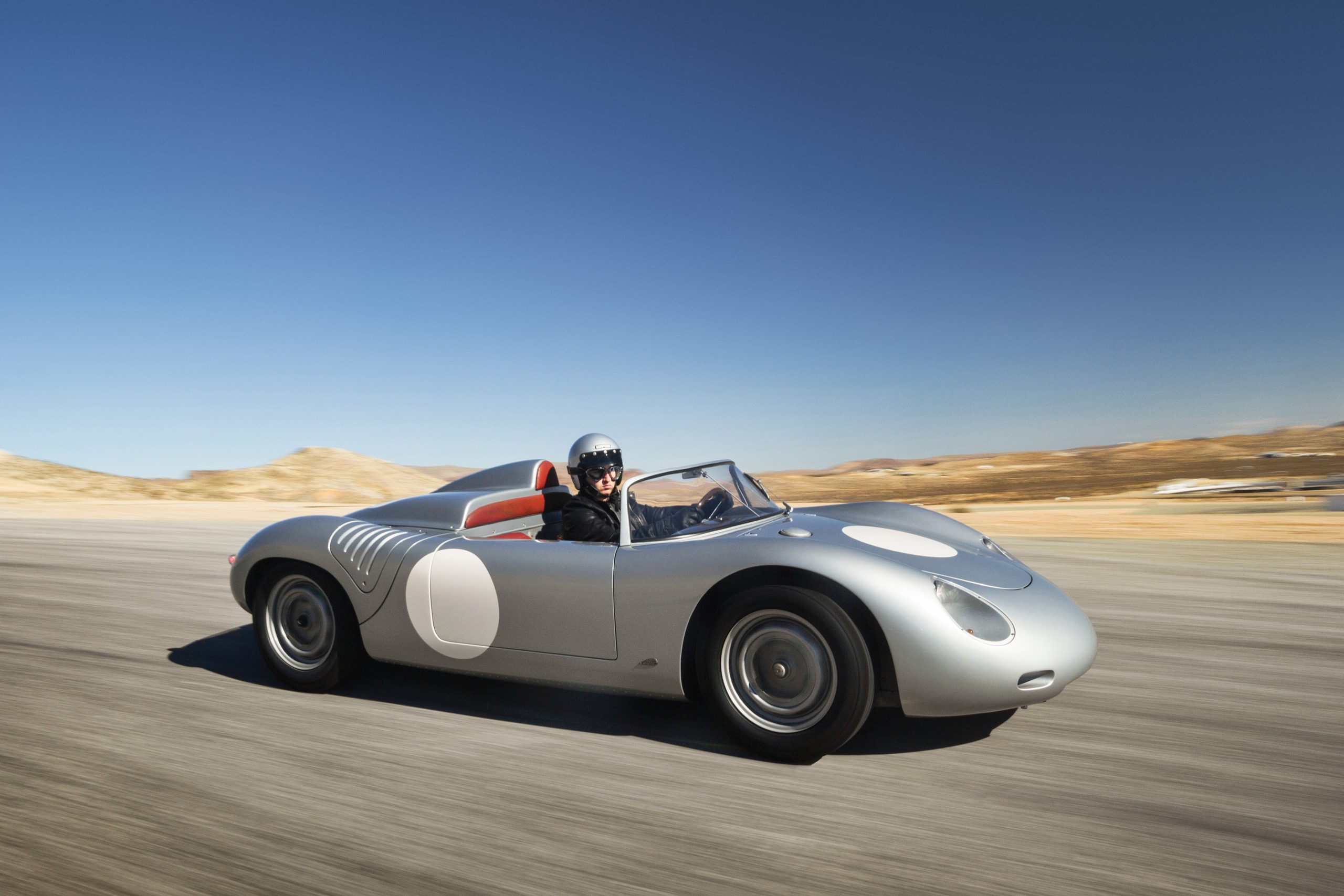
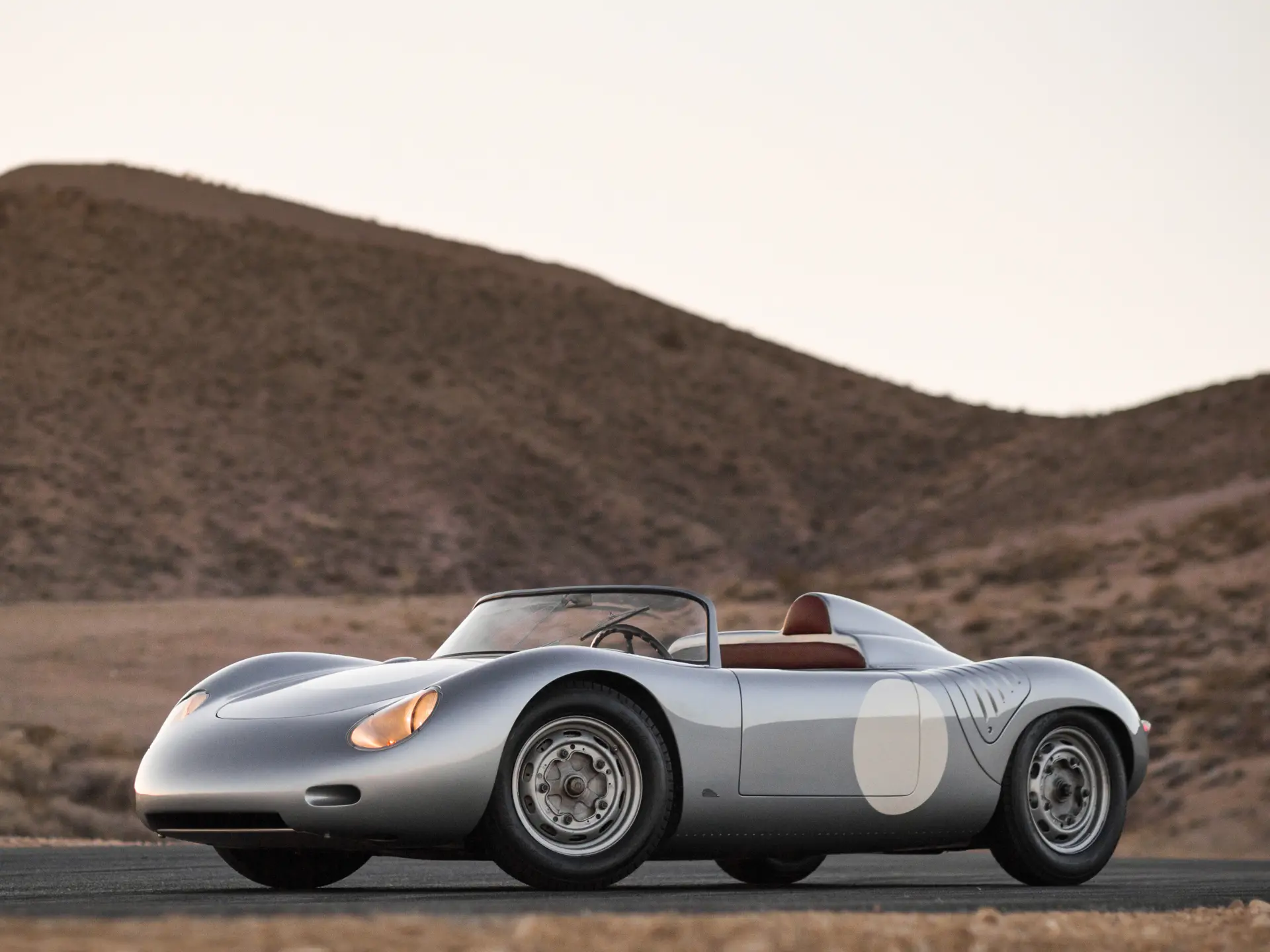
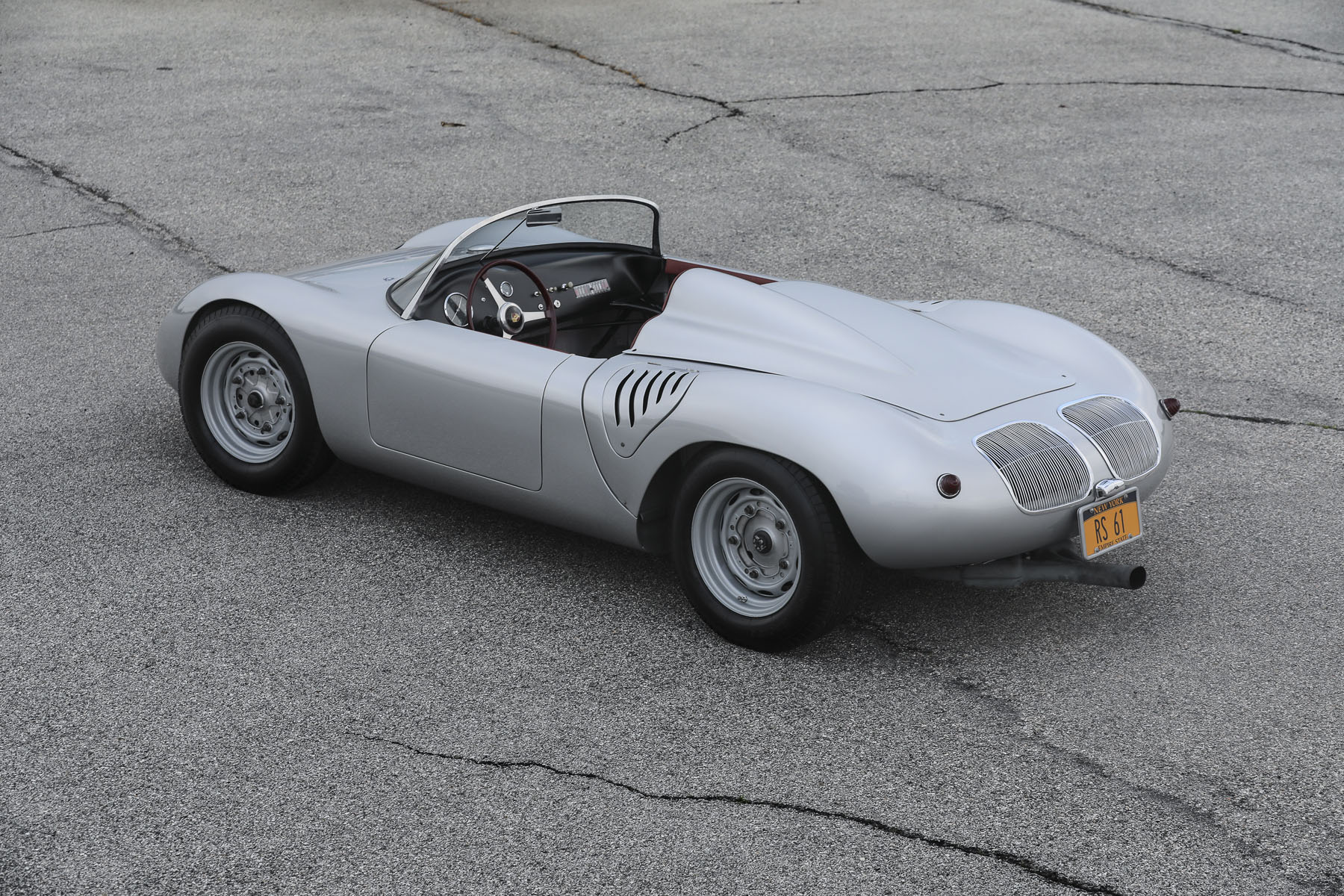
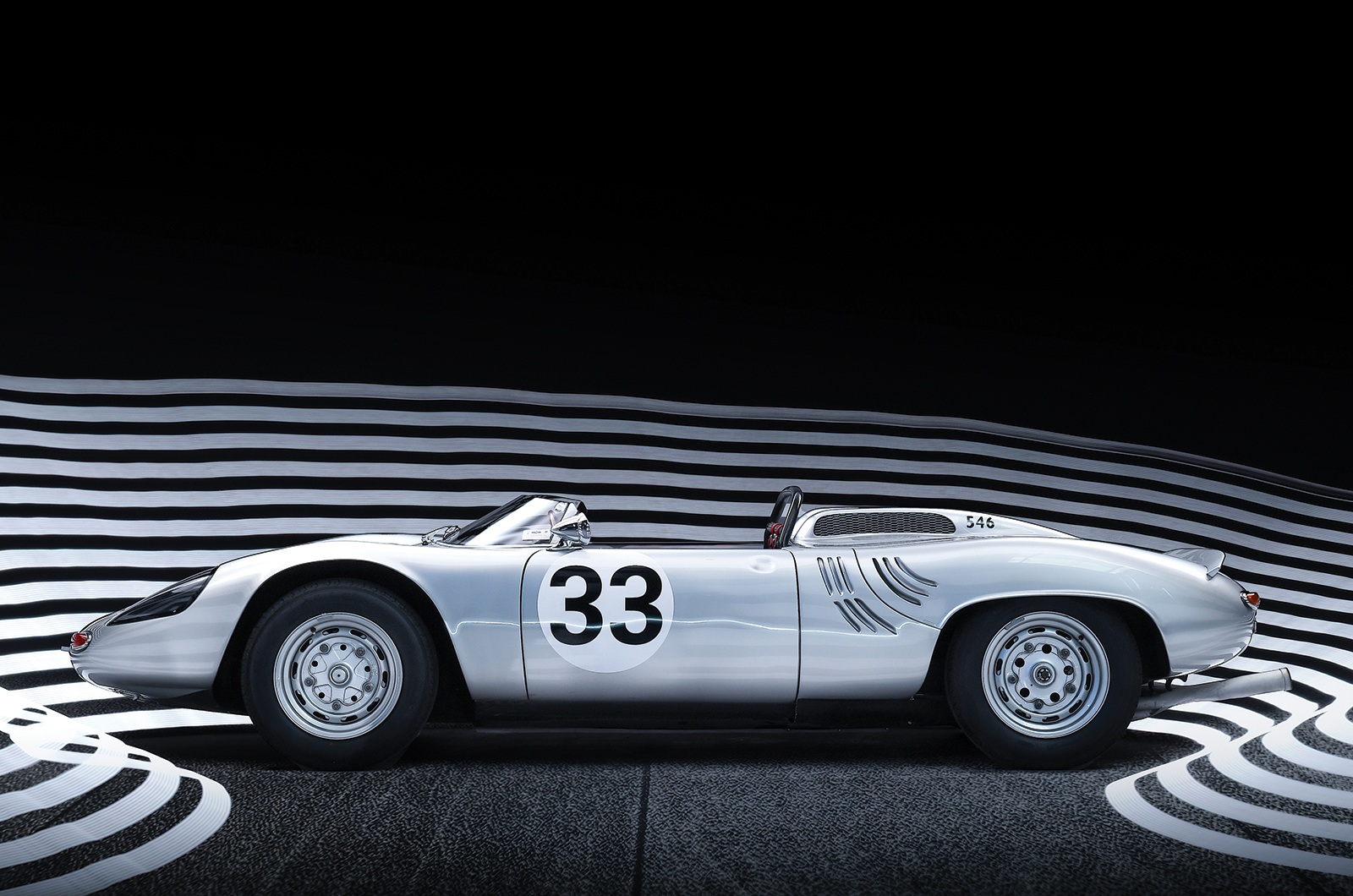
To peer beneath the paper-thin, hand-beaten aluminum bodywork of a Porsche 718 is to witness a masterclass in mid-century motorsport engineering. The foundational shift from the 550A was the complete redesign of the chassis and suspension. The 718 utilized a complex, incredibly rigid seamless steel-tube spaceframe. The “K” in the initial RSK designation referred to the shape of the revised front suspension’s trailing arms, which resembled the letter K, vastly improving front-end geometry. More importantly, at the rear, the treacherous, oversteer-prone swing axles were finally discarded in favor of a modern, low-pivot double-wishbone setup with coil-over shock absorbers and a Watt’s linkage. This transformation endowed the 718 with a supernatural level of mechanical grip and predictable, breakaway handling. The beating heart nestled deep within the middle of this sophisticated chassis was Dr. Ernst Fuhrmann’s masterpiece: the Type 547 flat-four engine. This all-alloy, air-cooled mechanical jewel featured four overhead camshafts driven by a dizzyingly complex arrangement of bevel gears and shafts, spinning a roller-bearing Hirth crankshaft. Originally displacing 1.5 liters and producing around 142 brake horsepower, it emitted a frantic, shrieking mechanical symphony. Over the 718’s lifespan, this engine would be enlarged to 1.6 and 1.7 liters, producing upwards of 160 horsepower. Clothed in impossibly low, aerodynamic coachwork hammered into shape by Carrozzeria Wendler, the 718 sliced through the air with minimal drag. Faired-in headlights, a swooping rear clamshell, and heavily finned, massive aluminum drum brakes (later evolving into sophisticated annular disc brakes) completed the package. The cockpit was a spartan, heat-soaked aluminum tub tailored strictly for the business of winning, featuring a large, thin-rimmed steering wheel and a centrally mounted tachometer that urged the driver to keep the Fuhrmann engine howling near its 8,000-rpm redline.
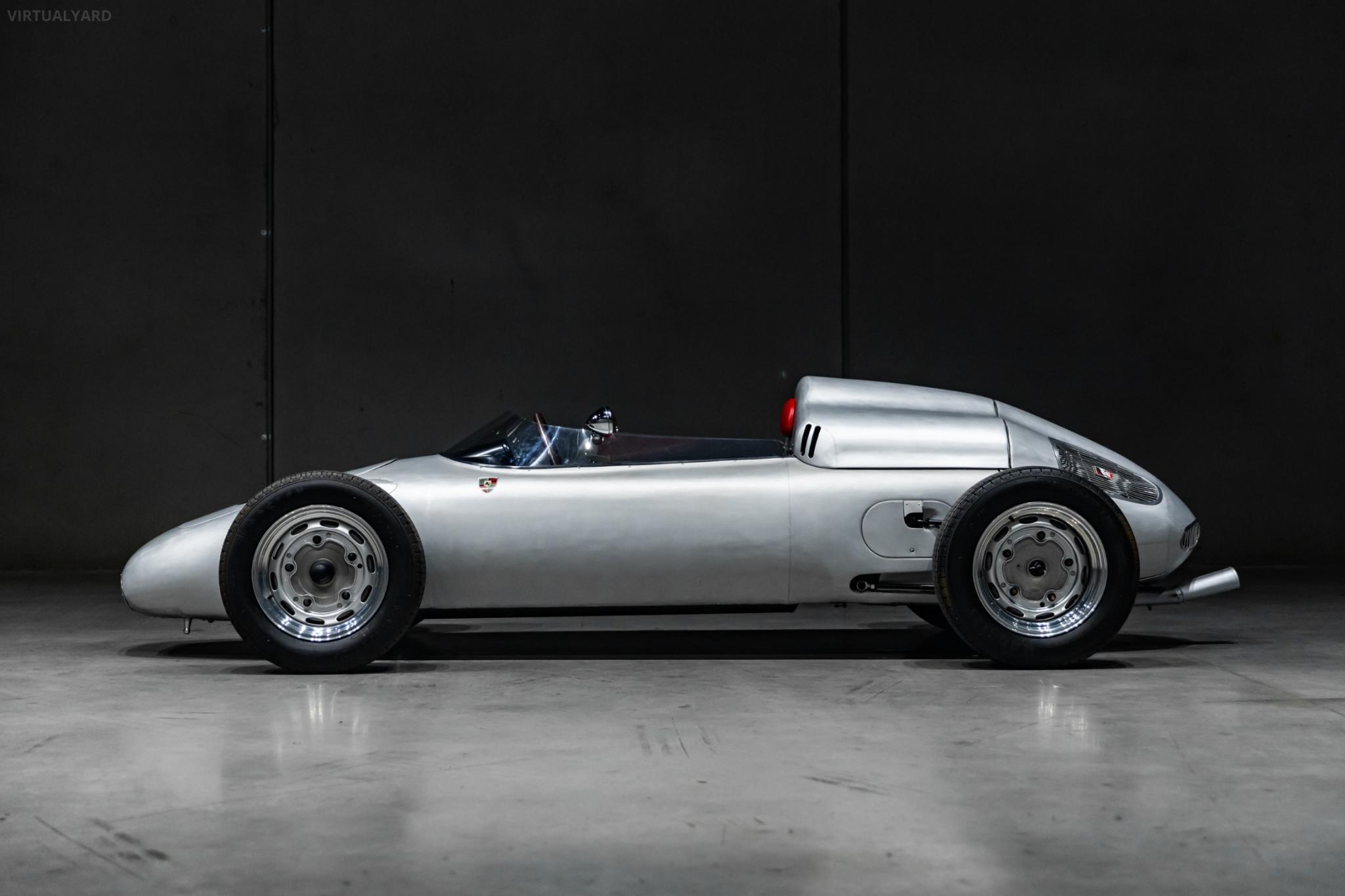
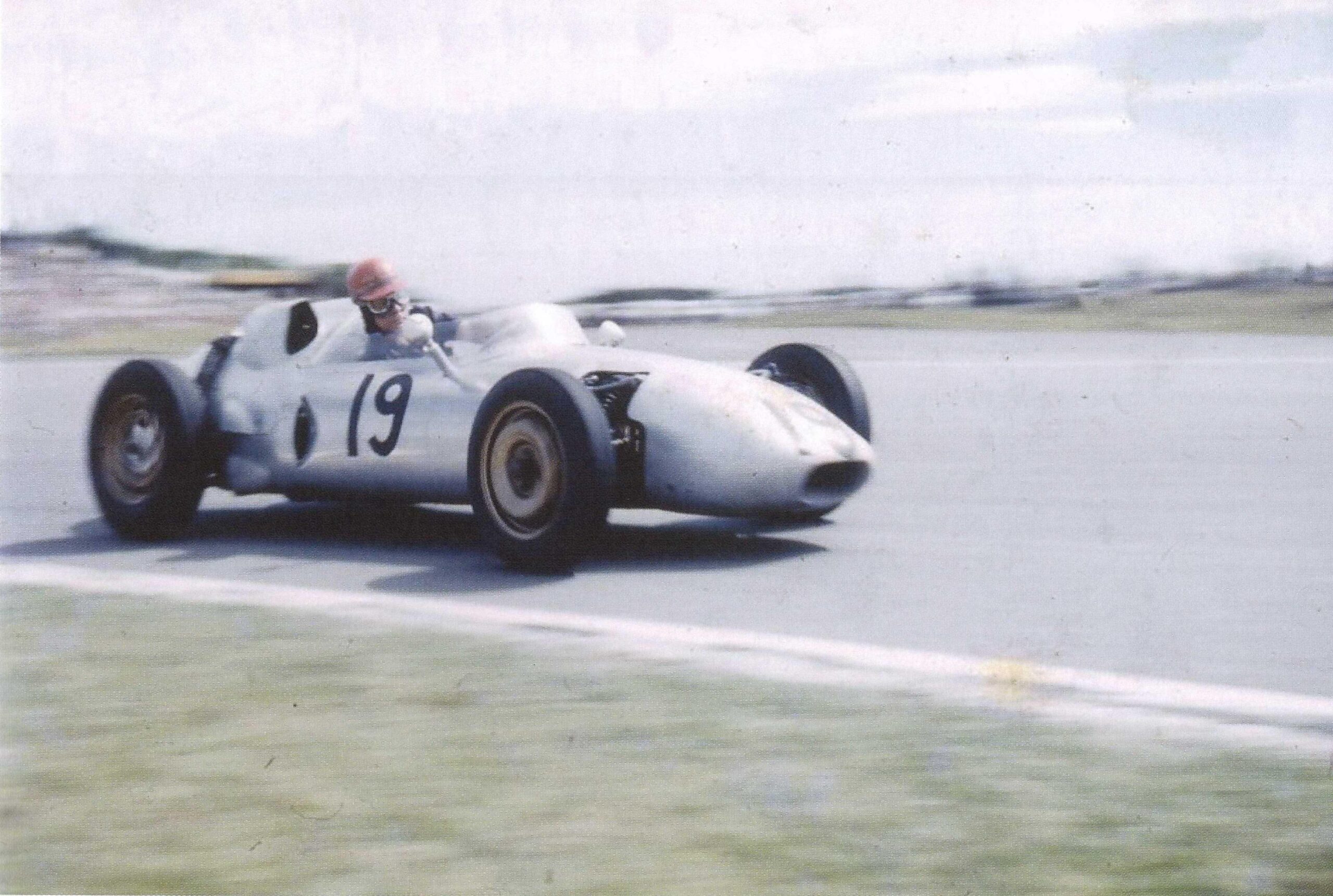
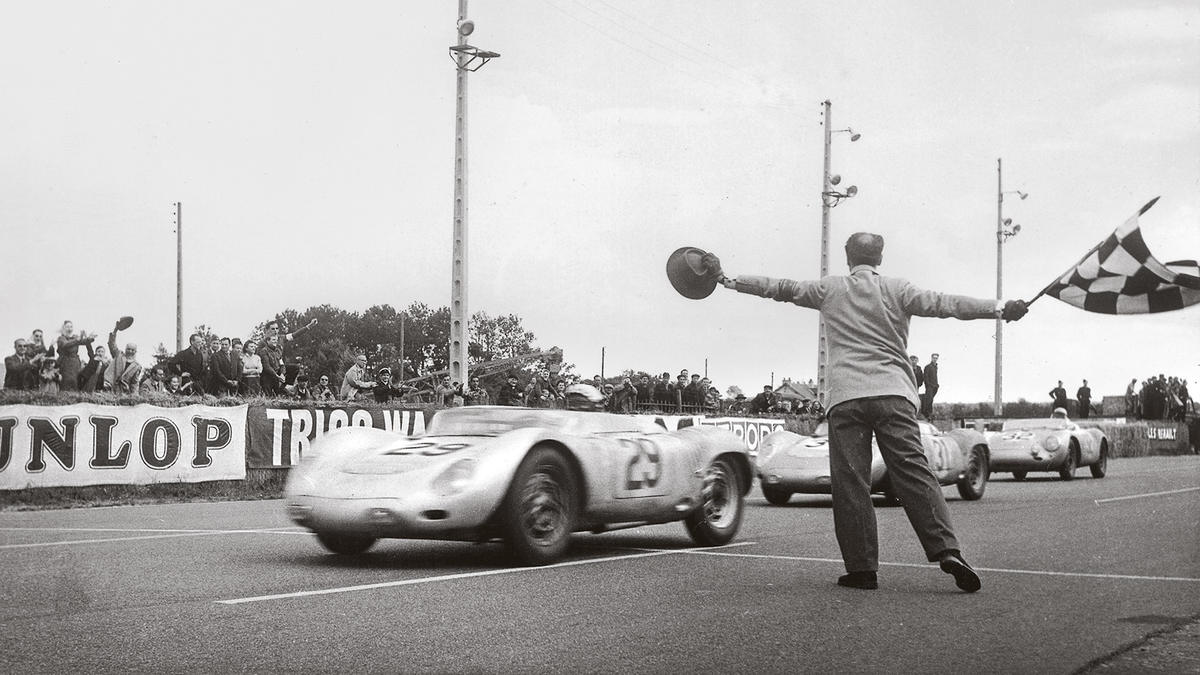
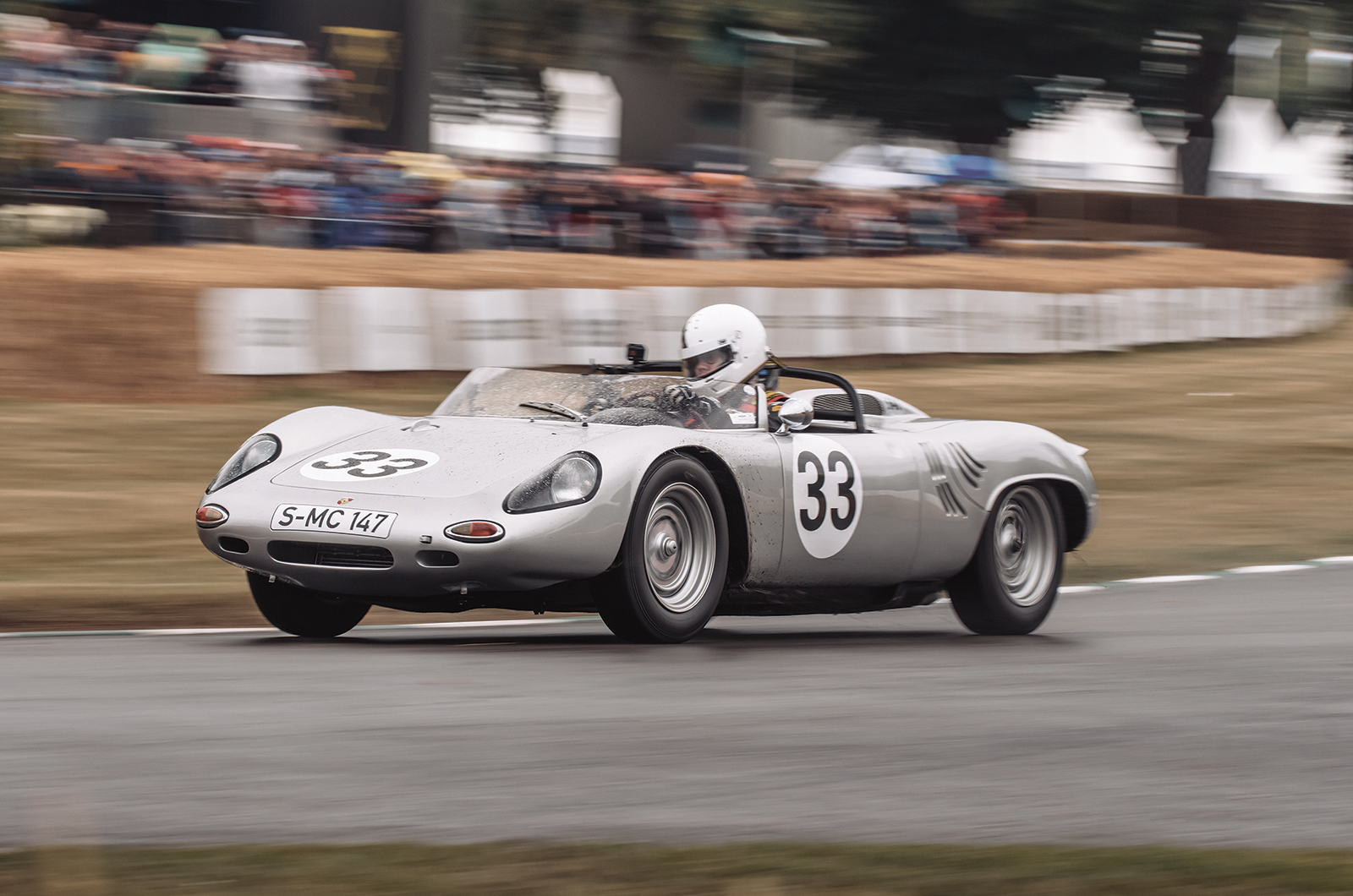
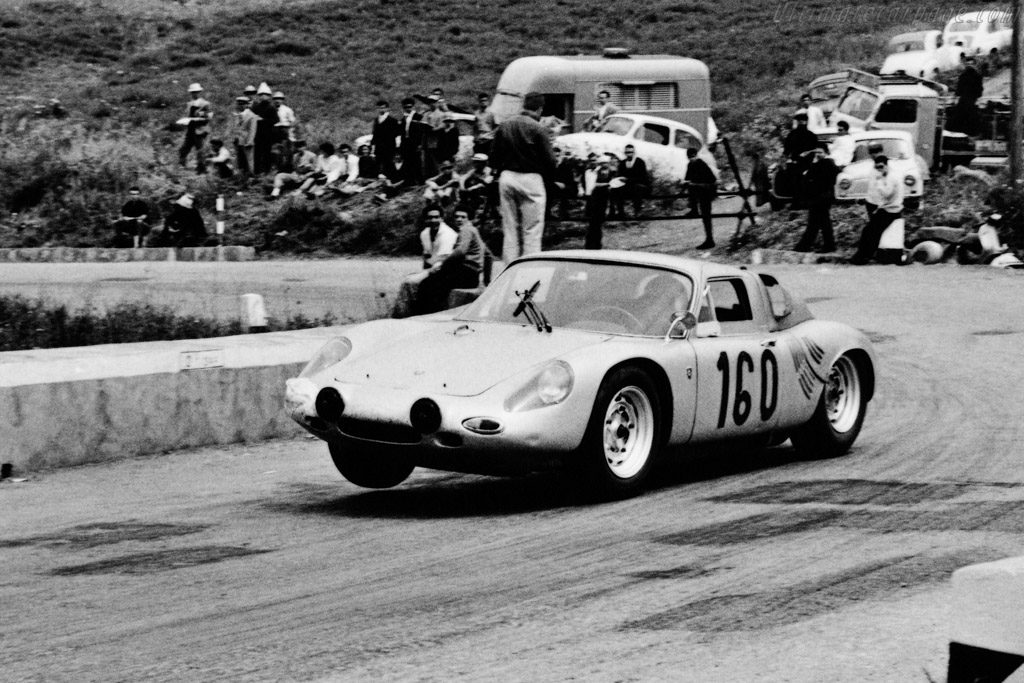
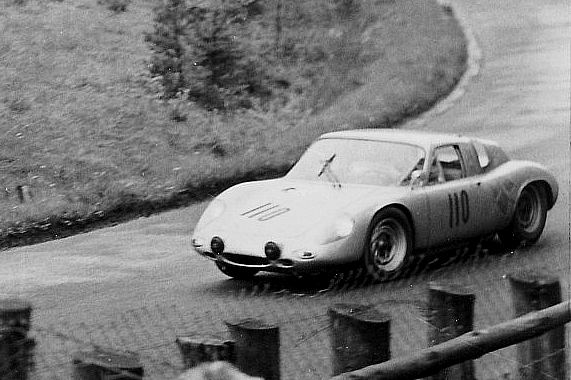
The competitive history of the Porsche 718 is not just a chapter in the brand’s history; it is the very bedrock of the Porsche motorsport legend. It was a car that fundamentally disrupted the established hierarchy of displacement. In 1958, at the 24 Hours of Le Mans, a 1.5-liter 718 RSK not only won its class but finished an astonishing third overall, beaten only by a 3.0-liter Ferrari 250 TR and an Aston Martin, while another RSK finished fourth. But the 718 truly found its spiritual home on the treacherous, winding mountain roads of the Targa Florio and the tight, punishing European Hill Climb Championship. In 1959, Edgar Barth and Wolfgang Seidel piloted an RSK to an outright victory at the Targa Florio, conquering the Sicilian mountains against vastly more powerful opposition. When the FIA changed the regulations in 1960, requiring a wider cockpit, a taller windshield, and regulation-sized doors, Porsche responded with the 718 RS 60. This iteration became an absolute terror of the endurance calendar. In one of the greatest upsets in motorsport history, Hans Herrmann and Olivier Gendebien drove a 1.6-liter RS 60 to a stunning overall victory at the 1960 12 Hours of Sebring, exhausting and outlasting the entire fleet of factory Ferraris and Maseratis. That same year, the RS 60 repeated the overall victory at the Targa Florio in the hands of Jo Bonnier and Hans Herrmann. The 718 was so inherently balanced that Porsche even adapted it into an open-wheel single-seater, the 718/2, which proved highly competitive in Formula 2 and even Formula 1. The final, ultimate sports car evolution was the eight-cylinder 718 W-RS. Affectionately nicknamed ‘Grossmutter’ (Grandmother) by the mechanics due to its exceptionally long and successful racing career from 1961 to 1964, it proved that the fundamental 718 chassis was brilliant enough to handle Porsche’s new 2.0-liter flat-eight Formula 1 engine, continuing to rack up European Hill Climb titles.
The legacy of the original Porsche 718 lineage is of sovereign importance to the pantheon of automovilismo. It represents the absolute pinnacle of Porsche’s aluminum-bodied, four-cylinder Spyder era. The 718 proved definitively that massive displacement was not the only path to the top step of an international podium; surgical precision, relentless reliability, and superior cornering speed could shatter the will of the giants. When the 718 was finally retired from factory duty, it paved the way for the enclosed, fiberglass-bodied 904 Carrera GTS, effectively serving as the crucial bridge between the early 356-derived racers and the exotic plastic prototypes (like the 906 and 910) that would dominate the late 1960s. Today, surviving examples of the 718 RSK, RS 60, and RS 61 are among the most revered, historically significant, and incredibly valuable racing cars on earth. They are blue-chip stars of the classic racing world, mesmerizing crowds at the Goodwood Revival and the Monterey Historics. The historical 718 model line stands immortal as the ultimate testament to the ingenuity of Stuttgart—a fleet of tiny, silver arrows that howled into the night, out-braked the heavyweights, and forever cemented Porsche’s identity as the ultimate giant-killer.
Portal
Model line
Brand
Produced from
Vehicle category
Model Overview
To fully comprehend the sheer, audacious brilliance of the historical Porsche 718 model line, one must cast their mind back to the late 1950s—an era when sports car racing was an incredibly dangerous, high-speed battleground dominated by the brute force of large-displacement front-engine leviathans. The echoing straights of Le Mans and the bumpy airfields of Sebring were the hunting grounds of Maranello’s thunderous V12 Testa Rossas and Aston Martin’s muscular straight-six DBR1s. In Stuttgart, however, Ferry Porsche and his engineers adhered to a radically different, fiercely pragmatic philosophy: aerodynamic efficiency, featherweight construction, and absolute handling superiority. Their earlier creation, the legendary 550 Spyder and its 550A evolution, had already earned a fearsome ‘giant-killer’ reputation. Yet, by 1957, the 550’s rudimentary swing-axle rear suspension had reached the absolute limits of its development, struggling to contain the escalating cornering forces required to fight off emerging, sophisticated lightweight rivals like the Lotus 15 and the Ferrari Dino 196 S. Porsche needed a weapon that was sharper, lower, and dynamically vastly superior. The answer was the Porsche 718. Debuting with the 718 RSK and evolving through the legendary RS 60, RS 61, and the W-RS, this lineage of silver spyders did not merely compete against the established giants; it routinely humiliated them on the world’s most punishing circuits.
To peer beneath the paper-thin, hand-beaten aluminum bodywork of a Porsche 718 is to witness a masterclass in mid-century motorsport engineering. The foundational shift from the 550A was the complete redesign of the chassis and suspension. The 718 utilized a complex, incredibly rigid seamless steel-tube spaceframe. The “K” in the initial RSK designation referred to the shape of the revised front suspension’s trailing arms, which resembled the letter K, vastly improving front-end geometry. More importantly, at the rear, the treacherous, oversteer-prone swing axles were finally discarded in favor of a modern, low-pivot double-wishbone setup with coil-over shock absorbers and a Watt’s linkage. This transformation endowed the 718 with a supernatural level of mechanical grip and predictable, breakaway handling. The beating heart nestled deep within the middle of this sophisticated chassis was Dr. Ernst Fuhrmann’s masterpiece: the Type 547 flat-four engine. This all-alloy, air-cooled mechanical jewel featured four overhead camshafts driven by a dizzyingly complex arrangement of bevel gears and shafts, spinning a roller-bearing Hirth crankshaft. Originally displacing 1.5 liters and producing around 142 brake horsepower, it emitted a frantic, shrieking mechanical symphony. Over the 718’s lifespan, this engine would be enlarged to 1.6 and 1.7 liters, producing upwards of 160 horsepower. Clothed in impossibly low, aerodynamic coachwork hammered into shape by Carrozzeria Wendler, the 718 sliced through the air with minimal drag. Faired-in headlights, a swooping rear clamshell, and heavily finned, massive aluminum drum brakes (later evolving into sophisticated annular disc brakes) completed the package. The cockpit was a spartan, heat-soaked aluminum tub tailored strictly for the business of winning, featuring a large, thin-rimmed steering wheel and a centrally mounted tachometer that urged the driver to keep the Fuhrmann engine howling near its 8,000-rpm redline.
The competitive history of the Porsche 718 is not just a chapter in the brand’s history; it is the very bedrock of the Porsche motorsport legend. It was a car that fundamentally disrupted the established hierarchy of displacement. In 1958, at the 24 Hours of Le Mans, a 1.5-liter 718 RSK not only won its class but finished an astonishing third overall, beaten only by a 3.0-liter Ferrari 250 TR and an Aston Martin, while another RSK finished fourth. But the 718 truly found its spiritual home on the treacherous, winding mountain roads of the Targa Florio and the tight, punishing European Hill Climb Championship. In 1959, Edgar Barth and Wolfgang Seidel piloted an RSK to an outright victory at the Targa Florio, conquering the Sicilian mountains against vastly more powerful opposition. When the FIA changed the regulations in 1960, requiring a wider cockpit, a taller windshield, and regulation-sized doors, Porsche responded with the 718 RS 60. This iteration became an absolute terror of the endurance calendar. In one of the greatest upsets in motorsport history, Hans Herrmann and Olivier Gendebien drove a 1.6-liter RS 60 to a stunning overall victory at the 1960 12 Hours of Sebring, exhausting and outlasting the entire fleet of factory Ferraris and Maseratis. That same year, the RS 60 repeated the overall victory at the Targa Florio in the hands of Jo Bonnier and Hans Herrmann. The 718 was so inherently balanced that Porsche even adapted it into an open-wheel single-seater, the 718/2, which proved highly competitive in Formula 2 and even Formula 1. The final, ultimate sports car evolution was the eight-cylinder 718 W-RS. Affectionately nicknamed ‘Grossmutter’ (Grandmother) by the mechanics due to its exceptionally long and successful racing career from 1961 to 1964, it proved that the fundamental 718 chassis was brilliant enough to handle Porsche’s new 2.0-liter flat-eight Formula 1 engine, continuing to rack up European Hill Climb titles.
The legacy of the original Porsche 718 lineage is of sovereign importance to the pantheon of automovilismo. It represents the absolute pinnacle of Porsche’s aluminum-bodied, four-cylinder Spyder era. The 718 proved definitively that massive displacement was not the only path to the top step of an international podium; surgical precision, relentless reliability, and superior cornering speed could shatter the will of the giants. When the 718 was finally retired from factory duty, it paved the way for the enclosed, fiberglass-bodied 904 Carrera GTS, effectively serving as the crucial bridge between the early 356-derived racers and the exotic plastic prototypes (like the 906 and 910) that would dominate the late 1960s. Today, surviving examples of the 718 RSK, RS 60, and RS 61 are among the most revered, historically significant, and incredibly valuable racing cars on earth. They are blue-chip stars of the classic racing world, mesmerizing crowds at the Goodwood Revival and the Monterey Historics. The historical 718 model line stands immortal as the ultimate testament to the ingenuity of Stuttgart—a fleet of tiny, silver arrows that howled into the night, out-braked the heavyweights, and forever cemented Porsche’s identity as the ultimate giant-killer.
Submodels