Mini (Classic) Mk I
Brand
Produced from
Vehicle category
Portal
Model line
Model generation
Sucessor
Generation Overview
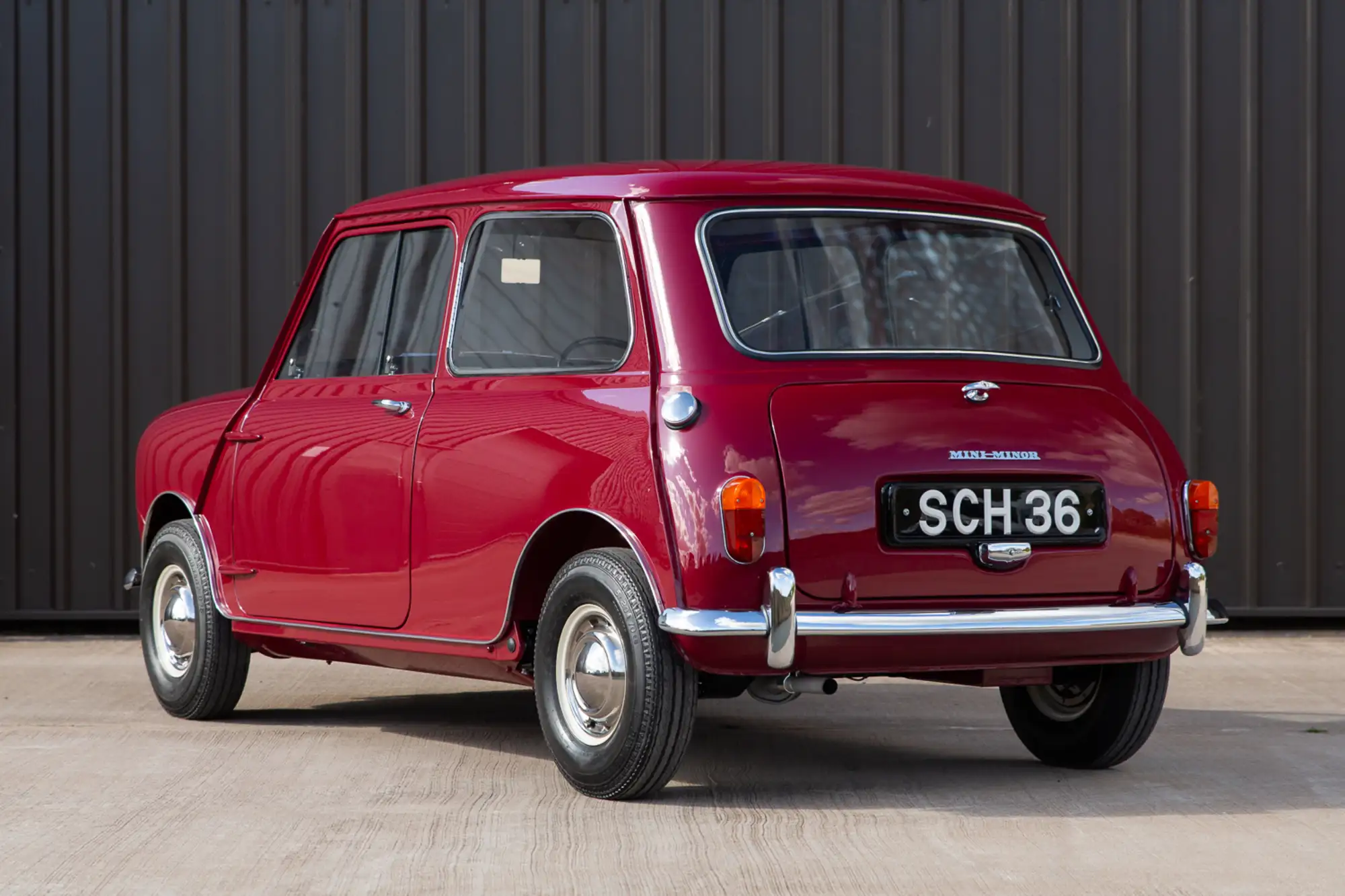
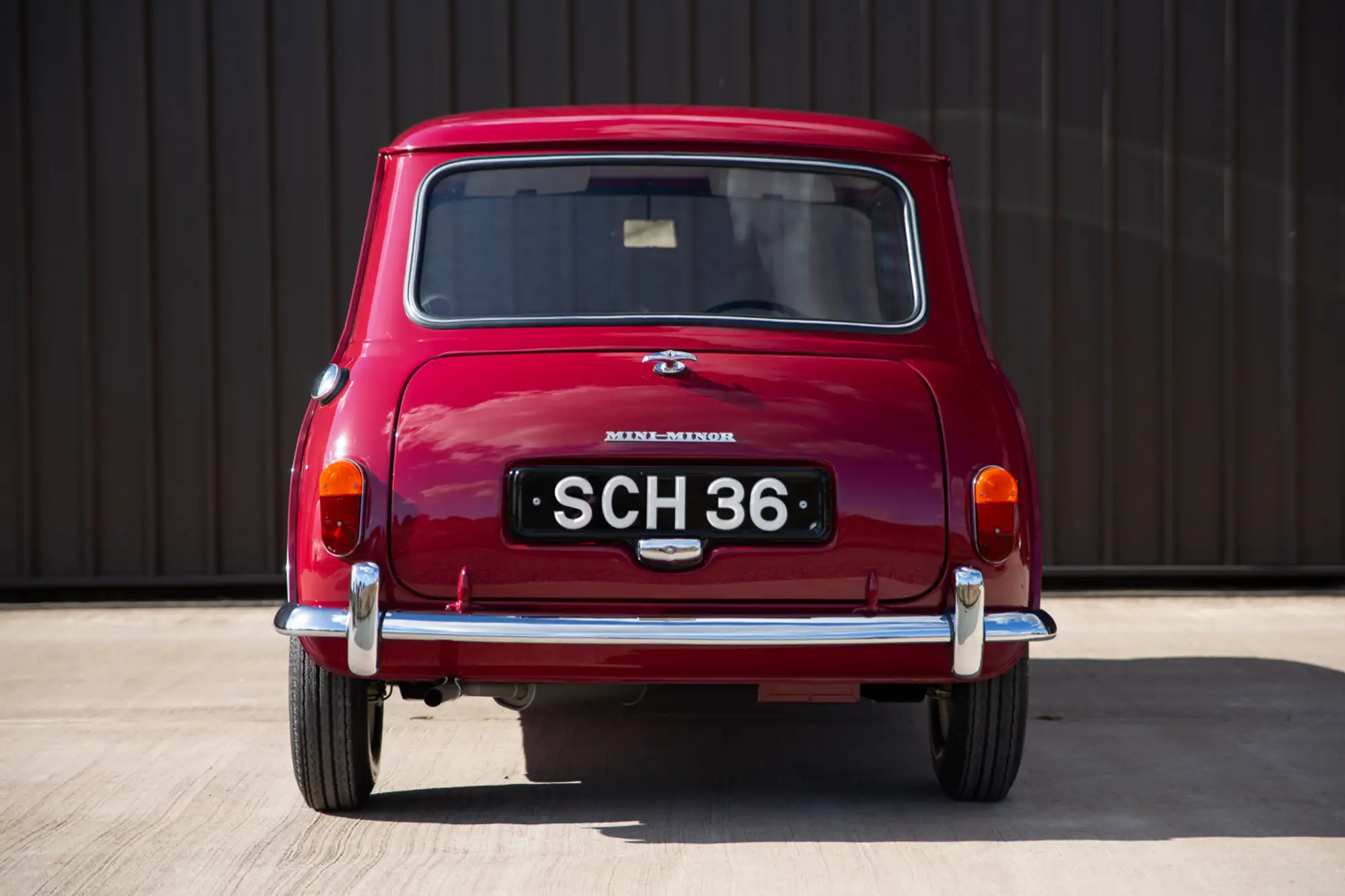
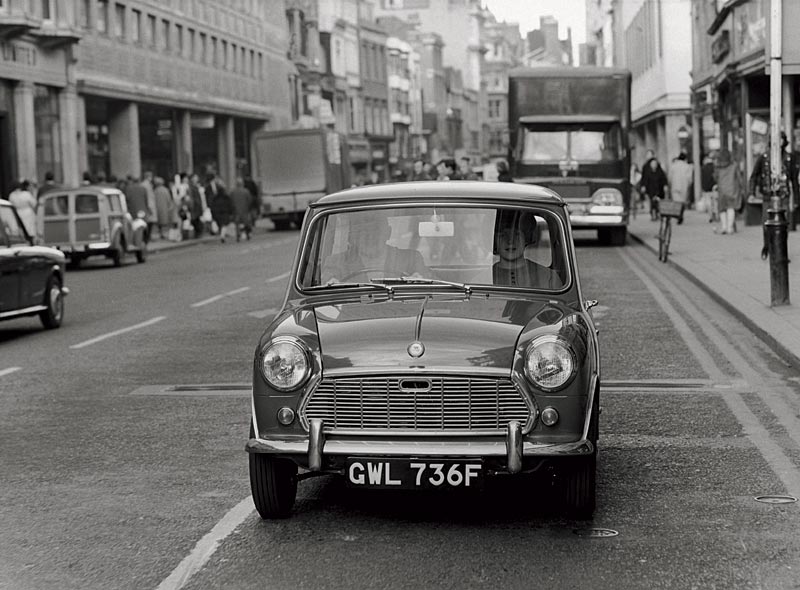
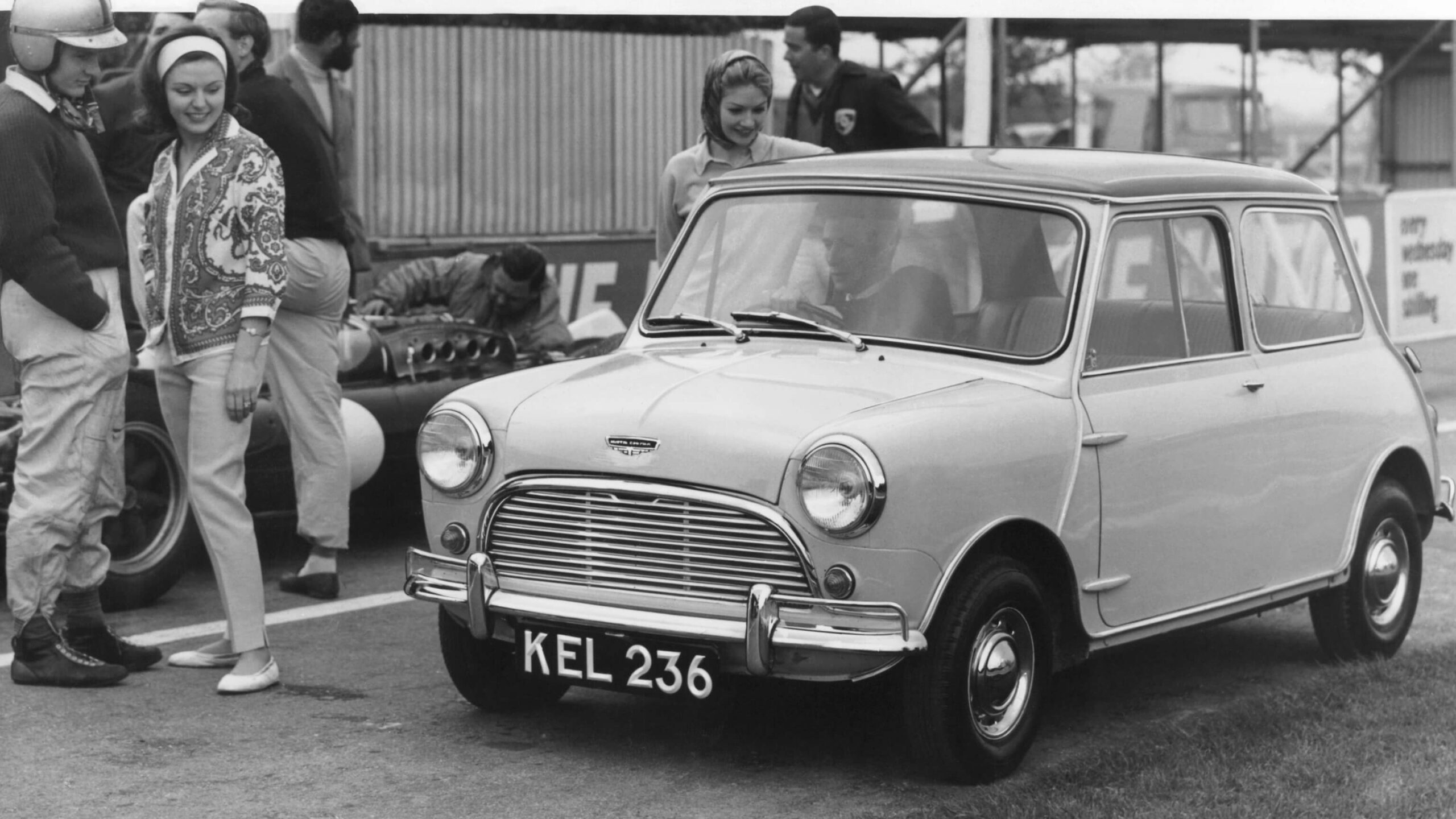
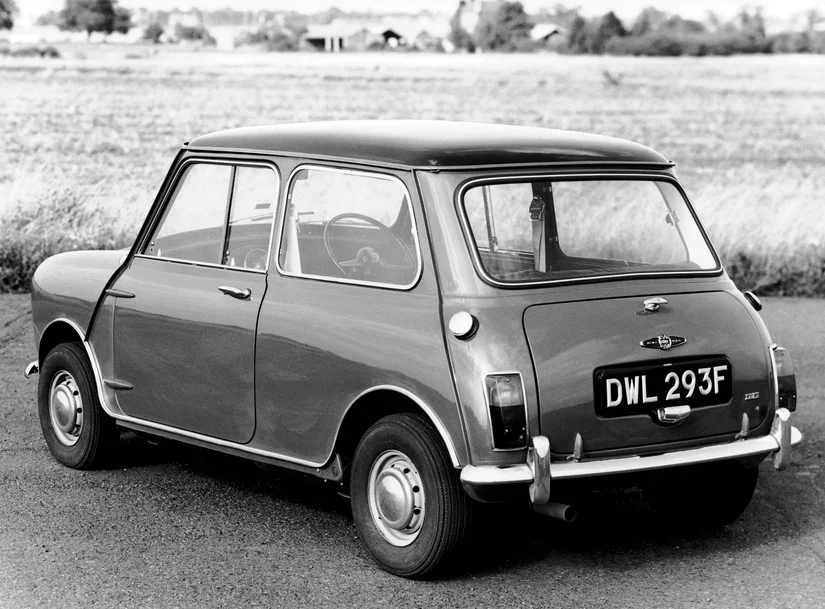
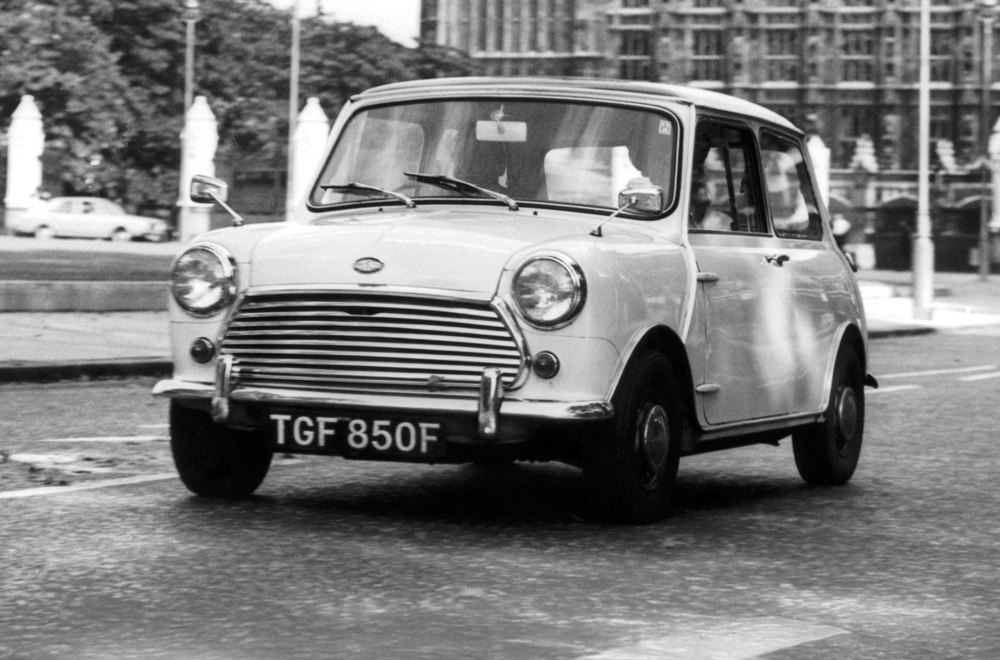
The most significant engineering blueprint of the 20th century wasn’t drafted in a pristine, sterile laboratory; it was reportedly sketched on a hotel napkin by a man enveloped in a cloud of cigarette smoke. When Alec Issigonis finalized the parameters for the ADO15 project in the late 1950s, he wasn’t just designing a car; he was declaring absolute war on the bizarre, smoke-belching bubble cars that had infested Britain during the Suez fuel crisis. The resulting 1959 Mini Mk I generation exploded onto the scene as an uncompromising piece of industrial packaging that fundamentally rendered everything else on the road obsolete. This first generation wasn’t a monolith; it was a vast, diverse ecosystem. It encompassed the humble, utilitarian 850cc Austin Seven and Morris Mini-Minor, the stretched Traveller and Countryman estates with their external ash timber frames, the peculiar, booted luxury of the Riley Elf and Wolseley Hornet, and, crucially, the giant-slaying Cooper and Cooper S performance submodels. It entered a global market dominated by the rear-engined establishment—the Volkswagen Beetle and the Fiat 500—and domestically faced the conventional, rear-wheel-drive Ford Anglia 105E. Yet, none of them possessed the sheer, rule-breaking audacity of Issigonis’s creation.
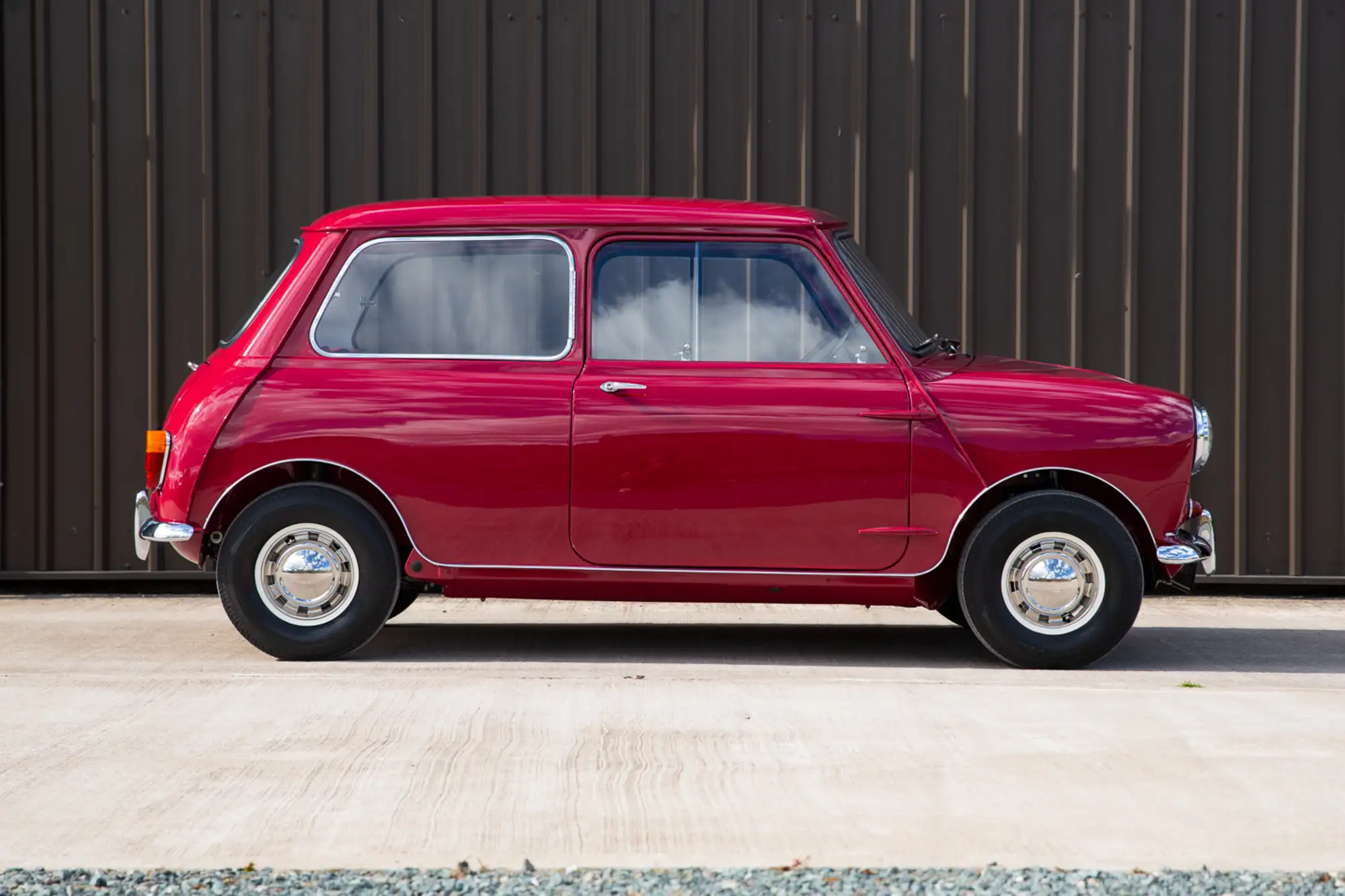
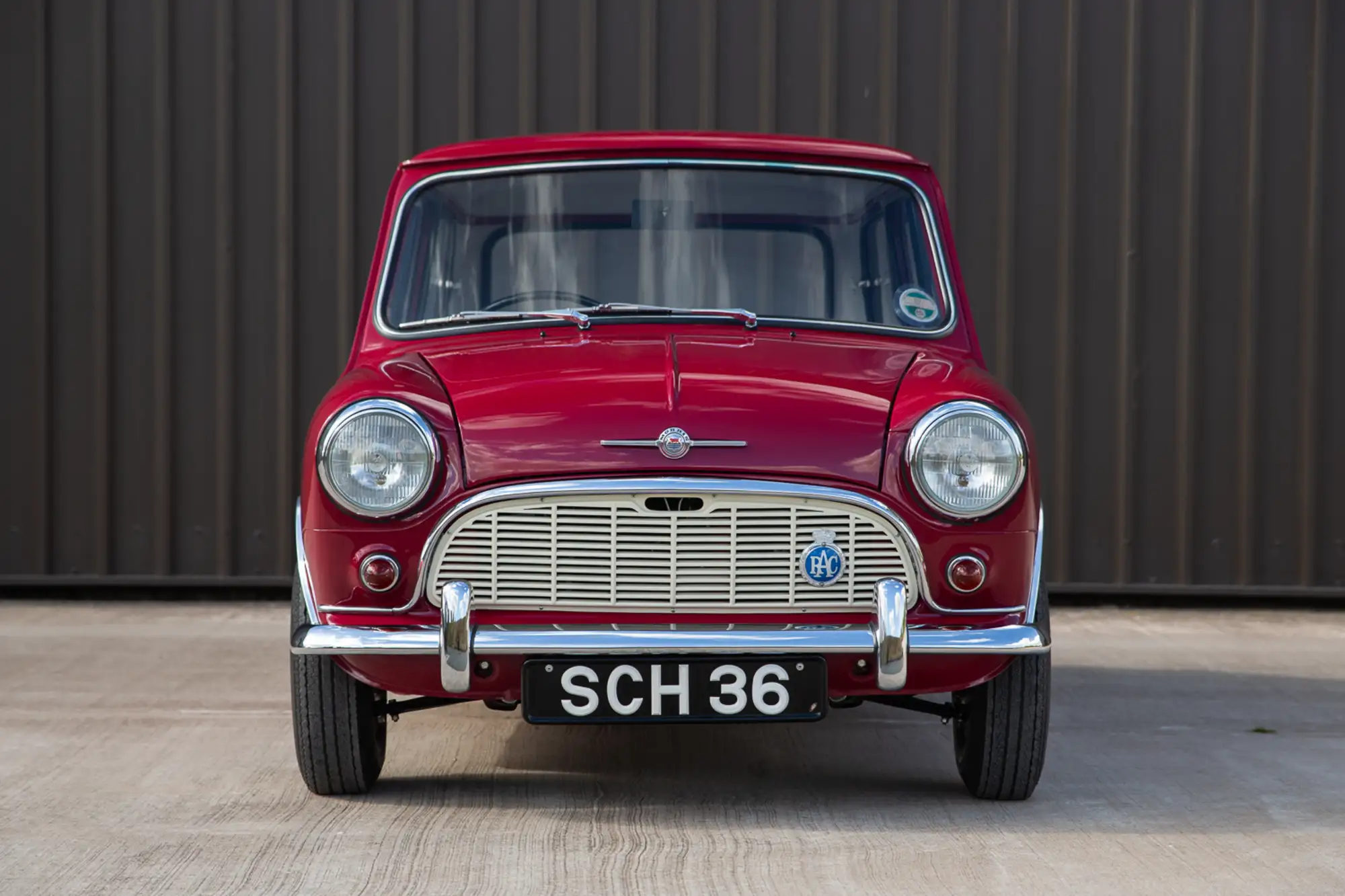
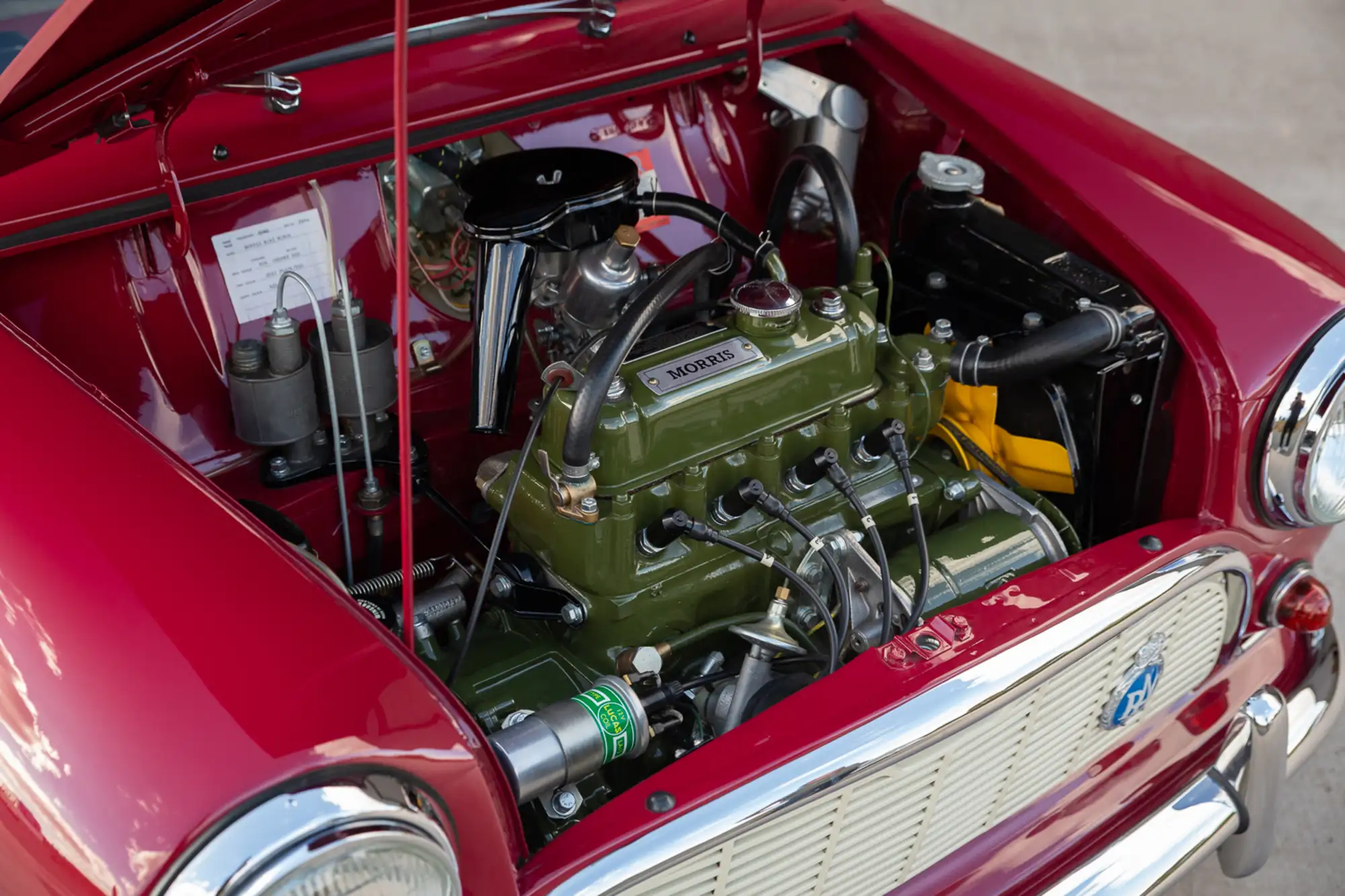
To dissect the naked anatomy of the Mk I is to witness a masterpiece of spatial heresy. Issigonis laid down a draconian mandate: 80 percent of the car’s tiny ten-foot footprint must be dedicated to humans and their luggage, leaving a mere 20 percent for the mechanicals. To achieve this impossible metric, he took the sturdy, cast-iron BMC A-Series overhead-valve engine and mounted it transversely across the nose—a radical departure from the longitudinal norm. Furthermore, in a stroke of packaging genius, he placed the four-speed manual gearbox directly inside the engine’s oil sump. This arrangement dictated front-wheel drive and freed up an astonishing amount of cabin space. But the mechanical wizardry didn’t stop at the drivetrain. Instead of bulky steel coil or leaf springs, Dr. Alex Moulton engineered a brilliant, hyper-compact variable-rate rubber cone suspension. Paired with tiny ten-inch wheels shoved to the absolute farthest extremities of the chassis, the Mk I possessed zero overhangs and an incredibly wide, planted stance. The result was steering that felt telepathically wired to the driver’s brain and a legendary, flat-cornering agility. Early 850cc models relied on tiny drum brakes, which were adequate for 34 horsepower, but the later, highly tuned Cooper S variants demanded—and received—front discs to haul them down from terrifying speeds. The cabin was a study in spartan, functional minimalism. The doors featured sliding glass and pull-cord releases, which hollowed out the interior panels to create massive storage bins—famously sized to hold the ingredients for a dry martini, exactly as Issigonis had intended.
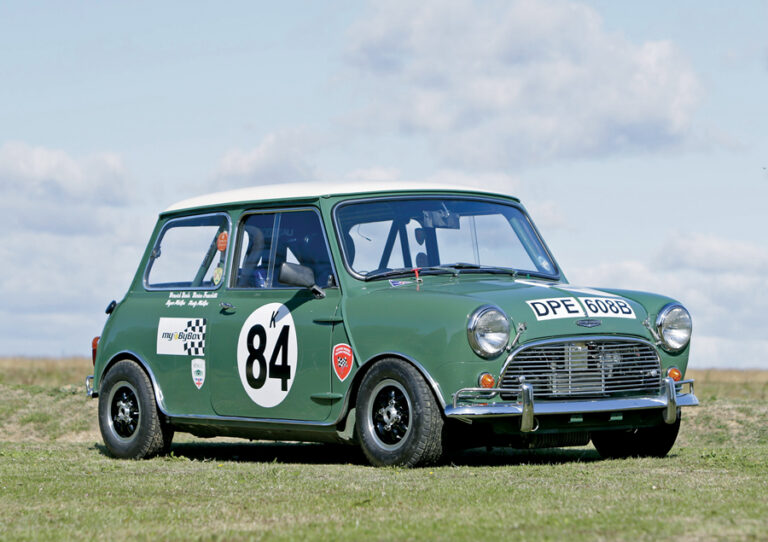
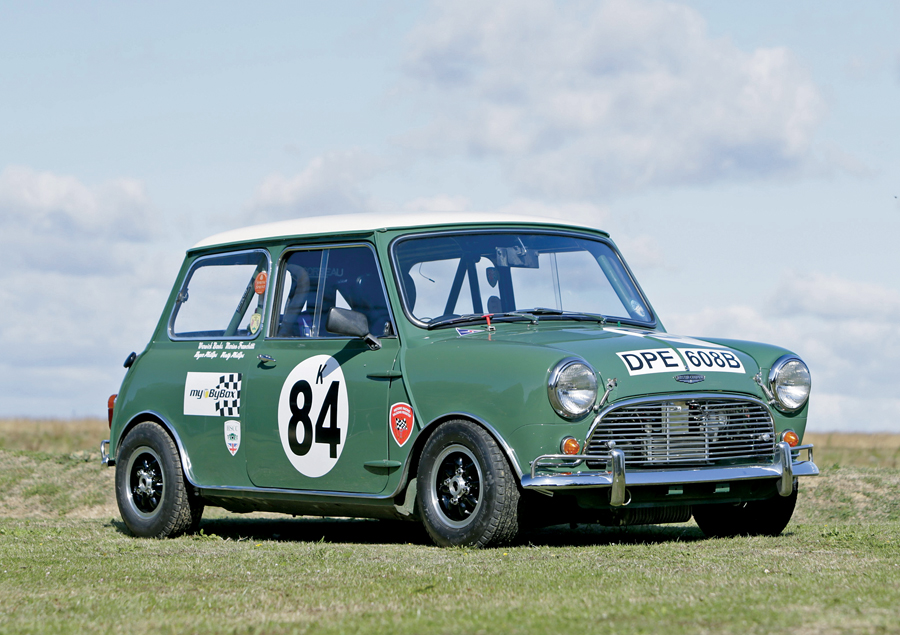
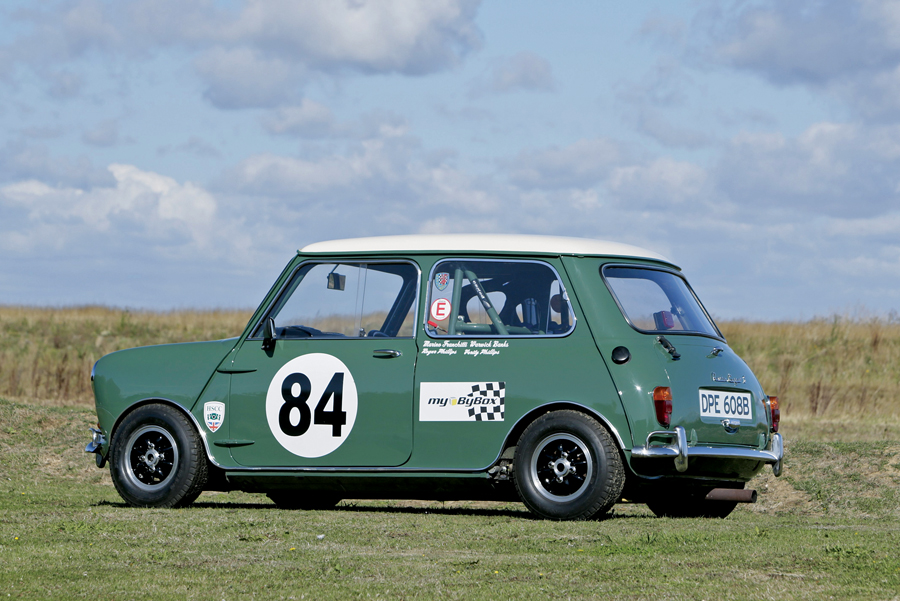
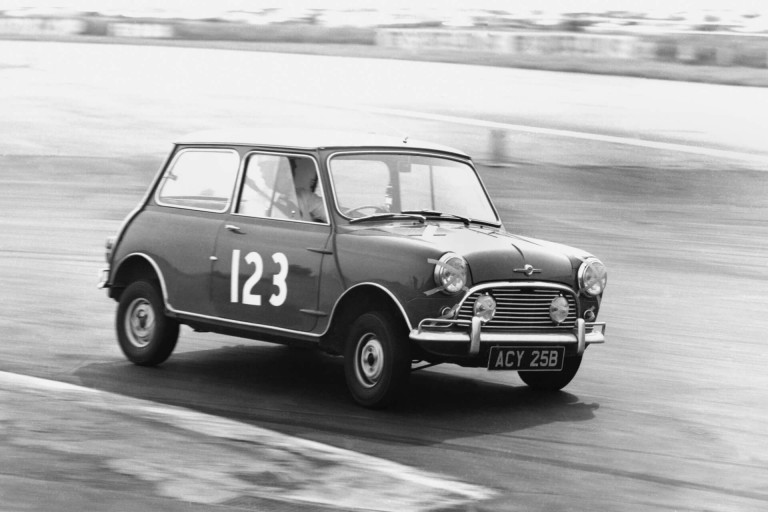
The Mk I’s trajectory from an austere economy car to a global cultural phenomenon is utterly unique. Initially greeted with scepticism by a British public unaccustomed to its tiny dimensions and whiney gearbox, it soon transcended its utilitarian roots to become the defining, classless automotive icon of the swinging sixties. A dusty Austin 850 was the transport of the working man, while a bespoke, leather-lined Radford-modified Cooper was the weapon of choice for Peter Sellers, Steve McQueen, and every member of The Beatles. It was fashionable, egalitarian, and fiercely British. However, beneath this chic veneer lurked a bloodthirsty competitor. Formula 1 constructor John Cooper immediately recognized the latent potential in that wide track and rubber suspension. He persuaded a reluctant BMC to let him build a high-performance variant, birthing the Mini Cooper and the legendary Cooper S. Unleashed on the global motorsport stage, the Mk I became the ultimate giant-killer. With its engine capacity eventually stretched to 1275cc, it terrorized the world’s rally stages. In the hands of ‘Flying Finns’ like Timo Mäkinen and Rauno Aaltonen, and the fearless Paddy Hopkirk, the Mk I conquered the grueling snowscapes of the Monte Carlo Rally, taking overall victories in 1964, 1965, and 1967. On the asphalt of the British Saloon Car Championship, the sight of a red and white Cooper S lifting its inside rear wheel while aggressively harassing massive, 7.0-liter American V8s became the defining, crowd-roaring spectacle of the era.
The 1959 Mini Mk I ceased production in 1967, yielding to the Mk II (which introduced concealed hinges and a larger rear window) and a long, unbroken lineage that stretched all the way to the year 2000. Yet, the Mk I remains the purest, most undiluted expression of the original vision. It forced the entire global automotive industry to abandon their traditional layouts and adopt the transverse-engine, front-wheel-drive architecture, setting the permanent template for the modern hatchback. Today, an authentic Mk I Cooper S or a beautifully preserved early flat-floor 850 is a blue-chip collector’s item, revered at historic events like the Goodwood Revival where they continue to out-corner cars with ten times their horsepower. It holds a sovereign, untouchable place in the pantheon of motor racing and design—a brilliantly packaged, charismatic little box that sketched out the future of transportation on a napkin and then fiercely conquered the world.
Portal
Model line
Model generation
Sucessor
Brand
Produced from
Vehicle category
Generation Overview
The most significant engineering blueprint of the 20th century wasn’t drafted in a pristine, sterile laboratory; it was reportedly sketched on a hotel napkin by a man enveloped in a cloud of cigarette smoke. When Alec Issigonis finalized the parameters for the ADO15 project in the late 1950s, he wasn’t just designing a car; he was declaring absolute war on the bizarre, smoke-belching bubble cars that had infested Britain during the Suez fuel crisis. The resulting 1959 Mini Mk I generation exploded onto the scene as an uncompromising piece of industrial packaging that fundamentally rendered everything else on the road obsolete. This first generation wasn’t a monolith; it was a vast, diverse ecosystem. It encompassed the humble, utilitarian 850cc Austin Seven and Morris Mini-Minor, the stretched Traveller and Countryman estates with their external ash timber frames, the peculiar, booted luxury of the Riley Elf and Wolseley Hornet, and, crucially, the giant-slaying Cooper and Cooper S performance submodels. It entered a global market dominated by the rear-engined establishment—the Volkswagen Beetle and the Fiat 500—and domestically faced the conventional, rear-wheel-drive Ford Anglia 105E. Yet, none of them possessed the sheer, rule-breaking audacity of Issigonis’s creation.
To dissect the naked anatomy of the Mk I is to witness a masterpiece of spatial heresy. Issigonis laid down a draconian mandate: 80 percent of the car’s tiny ten-foot footprint must be dedicated to humans and their luggage, leaving a mere 20 percent for the mechanicals. To achieve this impossible metric, he took the sturdy, cast-iron BMC A-Series overhead-valve engine and mounted it transversely across the nose—a radical departure from the longitudinal norm. Furthermore, in a stroke of packaging genius, he placed the four-speed manual gearbox directly inside the engine’s oil sump. This arrangement dictated front-wheel drive and freed up an astonishing amount of cabin space. But the mechanical wizardry didn’t stop at the drivetrain. Instead of bulky steel coil or leaf springs, Dr. Alex Moulton engineered a brilliant, hyper-compact variable-rate rubber cone suspension. Paired with tiny ten-inch wheels shoved to the absolute farthest extremities of the chassis, the Mk I possessed zero overhangs and an incredibly wide, planted stance. The result was steering that felt telepathically wired to the driver’s brain and a legendary, flat-cornering agility. Early 850cc models relied on tiny drum brakes, which were adequate for 34 horsepower, but the later, highly tuned Cooper S variants demanded—and received—front discs to haul them down from terrifying speeds. The cabin was a study in spartan, functional minimalism. The doors featured sliding glass and pull-cord releases, which hollowed out the interior panels to create massive storage bins—famously sized to hold the ingredients for a dry martini, exactly as Issigonis had intended.
The Mk I’s trajectory from an austere economy car to a global cultural phenomenon is utterly unique. Initially greeted with scepticism by a British public unaccustomed to its tiny dimensions and whiney gearbox, it soon transcended its utilitarian roots to become the defining, classless automotive icon of the swinging sixties. A dusty Austin 850 was the transport of the working man, while a bespoke, leather-lined Radford-modified Cooper was the weapon of choice for Peter Sellers, Steve McQueen, and every member of The Beatles. It was fashionable, egalitarian, and fiercely British. However, beneath this chic veneer lurked a bloodthirsty competitor. Formula 1 constructor John Cooper immediately recognized the latent potential in that wide track and rubber suspension. He persuaded a reluctant BMC to let him build a high-performance variant, birthing the Mini Cooper and the legendary Cooper S. Unleashed on the global motorsport stage, the Mk I became the ultimate giant-killer. With its engine capacity eventually stretched to 1275cc, it terrorized the world’s rally stages. In the hands of ‘Flying Finns’ like Timo Mäkinen and Rauno Aaltonen, and the fearless Paddy Hopkirk, the Mk I conquered the grueling snowscapes of the Monte Carlo Rally, taking overall victories in 1964, 1965, and 1967. On the asphalt of the British Saloon Car Championship, the sight of a red and white Cooper S lifting its inside rear wheel while aggressively harassing massive, 7.0-liter American V8s became the defining, crowd-roaring spectacle of the era.
The 1959 Mini Mk I ceased production in 1967, yielding to the Mk II (which introduced concealed hinges and a larger rear window) and a long, unbroken lineage that stretched all the way to the year 2000. Yet, the Mk I remains the purest, most undiluted expression of the original vision. It forced the entire global automotive industry to abandon their traditional layouts and adopt the transverse-engine, front-wheel-drive architecture, setting the permanent template for the modern hatchback. Today, an authentic Mk I Cooper S or a beautifully preserved early flat-floor 850 is a blue-chip collector’s item, revered at historic events like the Goodwood Revival where they continue to out-corner cars with ten times their horsepower. It holds a sovereign, untouchable place in the pantheon of motor racing and design—a brilliantly packaged, charismatic little box that sketched out the future of transportation on a napkin and then fiercely conquered the world.
Submodels