Porsche 911 IV (996.2)
Brand
Produced from
Vehicle category
Portal
Model line
Model generation
Predecessor
Generation Overview
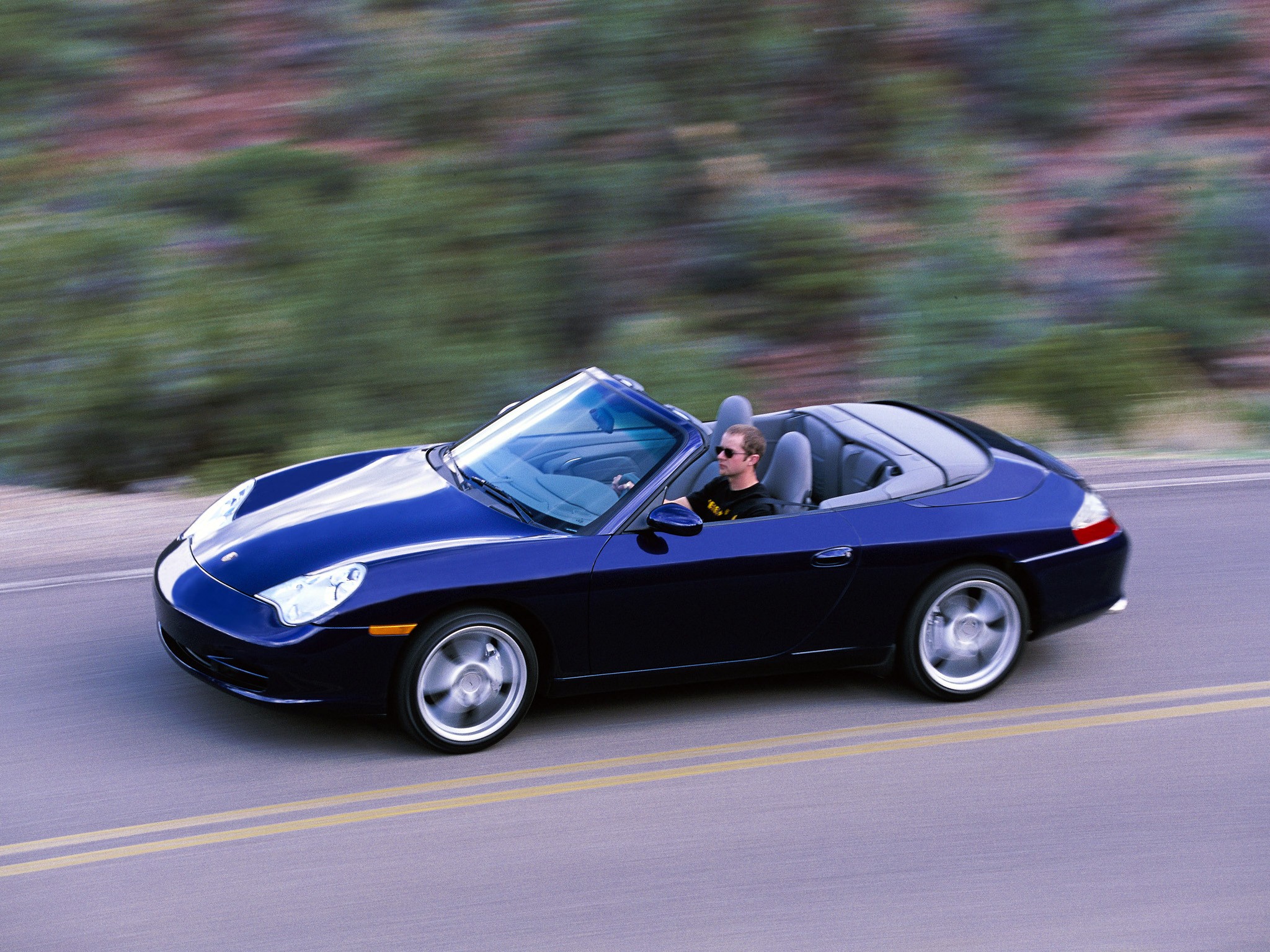
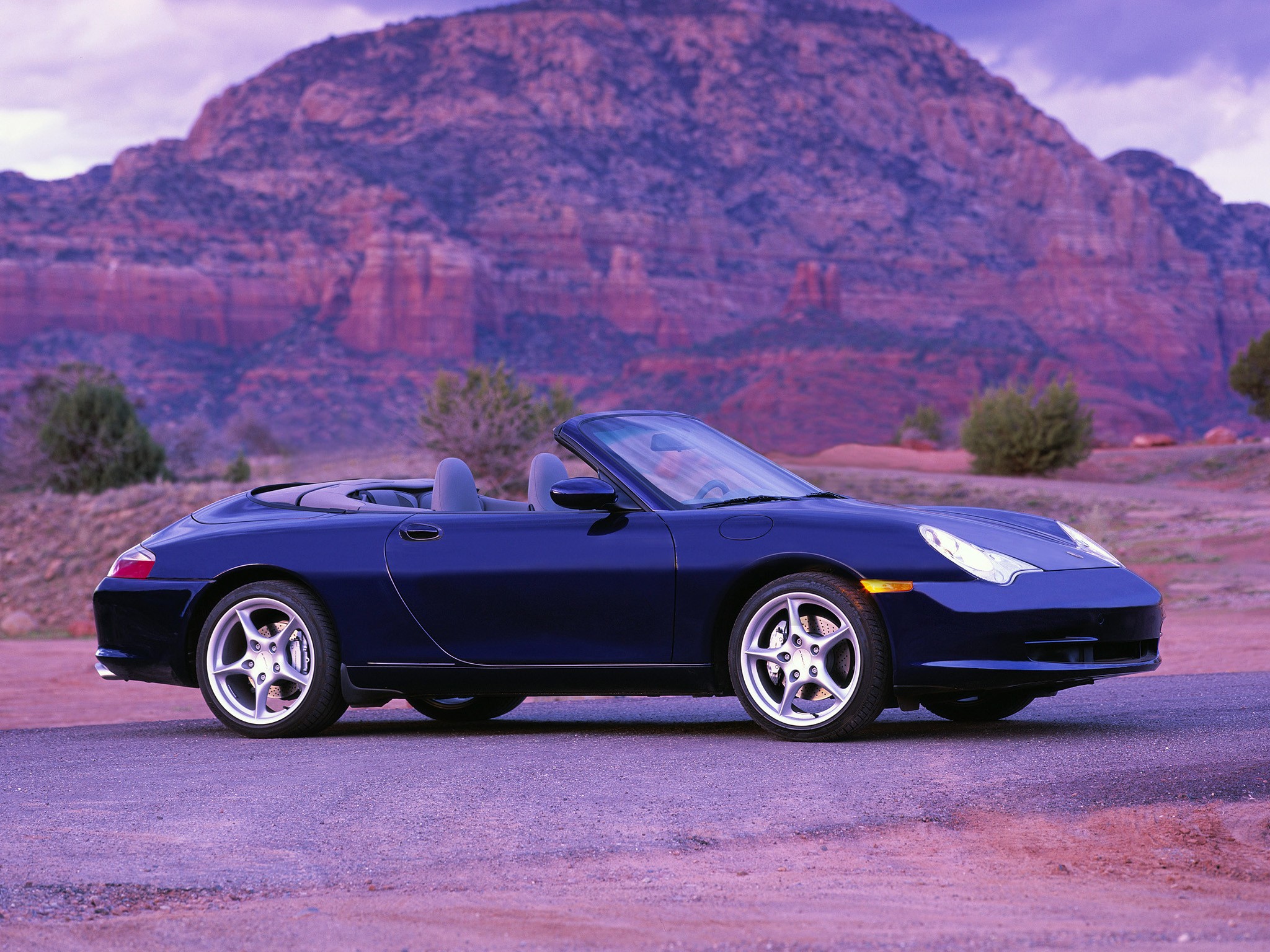
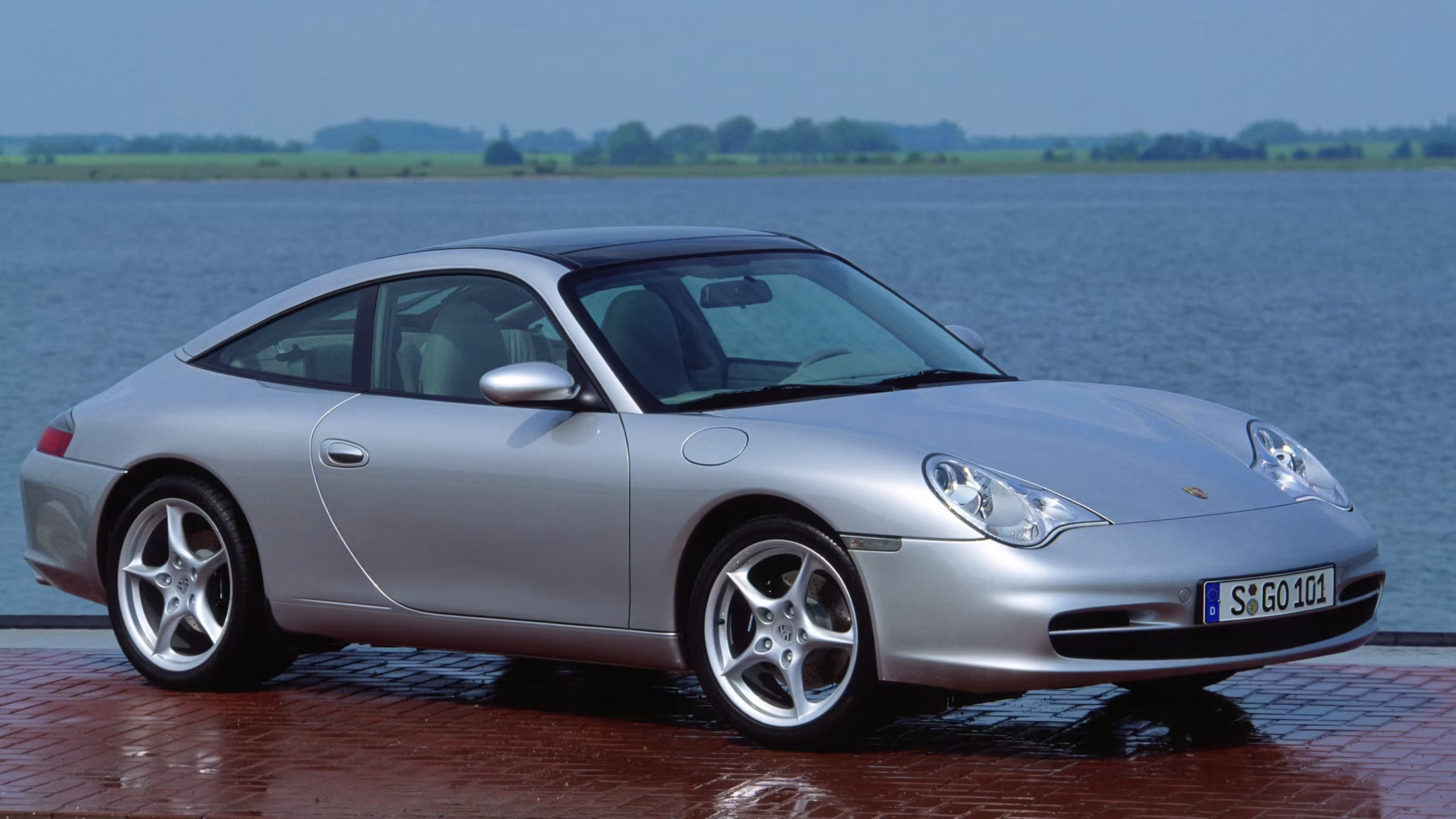
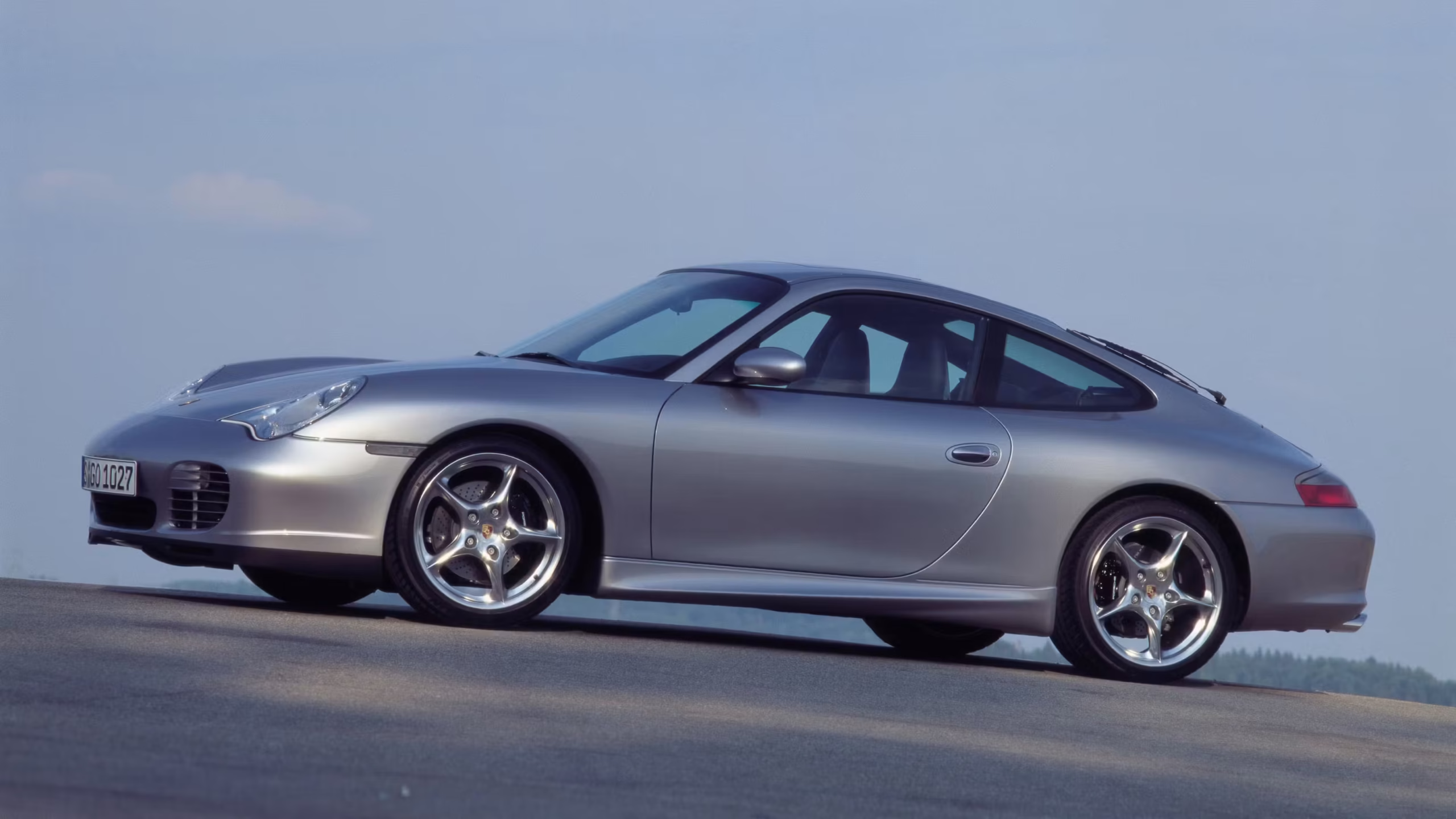
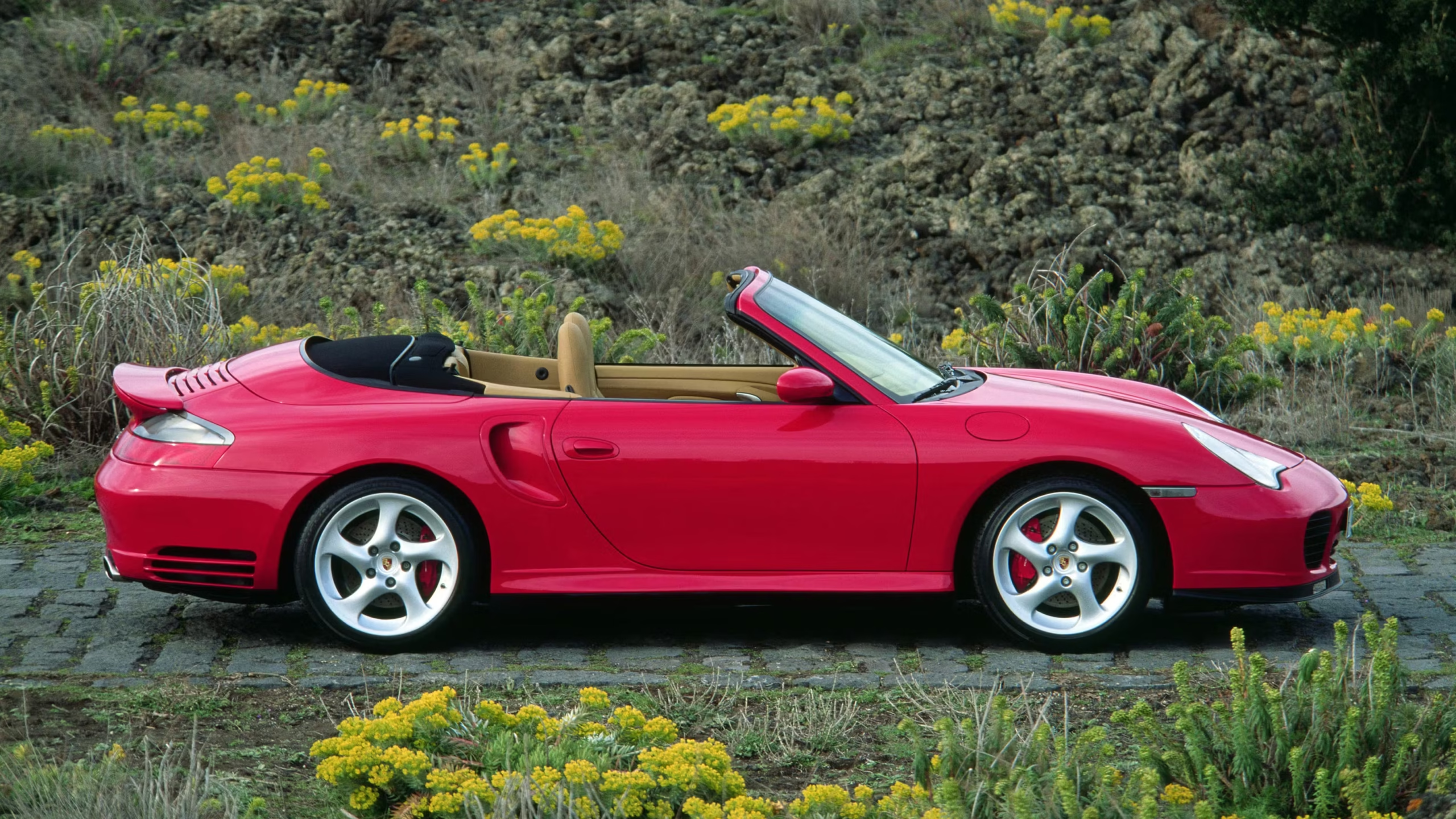
By the turn of the millennium, Zuffenhausen had successfully executed the most agonizing corporate pivot in its storied history. The first-generation water-cooled 911, the 996.1, had achieved its primary objective: it saved Porsche from the brink of financial ruin. Yet, the boardroom was acutely aware of the lingering hostility from the purist establishment. The shared “fried egg” headlights from the entry-level Boxster had diluted the flagship’s visual prestige, and the 3.4-liter engine, while smooth, left some craving the visceral punch of the outgoing air-cooled era. Porsche’s emphatic response, rolling off the assembly line in late 2001 for the 2002 model year, was the 911 Type 996.2. This mid-cycle refresh was not merely a cosmetic facelift; it was a comprehensive, deeply engineered apology and refinement that elevated the water-cooled platform to true greatness. The 996.2 era birthed an incredibly diverse family of submodels, stretching from the upgraded Carrera and the highly desirable, wide-bodied Carrera 4S, to the return of the glass-roofed Targa. At the absolute bleeding edge, it unleashed the 462-horsepower GT2, the razor-sharp GT3, and famously, the very first 911 GT3 RS. In the showrooms and on the tarmac, the 996.2 stepped back into the ring with renewed aggression, ready to trade blows with the scintillating Ferrari 360 Modena, the brutal Chevrolet Corvette C5 Z06, and the emerging threat of the BMW M3 CSL.
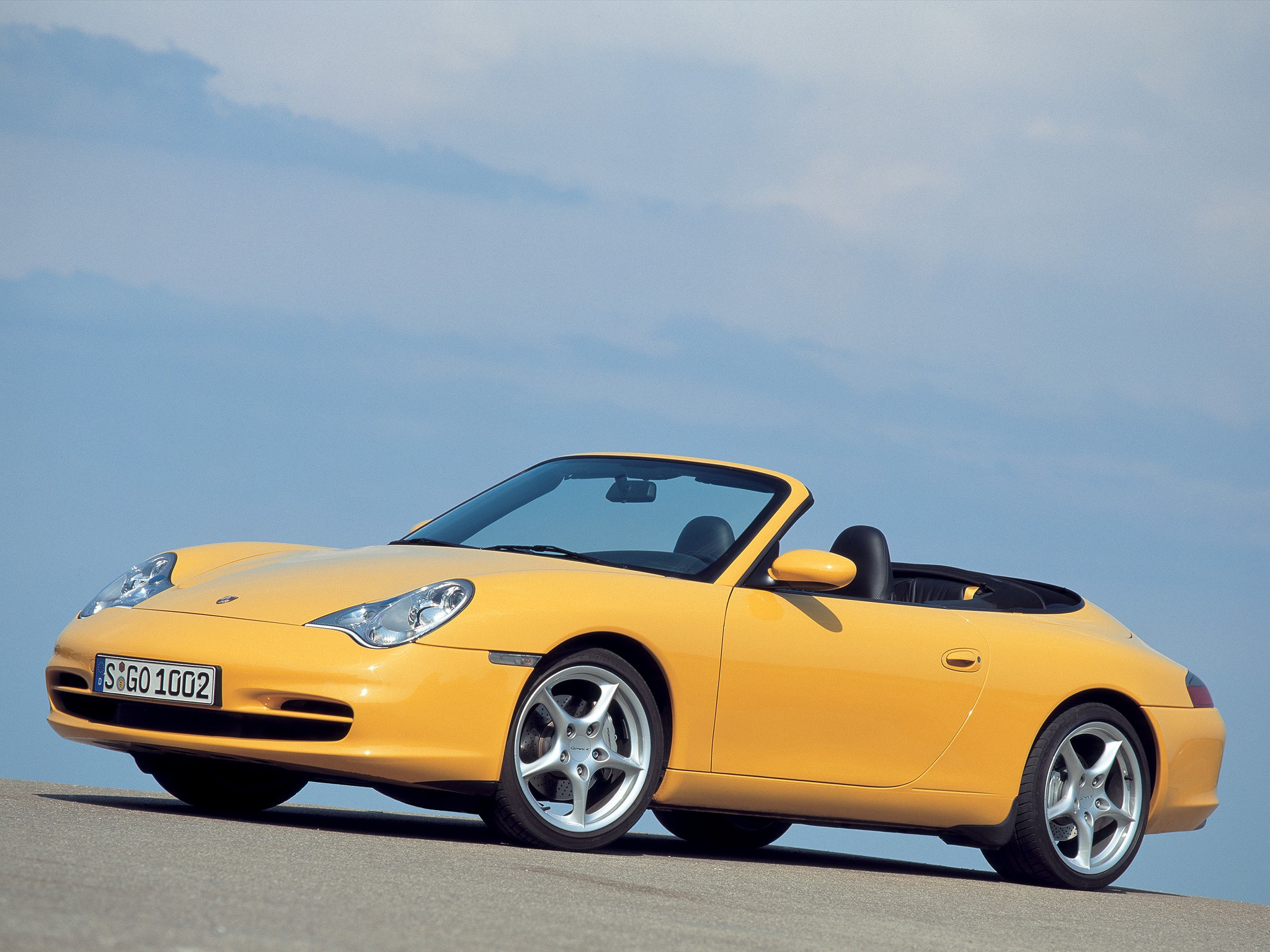
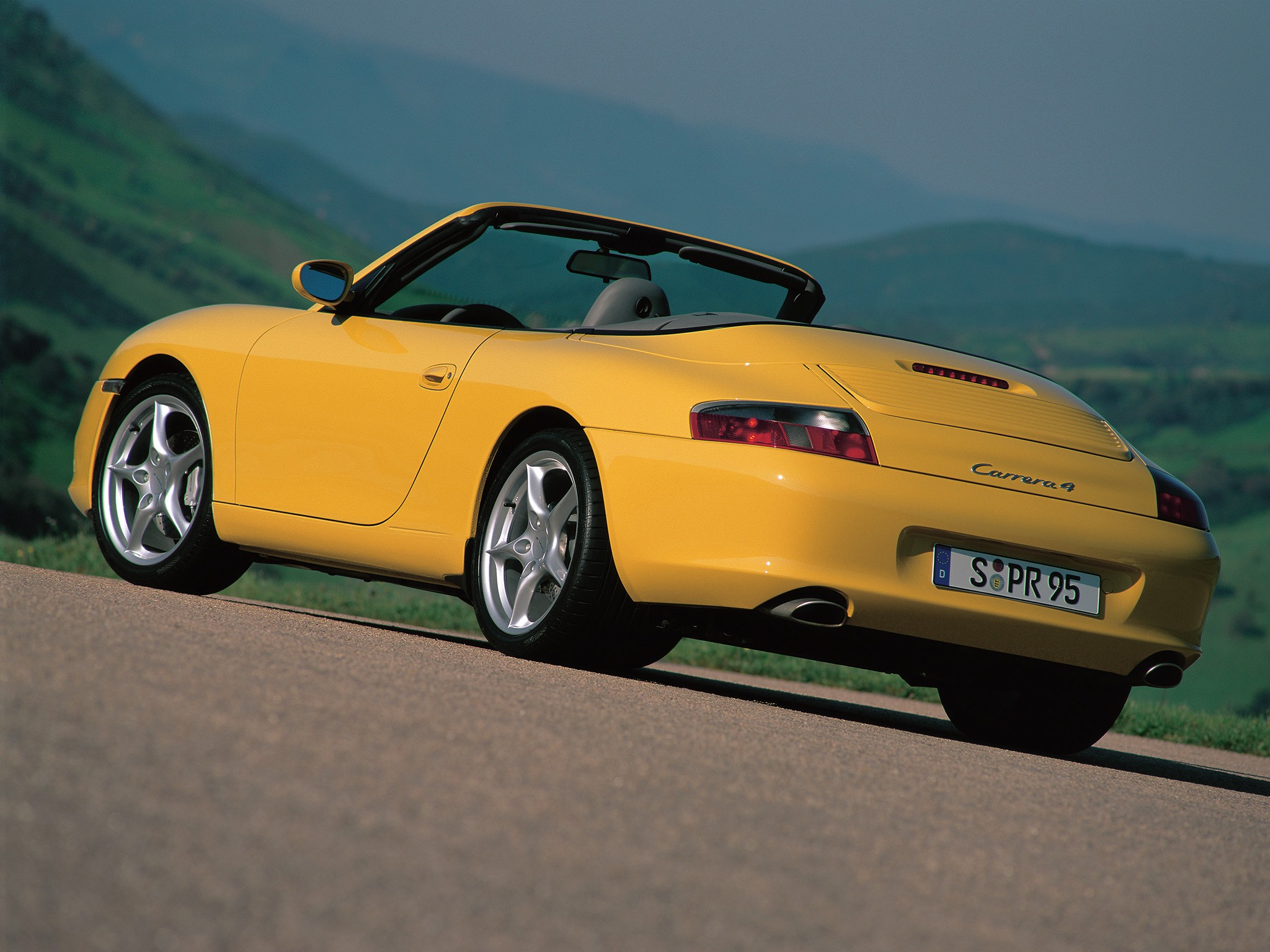
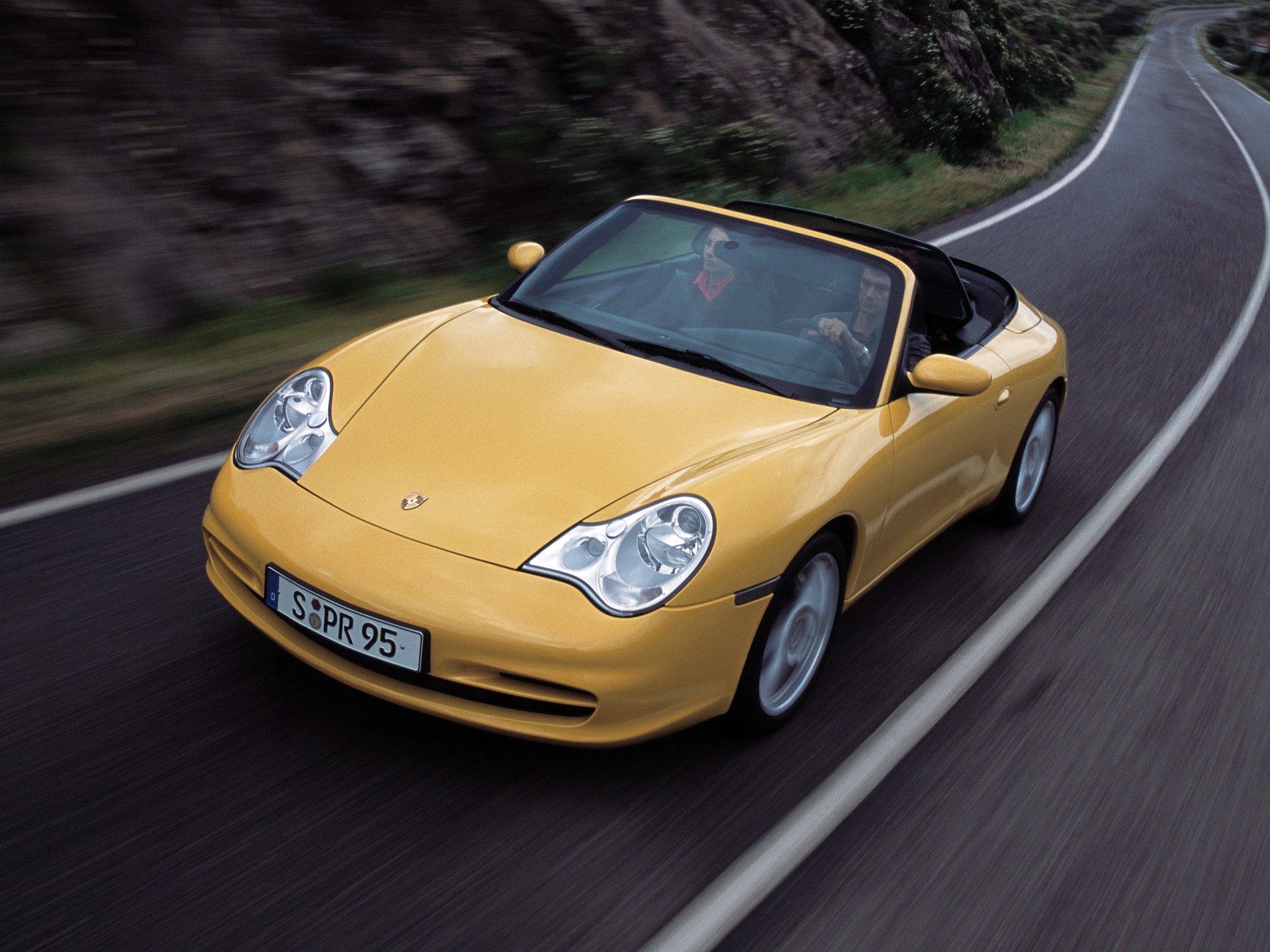
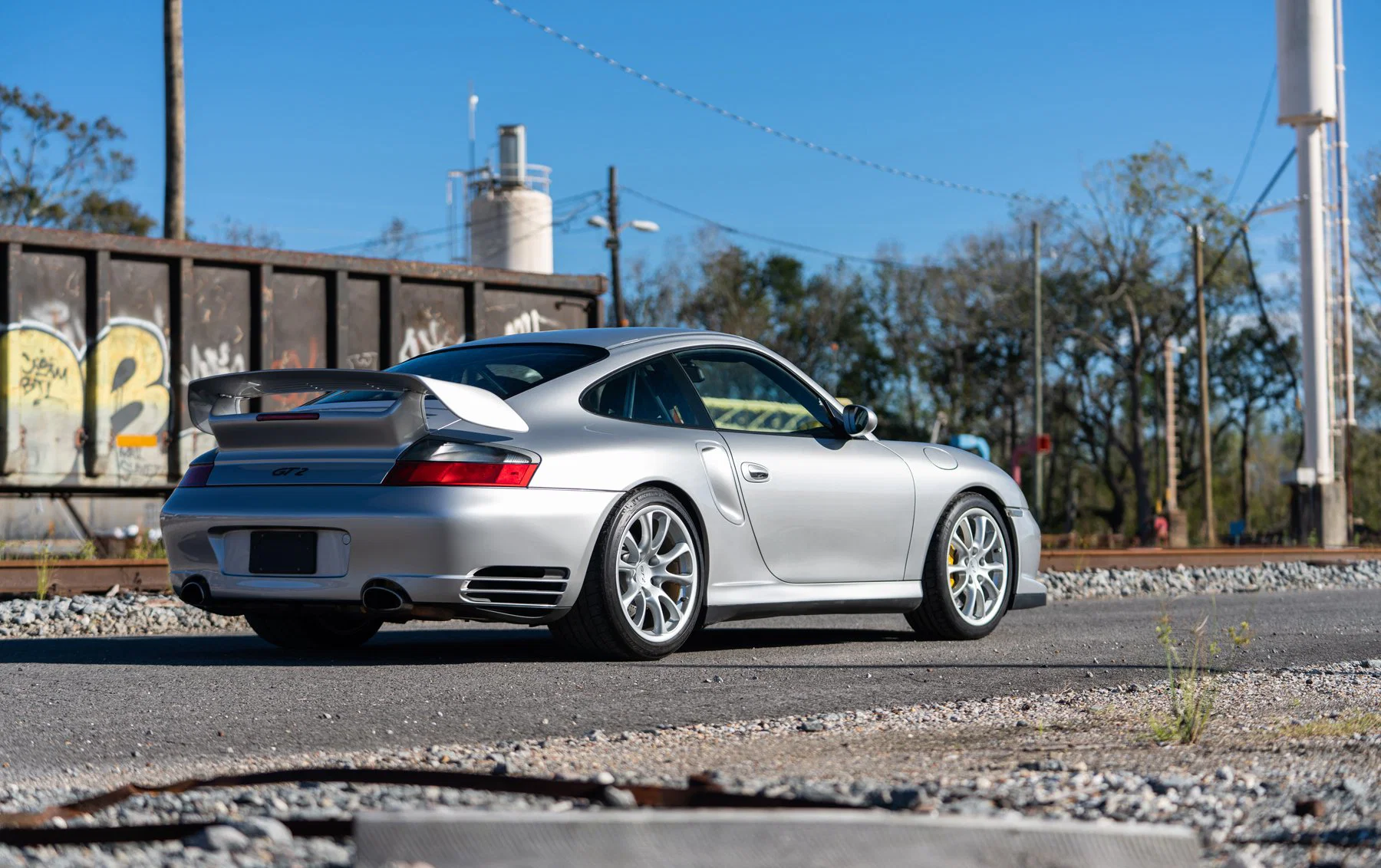
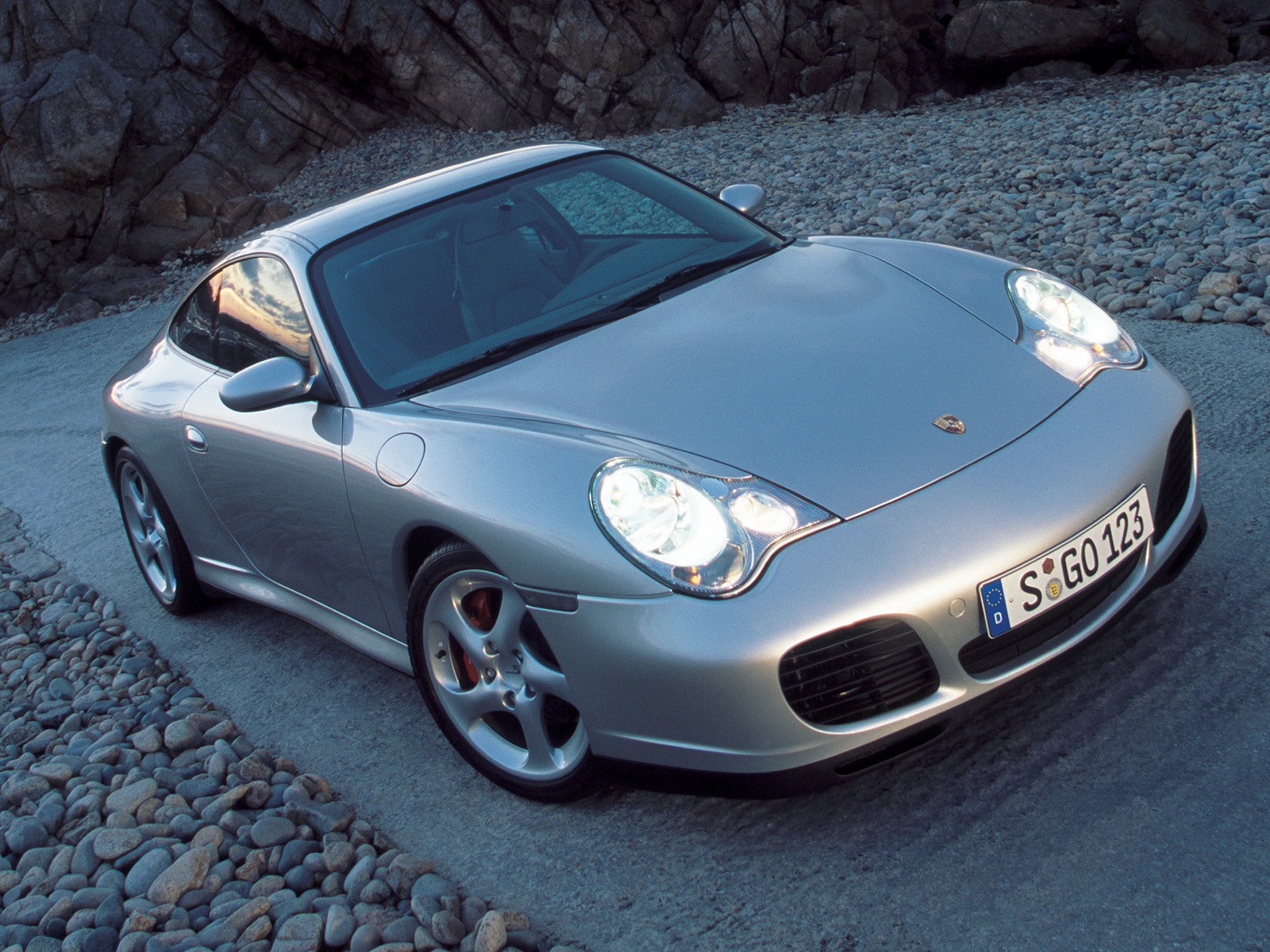
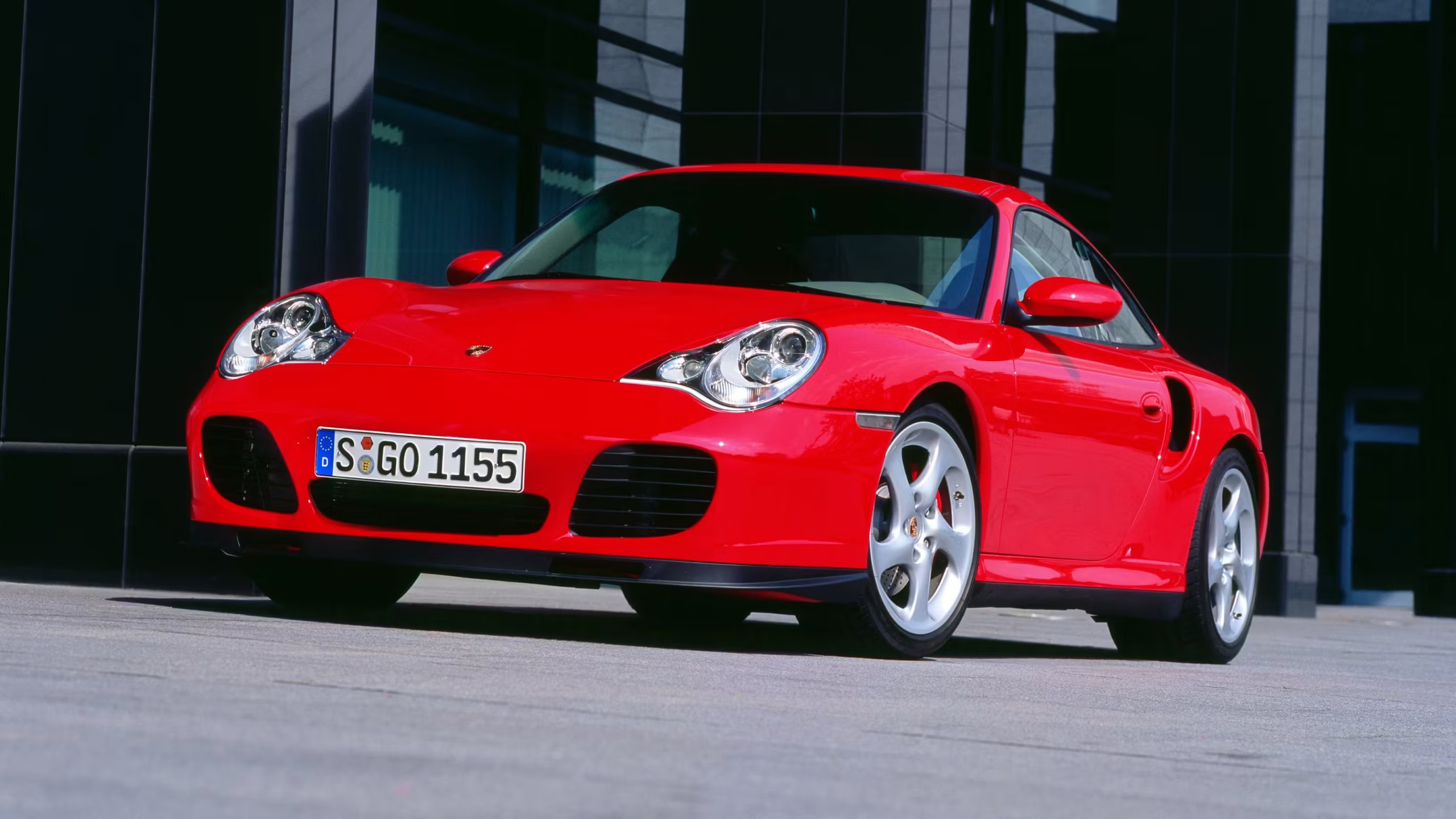
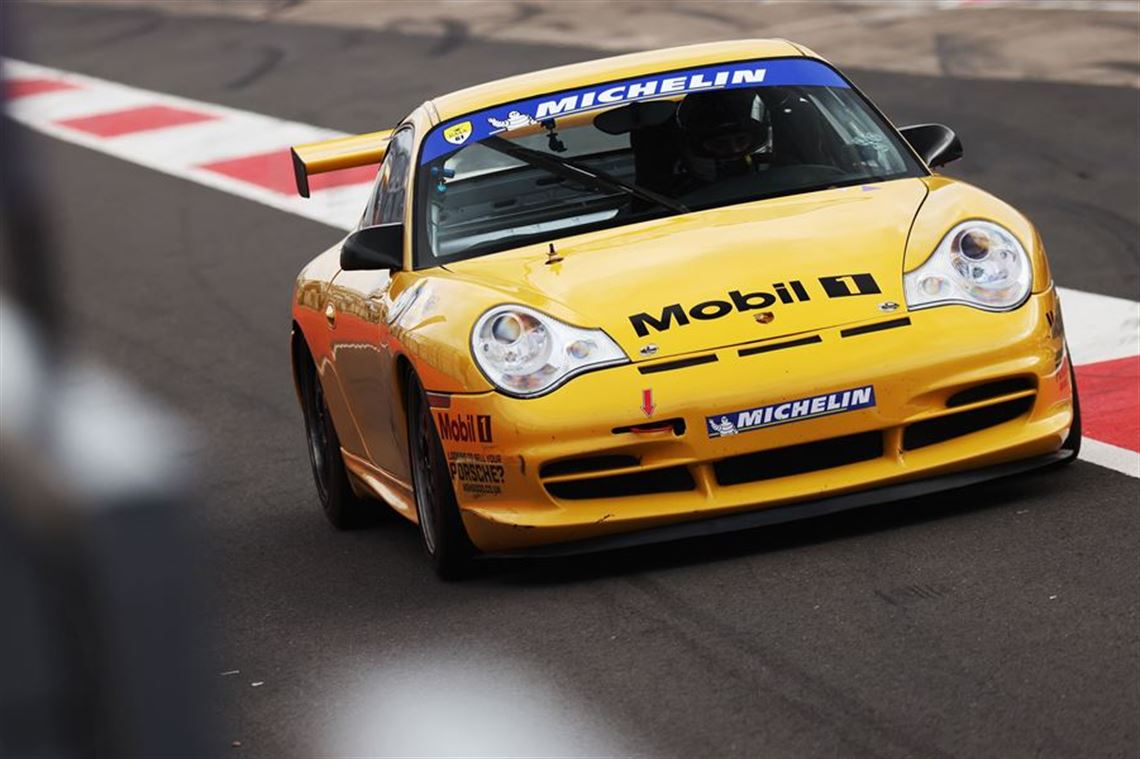
To approach the 996.2 is to witness Porsche listening intently to its critics and executing a masterclass in mid-cycle correction. The most immediate visual alteration was the eradication of the Boxster front end. All 996.2 Carrera models inherited the aggressive, teardrop-shaped headlights from the 996 Turbo, restoring a vital sense of exclusivity to the 911 range. The front and rear bumpers were aerodynamically reprofiled to reduce lift, and the rear fenders were subtly widened to accommodate broader rubber. However, the true revelation was hidden beneath the rear decklid. The M96 flat-six engine was bored and stroked from 3.4 to 3.6 liters and fitted with Porsche’s brilliant VarioCam Plus system, which now adjusted both valve timing and valve lift. This bumped the standard Carrera’s output to a highly tractable 320 brake horsepower, delivering a fatter, far more urgent mid-range torque curve. The chassis was stiffened by a remarkable 25 percent, vastly improving the surgical precision of the McPherson strut front and multi-link rear suspension. Inside the cabin, Porsche finally addressed the ergonomic gripes of the early cars, introducing higher-quality plastics, matte finishes, proper cup holders, and famously, a much-needed glovebox. Yet, for the hardcore driving enthusiast, the true magic of the 996.2 generation resided in the GT department. By utilizing Hans Mezger’s immortal, Le Mans-derived split-crankcase block, Porsche bypassed the standard M96 engine entirely for its top-tier weapons. The twin-turbocharged 996 GT2 abandoned all-wheel drive to become a terrifying, rear-wheel-drive 196-mph missile, while the naturally aspirated GT3 revved to a shrieking 8,200 rpm, producing 381 horsepower.
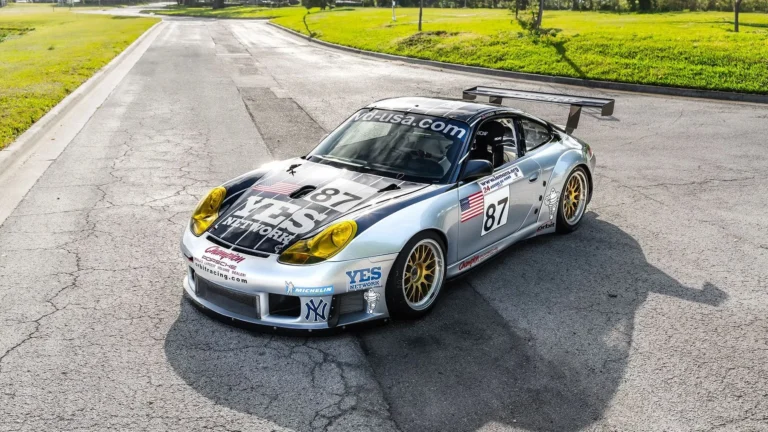
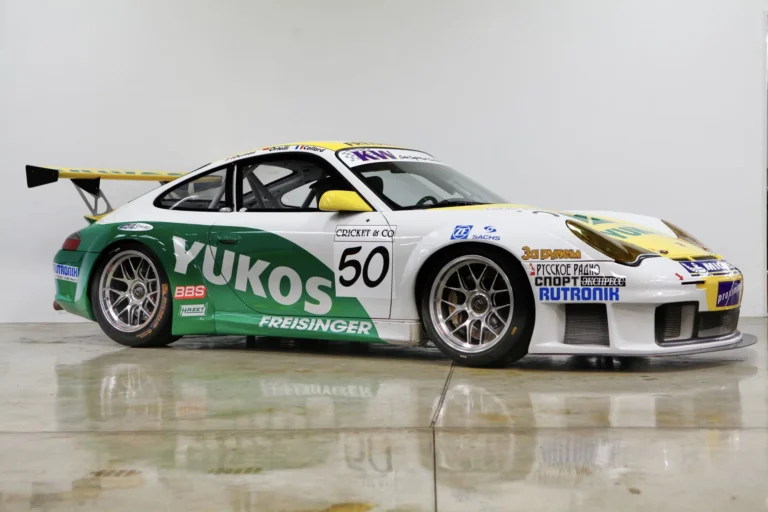
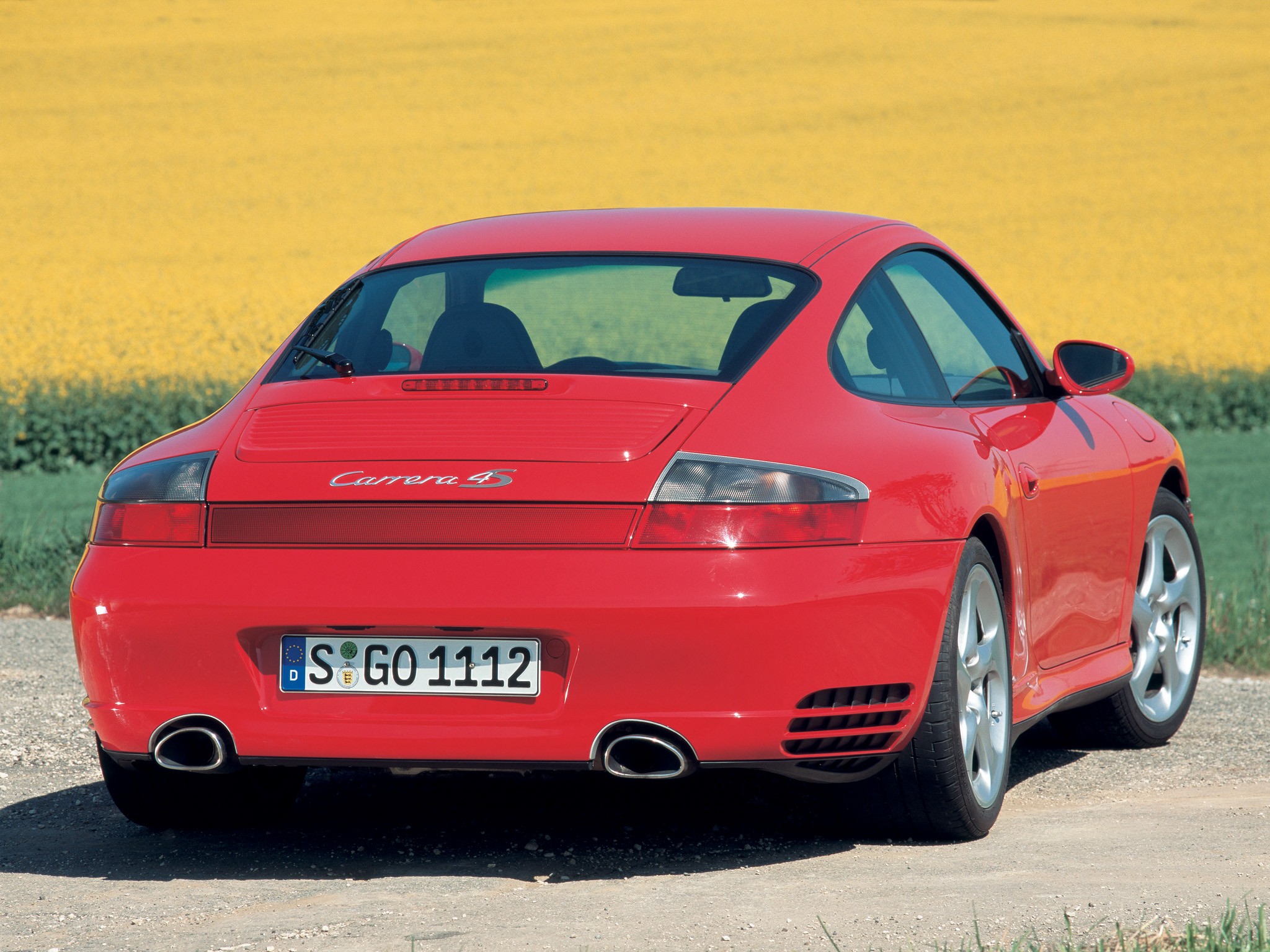
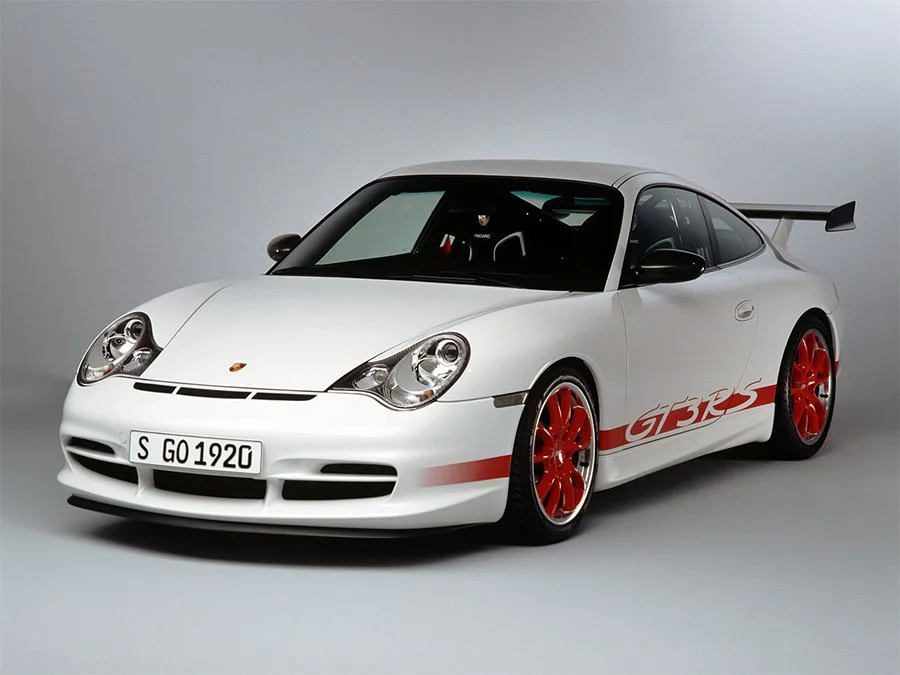
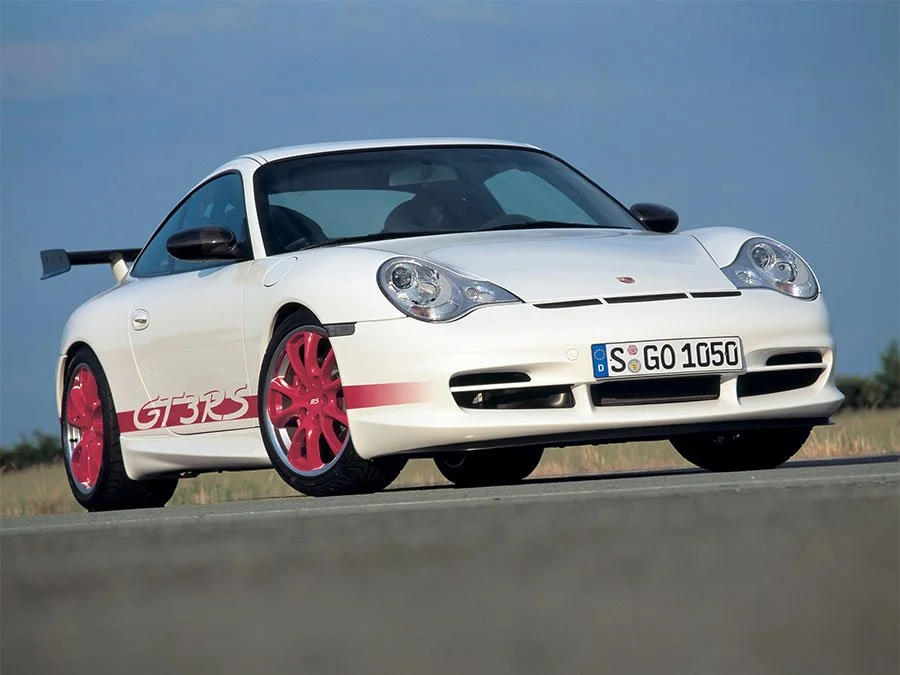
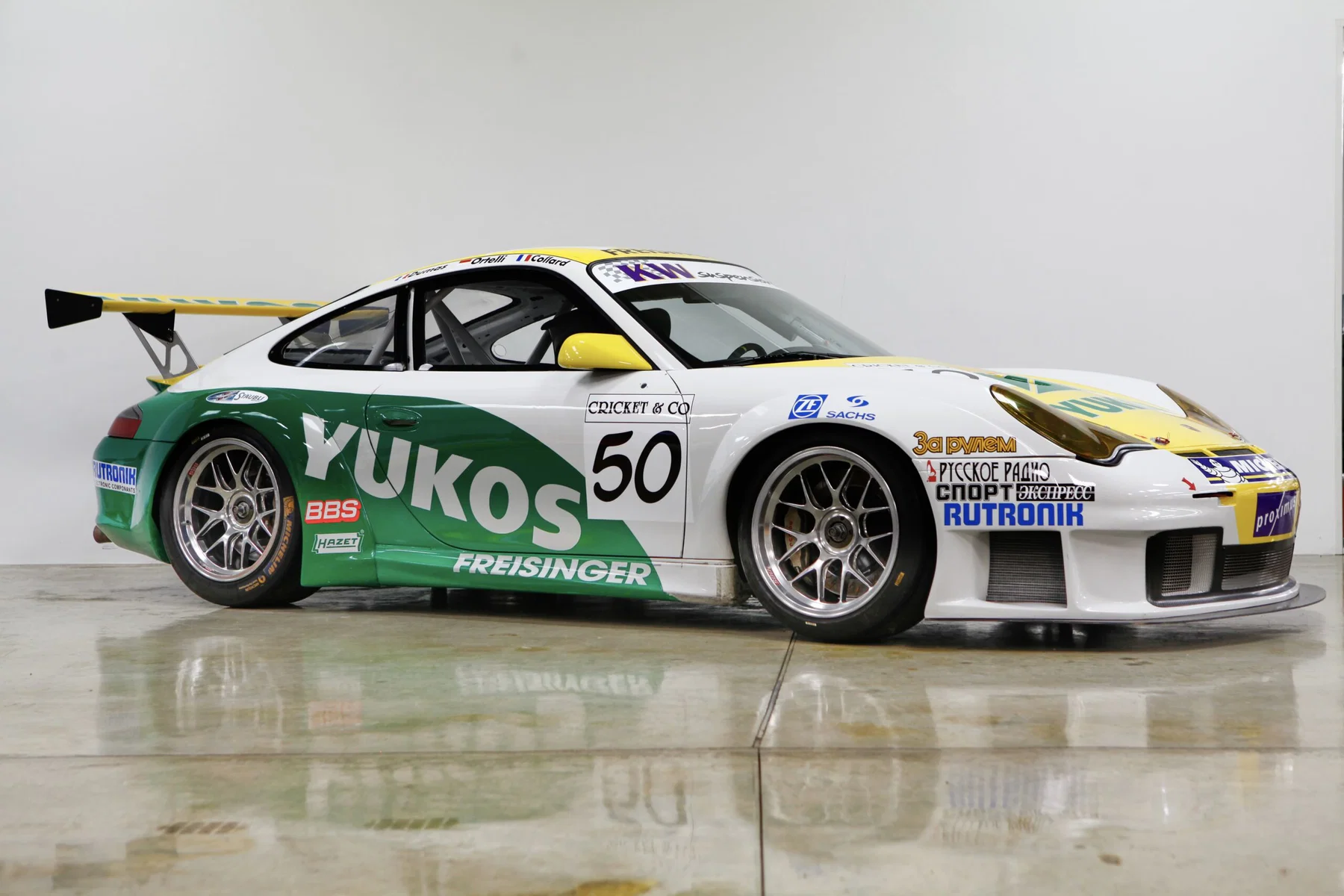
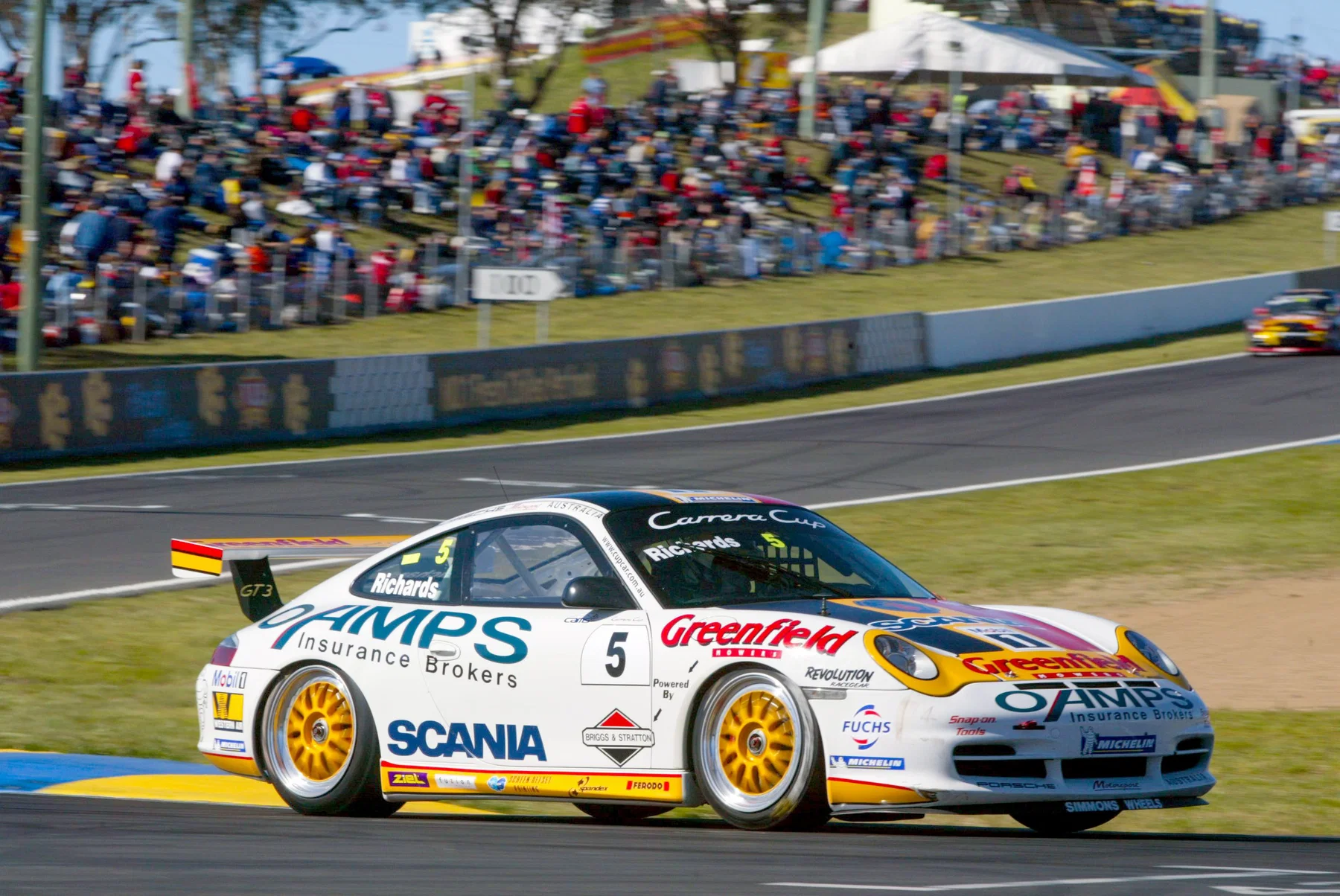
The historical and cultural impact of the 996.2 is defined by the absolute home runs it delivered to both the street and the circuit. Commercially, the undisputed darling of the era was the Carrera 4S. By pairing the standard 3.6-liter naturally aspirated engine with the incredibly wide, muscular bodywork, massive brakes, and suspension geometry of the 996 Turbo—complete with the iconic red rear reflector strip—Porsche created what many consider the most beautiful modern water-cooled 911. But in the realm of pure motorsport mythology, the 996.2 generation will forever be remembered as the birthplace of the GT3 RS. Homologated in 2003, this stripped-out, uncompromising weapon featured polycarbonate rear windows, a carbon fiber hood and rear wing, and stiffer, uniball-jointed suspension. Draped in Carrera White with either red or blue side decals honoring the 1973 Carrera RS 2.7, the first GT3 RS was an instant, blue-chip legend. On the track, the racing iterations of the 996.2—the GT3 R, RS, and ultimately the RSR—waged an unrelenting war across the globe. Campaigned by elite privateer outfits like Manthey Racing and Alex Job Racing, the 996.2 racing cars utterly dominated the N-GT and GT2 classes, securing back-to-back class victories at the 24 Hours of Le Mans, sweeping the American Le Mans Series, and proving that the water-cooled Mezger architecture was the most reliable endurance racing engine on earth.
The legacy of the 2001 Porsche 911 IV (996.2) is one of ultimate redemption. It took the necessary, controversial leap of the 996.1 and polished it into a dynamically flawless, aesthetically coherent sports car. It proved that water-cooling was not just a regulatory compromise, but a technology capable of pushing the 911 to unprecedented heights of performance and reliability. By establishing the Carrera 4S formula and introducing the GT3 RS moniker, the 996.2 laid the exact trim-level blueprint that Porsche follows to this very day. When it eventually passed the torch to the 997 generation in 2004, it did so having donated its fundamental chassis architecture and engine technologies to its successor. Today, the 996.2 represents the absolute sweet spot for analog driving enthusiasts—a machine that blends hydraulic steering feel, cable-actuated throttles (in the GT3), and modern crash safety into a package that is rapidly ascending in the classic car pantheon. It is the generation where the water-cooled 911 finally found its soul.
Portal
Model line
Model generation
Predecessor
Brand
Produced from
Vehicle category
Generation Overview
By the turn of the millennium, Zuffenhausen had successfully executed the most agonizing corporate pivot in its storied history. The first-generation water-cooled 911, the 996.1, had achieved its primary objective: it saved Porsche from the brink of financial ruin. Yet, the boardroom was acutely aware of the lingering hostility from the purist establishment. The shared “fried egg” headlights from the entry-level Boxster had diluted the flagship’s visual prestige, and the 3.4-liter engine, while smooth, left some craving the visceral punch of the outgoing air-cooled era. Porsche’s emphatic response, rolling off the assembly line in late 2001 for the 2002 model year, was the 911 Type 996.2. This mid-cycle refresh was not merely a cosmetic facelift; it was a comprehensive, deeply engineered apology and refinement that elevated the water-cooled platform to true greatness. The 996.2 era birthed an incredibly diverse family of submodels, stretching from the upgraded Carrera and the highly desirable, wide-bodied Carrera 4S, to the return of the glass-roofed Targa. At the absolute bleeding edge, it unleashed the 462-horsepower GT2, the razor-sharp GT3, and famously, the very first 911 GT3 RS. In the showrooms and on the tarmac, the 996.2 stepped back into the ring with renewed aggression, ready to trade blows with the scintillating Ferrari 360 Modena, the brutal Chevrolet Corvette C5 Z06, and the emerging threat of the BMW M3 CSL.
To approach the 996.2 is to witness Porsche listening intently to its critics and executing a masterclass in mid-cycle correction. The most immediate visual alteration was the eradication of the Boxster front end. All 996.2 Carrera models inherited the aggressive, teardrop-shaped headlights from the 996 Turbo, restoring a vital sense of exclusivity to the 911 range. The front and rear bumpers were aerodynamically reprofiled to reduce lift, and the rear fenders were subtly widened to accommodate broader rubber. However, the true revelation was hidden beneath the rear decklid. The M96 flat-six engine was bored and stroked from 3.4 to 3.6 liters and fitted with Porsche’s brilliant VarioCam Plus system, which now adjusted both valve timing and valve lift. This bumped the standard Carrera’s output to a highly tractable 320 brake horsepower, delivering a fatter, far more urgent mid-range torque curve. The chassis was stiffened by a remarkable 25 percent, vastly improving the surgical precision of the McPherson strut front and multi-link rear suspension. Inside the cabin, Porsche finally addressed the ergonomic gripes of the early cars, introducing higher-quality plastics, matte finishes, proper cup holders, and famously, a much-needed glovebox. Yet, for the hardcore driving enthusiast, the true magic of the 996.2 generation resided in the GT department. By utilizing Hans Mezger’s immortal, Le Mans-derived split-crankcase block, Porsche bypassed the standard M96 engine entirely for its top-tier weapons. The twin-turbocharged 996 GT2 abandoned all-wheel drive to become a terrifying, rear-wheel-drive 196-mph missile, while the naturally aspirated GT3 revved to a shrieking 8,200 rpm, producing 381 horsepower.
The historical and cultural impact of the 996.2 is defined by the absolute home runs it delivered to both the street and the circuit. Commercially, the undisputed darling of the era was the Carrera 4S. By pairing the standard 3.6-liter naturally aspirated engine with the incredibly wide, muscular bodywork, massive brakes, and suspension geometry of the 996 Turbo—complete with the iconic red rear reflector strip—Porsche created what many consider the most beautiful modern water-cooled 911. But in the realm of pure motorsport mythology, the 996.2 generation will forever be remembered as the birthplace of the GT3 RS. Homologated in 2003, this stripped-out, uncompromising weapon featured polycarbonate rear windows, a carbon fiber hood and rear wing, and stiffer, uniball-jointed suspension. Draped in Carrera White with either red or blue side decals honoring the 1973 Carrera RS 2.7, the first GT3 RS was an instant, blue-chip legend. On the track, the racing iterations of the 996.2—the GT3 R, RS, and ultimately the RSR—waged an unrelenting war across the globe. Campaigned by elite privateer outfits like Manthey Racing and Alex Job Racing, the 996.2 racing cars utterly dominated the N-GT and GT2 classes, securing back-to-back class victories at the 24 Hours of Le Mans, sweeping the American Le Mans Series, and proving that the water-cooled Mezger architecture was the most reliable endurance racing engine on earth.
The legacy of the 2001 Porsche 911 IV (996.2) is one of ultimate redemption. It took the necessary, controversial leap of the 996.1 and polished it into a dynamically flawless, aesthetically coherent sports car. It proved that water-cooling was not just a regulatory compromise, but a technology capable of pushing the 911 to unprecedented heights of performance and reliability. By establishing the Carrera 4S formula and introducing the GT3 RS moniker, the 996.2 laid the exact trim-level blueprint that Porsche follows to this very day. When it eventually passed the torch to the 997 generation in 2004, it did so having donated its fundamental chassis architecture and engine technologies to its successor. Today, the 996.2 represents the absolute sweet spot for analog driving enthusiasts—a machine that blends hydraulic steering feel, cable-actuated throttles (in the GT3), and modern crash safety into a package that is rapidly ascending in the classic car pantheon. It is the generation where the water-cooled 911 finally found its soul.
Submodels