Mercedes-Benz W125
Brand
Produced from
Vehicle category
Portal
Model line
Model generation
Predecessor
Sucessor
Model Overview
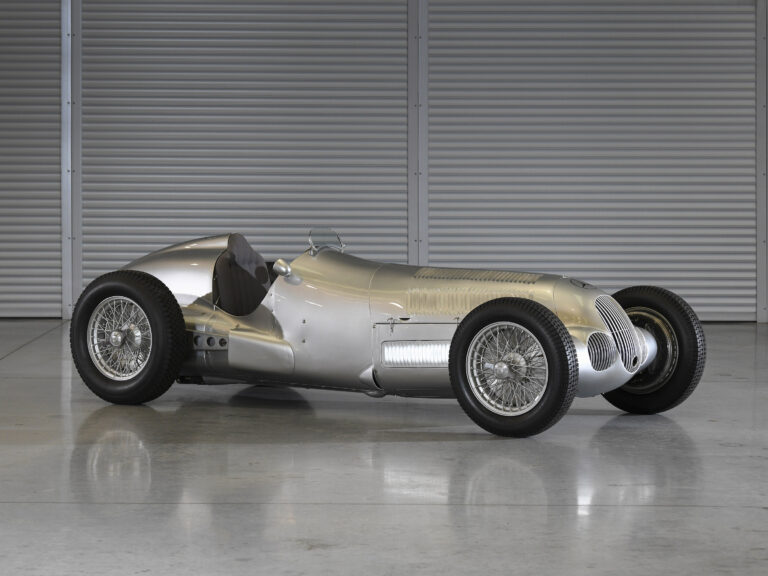
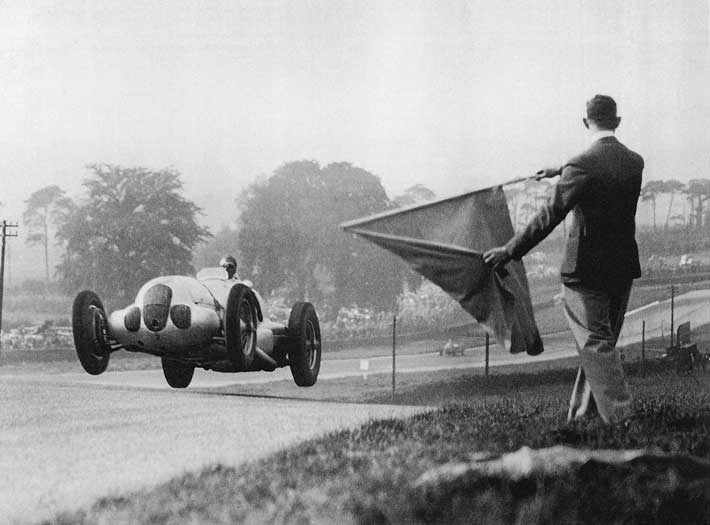
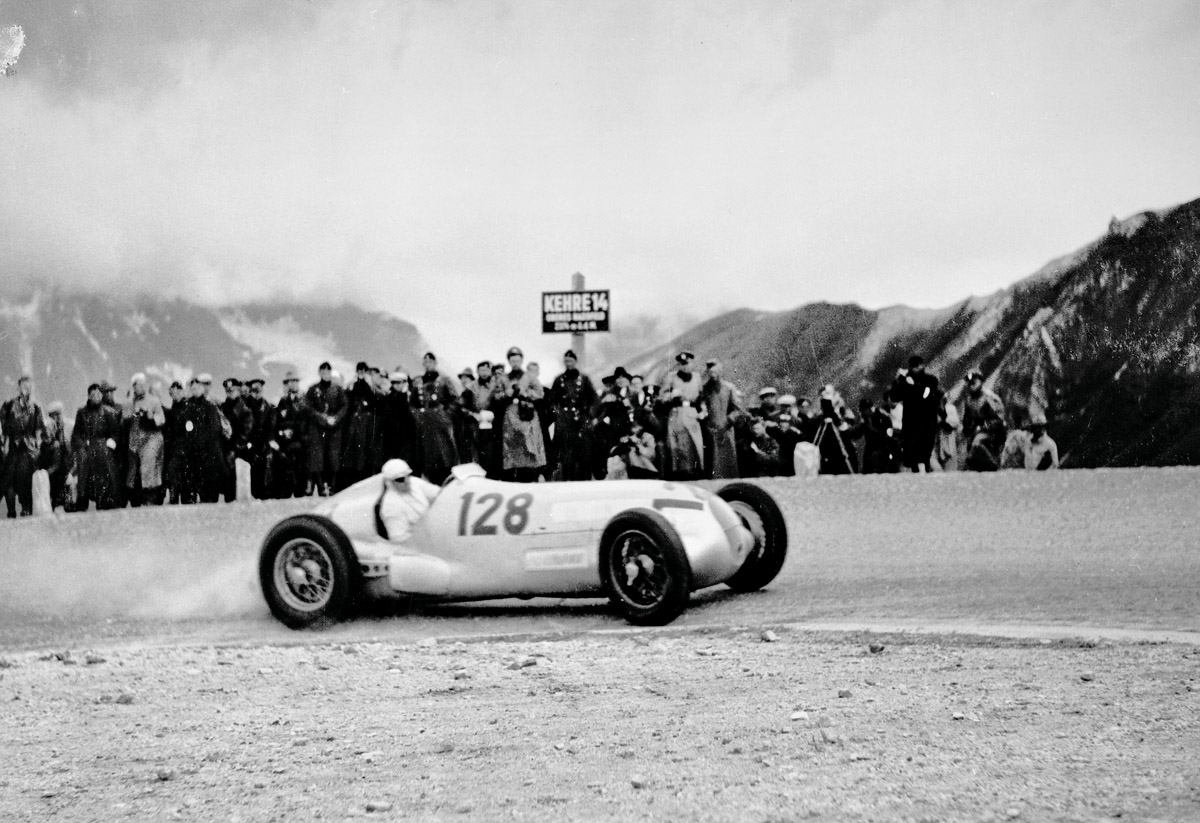
For a period of nearly half a century, the sheer, unadulterated violence of the Mercedes-Benz W125 remained completely unrivalled in Grand Prix racing. Born from the bitter humiliation of the 1936 season, where the ageing, ill-handling W25 was brutally outclassed by Bernd Rosemeyer’s mid-engined Auto Union Type C, the men at Stuttgart were forced into a radical rethink. The brilliant young engineer Rudolf Uhlenhaut, a man who could pilot a racing car as swiftly as his works drivers, realised that the W25’s fundamental architecture—a flexible frame suspended on overly stiff springs—was dynamically backwards. For 1937, the final year of the unrestricted 750 kg (1653 lbs) weight formula, Uhlenhaut engineered a ruthless correction. The W125 was dispatched to obliterate the Auto Unions and the outgunned Italian machinery from Alfa Romeo and Maserati, cementing an era of state-sponsored Teutonic dominance that still borders on the mythical.
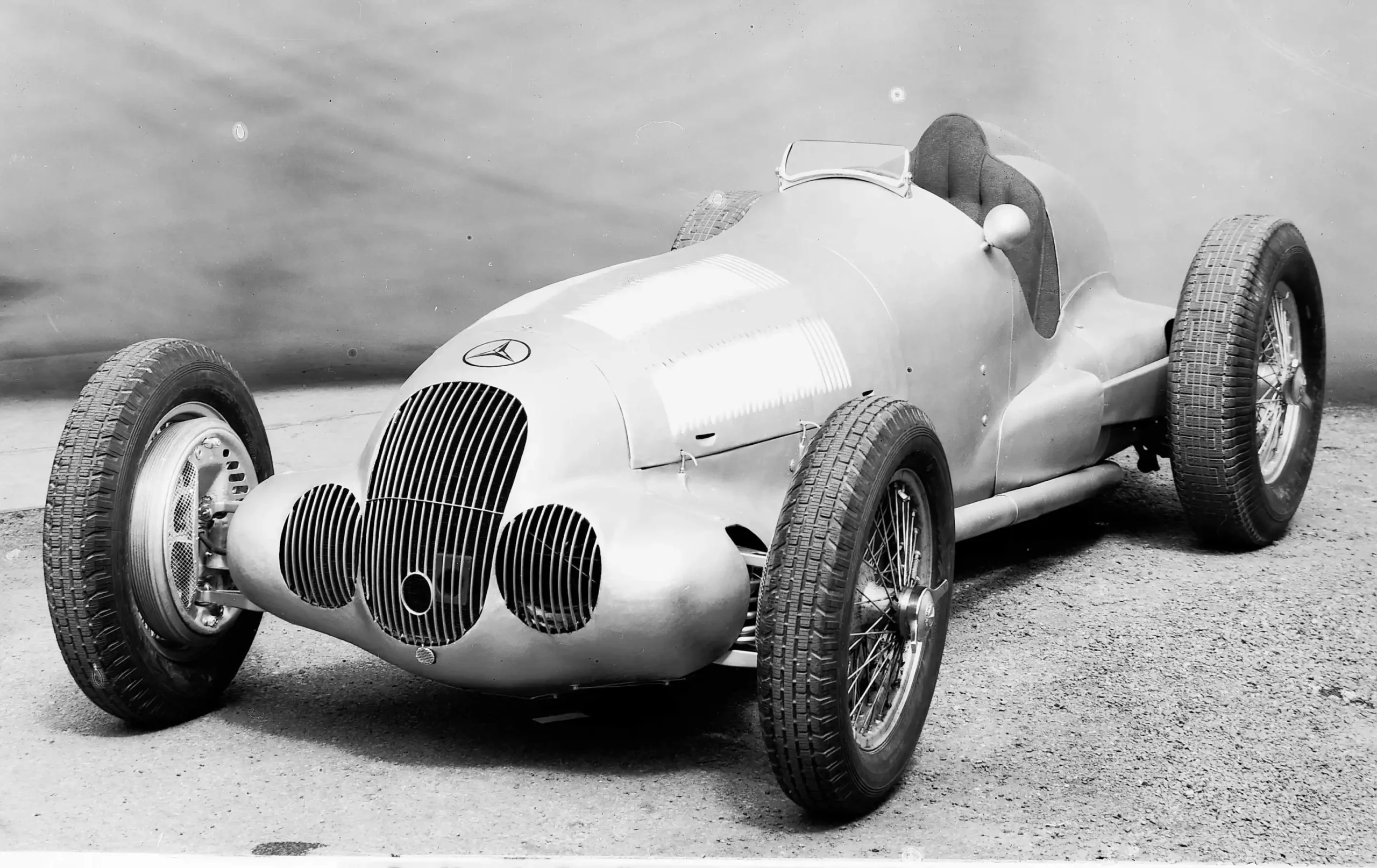
Beneath the beautifully louvred, unpainted aluminium bonnet lay a masterclass in mechanical packaging and metallurgical sorcery. Uhlenhaut specified a phenomenally rigid chassis formed from nickel-chrome-molybdenum oval tubes. Reversing conventional wisdom, he fitted soft, long-travel front coil springs and a sophisticated De Dion rear axle, allowing the chassis to maintain tyre contact while absorbing the brutal torque. And the torque was truly biblical. The M125 engine was a 5.6-litre (342 cu in) inline-eight, force-fed by a Roots-type supercharger that inhaled through the carburettor. This screaming monolith generated 595 bhp, a figure that would not be eclipsed in Formula One until the turbocharged beasts of the 1980s. When Hermann Lang or Rudolf Caracciola pinned the throttle, the W125 erupted with an ear-splitting, metallic shriek, incinerating its narrow rear cross-ply tyres and violently breaking traction even at 160 km/h (100 mph). The driver, straddling the four-speed manual transaxle, fought a constant, breathless battle against oversteer, relying on massive, hydraulically actuated aluminium drum brakes that faded alarmingly under the relentless kinetic onslaught.
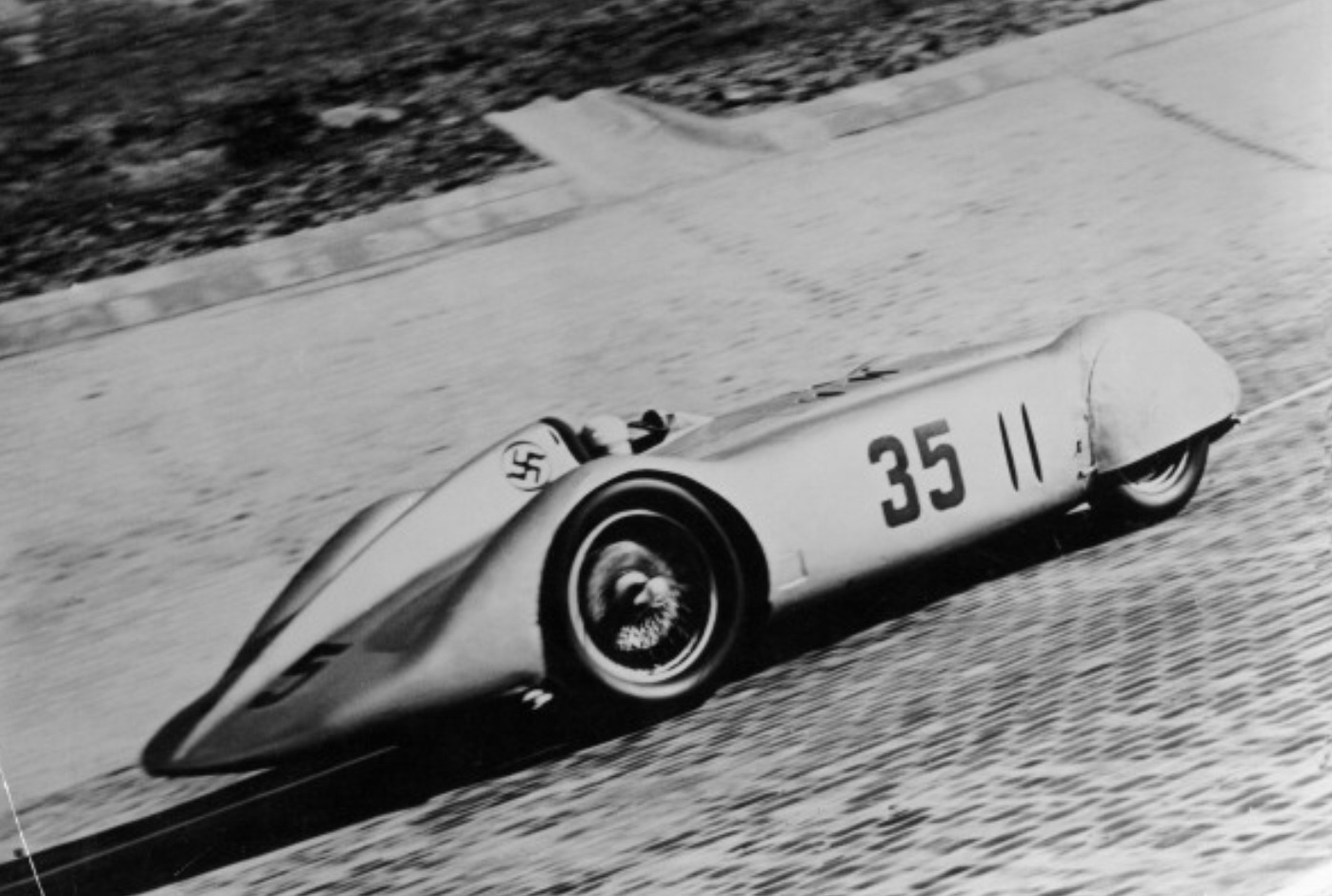
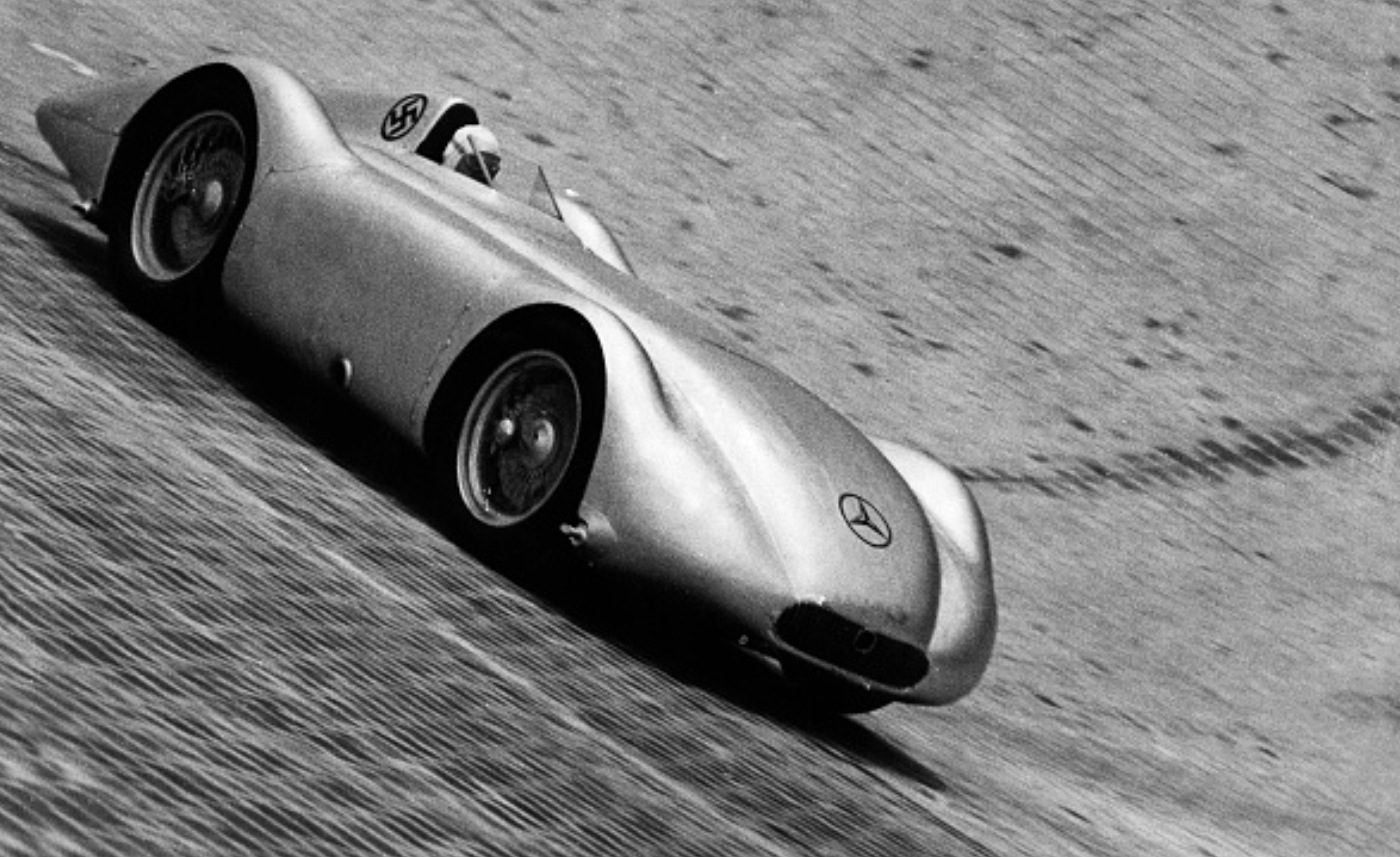
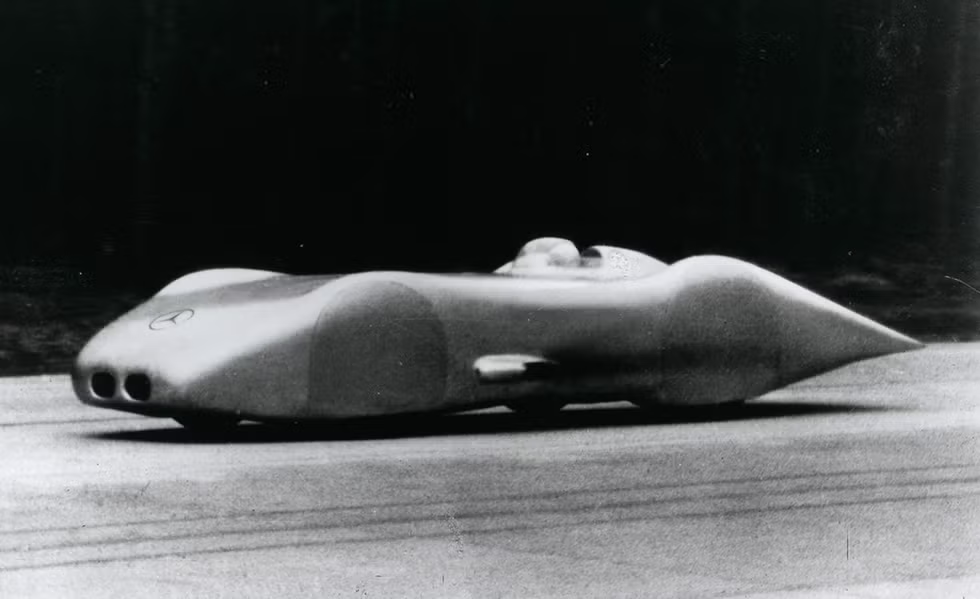
The adaptability of the W125 architecture allowed Mercedes-Benz to deploy heavily modified variants for highly specialised warfare. For the terrifyingly fast AVUS circuit, the W125 Stromlinienwagen emerged, featuring enclosed-wheel, aerodynamic bodywork over the 595 bhp inline-eight, allowing it to slip through the air and dominate the high-speed banking. Yet, the absolute extremity of the lineage arrived in 1938 with the W125 Rekordwagen. Designed solely for straight-line speed on the new German autobahns, this fully enclosed, teardrop-shaped streamliner abandoned the straight-eight for a gargantuan 5.6-litre (342 cu in) DAB supercharged V12 producing 736 bhp. Ice was used for engine cooling to entirely eliminate drag-inducing radiator intakes, creating a shape of unprecedented aerodynamic purity.
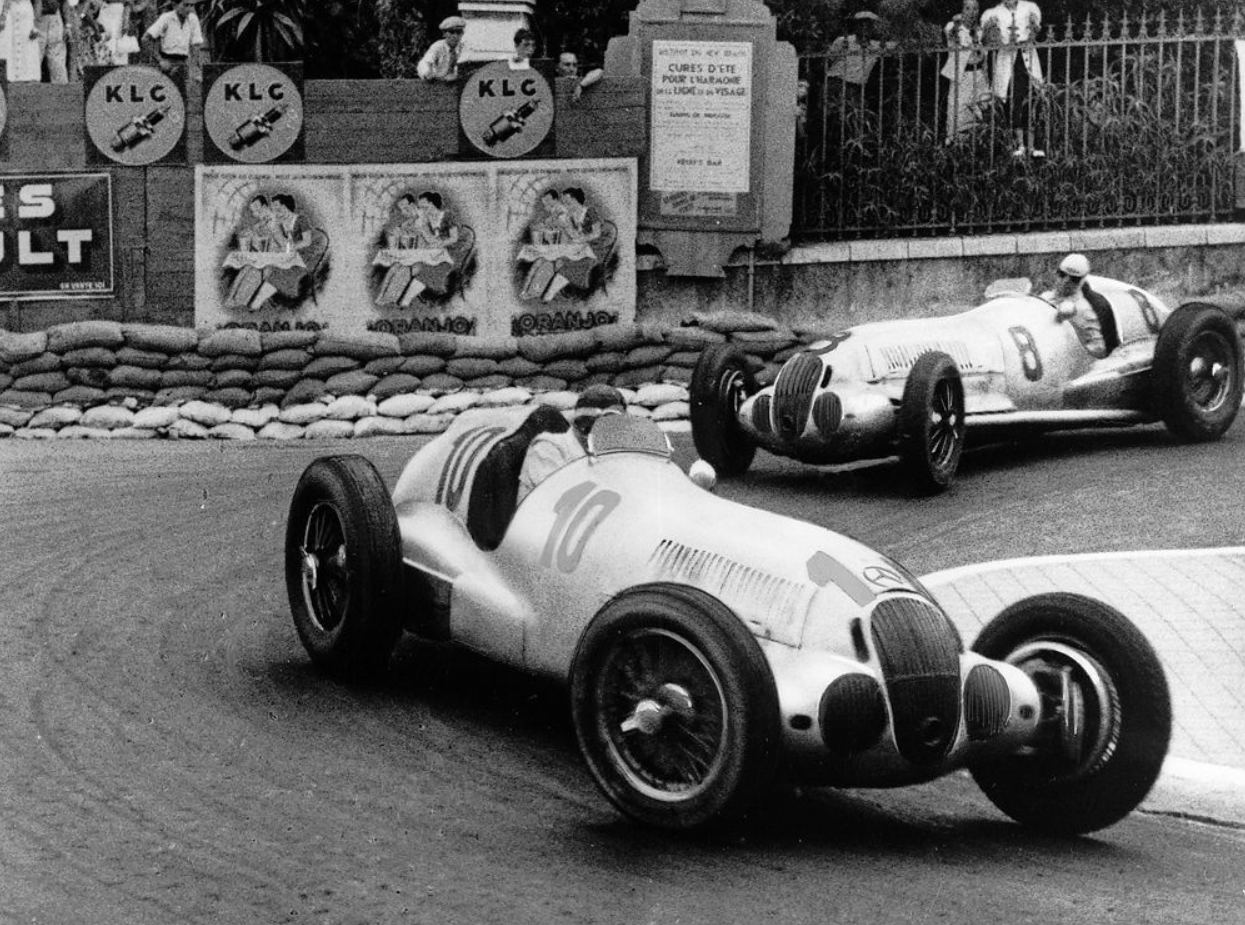
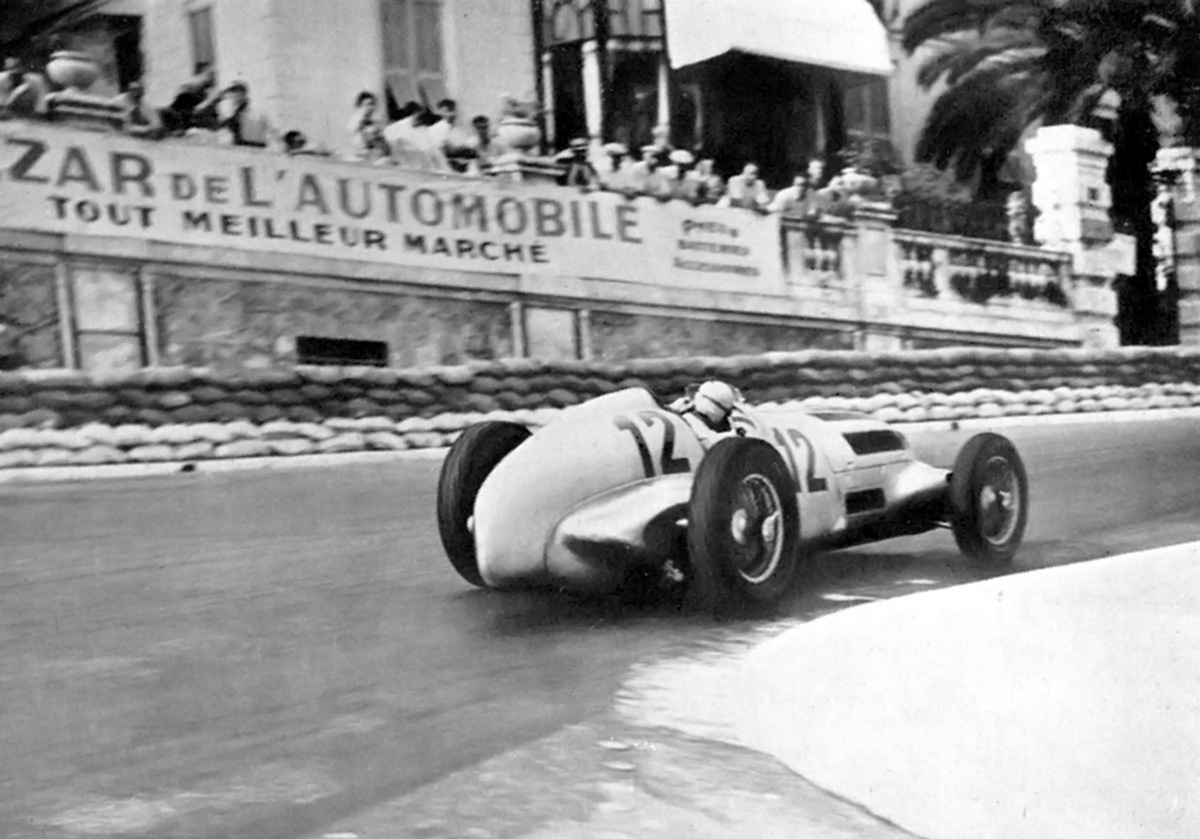
Upon its introduction in 1937, the open-wheeled Monoposto crushed the. It was a season defined by the magnificent, high-stakes duel between Auto Union’s Rosemeyer and the Mercedes-Benz triumvirate of Caracciola, Lang, and Manfred von Brauchitsch. Caracciola’s smooth, metronomic brilliance ultimately secured him the championship, with the W125 claiming victory in four of the five major Grands Prix. However, the legacy of the W125 transcends traditional circuit racing, forever tied to the chilling pursuit of ultimate velocity. On a frosty morning in January 1938, Caracciola piloted the V12 Rekordwagen down a closed section of the Frankfurt to Darmstadt autobahn, clocking an incomprehensible two-way average of 432.7 km/h (268.9 mph)—the highest speed ever recorded on a public road for almost eight decades. Tragically, later that very afternoon, Bernd Rosemeyer attempted to best this figure in his Auto Union, perishing when a crosswind hurled his streamliner off the tarmac.
The Mercedes-Benz W125 was the thunderous crescendo of the 750 kg (1653 lbs) formula. When the sporting authorities, terrified by the escalating speeds, mandated a 3.0-litre (183 cu in) supercharged limit for 1938, the W125 was retired to the history books, making way for the magnificent but vastly less powerful W154.
Portal
Model line
Brand
Produced from
Vehicle category
Model Overview
For a period of nearly half a century, the sheer, unadulterated violence of the Mercedes-Benz W125 remained completely unrivalled in Grand Prix racing. Born from the bitter humiliation of the 1936 season, where the ageing, ill-handling W25 was brutally outclassed by Bernd Rosemeyer’s mid-engined Auto Union Type C, the men at Stuttgart were forced into a radical rethink. The brilliant young engineer Rudolf Uhlenhaut, a man who could pilot a racing car as swiftly as his works drivers, realised that the W25’s fundamental architecture—a flexible frame suspended on overly stiff springs—was dynamically backwards. For 1937, the final year of the unrestricted 750 kg (1653 lbs) weight formula, Uhlenhaut engineered a ruthless correction. The W125 was dispatched to obliterate the Auto Unions and the outgunned Italian machinery from Alfa Romeo and Maserati, cementing an era of state-sponsored Teutonic dominance that still borders on the mythical.
Beneath the beautifully louvred, unpainted aluminium bonnet lay a masterclass in mechanical packaging and metallurgical sorcery. Uhlenhaut specified a phenomenally rigid chassis formed from nickel-chrome-molybdenum oval tubes. Reversing conventional wisdom, he fitted soft, long-travel front coil springs and a sophisticated De Dion rear axle, allowing the chassis to maintain tyre contact while absorbing the brutal torque. And the torque was truly biblical. The M125 engine was a 5.6-litre (342 cu in) inline-eight, force-fed by a Roots-type supercharger that inhaled through the carburettor. This screaming monolith generated 595 bhp, a figure that would not be eclipsed in Formula One until the turbocharged beasts of the 1980s. When Hermann Lang or Rudolf Caracciola pinned the throttle, the W125 erupted with an ear-splitting, metallic shriek, incinerating its narrow rear cross-ply tyres and violently breaking traction even at 160 km/h (100 mph). The driver, straddling the four-speed manual transaxle, fought a constant, breathless battle against oversteer, relying on massive, hydraulically actuated aluminium drum brakes that faded alarmingly under the relentless kinetic onslaught.
The adaptability of the W125 architecture allowed Mercedes-Benz to deploy heavily modified variants for highly specialised warfare. For the terrifyingly fast AVUS circuit, the W125 Stromlinienwagen emerged, featuring enclosed-wheel, aerodynamic bodywork over the 595 bhp inline-eight, allowing it to slip through the air and dominate the high-speed banking. Yet, the absolute extremity of the lineage arrived in 1938 with the W125 Rekordwagen. Designed solely for straight-line speed on the new German autobahns, this fully enclosed, teardrop-shaped streamliner abandoned the straight-eight for a gargantuan 5.6-litre (342 cu in) DAB supercharged V12 producing 736 bhp. Ice was used for engine cooling to entirely eliminate drag-inducing radiator intakes, creating a shape of unprecedented aerodynamic purity.
Upon its introduction in 1937, the open-wheeled Monoposto crushed the. It was a season defined by the magnificent, high-stakes duel between Auto Union’s Rosemeyer and the Mercedes-Benz triumvirate of Caracciola, Lang, and Manfred von Brauchitsch. Caracciola’s smooth, metronomic brilliance ultimately secured him the championship, with the W125 claiming victory in four of the five major Grands Prix. However, the legacy of the W125 transcends traditional circuit racing, forever tied to the chilling pursuit of ultimate velocity. On a frosty morning in January 1938, Caracciola piloted the V12 Rekordwagen down a closed section of the Frankfurt to Darmstadt autobahn, clocking an incomprehensible two-way average of 432.7 km/h (268.9 mph)—the highest speed ever recorded on a public road for almost eight decades. Tragically, later that very afternoon, Bernd Rosemeyer attempted to best this figure in his Auto Union, perishing when a crosswind hurled his streamliner off the tarmac.
The Mercedes-Benz W125 was the thunderous crescendo of the 750 kg (1653 lbs) formula. When the sporting authorities, terrified by the escalating speeds, mandated a 3.0-litre (183 cu in) supercharged limit for 1938, the W125 was retired to the history books, making way for the magnificent but vastly less powerful W154.
Submodels