
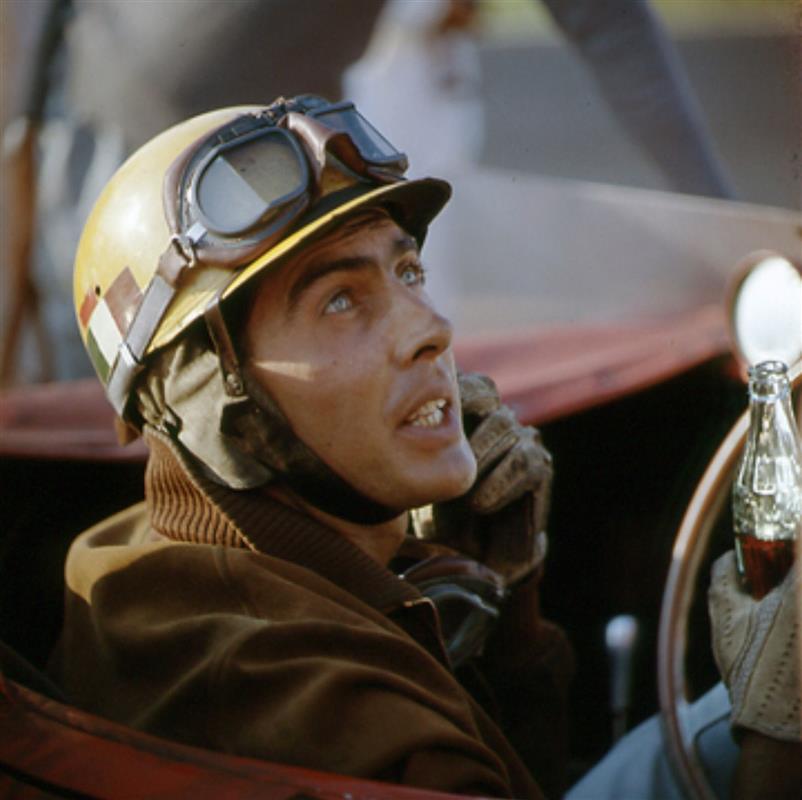
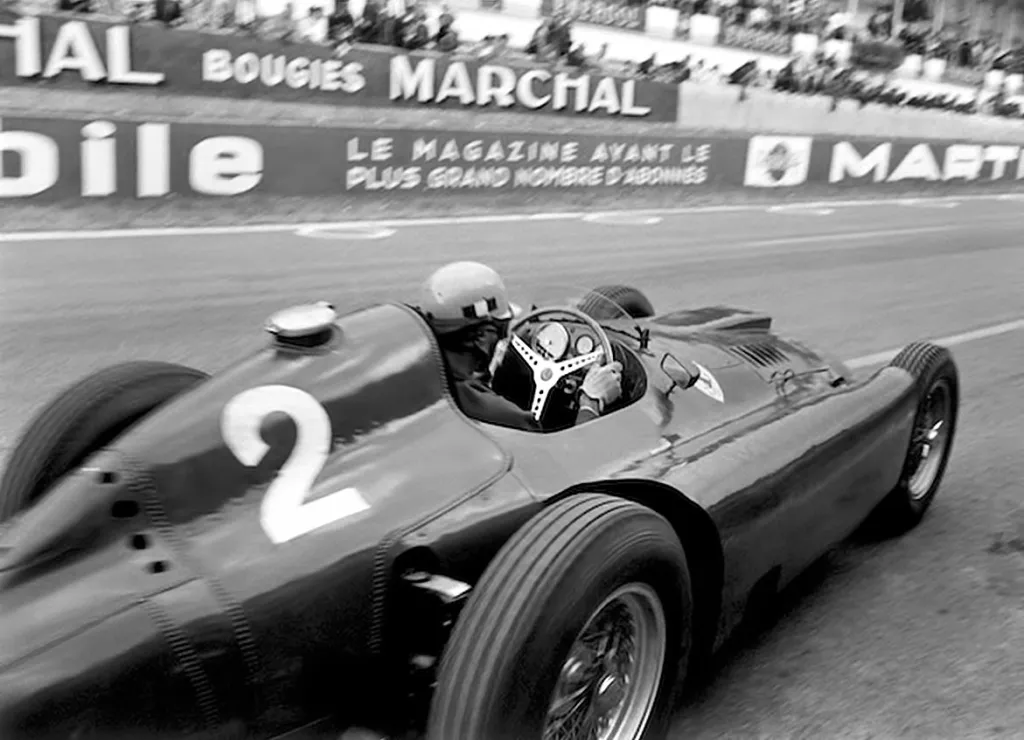
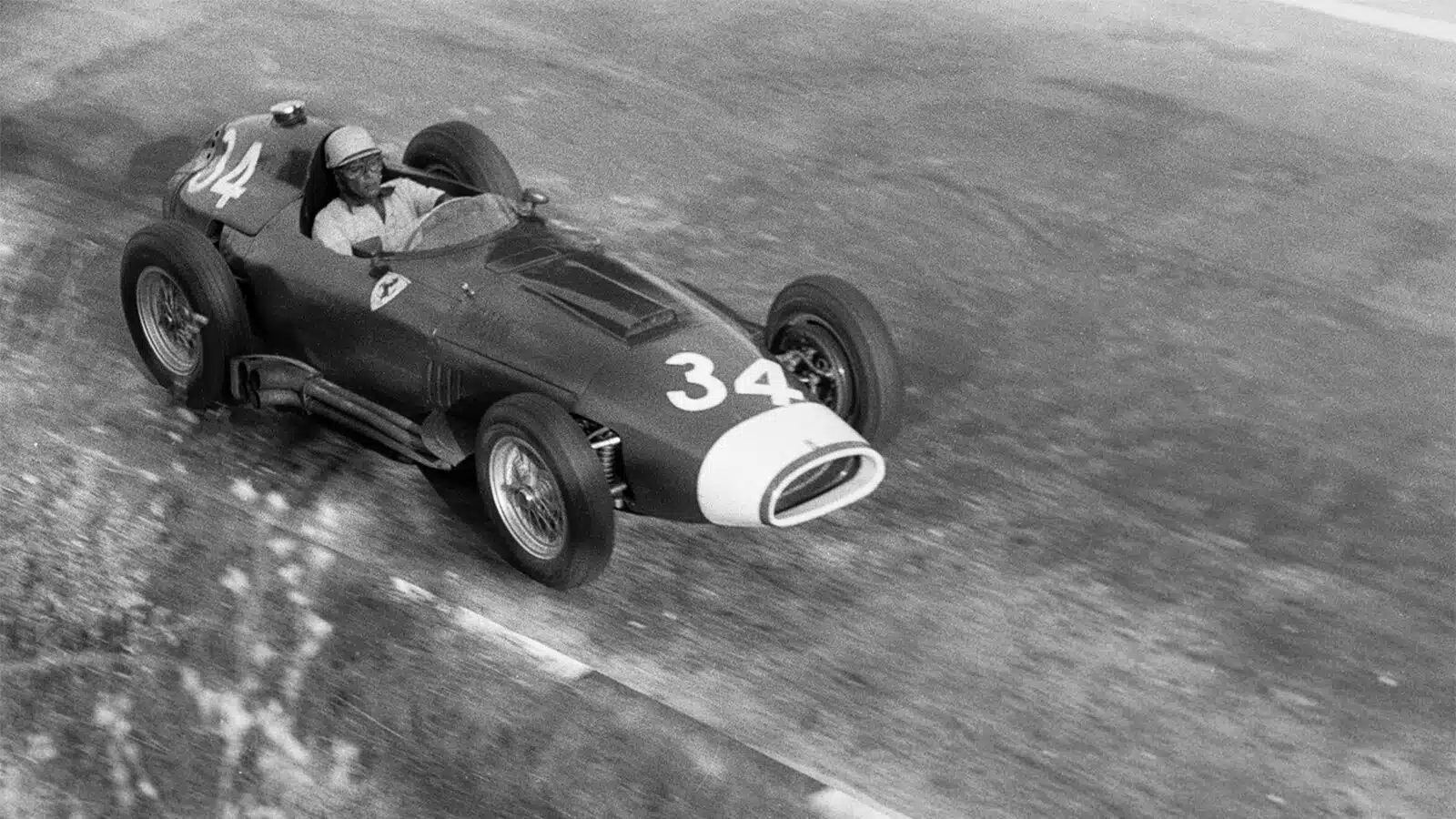
At nearly 290 km/h (180 mph), the concrete banking of Monza was not a racetrack; it was a vertical wall of grey thunder that compressed the human spine and blurred vision into a grey tunnel. During the 1958 Race of Two Worlds, while most European Grand Prix stars recoiled from the brutal, unfamiliar physics of the high-banked oval, one man stood toe-to-toe with the fearsome American Indianapolis roadsters. Behind the wood-rimmed steering wheel of the one-off Ferrari 412 MI sat Luigi Musso, his posture upright, his movements silky and unhurried even as the monster 4.0-litre (245 cu in) 60-degree twin-cam V12 unleashed over 400 bhp inches from his feet.
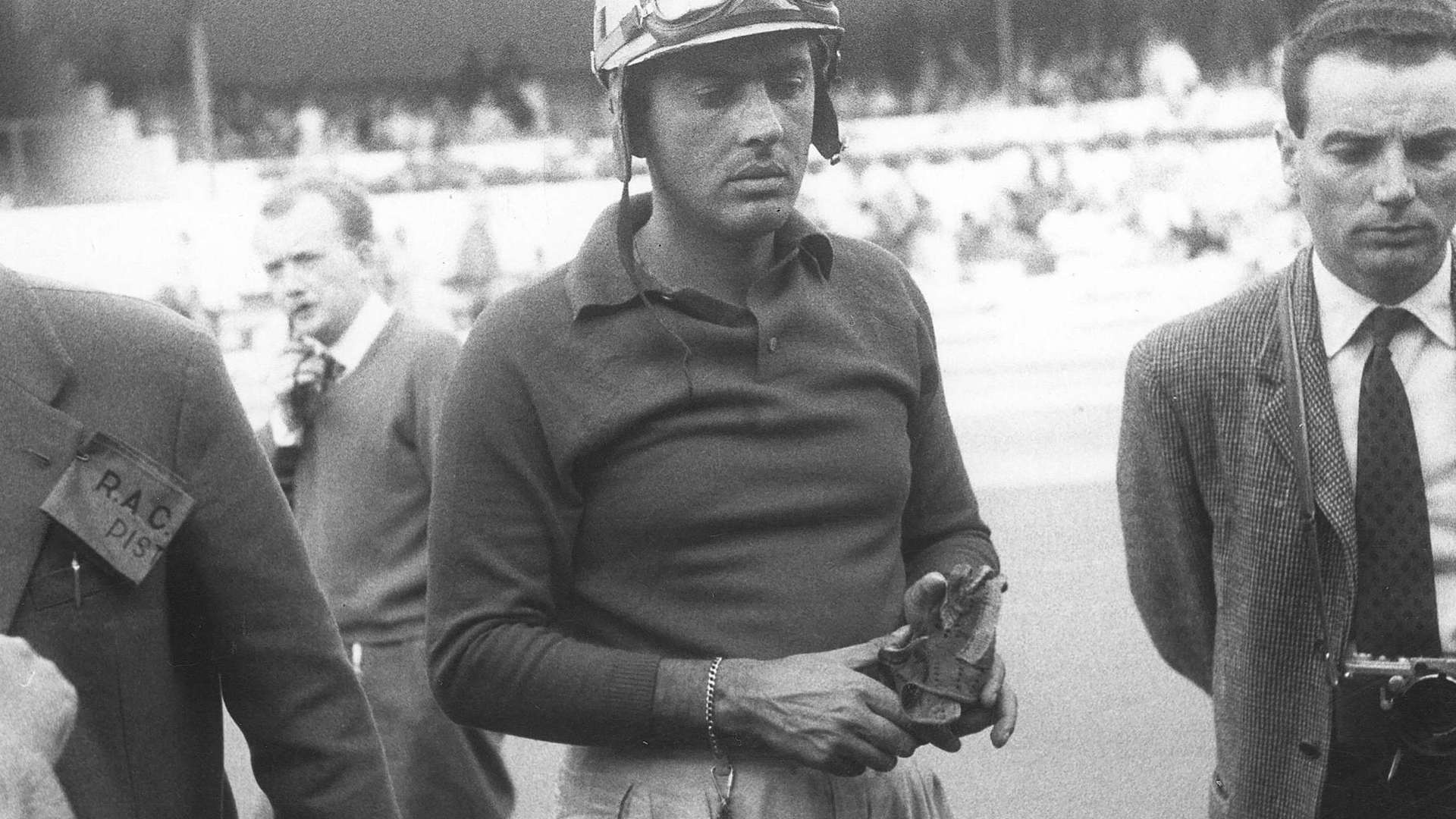
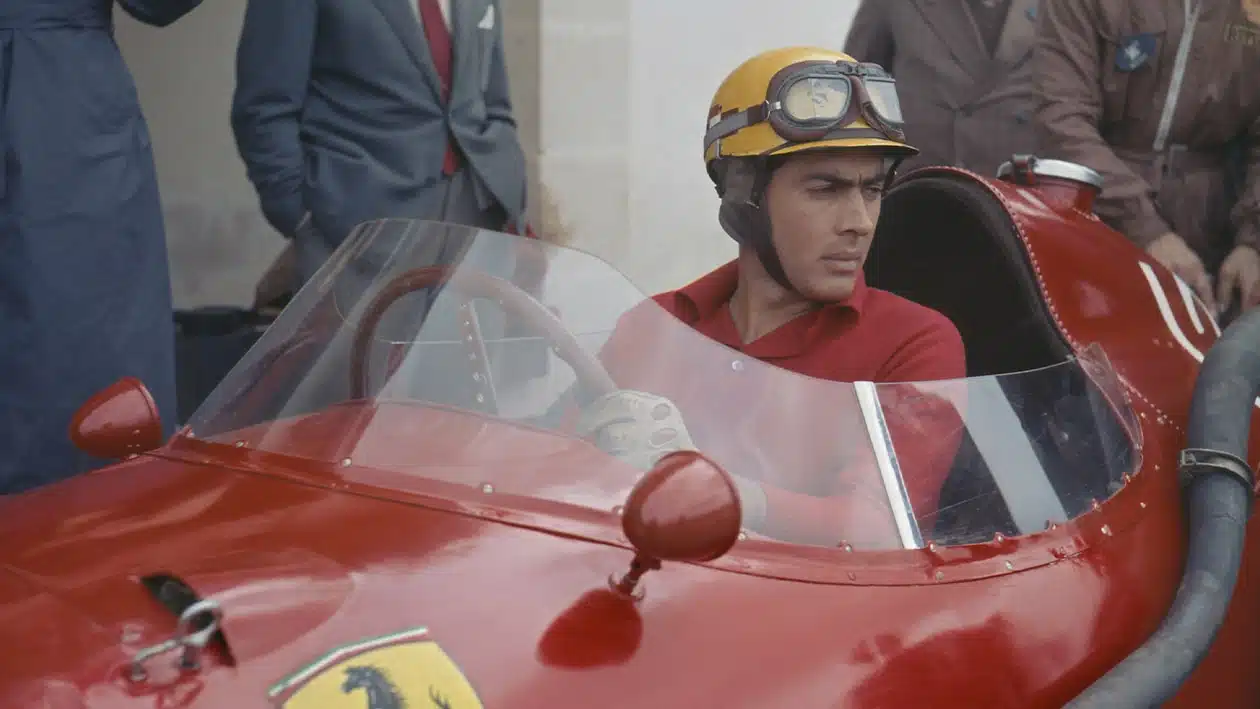
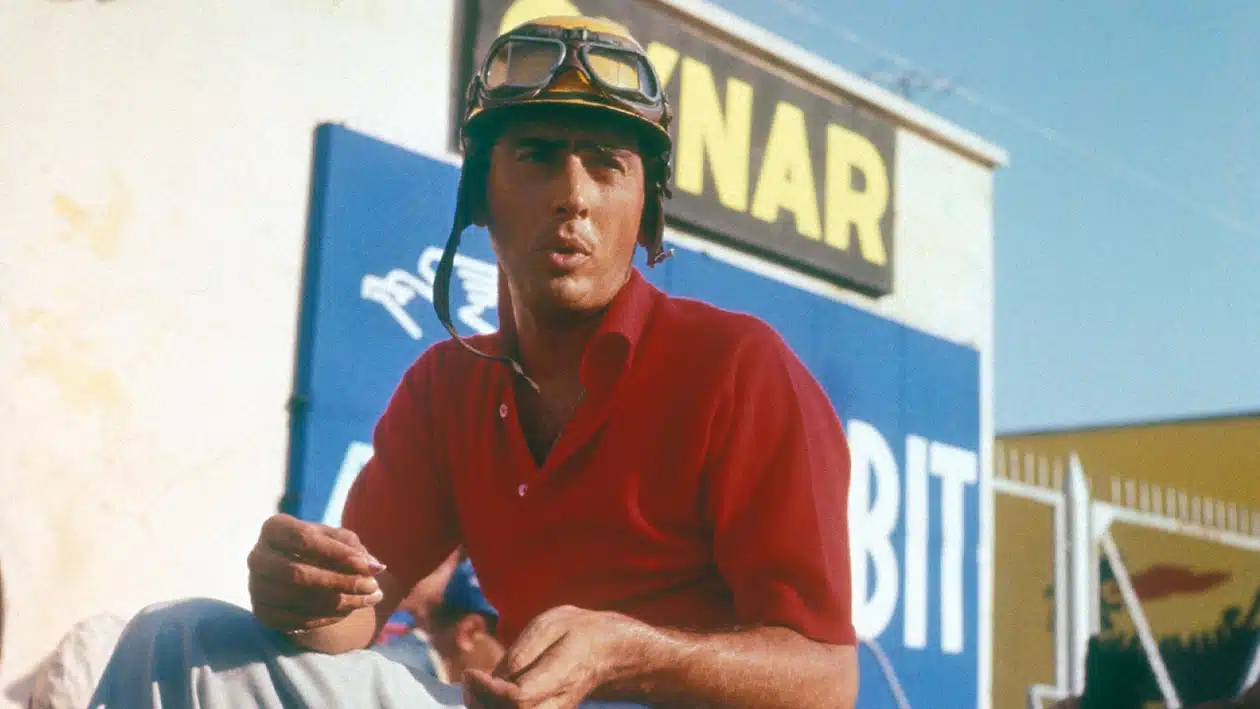
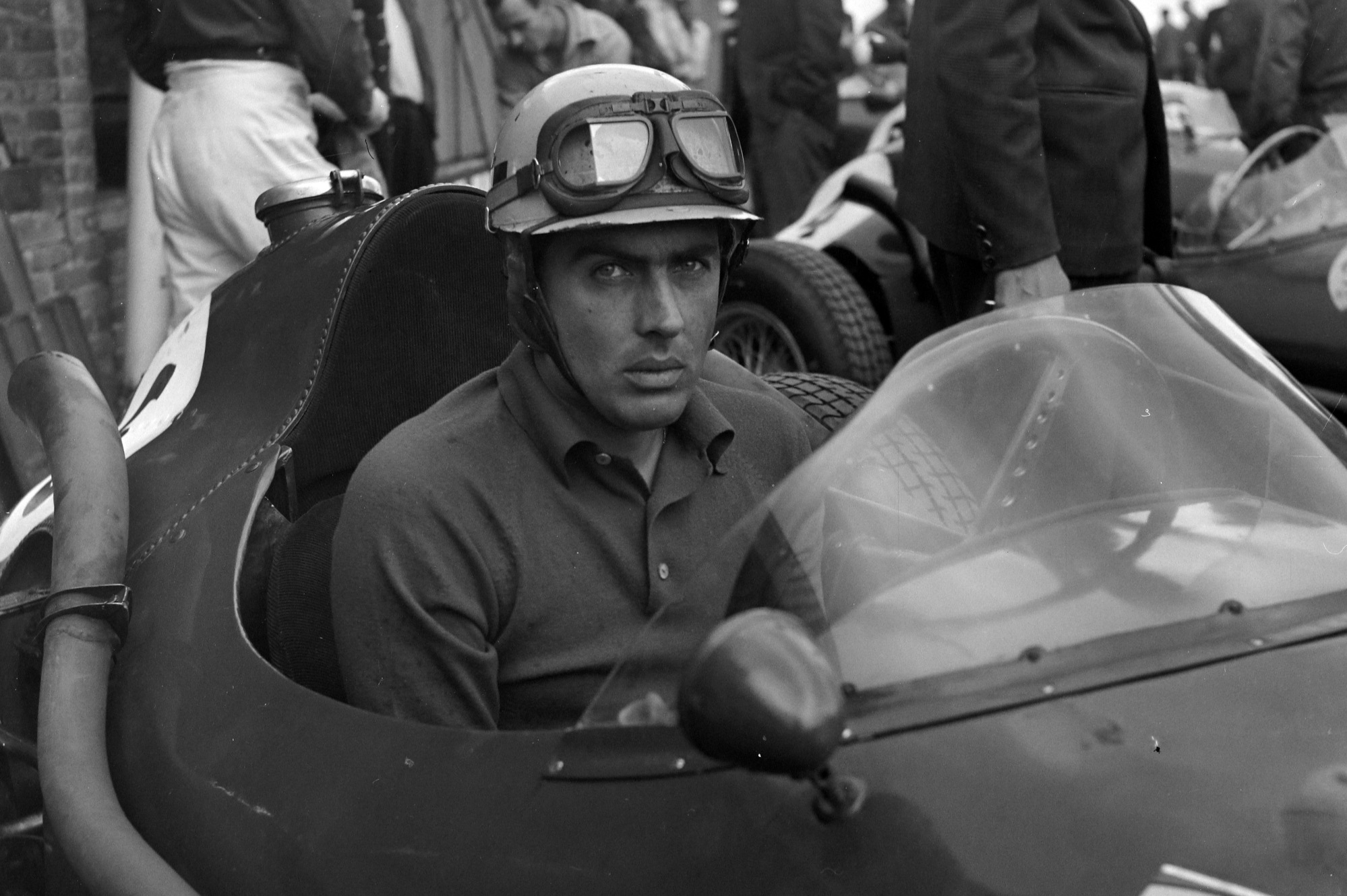
Musso was the ultimate paradox of 1950s motorsport: an aristocratic Roman gentleman driver elevated to the ruthless pinnacle of professional racing. Cultured, strikingly handsome, and blessed with a millimetric driving style that contrasted sharply with his tail-happy contemporaries, his genius lay in pure mechanical sensitivity. Yet that classical refinement hid a fatal vulnerability. Burdened by chivalrous pride, acute financial pressures, and the crushing expectation of being the last surviving standard-bearer of Italy’s post-war golden generation, Musso was pushed into a desperate rivalry with his own Scuderia Ferrari teammates.
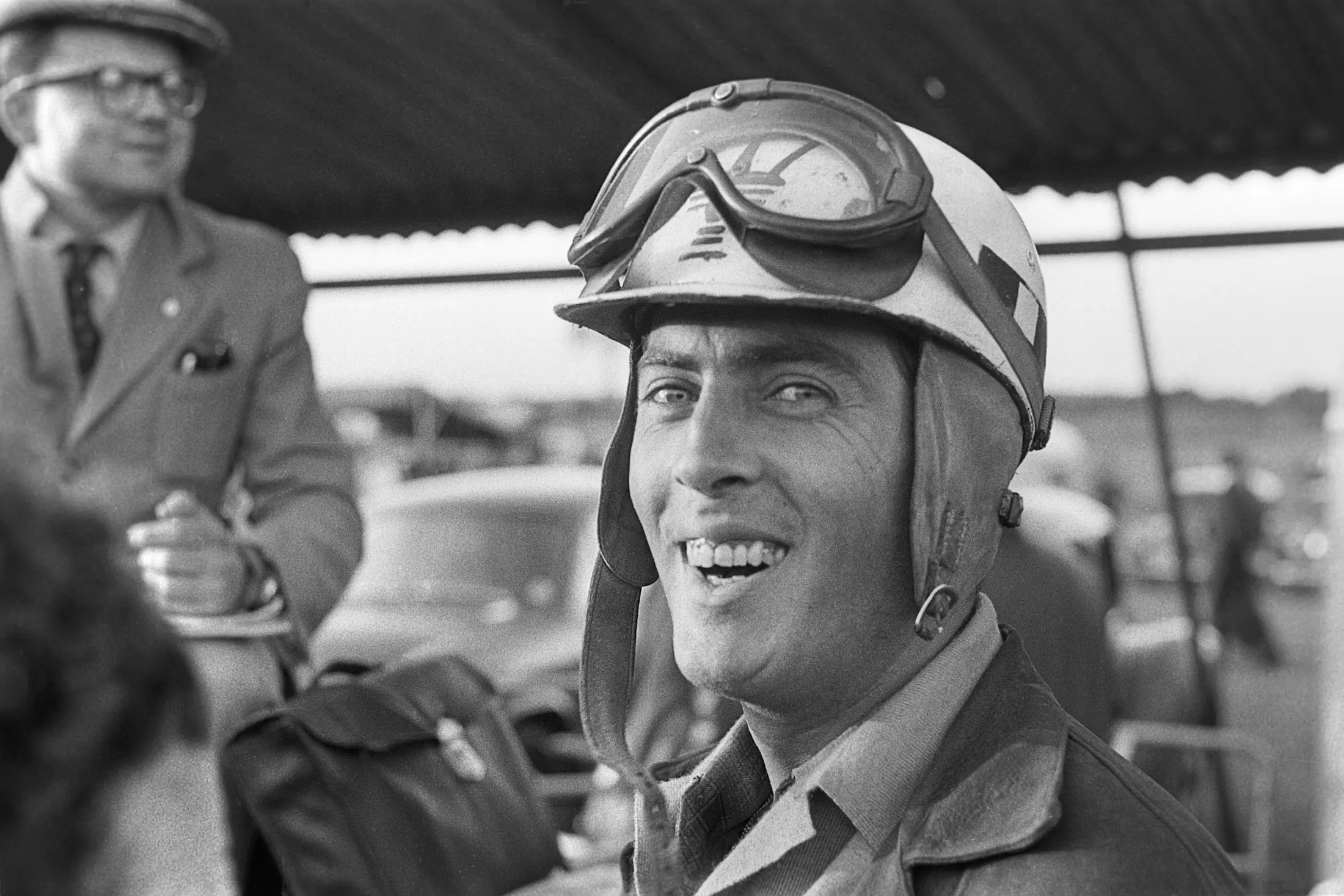
Born in Rome on 28 July 1924 as the youngest son of a wealthy diplomat, Musso grew up in a world of privilege far removed from grease-stained workshops. Before ever donning a linen racing helmet, he excelled in disciplines of calculation, poise, and balance: fencing, pistol shooting, and equestrian show jumping. Those aristocratic pursuits wired his nervous system for rhythm and delicate weight transfer. Inspired by his older brothers, he made his competitive debut in 1950 aboard a tiny 750 cc (45.7 cu in) Giannini sports car in the Giro di Sicilia and the Mille Miglia. Charging across broken provincial tarmac, treacherous cobblestones, and loose mountain gravel forged his uncanny ability to read changing surface grip. Graduating to Stanguellini machinery, his string of class victories proved his natural velocity far exceeded that of a wealthy dilettante.
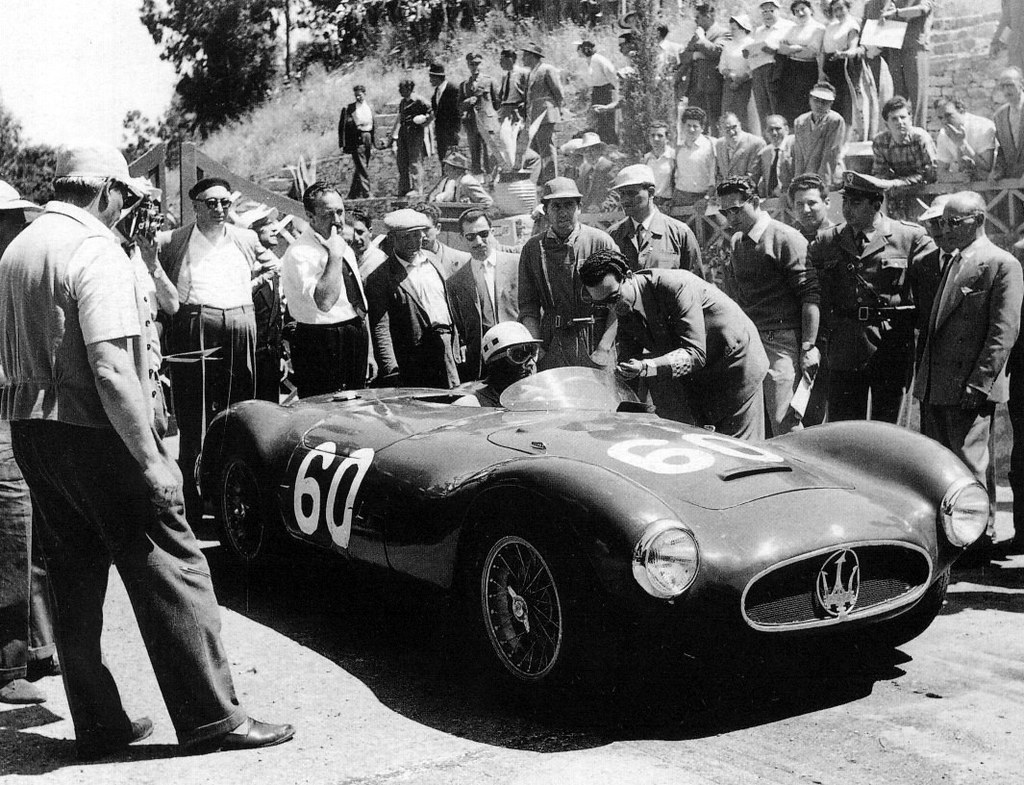
Officine Alfieri Maserati took notice in 1953, recruiting the Roman to campaign the agile 2.0-litre (122 cu in) Maserati A6GCS. Musso repaid their faith by capturing the 1953 Italian Sports Car Championship and stunning the international paddock in the 1954 Mille Miglia, where he guided the little two-litre barchetta to third overall and a dominant class win against far larger machinery. His progression into Grand Prix racing with the legendary 2.5-litre (152 cu in) Maserati 250F was equally assured. After claiming his maiden World Championship podium with a sensational second place behind Mike Hawthorn at the 1954 Spanish Grand Prix on the sweeping streets of Pedralbes, he secured a second World Championship rostrum at Zandvoort in 1955, finishing third behind the untouchable Mercedes-Benz W196s of Juan Manuel Fangio and Stirling Moss. When the deaths of Alberto Ascari in May 1955 and Eugenio Castellotti in March 1957 systematically decimated Italy’s racing royalty, Enzo Ferrari looked to Musso to defend national honour against the rising British invasion.
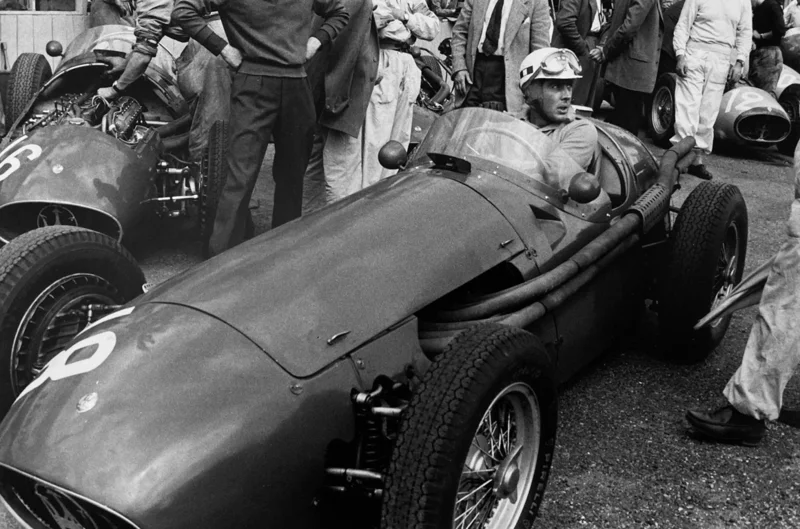
Joining Maranello for 1956, Musso immediately tasted World Championship victory in his debut race at Buenos Aires, sharing his Lancia-Ferrari D50—heavily revised by Maranello over the winter with welded upper frame rails that relieved the 2.5-litre (152 cu in) V8 of its original stressed-member duties and relocated the main fuel load from the lateral panniers to the tail—with Fangio after the Maestro’s own car failed. A fractured arm suffered in a crash during the 1956 Nürburgring 1000 km side-lined him for months, yet he returned in 1957 with sharpened resolve. He conquered the 1957 Buenos Aires 1000 km alongside Masten Gregory and Castellotti in the brutal 3.5-litre (213 cu in) Ferrari 290 MM, and won the non-championship Reims Grand Prix aboard the evolved Lancia-Ferrari 801.
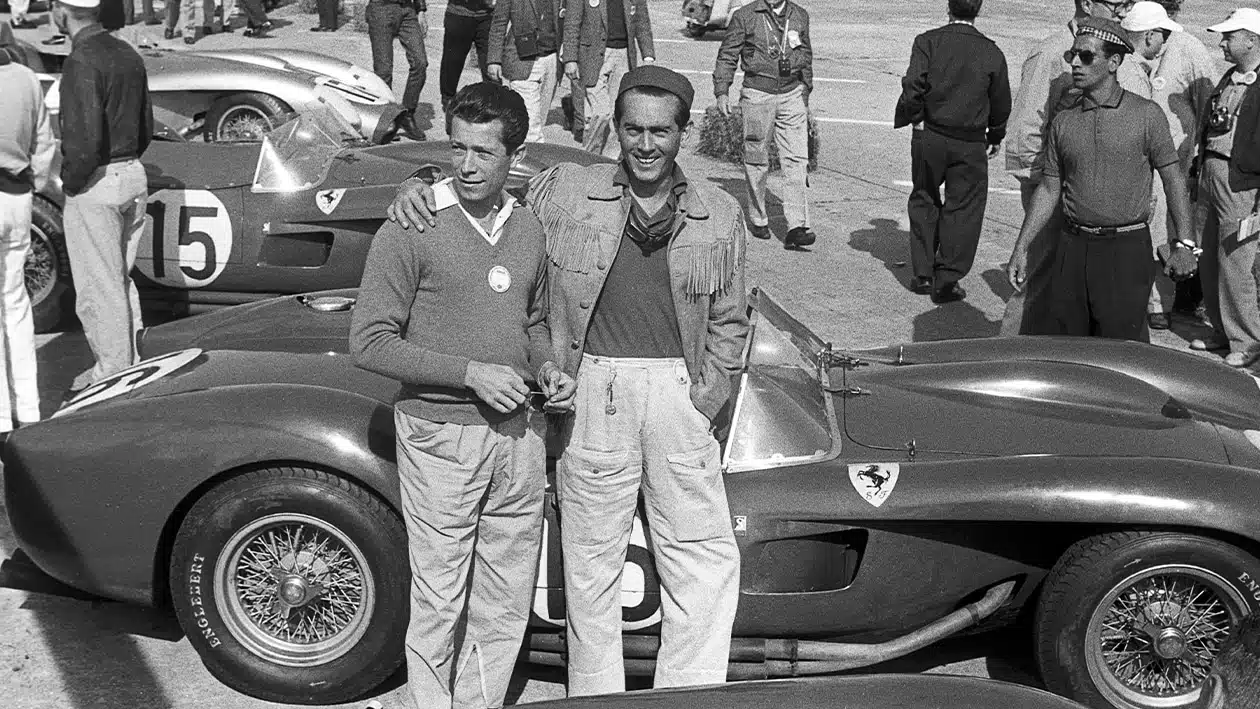
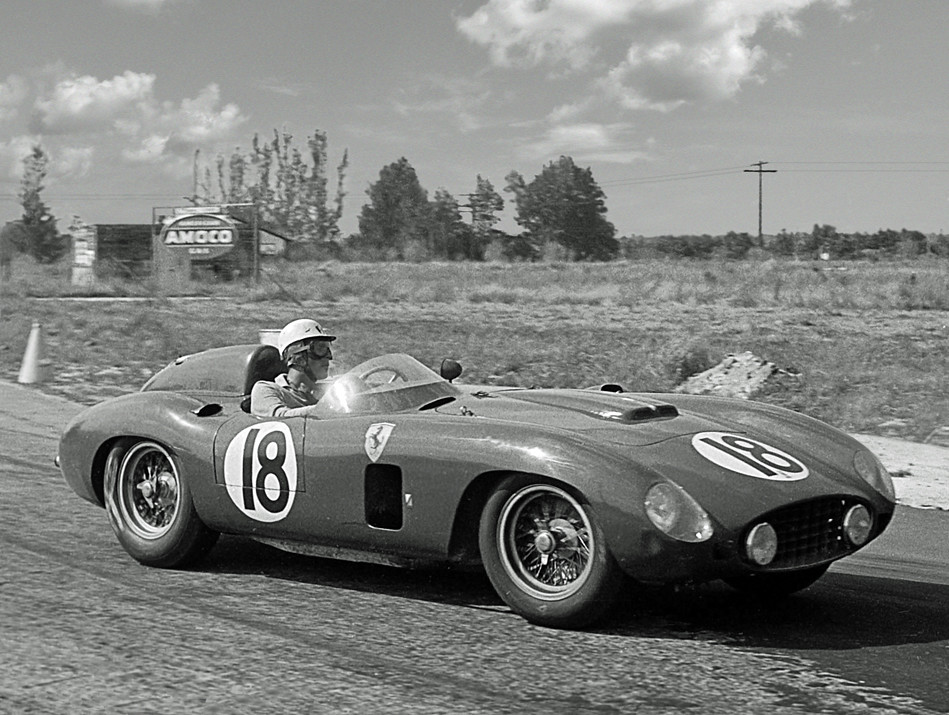
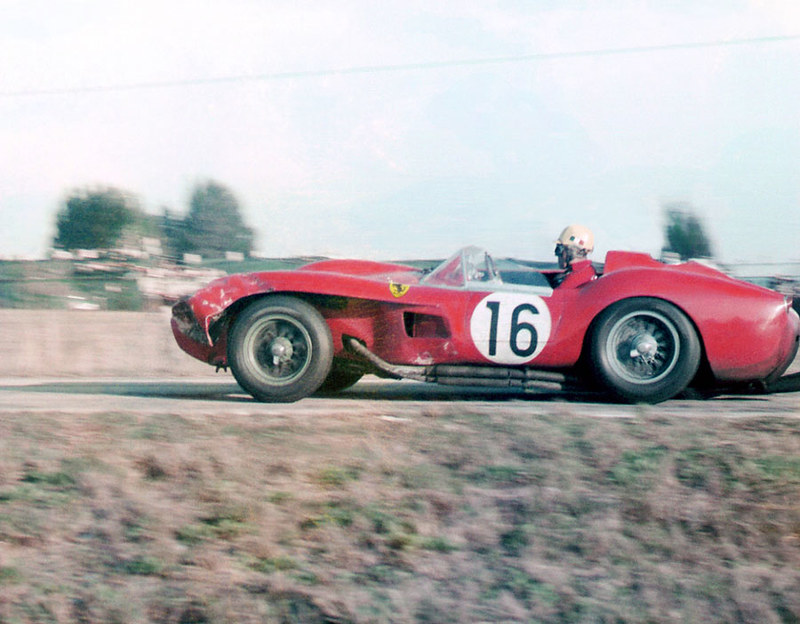
By the first half of 1958, Musso was operating at the absolute zenith of his powers. Partnering Olivier Gendebien in the sculpted 3.0-litre (183 cu in) Ferrari 250 Testa Rossa, he finished second overall behind teammates Peter Collins and Phil Hill at the 12 Hours of Sebring before conquering the gruelling Targa Florio outright, alongside opening the Formula 1 season with consecutive second-place finishes at Argentina and Monaco in the new Ferrari 246 F1, powered by the 2.4-litre (147 cu in) 65-degree Dino V6. Then came his heroic June stand in the 500 Miglia di Monza, where he wrestled the ferocious Ferrari 412 MI to pole position at a staggering average speed of 280.8 km/h (174.5 mph). Racing without a seatbelt while breathing toxic methanol fumes and enduring bone-crushing centrifugal forces on the banking, a physically exhausted Musso had to be relieved by Hawthorn and Phil Hill, securing an epic third place overall.
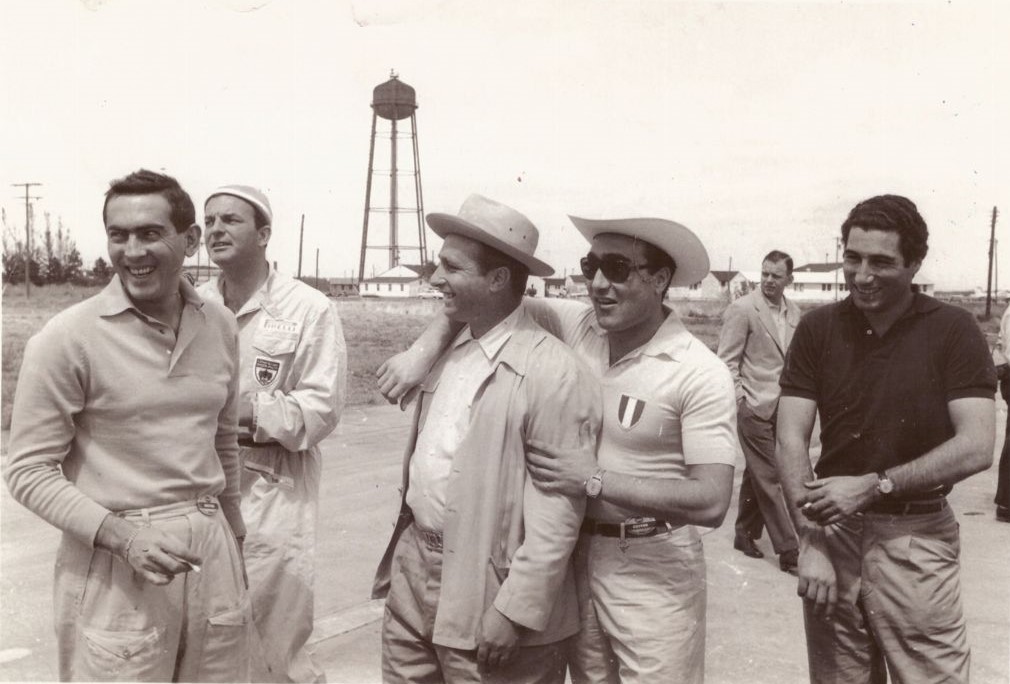
Behind the silverware, however, tensions simmered within Maranello. British teammates Mike Hawthorn and Peter Collins shared an unbreakable camaraderie—nicknamed “Mon Ami Mate”—and agreed to split their starting and prize money 50-50. Isolated as the lone Italian contender inside his own national team, Musso was also navigating acute financial pressures from a lavish lifestyle and an intense relationship with his young partner, Fiamma Breschi, who would later become a central confidante in Enzo Ferrari’s own life. In retrospective accounts given decades later, Breschi claimed that Ferrari deliberately stoked psychological warfare between his drivers and that the British pair actively colluded on track to freeze Musso out, driving him to desperate extremes.
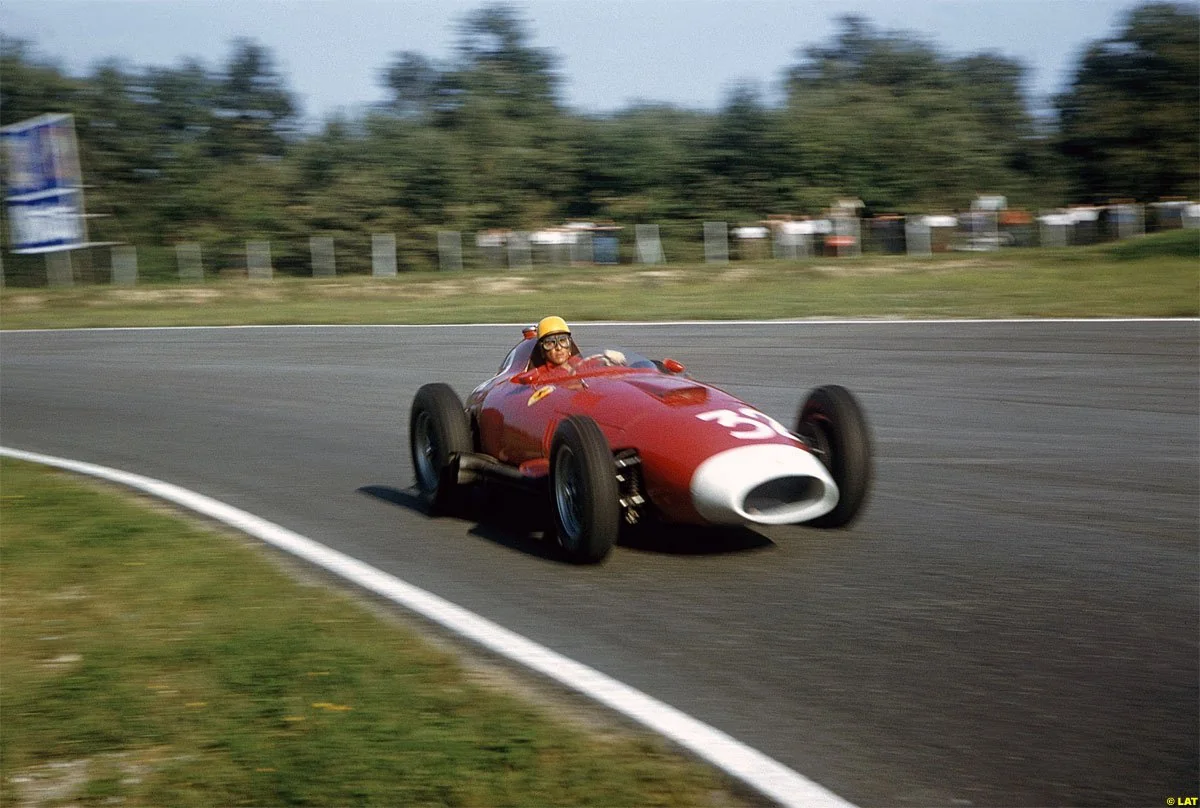
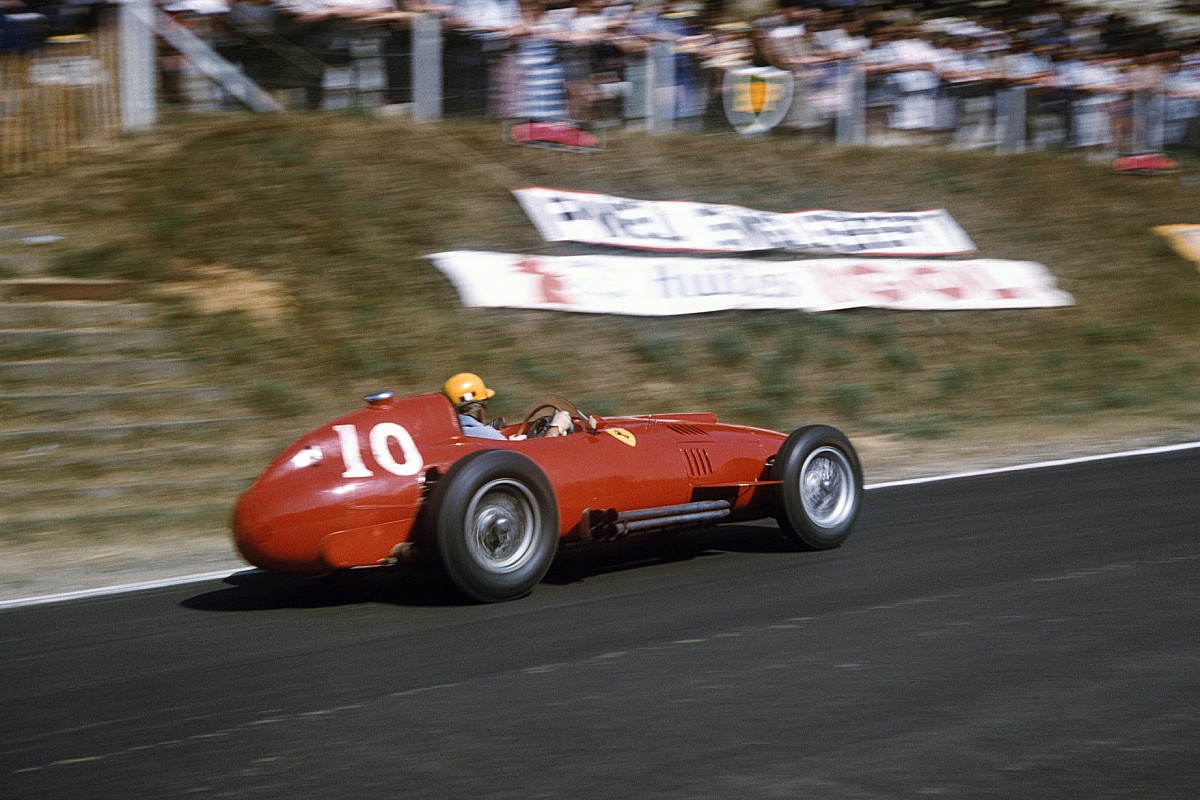
When the circus arrived at Reims-Gueux on 6 July 1958 for the French Grand Prix, the race offered the largest prize-money purse of the season, a windfall Musso badly needed. Qualifying second fastest on the three-car front row alongside pole-sitter Hawthorn and Harry Schell’s BRM, Musso was briefly delayed in opening-lap traffic before slotting into second place on lap two. Under a suffocating summer sun, Hawthorn built a cushion of several seconds, forcing Musso to push flat-out to reel in the leader. On lap 10, charging hard to close the gap through the fast Courbe du Calvaire right-hander leading toward the Muizon hairpin—a corner taken nearly flat-out at around 240 km/h (150 mph)—tragedy struck. With his 246 F1 still heavy with fuel over a treacherous mid-corner surface, Musso’s left-front tyre bit into the verge. The Ferrari snapped sideways, struck the outer ditch, and somersaulted violently into a wheat field, throwing the driver from the cockpit. He died hours later in a Reims hospital at just 33 years of age.
Musso’s death, followed just four weeks later by Peter Collins’s fatal crash at the Nürburgring, left Italian motorsport orphaned, plunging the nation into a nearly decade-long talent drought until the emergence of Lorenzo Bandini and Ludovico Scarfiotti. While his passing forever fuelled debate surrounding the intense internal pressures at Maranello, Luigi Musso remains immortalised as the final classic Roman cavalier—a pure stylist who danced on the vertical concrete of Monza and the mountain passes of Sicily with equal, unforgettable grace.
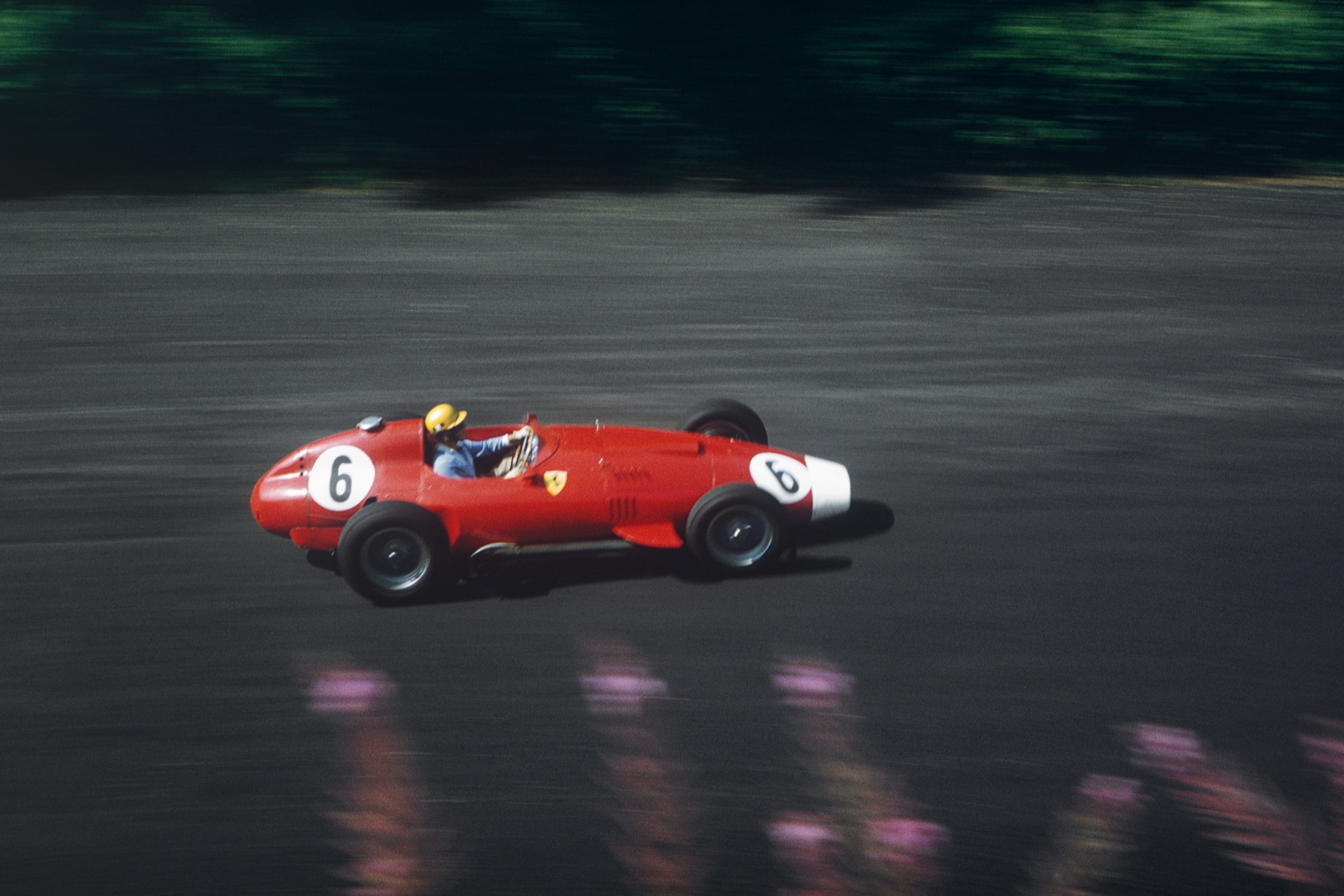
At nearly 290 km/h (180 mph), the concrete banking of Monza was not a racetrack; it was a vertical wall of grey thunder that compressed the human spine and blurred vision into a grey tunnel. During the 1958 Race of Two Worlds, while most European Grand Prix stars recoiled from the brutal, unfamiliar physics of the high-banked oval, one man stood toe-to-toe with the fearsome American Indianapolis roadsters. Behind the wood-rimmed steering wheel of the one-off Ferrari 412 MI sat Luigi Musso, his posture upright, his movements silky and unhurried even as the monster 4.0-litre (245 cu in) 60-degree twin-cam V12 unleashed over 400 bhp inches from his feet.
Musso was the ultimate paradox of 1950s motorsport: an aristocratic Roman gentleman driver elevated to the ruthless pinnacle of professional racing. Cultured, strikingly handsome, and blessed with a millimetric driving style that contrasted sharply with his tail-happy contemporaries, his genius lay in pure mechanical sensitivity. Yet that classical refinement hid a fatal vulnerability. Burdened by chivalrous pride, acute financial pressures, and the crushing expectation of being the last surviving standard-bearer of Italy’s post-war golden generation, Musso was pushed into a desperate rivalry with his own Scuderia Ferrari teammates.
Born in Rome on 28 July 1924 as the youngest son of a wealthy diplomat, Musso grew up in a world of privilege far removed from grease-stained workshops. Before ever donning a linen racing helmet, he excelled in disciplines of calculation, poise, and balance: fencing, pistol shooting, and equestrian show jumping. Those aristocratic pursuits wired his nervous system for rhythm and delicate weight transfer. Inspired by his older brothers, he made his competitive debut in 1950 aboard a tiny 750 cc (45.7 cu in) Giannini sports car in the Giro di Sicilia and the Mille Miglia. Charging across broken provincial tarmac, treacherous cobblestones, and loose mountain gravel forged his uncanny ability to read changing surface grip. Graduating to Stanguellini machinery, his string of class victories proved his natural velocity far exceeded that of a wealthy dilettante.
Officine Alfieri Maserati took notice in 1953, recruiting the Roman to campaign the agile 2.0-litre (122 cu in) Maserati A6GCS. Musso repaid their faith by capturing the 1953 Italian Sports Car Championship and stunning the international paddock in the 1954 Mille Miglia, where he guided the little two-litre barchetta to third overall and a dominant class win against far larger machinery. His progression into Grand Prix racing with the legendary 2.5-litre (152 cu in) Maserati 250F was equally assured. After claiming his maiden World Championship podium with a sensational second place behind Mike Hawthorn at the 1954 Spanish Grand Prix on the sweeping streets of Pedralbes, he secured a second World Championship rostrum at Zandvoort in 1955, finishing third behind the untouchable Mercedes-Benz W196s of Juan Manuel Fangio and Stirling Moss. When the deaths of Alberto Ascari in May 1955 and Eugenio Castellotti in March 1957 systematically decimated Italy’s racing royalty, Enzo Ferrari looked to Musso to defend national honour against the rising British invasion.
Joining Maranello for 1956, Musso immediately tasted World Championship victory in his debut race at Buenos Aires, sharing his Lancia-Ferrari D50—heavily revised by Maranello over the winter with welded upper frame rails that relieved the 2.5-litre (152 cu in) V8 of its original stressed-member duties and relocated the main fuel load from the lateral panniers to the tail—with Fangio after the Maestro’s own car failed. A fractured arm suffered in a crash during the 1956 Nürburgring 1000 km side-lined him for months, yet he returned in 1957 with sharpened resolve. He conquered the 1957 Buenos Aires 1000 km alongside Masten Gregory and Castellotti in the brutal 3.5-litre (213 cu in) Ferrari 290 MM, and won the non-championship Reims Grand Prix aboard the evolved Lancia-Ferrari 801.
By the first half of 1958, Musso was operating at the absolute zenith of his powers. Partnering Olivier Gendebien in the sculpted 3.0-litre (183 cu in) Ferrari 250 Testa Rossa, he finished second overall behind teammates Peter Collins and Phil Hill at the 12 Hours of Sebring before conquering the gruelling Targa Florio outright, alongside opening the Formula 1 season with consecutive second-place finishes at Argentina and Monaco in the new Ferrari 246 F1, powered by the 2.4-litre (147 cu in) 65-degree Dino V6. Then came his heroic June stand in the 500 Miglia di Monza, where he wrestled the ferocious Ferrari 412 MI to pole position at a staggering average speed of 280.8 km/h (174.5 mph). Racing without a seatbelt while breathing toxic methanol fumes and enduring bone-crushing centrifugal forces on the banking, a physically exhausted Musso had to be relieved by Hawthorn and Phil Hill, securing an epic third place overall.
Behind the silverware, however, tensions simmered within Maranello. British teammates Mike Hawthorn and Peter Collins shared an unbreakable camaraderie—nicknamed “Mon Ami Mate”—and agreed to split their starting and prize money 50-50. Isolated as the lone Italian contender inside his own national team, Musso was also navigating acute financial pressures from a lavish lifestyle and an intense relationship with his young partner, Fiamma Breschi, who would later become a central confidante in Enzo Ferrari’s own life. In retrospective accounts given decades later, Breschi claimed that Ferrari deliberately stoked psychological warfare between his drivers and that the British pair actively colluded on track to freeze Musso out, driving him to desperate extremes.
When the circus arrived at Reims-Gueux on 6 July 1958 for the French Grand Prix, the race offered the largest prize-money purse of the season, a windfall Musso badly needed. Qualifying second fastest on the three-car front row alongside pole-sitter Hawthorn and Harry Schell’s BRM, Musso was briefly delayed in opening-lap traffic before slotting into second place on lap two. Under a suffocating summer sun, Hawthorn built a cushion of several seconds, forcing Musso to push flat-out to reel in the leader. On lap 10, charging hard to close the gap through the fast Courbe du Calvaire right-hander leading toward the Muizon hairpin—a corner taken nearly flat-out at around 240 km/h (150 mph)—tragedy struck. With his 246 F1 still heavy with fuel over a treacherous mid-corner surface, Musso’s left-front tyre bit into the verge. The Ferrari snapped sideways, struck the outer ditch, and somersaulted violently into a wheat field, throwing the driver from the cockpit. He died hours later in a Reims hospital at just 33 years of age.
Musso’s death, followed just four weeks later by Peter Collins’s fatal crash at the Nürburgring, left Italian motorsport orphaned, plunging the nation into a nearly decade-long talent drought until the emergence of Lorenzo Bandini and Ludovico Scarfiotti. While his passing forever fuelled debate surrounding the intense internal pressures at Maranello, Luigi Musso remains immortalised as the final classic Roman cavalier—a pure stylist who danced on the vertical concrete of Monza and the mountain passes of Sicily with equal, unforgettable grace.