
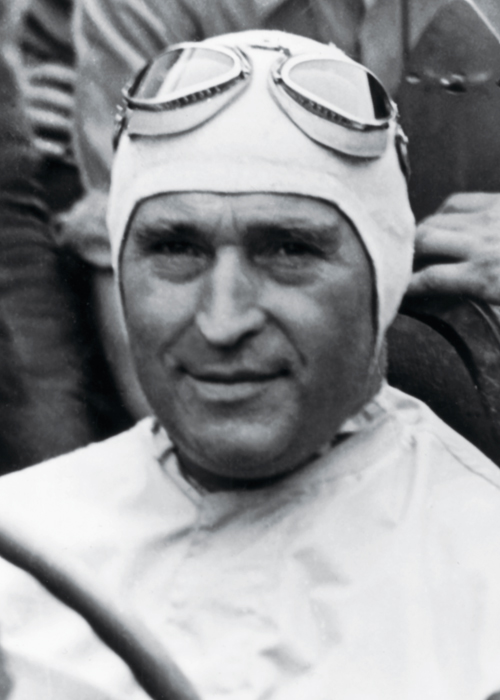








The blinding heat of the North African sun was nothing compared to the volcanic fury erupting within the Auto Union pit at the 1937 Tripoli Grand Prix. Luigi Fagioli, his face darkened by exhaust soot, castor oil, and incandescent rage, stormed toward his bitter rival, Rudolf Caracciola. Furious at having been ruthlessly baulked out on the blindingly fast desert circuit, the stocky Italian hurled a heavy wheel hammer at the German ace before instinctively reaching for a knife. It took the combined, frantic efforts of the gargantuan Mercedes-Benz team manager Alfred Neubauer and chief mechanic Wilhelm Sebastian to wrestle Fagioli away and disarm him. This astonishing explosion of violence perfectly encapsulated the man the international press erroneously dubbed the “Abruzzi Robber”, a driver of terrifying commitment and unshakeable pride who bowed to absolutely no one.
He was not, in fact, from the wild Abruzzi region, but was born on 9 June 1898 in the small Marche town of Osimo. Trained as an accountant and having attended the University of Perugia, Fagioli was a cultured man whose physical stature betrayed a pugilistic nature. A robust, barrel-chested sportsman who excelled in boxing, athletics, and Greco-Roman wrestling, he translated his formidable physical strength into early motorcycle racing during the roaring 1920s. It was a brutal, bone-jarring apprenticeship. He scored outright victories in the 1924 Coppa della Mengara on a 500 cc (31 cu in) Borgo and the Coppa della Perugina on a 350 cc (21 cu in) Sar-Bradshaw, battling legends like Tazio Nuvolari and Achille Varzi. However, a horrific crash that same year at the Corsa della Consuma hillclimb left him with a mangled leg, forcing a pivot to four wheels. By 1925, he was campaigning a diminutive 1100 cc (67 cu in) Salmson voiturette as a hobby, though his innate aggression soon demanded far more potent machinery.

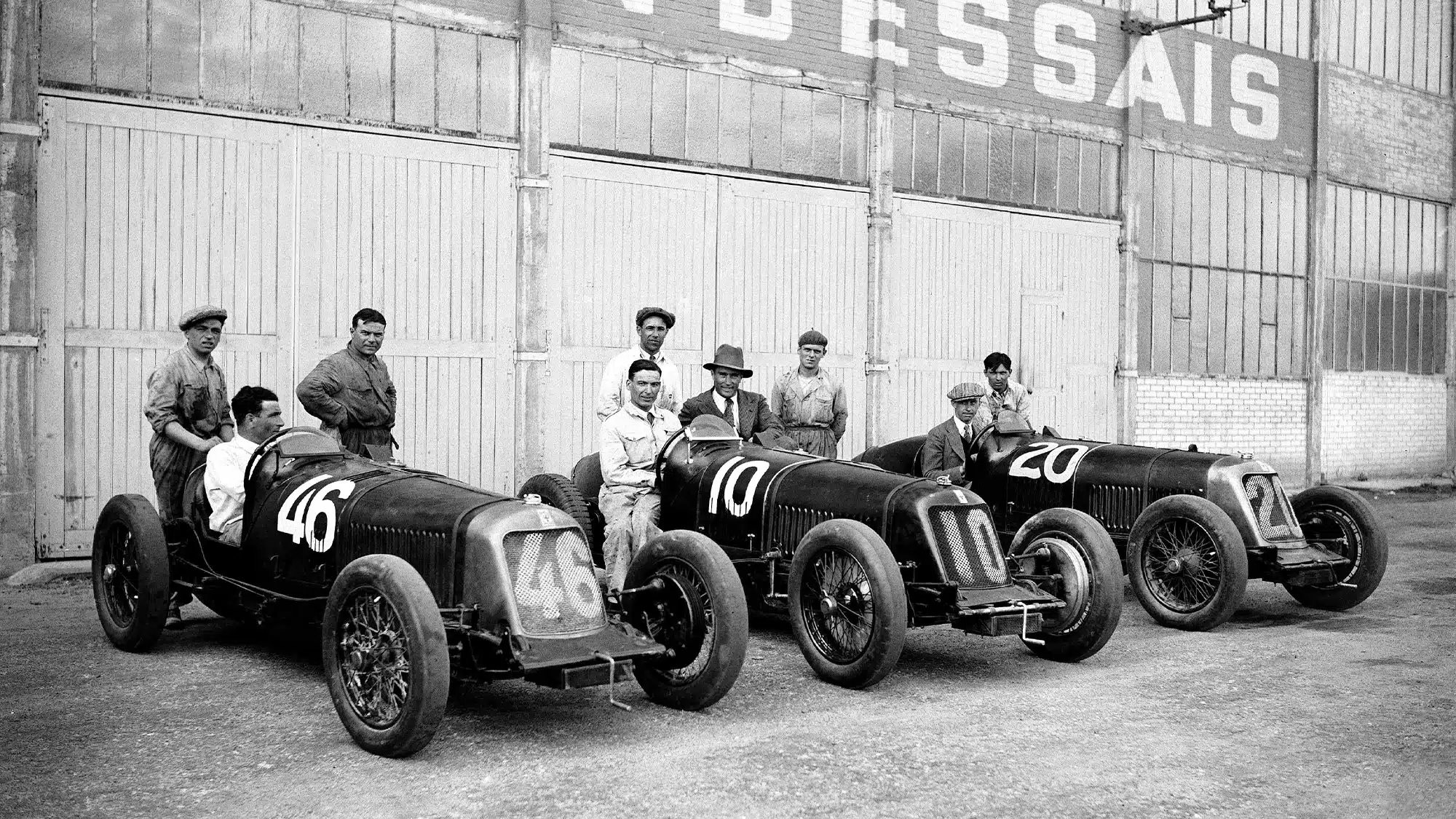
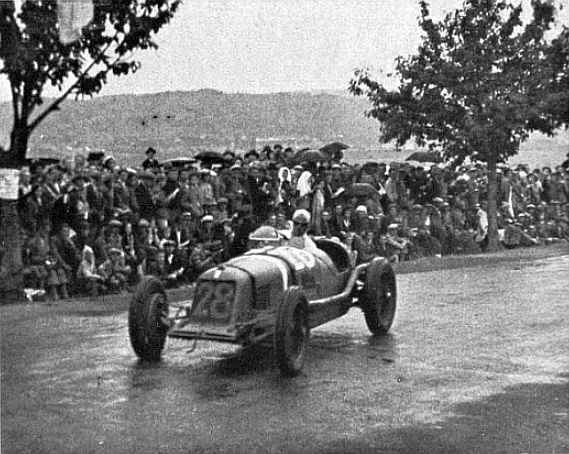
That aggression blossomed fully in 1932 when he wrung the neck of the fearsome, widow-making Maserati Sedici Cilindri at Monza. Flipped into a state of sheer possession by inept pit work, his violent, wheel-twirling fightback to secure second place that day marked the definitive arrival of a Grand Prix heavyweight. Defecting to Scuderia Ferrari in 1933 to pilot the sublime Alfa Romeo Tipo B, Fagioli embarked upon a golden era, dominating the Italian Grand Prix and cementing himself as national champion. When Mercedes-Benz returned to the Grand Prix arenas in 1934, Neubauer sought the Italian’s immense stamina to pilot the mighty W25, a supercharged 4.3-litre (262 cu in) straight-eight beast capable of 462 bhp. The cockpit environment was a sensory nightmare of blistering heat, deafening mechanical shrieks, and raw methanol fumes, yet Fagioli thrived in the brutality. At the 1934 Spanish Grand Prix at Lasarte, he relentlessly hauled his silver machine from fifth place on the first lap to a resounding victory over Caracciola and Nuvolari. He followed this with a masterful, start-to-finish triumph at the 1935 Monaco Grand Prix, dancing the heavy Mercedes through the serpentine streets with a muscular precision that left his rivals shattered in his wake.
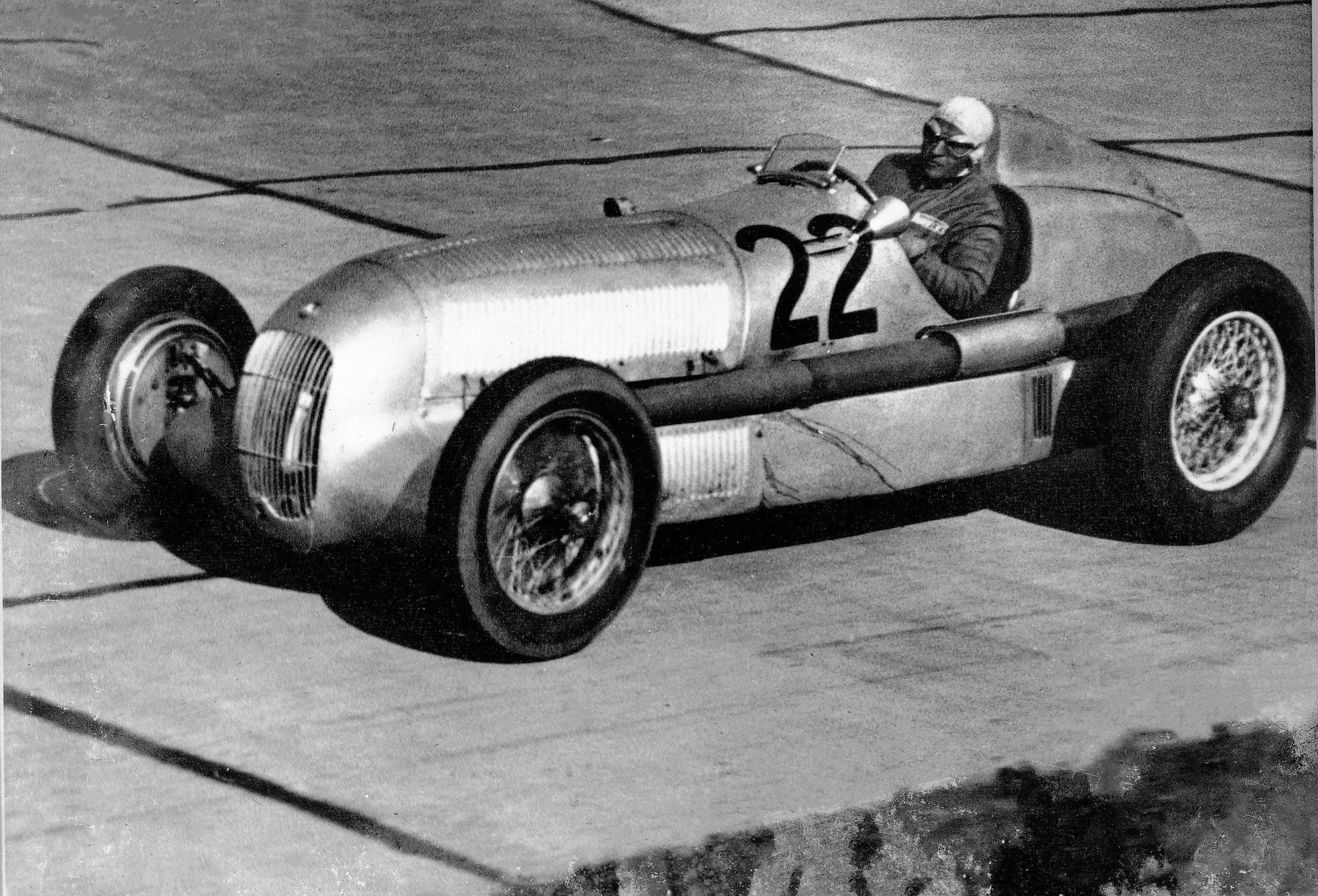
However, Fagioli’s tenure at Mercedes-Benz was defined as much by internal warfare as by on-track glory. He was a proud, uncompromising lone wolf thrust into a highly structured, distinctly German militaristic regime. The language barrier alone—Fagioli speaking no German, Neubauer no Italian—reduced their frequent, explosive arguments to a theatre of expansive gestures and screaming matches. Fagioli viewed himself as the outright team leader and violently resented team orders designed to favour Caracciola or Manfred von Brauchitsch. At the 1935 Belgian Grand Prix at Spa-Francorchamps, an apoplectic Fagioli repeatedly drew his W25 alongside Caracciola at the La Source hairpin solely to hurl foul-mouthed abuse at his teammate, completely ignoring the race itself. A furious Neubauer finally summoned him to the pits, where Fagioli simply abandoned the steaming car in a fit of rage, cursed his manager, and stomped away. He was a driver who operated purely on instinct and emotion, lacking the silken fluidity of his contemporaries but possessing a bloody-minded toughness that allowed him to relentlessly punish the machinery until the opposition surrendered. Tormented by rheumatism and deeply frustrated by team politics, he defected to Auto Union in 1937, carrying his fierce grievances with him.

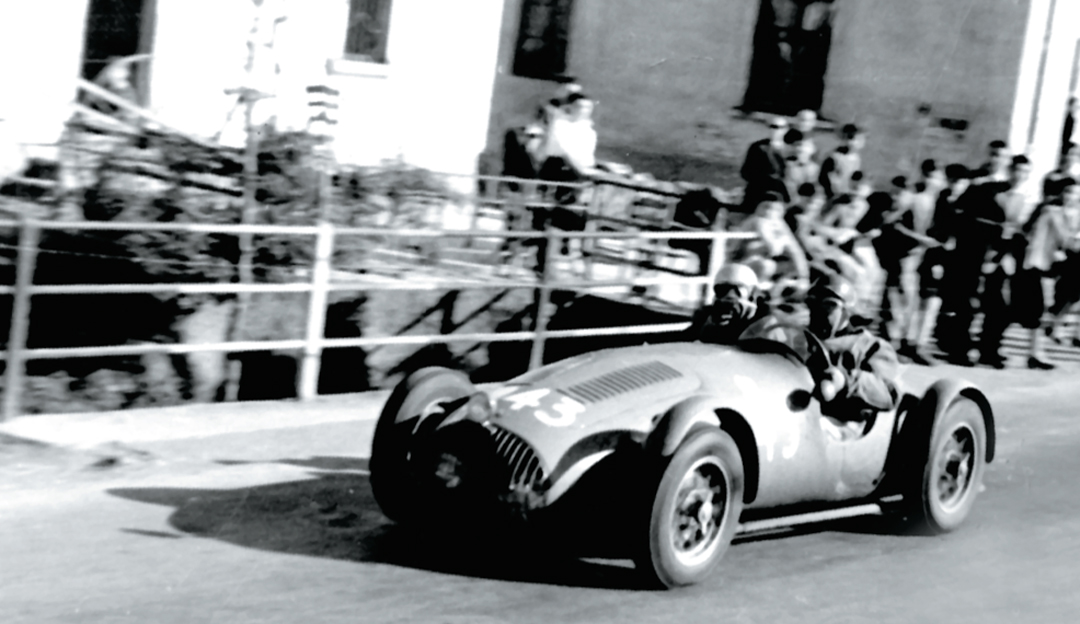
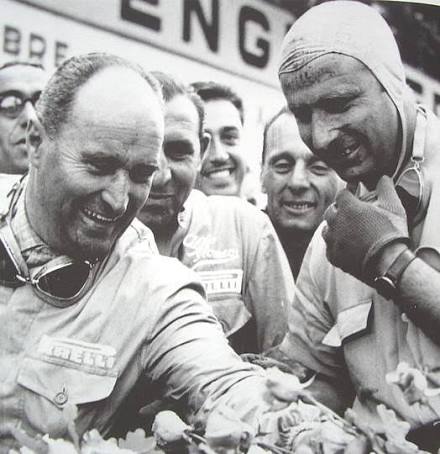
The outbreak of the Second World War stole the final years of Fagioli’s prime, but his passion remained unextinguished. When the inaugural Formula One World Championship commenced in 1950, a 51-year-old Fagioli lined up for Alfa Romeo alongside Giuseppe Farina and Juan Manuel Fangio. Despite his advancing years, his consistency was astonishing; he amassed the second-highest podium finish percentage in the history of the sport, an incredible 85.71 percent. His crowning post-war achievement arrived at the furiously fast Reims circuit during the 1951 French Grand Prix. Sharing his Alfa Romeo 159 with Fangio, the veteran Italian claimed victory, forever etching his name into the annals of history as the oldest driver to win a World Championship Grand Prix.
Tragically, the unyielding warrior met his end not in the thunderous Grand Prix beasts of his youth, but in a closed-roof sports car. Entering the 1952 Monaco Grand Prix—run that year for sports cars—Fagioli piloted a 2.0-litre (122 cu in) Lancia Aurelia B20 GT. During a Saturday practice session on 31 May, in circumstances that remain shrouded in mystery, he lost control inside the gloomy, echoing cavern of the tunnel, slamming broadside into a stone balustrade upon exit. Thrown clear of the wreckage, he was rushed to hospital unconscious, suffering from a fractured arm, a badly smashed leg, and unseen internal trauma. For three weeks, his immense constitution fought off the inevitable. He regained consciousness and even posed for photographs while reading the newspapers in his hospital bed to demonstrate his fighting form. Yet, on 20 June 1952, a sudden and catastrophic failure of the nervous system claimed his life just weeks after his 54th birthday. Luigi Fagioli died exactly as he had lived: fighting against the odds with every ounce of his being, leaving behind a legacy of raw speed, uncompromising grit, and an immortal spirit that will forever echo through the pit lanes of Europe.

The blinding heat of the North African sun was nothing compared to the volcanic fury erupting within the Auto Union pit at the 1937 Tripoli Grand Prix. Luigi Fagioli, his face darkened by exhaust soot, castor oil, and incandescent rage, stormed toward his bitter rival, Rudolf Caracciola. Furious at having been ruthlessly baulked out on the blindingly fast desert circuit, the stocky Italian hurled a heavy wheel hammer at the German ace before instinctively reaching for a knife. It took the combined, frantic efforts of the gargantuan Mercedes-Benz team manager Alfred Neubauer and chief mechanic Wilhelm Sebastian to wrestle Fagioli away and disarm him. This astonishing explosion of violence perfectly encapsulated the man the international press erroneously dubbed the “Abruzzi Robber”, a driver of terrifying commitment and unshakeable pride who bowed to absolutely no one.
He was not, in fact, from the wild Abruzzi region, but was born on 9 June 1898 in the small Marche town of Osimo. Trained as an accountant and having attended the University of Perugia, Fagioli was a cultured man whose physical stature betrayed a pugilistic nature. A robust, barrel-chested sportsman who excelled in boxing, athletics, and Greco-Roman wrestling, he translated his formidable physical strength into early motorcycle racing during the roaring 1920s. It was a brutal, bone-jarring apprenticeship. He scored outright victories in the 1924 Coppa della Mengara on a 500 cc (31 cu in) Borgo and the Coppa della Perugina on a 350 cc (21 cu in) Sar-Bradshaw, battling legends like Tazio Nuvolari and Achille Varzi. However, a horrific crash that same year at the Corsa della Consuma hillclimb left him with a mangled leg, forcing a pivot to four wheels. By 1925, he was campaigning a diminutive 1100 cc (67 cu in) Salmson voiturette as a hobby, though his innate aggression soon demanded far more potent machinery.
That aggression blossomed fully in 1932 when he wrung the neck of the fearsome, widow-making Maserati Sedici Cilindri at Monza. Flipped into a state of sheer possession by inept pit work, his violent, wheel-twirling fightback to secure second place that day marked the definitive arrival of a Grand Prix heavyweight. Defecting to Scuderia Ferrari in 1933 to pilot the sublime Alfa Romeo Tipo B, Fagioli embarked upon a golden era, dominating the Italian Grand Prix and cementing himself as national champion. When Mercedes-Benz returned to the Grand Prix arenas in 1934, Neubauer sought the Italian’s immense stamina to pilot the mighty W25, a supercharged 4.3-litre (262 cu in) straight-eight beast capable of 462 bhp. The cockpit environment was a sensory nightmare of blistering heat, deafening mechanical shrieks, and raw methanol fumes, yet Fagioli thrived in the brutality. At the 1934 Spanish Grand Prix at Lasarte, he relentlessly hauled his silver machine from fifth place on the first lap to a resounding victory over Caracciola and Nuvolari. He followed this with a masterful, start-to-finish triumph at the 1935 Monaco Grand Prix, dancing the heavy Mercedes through the serpentine streets with a muscular precision that left his rivals shattered in his wake.
However, Fagioli’s tenure at Mercedes-Benz was defined as much by internal warfare as by on-track glory. He was a proud, uncompromising lone wolf thrust into a highly structured, distinctly German militaristic regime. The language barrier alone—Fagioli speaking no German, Neubauer no Italian—reduced their frequent, explosive arguments to a theatre of expansive gestures and screaming matches. Fagioli viewed himself as the outright team leader and violently resented team orders designed to favour Caracciola or Manfred von Brauchitsch. At the 1935 Belgian Grand Prix at Spa-Francorchamps, an apoplectic Fagioli repeatedly drew his W25 alongside Caracciola at the La Source hairpin solely to hurl foul-mouthed abuse at his teammate, completely ignoring the race itself. A furious Neubauer finally summoned him to the pits, where Fagioli simply abandoned the steaming car in a fit of rage, cursed his manager, and stomped away. He was a driver who operated purely on instinct and emotion, lacking the silken fluidity of his contemporaries but possessing a bloody-minded toughness that allowed him to relentlessly punish the machinery until the opposition surrendered. Tormented by rheumatism and deeply frustrated by team politics, he defected to Auto Union in 1937, carrying his fierce grievances with him.
The outbreak of the Second World War stole the final years of Fagioli’s prime, but his passion remained unextinguished. When the inaugural Formula One World Championship commenced in 1950, a 51-year-old Fagioli lined up for Alfa Romeo alongside Giuseppe Farina and Juan Manuel Fangio. Despite his advancing years, his consistency was astonishing; he amassed the second-highest podium finish percentage in the history of the sport, an incredible 85.71 percent. His crowning post-war achievement arrived at the furiously fast Reims circuit during the 1951 French Grand Prix. Sharing his Alfa Romeo 159 with Fangio, the veteran Italian claimed victory, forever etching his name into the annals of history as the oldest driver to win a World Championship Grand Prix.
Tragically, the unyielding warrior met his end not in the thunderous Grand Prix beasts of his youth, but in a closed-roof sports car. Entering the 1952 Monaco Grand Prix—run that year for sports cars—Fagioli piloted a 2.0-litre (122 cu in) Lancia Aurelia B20 GT. During a Saturday practice session on 31 May, in circumstances that remain shrouded in mystery, he lost control inside the gloomy, echoing cavern of the tunnel, slamming broadside into a stone balustrade upon exit. Thrown clear of the wreckage, he was rushed to hospital unconscious, suffering from a fractured arm, a badly smashed leg, and unseen internal trauma. For three weeks, his immense constitution fought off the inevitable. He regained consciousness and even posed for photographs while reading the newspapers in his hospital bed to demonstrate his fighting form. Yet, on 20 June 1952, a sudden and catastrophic failure of the nervous system claimed his life just weeks after his 54th birthday. Luigi Fagioli died exactly as he had lived: fighting against the odds with every ounce of his being, leaving behind a legacy of raw speed, uncompromising grit, and an immortal spirit that will forever echo through the pit lanes of Europe.