
Spice SE90C 3.3 Ford Cosworth DFL
Brand
Produced from
Portal
Vehicle category
Model line
Predecessor
Successor
Submodel Overview
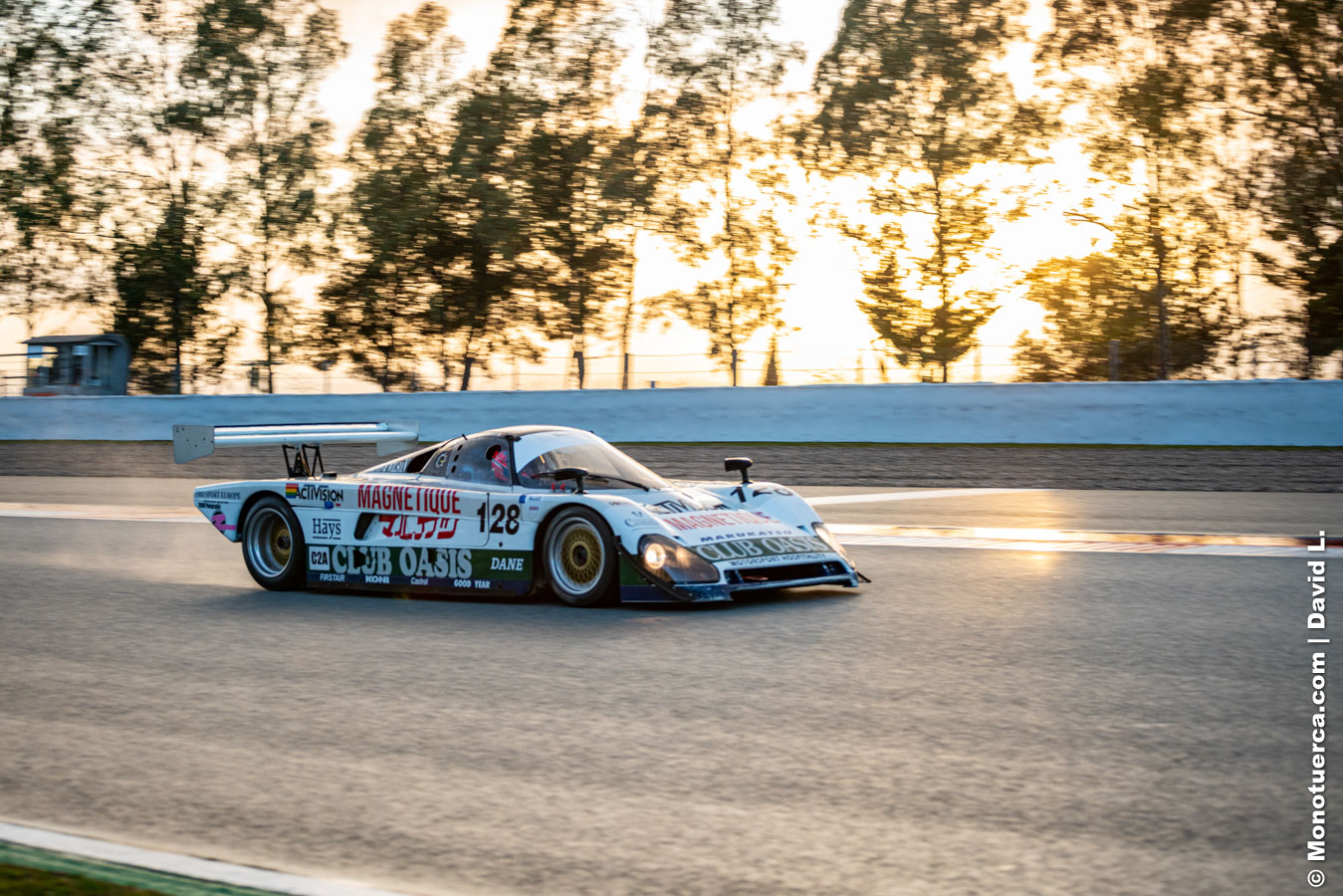
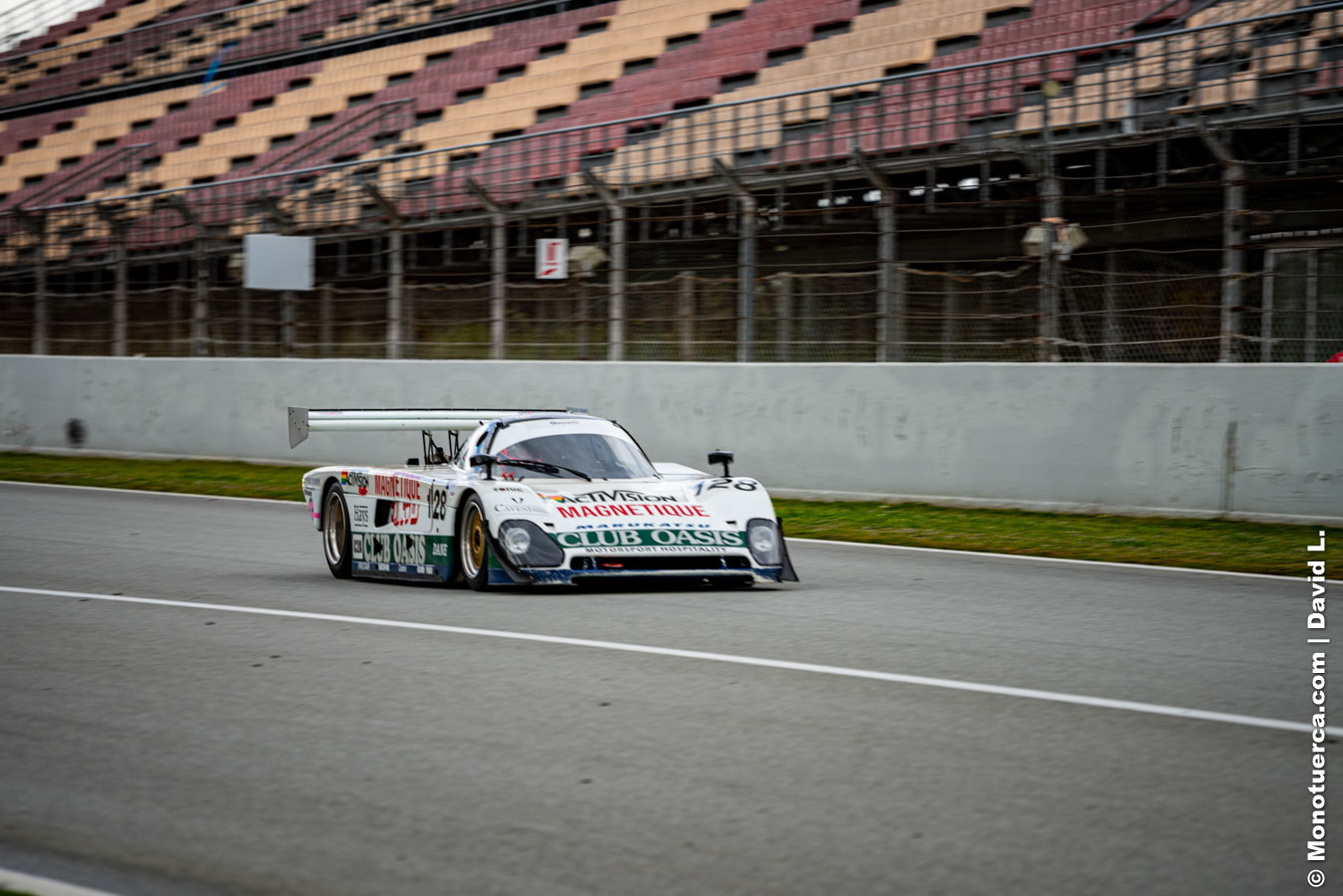
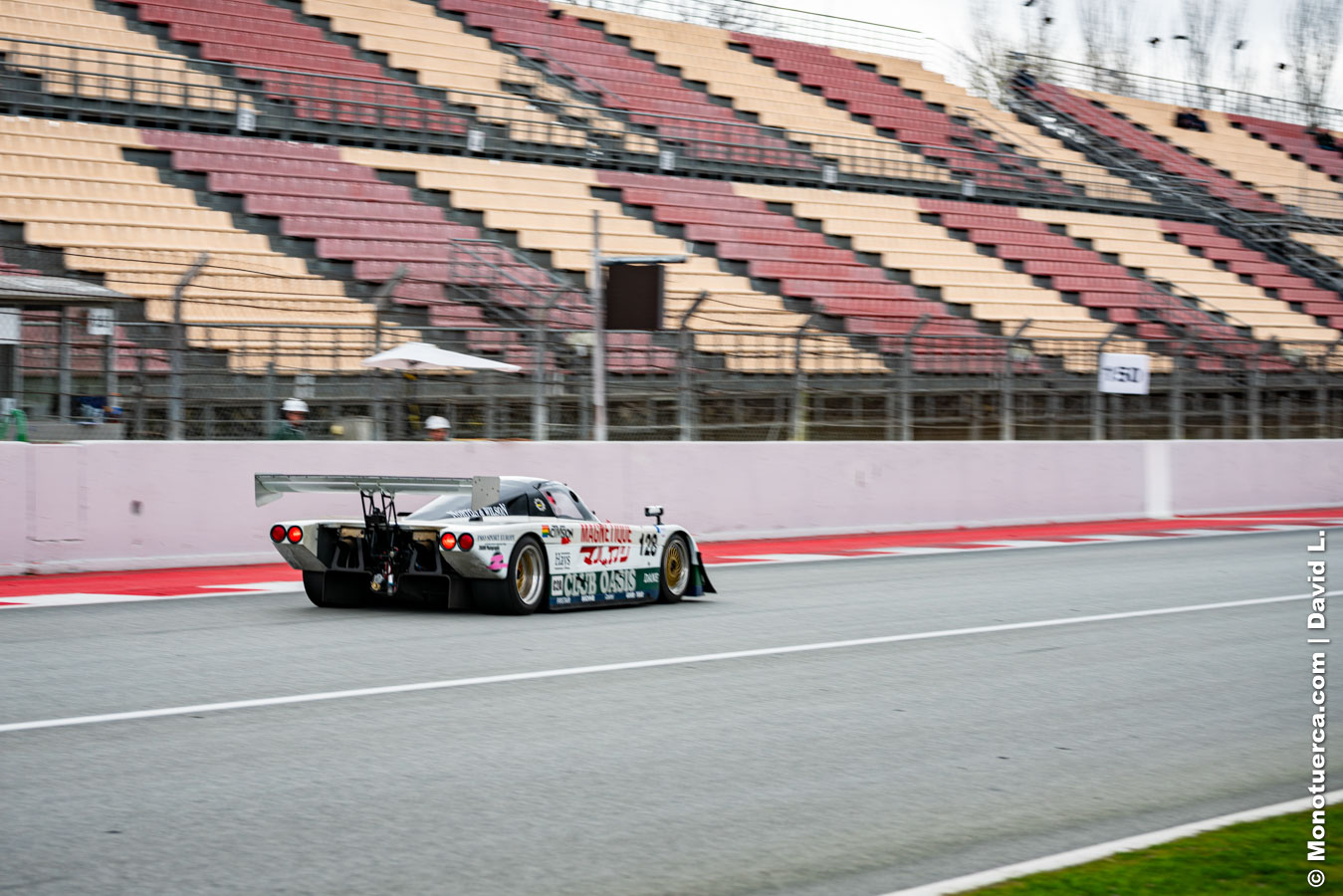
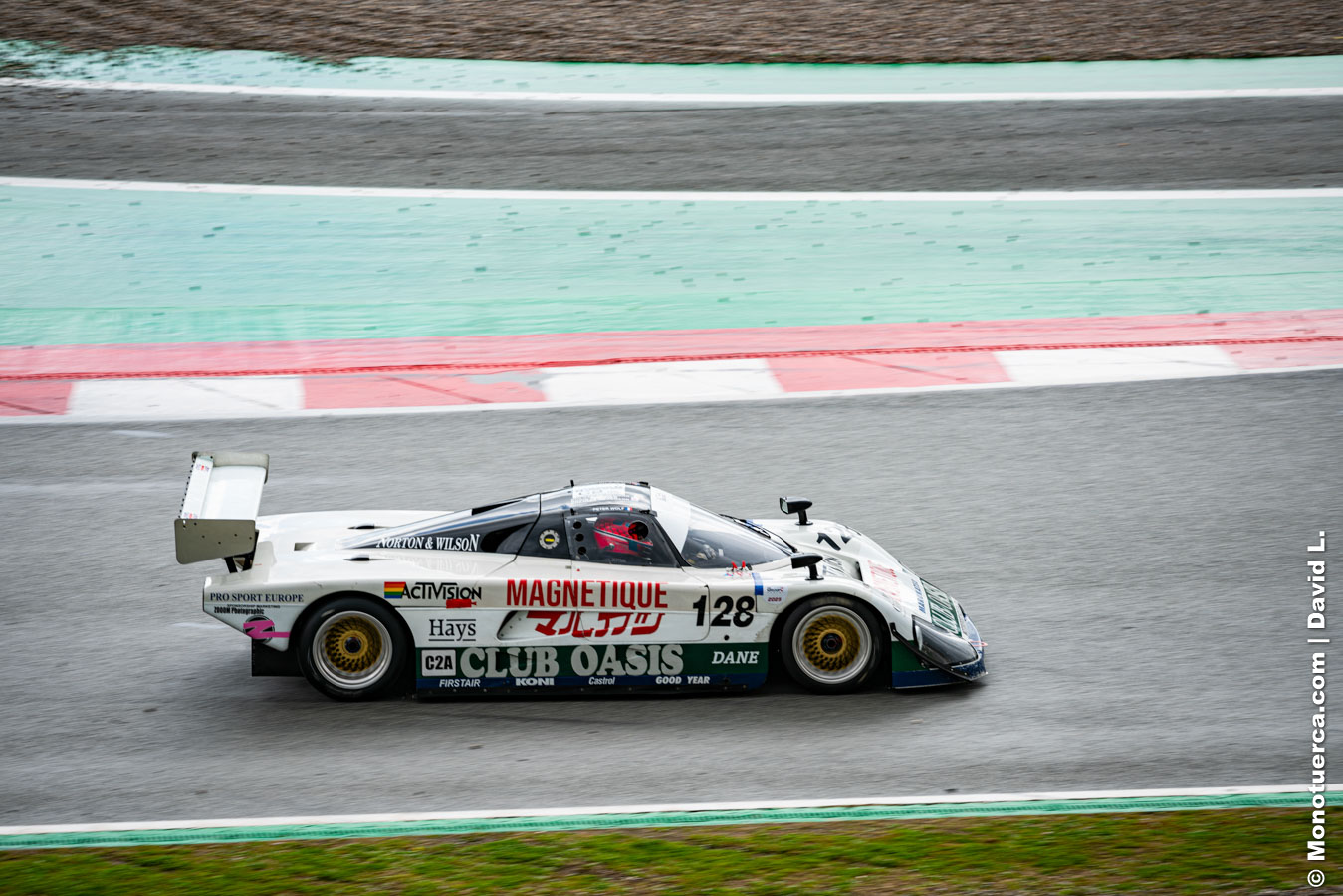
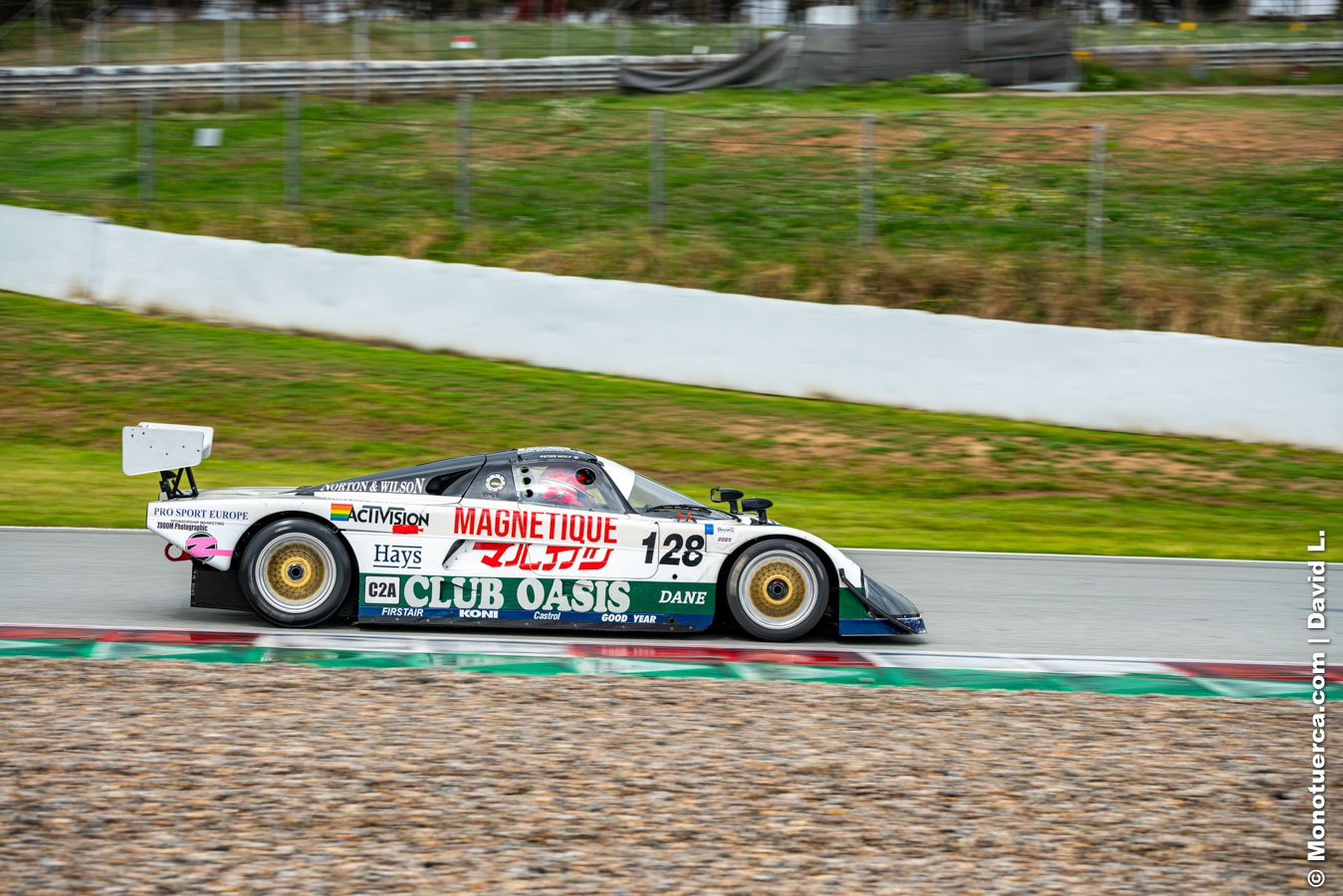
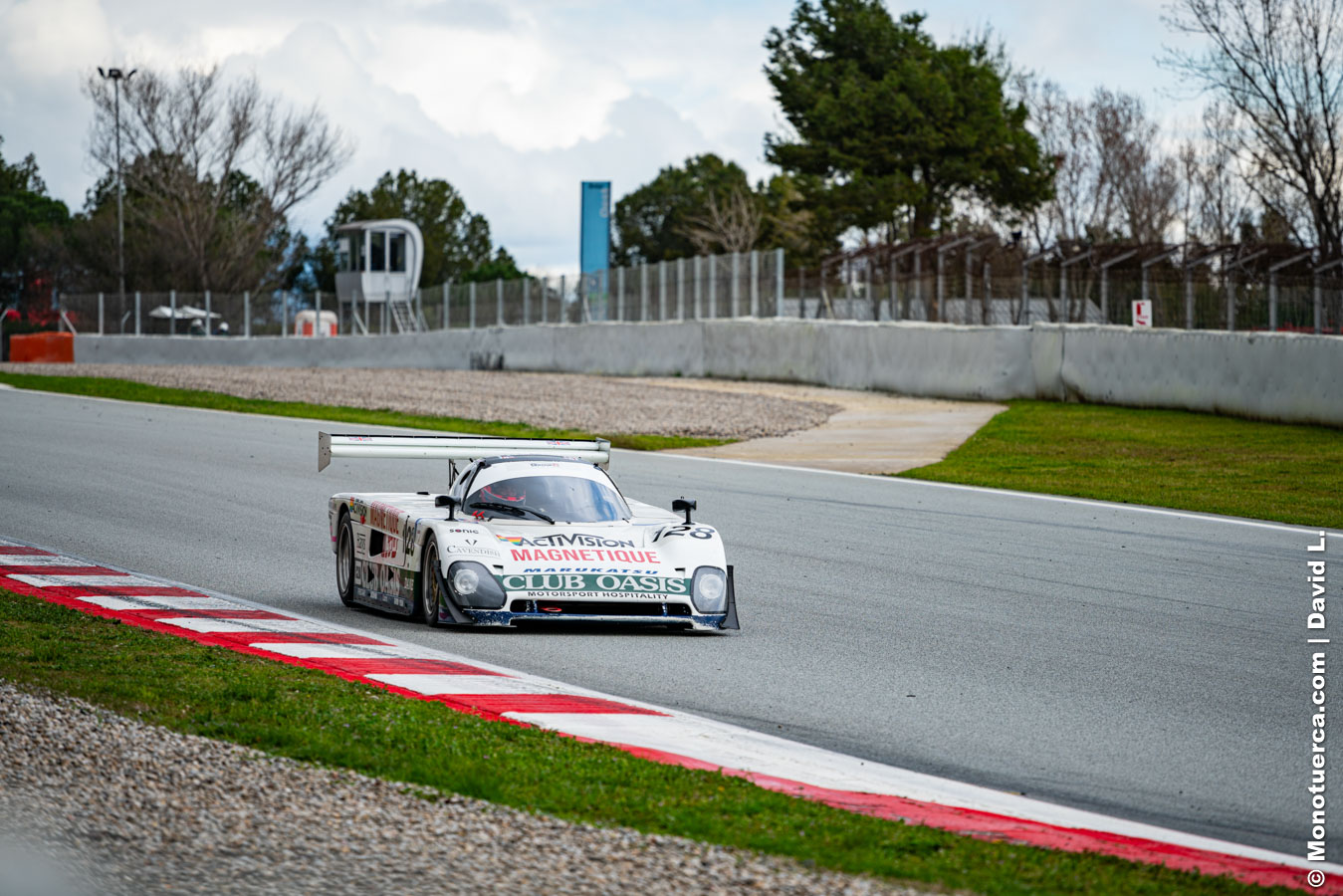
As the 1990 World Sports Prototype Championship season loomed, a thick fog of political turmoil hung over the global endurance racing paddock. The FIA was aggressively pushing the transition to the new 3.5-liter, Formula 1-derived engine formula, an astronomically expensive regulation change explicitly designed to lure massive manufacturers like Peugeot and Toyota. For the independent garagiste, this spelled impending doom. Spice Engineering, having utterly dominated the junior Group C2 ranks with their SE88 and SE89 models, responded to this volatile era by producing the magnificent SE90. While the factory Spice team bravely attempted to field the SE90C with the new 3.5-liter Cosworth DFR to fight Mercedes and Jaguar in the premier C1 class, savvy endurance privateers knew a dark secret: the DFR was a high-strung sprinter that vibrated so violently it would literally shake the chassis to pieces over 24 hours. Therefore, the absolute weapon of choice for the pragmatic, endurance-focused privateer became the 1990 Spice SE90C equipped with the venerable 3.3-liter Ford Cosworth DFL. This specific submodel represented the glorious, final perfection of the traditional customer sports prototype, explicitly built to outlast the fragile new-age machinery and humiliate the establishment through sheer, metronomic reliability.
To dissect the SE90C 3.3 is to witness a masterpiece of accessible, highly effective race engineering. Chief designer Graham Humphrys staunchly refused to follow the factory teams down the path of million-dollar molded carbon-fiber tubs. Instead, the SE90C was built around a vastly improved, incredibly rigid aluminum honeycomb monocoque. It offered immense torsional stiffness to handle massive aerodynamic loads, yet could be repaired in a modest workshop with a rivet gun and folded sheet metal if a driver had an unfortunate encounter with the barriers. Aerodynamically, the SE90 was a sleek, low-drag evolution. The nose was noticeably flatter and wider than the SE89, directing airflow more efficiently over the top and, crucially, feeding the deeply sculpted underbody venturi tunnels that sucked the car to the tarmac. Nestled neatly behind the driver’s bulkhead was the heart of the machine: the 3.3-liter Ford Cosworth DFL. Originally derived from the immortal DFV Formula 1 engine, the DFL was stroked for endurance, trading peak, shrieking horsepower for a fat, usable torque curve. It produced roughly 500 brake horsepower—significantly less than the 3.5-liter DFRs or the turbocharged factory titans—but it did so with absolute, unburstable composure. Power was fed to the massive rear slicks via a heavy-duty Hewland DGB five-speed transaxle, and stopping power was entrusted to AP Racing calipers biting down on ventilated steel rotors. The right-hand-drive cockpit was an exercise in minimalist aluminum utility, offering the driver no electronic safety nets, just a direct, analog connection to the tires and the screaming V8 behind their helmet.
On the track, the SE90C 3.3 DFL experienced a profoundly romantic, underdog narrative. It was the sword wielded by the most dedicated privateer outfits, most notably Hugh Chamberlain’s iconic Chamberlain Engineering, who fielded their unmistakable yellow and white entries against impossible odds. In sprint races, the 3.3-liter cars lacked the raw, qualifying pace of the new 3.5-liter works Spices or the turbocharged C1 monsters. However, endurance racing is a cruel mistress that severely punishes fragility. At the grueling 24 Hours of Le Mans, the wisdom of the 3.3-liter DFL became radiantly apparent. While the highly stressed 3.5-liter engines snapped valvetrains and shattered gearboxes, the DFL-powered SE90Cs settled into a relentless, rhythmic pace. They were phenomenally agile through the Porsche Curves, utilizing the SE90’s incredible ground-effect chassis to maintain momentum, allowing them to quietly ascend the overall leaderboard as the multimillion-dollar factory prototypes spent agonizing hours stranded in the pit lane. The SE90C 3.3 was not designed to set the fastest lap; it was designed to finish, and in doing so, it consistently captured the hearts of the spectators who cheered for the screaming, analog underdog.
The Spice SE90C 3.3 Ford Cosworth DFL stands as the ultimate, highly evolved swan song of the Group C2 philosophy. It was the very last time a small team of passionate mechanics could purchase a customer chassis, bolt in a reliable, commercially available V8 engine, and genuinely compete on the world stage. When the FIA finally succeeded in killing off the older engine formulas to mandate the 3.5-liter era, the costs skyrocketed, Spice Engineering was tragically forced into receivership, and the golden age of the privateer was extinguished.
Brand
Produced from
Portal
Vehicle category
Model line
Predecessor
Sucessor
Brand
Produced from
Portal
Vehicle category
Model line
Model generation
Predecessor
Sucessor
Submodel Overview
As the 1990 World Sports Prototype Championship season loomed, a thick fog of political turmoil hung over the global endurance racing paddock. The FIA was aggressively pushing the transition to the new 3.5-liter, Formula 1-derived engine formula, an astronomically expensive regulation change explicitly designed to lure massive manufacturers like Peugeot and Toyota. For the independent garagiste, this spelled impending doom. Spice Engineering, having utterly dominated the junior Group C2 ranks with their SE88 and SE89 models, responded to this volatile era by producing the magnificent SE90. While the factory Spice team bravely attempted to field the SE90C with the new 3.5-liter Cosworth DFR to fight Mercedes and Jaguar in the premier C1 class, savvy endurance privateers knew a dark secret: the DFR was a high-strung sprinter that vibrated so violently it would literally shake the chassis to pieces over 24 hours. Therefore, the absolute weapon of choice for the pragmatic, endurance-focused privateer became the 1990 Spice SE90C equipped with the venerable 3.3-liter Ford Cosworth DFL. This specific submodel represented the glorious, final perfection of the traditional customer sports prototype, explicitly built to outlast the fragile new-age machinery and humiliate the establishment through sheer, metronomic reliability.
To dissect the SE90C 3.3 is to witness a masterpiece of accessible, highly effective race engineering. Chief designer Graham Humphrys staunchly refused to follow the factory teams down the path of million-dollar molded carbon-fiber tubs. Instead, the SE90C was built around a vastly improved, incredibly rigid aluminum honeycomb monocoque. It offered immense torsional stiffness to handle massive aerodynamic loads, yet could be repaired in a modest workshop with a rivet gun and folded sheet metal if a driver had an unfortunate encounter with the barriers. Aerodynamically, the SE90 was a sleek, low-drag evolution. The nose was noticeably flatter and wider than the SE89, directing airflow more efficiently over the top and, crucially, feeding the deeply sculpted underbody venturi tunnels that sucked the car to the tarmac. Nestled neatly behind the driver’s bulkhead was the heart of the machine: the 3.3-liter Ford Cosworth DFL. Originally derived from the immortal DFV Formula 1 engine, the DFL was stroked for endurance, trading peak, shrieking horsepower for a fat, usable torque curve. It produced roughly 500 brake horsepower—significantly less than the 3.5-liter DFRs or the turbocharged factory titans—but it did so with absolute, unburstable composure. Power was fed to the massive rear slicks via a heavy-duty Hewland DGB five-speed transaxle, and stopping power was entrusted to AP Racing calipers biting down on ventilated steel rotors. The right-hand-drive cockpit was an exercise in minimalist aluminum utility, offering the driver no electronic safety nets, just a direct, analog connection to the tires and the screaming V8 behind their helmet.
On the track, the SE90C 3.3 DFL experienced a profoundly romantic, underdog narrative. It was the sword wielded by the most dedicated privateer outfits, most notably Hugh Chamberlain’s iconic Chamberlain Engineering, who fielded their unmistakable yellow and white entries against impossible odds. In sprint races, the 3.3-liter cars lacked the raw, qualifying pace of the new 3.5-liter works Spices or the turbocharged C1 monsters. However, endurance racing is a cruel mistress that severely punishes fragility. At the grueling 24 Hours of Le Mans, the wisdom of the 3.3-liter DFL became radiantly apparent. While the highly stressed 3.5-liter engines snapped valvetrains and shattered gearboxes, the DFL-powered SE90Cs settled into a relentless, rhythmic pace. They were phenomenally agile through the Porsche Curves, utilizing the SE90’s incredible ground-effect chassis to maintain momentum, allowing them to quietly ascend the overall leaderboard as the multimillion-dollar factory prototypes spent agonizing hours stranded in the pit lane. The SE90C 3.3 was not designed to set the fastest lap; it was designed to finish, and in doing so, it consistently captured the hearts of the spectators who cheered for the screaming, analog underdog.
The Spice SE90C 3.3 Ford Cosworth DFL stands as the ultimate, highly evolved swan song of the Group C2 philosophy. It was the very last time a small team of passionate mechanics could purchase a customer chassis, bolt in a reliable, commercially available V8 engine, and genuinely compete on the world stage. When the FIA finally succeeded in killing off the older engine formulas to mandate the 3.5-liter era, the costs skyrocketed, Spice Engineering was tragically forced into receivership, and the golden age of the privateer was extinguished.
Tech Specs
Technical Specifications
Tech Specs
Technical Specifications
Engine
01
03
Internal combustion engine
Configuration
Ford Cosworth DFL, V8 - 90º
Location
Mid, longitudinally mounted
Construction
Aluminium alloy block and heads
Displacement (cc)
3,298 cc
Displacement (cu in)
201.3 cu in
Compression
12.5:1
Bore x Stroke
90.0 mm x 64.8 mm
Valvetrain
4 valves per cylinder, DOHC
Fuel feed
Lucas multipoint electronic fuel injection
Lubrication
Dry sump
Aspiration
Naturally aspirated
Output
Power (hp)
~505 hp
Power (kW)
~377 kW
Max power at
10,200 RPM
Torque (Nm)
~420 Nm
Torque (ft lbs)
~310 ft lbs
Max torque at
7,500 RPM
Drivetrain
02
03
Chassis
Type
Monocoque
Material
Aluminium
Body
Material
Carbon fibre composite and Kevlar
Transmission
Gearbox
Hewland DCB, 5-speed manual
Drive
Rear Wheel Drive (Limited Slip Differential)
Suspension
Front
Independent, double wishbones, coil springs over dampers, anti-roll bar
Rear
Independent, double wishbones, rocker-actuated coil springs over dampers, anti-roll bar
Steering
Type
Rack and pinion, unassisted
Brakes
Front
Ventilated steel discs, AP Racing 4-piston calipers
Rear
Ventilated steel discs, AP Racing 4-piston calipers
Wheels
Front
11" x 17" (Cast magnesium alloy)
Rear
14" x 17" (Cast magnesium alloy)
Tires
Front
-
Rear
-
Dimensions and performance
03
03
Dimensions
Length (mm)
4,720 mm
Length (in)
185.8 in
Width (mm)
1,990 mm
Width (in)
78.3 in
Height (mm)
1,028 mm
Height (in)
40.5 in
Wheelbase (mm)
2,720 mm
Wheelbase (in)
107.1 in
Weight (kg)
750 kg
Weight (lbs)
1,654 lbs
Performance
Power to weight
0.67 hp/kg
Top speed (km/h)
~330 km/h
Top speed (mph)
~205 mph
0-100 km/h (0-60 mph)
~3.2 s