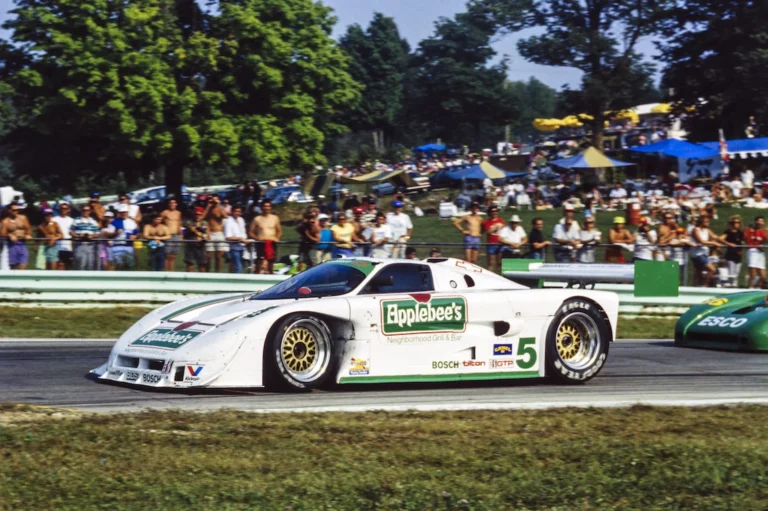
Spice SE89
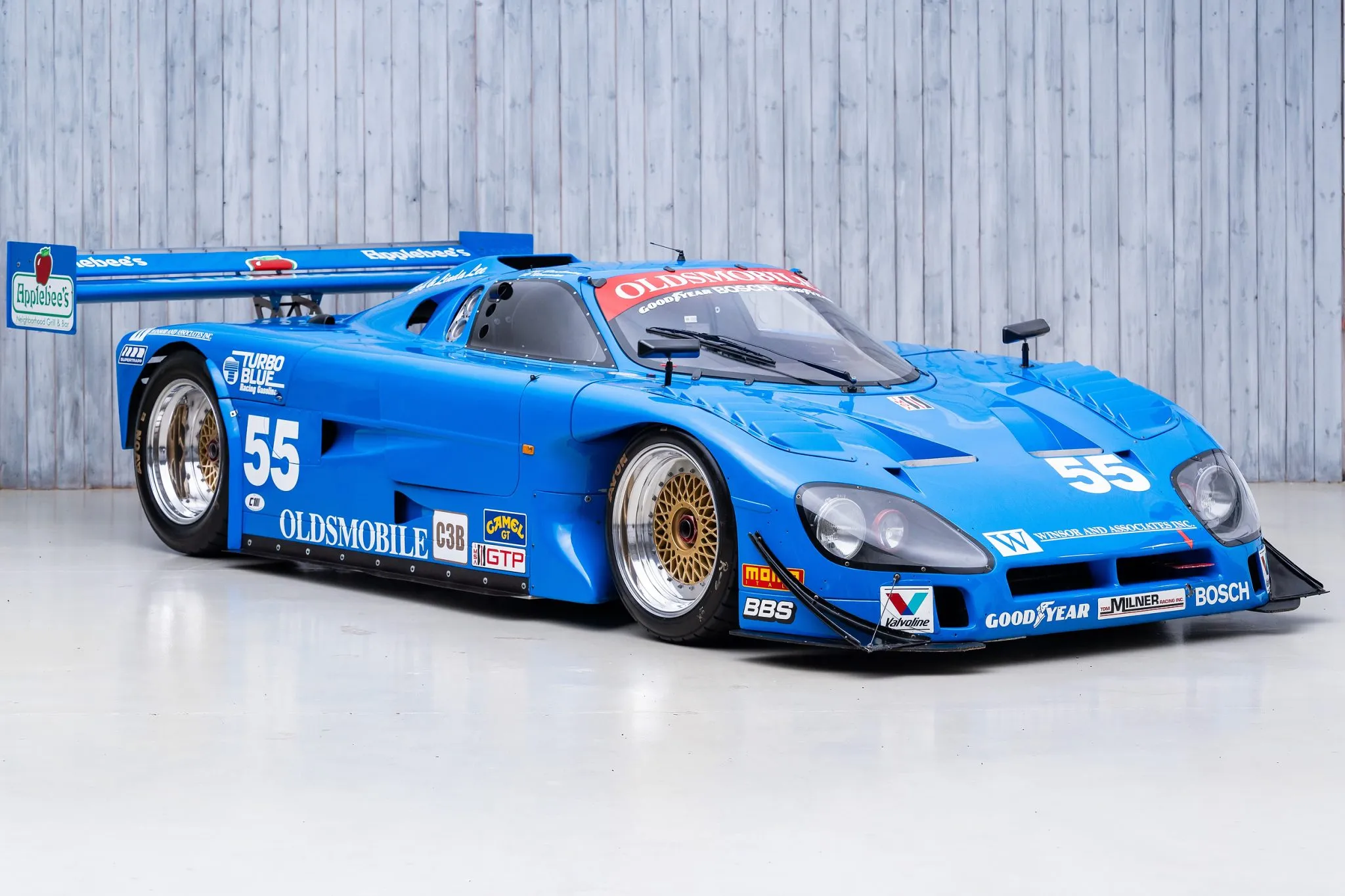
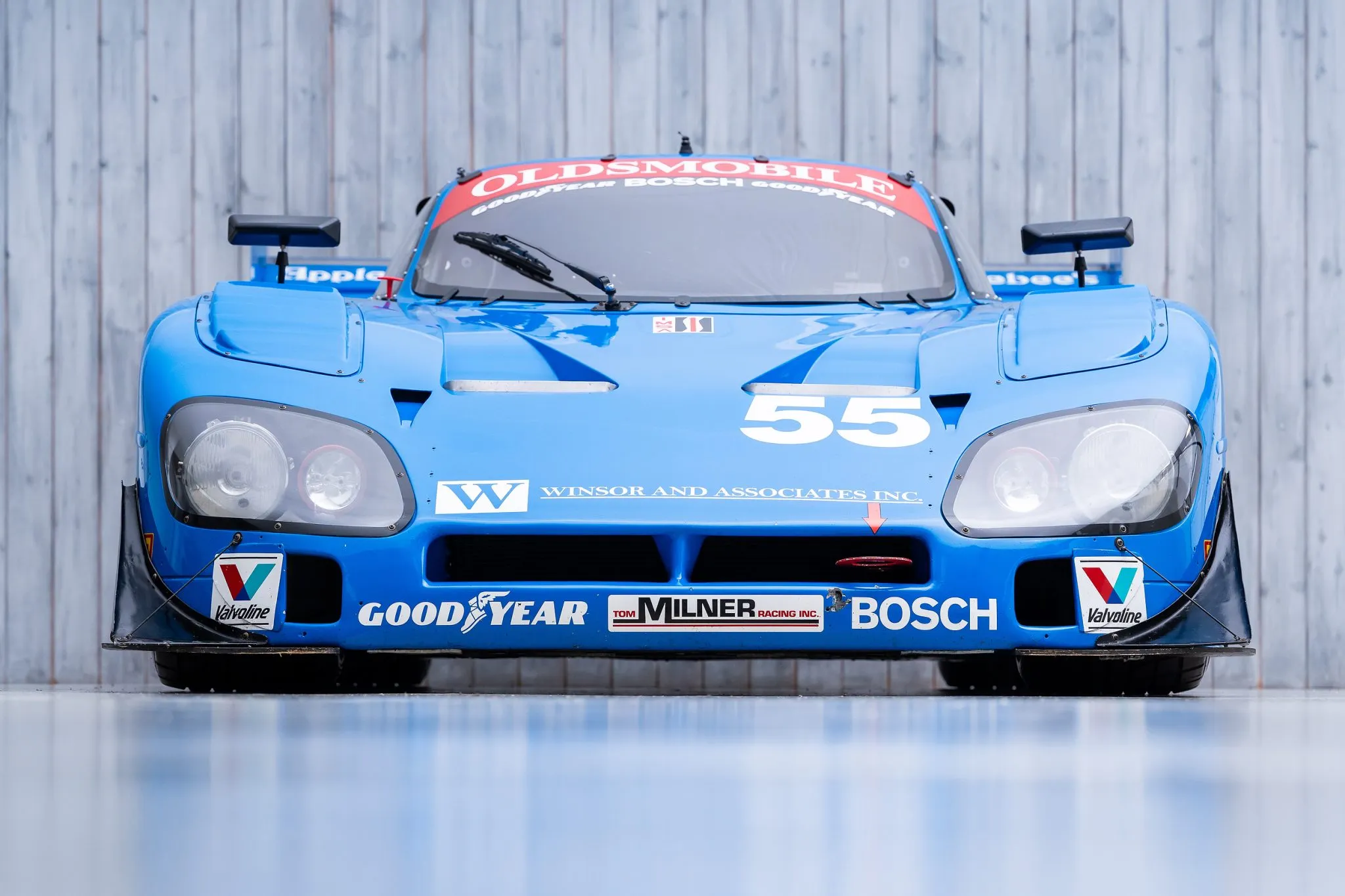
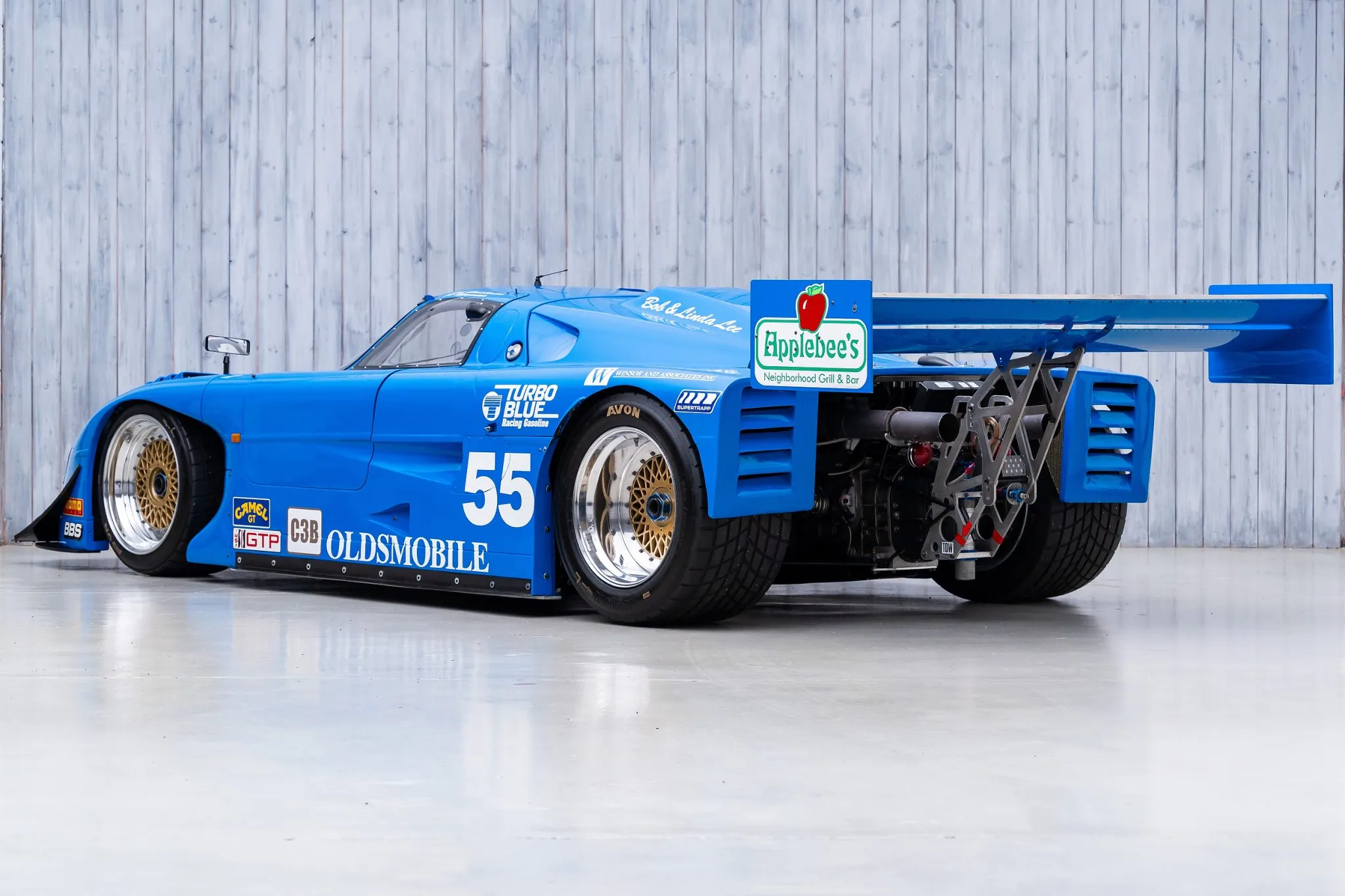
Brand
Produced from
Vehicle category
Portal
Model line
Model generation
Predecessor
Sucessor
Model Overview
In the intoxicating, high-stakes twilight of the 1980s, international sports car racing had become an exclusive playground for monolithic automotive giants. The World Sports Prototype Championship and the North American IMSA Camel GT series were utterly dominated by the multimillion-dollar, carbon-fiber Leviathans from Porsche, Jaguar, Nissan, and Mercedes-Benz. Yet, running parallel to this factory-backed warfare was a vibrant, fiercely contested battleground for privateers: the Group C2 class in Europe and the Camel Lights category in America. To survive in this cutthroat environment, independent teams required a chassis that was relatively affordable, exceptionally reliable, and aerodynamically sophisticated. Enter Spice Engineering. Founded by the incredibly astute racing driver Gordon Spice and his backer Ray Bellm, the British constructor had already established a formidable reputation with their SE86, SE87, and SE88 chassis. However, as the 1989 season approached, the competition from specialized manufacturers like Tiga, Argo, and Alba was intensifying. Spice needed a definitive, uncompromised evolution to cement their absolute supremacy. The result was the Spice SE89, a brilliantly engineered, modular prototype that not only monopolized the junior endurance categories but possessed such inherent dynamic brilliance that it frequently embarrassed top-tier factory machinery on the world’s most demanding circuits.
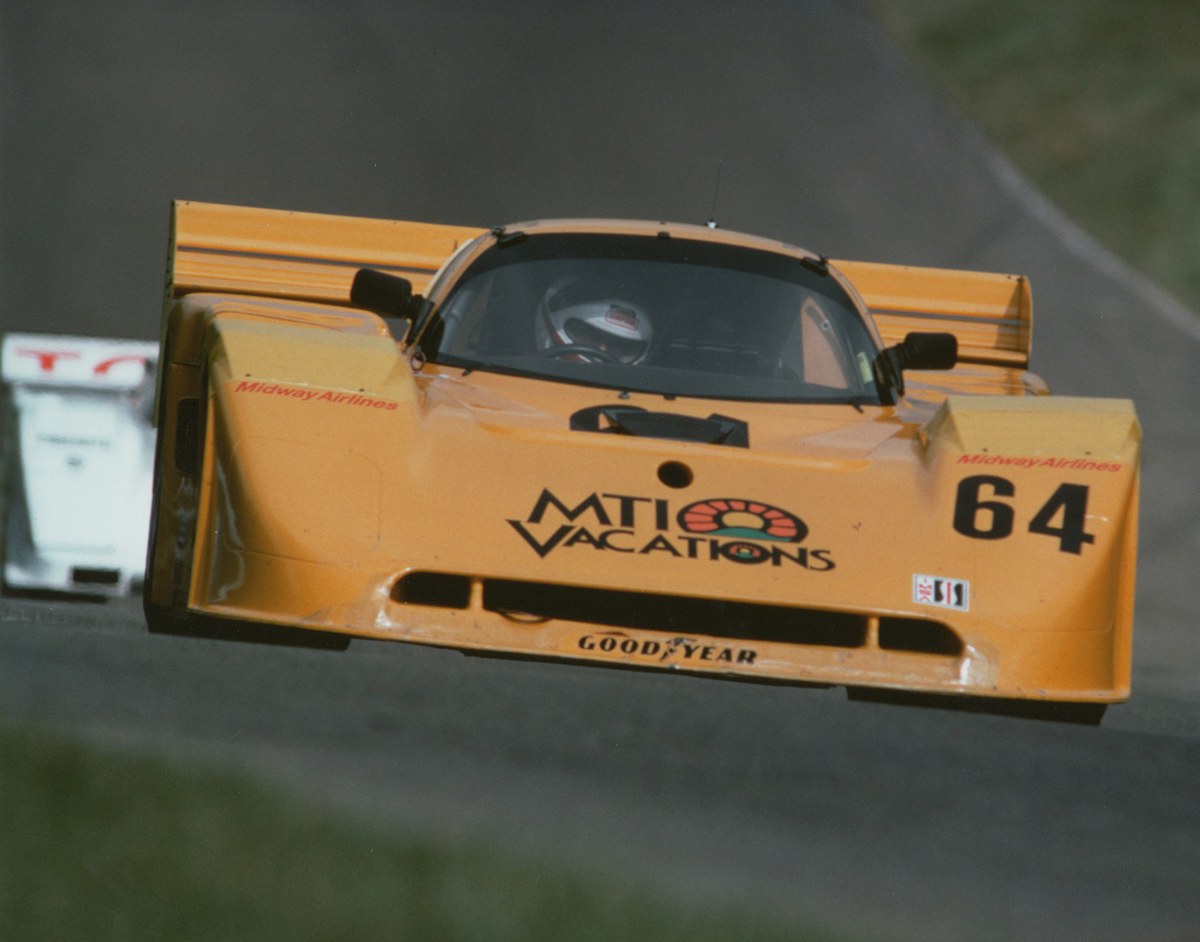
To look beneath the sweeping, purposeful carbon-Kevlar and fiberglass bodywork of the Spice SE89 is to witness a masterclass in pragmatic, modular racing engineering. Designed primarily by the brilliant Graham Humphrys, the SE89 eschewed the astronomically expensive molded carbon-fiber tubs of the factory C1 cars. Instead, it utilized an incredibly stiff, folded and riveted aluminium honeycomb monocoque. This construction method was the absolute lifeblood of the privateer; it offered excellent torsional rigidity and crash safety, but crucially, it could be easily repaired in a humble workshop after a weekend shunt, rather than requiring a million-dollar autoclave. Aerodynamically, the SE89 was a highly refined evolution of its predecessor, featuring deeper underbody venturi tunnels to generate massive ground-effect downforce, coupled with a reprofiled, low-drag nose and a towering rear wing. But the true genius of the SE89—and the reason it fractured into various distinct submodels like the SE89C (for Europe) and the SE89P (for IMSA)—was its cavernous, highly adaptable engine bay. The chassis was designed from its very inception to be a universal receptacle for almost any powerplant a privateer team desired, turning the SE89 into a fascinating, multi-personality chameleon depending on the continent on which it raced.
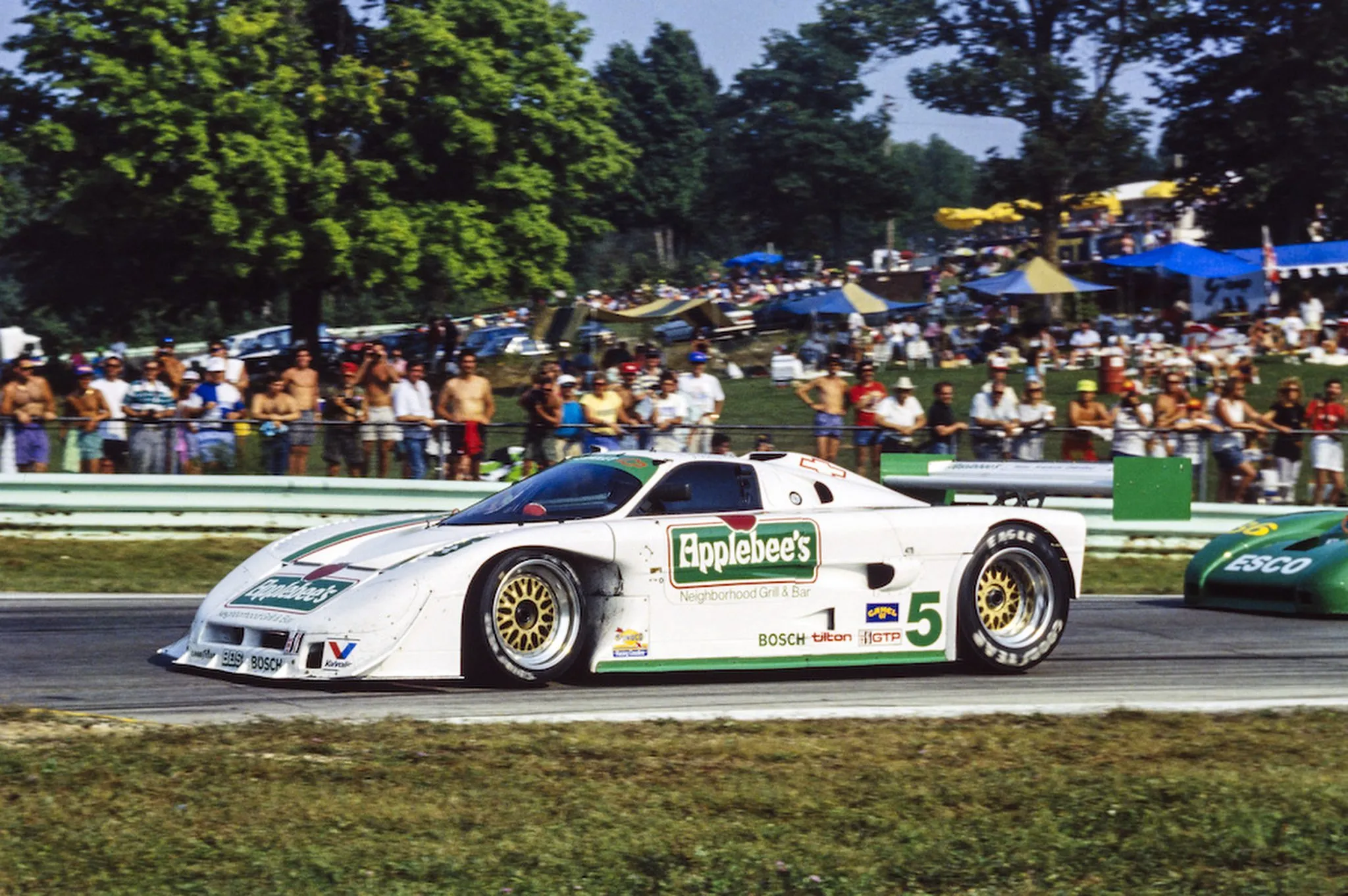
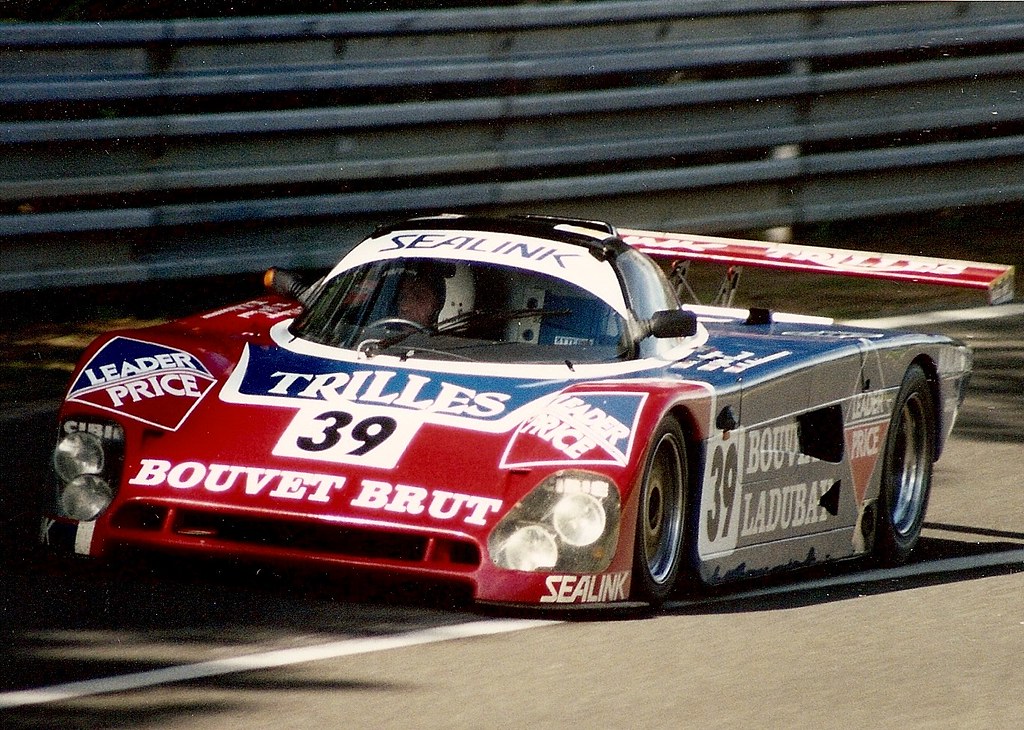
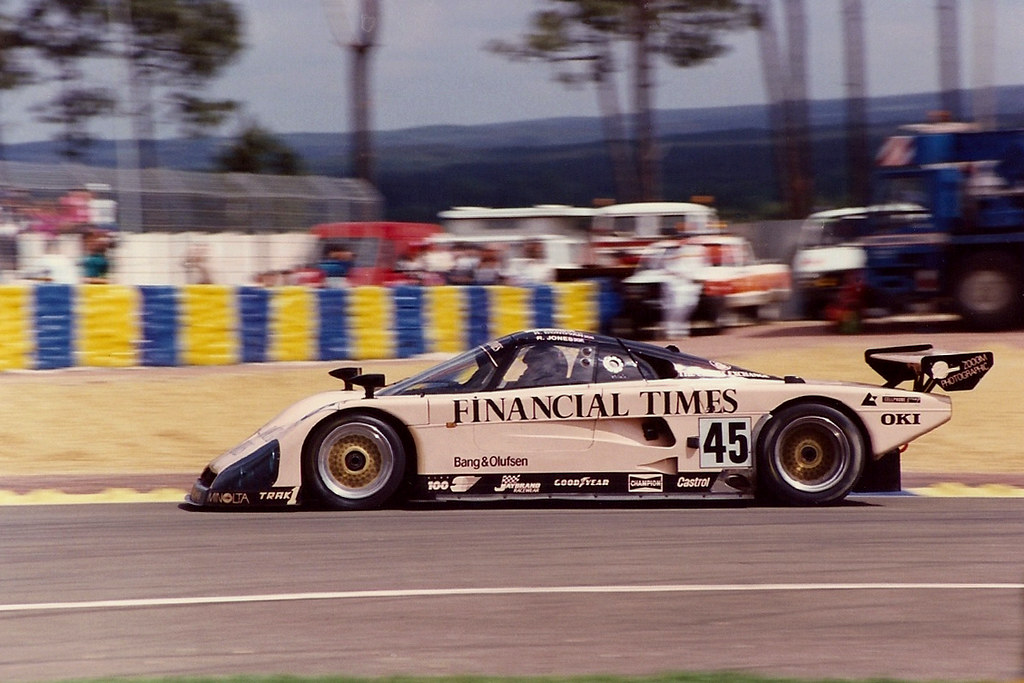
In the European Group C2 championship, the definitive configuration was the Spice SE89C powered by the legendary Ford Cosworth DFL. This 3.3-liter, naturally aspirated V8 was an endurance-focused derivative of the immortal Cosworth DFV engine. It was a high-strung, nervous thoroughbred that produced roughly 500 brake horsepower, emitting a raw, ear-shattering mechanical shriek as it screamed past 8,500 rpm. This lightweight, high-revving package made the SE89C a surgical instrument on flowing tracks like Spa and Silverstone. Conversely, across the Atlantic in the IMSA Camel Lights and GTP classes, American privateers demanded torque and cost-effective maintenance. Consequently, the SE89P variants were frequently fitted with thunderous, iron-block American power. Teams bolted in massive 4.5-liter Buick V6s or heavily tuned Pontiac V8s. These pushrod engines entirely altered the car’s dynamic character, replacing the whistling, high-revving European symphony with a guttural, earth-shaking rumble, trading top-end precision for massive, low-end grunt that allowed drivers to blast out of the tight corners of American street circuits. Regardless of the engine choice, the power was harnessed through a robust Hewland or March manual transaxle, while stopping power was entrusted to massive AP Racing ventilated disc brakes. The cockpit was a classic, spartan aluminium tub, placing the driver on the right-hand side to optimize weight distribution for clockwise circuits, confronting them with a simple Momo steering wheel and a purposeful array of analog Smiths gauges.
When unleashed upon the global circuits in 1989, the Spice SE89 orchestrated an absolute massacre in the junior prototype ranks. In the World Sports Prototype Championship, the Chamberlain Engineering SE89C, powered by the Cosworth DFL, became the absolute terror of the C2 class. At the ultimate endurance test, the 1989 24 Hours of Le Mans, the Spice SE89 proved its unburstable reliability. While factory Aston Martins and Jaguars faltered, the Chamberlain SE89C piloted by Fermín Vélez, Nick Adams, and Luigi Taverna ran a flawless, mechanically sympathetic race to secure a commanding class victory. In North America, the SE89P was equally devastating. It became the default weapon for IMSA Camel Lights, completely eradicating the Tigas and Argos from the top step of the podium. However, the SE89 was so fundamentally brilliant that it occasionally breached the class divide. On tighter, more technical circuits, where aerodynamic downforce and low weight mattered more than outright, turbocharged horsepower, the naturally aspirated Spice prototypes frequently harassed and out-qualified the mighty Porsche 962s and Jaguar XJR-9s of the premier classes, earning them a fearsome reputation as genuine giant-killers.
The Spice SE89 represents a golden, bygone era of motorsport where an ambitious group of privateers could purchase a rolling chassis from a small British constructor, bolt in an engine of their choosing, and legitimately win at the 24 Hours of Le Mans or the Rolex 24 at Daytona. Spice Engineering would ultimately collapse in the early 1990s as the FIA mandated astronomically expensive 3.5-liter Formula 1-style engines for sports car racing, effectively bankrupting the privateer class entirely.
Portal
Model line
Brand
Produced from
Vehicle category
Model Overview
In the intoxicating, high-stakes twilight of the 1980s, international sports car racing had become an exclusive playground for monolithic automotive giants. The World Sports Prototype Championship and the North American IMSA Camel GT series were utterly dominated by the multimillion-dollar, carbon-fiber Leviathans from Porsche, Jaguar, Nissan, and Mercedes-Benz. Yet, running parallel to this factory-backed warfare was a vibrant, fiercely contested battleground for privateers: the Group C2 class in Europe and the Camel Lights category in America. To survive in this cutthroat environment, independent teams required a chassis that was relatively affordable, exceptionally reliable, and aerodynamically sophisticated. Enter Spice Engineering. Founded by the incredibly astute racing driver Gordon Spice and his backer Ray Bellm, the British constructor had already established a formidable reputation with their SE86, SE87, and SE88 chassis. However, as the 1989 season approached, the competition from specialized manufacturers like Tiga, Argo, and Alba was intensifying. Spice needed a definitive, uncompromised evolution to cement their absolute supremacy. The result was the Spice SE89, a brilliantly engineered, modular prototype that not only monopolized the junior endurance categories but possessed such inherent dynamic brilliance that it frequently embarrassed top-tier factory machinery on the world’s most demanding circuits.
To look beneath the sweeping, purposeful carbon-Kevlar and fiberglass bodywork of the Spice SE89 is to witness a masterclass in pragmatic, modular racing engineering. Designed primarily by the brilliant Graham Humphrys, the SE89 eschewed the astronomically expensive molded carbon-fiber tubs of the factory C1 cars. Instead, it utilized an incredibly stiff, folded and riveted aluminium honeycomb monocoque. This construction method was the absolute lifeblood of the privateer; it offered excellent torsional rigidity and crash safety, but crucially, it could be easily repaired in a humble workshop after a weekend shunt, rather than requiring a million-dollar autoclave. Aerodynamically, the SE89 was a highly refined evolution of its predecessor, featuring deeper underbody venturi tunnels to generate massive ground-effect downforce, coupled with a reprofiled, low-drag nose and a towering rear wing. But the true genius of the SE89—and the reason it fractured into various distinct submodels like the SE89C (for Europe) and the SE89P (for IMSA)—was its cavernous, highly adaptable engine bay. The chassis was designed from its very inception to be a universal receptacle for almost any powerplant a privateer team desired, turning the SE89 into a fascinating, multi-personality chameleon depending on the continent on which it raced.
In the European Group C2 championship, the definitive configuration was the Spice SE89C powered by the legendary Ford Cosworth DFL. This 3.3-liter, naturally aspirated V8 was an endurance-focused derivative of the immortal Cosworth DFV engine. It was a high-strung, nervous thoroughbred that produced roughly 500 brake horsepower, emitting a raw, ear-shattering mechanical shriek as it screamed past 8,500 rpm. This lightweight, high-revving package made the SE89C a surgical instrument on flowing tracks like Spa and Silverstone. Conversely, across the Atlantic in the IMSA Camel Lights and GTP classes, American privateers demanded torque and cost-effective maintenance. Consequently, the SE89P variants were frequently fitted with thunderous, iron-block American power. Teams bolted in massive 4.5-liter Buick V6s or heavily tuned Pontiac V8s. These pushrod engines entirely altered the car’s dynamic character, replacing the whistling, high-revving European symphony with a guttural, earth-shaking rumble, trading top-end precision for massive, low-end grunt that allowed drivers to blast out of the tight corners of American street circuits. Regardless of the engine choice, the power was harnessed through a robust Hewland or March manual transaxle, while stopping power was entrusted to massive AP Racing ventilated disc brakes. The cockpit was a classic, spartan aluminium tub, placing the driver on the right-hand side to optimize weight distribution for clockwise circuits, confronting them with a simple Momo steering wheel and a purposeful array of analog Smiths gauges.
When unleashed upon the global circuits in 1989, the Spice SE89 orchestrated an absolute massacre in the junior prototype ranks. In the World Sports Prototype Championship, the Chamberlain Engineering SE89C, powered by the Cosworth DFL, became the absolute terror of the C2 class. At the ultimate endurance test, the 1989 24 Hours of Le Mans, the Spice SE89 proved its unburstable reliability. While factory Aston Martins and Jaguars faltered, the Chamberlain SE89C piloted by Fermín Vélez, Nick Adams, and Luigi Taverna ran a flawless, mechanically sympathetic race to secure a commanding class victory. In North America, the SE89P was equally devastating. It became the default weapon for IMSA Camel Lights, completely eradicating the Tigas and Argos from the top step of the podium. However, the SE89 was so fundamentally brilliant that it occasionally breached the class divide. On tighter, more technical circuits, where aerodynamic downforce and low weight mattered more than outright, turbocharged horsepower, the naturally aspirated Spice prototypes frequently harassed and out-qualified the mighty Porsche 962s and Jaguar XJR-9s of the premier classes, earning them a fearsome reputation as genuine giant-killers.
The Spice SE89 represents a golden, bygone era of motorsport where an ambitious group of privateers could purchase a rolling chassis from a small British constructor, bolt in an engine of their choosing, and legitimately win at the 24 Hours of Le Mans or the Rolex 24 at Daytona. Spice Engineering would ultimately collapse in the early 1990s as the FIA mandated astronomically expensive 3.5-liter Formula 1-style engines for sports car racing, effectively bankrupting the privateer class entirely.
Submodels