Spice SE90
Brand
Produced from
Vehicle category
Portal
Model line
Model generation
Predecessor
Sucessor
Model Overview
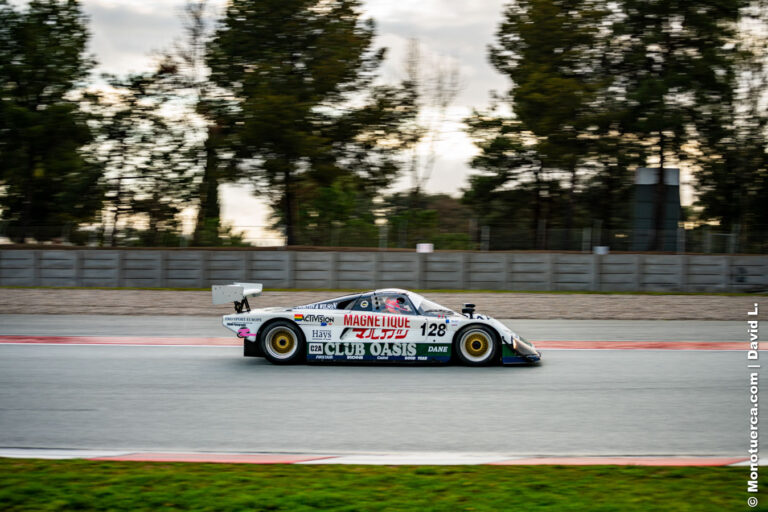
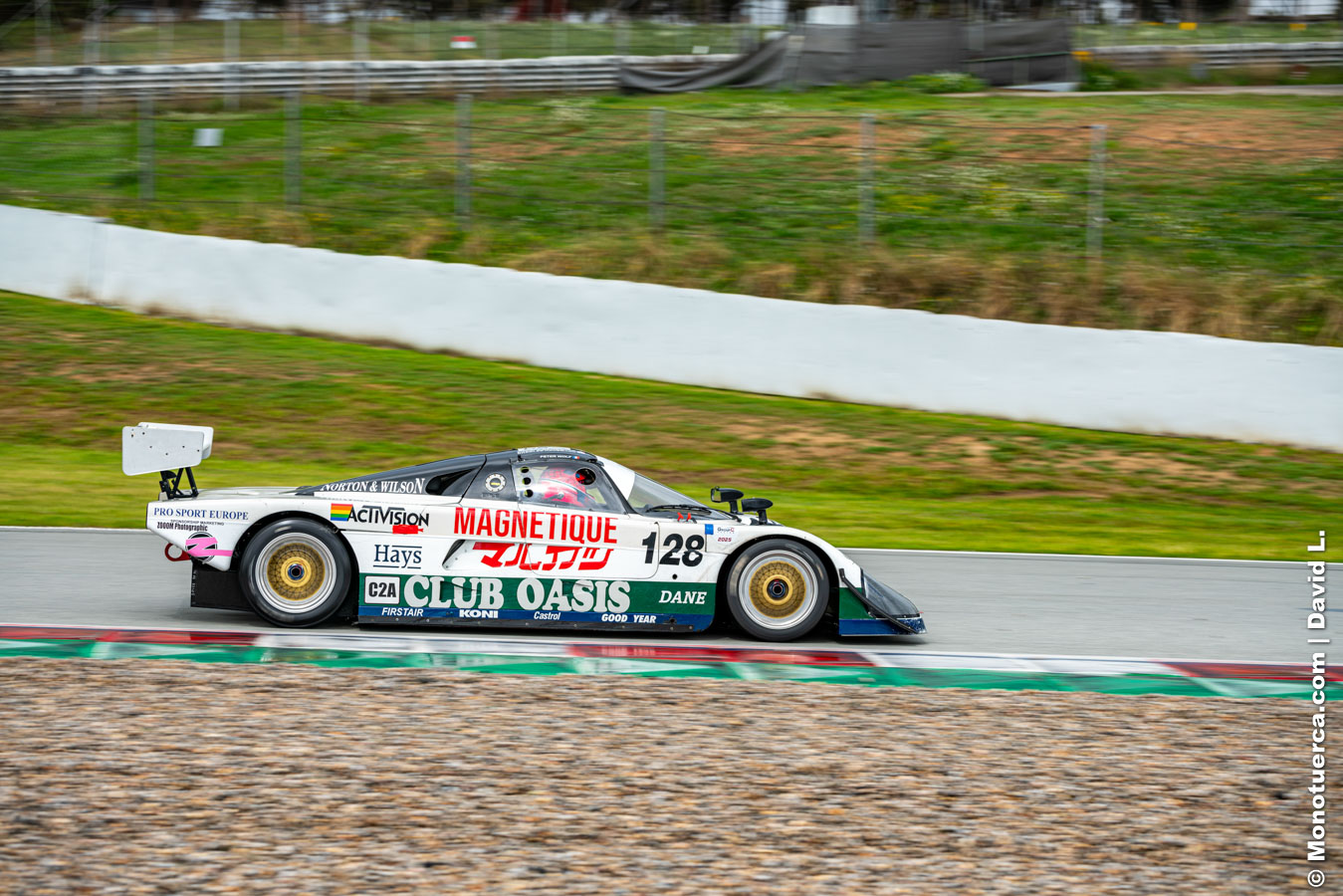
To fully grasp the significance of the Spice SE90, one must understand the turbulent, politically charged atmosphere of international sports car racing at the dawn of the 1990s. The governing body, the FIA, was in the process of forcibly ending the fuel-efficiency-based Group C regulations, ushering in a highly controversial, astronomically expensive era of 3.5-liter, Formula 1-derived engines for the World Sports Prototype Championship. Concurrently, across the Atlantic, the IMSA Camel GT series remained a thriving battleground of diverse, unrestricted engineering. For Spice Engineering, the brilliant British constructor founded by Gordon Spice and Ray Bellm, this period represented both an unprecedented opportunity and an existential threat. Having utterly dominated the junior Group C2 and Camel Lights categories with their SE88 and SE89 chassis, Spice made the audacious decision to step into the premier class. The Spice SE90 was conceived not just to defend their junior crowns, but to take the fight directly to the multimillion-dollar factory titans from Mercedes-Benz, Jaguar, Porsche, and Nissan in the top-tier C1 and GTP categories. It was the ultimate, uncompromising evolution of the privateer prototype, designed to be a giant-killer on a global scale.
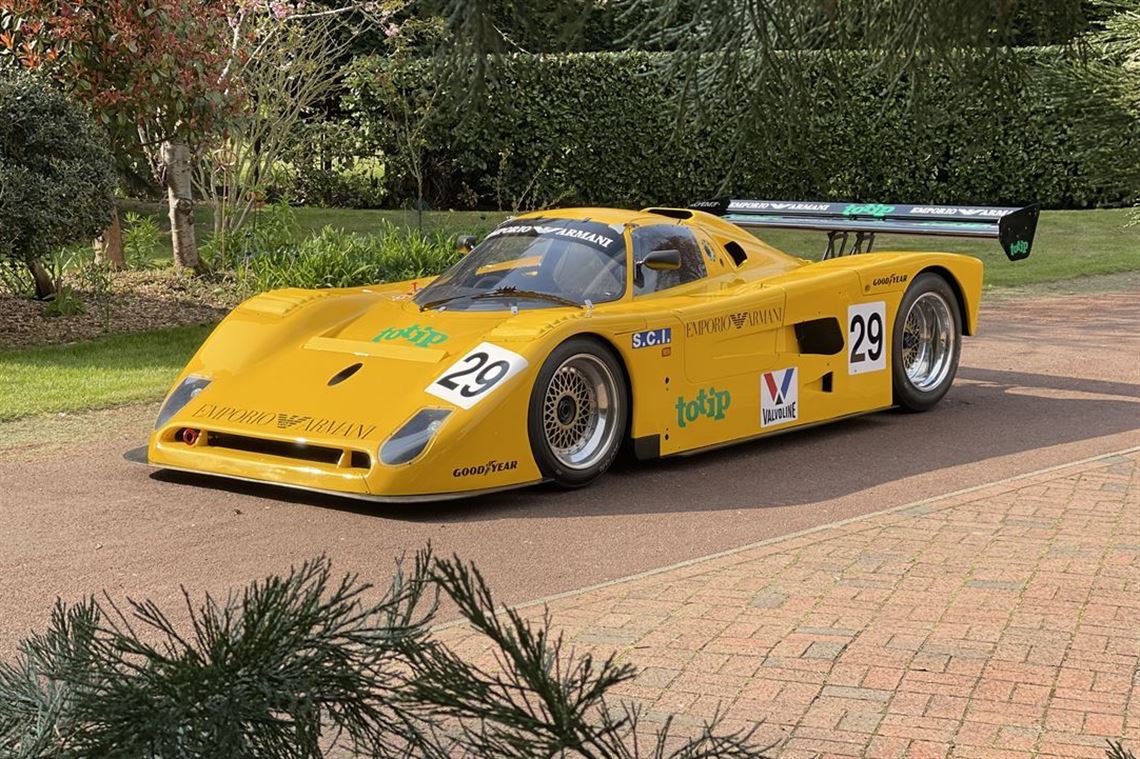
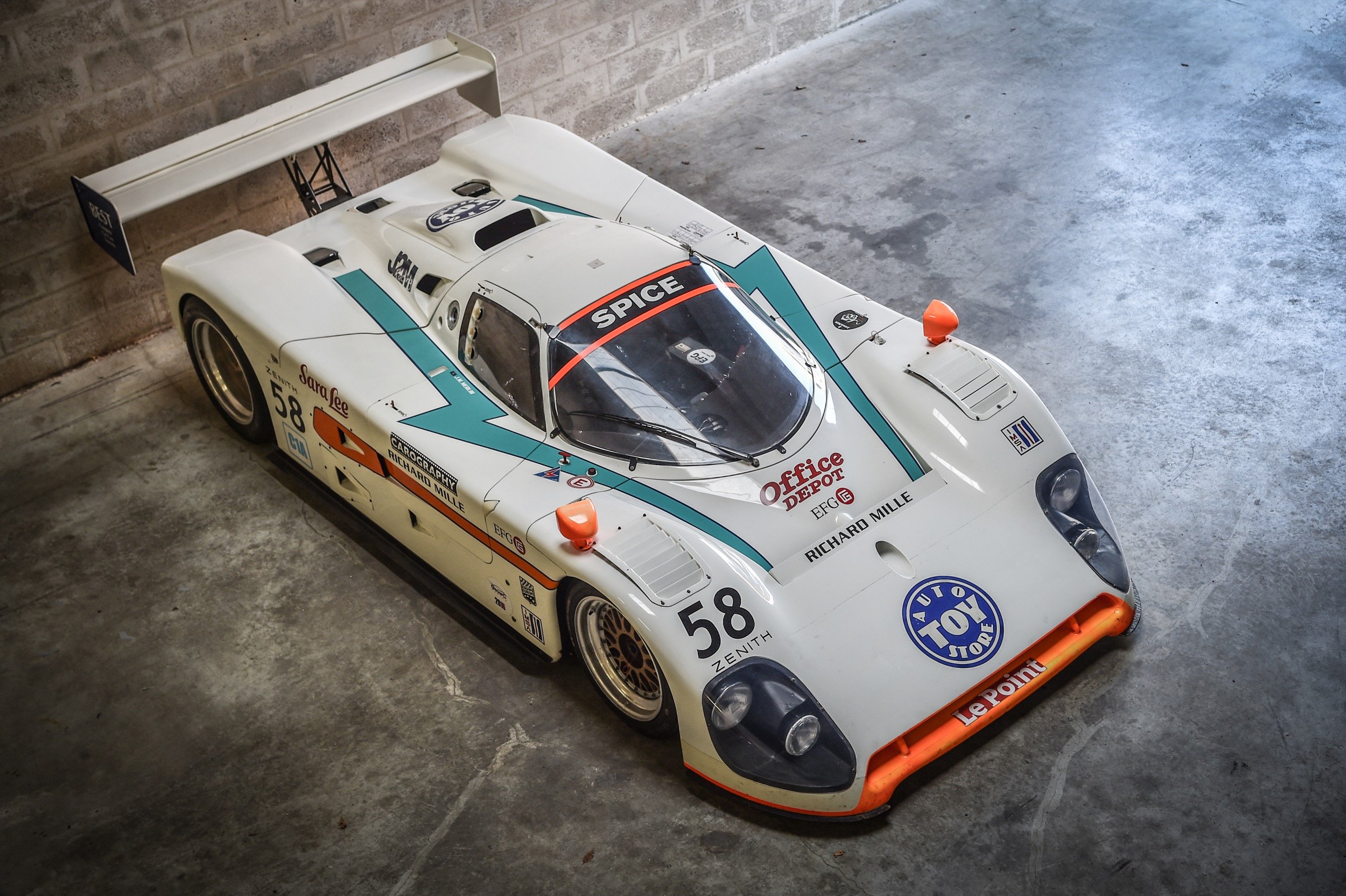
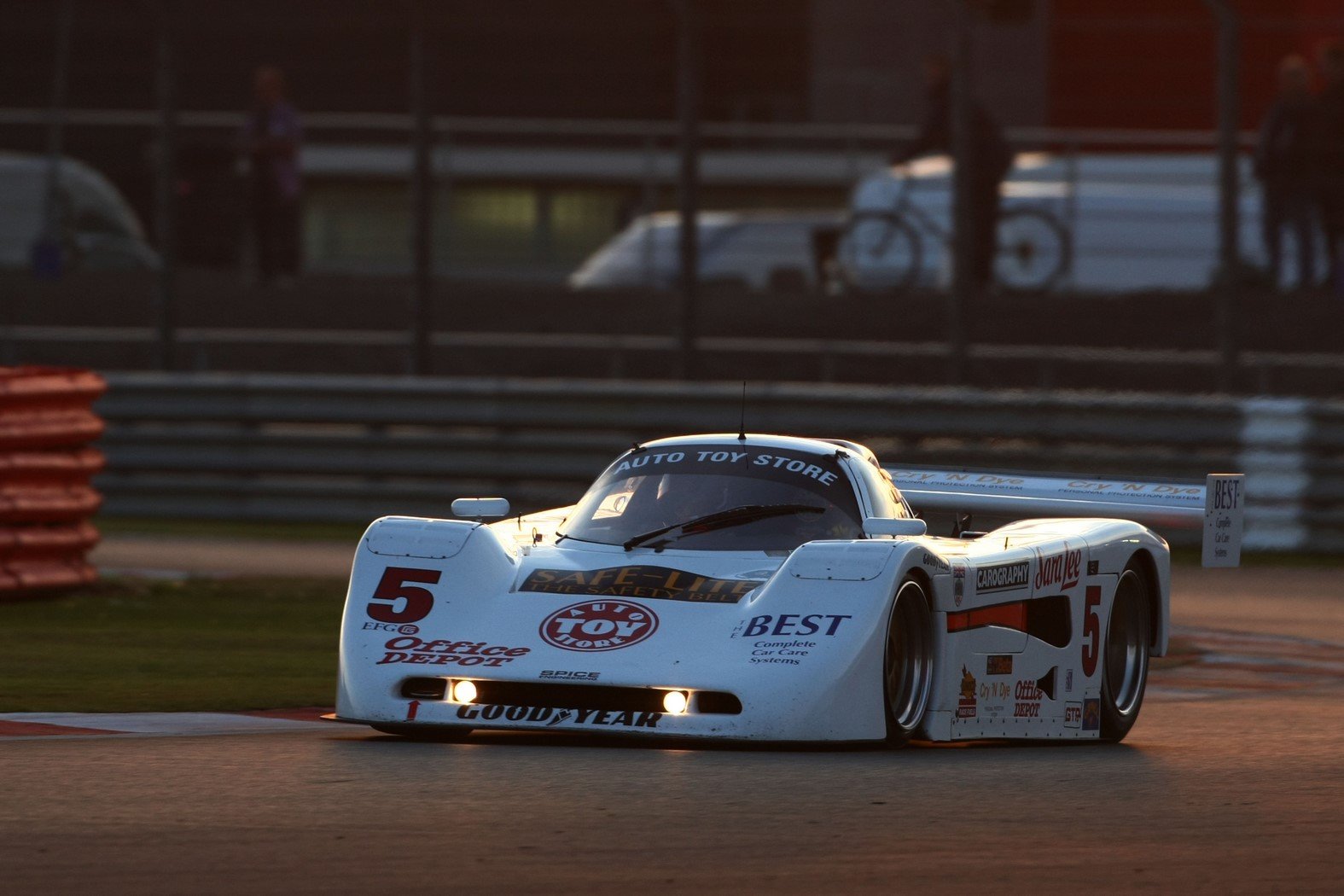
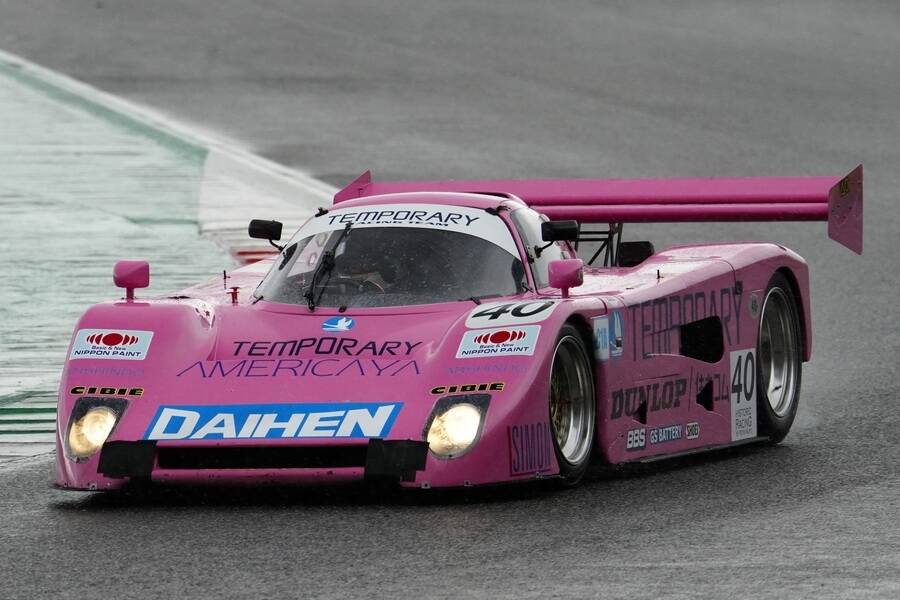
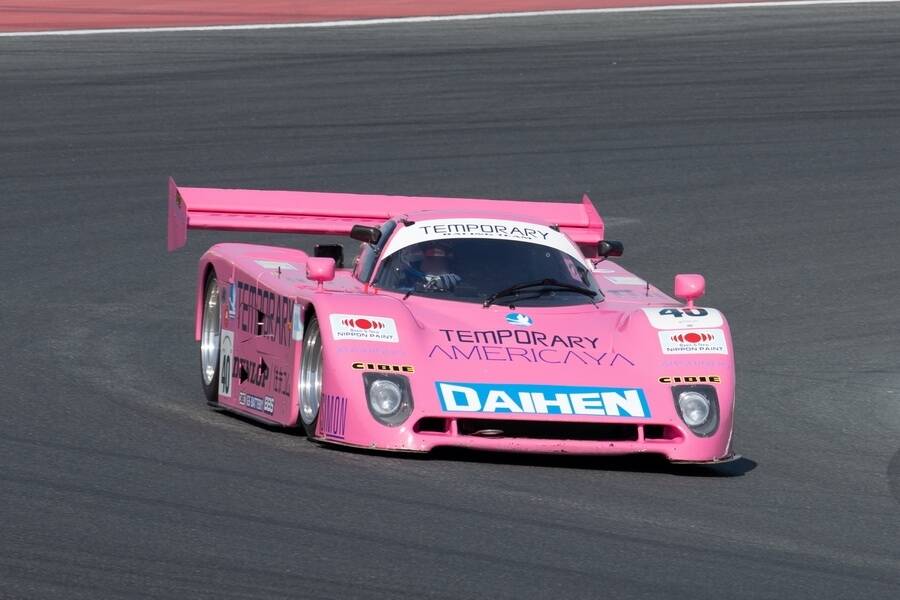
To look beneath the impeccably sculpted, wind-tunnel-refined Kevlar and carbon-composite bodywork of the SE90 is to witness the absolute pinnacle of modular, pragmatic racing engineering. While the monolithic factory teams utilized incredibly expensive molded carbon-fiber monocoques, chief designer Graham Humphrys remained fiercely loyal to the privateer ethos. The SE90 was constructed around an immensely stiff, folded and riveted aluminum honeycomb tub. This brilliant compromise provided the torsional rigidity necessary to harness immense ground-effect downforce while ensuring that a privateer team could repair a crashed chassis in a standard workshop without requiring a multimillion-dollar carbon autoclave. Aerodynamically, the SE90 was a sleek, low-drag masterpiece. It featured a dramatically reprofiled, flatter nose compared to its predecessor, alongside vast, heavily sculpted underbody venturi tunnels that sucked the chassis to the tarmac with terrifying efficiency. However, the true stroke of genius defining the SE90 chassis was its cavernous, highly adaptable engine bay. Because the car was destined to race in vastly different championships across multiple continents, it fractured into several distinct submodels, each possessing a wildly different mechanical soul.
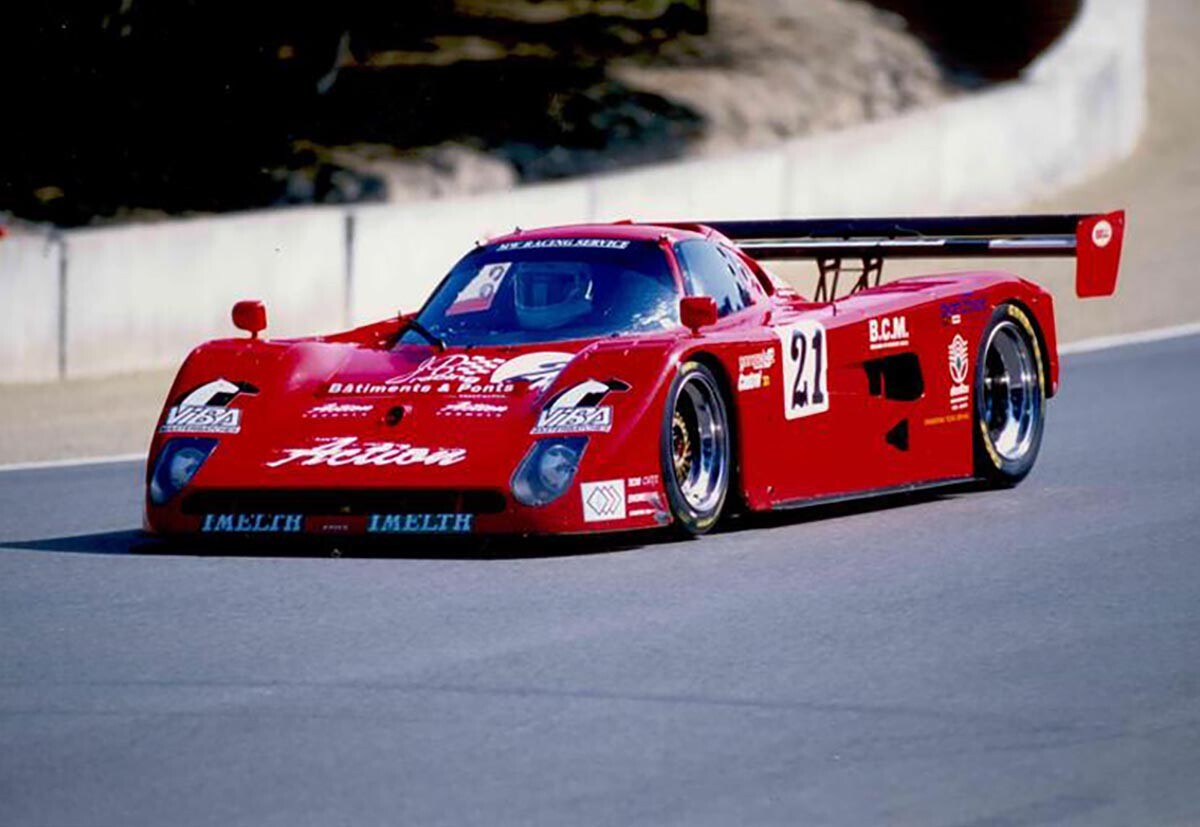
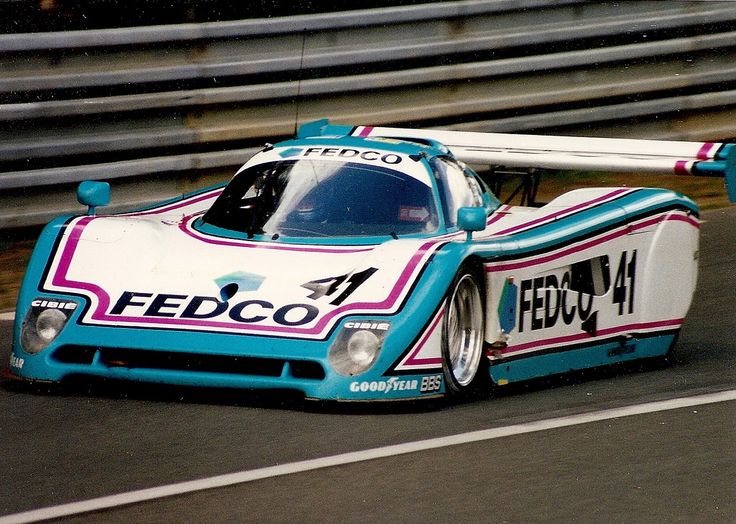
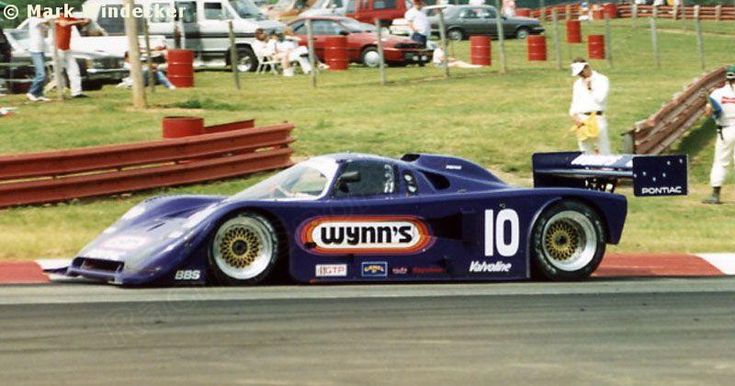
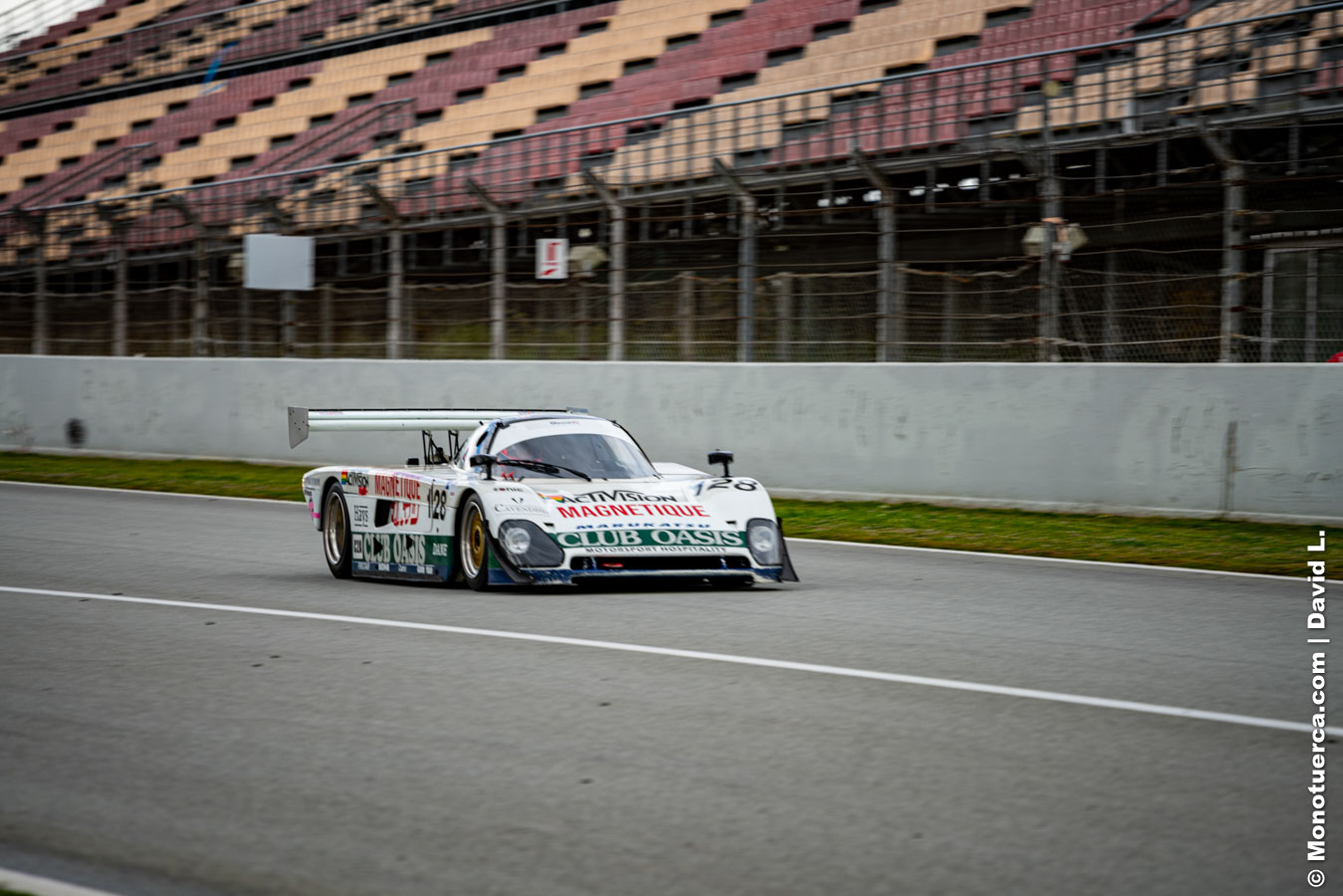
In Europe, to comply with the draconian new FIA regulations, the flagship SE90C was homologated for the 3.5-liter C1 class. This chassis was primarily fitted with the Cosworth DFR, a high-strung, naturally aspirated V8 lifted directly from Formula 1. Screaming past 10,000 rpm, the DFR produced roughly 600 brake horsepower, turning the SE90C into a frantic, high-revving thoroughbred. Across the Atlantic, the IMSA-destined SE90P submodels embraced a beautifully chaotic variety of powertrains. For the premier GTP class, American privateers stuffed the engine bay with thundering, iron-block 6.0-liter Pontiac and Chevrolet pushrod V8s, or highly turbocharged Buick V6s, trading European finesse for brutal, low-end torque. Yet, perhaps the most perfectly executed marriage of chassis and engine occurred in the IMSA Camel Lights class. Here, the SE90P was mated to a highly tuned, naturally aspirated 3.0-liter Honda/Acura V6. Campaigned famously by Comptech Racing, this specific configuration proved to be an invincible, surgically precise endurance weapon. Regardless of the continent or the engine, power was managed through heavy-duty Hewland or March transaxles, and stopping power relied on massive AP Racing ventilated disc brakes. The cockpit remained a spartan aluminium tub, heavily biased to the right side for clockwise circuits, confronting the driver with a purposeful, analog reality devoid of the electronic driver aids that were beginning to infiltrate the factory cars.
When unleashed upon the tarmac in 1990, the Spice SE90 experienced a violently polarized competitive life. In Europe, the factory-backed Spice SE90C campaigned in the World Sports Prototype Championship, piloted by highly talented drivers like Cor Euser, Wayne Taylor, and Fermín Vélez. The chassis was dynamically brilliant; on tighter, technical circuits, the lightweight SE90C could frequently out-corner the heavier turbocharged Mercedes C11s and Porsche 962s. However, the 3.5-liter Cosworth DFR engine proved to be a fragile, violently vibrating nightmare in endurance applications, shaking the cars apart and resulting in heartbreaking retirements. Conversely, in North America, the SE90 was an absolute revelation. In the IMSA Camel Lights category, the Comptech Racing Acura-powered SE90P, driven masterfully by Parker Johnstone, established a dynasty, securing three consecutive class championships and routinely humiliating larger GTP machinery on tight street circuits. In the premier GTP class, V8-powered SE90Ps campaigned by privateer stalwarts proved capable of harassing the mighty Nissan NPT-90s and Jaguar XJR-10s, utilizing their immense mechanical grip and instantaneous naturally aspirated torque to sprint out of slow corners.
Tragically, the legacy of the Spice SE90 is inextricably linked to the collapse of the era that birthed it. The transition to the astronomically expensive 3.5-liter Formula 1 engine regulations effectively destroyed the privateer prototype market. Unable to bear the immense financial burden of developing a bespoke 3.5-liter engine program to compete against Peugeot and Toyota, Spice Engineering was forced into receivership in the early 1990s. Yet, the SE90 chassis was so fundamentally brilliant that it refused to die. When the IMSA championship transitioned to the open-cockpit World Sports Car (WSC) rules in 1994, several resourceful privateers literally sawed the roofs off their aging SE90s, converting them into Spice WSC prototypes that continued to fight for overall podiums well into the mid-1990s.
Portal
Model line
Brand
Produced from
Vehicle category
Model Overview
To fully grasp the significance of the Spice SE90, one must understand the turbulent, politically charged atmosphere of international sports car racing at the dawn of the 1990s. The governing body, the FIA, was in the process of forcibly ending the fuel-efficiency-based Group C regulations, ushering in a highly controversial, astronomically expensive era of 3.5-liter, Formula 1-derived engines for the World Sports Prototype Championship. Concurrently, across the Atlantic, the IMSA Camel GT series remained a thriving battleground of diverse, unrestricted engineering. For Spice Engineering, the brilliant British constructor founded by Gordon Spice and Ray Bellm, this period represented both an unprecedented opportunity and an existential threat. Having utterly dominated the junior Group C2 and Camel Lights categories with their SE88 and SE89 chassis, Spice made the audacious decision to step into the premier class. The Spice SE90 was conceived not just to defend their junior crowns, but to take the fight directly to the multimillion-dollar factory titans from Mercedes-Benz, Jaguar, Porsche, and Nissan in the top-tier C1 and GTP categories. It was the ultimate, uncompromising evolution of the privateer prototype, designed to be a giant-killer on a global scale.
To look beneath the impeccably sculpted, wind-tunnel-refined Kevlar and carbon-composite bodywork of the SE90 is to witness the absolute pinnacle of modular, pragmatic racing engineering. While the monolithic factory teams utilized incredibly expensive molded carbon-fiber monocoques, chief designer Graham Humphrys remained fiercely loyal to the privateer ethos. The SE90 was constructed around an immensely stiff, folded and riveted aluminum honeycomb tub. This brilliant compromise provided the torsional rigidity necessary to harness immense ground-effect downforce while ensuring that a privateer team could repair a crashed chassis in a standard workshop without requiring a multimillion-dollar carbon autoclave. Aerodynamically, the SE90 was a sleek, low-drag masterpiece. It featured a dramatically reprofiled, flatter nose compared to its predecessor, alongside vast, heavily sculpted underbody venturi tunnels that sucked the chassis to the tarmac with terrifying efficiency. However, the true stroke of genius defining the SE90 chassis was its cavernous, highly adaptable engine bay. Because the car was destined to race in vastly different championships across multiple continents, it fractured into several distinct submodels, each possessing a wildly different mechanical soul.
In Europe, to comply with the draconian new FIA regulations, the flagship SE90C was homologated for the 3.5-liter C1 class. This chassis was primarily fitted with the Cosworth DFR, a high-strung, naturally aspirated V8 lifted directly from Formula 1. Screaming past 10,000 rpm, the DFR produced roughly 600 brake horsepower, turning the SE90C into a frantic, high-revving thoroughbred. Across the Atlantic, the IMSA-destined SE90P submodels embraced a beautifully chaotic variety of powertrains. For the premier GTP class, American privateers stuffed the engine bay with thundering, iron-block 6.0-liter Pontiac and Chevrolet pushrod V8s, or highly turbocharged Buick V6s, trading European finesse for brutal, low-end torque. Yet, perhaps the most perfectly executed marriage of chassis and engine occurred in the IMSA Camel Lights class. Here, the SE90P was mated to a highly tuned, naturally aspirated 3.0-liter Honda/Acura V6. Campaigned famously by Comptech Racing, this specific configuration proved to be an invincible, surgically precise endurance weapon. Regardless of the continent or the engine, power was managed through heavy-duty Hewland or March transaxles, and stopping power relied on massive AP Racing ventilated disc brakes. The cockpit remained a spartan aluminium tub, heavily biased to the right side for clockwise circuits, confronting the driver with a purposeful, analog reality devoid of the electronic driver aids that were beginning to infiltrate the factory cars.
When unleashed upon the tarmac in 1990, the Spice SE90 experienced a violently polarized competitive life. In Europe, the factory-backed Spice SE90C campaigned in the World Sports Prototype Championship, piloted by highly talented drivers like Cor Euser, Wayne Taylor, and Fermín Vélez. The chassis was dynamically brilliant; on tighter, technical circuits, the lightweight SE90C could frequently out-corner the heavier turbocharged Mercedes C11s and Porsche 962s. However, the 3.5-liter Cosworth DFR engine proved to be a fragile, violently vibrating nightmare in endurance applications, shaking the cars apart and resulting in heartbreaking retirements. Conversely, in North America, the SE90 was an absolute revelation. In the IMSA Camel Lights category, the Comptech Racing Acura-powered SE90P, driven masterfully by Parker Johnstone, established a dynasty, securing three consecutive class championships and routinely humiliating larger GTP machinery on tight street circuits. In the premier GTP class, V8-powered SE90Ps campaigned by privateer stalwarts proved capable of harassing the mighty Nissan NPT-90s and Jaguar XJR-10s, utilizing their immense mechanical grip and instantaneous naturally aspirated torque to sprint out of slow corners.
Tragically, the legacy of the Spice SE90 is inextricably linked to the collapse of the era that birthed it. The transition to the astronomically expensive 3.5-liter Formula 1 engine regulations effectively destroyed the privateer prototype market. Unable to bear the immense financial burden of developing a bespoke 3.5-liter engine program to compete against Peugeot and Toyota, Spice Engineering was forced into receivership in the early 1990s. Yet, the SE90 chassis was so fundamentally brilliant that it refused to die. When the IMSA championship transitioned to the open-cockpit World Sports Car (WSC) rules in 1994, several resourceful privateers literally sawed the roofs off their aging SE90s, converting them into Spice WSC prototypes that continued to fight for overall podiums well into the mid-1990s.
Submodels