
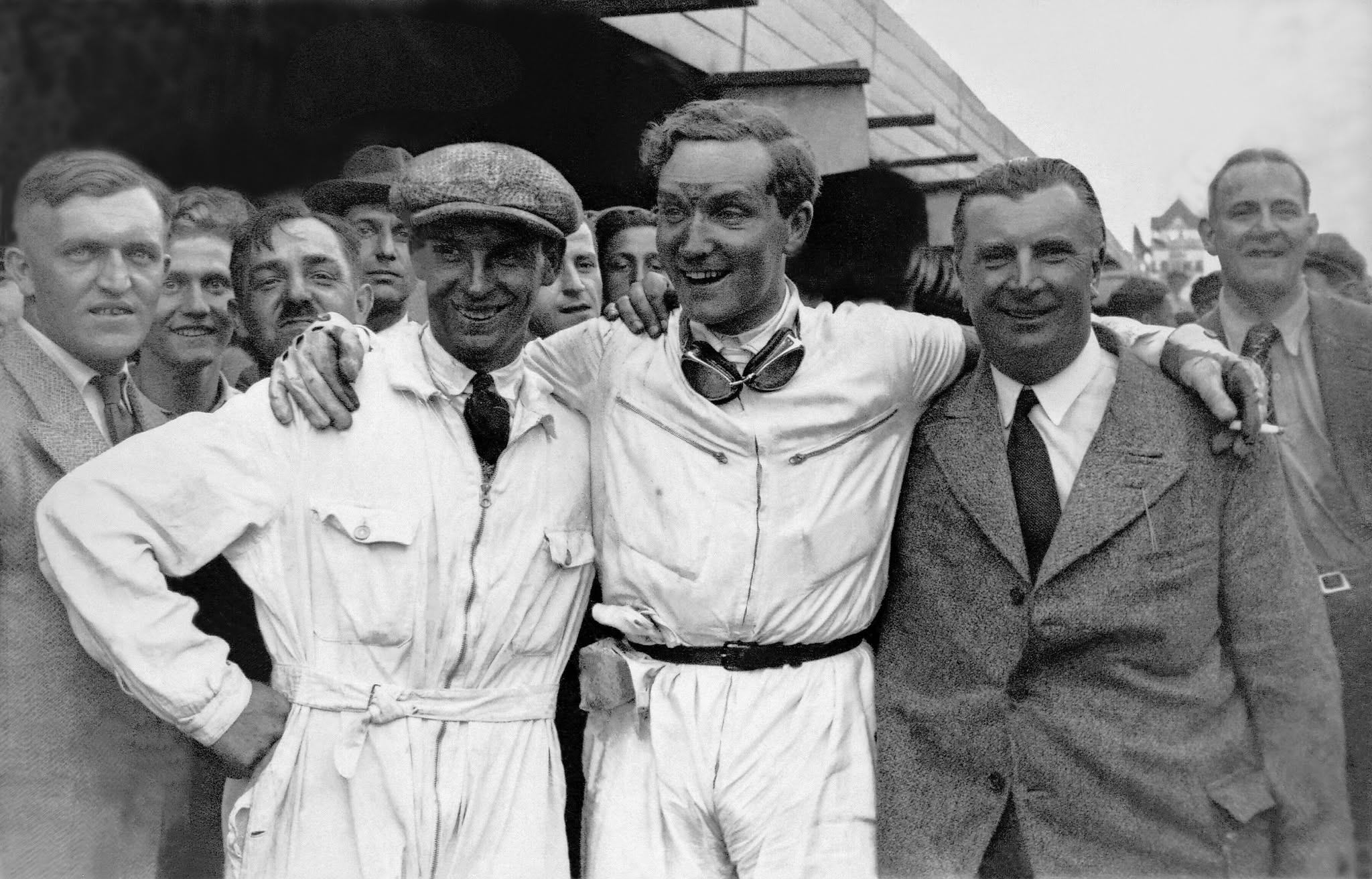
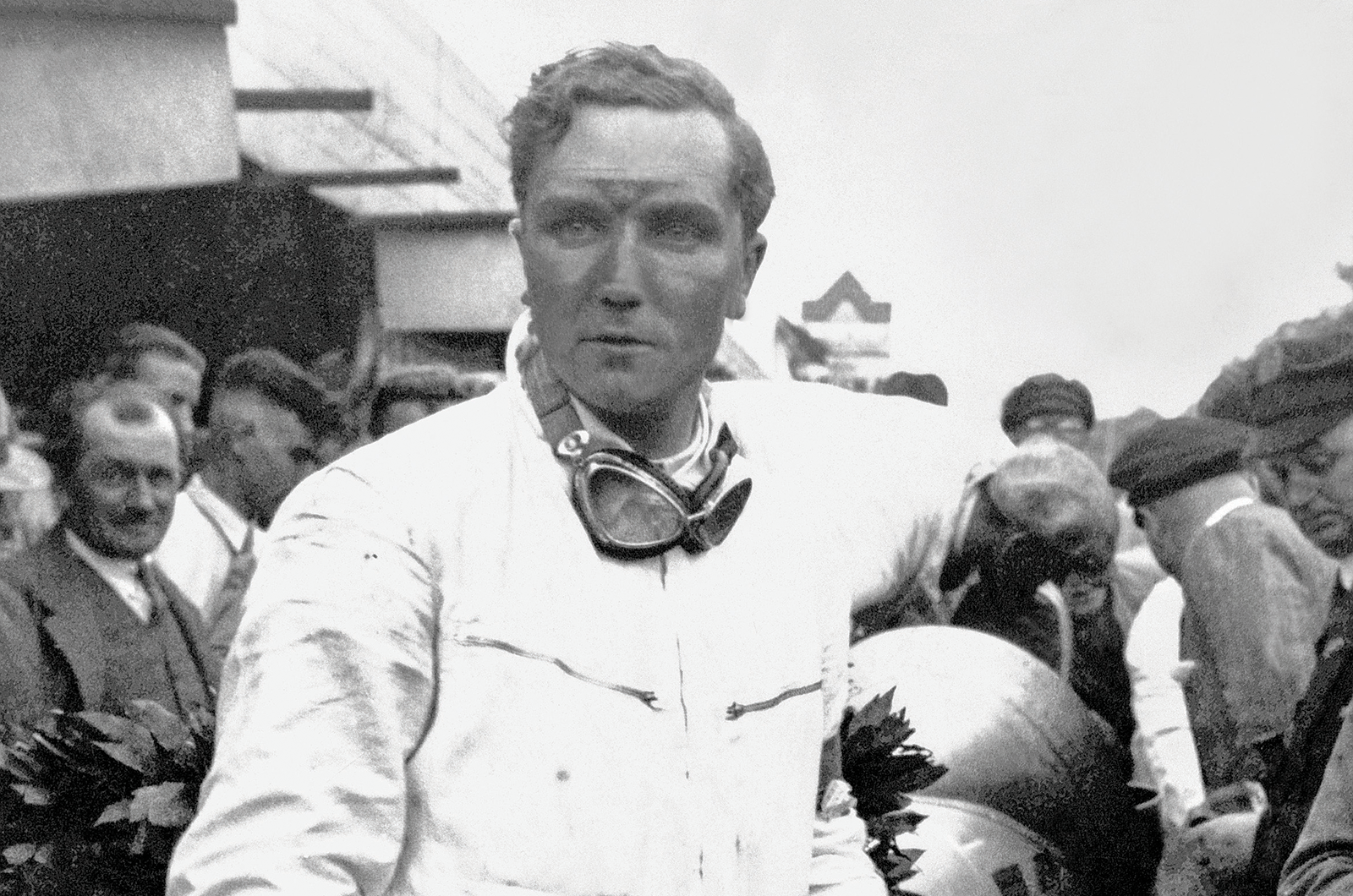
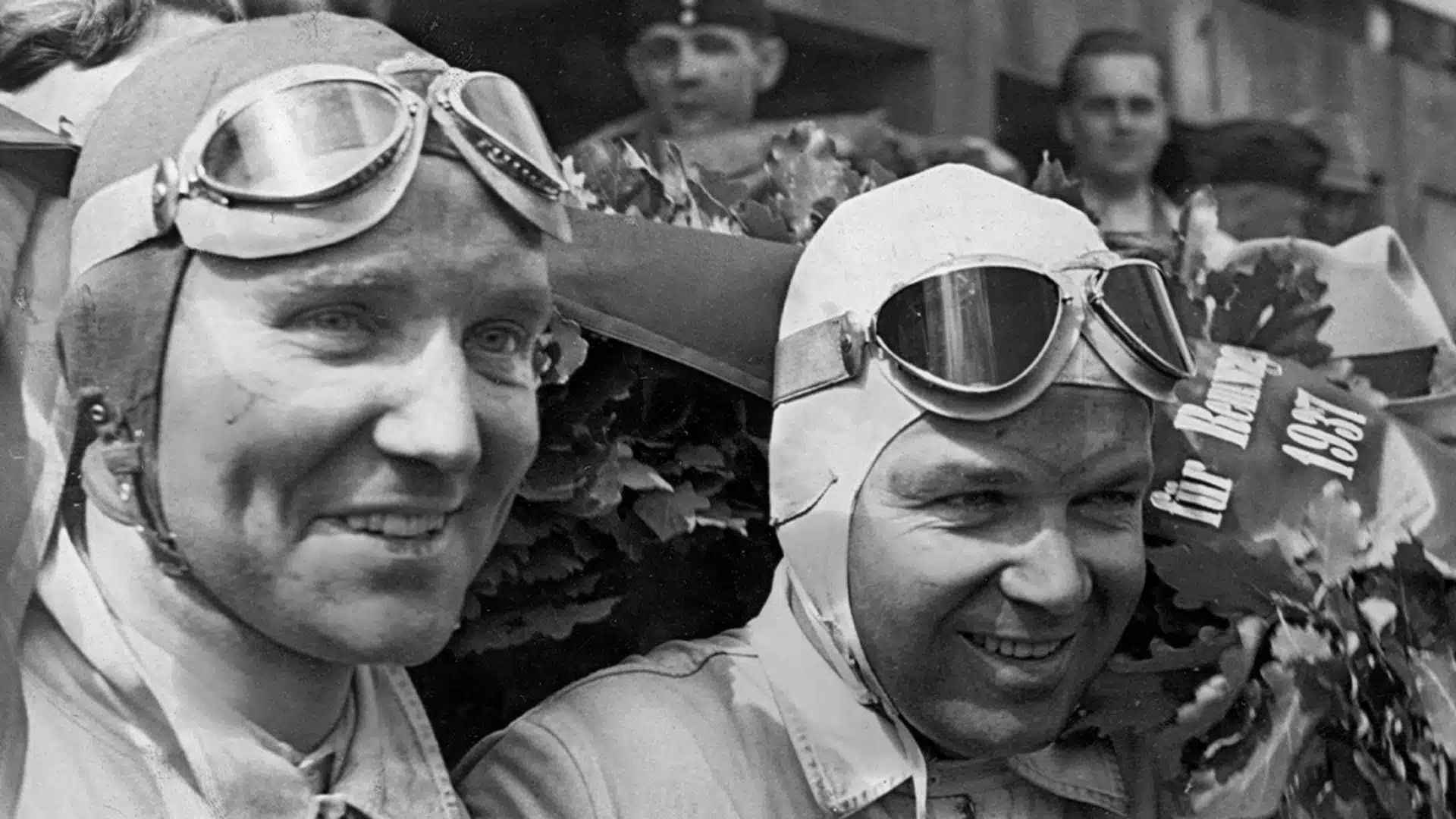
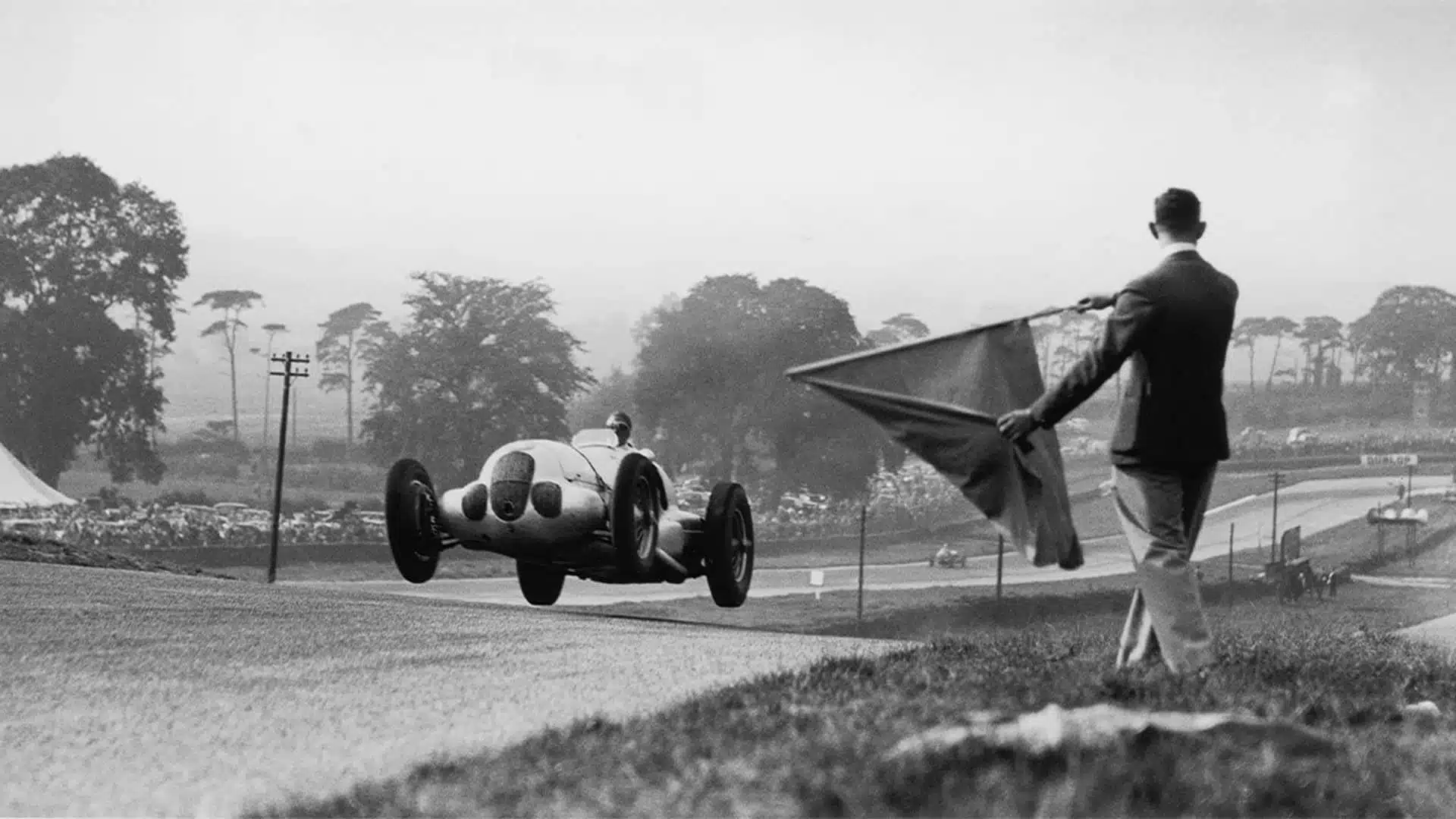
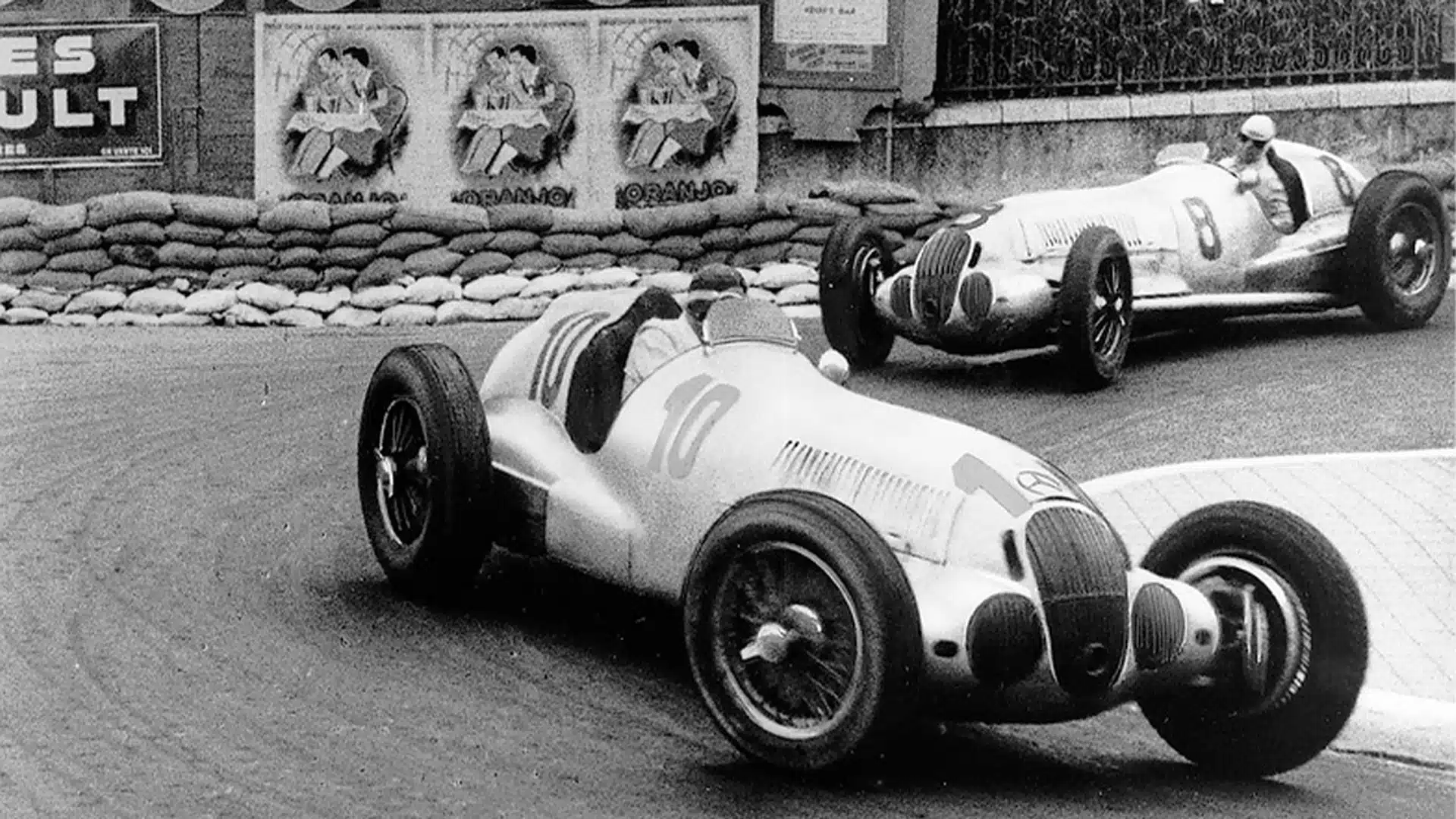
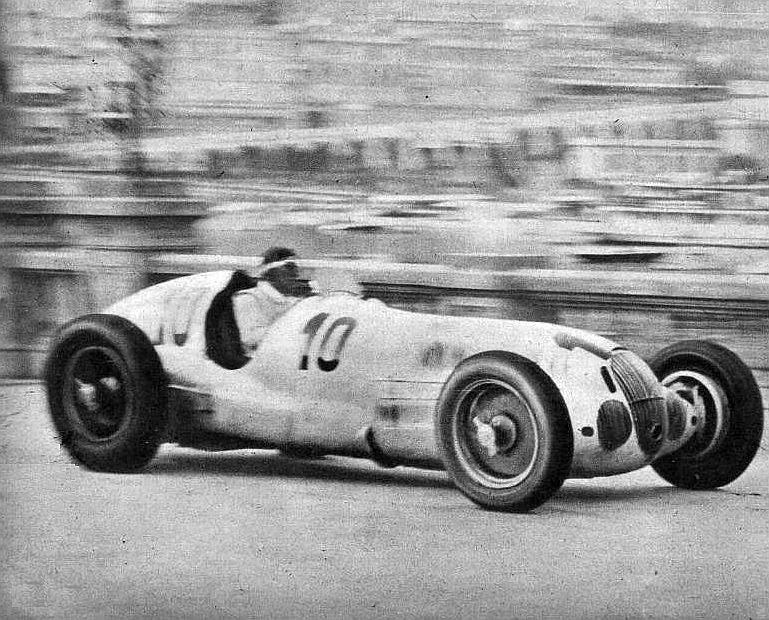
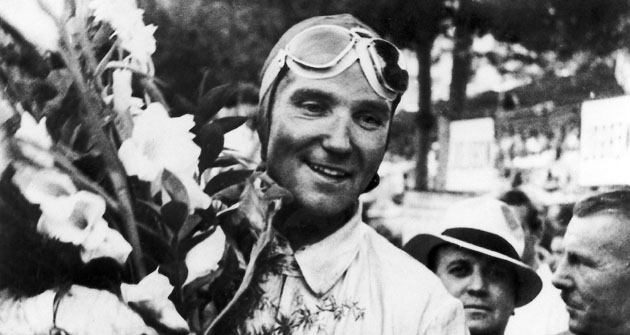
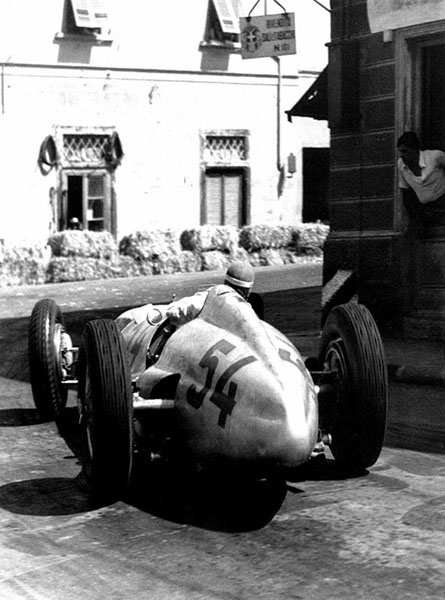
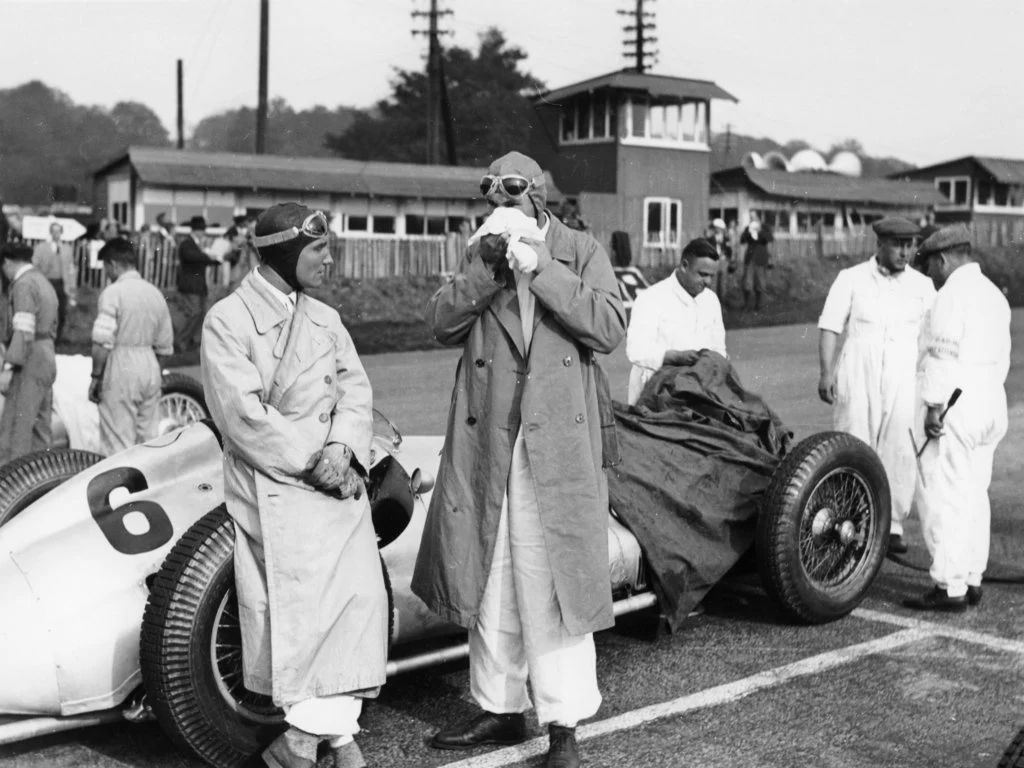
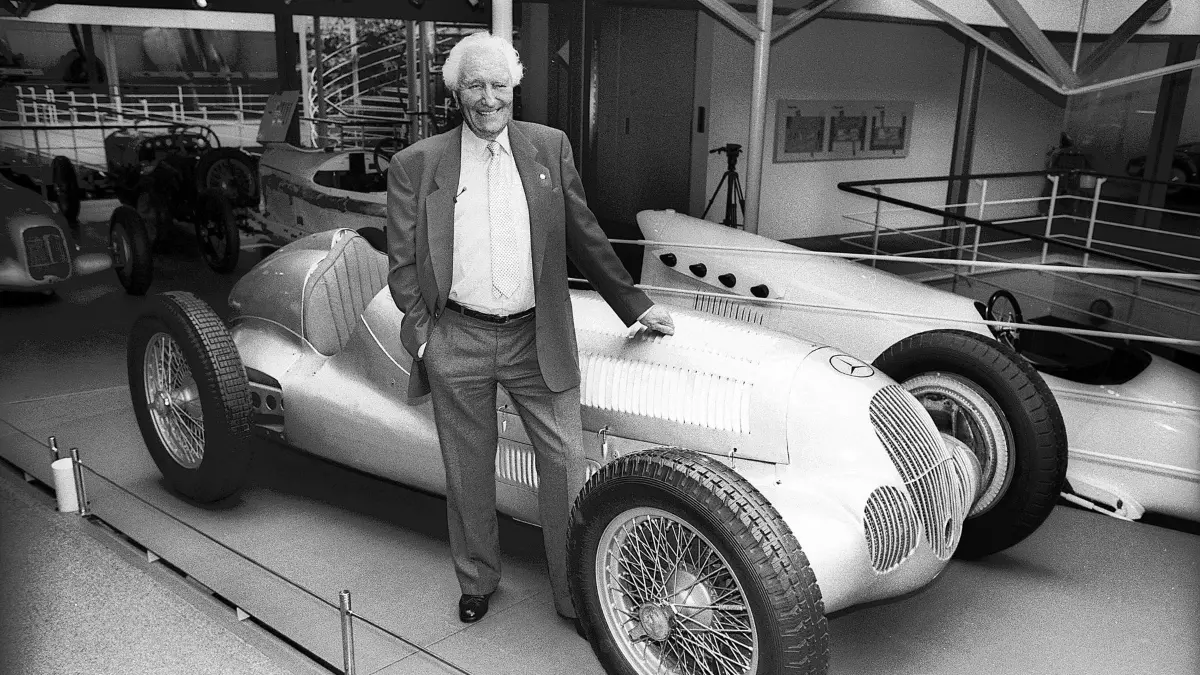
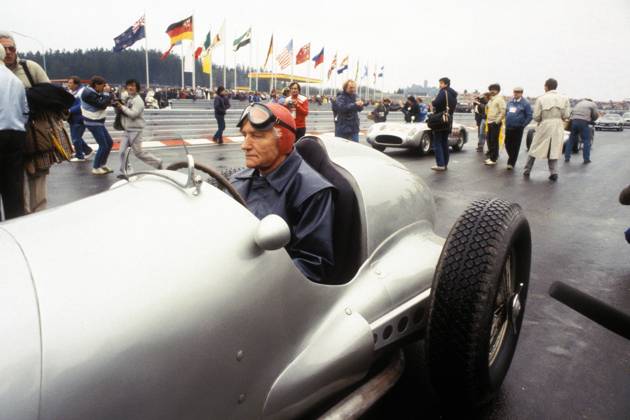
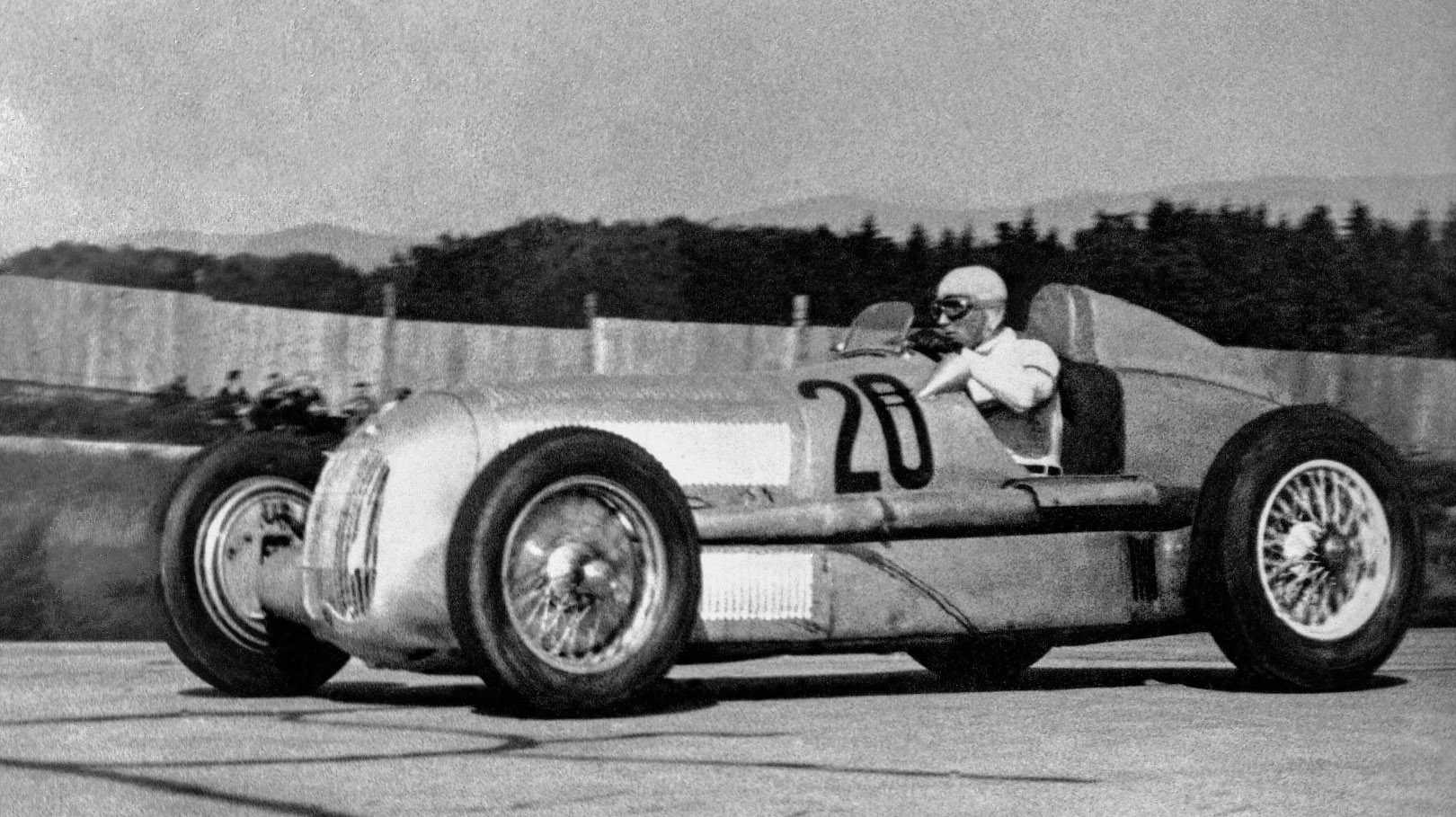
The deafening, mechanical shriek of a Roots-type supercharger echoing off the sun-baked stone facades of Monte Carlo is a sound long lost to history, but on 8 August 1937, it provided the soundtrack to a display of pure, unadulterated physical violence. Behind the large, cord-wrapped steering wheel of the monstrous Mercedes-Benz W125 sat Manfred von Brauchitsch, wrestling a primitive, flex-prone chassis housing a 5.6-litre (341 cu in) straight-eight engine that produced a terrifying 646 brake horsepower. The sheer brutality of piloting such an overpowered, under-tyred machine around the claustrophobic 3.180 km (1.97 miles) street circuit demanded the stamina of a prizefighter. Brauchitsch, his face blackened by oil spray and brake dust, muscled his car through the 100-lap ordeal to claim a legendary victory, setting a blistering lap record of 1 minute 46.5 seconds. That mark obliterated the old record by nearly 12 seconds and would stand undefeated for 18 years. It was a career-defining triumph for a man who epitomised the raw, terrifying romance of the pre-war Grand Prix era.
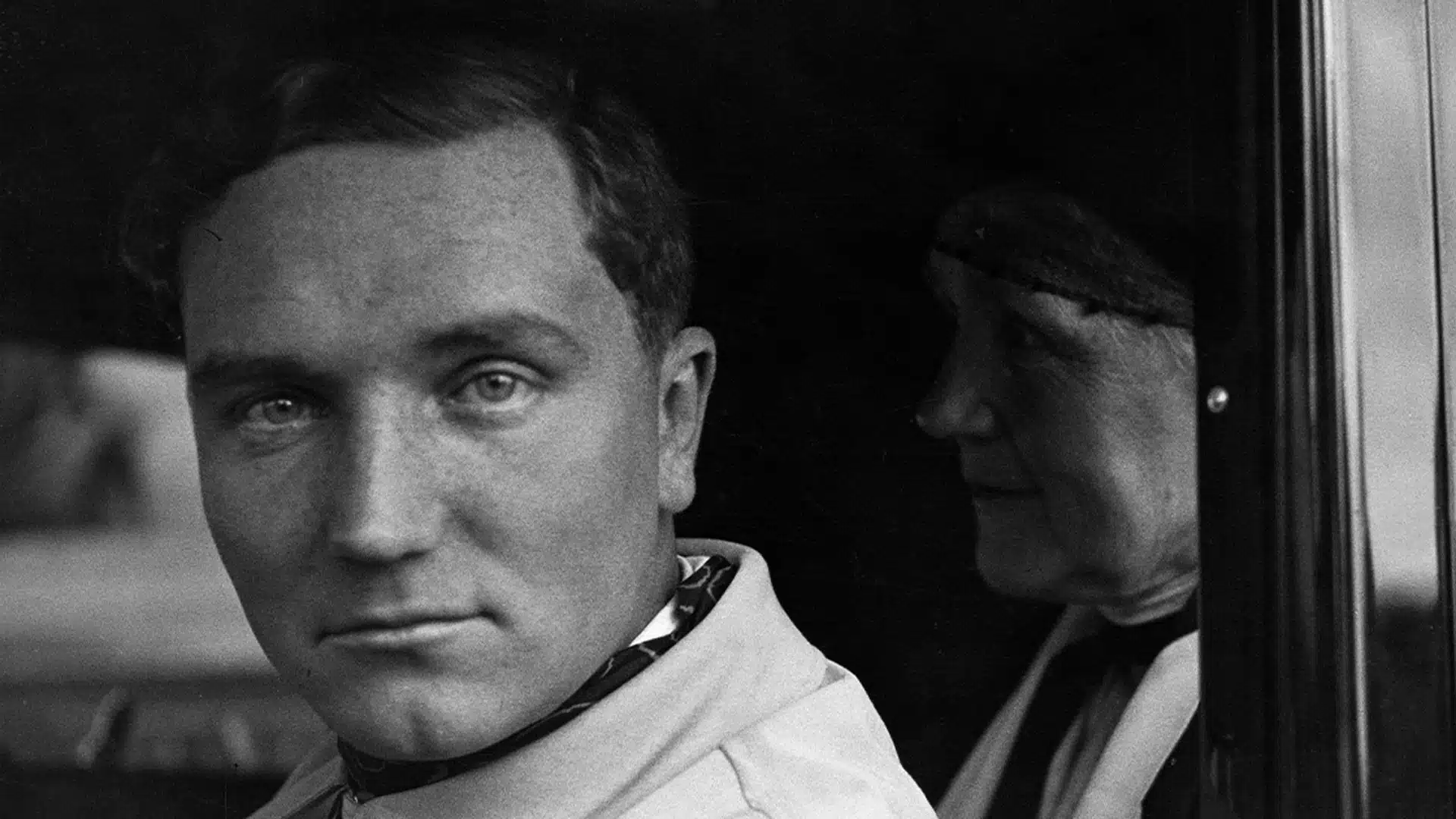
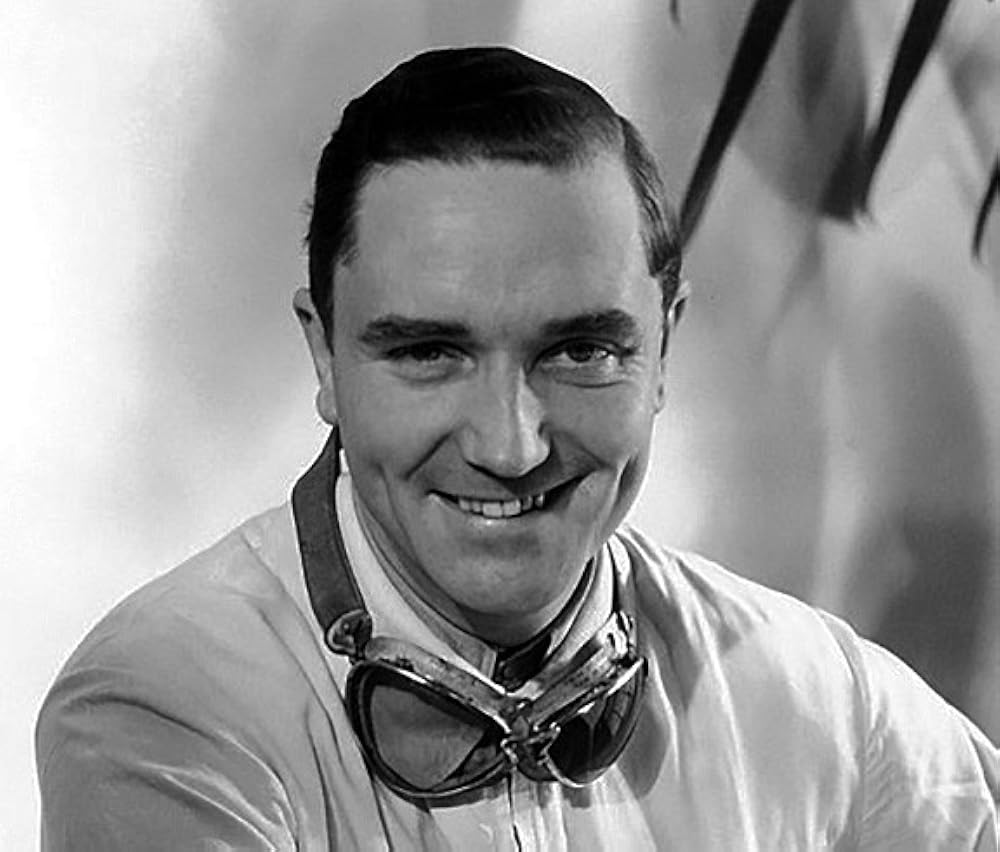
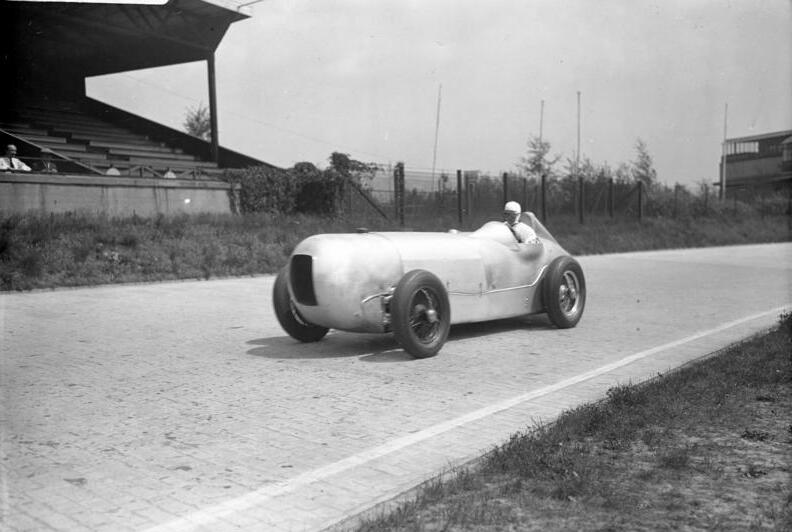
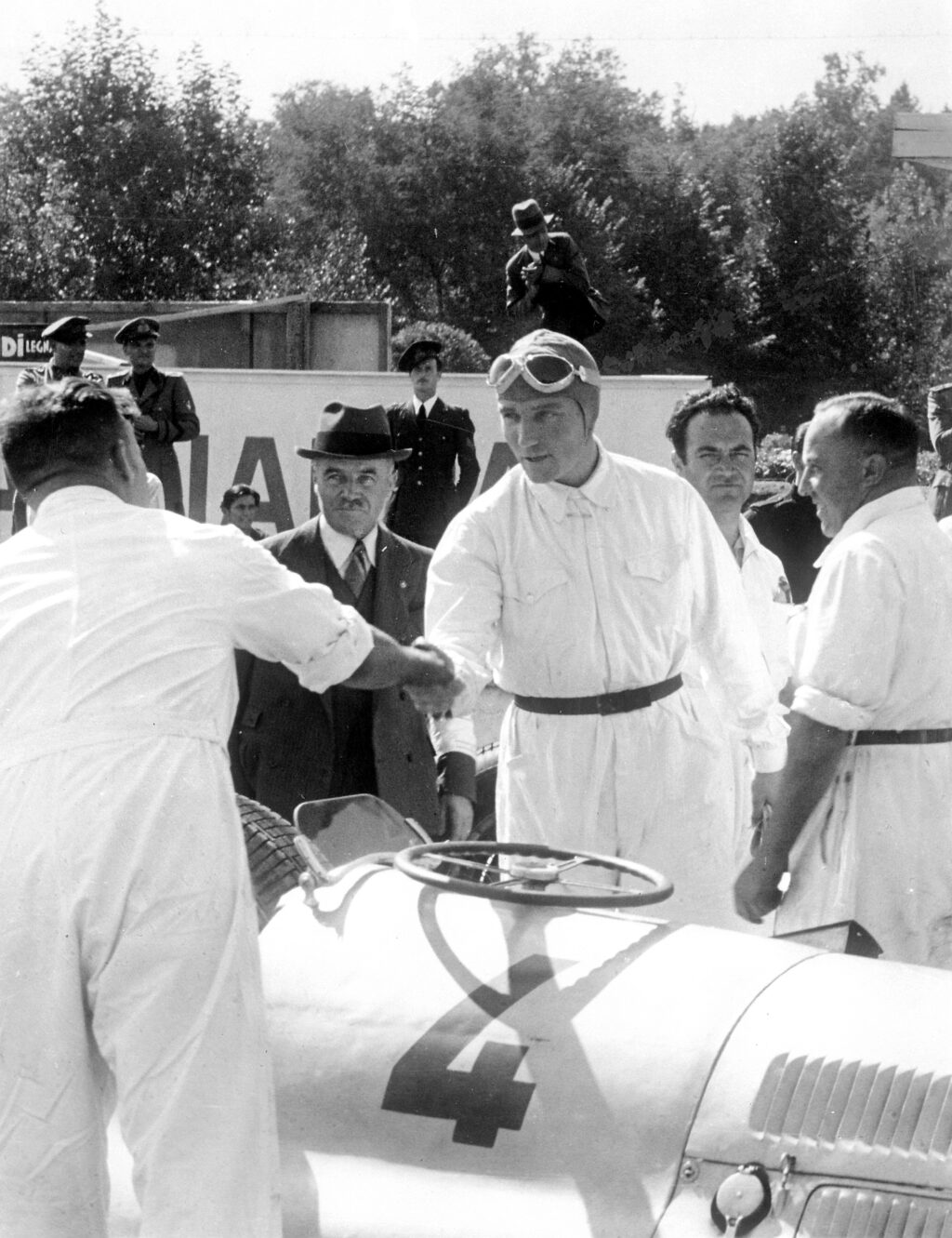
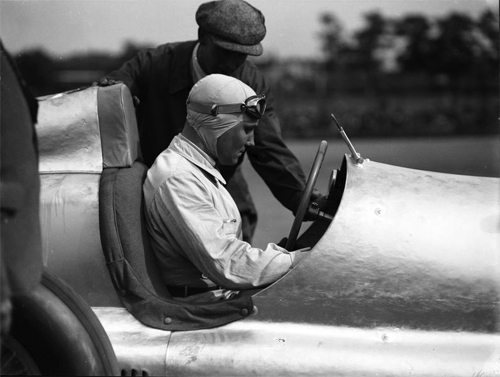
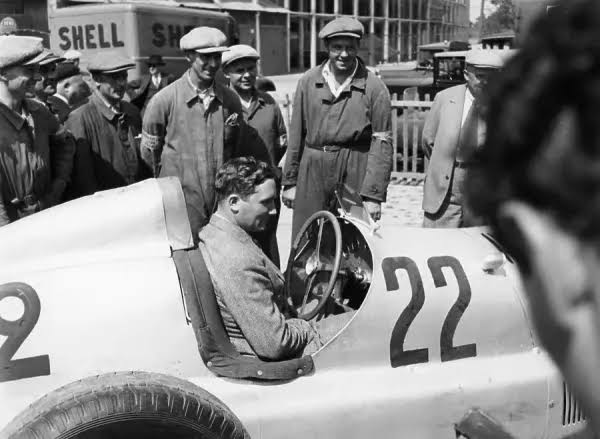
Born into Prussian nobility on 15 August 1905 in Hamburg, Manfred Georg Rudolf von Brauchitsch was widely expected to follow his family’s esteemed military tradition. Yet, the immaculately dressed aristocrat was captivated not by the cavalry, but by the intoxicating scent of castor oil and the roar of internal combustion. His breakthrough on the international stage arrived at the high-speed 1932 Avusrennen in Berlin. Operating as an independent privateer against heavily backed works teams, Brauchitsch procured a Mercedes-Benz SSKL and, displaying an early flash of engineering intuition, fitted it with a bespoke, cigar-shaped, streamlined aluminium body. Pushing his aerodynamically superior beast to the absolute limit on the banking, the young outsider claimed a sensational victory. Watching with a hawk’s gaze from the pit wall was Alfred Neubauer, the gargantuan and uncompromising racing manager for Mercedes-Benz. Recognising a raw, fearless talent, Neubauer immediately offered the young patrician a coveted factory drive.
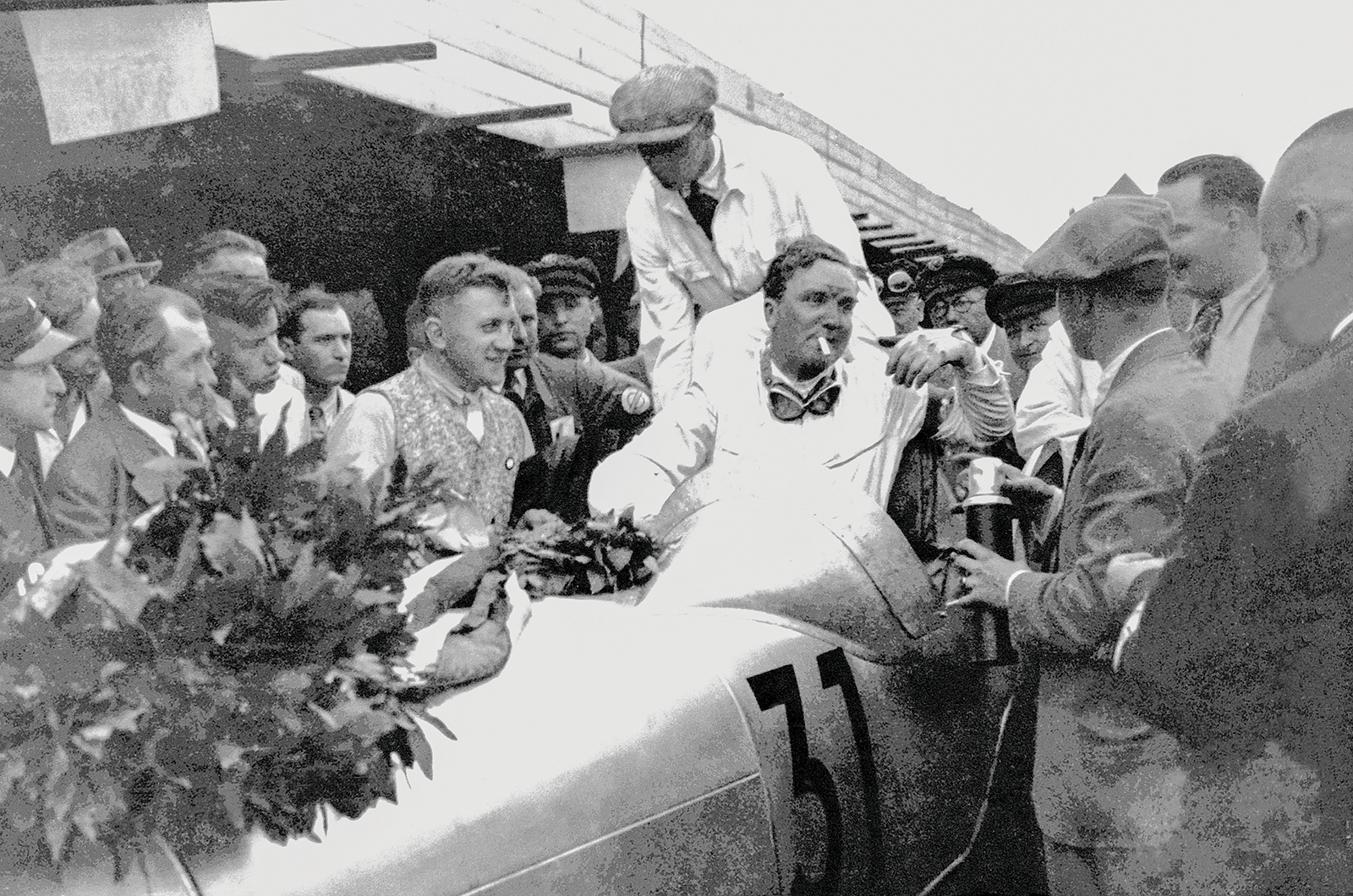
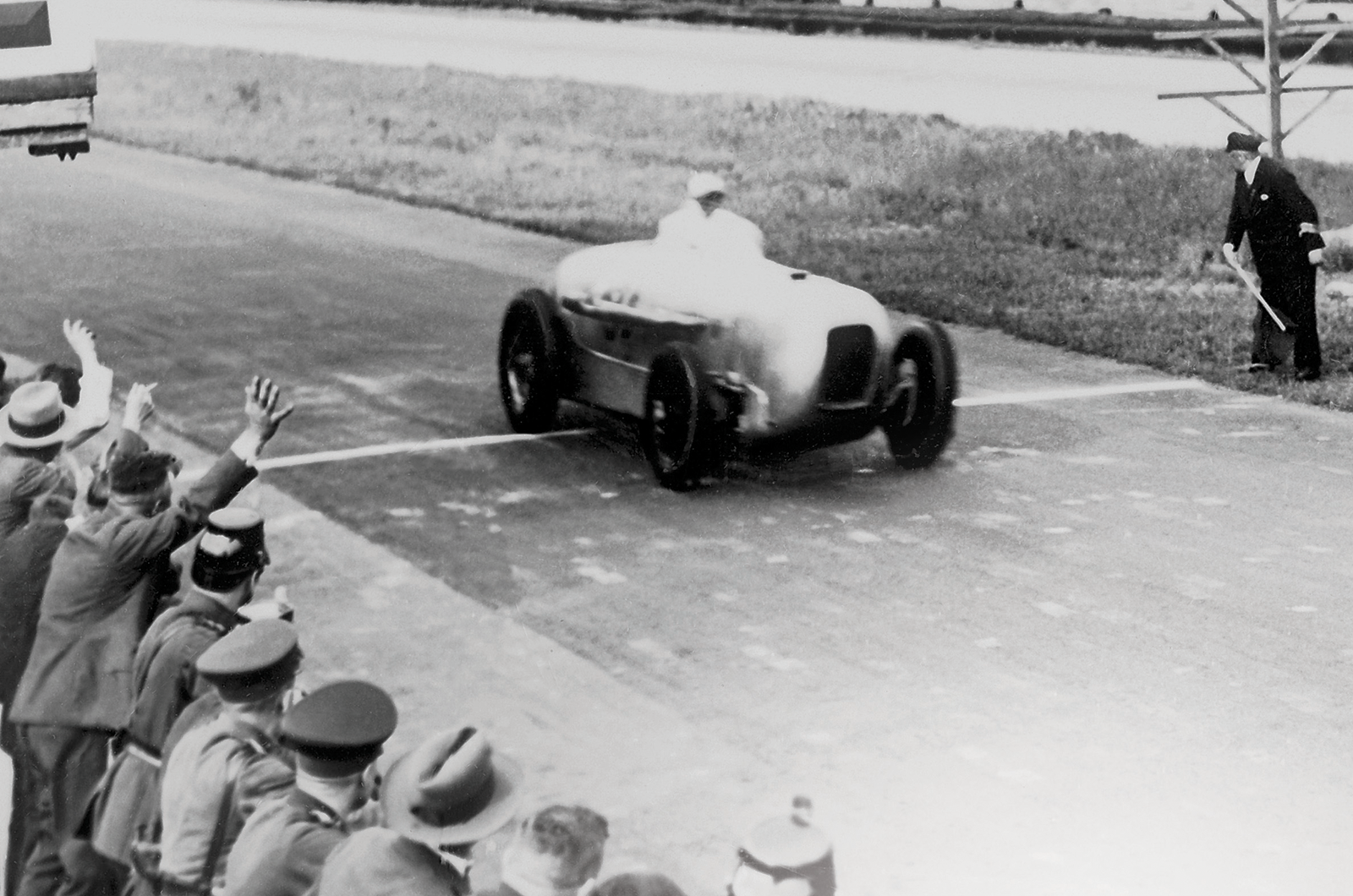
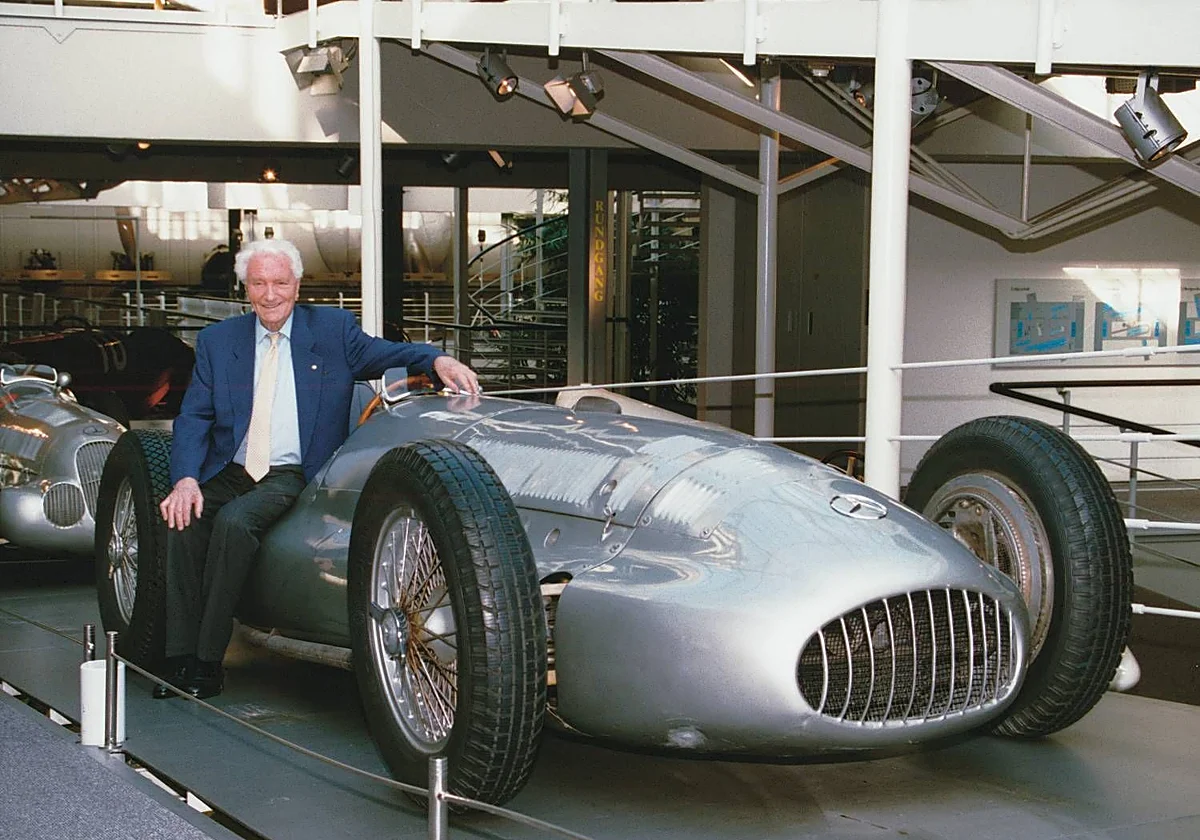
His integration into the works team coincided perfectly with a seismic shift in motorsport history. At the Eifelrennen at the Nürburgring on 3 June 1934, Brauchitsch debuted the entirely new Mercedes-Benz W25. Legend dictates that the cars were stripped of their traditional German racing white paint to meet the strict 750 kg (1653 lbs) maximum weight formula, leaving bare, polished aluminium. The unpainted metal sparkled under the Eifel mountains’ sun, inadvertently giving birth to the legend of the “Silver Arrows”. Brauchitsch dominated the punishing 22.810 km (14.17 miles) Nordschleife, securing the maiden victory for the W25 and cementing Mercedes-Benz’s technological supremacy on the world stage. He would later add another crown jewel to his resumé by winning the exceptionally fast 1938 French Grand Prix at the triangular Reims-Gueux circuit, holding the throttle flat-out through the sweeping Champagne countryside.
Despite his undeniable speed, the paddock came to know him affectionately—and sometimes mockingly—as “Der Pechvogel”, or the “Unlucky Bird”. The moniker was only partially accurate; his misfortune was frequently a direct byproduct of his own ruthlessly heavy right foot. While his great teammate and rival, the silky-smooth Regenmeister Rudolf Caracciola, coaxed his machinery gently to the finish line, Brauchitsch drove with a red-mist fury. He would flog his fragile supercharged engines to the point of mechanical detonation or shred his canvas cross-ply tyres down to the bare cords when victory was mere kilometres away. He was a visceral driver, utterly reliant on his fast-twitch reflexes, treating the accelerator pedal as an on-off switch in an era when cars possessed nonexistent aerodynamic downforce.
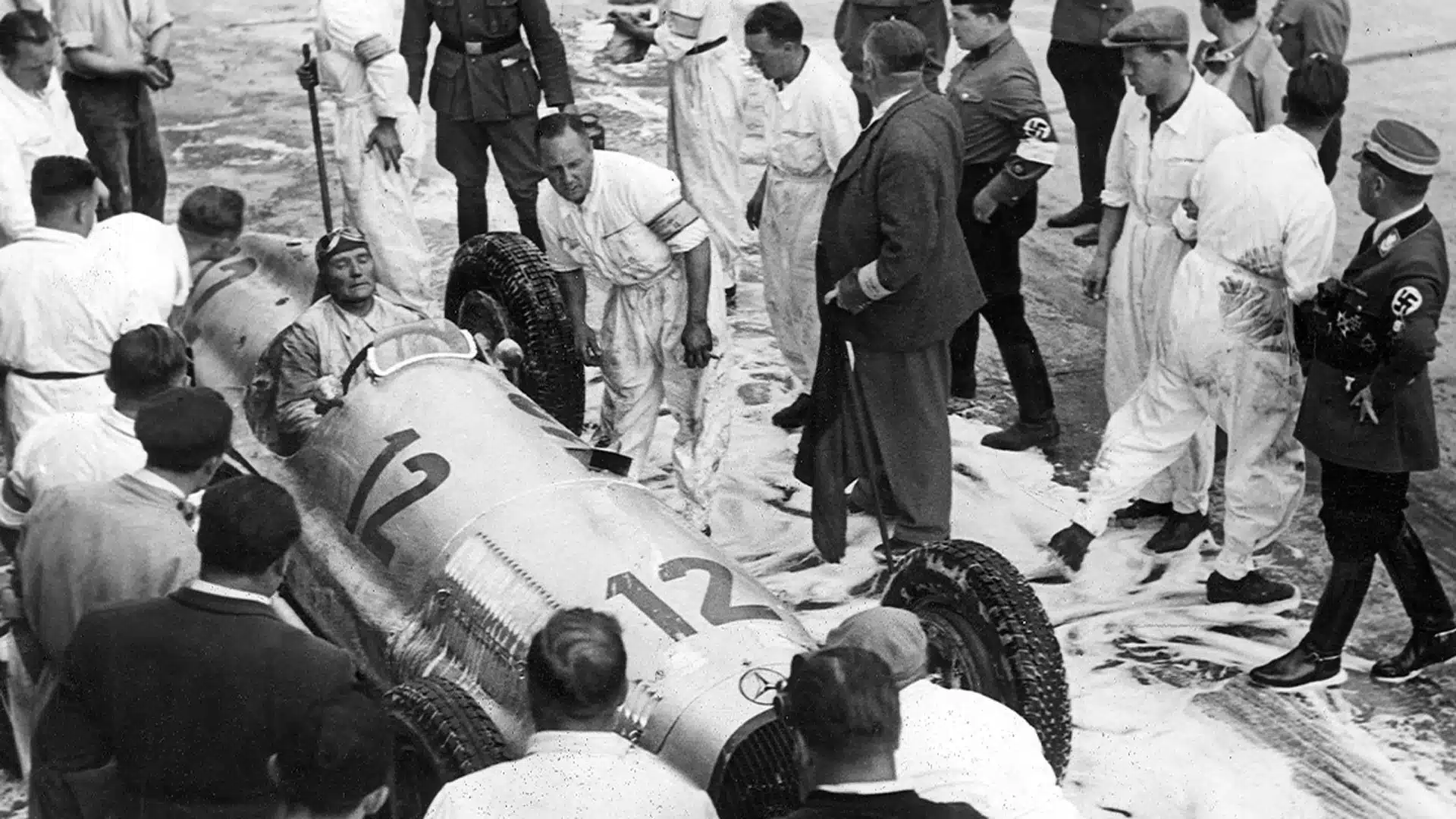
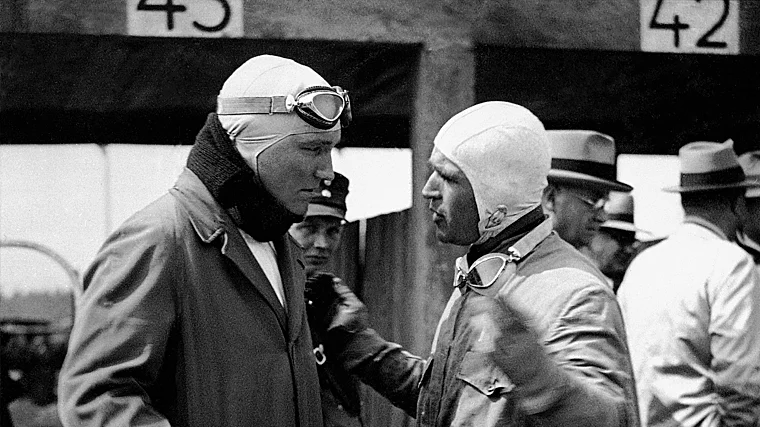
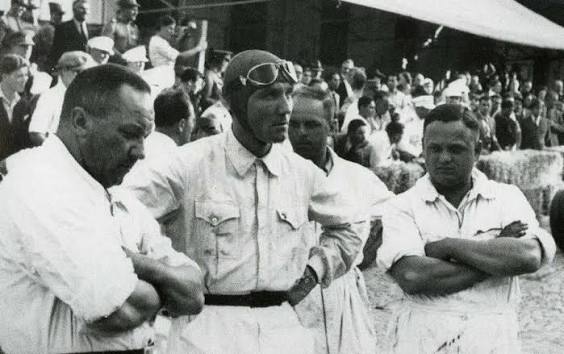
The dynamic within the Mercedes-Benz pit garage was often as volatile as the potent fuel mixtures in their carburettors. Neubauer presided over a notoriously tempestuous roster. Brauchitsch, with his refined upbringing and explosive driving style, frequently found himself caught in the crossfire of inter-team warfare, particularly with the fiery Italian Luigi Fagioli. The tension peaked during the 1935 Belgian Grand Prix at Spa-Francorchamps. A furious Fagioli, screaming at Neubauer and wildly gesticulating about team orders favouring Caracciola, simply abandoned his W25B in the pitlane midway through the race. Without hesitation, Neubauer ordered the ever-compliant Brauchitsch to vault into the cockpit of the still-ticking machine, and the German dutifully wrestled the abandoned silver beast home to second place behind Caracciola. Through all the paddock chaos, Brauchitsch maintained a charming, quiet demeanour off the track; he was famously fastidious about his tailoring, walking through the oil-stained, chaotic pits looking more like a cinematic leading man than someone who had just spent three hours surviving a lethal machine.
The outbreak of the Second World War abruptly severed Brauchitsch’s racing career while he was still at the height of his powers. In 1939, as the global conflict loomed, he narrowly missed out on victory at the Belgrade Grand Prix; pushing relentlessly in a desperate pursuit, he spun his car and ultimately finished second. Unlike many of his contemporaries, he survived the wartime devastation, though the post-war world left him philosophically and professionally adrift. Unable to find his footing in West Germany, he controversially defected to East Germany in the 1950s, a Prussian nobleman navigating the austere realities of a communist state. He remained deeply involved in national sports administration and was later honoured with the Olympic Order by the IOC in 1988 for his administrative contributions.
When Manfred von Brauchitsch finally passed away in Gräfenwarth on 5 February 2003, at the formidable age of 97, the world lost the final living titan of the 1930s Grand Prix era. He left behind a legacy forged across 45 grand prix race appearances over six glorious seasons. His era was defined by blinding speed, spectacular mechanical failures, and an aristocratic swagger that modern motorsport will never witness again.
The deafening, mechanical shriek of a Roots-type supercharger echoing off the sun-baked stone facades of Monte Carlo is a sound long lost to history, but on 8 August 1937, it provided the soundtrack to a display of pure, unadulterated physical violence. Behind the large, cord-wrapped steering wheel of the monstrous Mercedes-Benz W125 sat Manfred von Brauchitsch, wrestling a primitive, flex-prone chassis housing a 5.6-litre (341 cu in) straight-eight engine that produced a terrifying 646 brake horsepower. The sheer brutality of piloting such an overpowered, under-tyred machine around the claustrophobic 3.180 km (1.97 miles) street circuit demanded the stamina of a prizefighter. Brauchitsch, his face blackened by oil spray and brake dust, muscled his car through the 100-lap ordeal to claim a legendary victory, setting a blistering lap record of 1 minute 46.5 seconds. That mark obliterated the old record by nearly 12 seconds and would stand undefeated for 18 years. It was a career-defining triumph for a man who epitomised the raw, terrifying romance of the pre-war Grand Prix era.
Born into Prussian nobility on 15 August 1905 in Hamburg, Manfred Georg Rudolf von Brauchitsch was widely expected to follow his family’s esteemed military tradition. Yet, the immaculately dressed aristocrat was captivated not by the cavalry, but by the intoxicating scent of castor oil and the roar of internal combustion. His breakthrough on the international stage arrived at the high-speed 1932 Avusrennen in Berlin. Operating as an independent privateer against heavily backed works teams, Brauchitsch procured a Mercedes-Benz SSKL and, displaying an early flash of engineering intuition, fitted it with a bespoke, cigar-shaped, streamlined aluminium body. Pushing his aerodynamically superior beast to the absolute limit on the banking, the young outsider claimed a sensational victory. Watching with a hawk’s gaze from the pit wall was Alfred Neubauer, the gargantuan and uncompromising racing manager for Mercedes-Benz. Recognising a raw, fearless talent, Neubauer immediately offered the young patrician a coveted factory drive.
His integration into the works team coincided perfectly with a seismic shift in motorsport history. At the Eifelrennen at the Nürburgring on 3 June 1934, Brauchitsch debuted the entirely new Mercedes-Benz W25. Legend dictates that the cars were stripped of their traditional German racing white paint to meet the strict 750 kg (1653 lbs) maximum weight formula, leaving bare, polished aluminium. The unpainted metal sparkled under the Eifel mountains’ sun, inadvertently giving birth to the legend of the “Silver Arrows”. Brauchitsch dominated the punishing 22.810 km (14.17 miles) Nordschleife, securing the maiden victory for the W25 and cementing Mercedes-Benz’s technological supremacy on the world stage. He would later add another crown jewel to his resumé by winning the exceptionally fast 1938 French Grand Prix at the triangular Reims-Gueux circuit, holding the throttle flat-out through the sweeping Champagne countryside.
Despite his undeniable speed, the paddock came to know him affectionately—and sometimes mockingly—as “Der Pechvogel”, or the “Unlucky Bird”. The moniker was only partially accurate; his misfortune was frequently a direct byproduct of his own ruthlessly heavy right foot. While his great teammate and rival, the silky-smooth Regenmeister Rudolf Caracciola, coaxed his machinery gently to the finish line, Brauchitsch drove with a red-mist fury. He would flog his fragile supercharged engines to the point of mechanical detonation or shred his canvas cross-ply tyres down to the bare cords when victory was mere kilometres away. He was a visceral driver, utterly reliant on his fast-twitch reflexes, treating the accelerator pedal as an on-off switch in an era when cars possessed nonexistent aerodynamic downforce.
The dynamic within the Mercedes-Benz pit garage was often as volatile as the potent fuel mixtures in their carburettors. Neubauer presided over a notoriously tempestuous roster. Brauchitsch, with his refined upbringing and explosive driving style, frequently found himself caught in the crossfire of inter-team warfare, particularly with the fiery Italian Luigi Fagioli. The tension peaked during the 1935 Belgian Grand Prix at Spa-Francorchamps. A furious Fagioli, screaming at Neubauer and wildly gesticulating about team orders favouring Caracciola, simply abandoned his W25B in the pitlane midway through the race. Without hesitation, Neubauer ordered the ever-compliant Brauchitsch to vault into the cockpit of the still-ticking machine, and the German dutifully wrestled the abandoned silver beast home to second place behind Caracciola. Through all the paddock chaos, Brauchitsch maintained a charming, quiet demeanour off the track; he was famously fastidious about his tailoring, walking through the oil-stained, chaotic pits looking more like a cinematic leading man than someone who had just spent three hours surviving a lethal machine.
The outbreak of the Second World War abruptly severed Brauchitsch’s racing career while he was still at the height of his powers. In 1939, as the global conflict loomed, he narrowly missed out on victory at the Belgrade Grand Prix; pushing relentlessly in a desperate pursuit, he spun his car and ultimately finished second. Unlike many of his contemporaries, he survived the wartime devastation, though the post-war world left him philosophically and professionally adrift. Unable to find his footing in West Germany, he controversially defected to East Germany in the 1950s, a Prussian nobleman navigating the austere realities of a communist state. He remained deeply involved in national sports administration and was later honoured with the Olympic Order by the IOC in 1988 for his administrative contributions.
When Manfred von Brauchitsch finally passed away in Gräfenwarth on 5 February 2003, at the formidable age of 97, the world lost the final living titan of the 1930s Grand Prix era. He left behind a legacy forged across 45 grand prix race appearances over six glorious seasons. His era was defined by blinding speed, spectacular mechanical failures, and an aristocratic swagger that modern motorsport will never witness again.