
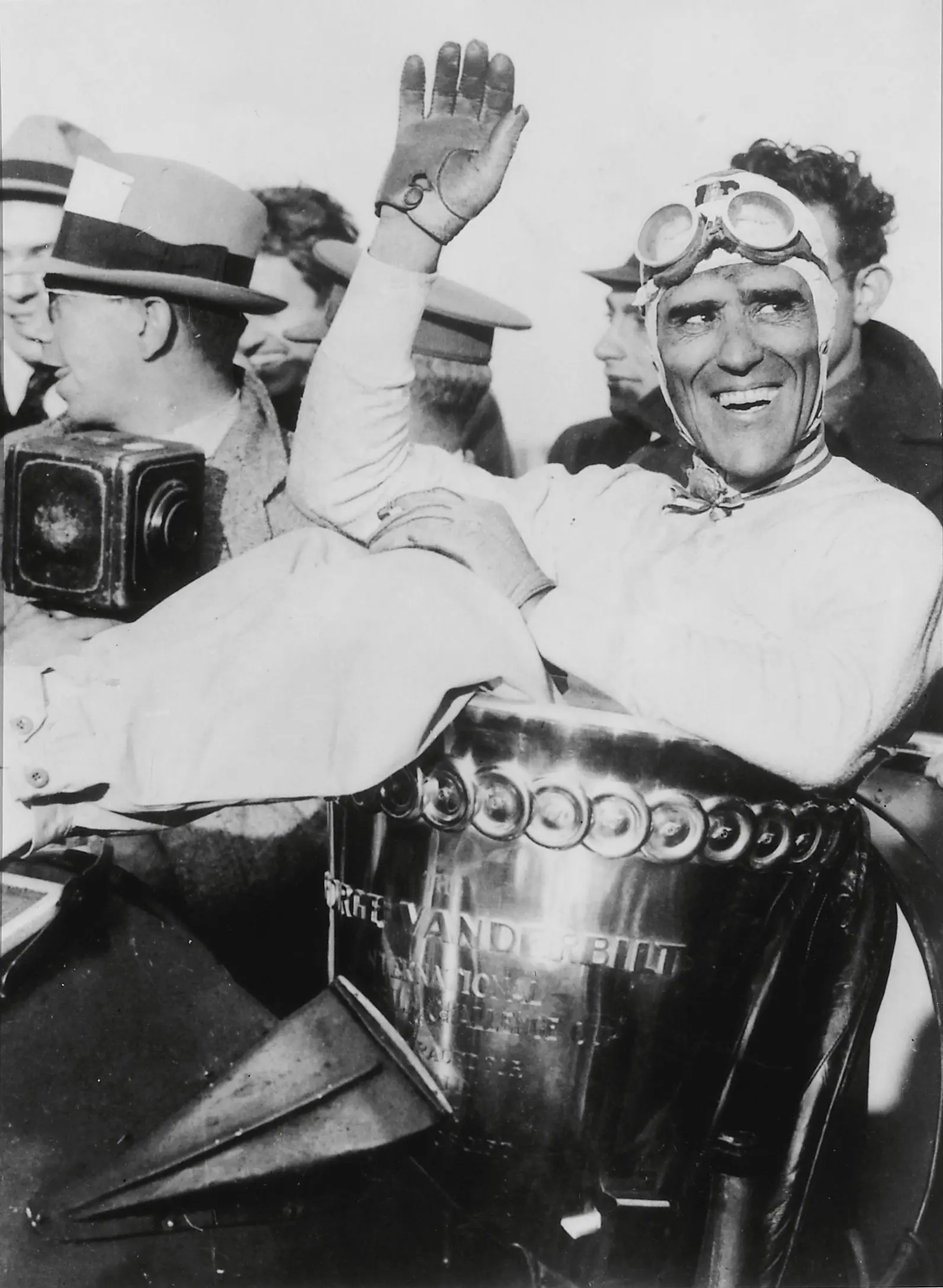
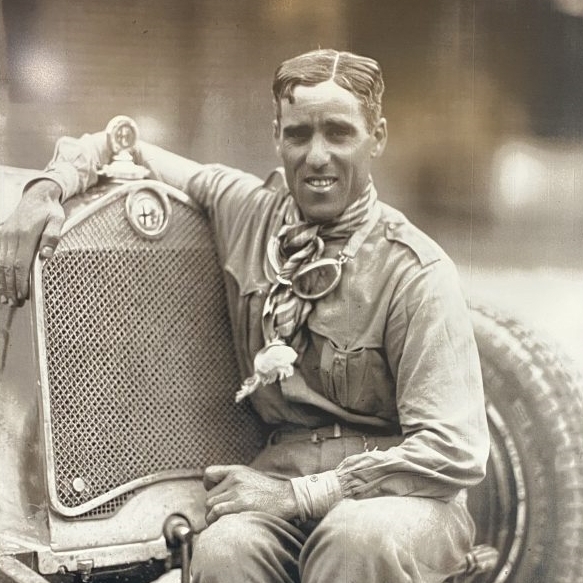
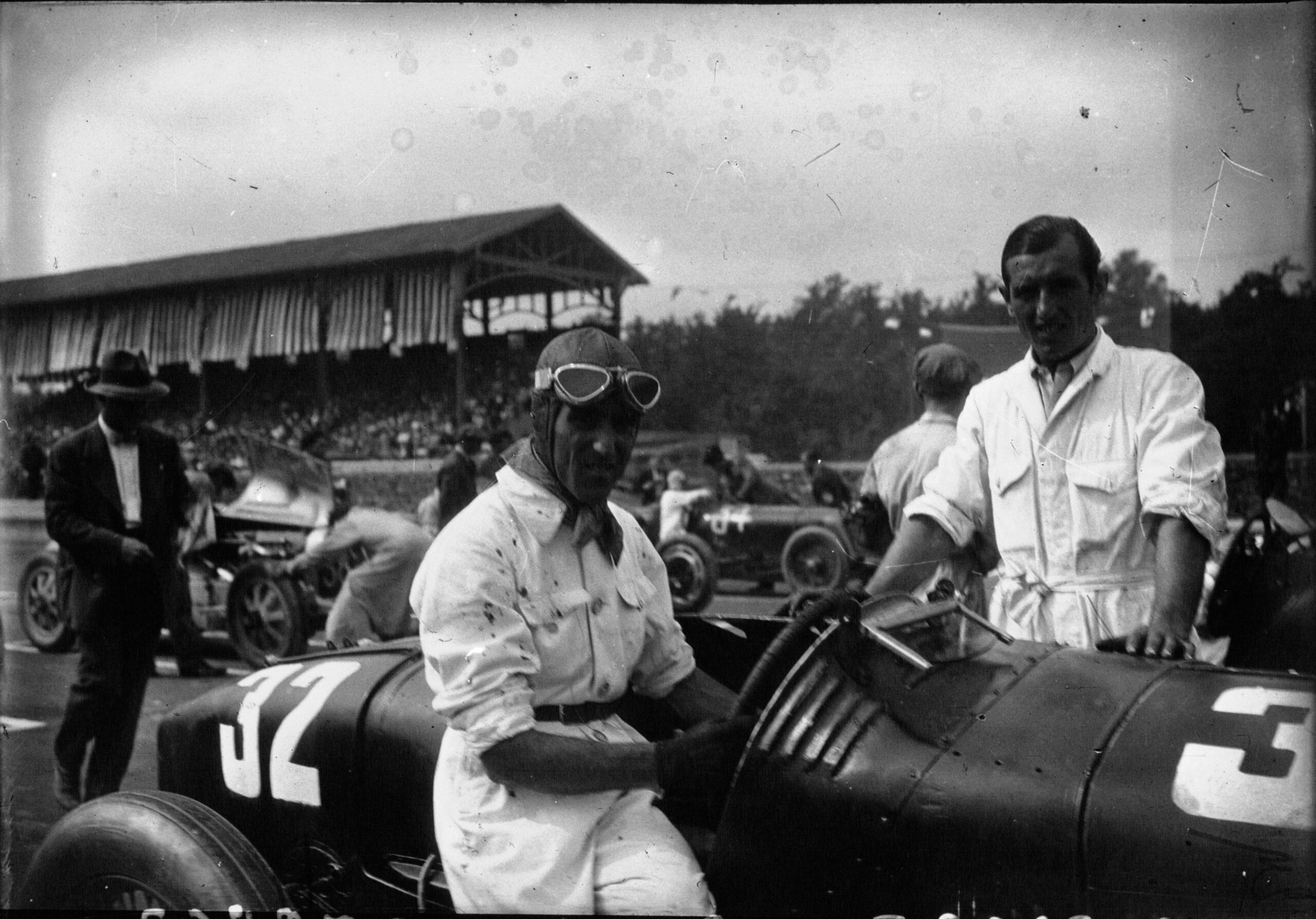
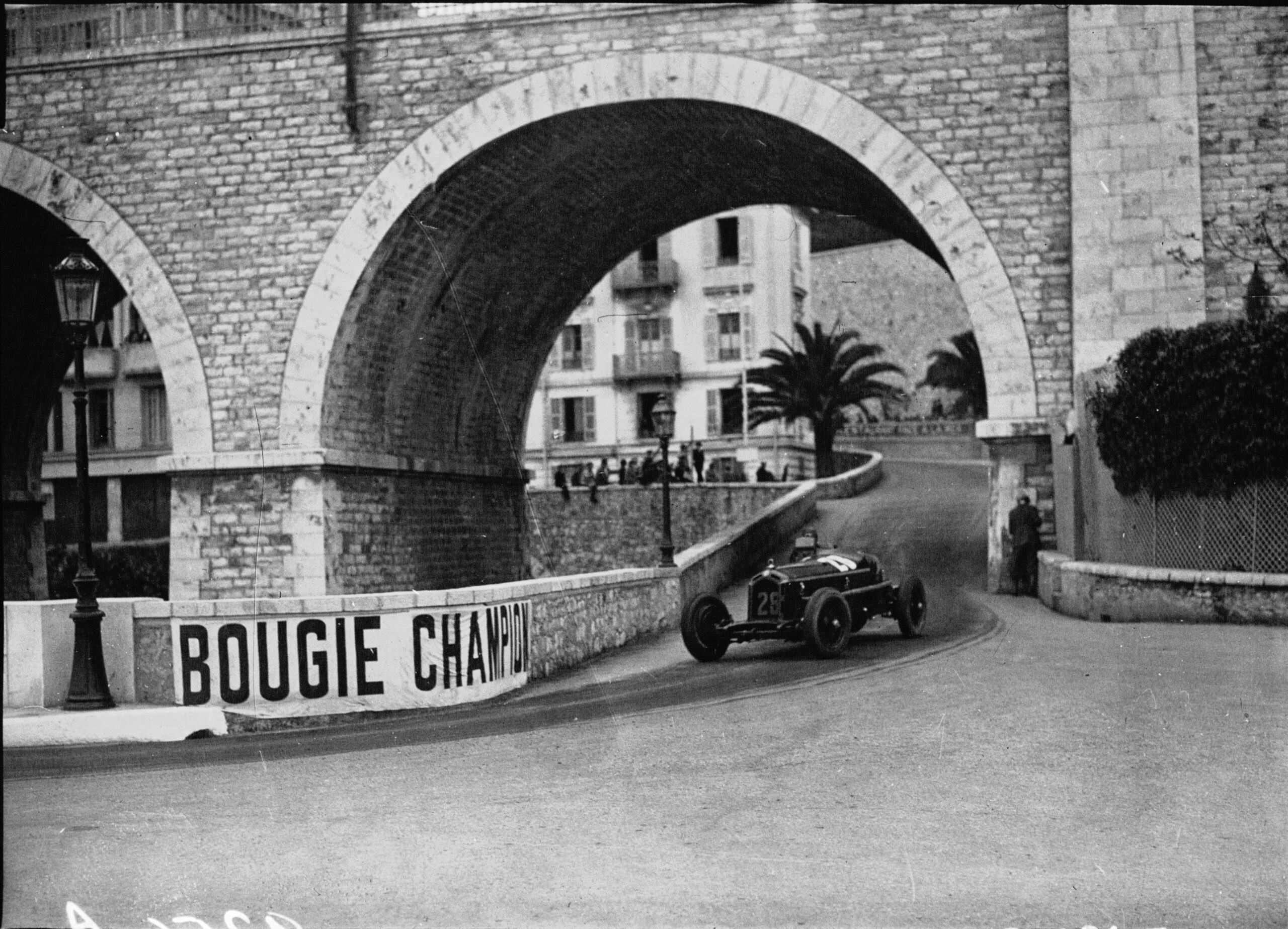
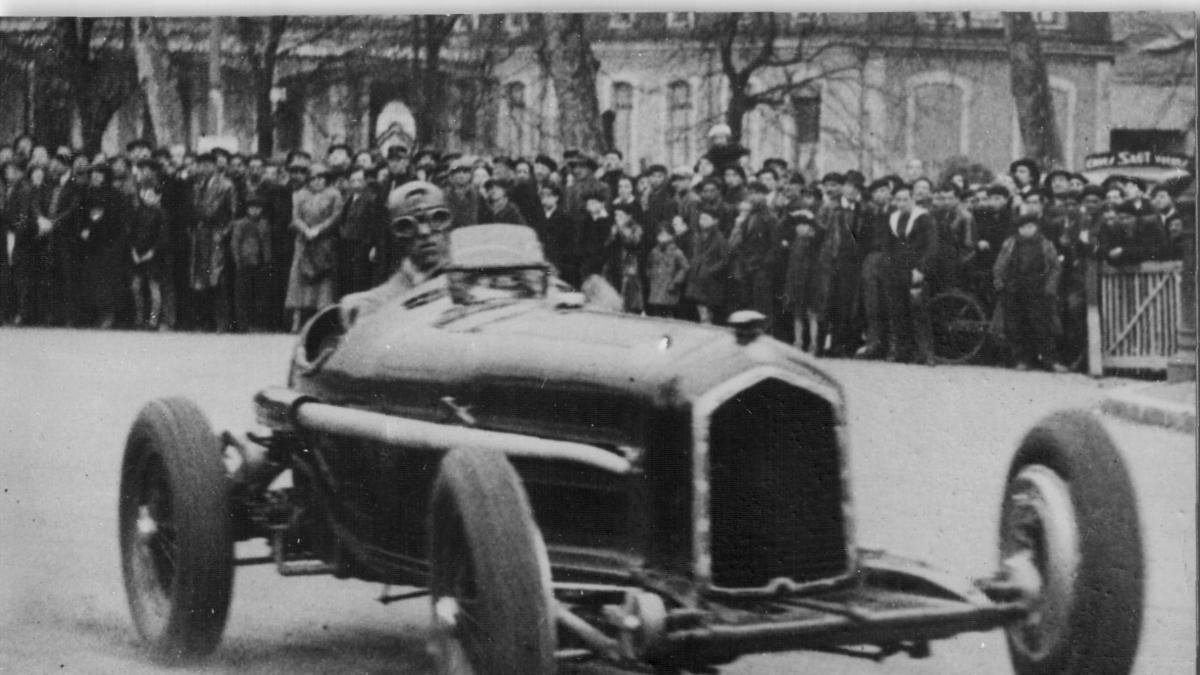
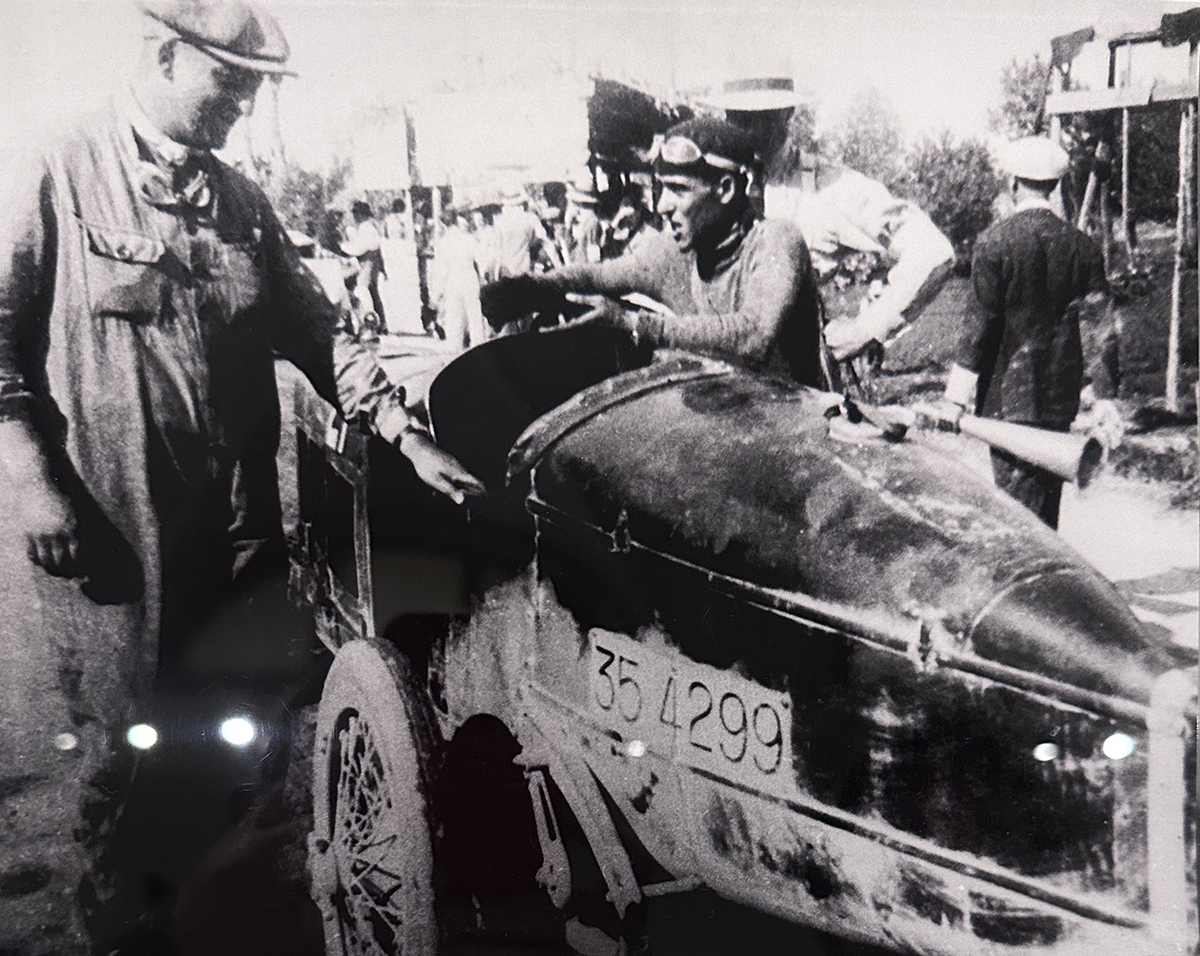
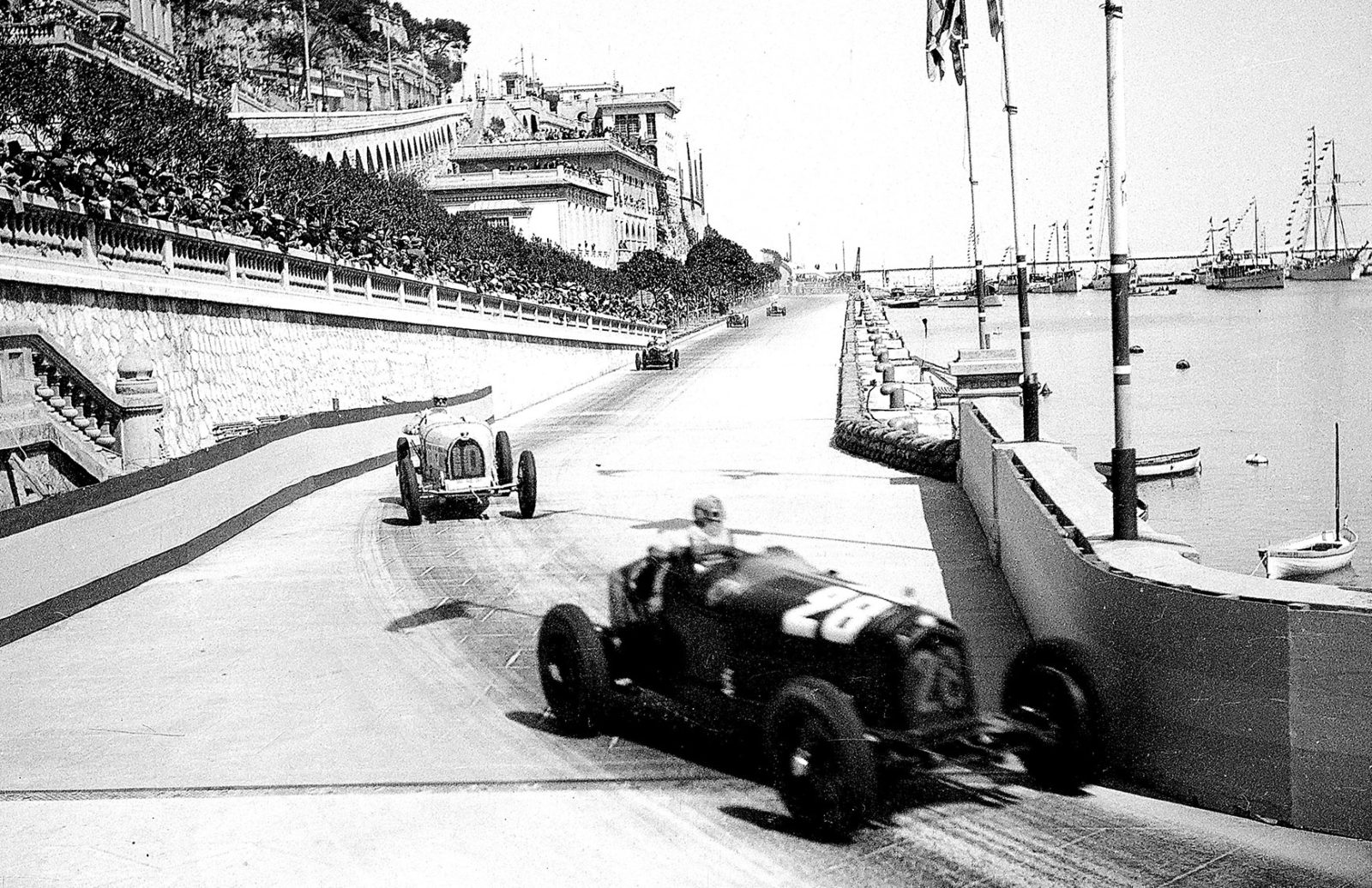
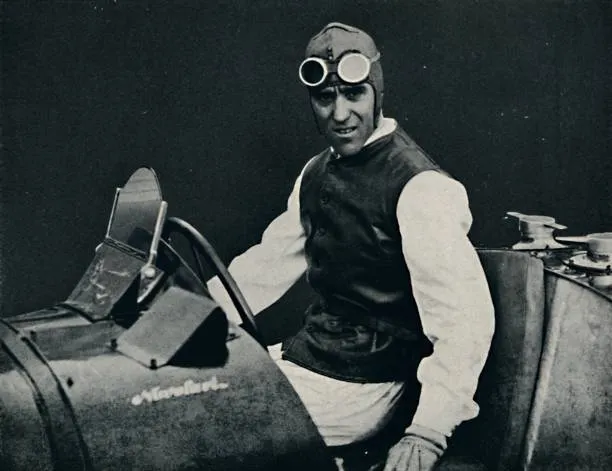
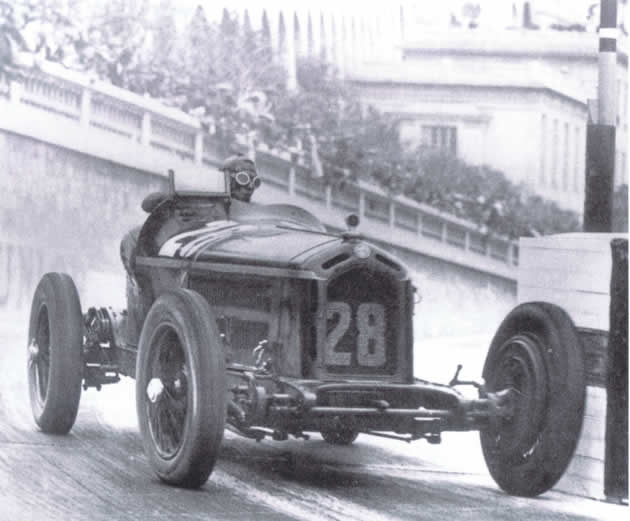
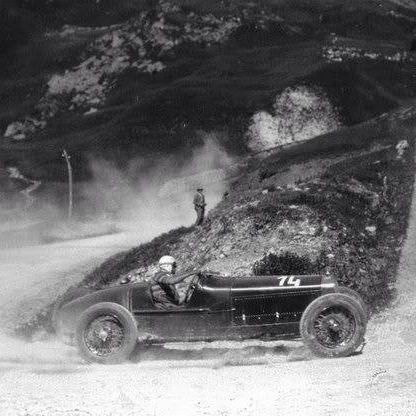
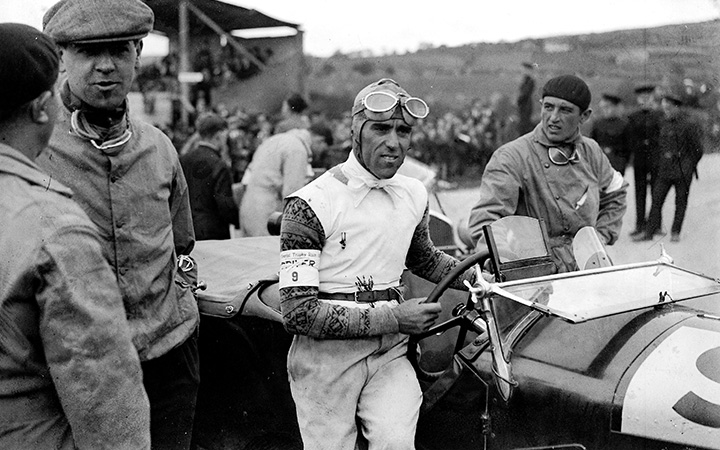
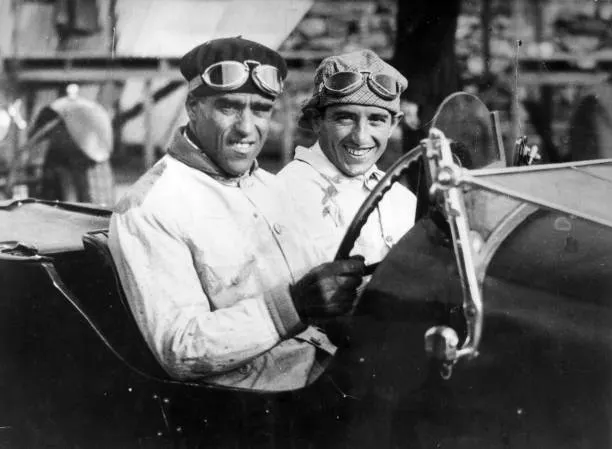
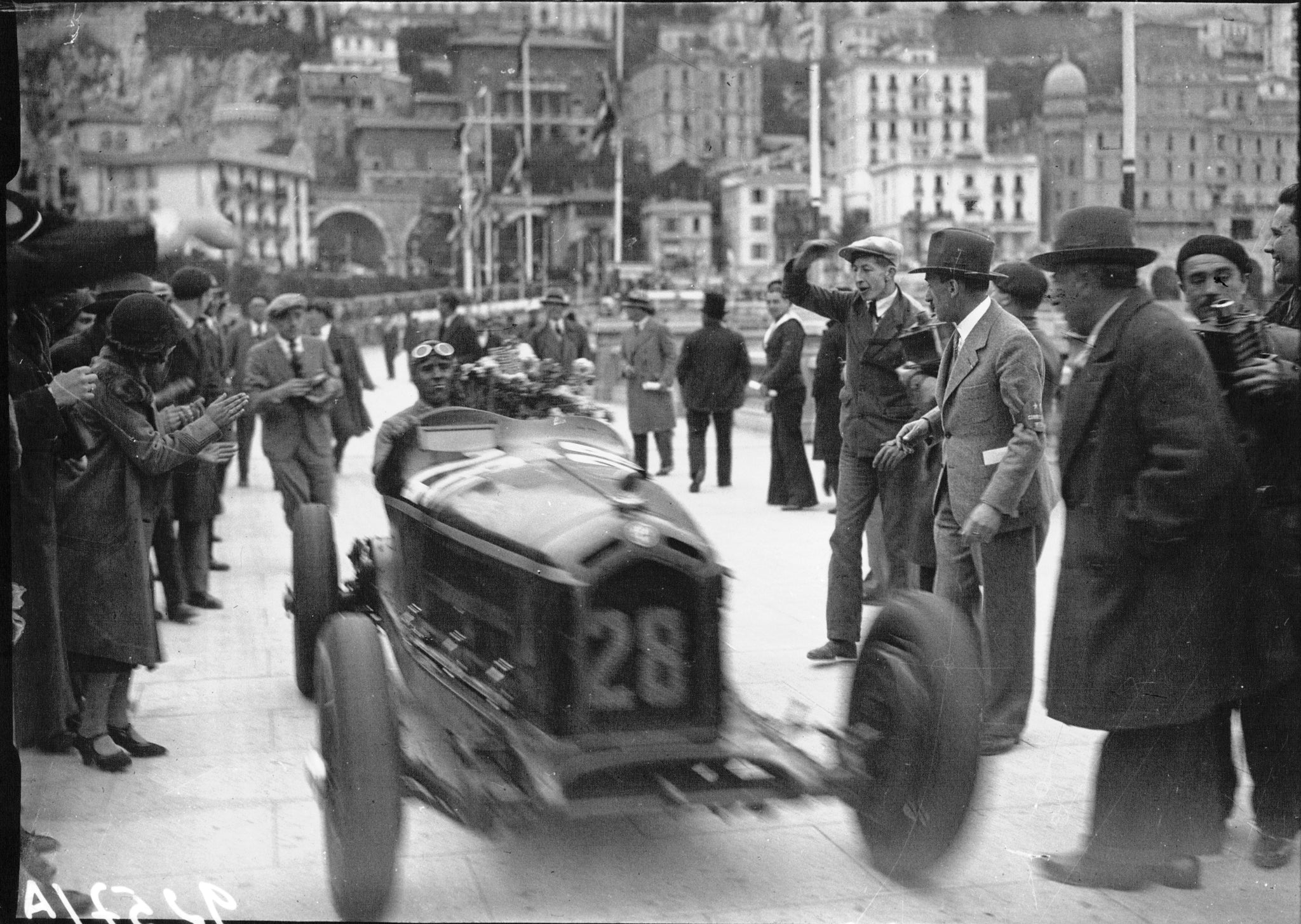
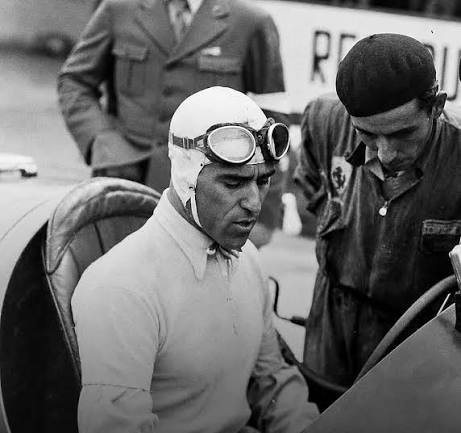
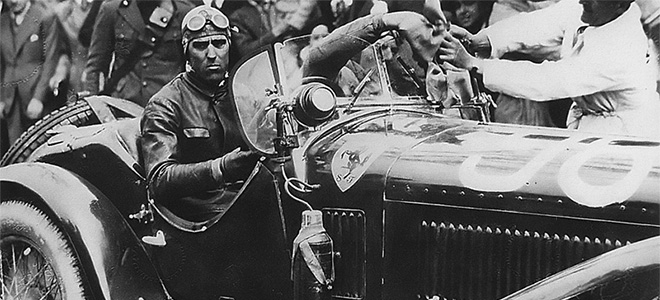
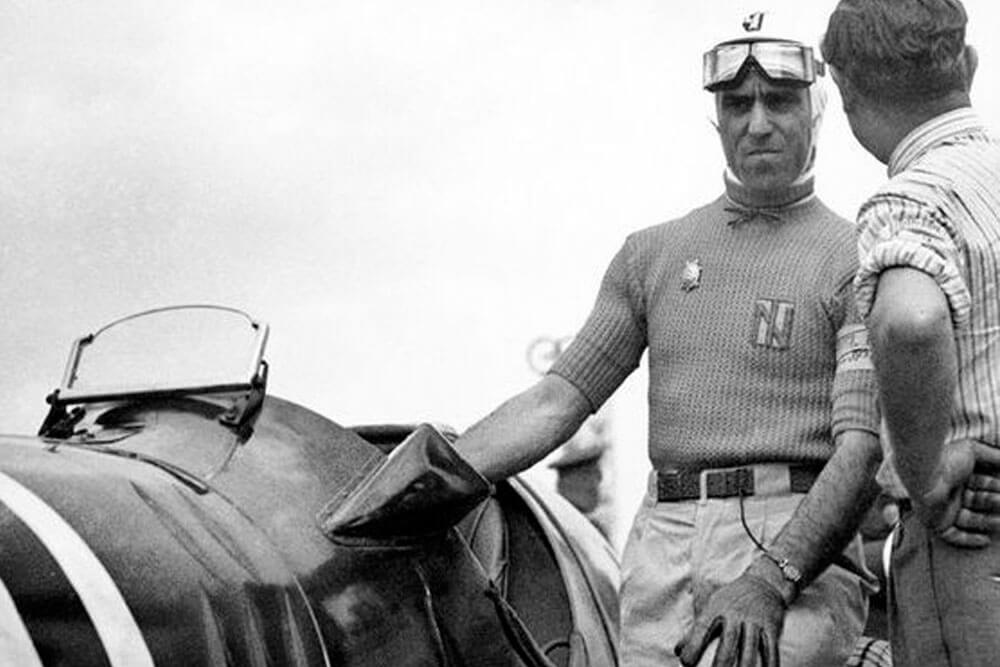
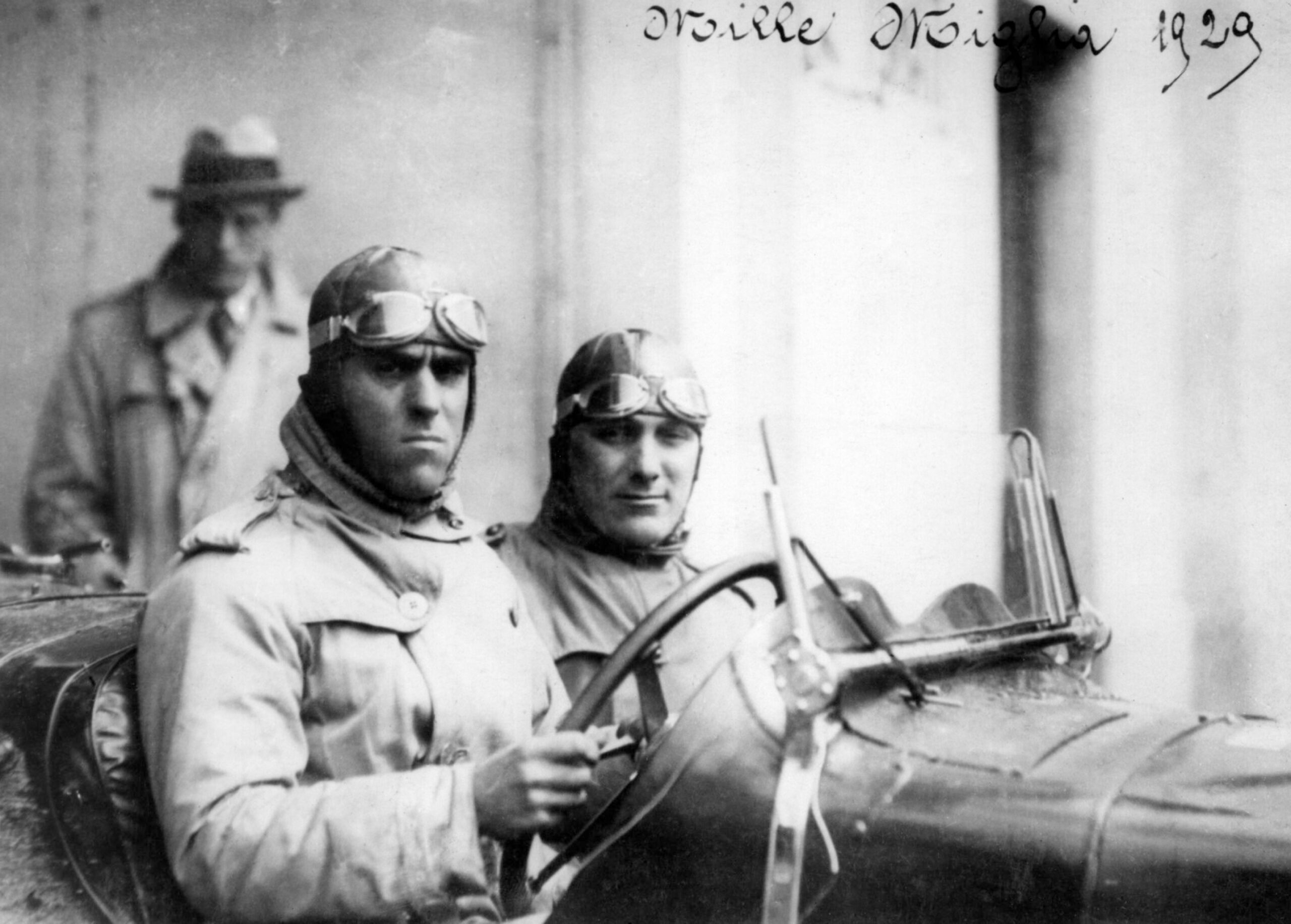
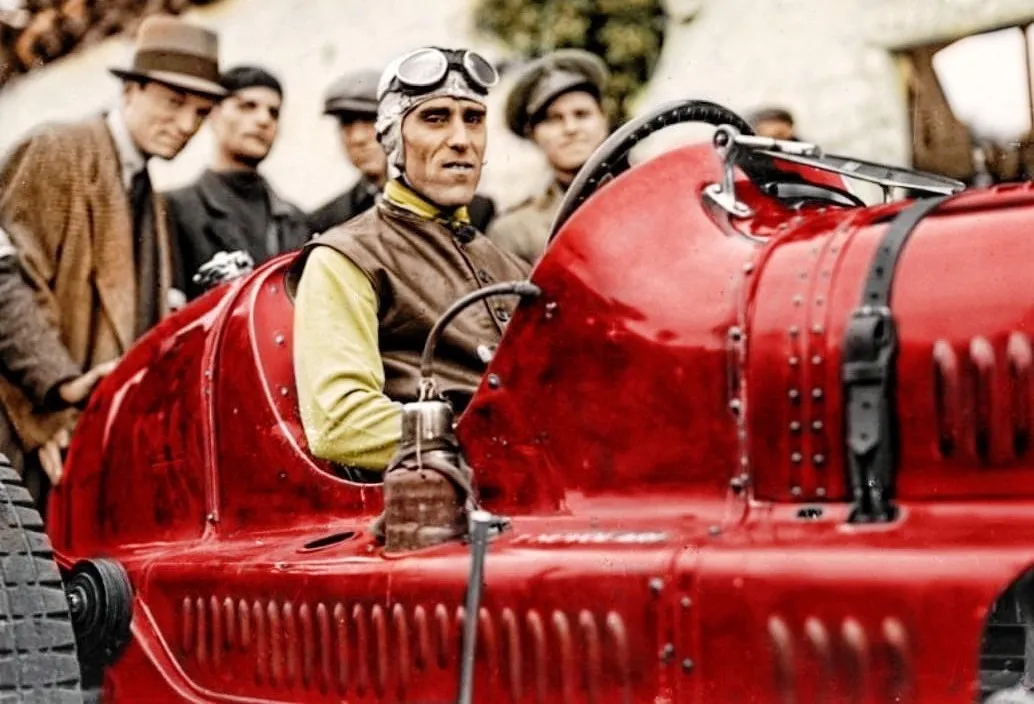
Just after 5 a.m. on 13 April 1930, the silent shadows beside Lake Garda were violently shattered by the raspy wail of a supercharged straight-six engine. Travelling at 150 km/h (93 mph) with its headlights entirely extinguished, an Alfa Romeo 6C 1750 Gran Sport Zagato spider scythed through the gloom. At the large steering wheel sat Tazio Nuvolari, alongside his riding mechanic and chief test driver, Gian Battista Guidotti. Ahead of them lay the sweeping roads to Brescia; just ahead of that lay their fierce rival, Achille Varzi. By driving completely blind in the dim half-light of early dawn, Nuvolari stalked Varzi, pulling off an audacious ambush to overtake his countryman before either realised what had transpired. That morning, he shattered the 100 km/h (62 mph) average speed barrier for the legendary Mille Miglia, recording a blistering 100.45 km/h (62.41 mph) and cementing his moniker as the “Flying Mantuan”.
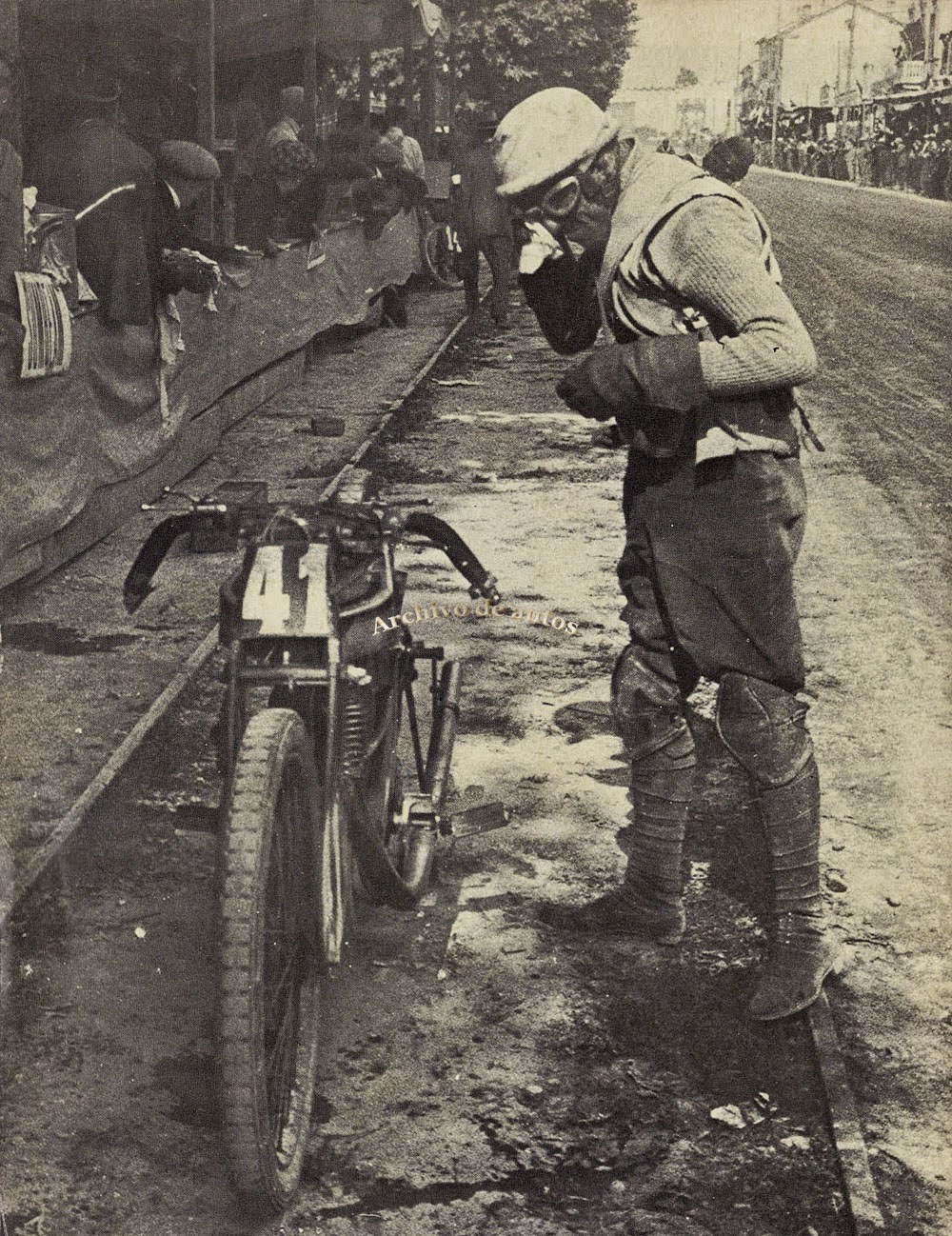
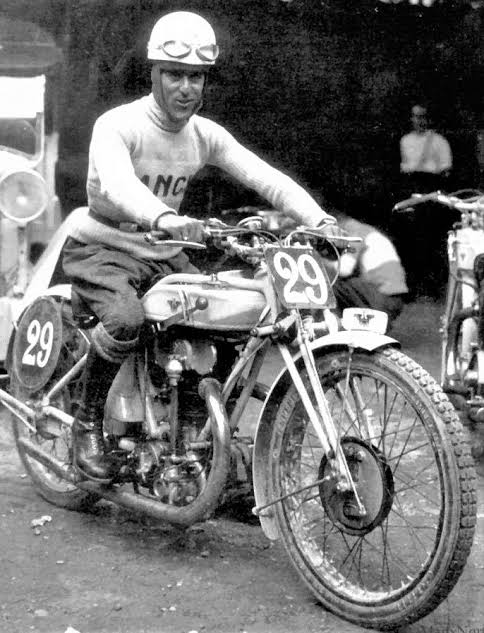
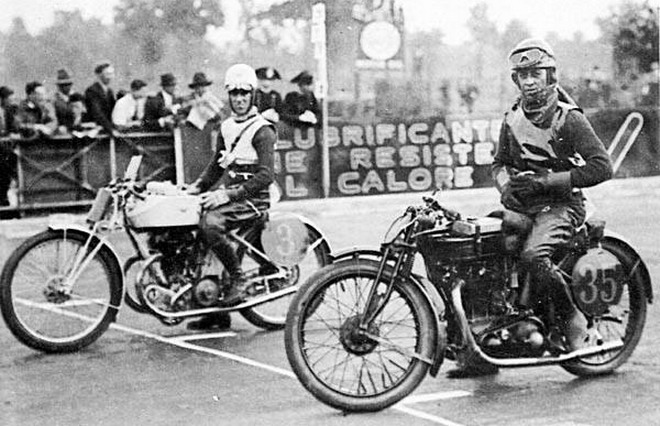
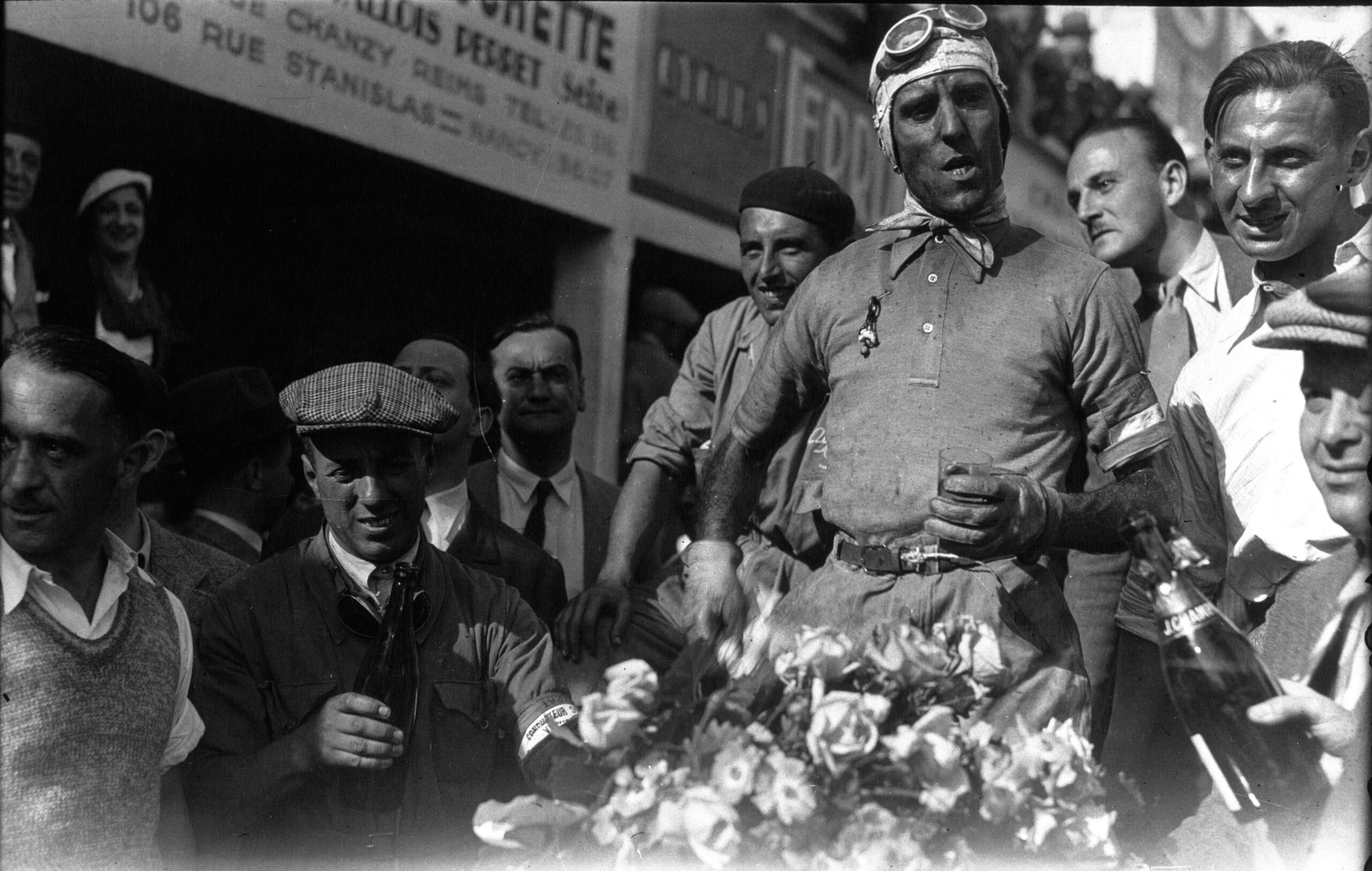
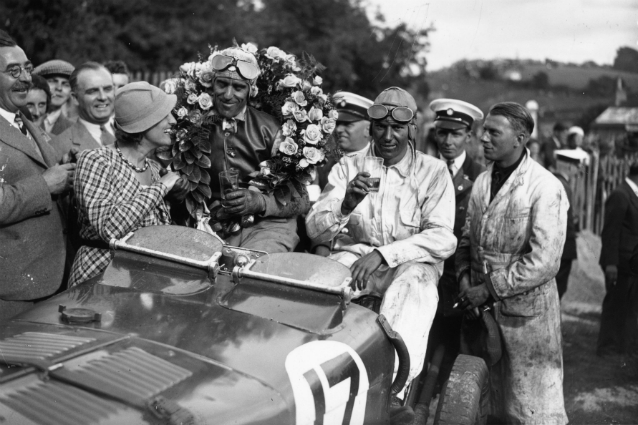
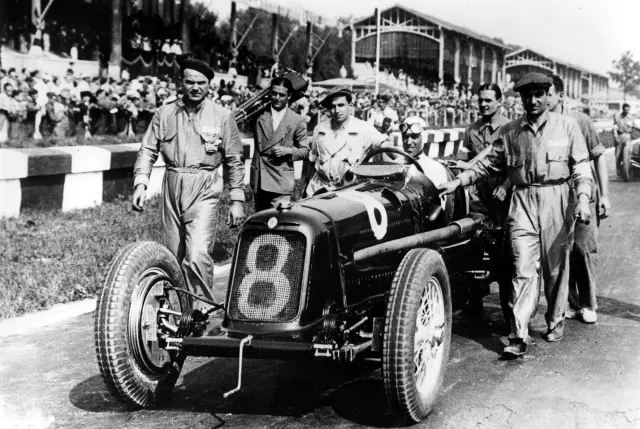
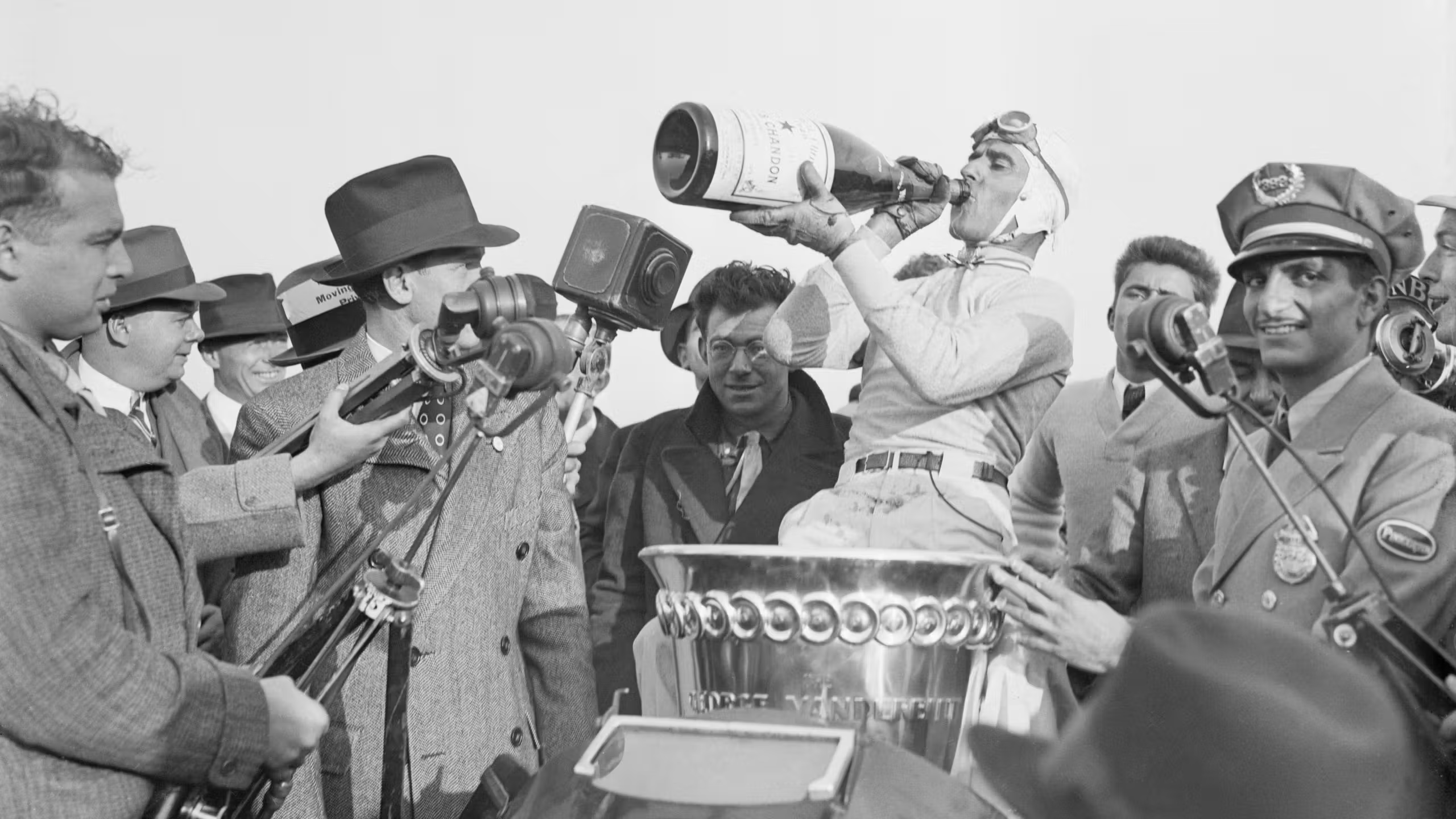
Born in Castel d’Ario, Mantua, Nuvolari’s competitive fury was initially unleashed on two wheels, carving a formidable reputation in motorcycle racing where physical bravery and a sublime sense of balance were absolute prerequisites. Even after transitioning to automobiles, his allegiance to the tactile savagery of riding never truly left him; when old motorcycling compatriots accused him of betraying their sport at the 1936 Italian Grand Prix, Nuvolari famously leapt onto two spare tyres held together, grinning, “Not true. I’m still on two wheels, look!“. He carried that precise, knife-edge technique into four-wheeled machines, dominating an era where motor racing was a brutally unforgiving blood sport. His ascent throughout the 1930s defined the golden era of endurance and Grand Prix racing. At the 1933 24 Hours of Le Mans, sharing a glorious Alfa Romeo 8C 2300 with Raymond Sommer, the duo fought a relentless campaign against the finest machinery of the era. Despite a severe fuel tank leak that forced Sommer to drive for fifteen gruelling hours while bathed in volatile fumes, Nuvolari took the wheel for the final stint, mercilessly hunting down Luigi Chinetti. When Chinetti missed a gearchange at Arnage corner, Nuvolari seized the lead, winning by a mere 401 metres (1315 ft) and setting a new distance record with an average speed exceeding 130 km/h (81 mph).
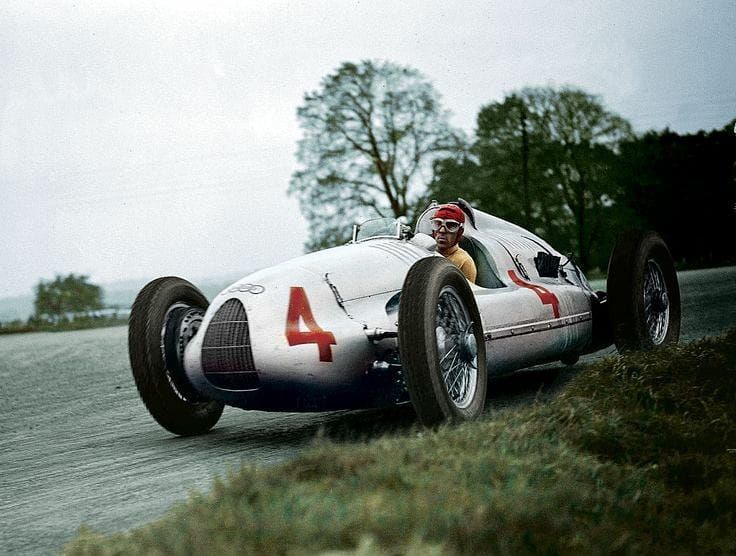
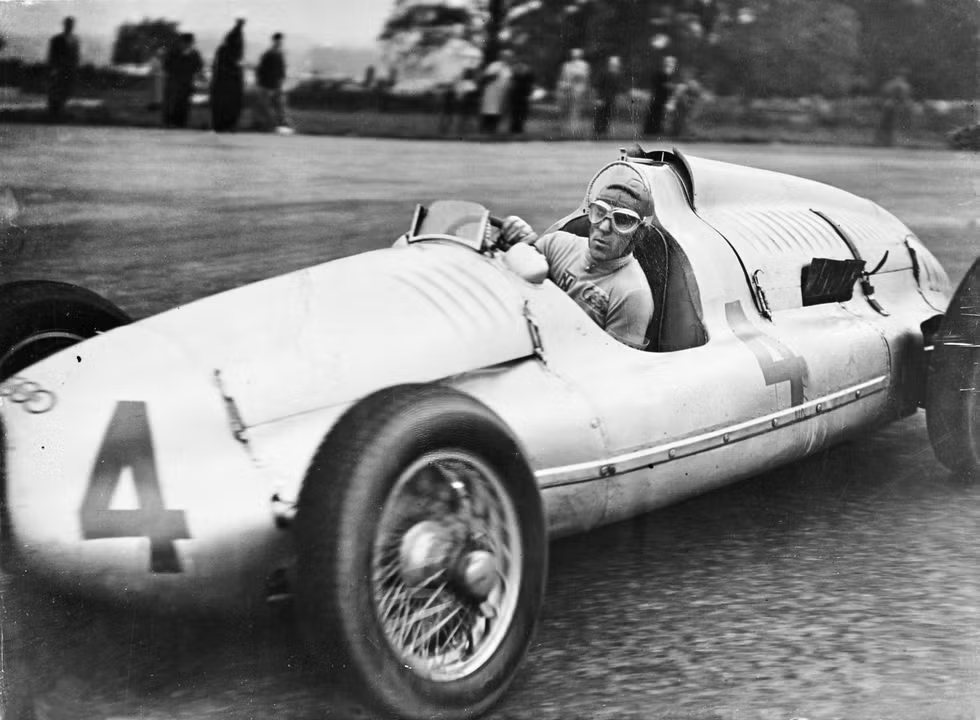
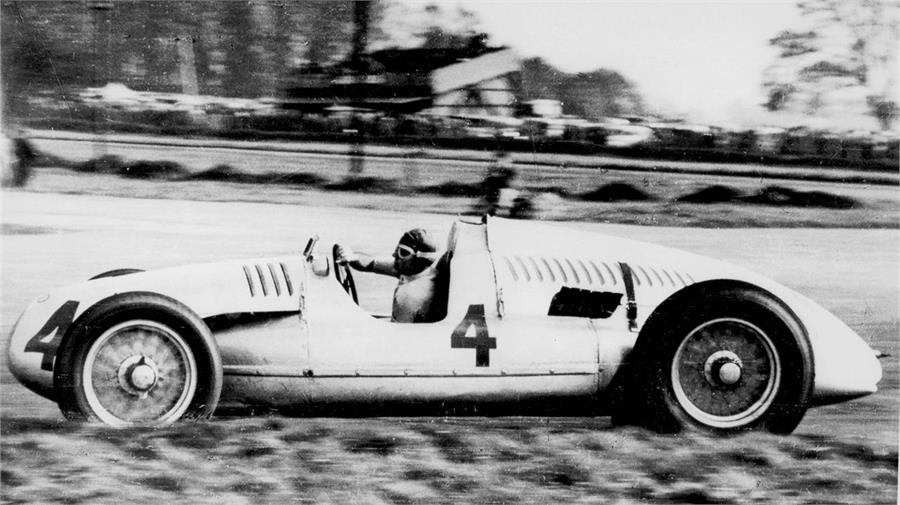
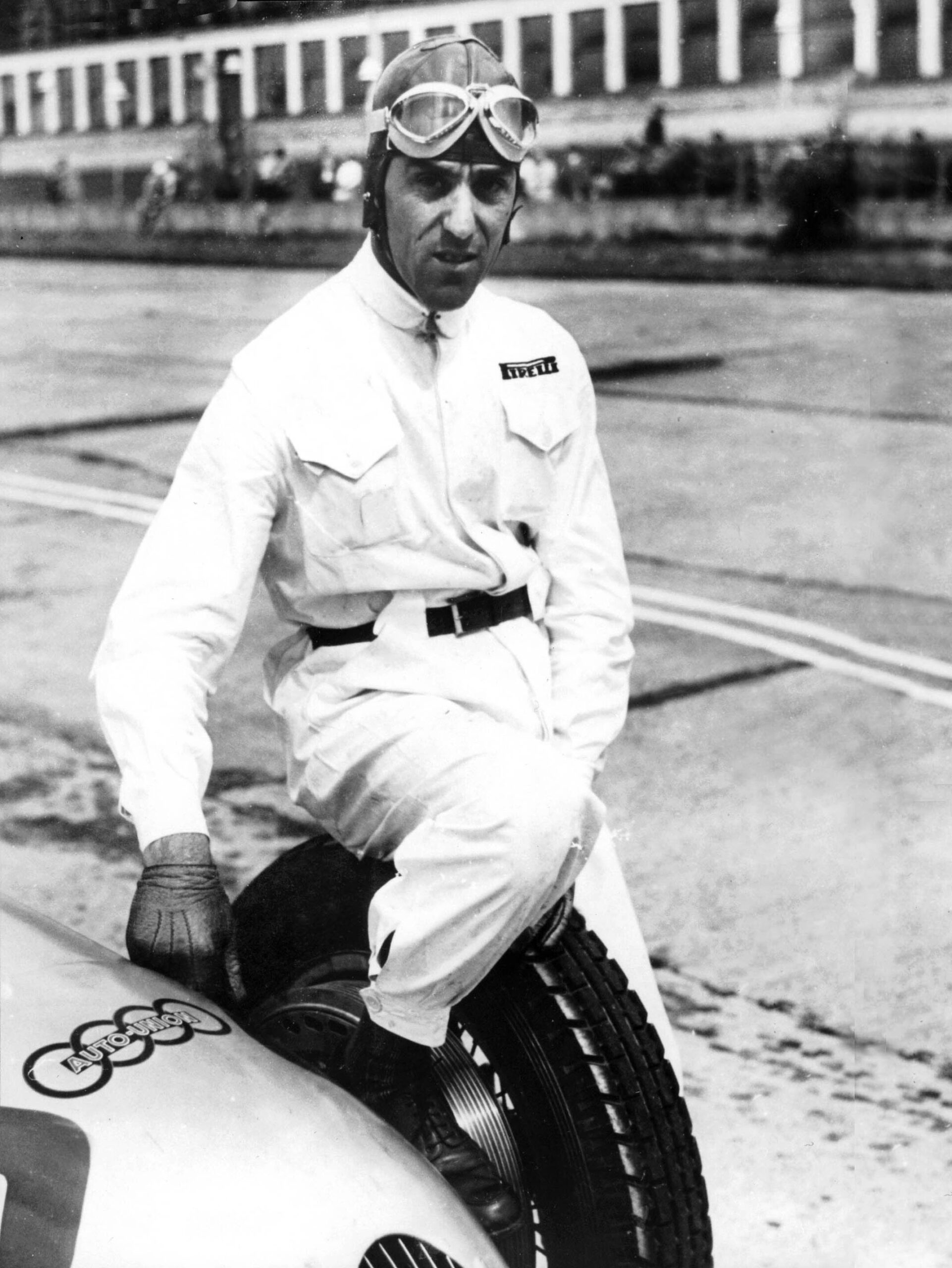
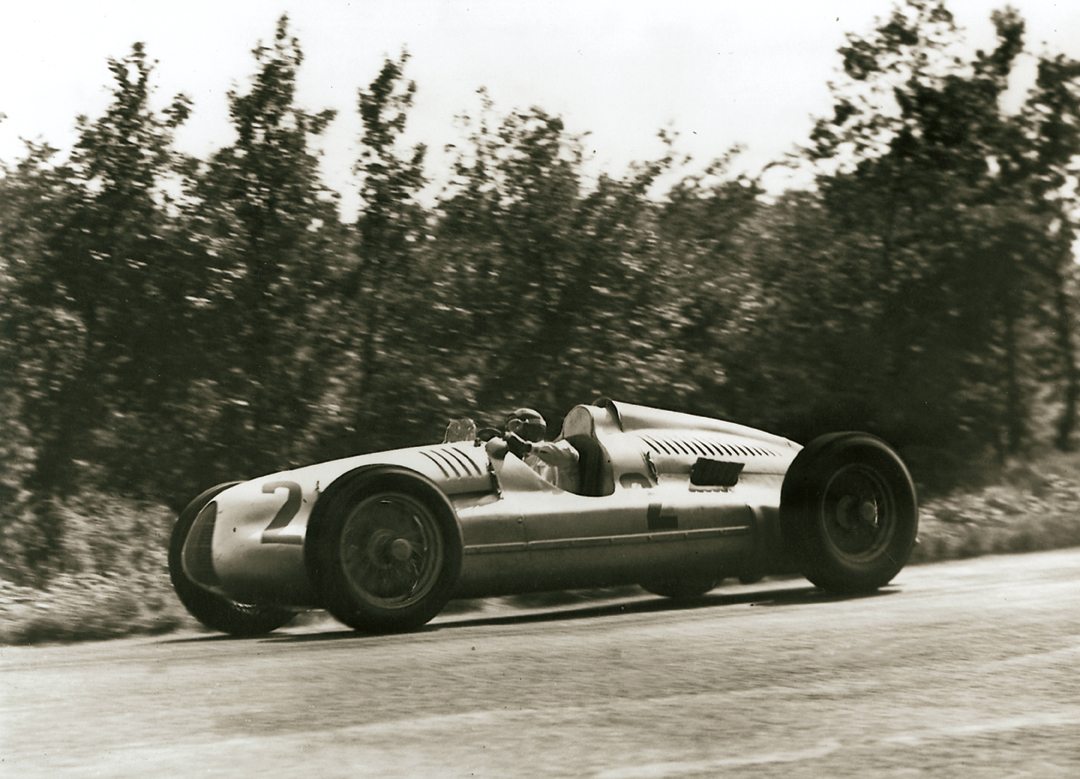
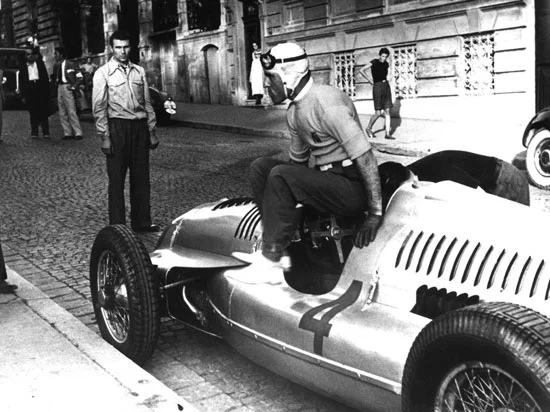
Yet, his absolute masterpiece was painted on the treacherous 22-kilometre (13.7 mi) Nürburgring Nordschleife during the 1935 German Grand Prix. The German state-backed Auto Union and Mercedes-Benz outfits, wielding titanic power and advanced chassis dynamics, were fully expected to obliterate the field on home soil. Nuvolari had initially sought a drive with Auto Union, but his old rival Varzi thwarted the move, forcing Italian dictator Benito Mussolini to personally intervene just to secure Nuvolari a seat with Alfa Romeo.
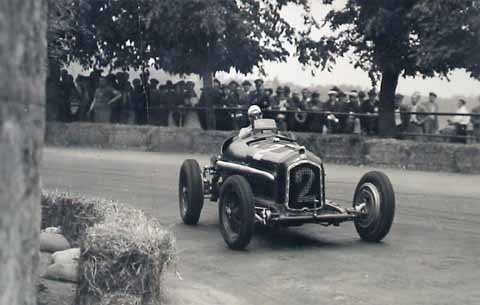
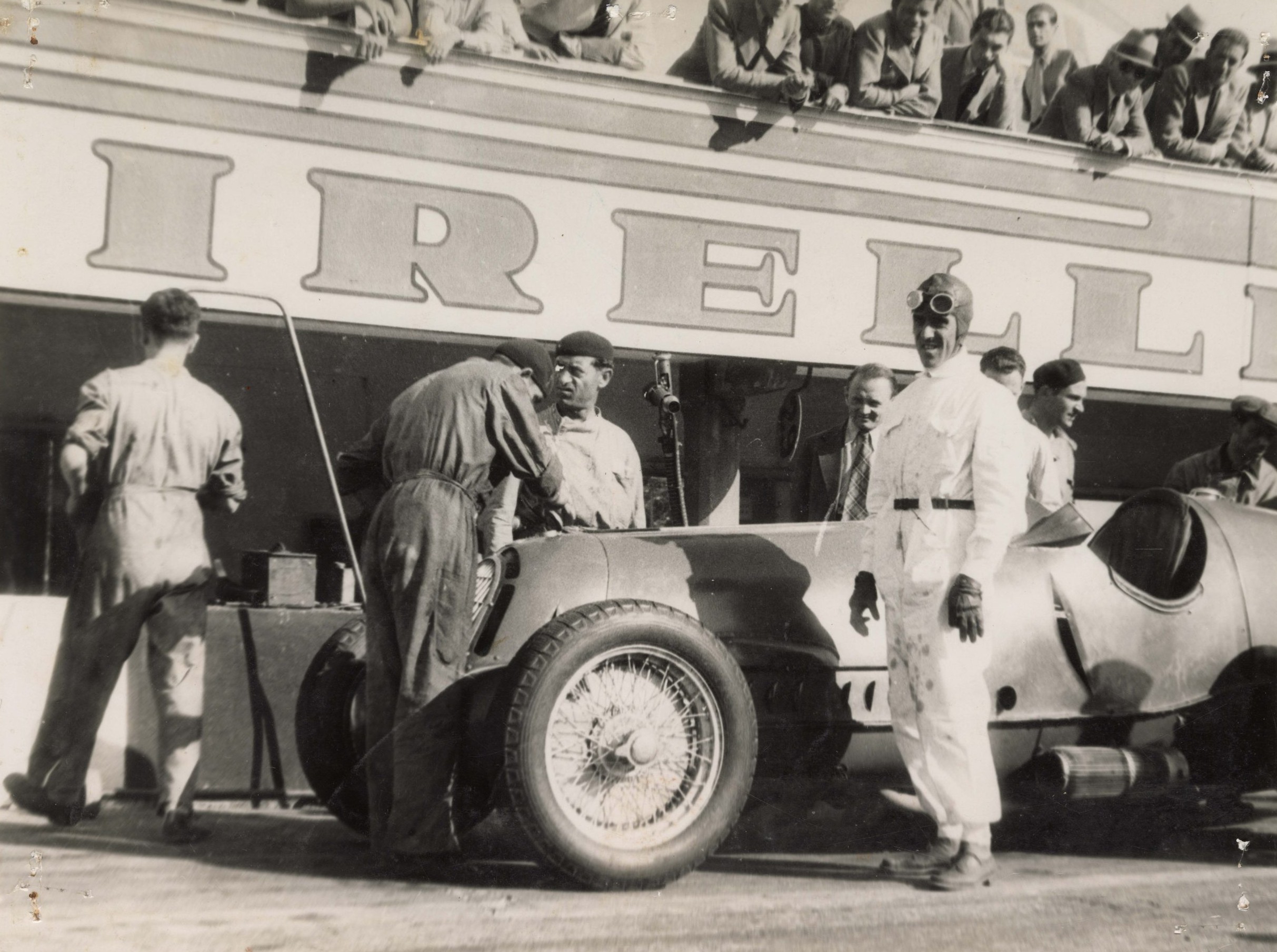
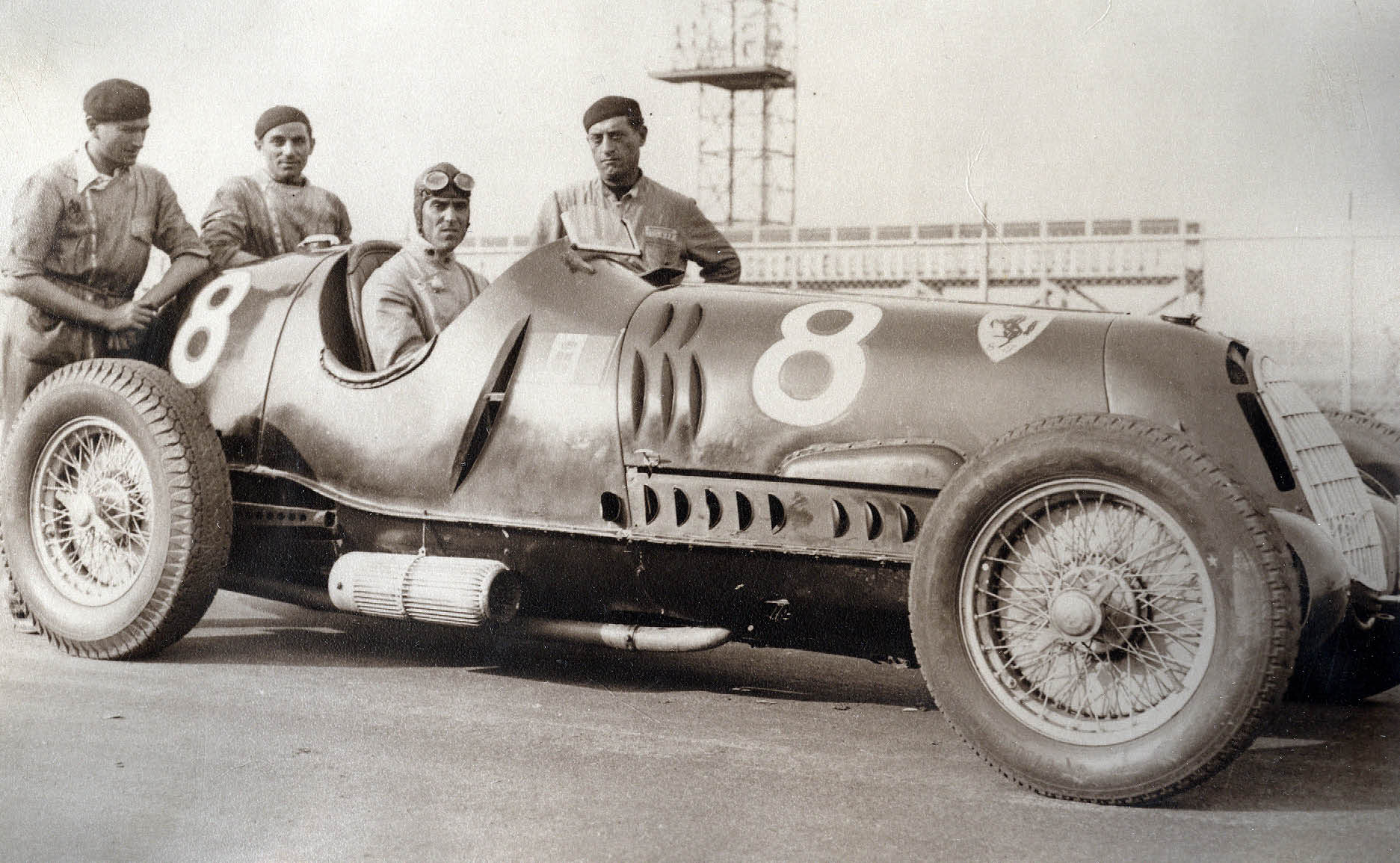
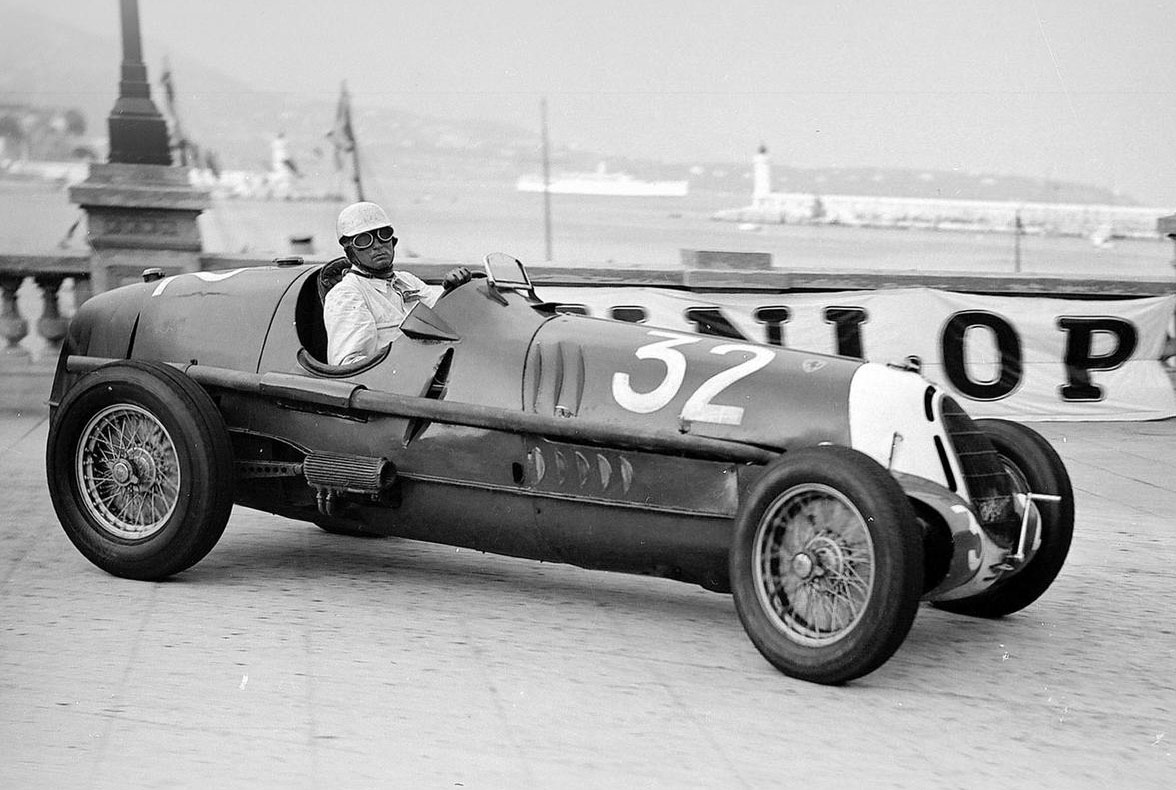
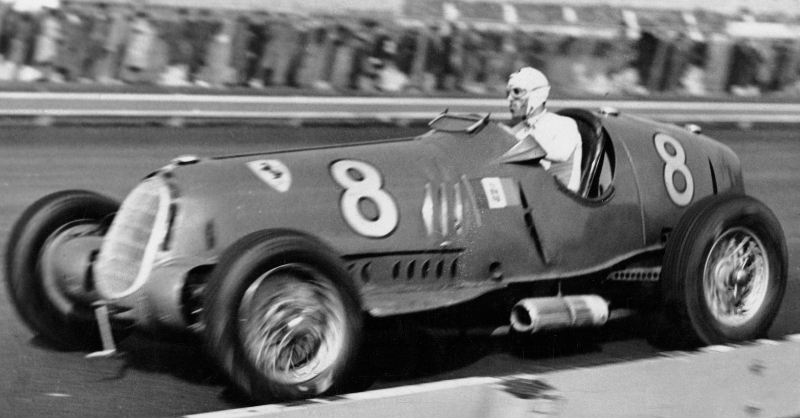
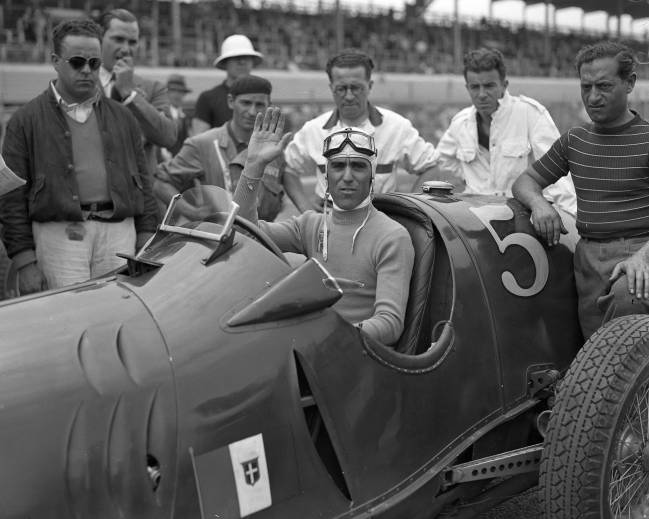
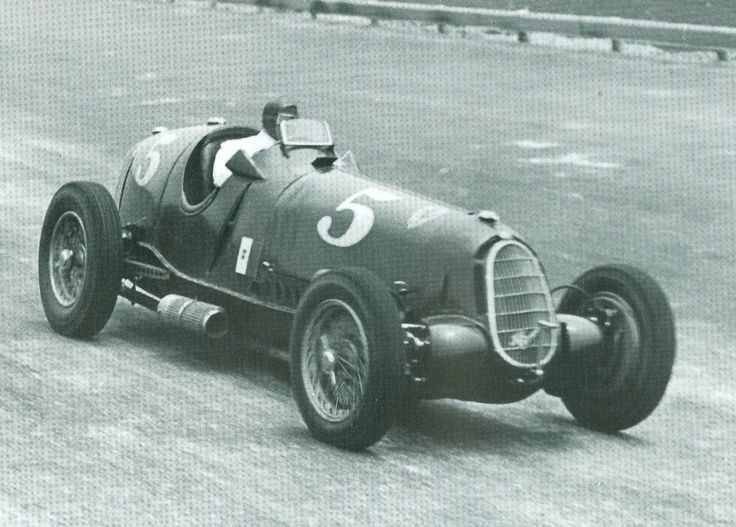
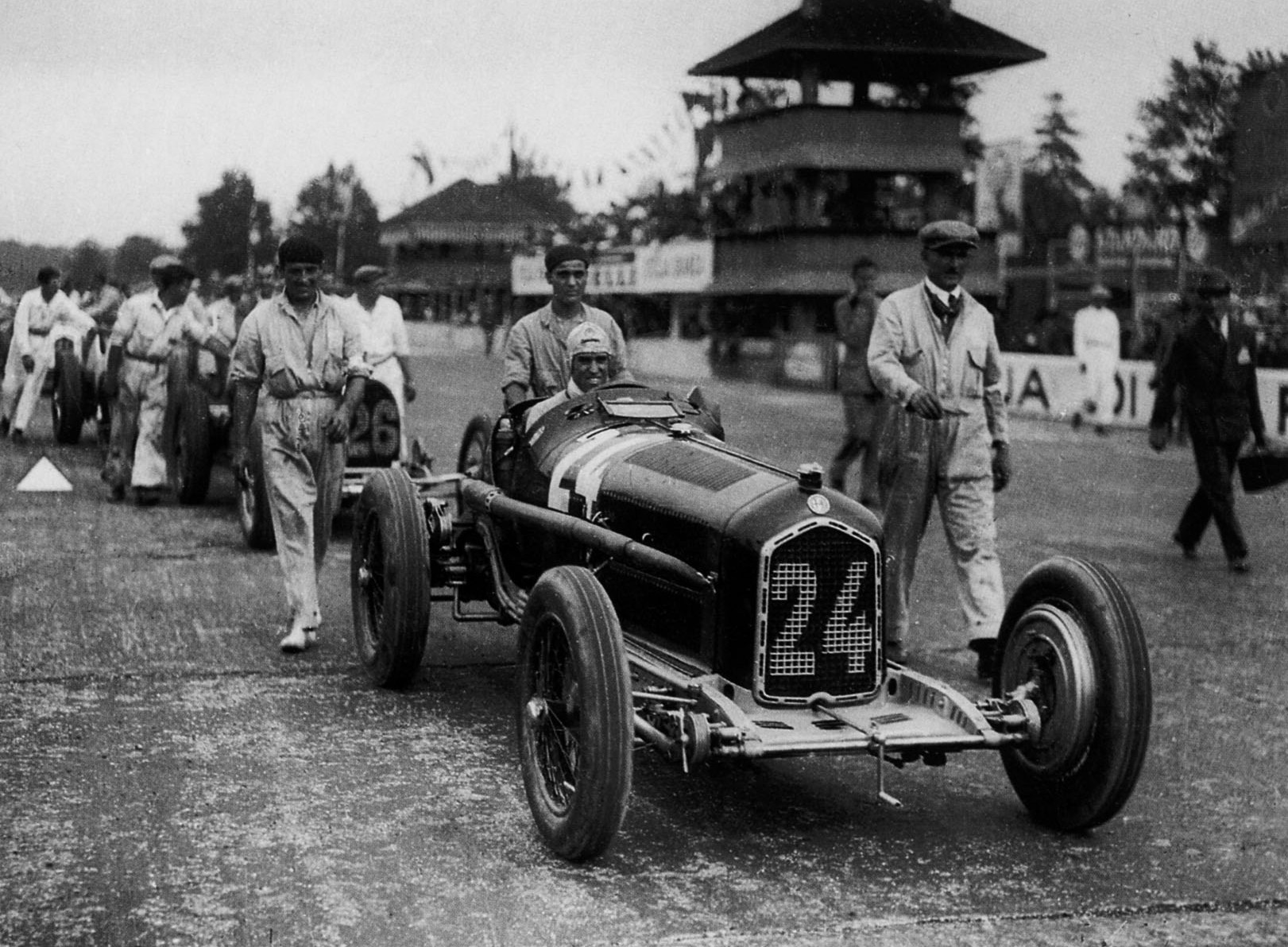
Scuderia Ferrari provided him with an antiquated Alfa Romeo P3. Its straight-eight engine, bored out to a 3.2-litre (195 cu in) capacity, produced a modest 265 bhp (197 kW) against the overwhelming 400-plus horsepower of the silver cars. In front of 300,000 expectant spectators, Nuvolari suffered a disastrous pit stop and a tyre puncture that dropped him far down the order. What followed was a drive of demonic intensity. Drifting the lightweight 680 kg (1500 lbs) machine to the absolute ragged edge of adhesion, he relentlessly hunted down the vastly superior Mercedes-Benz W25 of Manfred von Brauchitsch, seizing victory on the final lap when the German’s rear tyre delaminated under the immense pressure. It remains one of the most astonishing upsets in motorsport history, silencing the heartland of the German racing empire.
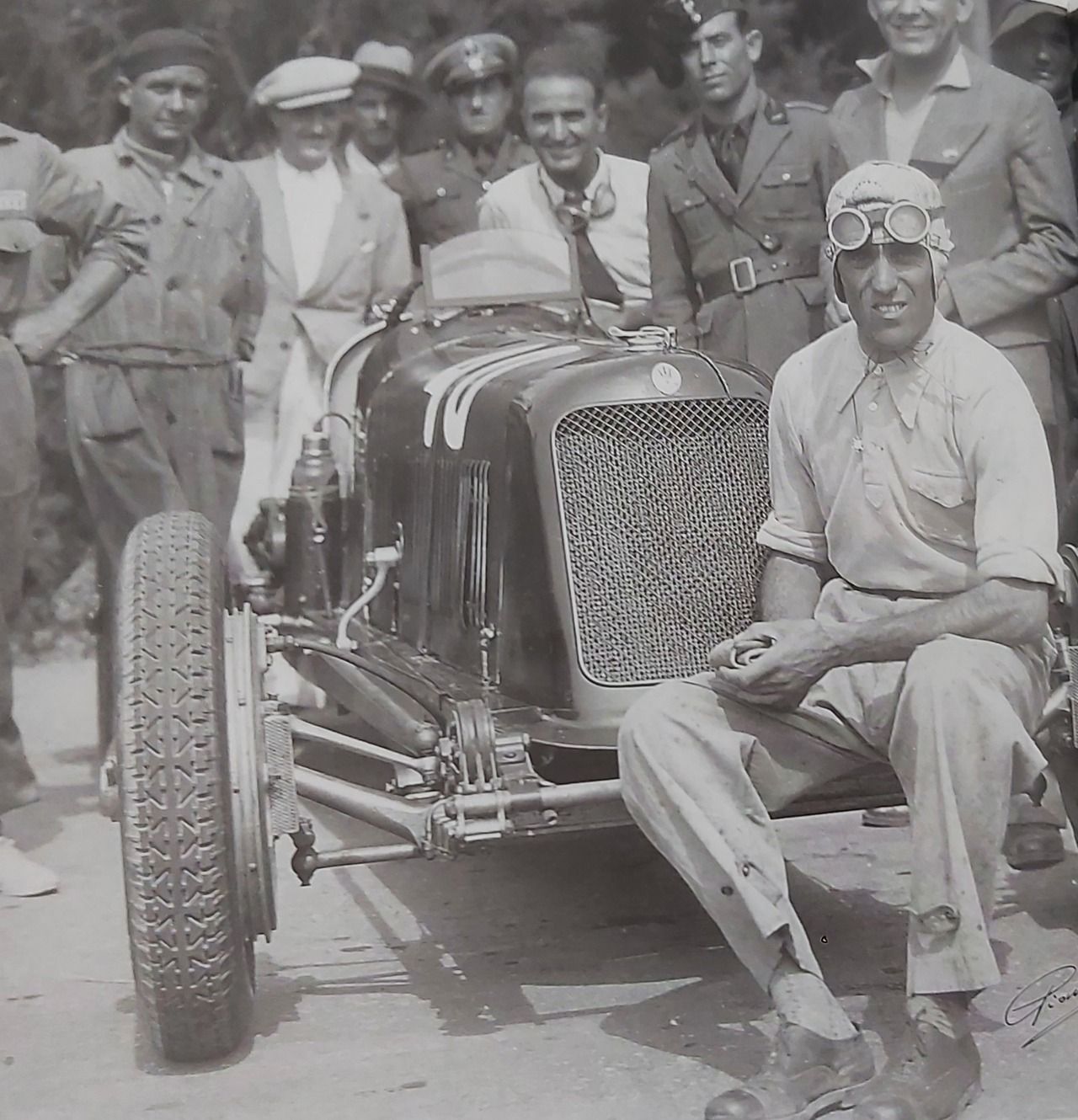
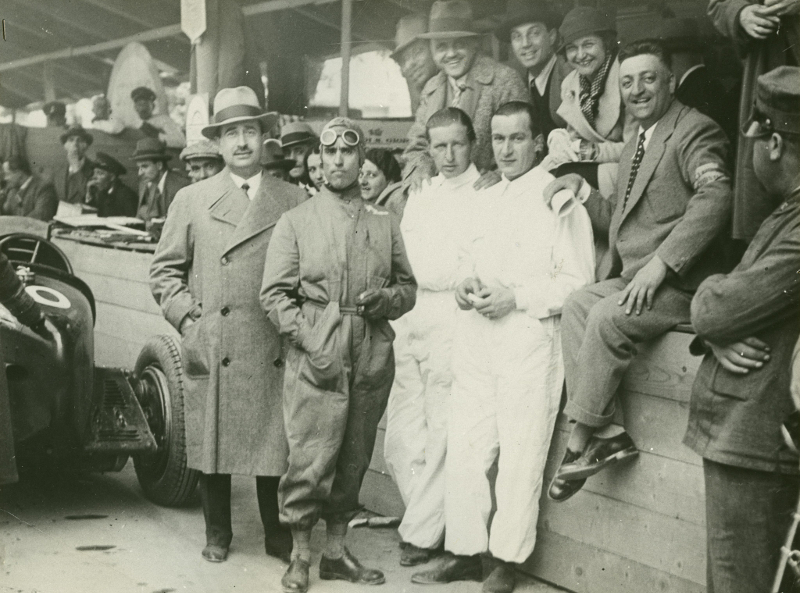
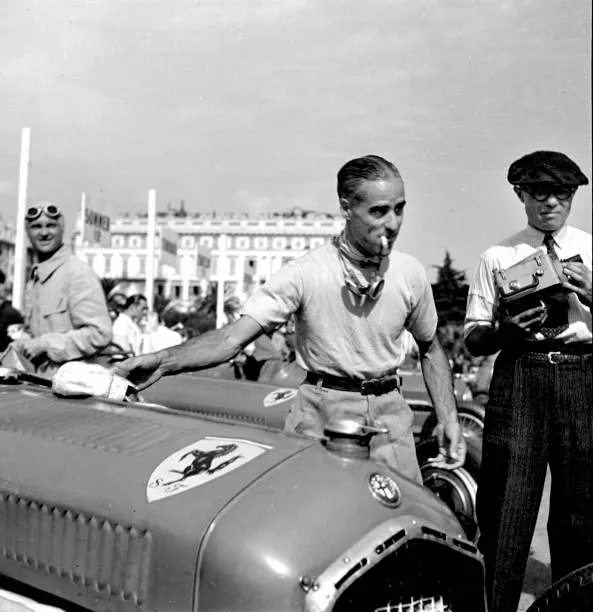
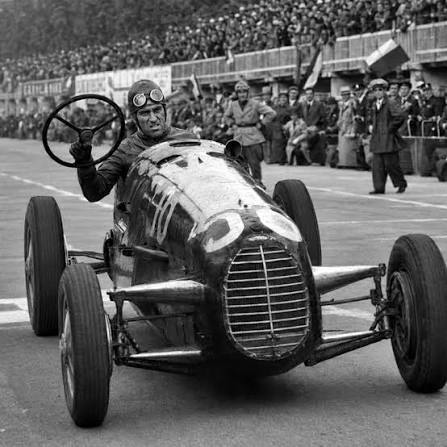
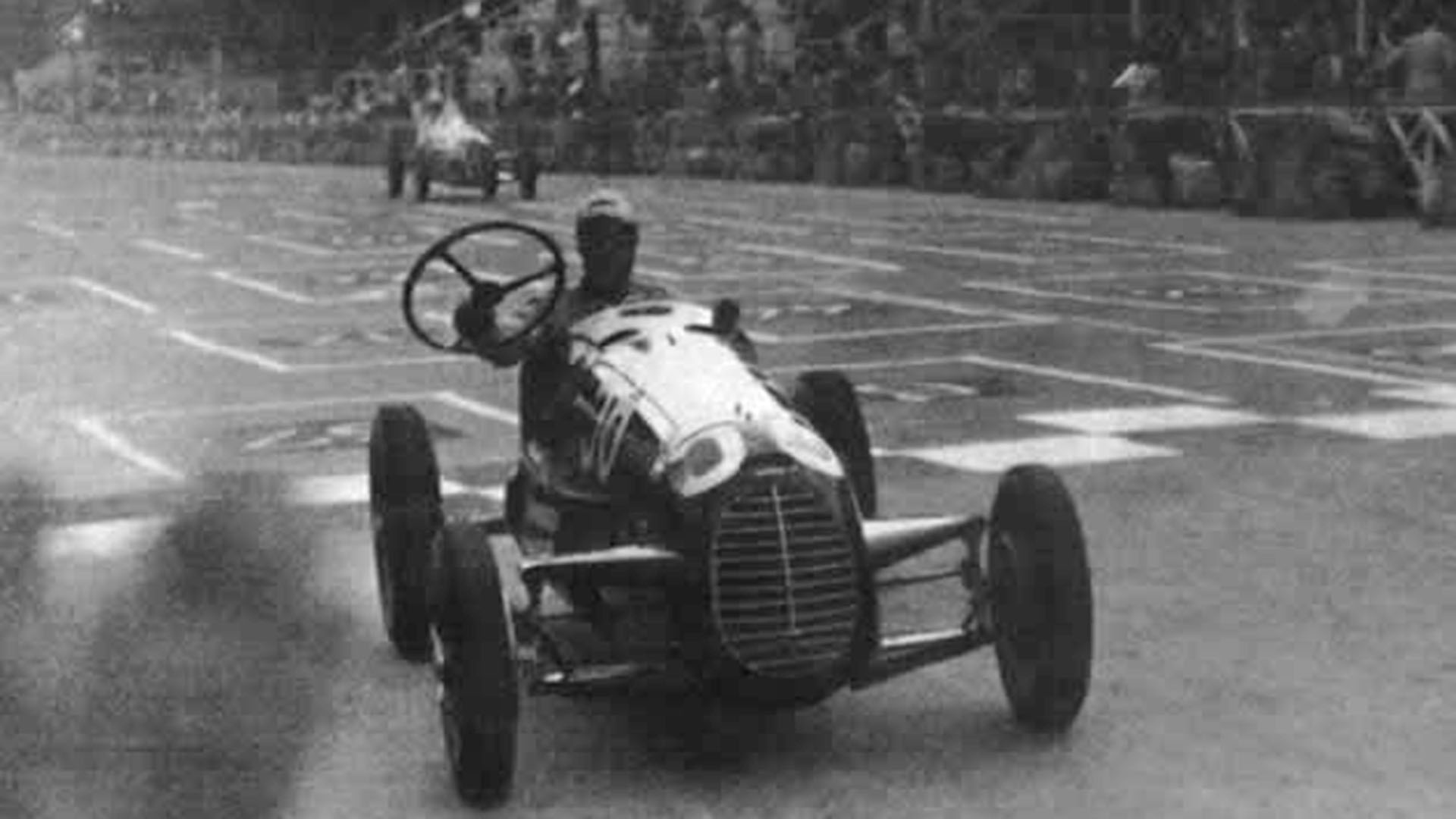
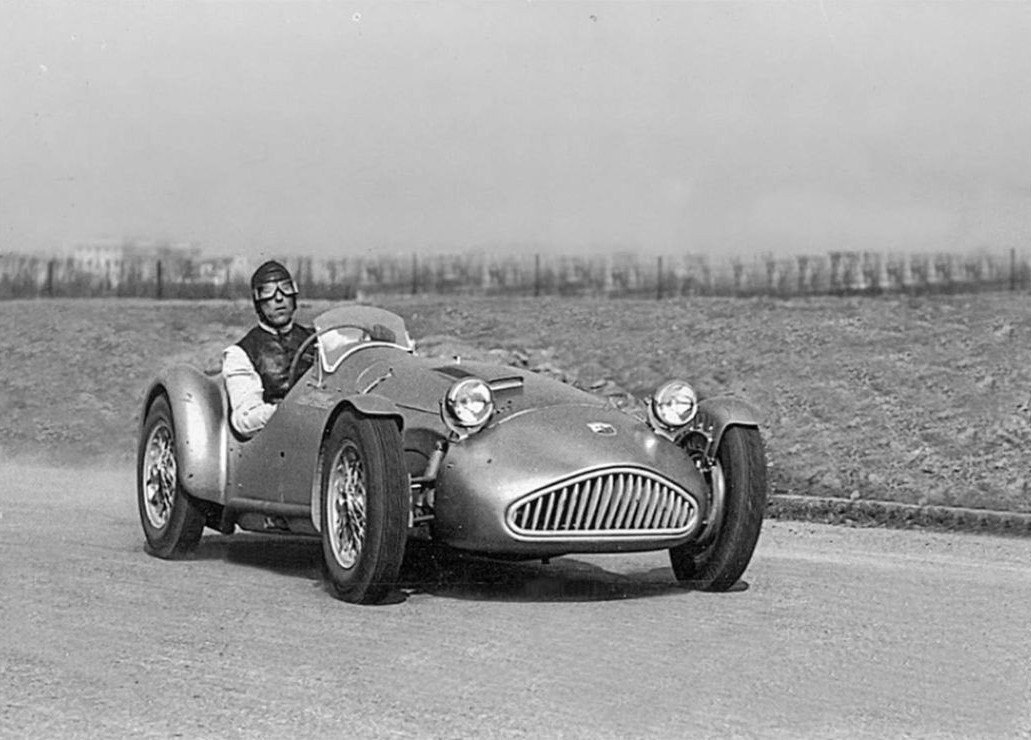
Nuvolari’s driving philosophy was rooted in calculated brutality. He did not merely steer a car; he physically bent it to his will, dancing the machine on a precipice where disaster was always a millimetre away. His visceral technique contrasted sharply with the icy, mechanical precision of Varzi, a rivalry that split Italian motorsport enthusiasts into fiercely partisan camps. While Varzi calculated and conserved, Nuvolari attacked with a ferocity that defied mechanical logic. Enzo Ferrari, who managed the maestro during his peak years, marvelled at the driver’s total lack of fear and his uncanny ability to instigate and control four-wheel drifts. This absolute refusal to yield was perfectly encapsulated in an earlier race where his steering wheel detached on the first lap; rather than retire, Nuvolari waved the broken wheel at the pits and completed another lap steering solely with the jagged column. He demanded total submission from his vehicles, whether wrestling the monstrous twin-engined Alfa Romeo Bimotore or threading a delicate, 1089 cc (66.5 cu in) Cisitalia to second place through torrential rain at the 1947 Mille Miglia.
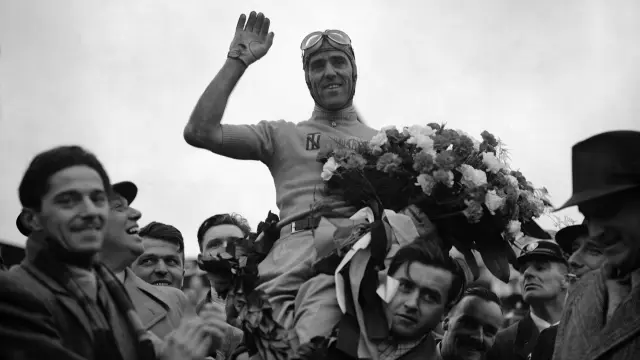
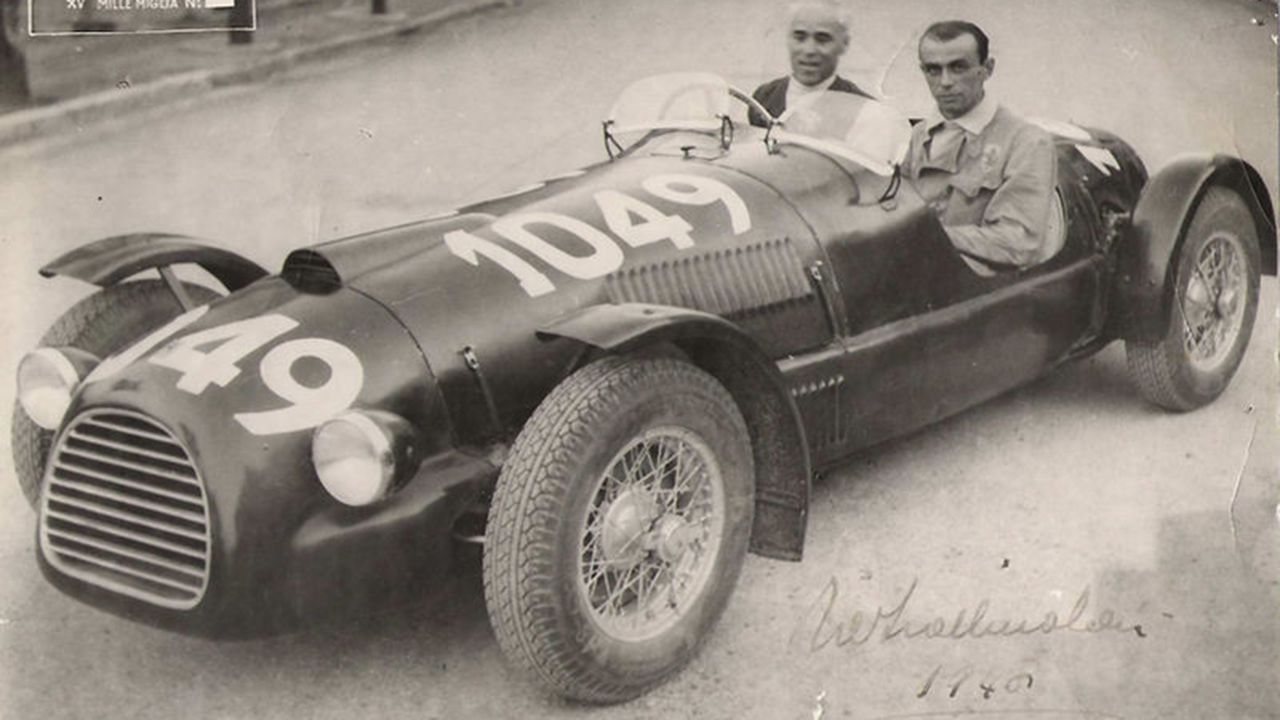
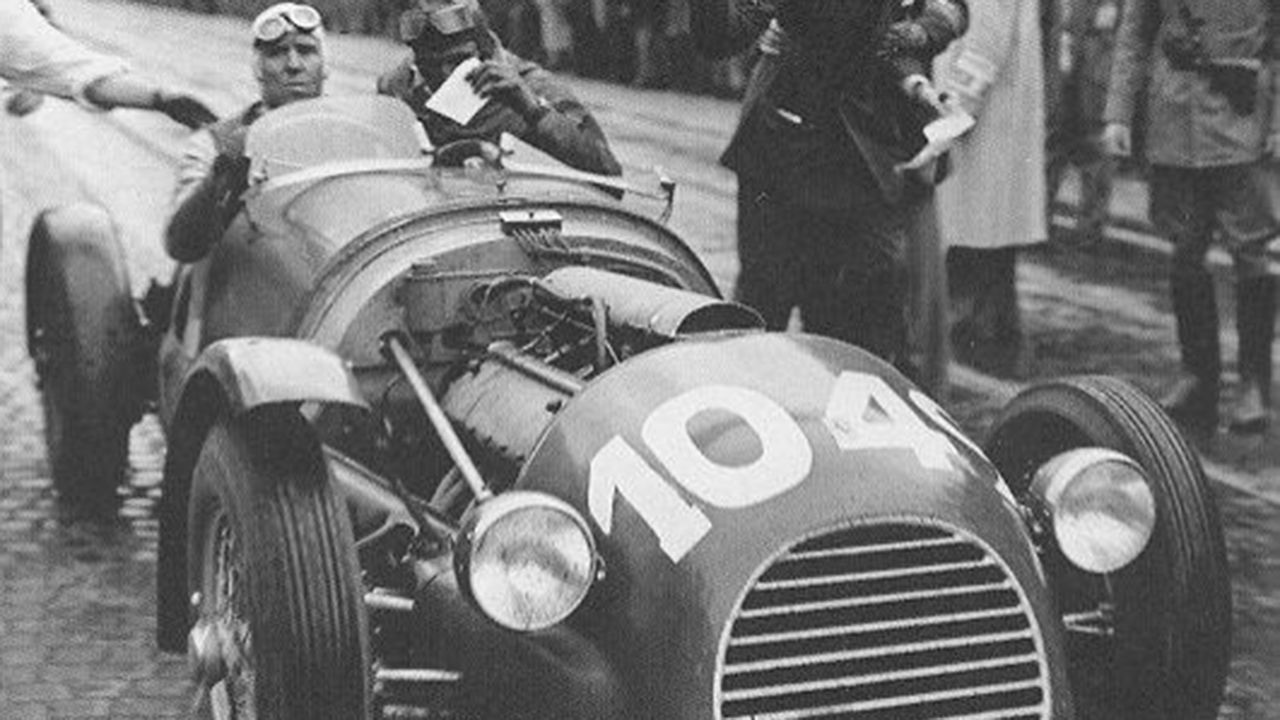
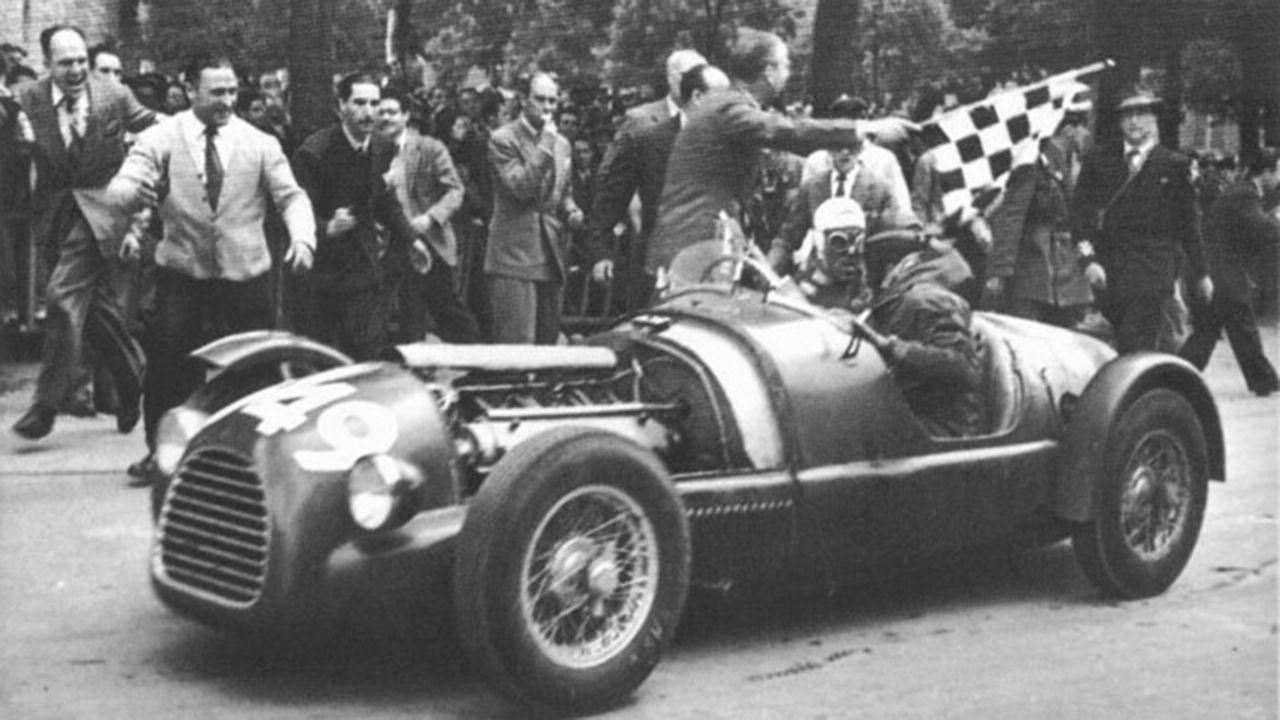
This unyielding refusal to surrender persisted long after his physical prime. A visibly ailing Nuvolari contested the 1948 Mille Miglia, yearning for one final triumph. After his intended Cisitalia was damaged before the start, he took the wheel of a small-capacity, open-top Ferrari. Coughing blood and ravaged by exhaustion, he drove with such absolute disregard for self-preservation that the car literally began to disintegrate around him. The bonnet flew off into the slipstream, the left front wing detached, and when the driver’s seat eventually collapsed under the punishing strain of the fractured Italian roads, he simply replaced it with a sack of oranges and continued to race. He majestically led the field until terminal brake failure forced a heartbreaking retirement just short of the finish. It was a poetic final stand for a man of small stature who possessed the heart of a giant. Nuvolari passed away on 11 August 1953, succumbing to illness in his bed rather than perishing on the asphalt as many had predicted. According to his final wishes, the great maestro was buried in his iconic yellow jersey, blue trousers, and racing helmet. He left behind a legacy that transcended mere statistics, forever immortalised as the absolute embodiment of motor racing courage.
Just after 5 a.m. on 13 April 1930, the silent shadows beside Lake Garda were violently shattered by the raspy wail of a supercharged straight-six engine. Travelling at 150 km/h (93 mph) with its headlights entirely extinguished, an Alfa Romeo 6C 1750 Gran Sport Zagato spider scythed through the gloom. At the large steering wheel sat Tazio Nuvolari, alongside his riding mechanic and chief test driver, Gian Battista Guidotti. Ahead of them lay the sweeping roads to Brescia; just ahead of that lay their fierce rival, Achille Varzi. By driving completely blind in the dim half-light of early dawn, Nuvolari stalked Varzi, pulling off an audacious ambush to overtake his countryman before either realised what had transpired. That morning, he shattered the 100 km/h (62 mph) average speed barrier for the legendary Mille Miglia, recording a blistering 100.45 km/h (62.41 mph) and cementing his moniker as the “Flying Mantuan”.
Born in Castel d’Ario, Mantua, Nuvolari’s competitive fury was initially unleashed on two wheels, carving a formidable reputation in motorcycle racing where physical bravery and a sublime sense of balance were absolute prerequisites. Even after transitioning to automobiles, his allegiance to the tactile savagery of riding never truly left him; when old motorcycling compatriots accused him of betraying their sport at the 1936 Italian Grand Prix, Nuvolari famously leapt onto two spare tyres held together, grinning, “Not true. I’m still on two wheels, look!“. He carried that precise, knife-edge technique into four-wheeled machines, dominating an era where motor racing was a brutally unforgiving blood sport. His ascent throughout the 1930s defined the golden era of endurance and Grand Prix racing. At the 1933 24 Hours of Le Mans, sharing a glorious Alfa Romeo 8C 2300 with Raymond Sommer, the duo fought a relentless campaign against the finest machinery of the era. Despite a severe fuel tank leak that forced Sommer to drive for fifteen gruelling hours while bathed in volatile fumes, Nuvolari took the wheel for the final stint, mercilessly hunting down Luigi Chinetti. When Chinetti missed a gearchange at Arnage corner, Nuvolari seized the lead, winning by a mere 401 metres (1315 ft) and setting a new distance record with an average speed exceeding 130 km/h (81 mph).
Yet, his absolute masterpiece was painted on the treacherous 22-kilometre (13.7 mi) Nürburgring Nordschleife during the 1935 German Grand Prix. The German state-backed Auto Union and Mercedes-Benz outfits, wielding titanic power and advanced chassis dynamics, were fully expected to obliterate the field on home soil. Nuvolari had initially sought a drive with Auto Union, but his old rival Varzi thwarted the move, forcing Italian dictator Benito Mussolini to personally intervene just to secure Nuvolari a seat with Alfa Romeo.
Scuderia Ferrari provided him with an antiquated Alfa Romeo P3. Its straight-eight engine, bored out to a 3.2-litre (195 cu in) capacity, produced a modest 265 bhp (197 kW) against the overwhelming 400-plus horsepower of the silver cars. In front of 300,000 expectant spectators, Nuvolari suffered a disastrous pit stop and a tyre puncture that dropped him far down the order. What followed was a drive of demonic intensity. Drifting the lightweight 680 kg (1500 lbs) machine to the absolute ragged edge of adhesion, he relentlessly hunted down the vastly superior Mercedes-Benz W25 of Manfred von Brauchitsch, seizing victory on the final lap when the German’s rear tyre delaminated under the immense pressure. It remains one of the most astonishing upsets in motorsport history, silencing the heartland of the German racing empire.
Nuvolari’s driving philosophy was rooted in calculated brutality. He did not merely steer a car; he physically bent it to his will, dancing the machine on a precipice where disaster was always a millimetre away. His visceral technique contrasted sharply with the icy, mechanical precision of Varzi, a rivalry that split Italian motorsport enthusiasts into fiercely partisan camps. While Varzi calculated and conserved, Nuvolari attacked with a ferocity that defied mechanical logic. Enzo Ferrari, who managed the maestro during his peak years, marvelled at the driver’s total lack of fear and his uncanny ability to instigate and control four-wheel drifts. This absolute refusal to yield was perfectly encapsulated in an earlier race where his steering wheel detached on the first lap; rather than retire, Nuvolari waved the broken wheel at the pits and completed another lap steering solely with the jagged column. He demanded total submission from his vehicles, whether wrestling the monstrous twin-engined Alfa Romeo Bimotore or threading a delicate, 1089 cc (66.5 cu in) Cisitalia to second place through torrential rain at the 1947 Mille Miglia.
This unyielding refusal to surrender persisted long after his physical prime. A visibly ailing Nuvolari contested the 1948 Mille Miglia, yearning for one final triumph. After his intended Cisitalia was damaged before the start, he took the wheel of a small-capacity, open-top Ferrari. Coughing blood and ravaged by exhaustion, he drove with such absolute disregard for self-preservation that the car literally began to disintegrate around him. The bonnet flew off into the slipstream, the left front wing detached, and when the driver’s seat eventually collapsed under the punishing strain of the fractured Italian roads, he simply replaced it with a sack of oranges and continued to race. He majestically led the field until terminal brake failure forced a heartbreaking retirement just short of the finish. It was a poetic final stand for a man of small stature who possessed the heart of a giant. Nuvolari passed away on 11 August 1953, succumbing to illness in his bed rather than perishing on the asphalt as many had predicted. According to his final wishes, the great maestro was buried in his iconic yellow jersey, blue trousers, and racing helmet. He left behind a legacy that transcended mere statistics, forever immortalised as the absolute embodiment of motor racing courage.