
Tiga GC289 3.3 Ford Cosworth DFL
Brand
Produced from
Portal
Vehicle category
Model line
Predecessor
Successor
Submodel Overview
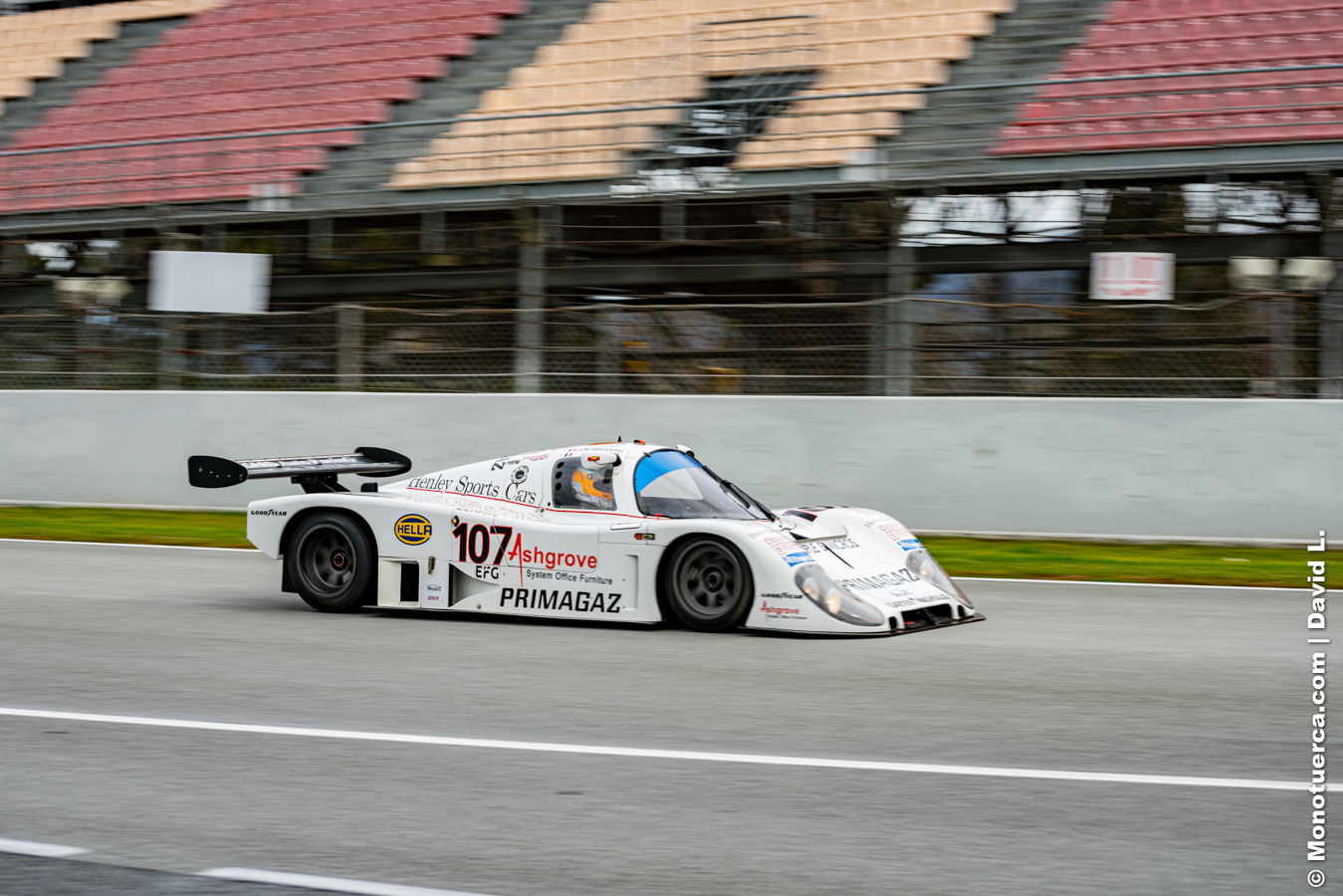
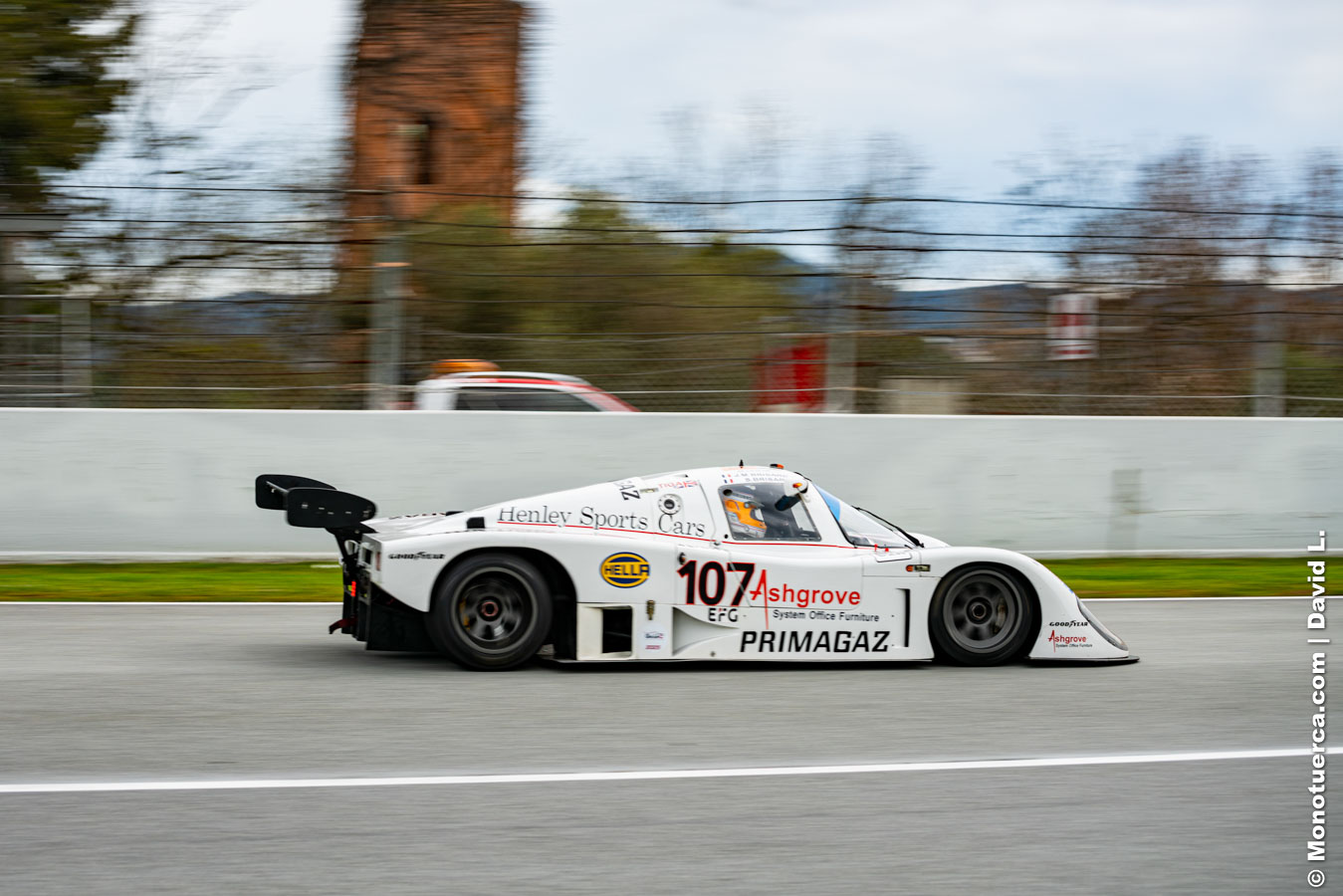
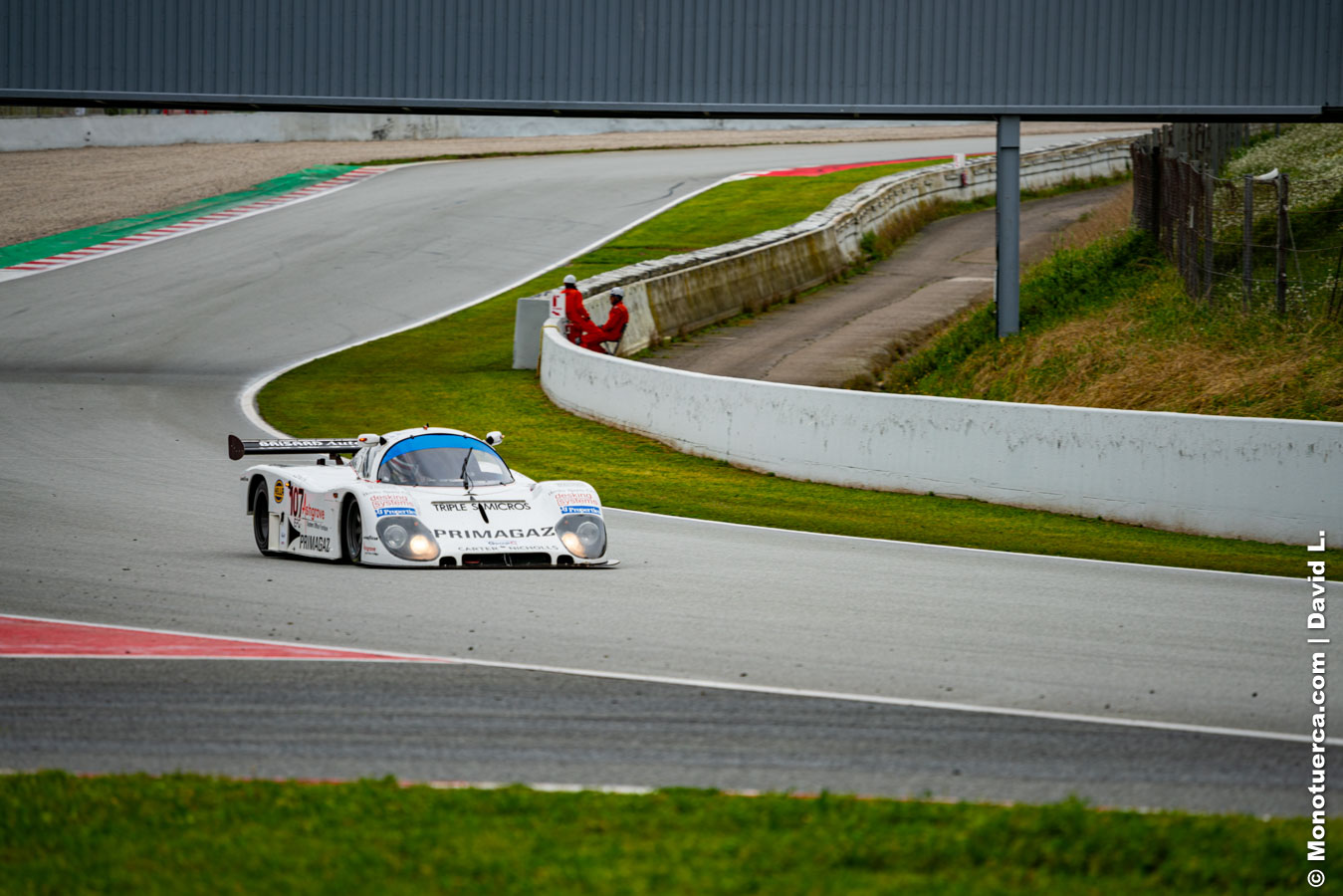
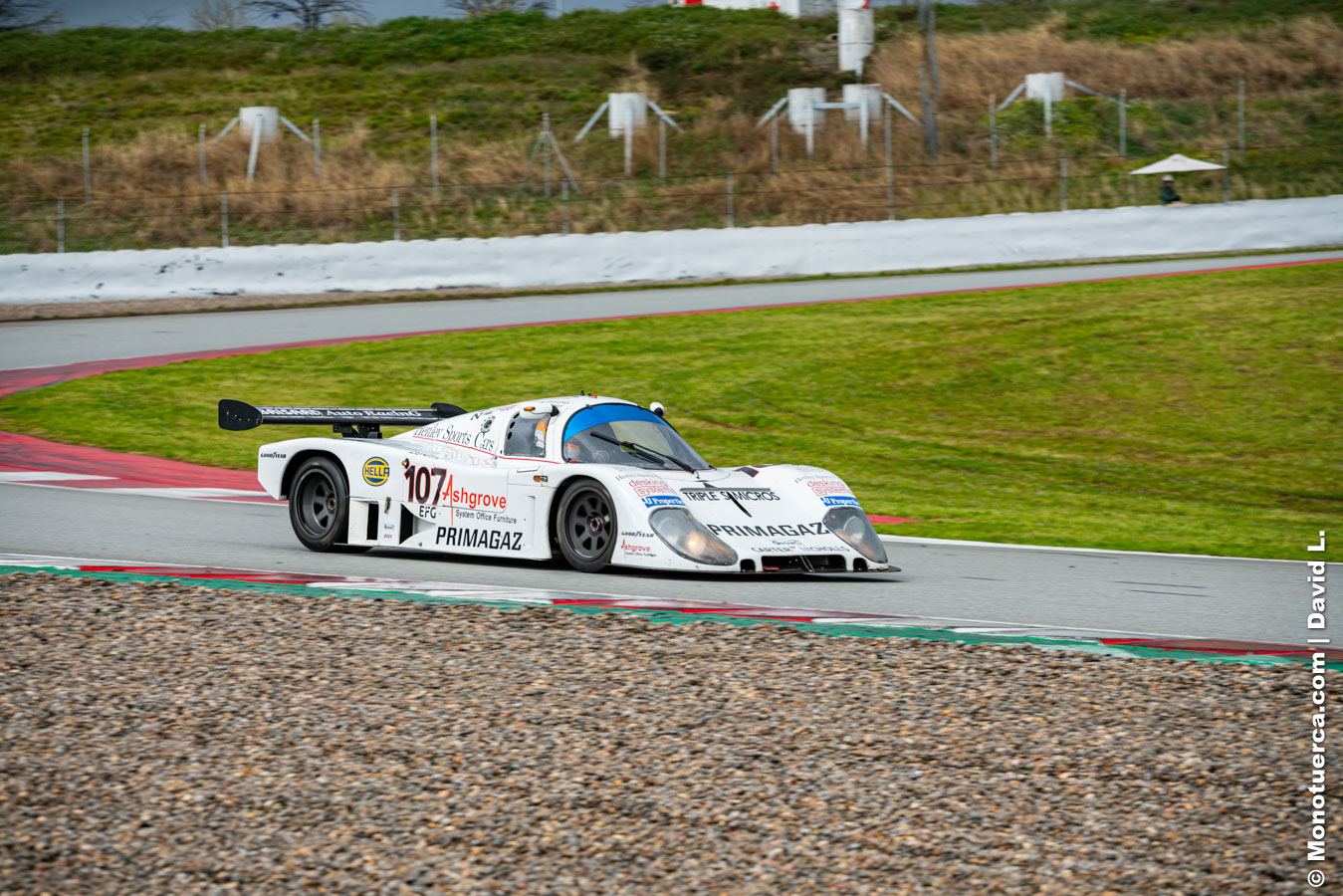
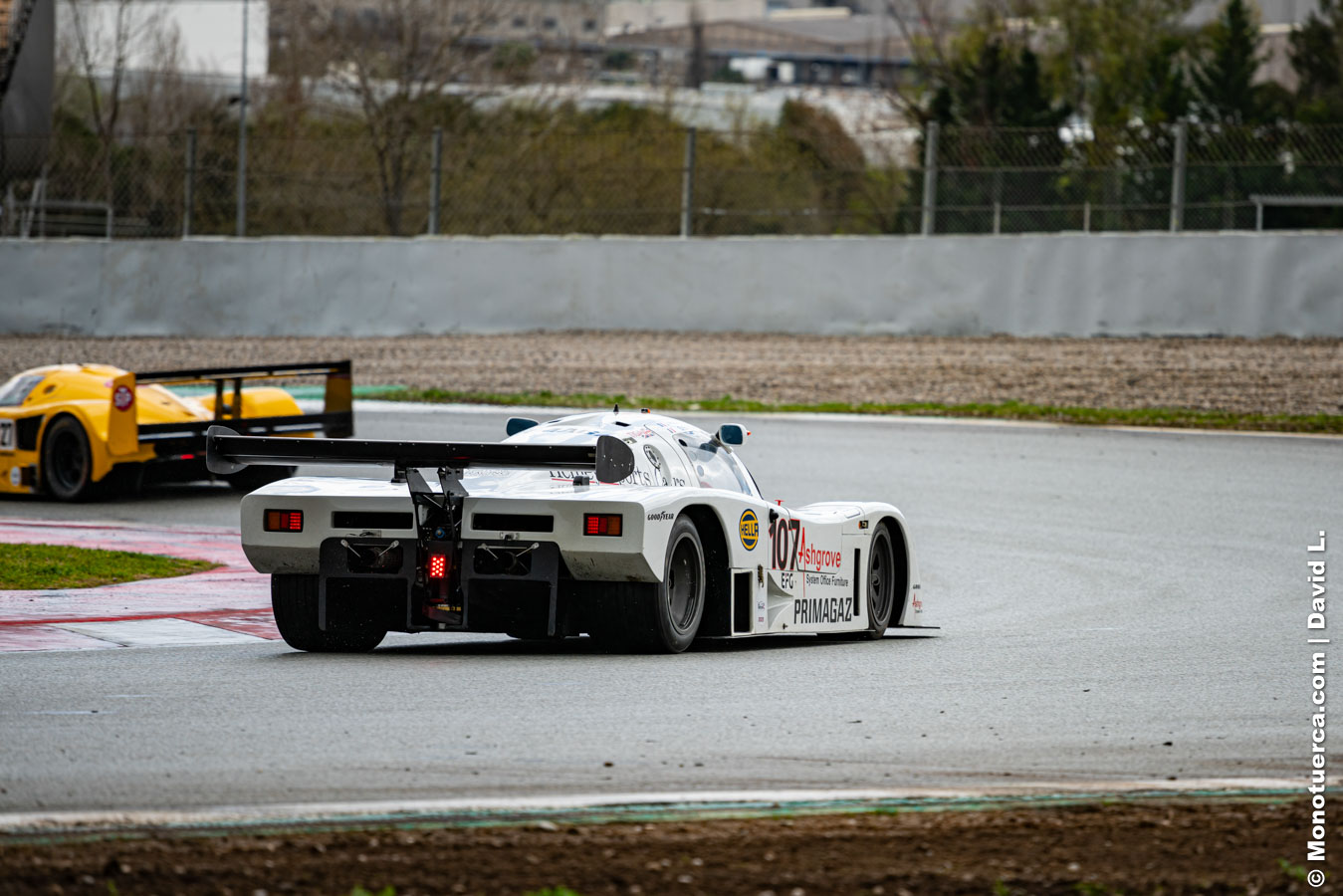
In the high-octane theater of 1989 endurance racing, the Group C category had reached a fever pitch of corporate extravagance. The premier C1 class was a clash of titans, with the silver Sauber-Mercedes and the silk-cut Jaguars commanding staggering budgets and global headlines. Yet, for the discerning enthusiast, the true soul of the sport resided in the C2 class—the playground of the garagistes. Here, the battle was intimate, mechanical, and fiercely British. At the heart of this junior division stood Tiga Race Cars, the firm founded by former Grand Prix drivers Tim Schenken and Howden Ganley. By 1989, Tiga was facing an existential threat from the increasingly sophisticated Spice SE89C. Their answer was the 1989 Tiga GC289 3.3 Ford Cosworth DFL. It was the definitive evolution of the earlier GC288, a machine designed to bridge the gap between old-school privateer grit and the emerging era of high-downforce, precision engineering. It was a car that didn’t just participate; it fought for the very honor of the independent constructor against a backdrop of impending regulatory shifts.
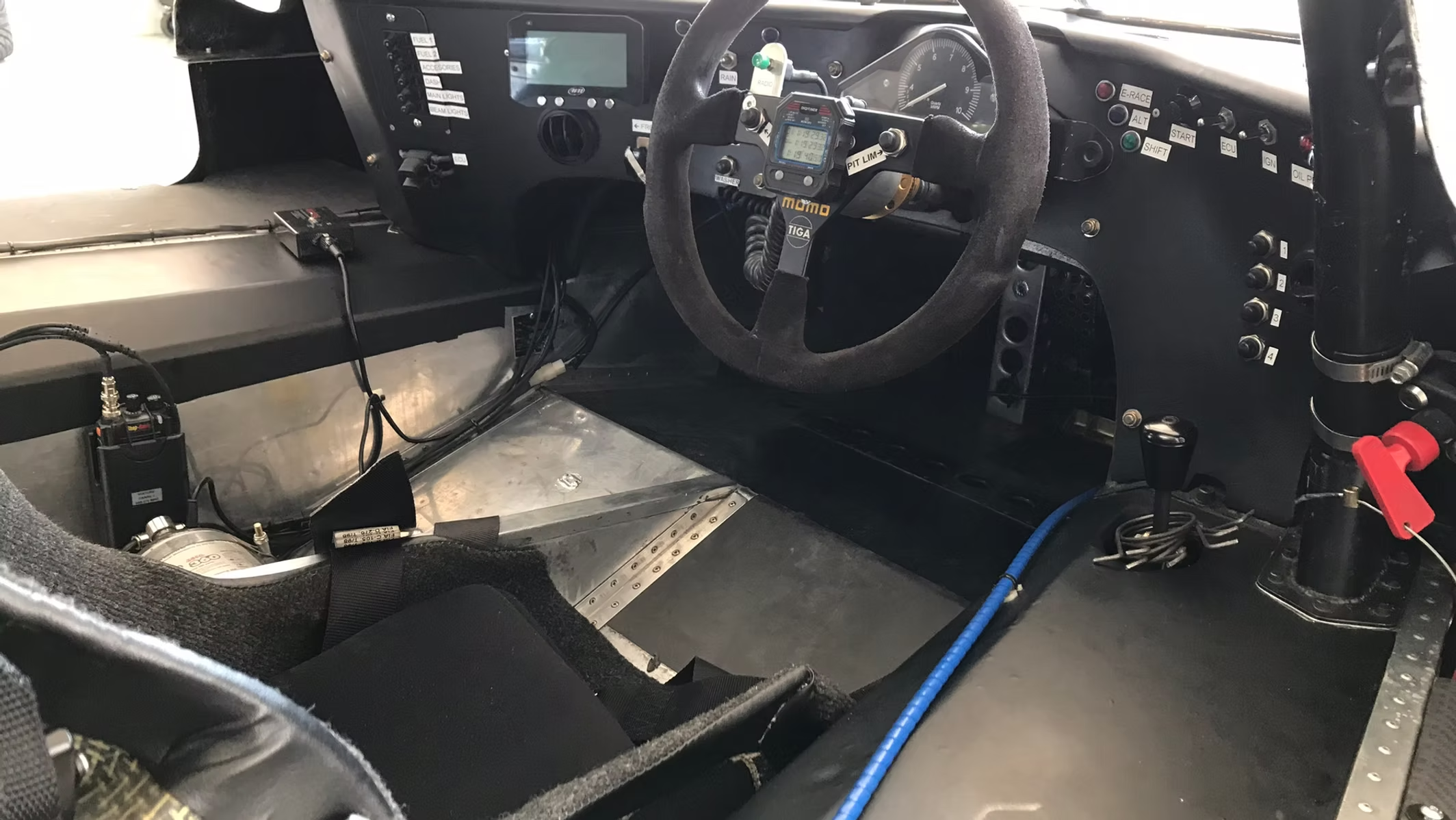
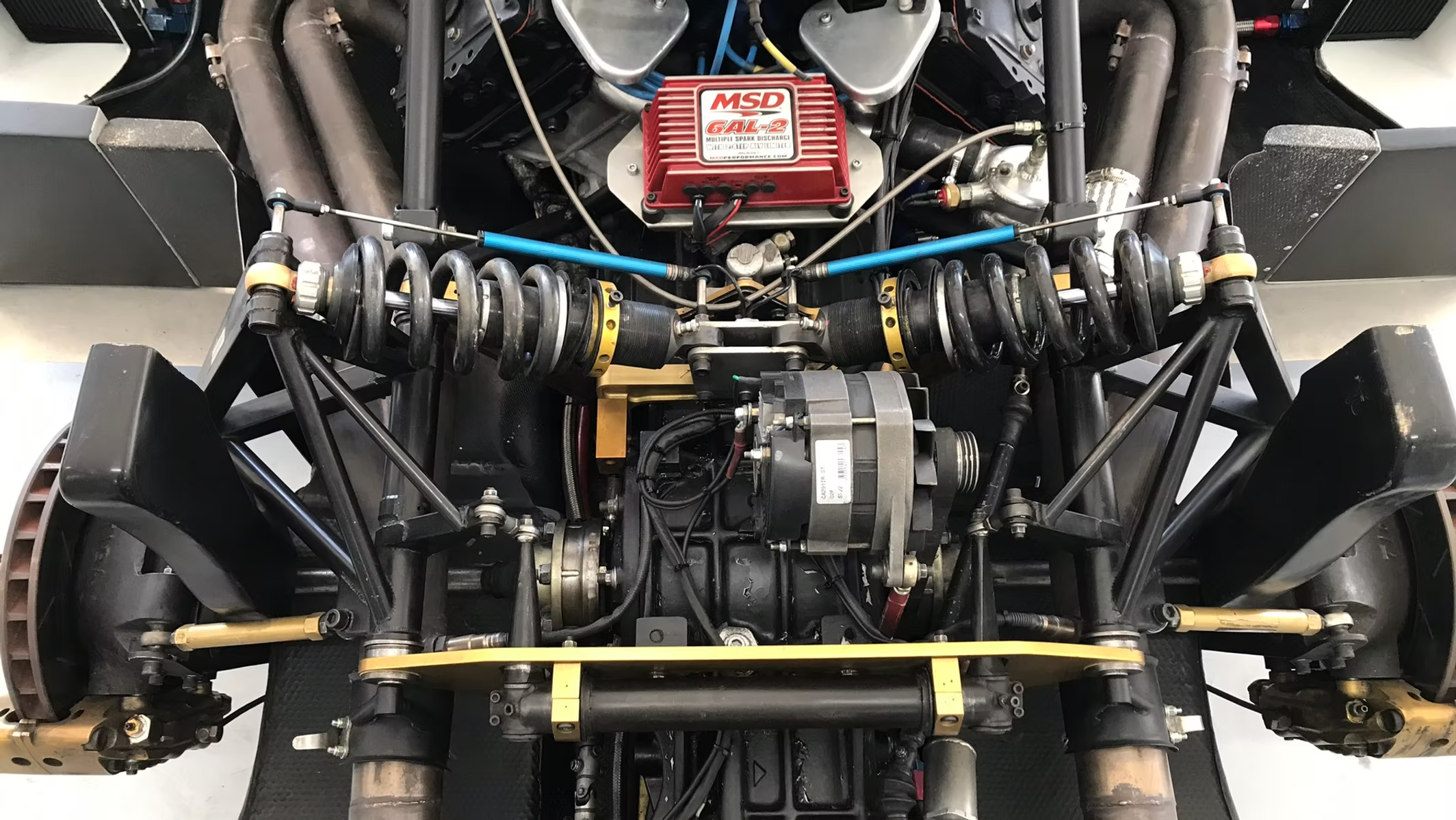
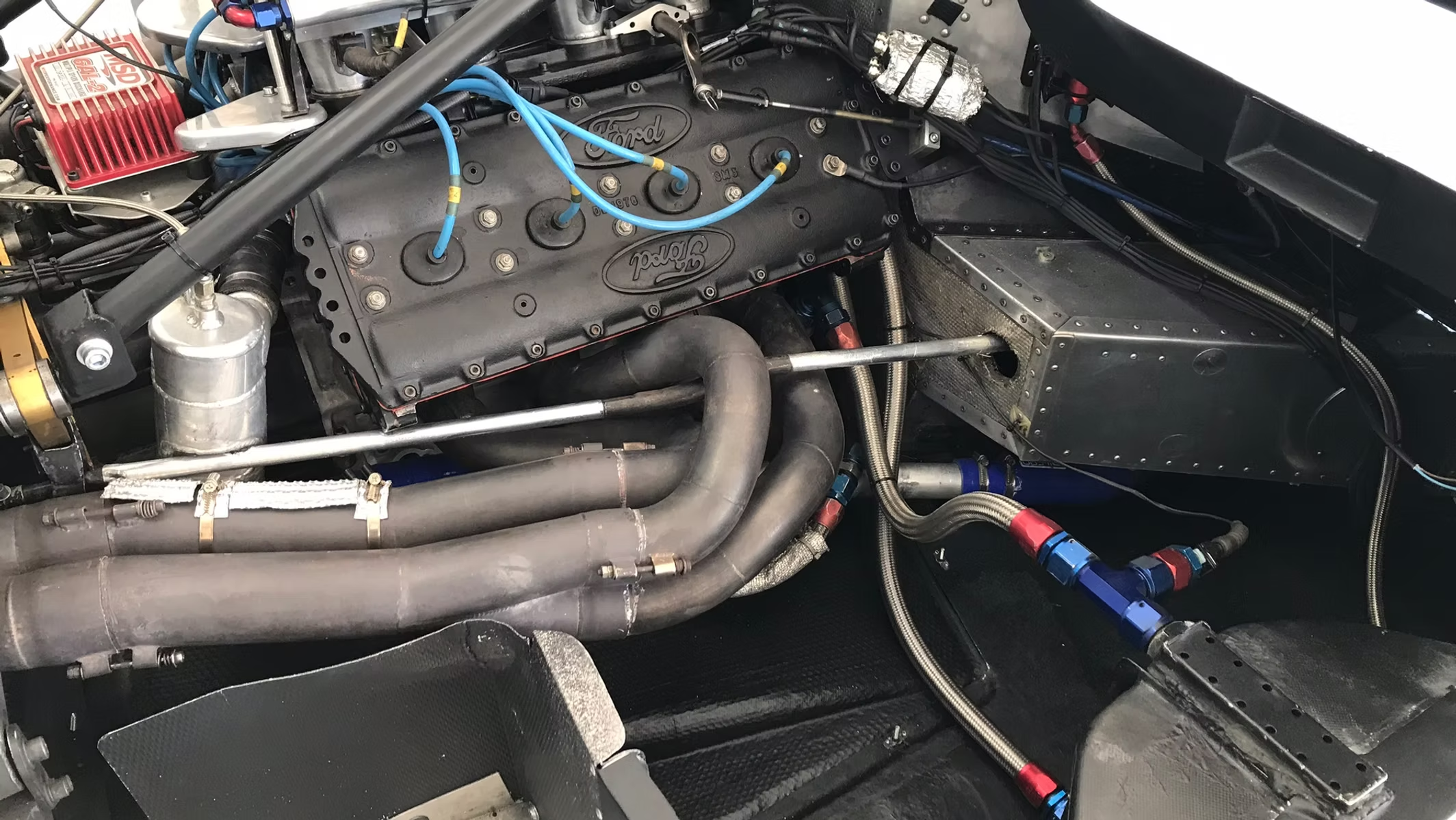
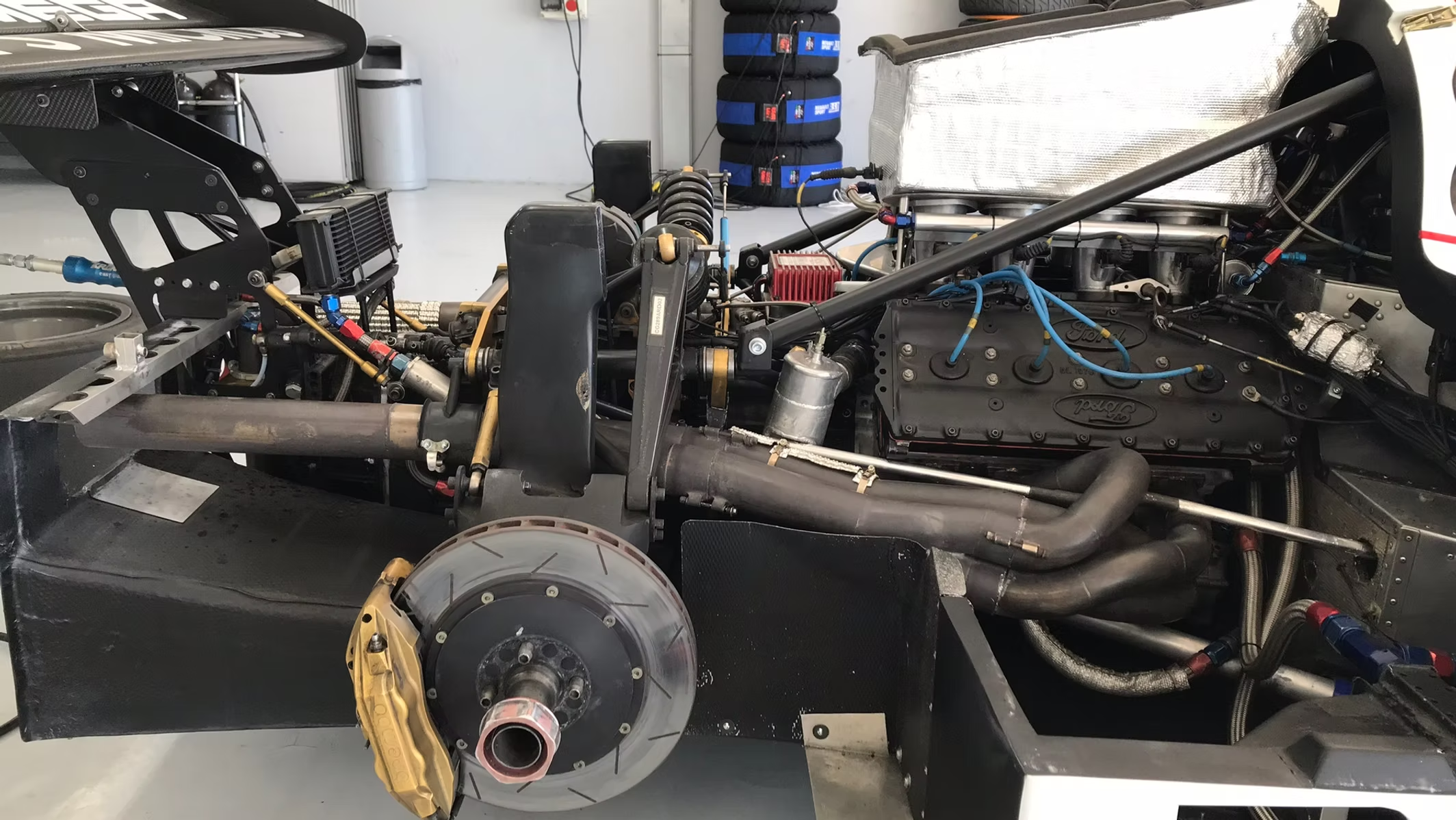
Technically, the GC289 was a masterclass in pragmatic racing architecture. While the factory elites were obsessing over autoclaved carbon fiber, Tiga remained faithful to the aluminium honeycomb monocoque. This folded-and-riveted tub was a work of structural art—immensely stiff to support the massive aerodynamic loads of the era, yet uniquely repairable in a humble workshop after the inevitable skirmishes of 24-hour racing. The exterior was a significant refinement over its predecessor, featuring a sleeker, lower nose profile designed to slice through the air with minimal drag, while the underbody was dominated by vast venturi tunnels. These ground-effect channels sucked the car to the tarmac, allowing it to corner with a ferocity that defied its lightweight footprint. The beating heart of this submodel was the 3.3-liter Ford Cosworth DFL. This naturally aspirated V8 was the endurance-bred descendant of the immortal DFV. It was a high-strung, nervous engine that produced roughly 500 brake horsepower, emitting a raw, metallic shriek as it revved toward its 9,000 rpm ceiling. Power was transmitted through a rugged five-speed Hewland DGB manual gearbox, a unit renowned for its ability to withstand the relentless pounding of endurance shifts. Braking was handled by massive, ventilated AP Racing discs that provided the bite necessary to haul the car down from nearly 190 mph on the Mulsanne Straight.
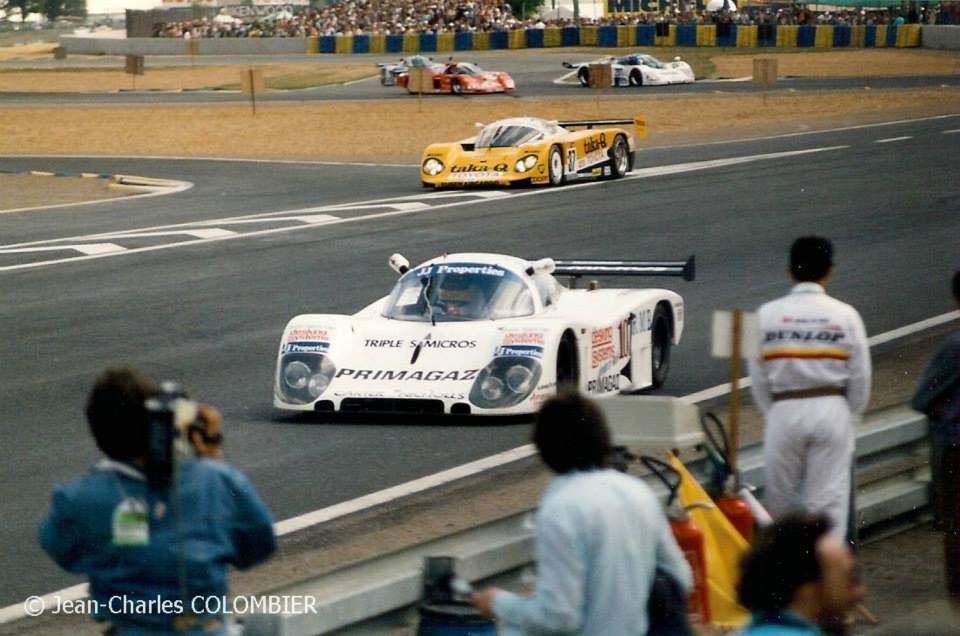
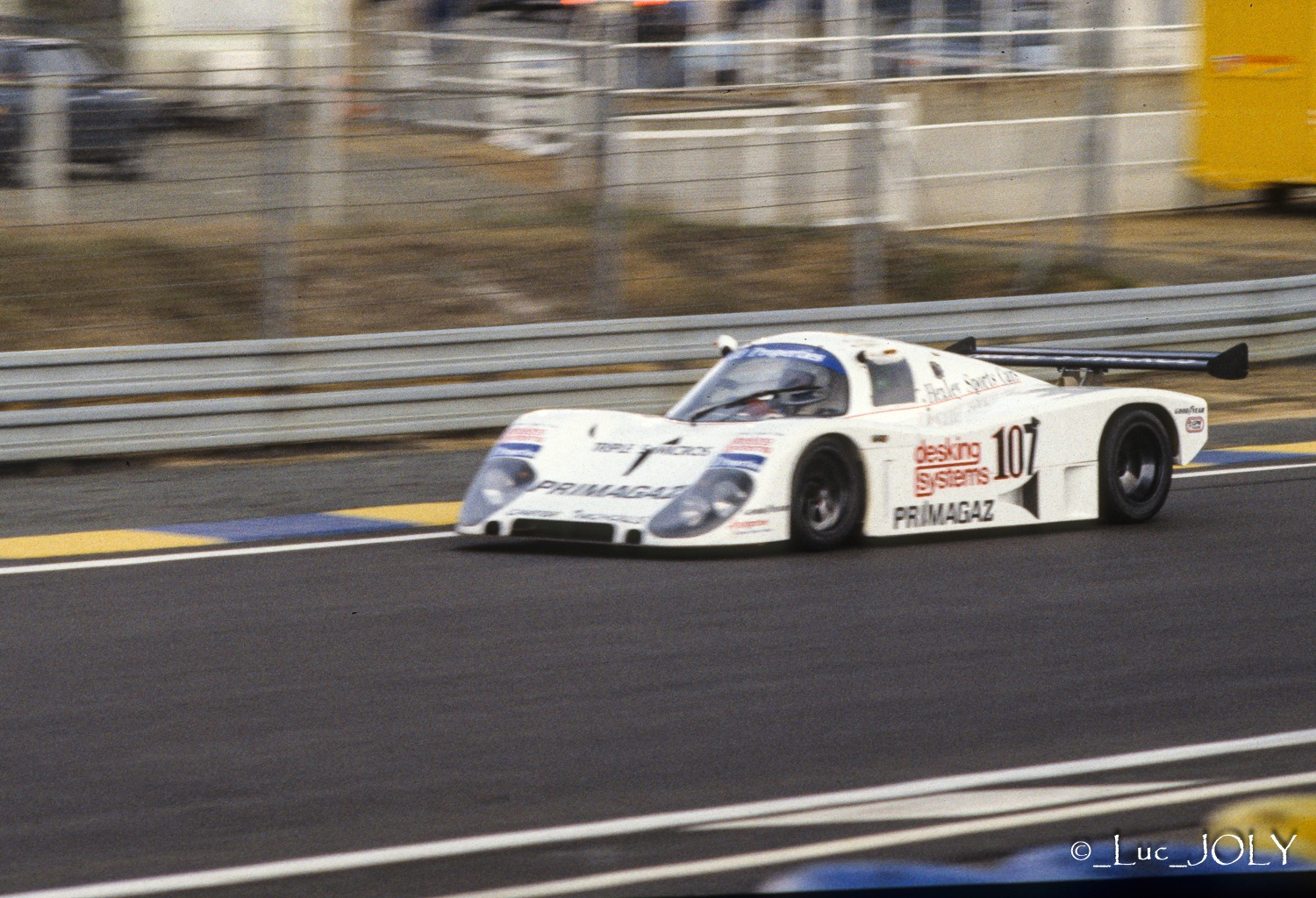
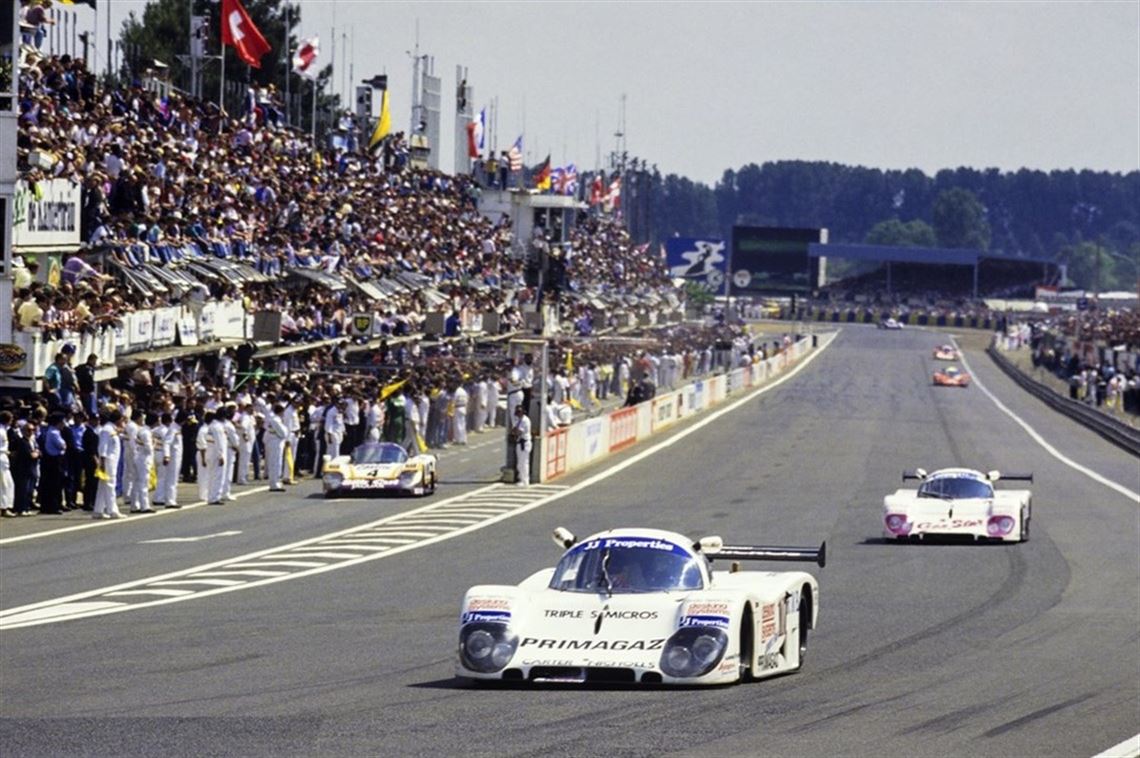
The racing history of the GC289 3.3 DFL is a tale of a valiant underdog in its final great roar. Campaigned by dedicated outfits like Kelmar Racing, the car was a perennial threat in the World Sports Prototype Championship. Unlike the turbocharged C1 monsters, the Tiga was an agile, momentum-based weapon. It excelled on technical, flowing circuits where its balance and predictable handling allowed drivers to harass the heavier Porsches through the curves. At the 1989 24 Hours of Le Mans, the GC289 proved the wisdom of the Schenken-Ganley philosophy; while more exotic, high-displacement prototypes often faltered under the mechanical strain, the Tiga and its bulletproof Cosworth heart settled into a metronomic rhythm, marching up the overall leaderboard through the cool French night. It was during this season that the GC289 became a symbol of the “C2 era” at its absolute zenith—a car that offered world-class performance to the privateer without the ruinous costs of factory support.
The Tiga GC289 3.3 is deeply poignant, marking the close of a golden chapter in motorsport history. Shortly after its debut, the FIA announced the transition to the 3.5-liter Formula 1 engine formula, a move that effectively priced the independent constructors out of the sport they had helped build. Tiga Race Cars would soon change hands, and the era of the High Wycombe garagiste faded into memory.
Brand
Produced from
Portal
Vehicle category
Model line
Predecessor
Sucessor
Brand
Produced from
Portal
Vehicle category
Model line
Model generation
Predecessor
Sucessor
Submodel Overview
In the high-octane theater of 1989 endurance racing, the Group C category had reached a fever pitch of corporate extravagance. The premier C1 class was a clash of titans, with the silver Sauber-Mercedes and the silk-cut Jaguars commanding staggering budgets and global headlines. Yet, for the discerning enthusiast, the true soul of the sport resided in the C2 class—the playground of the garagistes. Here, the battle was intimate, mechanical, and fiercely British. At the heart of this junior division stood Tiga Race Cars, the firm founded by former Grand Prix drivers Tim Schenken and Howden Ganley. By 1989, Tiga was facing an existential threat from the increasingly sophisticated Spice SE89C. Their answer was the 1989 Tiga GC289 3.3 Ford Cosworth DFL. It was the definitive evolution of the earlier GC288, a machine designed to bridge the gap between old-school privateer grit and the emerging era of high-downforce, precision engineering. It was a car that didn’t just participate; it fought for the very honor of the independent constructor against a backdrop of impending regulatory shifts.
Technically, the GC289 was a masterclass in pragmatic racing architecture. While the factory elites were obsessing over autoclaved carbon fiber, Tiga remained faithful to the aluminium honeycomb monocoque. This folded-and-riveted tub was a work of structural art—immensely stiff to support the massive aerodynamic loads of the era, yet uniquely repairable in a humble workshop after the inevitable skirmishes of 24-hour racing. The exterior was a significant refinement over its predecessor, featuring a sleeker, lower nose profile designed to slice through the air with minimal drag, while the underbody was dominated by vast venturi tunnels. These ground-effect channels sucked the car to the tarmac, allowing it to corner with a ferocity that defied its lightweight footprint. The beating heart of this submodel was the 3.3-liter Ford Cosworth DFL. This naturally aspirated V8 was the endurance-bred descendant of the immortal DFV. It was a high-strung, nervous engine that produced roughly 500 brake horsepower, emitting a raw, metallic shriek as it revved toward its 9,000 rpm ceiling. Power was transmitted through a rugged five-speed Hewland DGB manual gearbox, a unit renowned for its ability to withstand the relentless pounding of endurance shifts. Braking was handled by massive, ventilated AP Racing discs that provided the bite necessary to haul the car down from nearly 190 mph on the Mulsanne Straight.
The racing history of the GC289 3.3 DFL is a tale of a valiant underdog in its final great roar. Campaigned by dedicated outfits like Kelmar Racing, the car was a perennial threat in the World Sports Prototype Championship. Unlike the turbocharged C1 monsters, the Tiga was an agile, momentum-based weapon. It excelled on technical, flowing circuits where its balance and predictable handling allowed drivers to harass the heavier Porsches through the curves. At the 1989 24 Hours of Le Mans, the GC289 proved the wisdom of the Schenken-Ganley philosophy; while more exotic, high-displacement prototypes often faltered under the mechanical strain, the Tiga and its bulletproof Cosworth heart settled into a metronomic rhythm, marching up the overall leaderboard through the cool French night. It was during this season that the GC289 became a symbol of the “C2 era” at its absolute zenith—a car that offered world-class performance to the privateer without the ruinous costs of factory support.
The Tiga GC289 3.3 is deeply poignant, marking the close of a golden chapter in motorsport history. Shortly after its debut, the FIA announced the transition to the 3.5-liter Formula 1 engine formula, a move that effectively priced the independent constructors out of the sport they had helped build. Tiga Race Cars would soon change hands, and the era of the High Wycombe garagiste faded into memory.
Tech Specs
Technical Specifications
Tech Specs
Technical Specifications
Engine
01
03
Internal combustion engine
Configuration
Ford Cosworth DFL, V8 - 90º
Location
Mid, longitudinally mounted
Construction
Aluminium alloy block and heads
Displacement (cc)
3,298 cc
Displacement (cu in)
201.3 cu in
Compression
12.5:1
Bore x Stroke
90.0 mm x 64.8 mm
Valvetrain
4 valves per cylinder, DOHC
Fuel feed
Lucas fuel injection
Lubrication
Dry sump
Aspiration
Naturally aspirated
Output
Power (hp)
~490 hp
Power (kW)
~365 kW
Max power at
9,500 RPM
Torque (Nm)
~420 Nm
Torque (ft lbs)
~310 ft lbs
Max torque at
7,500 RPM
Drivetrain
02
03
Chassis
Type
Monocoque
Material
Aluminium honeycomb
Body
Material
Carbon fibre composite and Kevlar
Transmission
Gearbox
Hewland 5-speed manual transaxle
Drive
Rear Wheel Drive (Limited Slip Differential)
Suspension
Front
Independent, double wishbones, pull-rod actuated coil springs over dampers, anti-roll bar
Rear
Independent, lower wishbones, top rockers actuating in-board mounted coil springs over dampers, anti-roll bar
Steering
Type
Rack and pinion, unassisted
Brakes
Front
Ventilated steel discs, 4-piston calipers
Rear
Ventilated steel discs, 4-piston calipers
Wheels
Front
11" x 16" (Cast alloy)
Rear
14" x 16" (Cast alloy)
Tires
Front
-
Rear
-
Dimensions and performance
03
03
Dimensions
Length (mm)
4,410 mm
Length (in)
173.6 in
Width (mm)
1,790 mm
Width (in)
70.5 in
Height (mm)
1,000 mm
Height (in)
39.4 in
Wheelbase (mm)
2,550 mm
Wheelbase (in)
100.4 in
Weight (kg)
~750 kg
Weight (lbs)
~1,653 lbs
Performance
Power to weight
~0.65 hp/kg
Top speed (km/h)
~325 km/h
Top speed (mph)
~202 mph
0-100 km/h (0-60 mph)
~3.3 s