Tiga GC289
Brand
Produced from
Vehicle category
Portal
Model line
Model generation
Predecessor
Sucessor
Model Overview
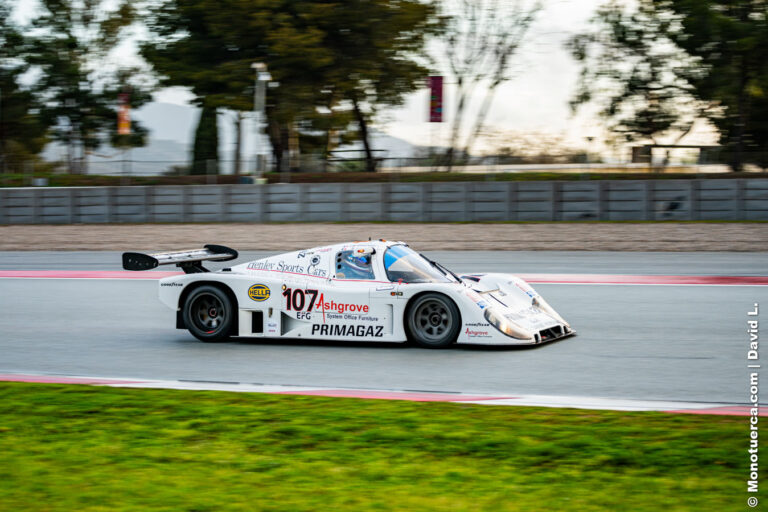
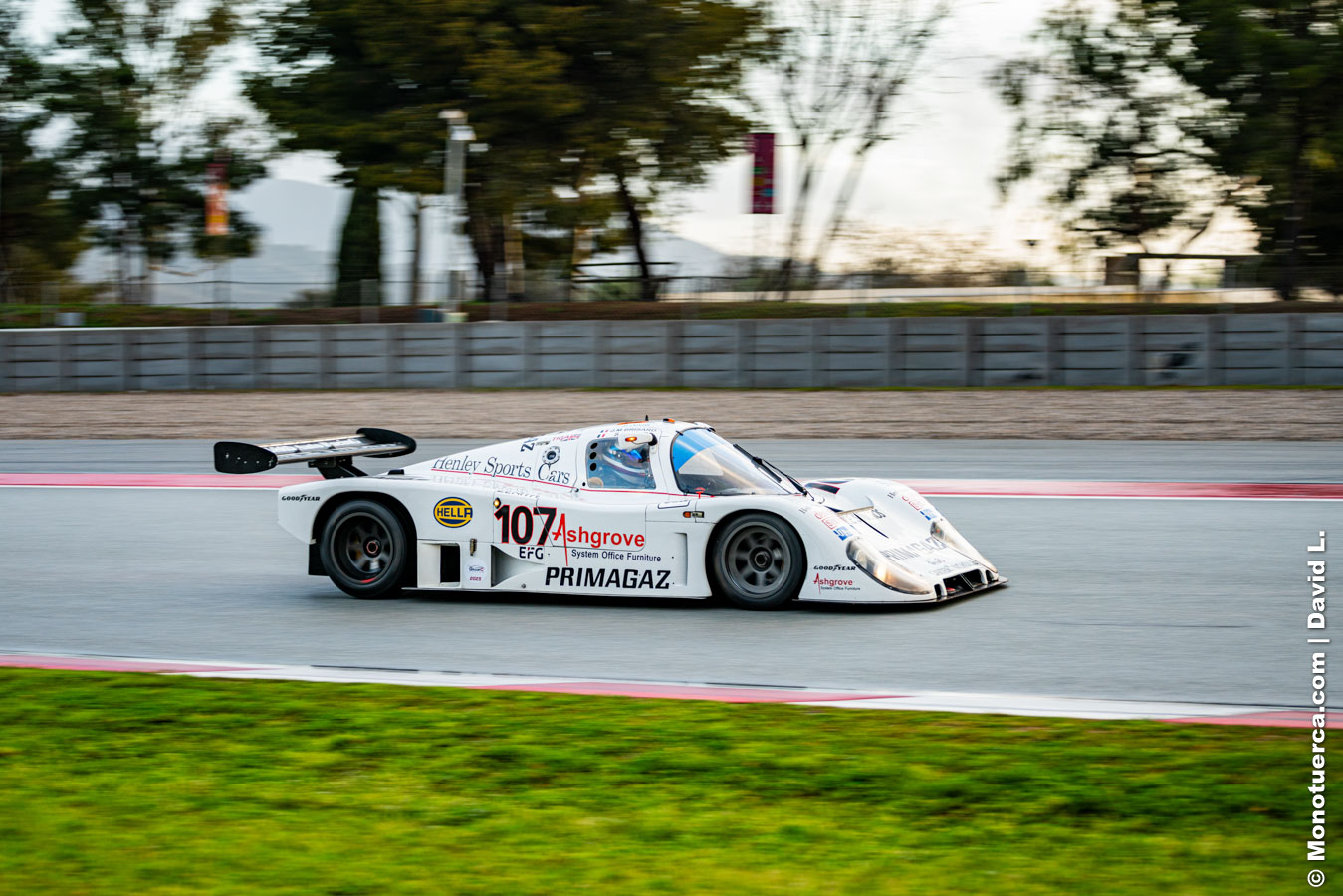
The writing was on the wall, painted in the uncompromising corporate colours of the FIA boardroom. As the 1989 motorsport season loomed, the accessible, wildly diverse ecosystem of Group C2 endurance racing was effectively on life support. The governing body had announced its intention to transition global sports car racing to the astronomically expensive 3.5-liter Formula 1 engine formula, a draconian political manoeuvre that would soon price the independent garagistes out of existence. Inside the High Wycombe workshops of Tiga Race Cars, founders Tim Schenken and Howden Ganley were acutely aware that the golden era was ending, and that their own company was facing insurmountable financial headwinds. Yet, rather than quietly fold their hand, the renowned British constructor rolled out the Tiga GC289. This model line was meant to be the ultimate refinement of their customer prototype philosophy. Interestingly, in a departure from the firm’s established nomenclature, Tiga abandoned the “GT” prefix historically used for its North American IMSA Camel Lights exports. The 1989 chassis was universally christened the GC289, a unified badge representing a streamlined, do-or-die effort by a legendary constructor to defend its territory against the increasingly dominant, carbon-fiber creations of Gordon Spice.
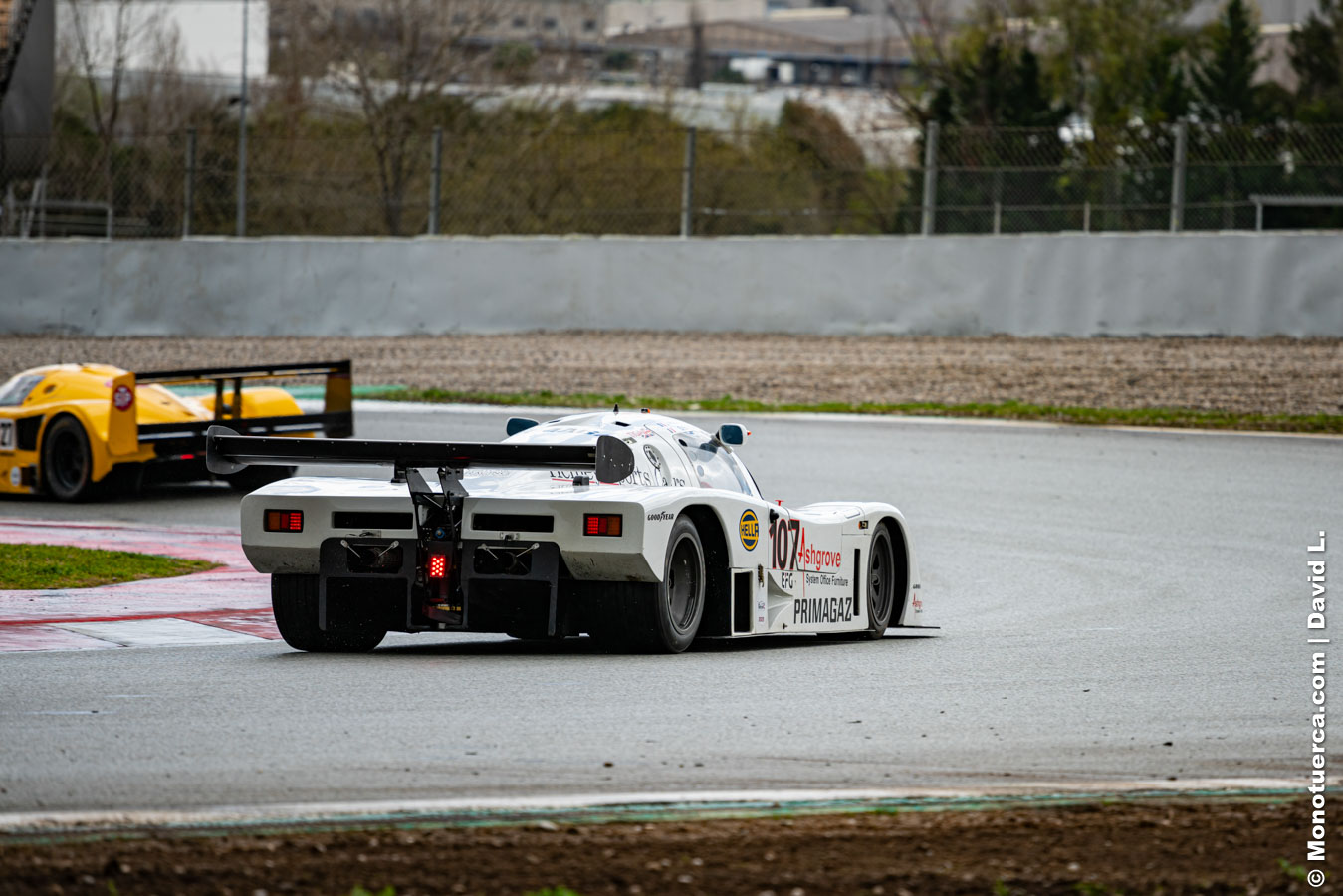
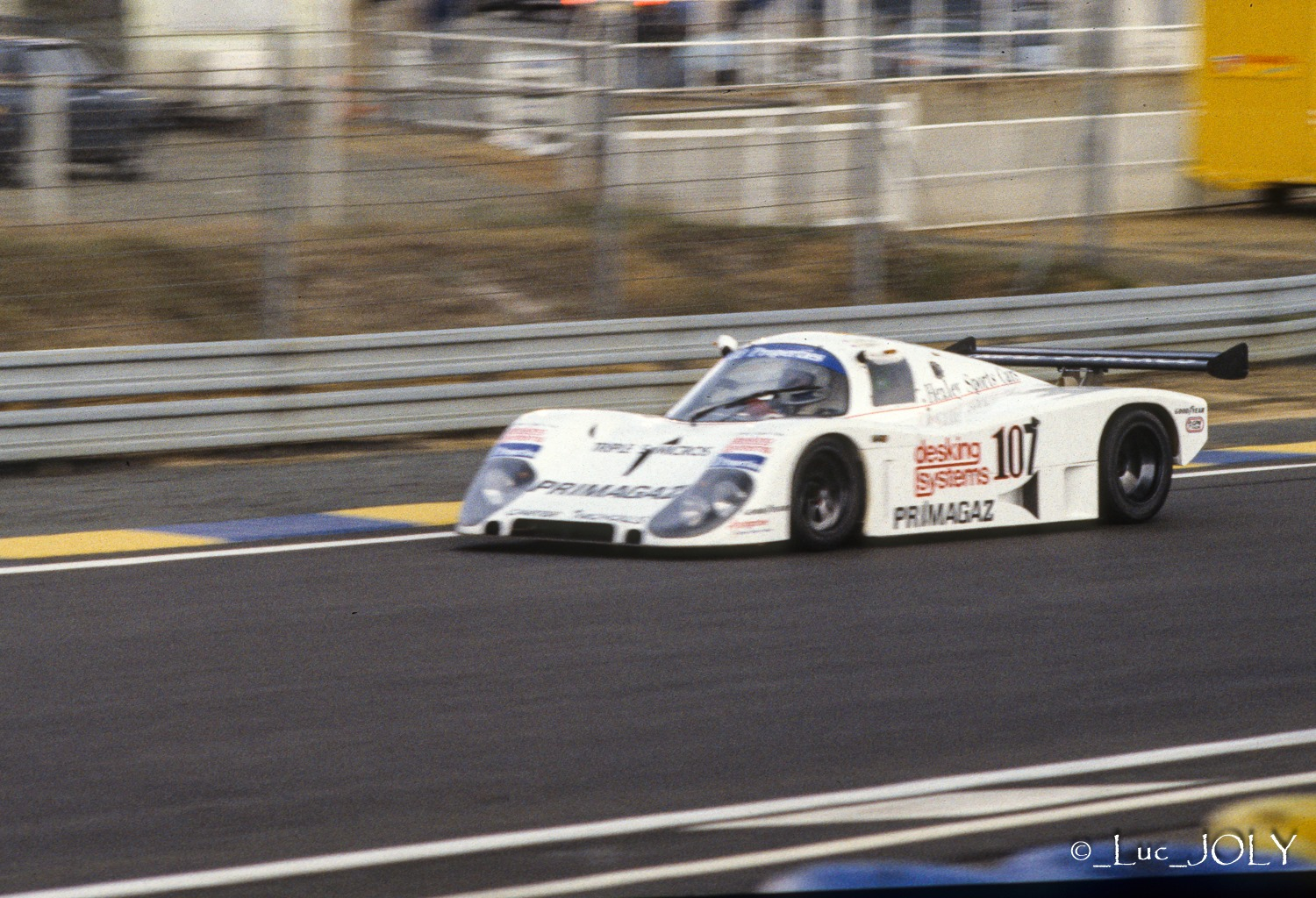
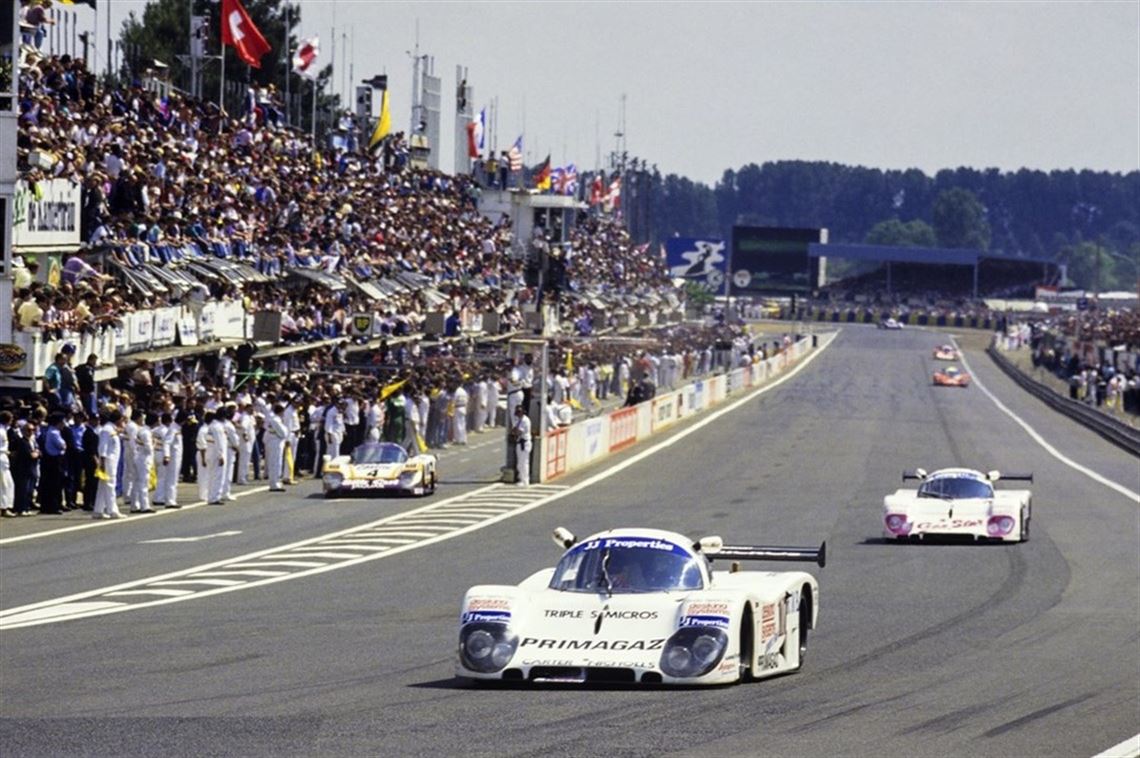
To strip away the sleek, wind-tunnel-sculpted fiberglass and Kevlar bodywork of the GC289 is to uncover a defiant masterpiece of traditional British race engineering. While the wealthy factory teams and even arch-rival Spice Engineering were heavily investing in molded carbon-composite tubs, Tiga remained stubbornly, pragmatically loyal to the folded aluminium honeycomb monocoque. For the privateer teams that Tiga courted, this was not a technological step backward, but a vital financial lifeline. The aluminium chassis provided immense torsional stiffness to cope with modern ground-effect aerodynamic loads, yet it could be repaired with a rivet gun and folded sheet metal in a modest workshop after a weekend skirmish, saving a team from bankruptcy. Visually, the GC289 was a sharper, more aggressive evolution of its GC288 predecessor. It featured a lowered nose profile to improve aerodynamic penetration, while the deeply sculpted underbody venturi tunnels were optimized to suck the featherweight chassis to the tarmac with relentless force.
The true mechanical fascination of the GC289, however, lay within its engine bay. Tiga’s open-architecture design allowed customer teams to select their engine. The default, bulletproof choice for the pragmatic endurance racer was the 3.3-liter Ford Cosworth DFL. This naturally aspirated V8 was the endurance-bred descendant of the immortal DFV, a vibrating, highly strung thoroughbred that produced roughly 500 brake horsepower and emitted a raw, ear-shattering metallic shriek. It was mated to a heavy-duty Hewland DGB five-speed manual transaxle, creating a powertrain package renowned for its ability to survive twenty-four hours of flat-out abuse. However, for those seeking a different path, the GC289 offered a uniquely British alternative: the 3.0-litre Rover V64V. This engine possessed one of the most remarkable pedigrees in motorsport, having originally been designed by David Wood for the monstrous MG Metro 6R4 Group B rally car. Following the ban of Group B, these compact, 90-degree, four-valve-per-cylinder V6 engines were orphaned. Savvy endurance teams repurposed them for Group C2, dropping the screaming rally engines into the back of the Tiga. The Rover V64V fundamentally altered the dynamic character of the GC289, providing a smoother, higher-revving power delivery and a distinctive, guttural howl that stood in stark contrast to the traditional Cosworth symphony. Regardless of the engine choice, stopping power was entrusted to massive, ventilated AP Racing discs, clamped by four-pot callipers capable of hauling the 900-kilogram prototype down from Mulsanne-straight speeds with neck-snapping violence.
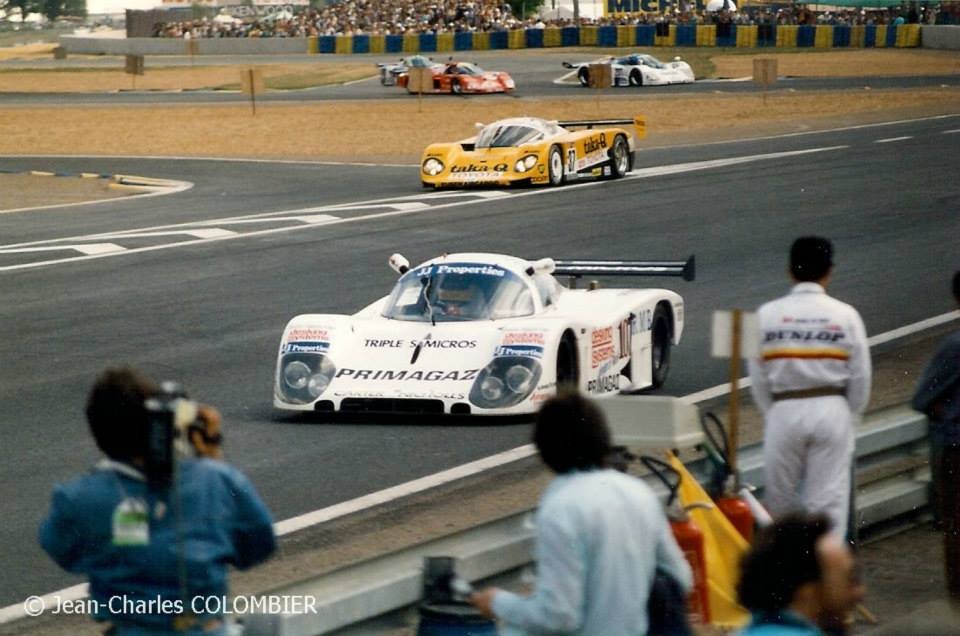
When unleashed upon the global circuits in 1989, the Tiga GC289 orchestrated a valiant, tragic, and spectacular rearguard action. In the World Sports Prototype Championship, privateer outfits wielded both the Cosworth and Rover-powered variants with immense grit. At tracks like Spa-Francorchamps and Brands Hatch, the GC289 proved to be an exceptionally agile weapon. Its refined ground-effect aerodynamics allowed brave drivers to carry immense momentum through sweeping corners, desperately trying to compensate for the sheer straight-line pace of the newer Spice SE89C chassis. The Rover-powered cars, campaigned by dedicated British outfits like Roy Baker Racing, became massive crowd favourites due to their unique exhaust note, even if they occasionally suffered from the teething issues inherent in adapting a rally engine to the sustained, flat-out demands of track racing. In North America, the unified GC289 nomenclature arrived on the IMSA Camel Lights grid, where the rugged aluminium tub proved invaluable on the bumpy, unforgiving concrete of American street circuits. Yet, despite the inherent brilliance of the chassis, the 1989 season was an uphill battle. Spice Engineering had simply cornered the market on ultimate C2 pace, and the shifting political landscape made securing sponsorship for junior prototypes nearly impossible.
The Tiga GC289 was the final clean-sheet design produced during the original Schenken and Ganley partnership before the financially exhausted company was sold to Stephen Hynes. When the FIA finally pulled the trigger on the 3.5-liter engine regulations, the affordable, accessible customer prototype market evaporated overnight, taking legendary constructors like Tiga down with it. There would be no direct successor; the GC289 was the end of the line.
Portal
Model line
Brand
Produced from
Vehicle category
Model Overview
The writing was on the wall, painted in the uncompromising corporate colours of the FIA boardroom. As the 1989 motorsport season loomed, the accessible, wildly diverse ecosystem of Group C2 endurance racing was effectively on life support. The governing body had announced its intention to transition global sports car racing to the astronomically expensive 3.5-liter Formula 1 engine formula, a draconian political manoeuvre that would soon price the independent garagistes out of existence. Inside the High Wycombe workshops of Tiga Race Cars, founders Tim Schenken and Howden Ganley were acutely aware that the golden era was ending, and that their own company was facing insurmountable financial headwinds. Yet, rather than quietly fold their hand, the renowned British constructor rolled out the Tiga GC289. This model line was meant to be the ultimate refinement of their customer prototype philosophy. Interestingly, in a departure from the firm’s established nomenclature, Tiga abandoned the “GT” prefix historically used for its North American IMSA Camel Lights exports. The 1989 chassis was universally christened the GC289, a unified badge representing a streamlined, do-or-die effort by a legendary constructor to defend its territory against the increasingly dominant, carbon-fiber creations of Gordon Spice.
To strip away the sleek, wind-tunnel-sculpted fiberglass and Kevlar bodywork of the GC289 is to uncover a defiant masterpiece of traditional British race engineering. While the wealthy factory teams and even arch-rival Spice Engineering were heavily investing in molded carbon-composite tubs, Tiga remained stubbornly, pragmatically loyal to the folded aluminium honeycomb monocoque. For the privateer teams that Tiga courted, this was not a technological step backward, but a vital financial lifeline. The aluminium chassis provided immense torsional stiffness to cope with modern ground-effect aerodynamic loads, yet it could be repaired with a rivet gun and folded sheet metal in a modest workshop after a weekend skirmish, saving a team from bankruptcy. Visually, the GC289 was a sharper, more aggressive evolution of its GC288 predecessor. It featured a lowered nose profile to improve aerodynamic penetration, while the deeply sculpted underbody venturi tunnels were optimized to suck the featherweight chassis to the tarmac with relentless force.
The true mechanical fascination of the GC289, however, lay within its engine bay. Tiga’s open-architecture design allowed customer teams to select their engine. The default, bulletproof choice for the pragmatic endurance racer was the 3.3-liter Ford Cosworth DFL. This naturally aspirated V8 was the endurance-bred descendant of the immortal DFV, a vibrating, highly strung thoroughbred that produced roughly 500 brake horsepower and emitted a raw, ear-shattering metallic shriek. It was mated to a heavy-duty Hewland DGB five-speed manual transaxle, creating a powertrain package renowned for its ability to survive twenty-four hours of flat-out abuse. However, for those seeking a different path, the GC289 offered a uniquely British alternative: the 3.0-litre Rover V64V. This engine possessed one of the most remarkable pedigrees in motorsport, having originally been designed by David Wood for the monstrous MG Metro 6R4 Group B rally car. Following the ban of Group B, these compact, 90-degree, four-valve-per-cylinder V6 engines were orphaned. Savvy endurance teams repurposed them for Group C2, dropping the screaming rally engines into the back of the Tiga. The Rover V64V fundamentally altered the dynamic character of the GC289, providing a smoother, higher-revving power delivery and a distinctive, guttural howl that stood in stark contrast to the traditional Cosworth symphony. Regardless of the engine choice, stopping power was entrusted to massive, ventilated AP Racing discs, clamped by four-pot callipers capable of hauling the 900-kilogram prototype down from Mulsanne-straight speeds with neck-snapping violence.
When unleashed upon the global circuits in 1989, the Tiga GC289 orchestrated a valiant, tragic, and spectacular rearguard action. In the World Sports Prototype Championship, privateer outfits wielded both the Cosworth and Rover-powered variants with immense grit. At tracks like Spa-Francorchamps and Brands Hatch, the GC289 proved to be an exceptionally agile weapon. Its refined ground-effect aerodynamics allowed brave drivers to carry immense momentum through sweeping corners, desperately trying to compensate for the sheer straight-line pace of the newer Spice SE89C chassis. The Rover-powered cars, campaigned by dedicated British outfits like Roy Baker Racing, became massive crowd favourites due to their unique exhaust note, even if they occasionally suffered from the teething issues inherent in adapting a rally engine to the sustained, flat-out demands of track racing. In North America, the unified GC289 nomenclature arrived on the IMSA Camel Lights grid, where the rugged aluminium tub proved invaluable on the bumpy, unforgiving concrete of American street circuits. Yet, despite the inherent brilliance of the chassis, the 1989 season was an uphill battle. Spice Engineering had simply cornered the market on ultimate C2 pace, and the shifting political landscape made securing sponsorship for junior prototypes nearly impossible.
The Tiga GC289 was the final clean-sheet design produced during the original Schenken and Ganley partnership before the financially exhausted company was sold to Stephen Hynes. When the FIA finally pulled the trigger on the 3.5-liter engine regulations, the affordable, accessible customer prototype market evaporated overnight, taking legendary constructors like Tiga down with it. There would be no direct successor; the GC289 was the end of the line.
Submodels